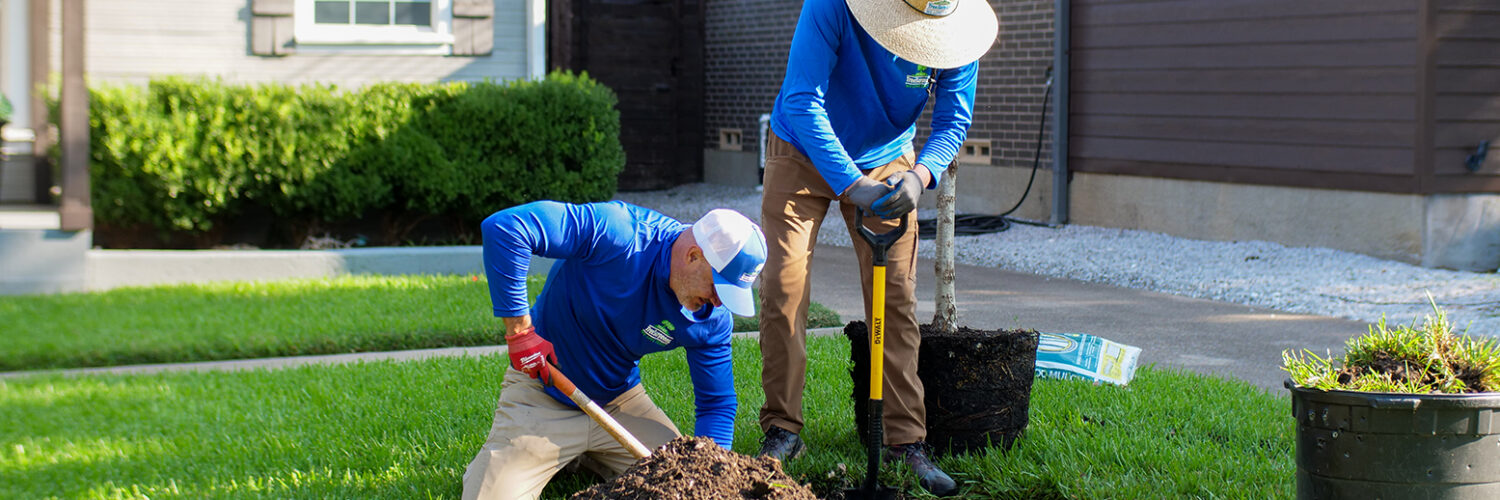
ISA Certified Arborists
for tree planting in Southlake
Texas Tree Surgeons offers turnkey tree planting services for residential, commercial, and municipal clients across Southlake. Our program includes professional tree selection, delivery, and planting. We specialize in installing medium to large shade trees and small ornamental species suited to Southlake.
Trees Best Suited for Southlake
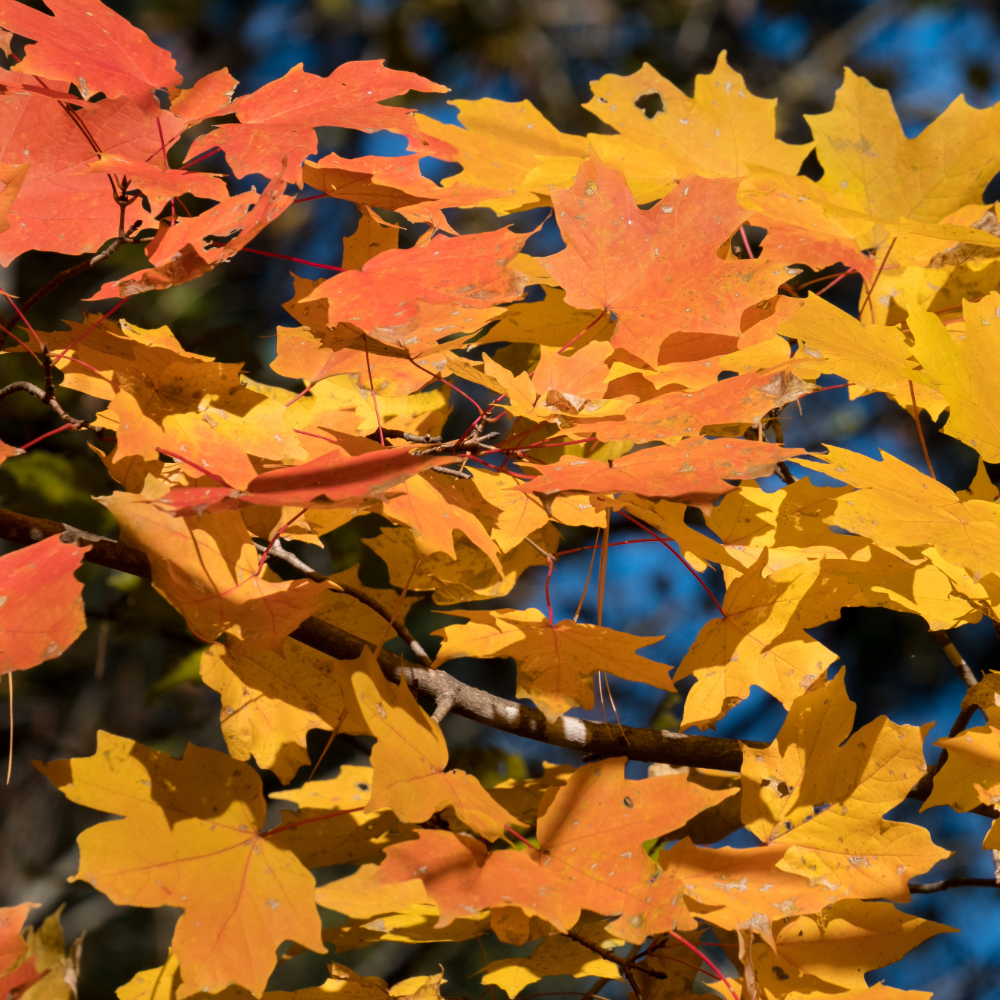
Southern Sugar Maple
Acer saccharum 'Caddo'
Drought/heat-adapted sugar maple; Caddo maple variety rare in the trade but well suited to alkaline clay. Limited nursery availability and higher cost; slower to establish than Shantung maple.




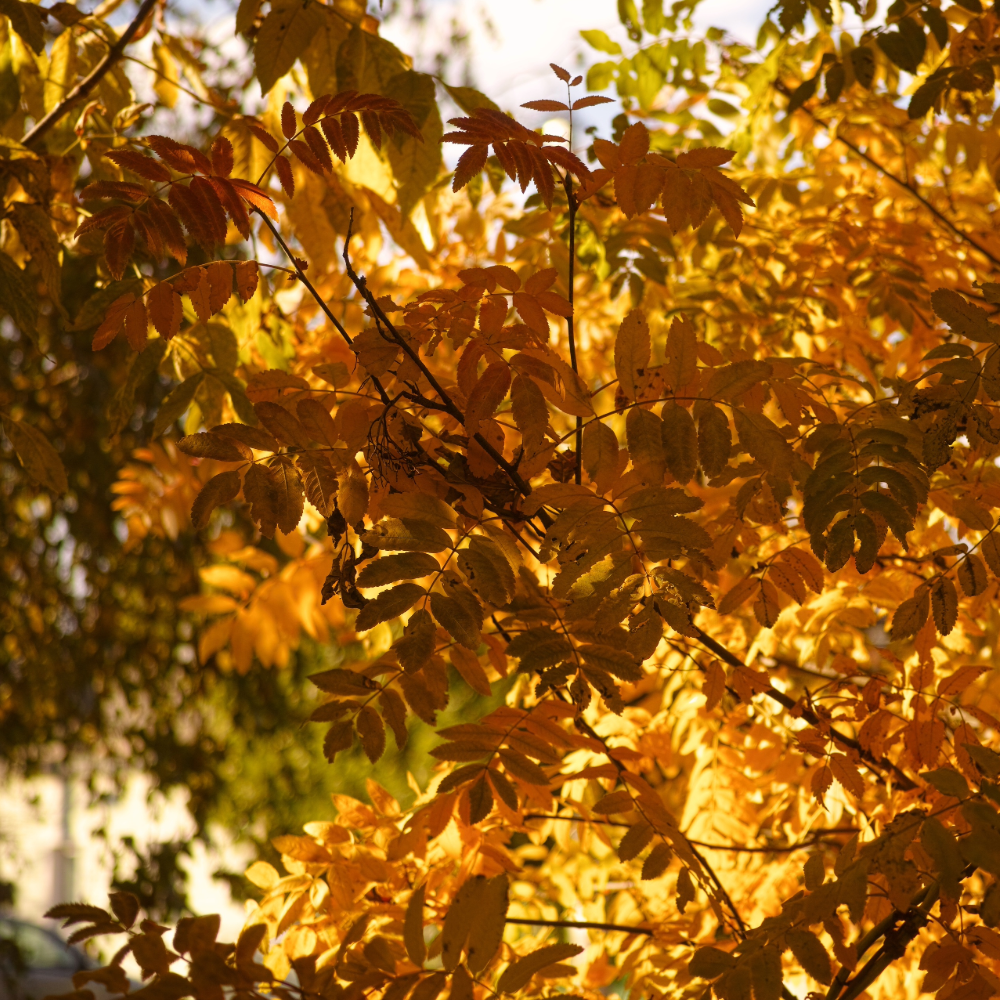
Texas Ash
Fraxinus texensis
Good fall color, tolerant of varied soils; avoid non-Texas ash cultivars. All ash species carry long-term emerald ash borer risk as EAB is in North Texas.
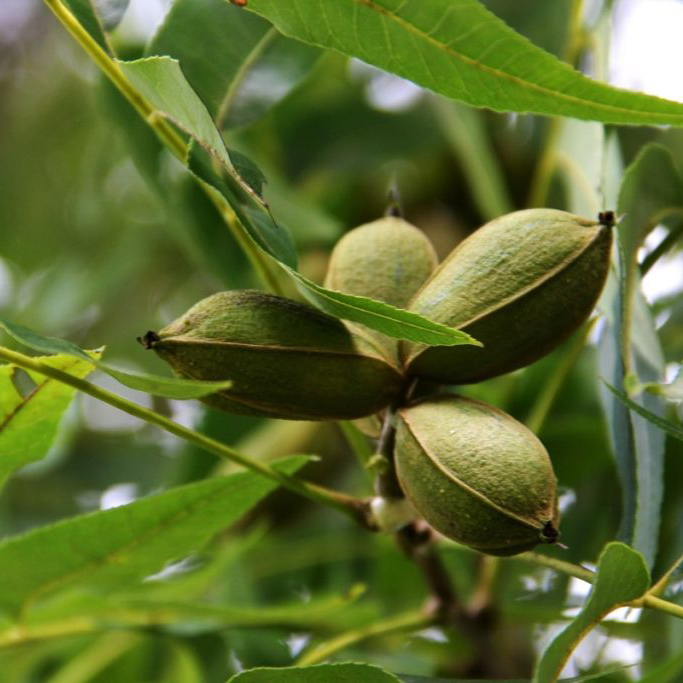
Pecan
Carya illinoinensis
Texas state tree; large residential lots, needs significant space. Messy nut drop and webworm/aphid honeydew; brittle wood in ice storms; needs more space than most residential lots have.
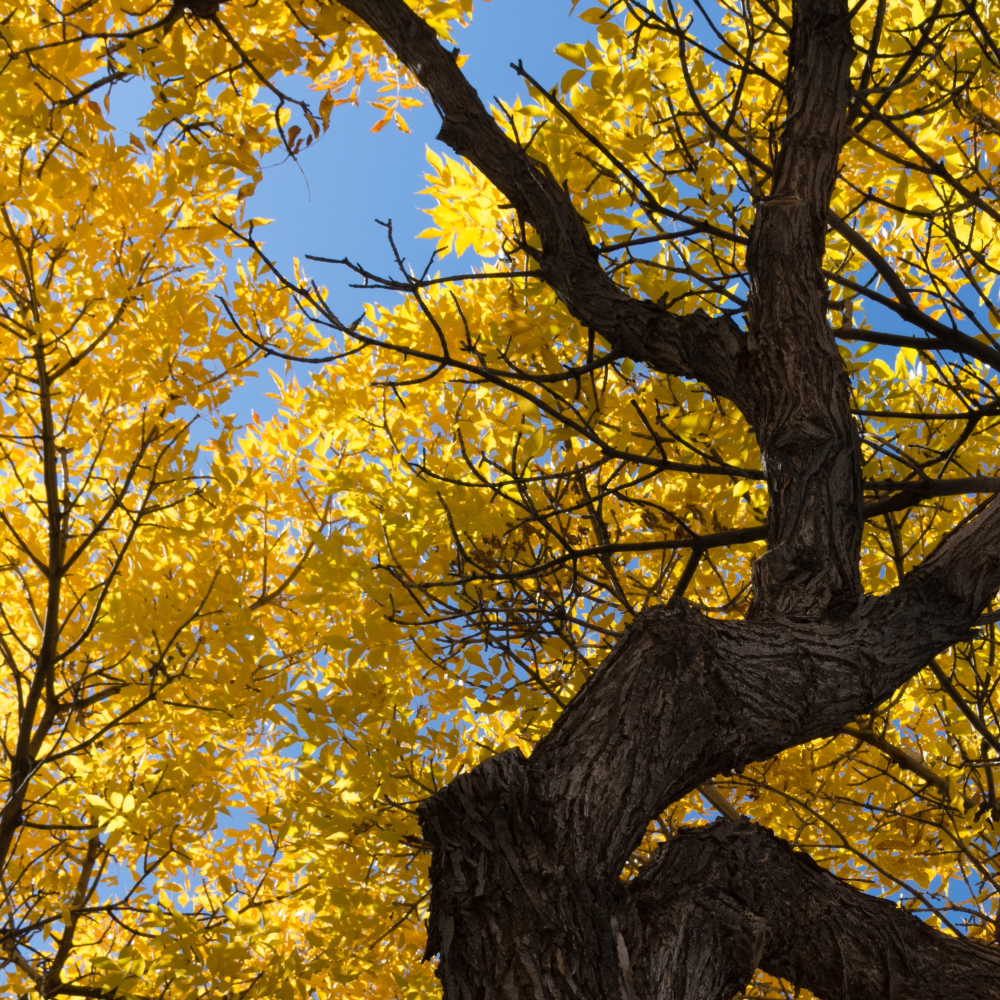
American Elm
Ulmus americana
Classic large vase-shaped shade tree; disease-resistant cultivars (e.g. 'Princeton', 'Valley Forge') have renewed its popularity. Straight species is highly susceptible to Dutch elm disease; often requires structural pruning.
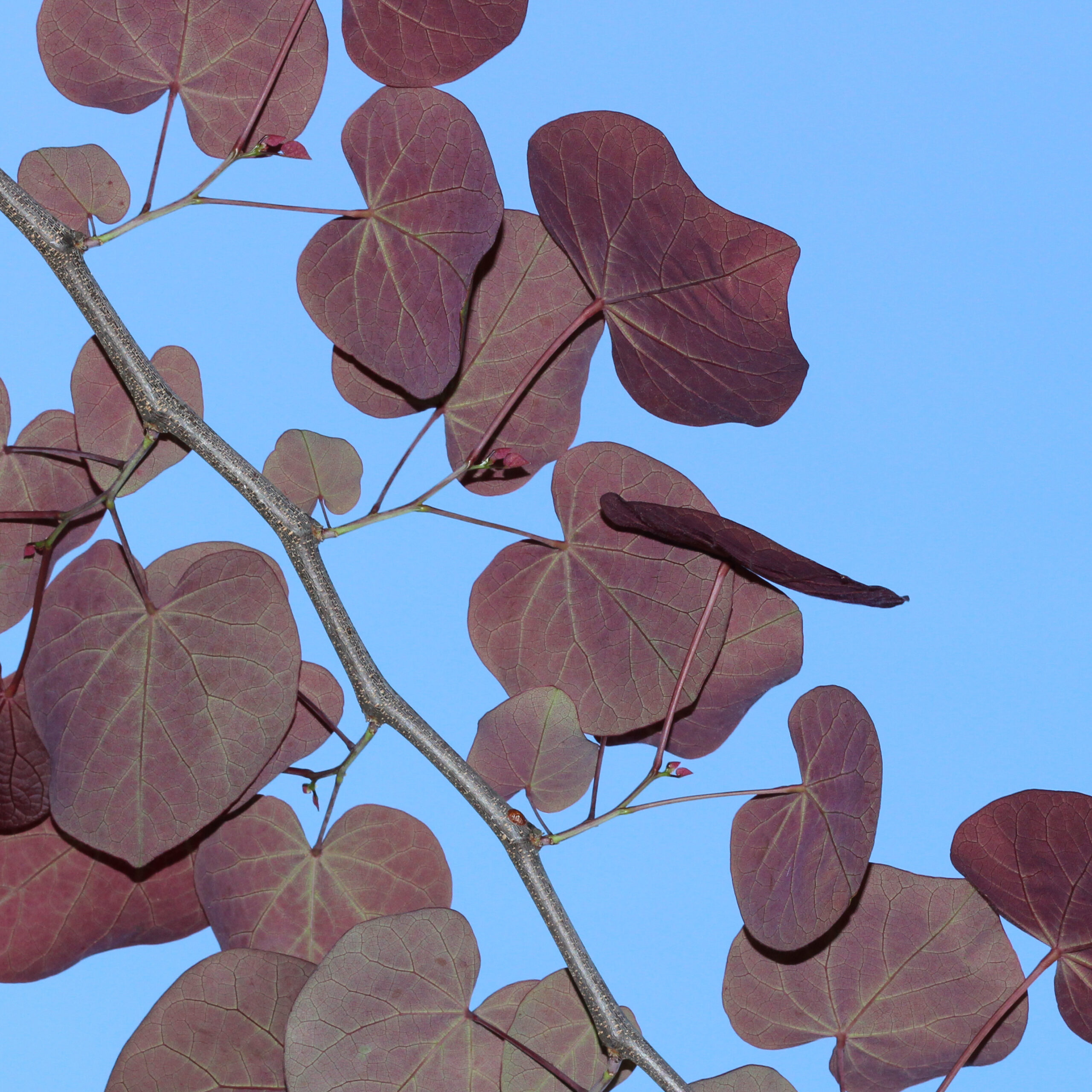
Eastern Redbud
Cercis canadensis 'Forest Pansy'
Most popular colored-foliage redbud; burgundy-purple leaves hold color spring through fall. Foliage color fades to green in heavy summer heat/sun; same short lifespan and canker susceptibility as other redbuds.
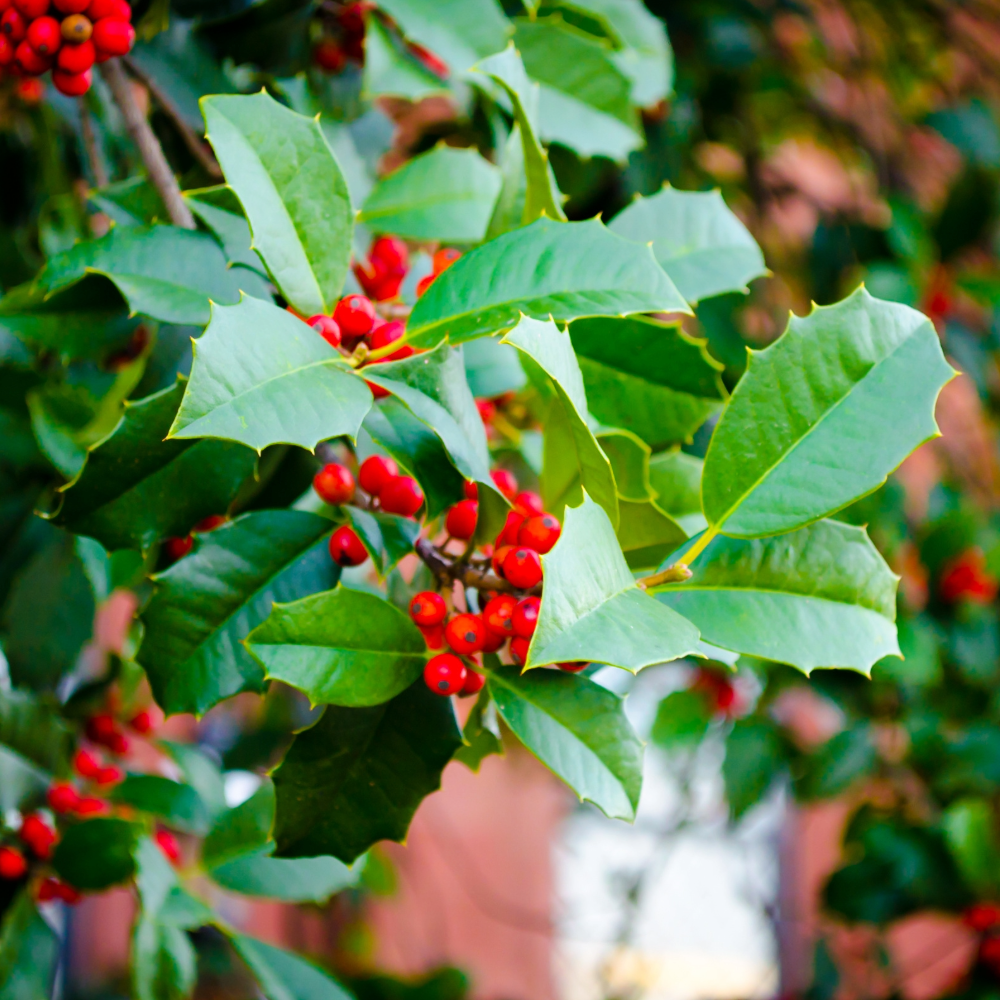
American Holly
Ilex opaca
Classic native evergreen holly with the traditional spiny, glossy leaf and red winter berries. Slow growing; prefers slightly acidic soil, can become chlorotic in DFW's alkaline clay; dioecious — need male & female plants to berry.
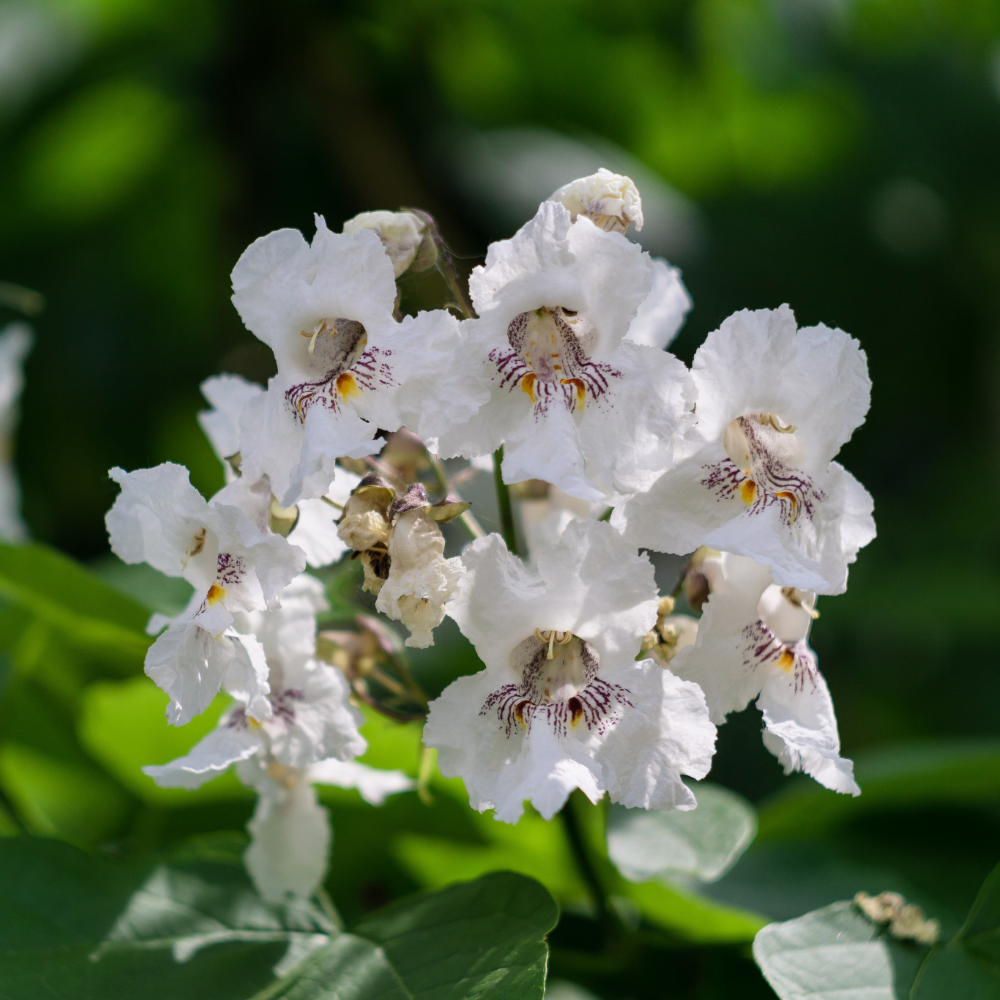
Chitalpa
Chitalpa tashkentensis
Fast-growing hybrid of desert willow and catalpa; showy trumpet-shaped blooms all summer, very heat tolerant. Weak, brittle wood prone to breakage in storms; relatively short-lived; messy seed pod and flower drop
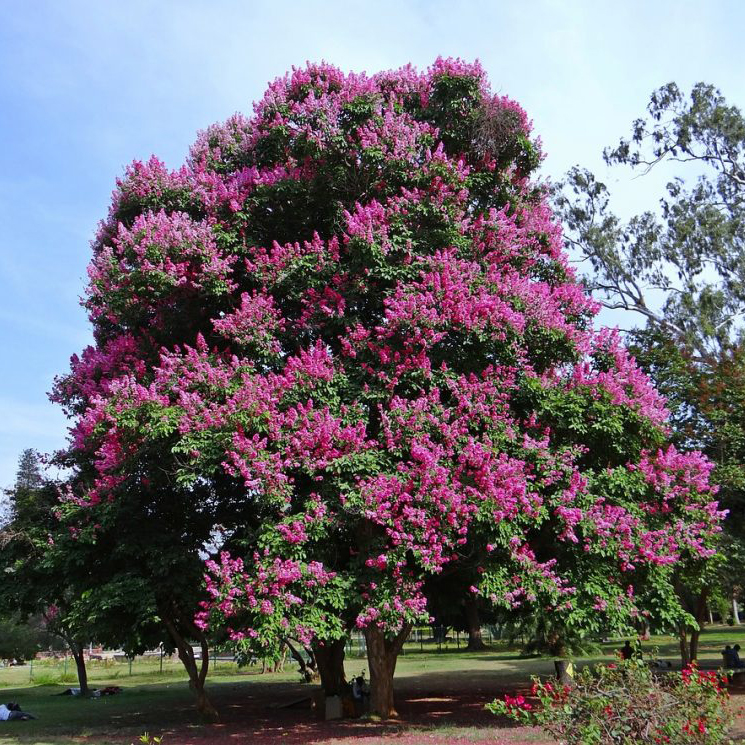
Crape Myrtle
Lagerstroemia indica
Most widely planted ornamental in Dallas; white, mauve, or pink flowers with long summer bloom season. Crepe myrtle bark scale widespread in DFW; common victims of 'crepe murder' pruning; powdery mildew on older cultivars
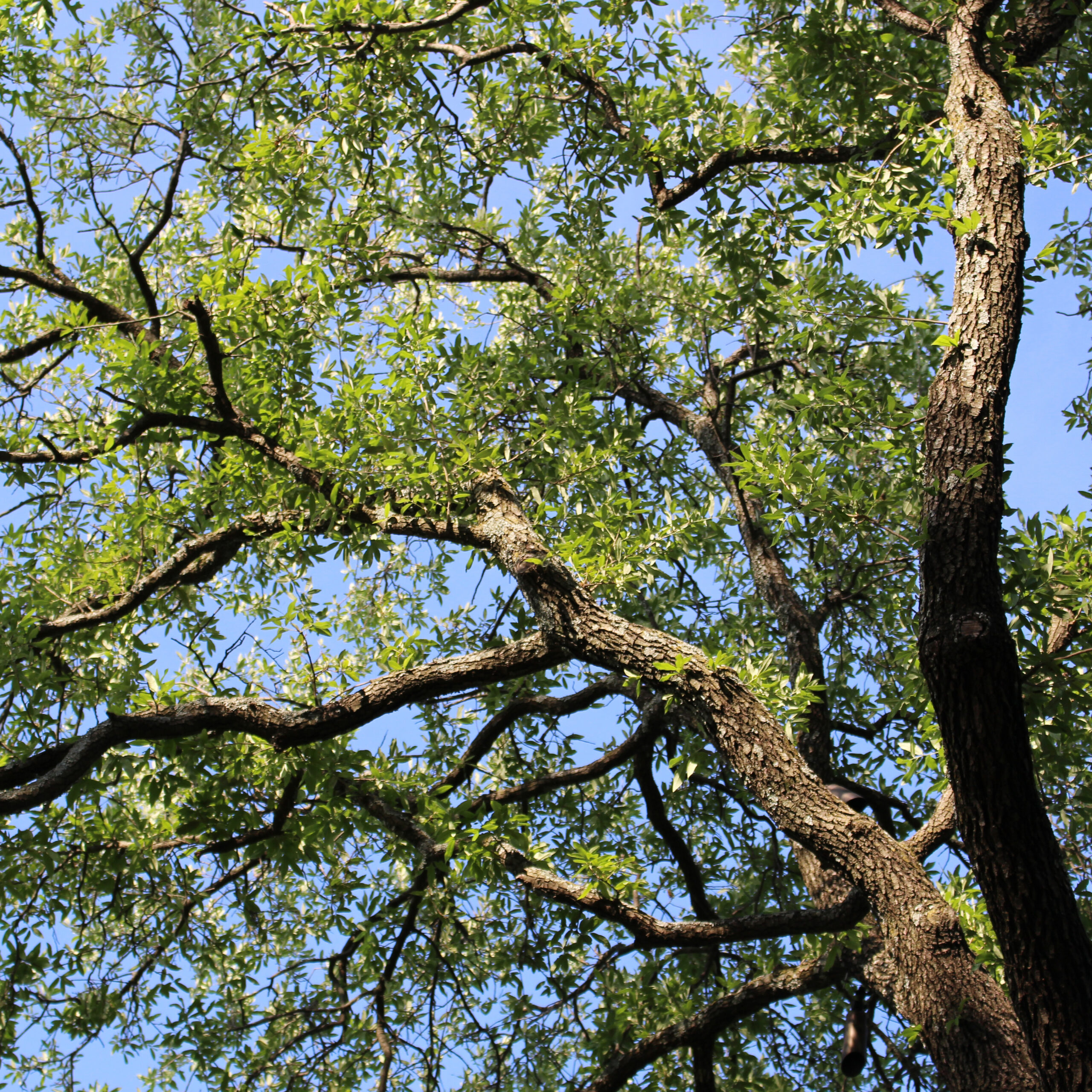
Live Oak
Quercus virginiana
The default DFW shade tree — evergreen, long-lived (up to 300 yrs), highly requested by homeowners. Susceptible to oak wilt; surface roots can heave sidewalks/foundations; dense shade makes it hard to grow grass underneath.
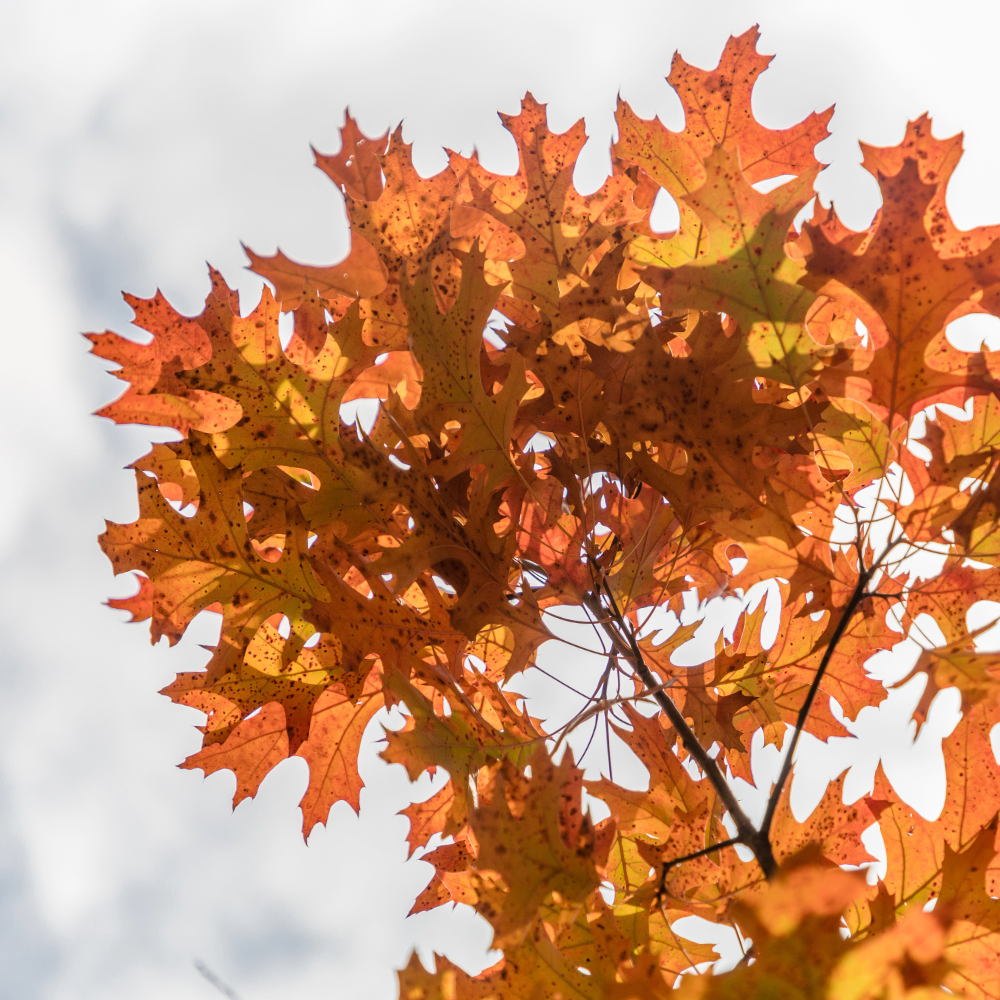
Shumard Red Oak
Quercus shumardii
Popular for reliable red fall color and fast growth for an oak. In the red oak group, so more vulnerable to oak wilt than white oaks; can show chlorosis in very alkaline soil.
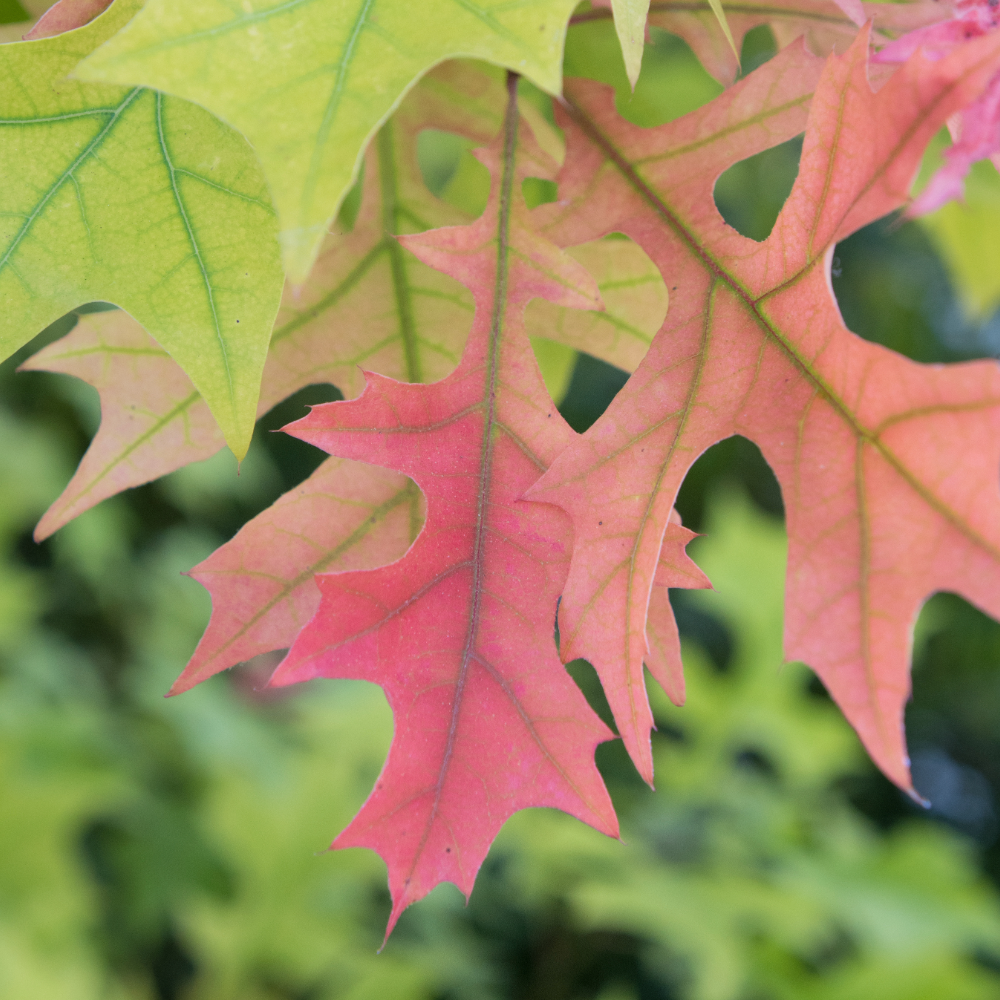
Texas Red Oak (Texas Oak)
Quercus buckleyi
Smaller-scale native cousin of Shumard oak with good red fall color; fits residential lots that can't take a 60-80 ft oak. In the red oak group, so more vulnerable to oak wilt.
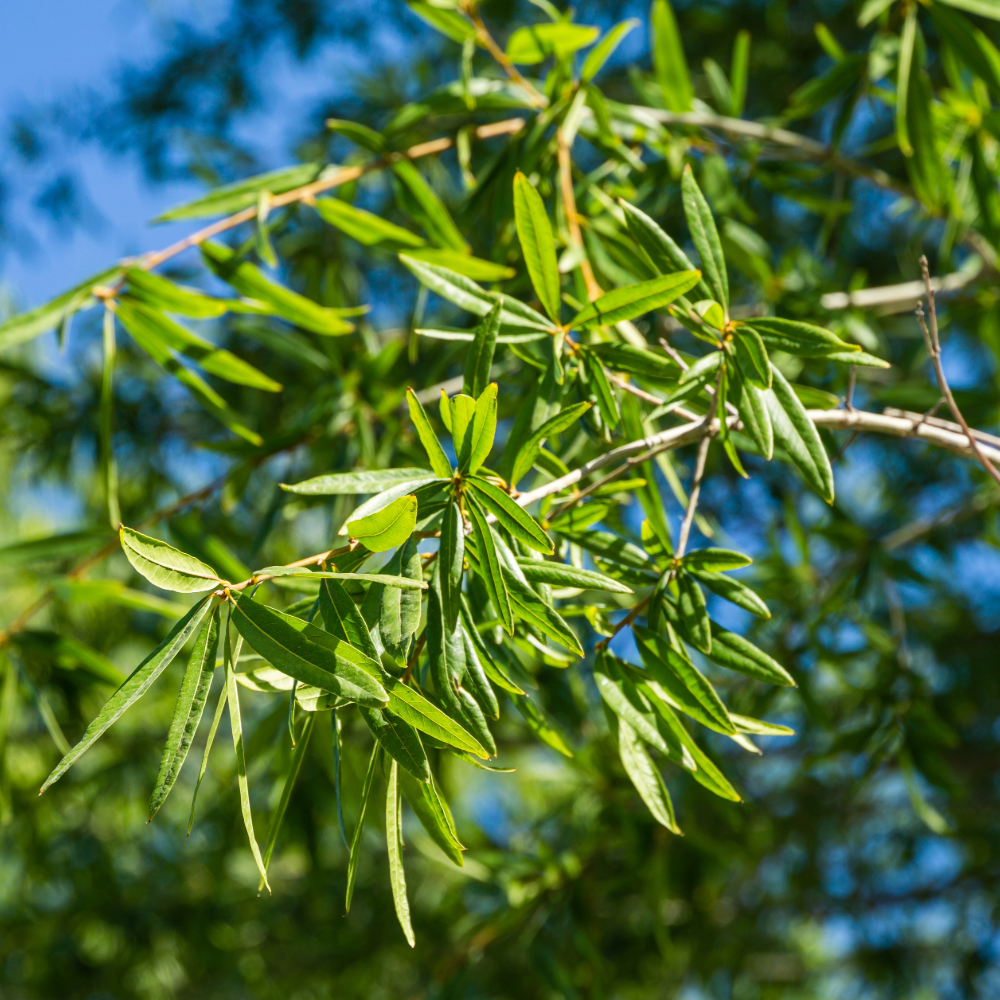
Willow Oak
Quercus phellos
Fine willow-like leaf texture and a graceful, more formal shade tree form; fast for an oak. Prefers acidic soil, prone to chlorosis in DFW's alkaline clay without amendment.
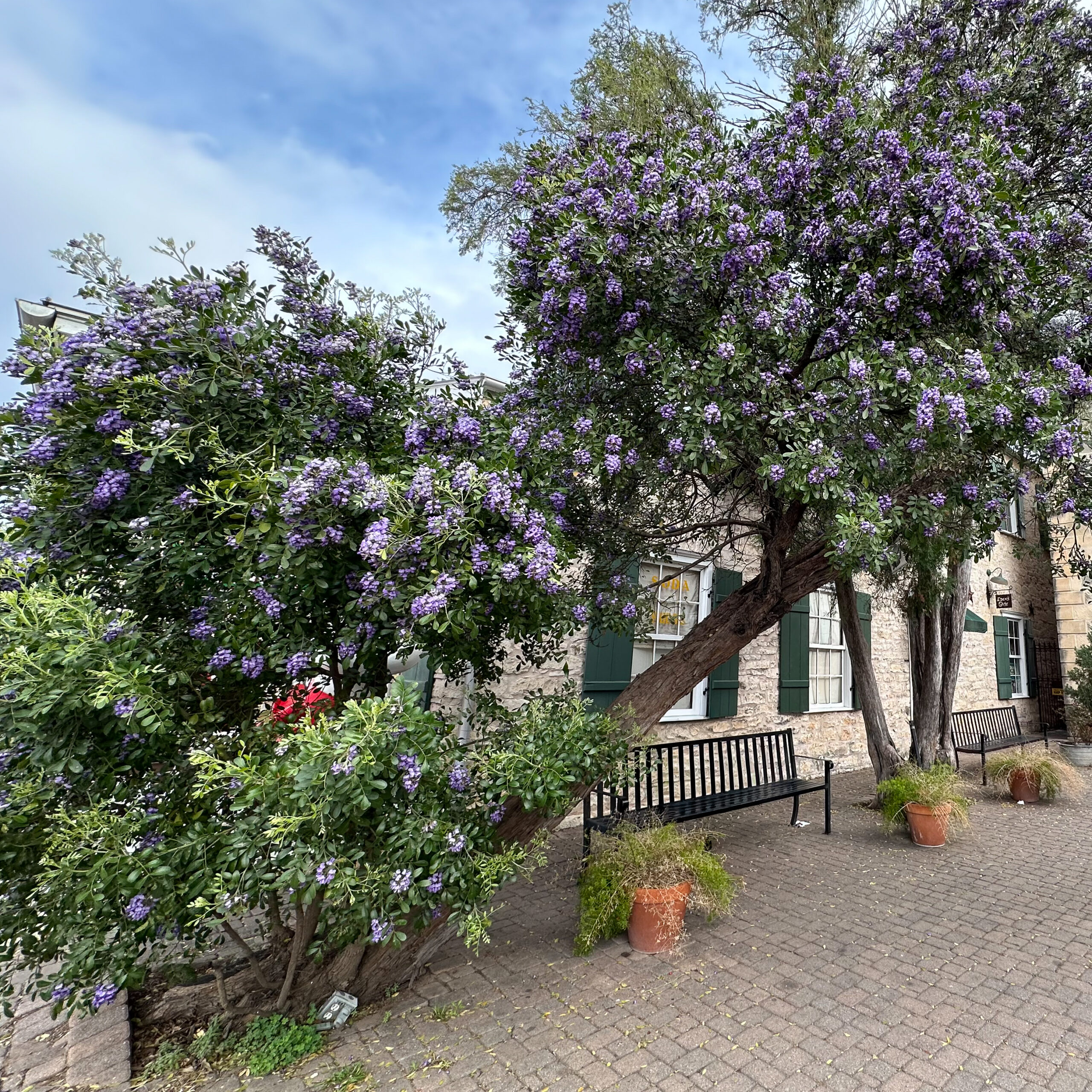
Texas Mountain Laurel
Sophora secundiflora
Texas Mountain Laurel is a hardy evergreen shrub or small tree native to Texas and northern Mexico. In spring, it showcases fragrant clusters of purple, wisteria-like flowers against dark green foliage. Heat- and drought-tolerant, it’s an ideal choice for xeriscaping and low-maintenance landscapes. Slow-growing, does not tolerate poorly-drained or overwatered clay sites, freezes can damage flowers
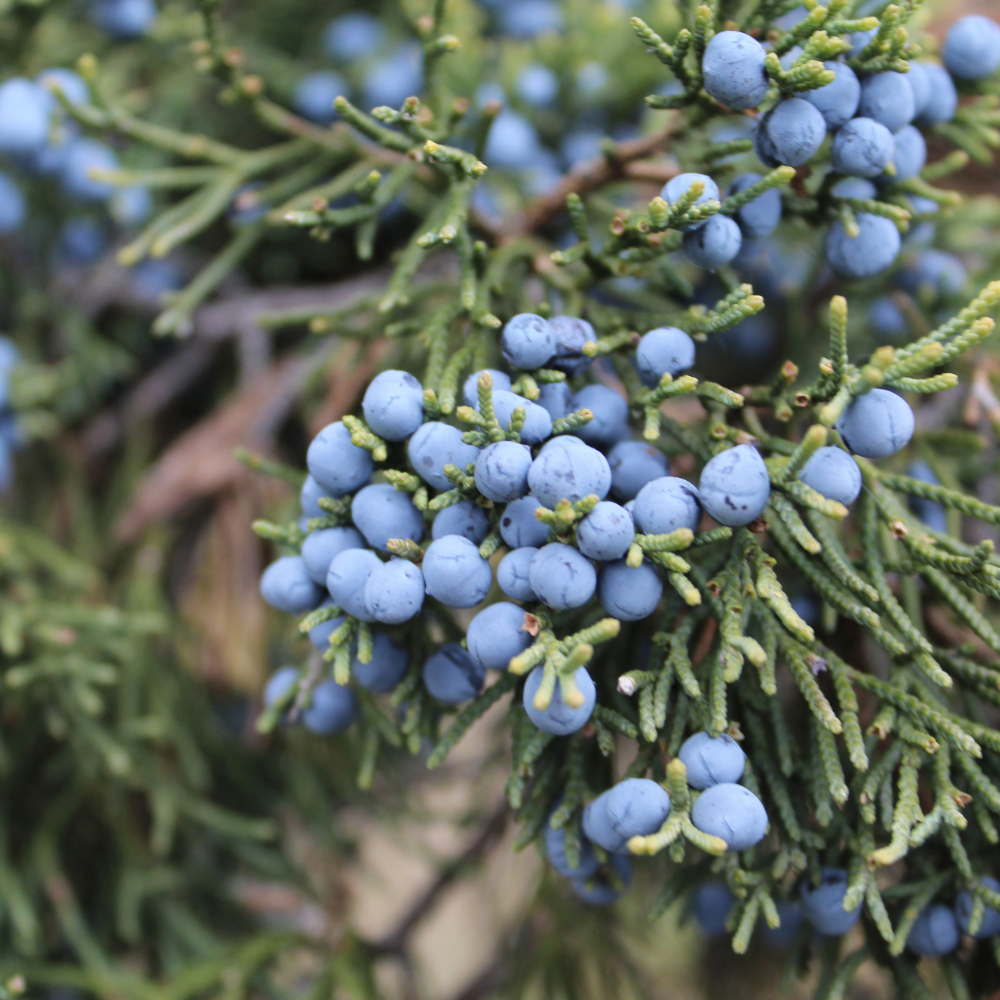
Eastern Red Cedar
Juniperus virginiana
Native windbreak/screening tree, very drought tolerant. Alternate host for cedar-apple rust (a concern near apple/pear plantings); pollen is a significant allergen source locally.
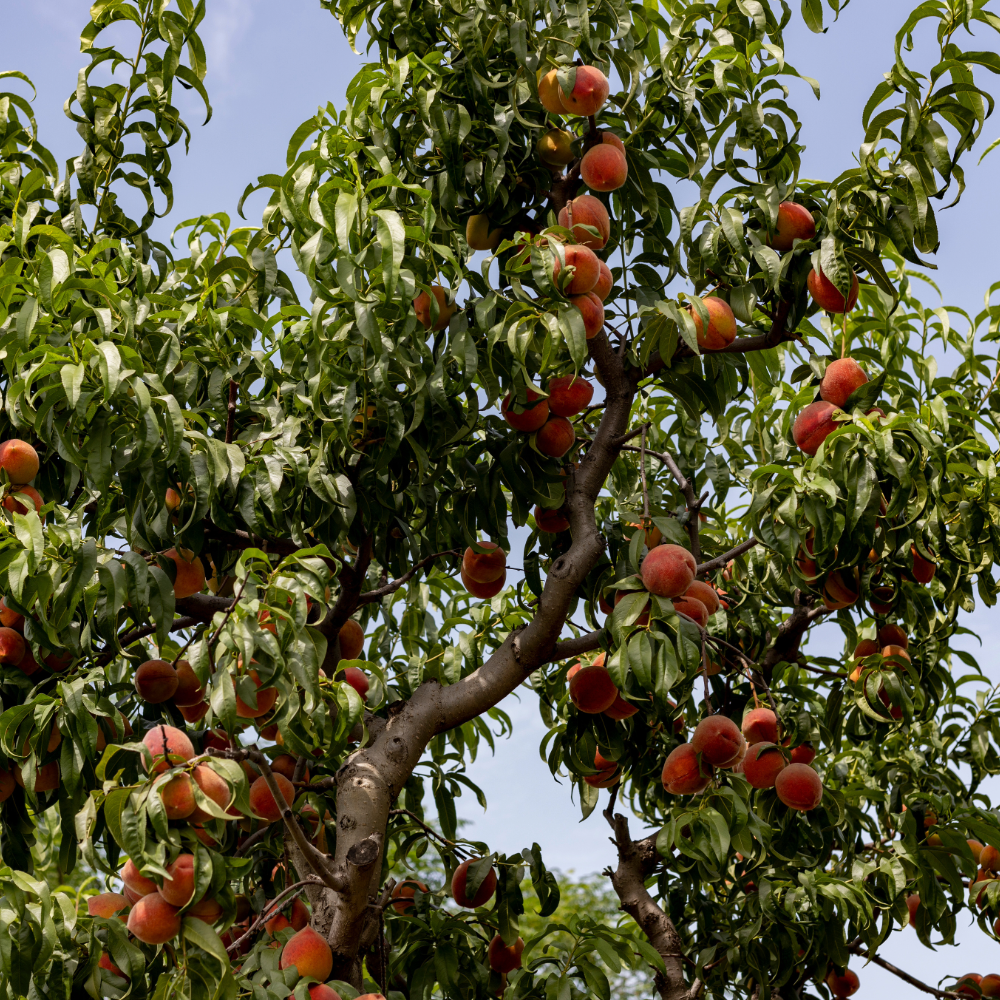
Peach
Prunus persica
Popular residential fruit tree; needs a low-chill-hour variety suited to North Texas's mild winters. Prone to peach tree short life syndrome, bacterial leaf spot, and borers; needs annual pruning and a spray program to fruit reliably.
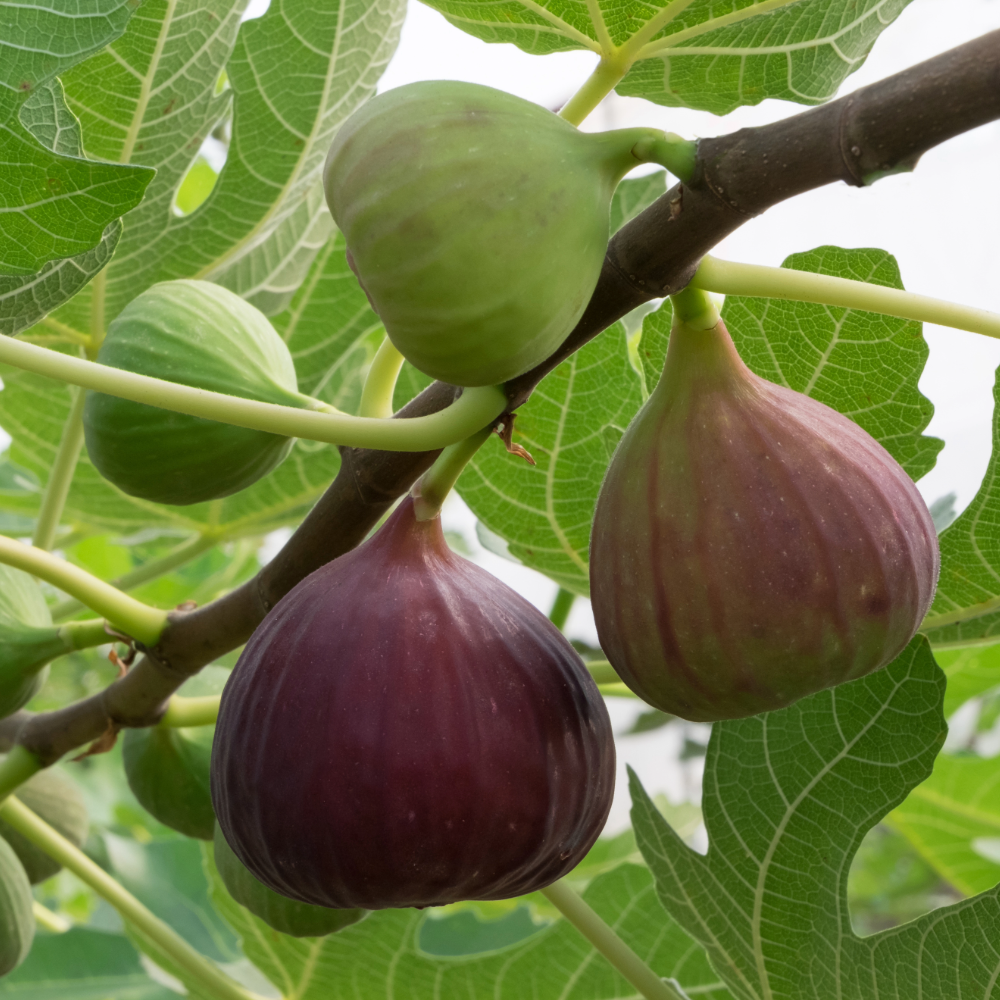
Fig
Ficus carica
Very tough, drought tolerant once established, minimal pest pressure for a fruit tree. Can die back to the ground in a hard DFW freeze and regrow as a shrub; fig rust can appear in wet years.
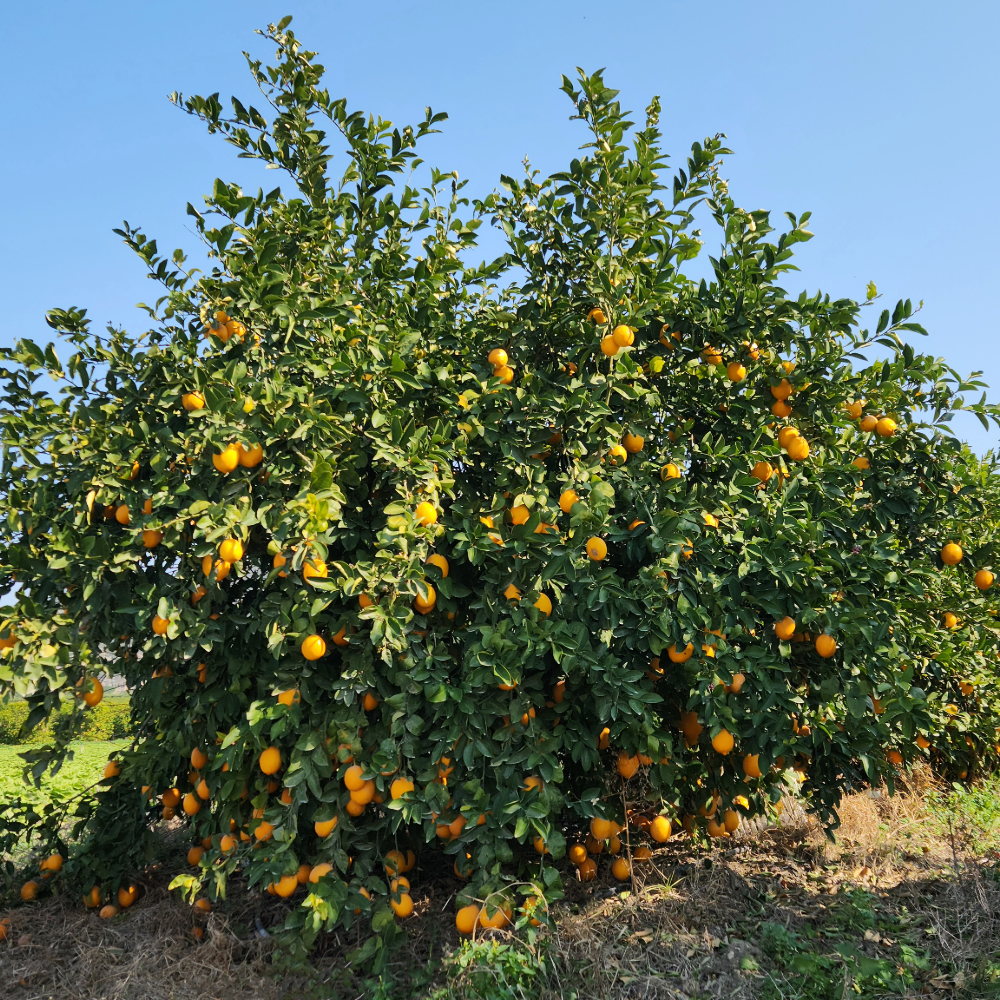
Meyer Lemon
Citrus x meyeri
The most requested lemon for home citrus growing; sweeter/less acidic than true lemons. Not reliably cold-hardy in DFW's zone 8a winters; needs hard freeze protection if planted in ground.
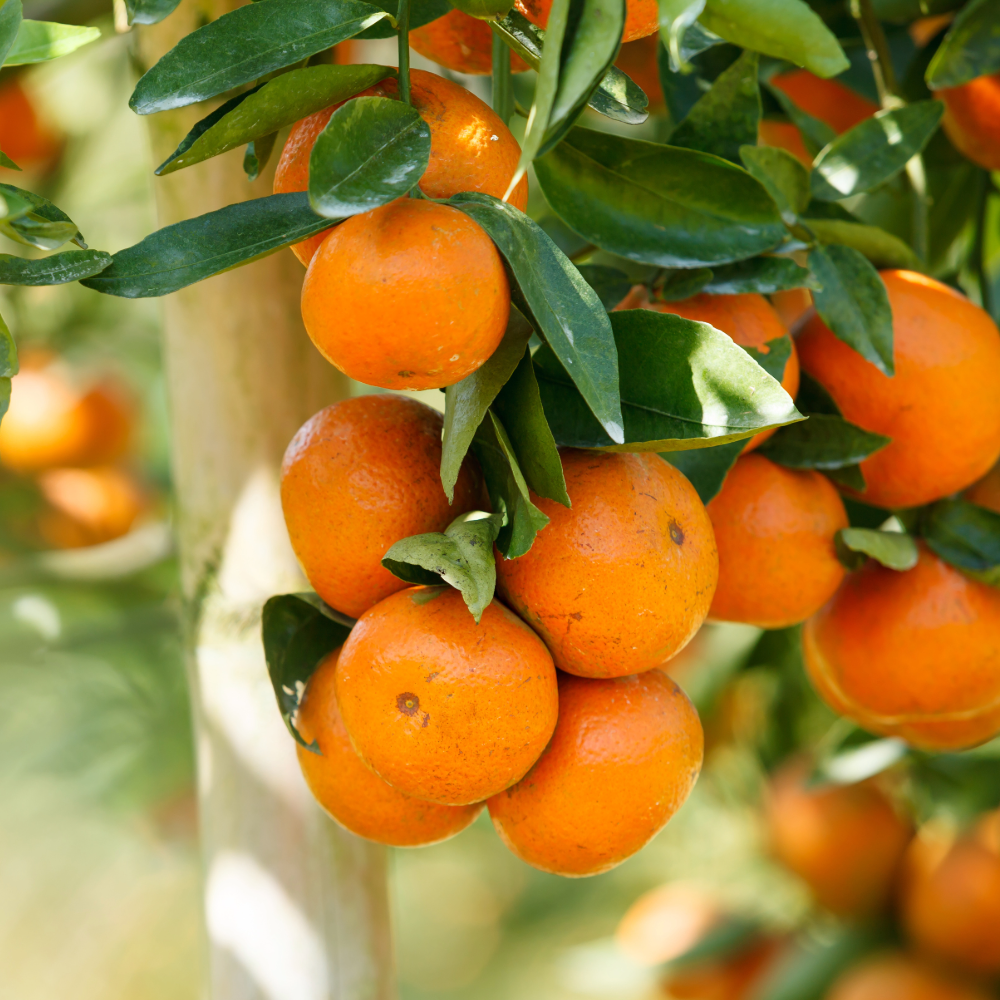
Satsuma
Citrus unshiu
The most cold-hardy commonly eaten citrus — some DFW growers keep it in ground with winter protection. Not reliably cold-hardy in DFW's zone 8a winters; needs hard freeze protection if planted in ground.
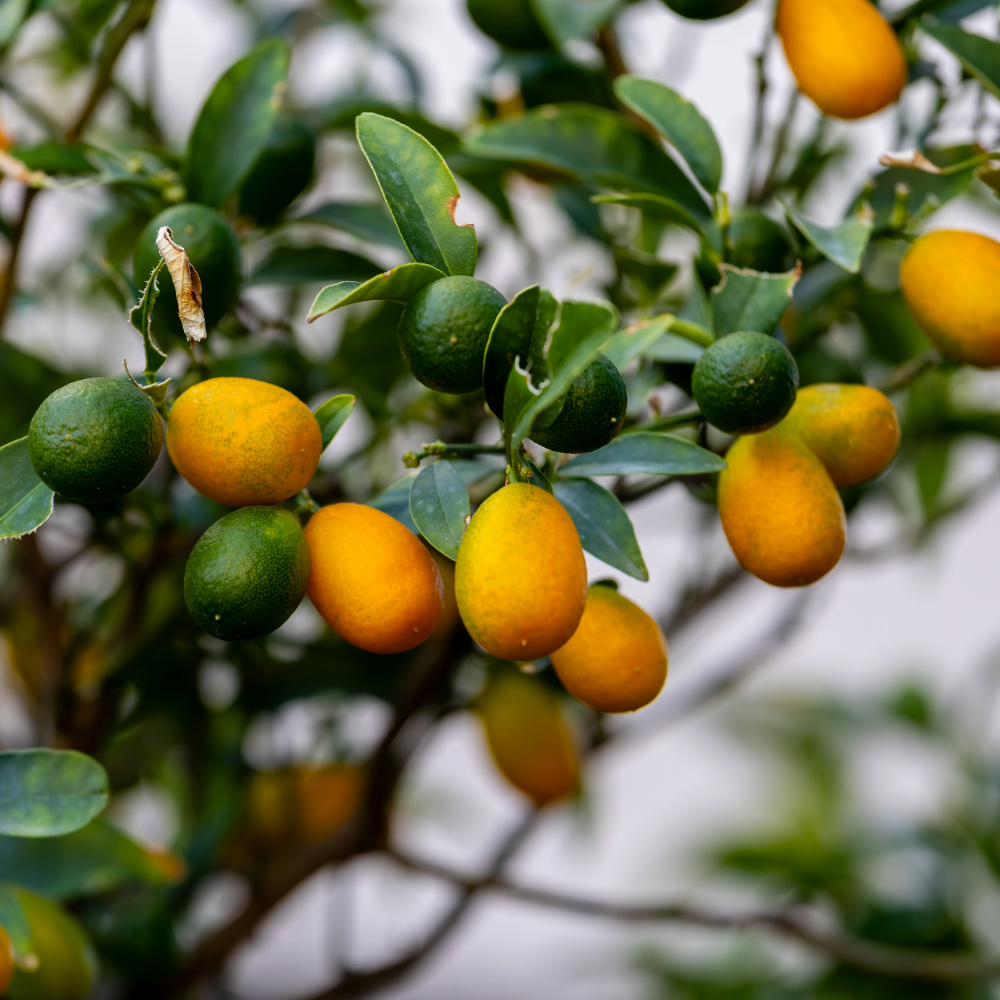
Kumquat
Citrus japonica (Fortunella spp.)
The hardiest citrus commonly planted — naturally semi-dormant going into winter, edible whole (skin and all). Hardier, but still benefits from a protected microclimate (south-facing wall) in DFW; slow to establish and fruit.
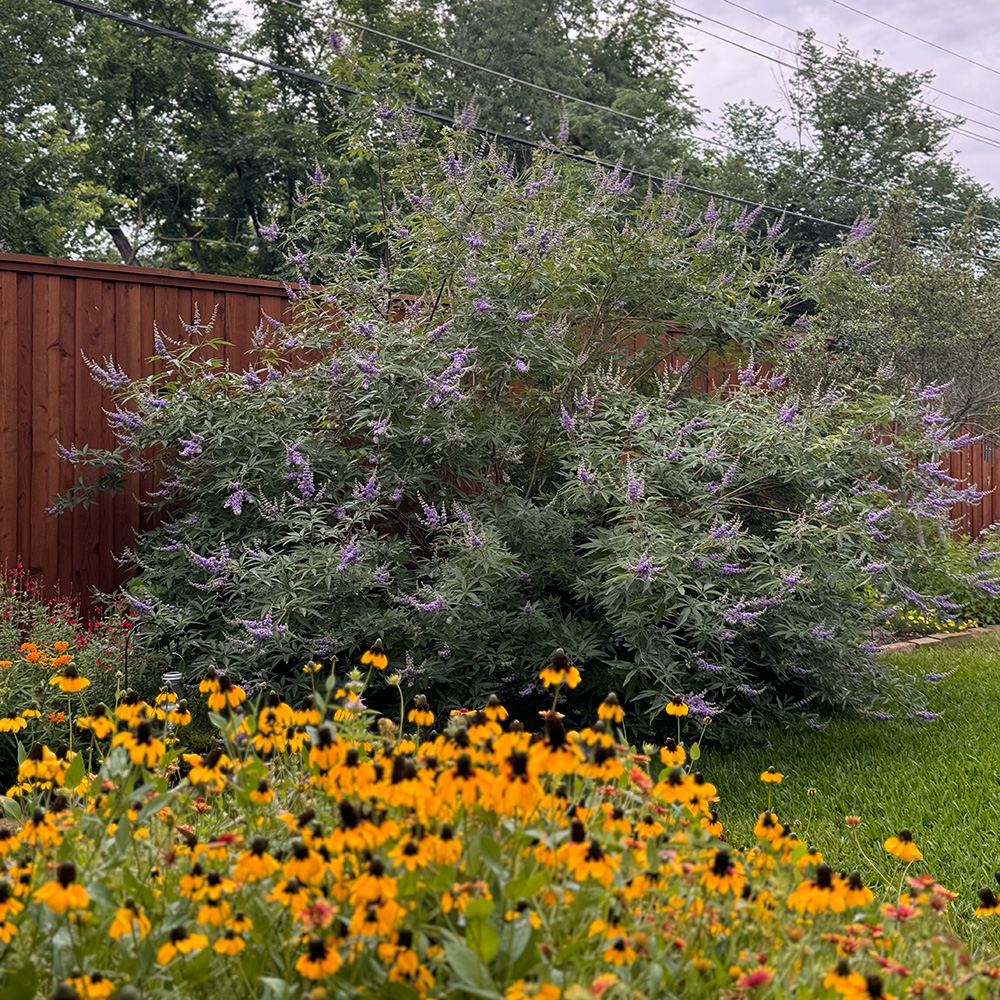
Vitex (Chaste Tree)
Vitex agnus-castus
Popular flowering accent/patio tree, very heat tolerant. Can die back to the ground in a hard freeze and regrow as a multi-stem shrub; relatively short-lived as a tree form.
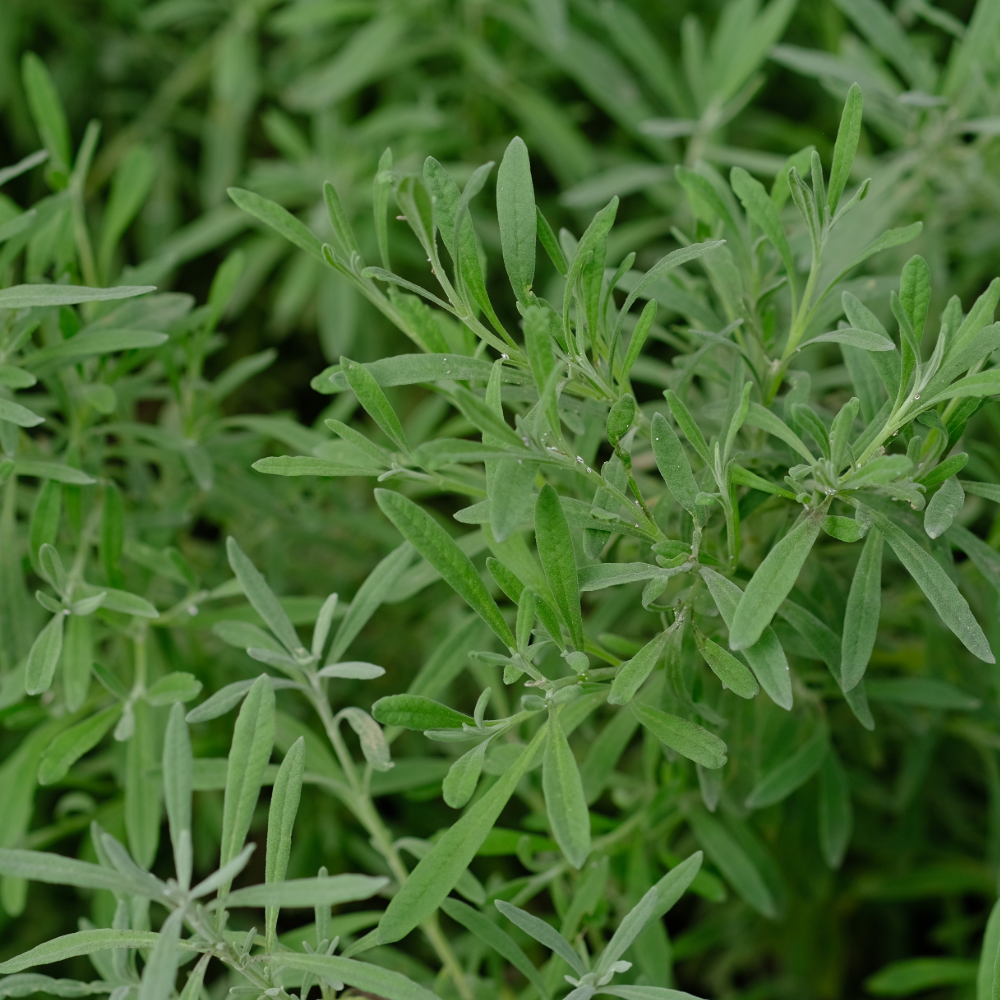
Wax Myrtle
Morella cerifera
Fast-growing native evergreen, tolerates wet or dry sites and poor soil; popular for quick screening. Suckers and spreads if not maintained; DFW freezes are challenging since it's borderline-hardy this far north; short-lived.
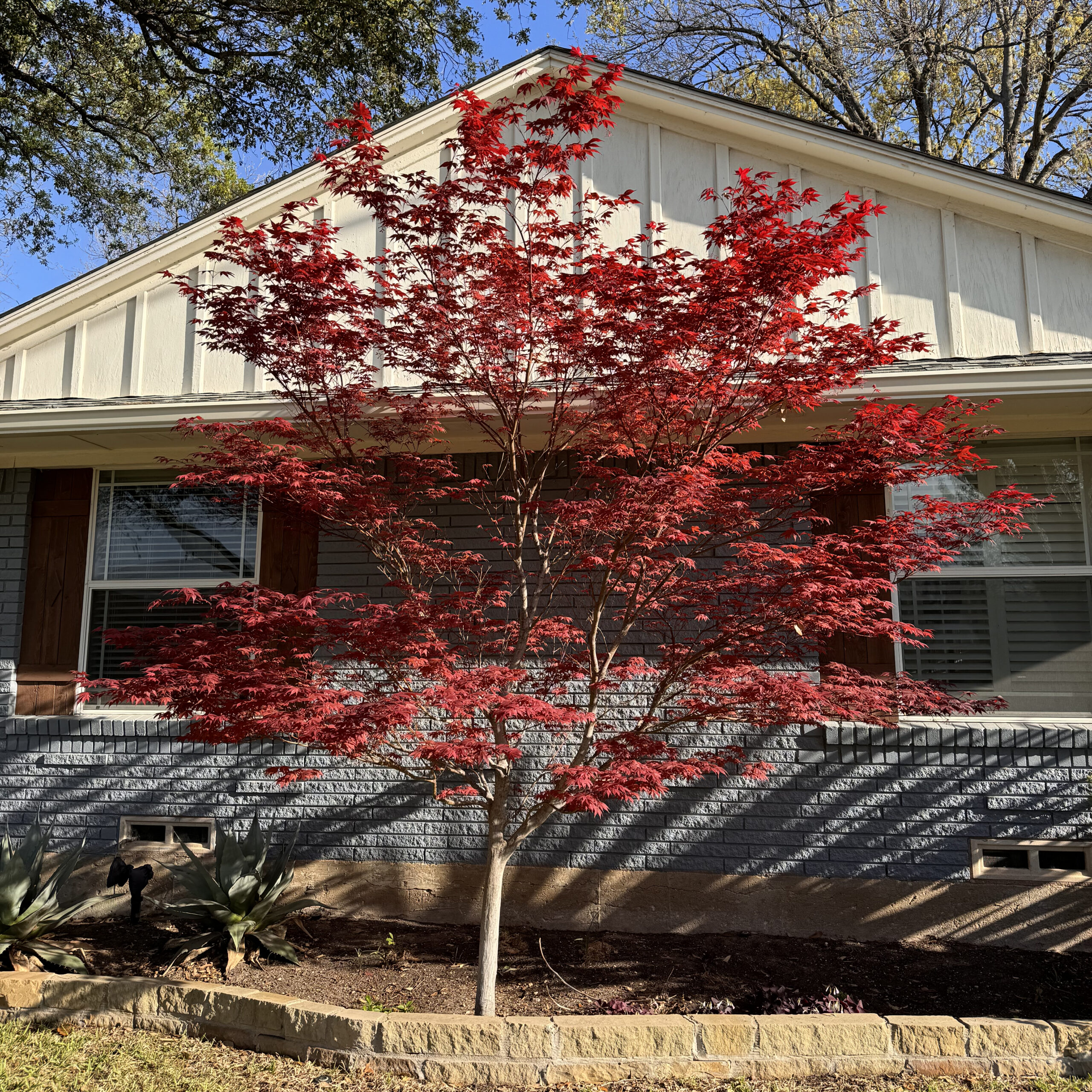
Japanese Maple
Acer palmatum
Moist, well-drained, slightly acidic; needs shelter from DFW's alkaline/hot conditions. Small understory tree with wide hand-shaped leaves, appreciated for it's variety of leaf shapes and colors. Japanese garden staple. Prone to leaf burn, sunscald, and struggles with hot, dry wind. Requires heavy soil amendment in clay soils.
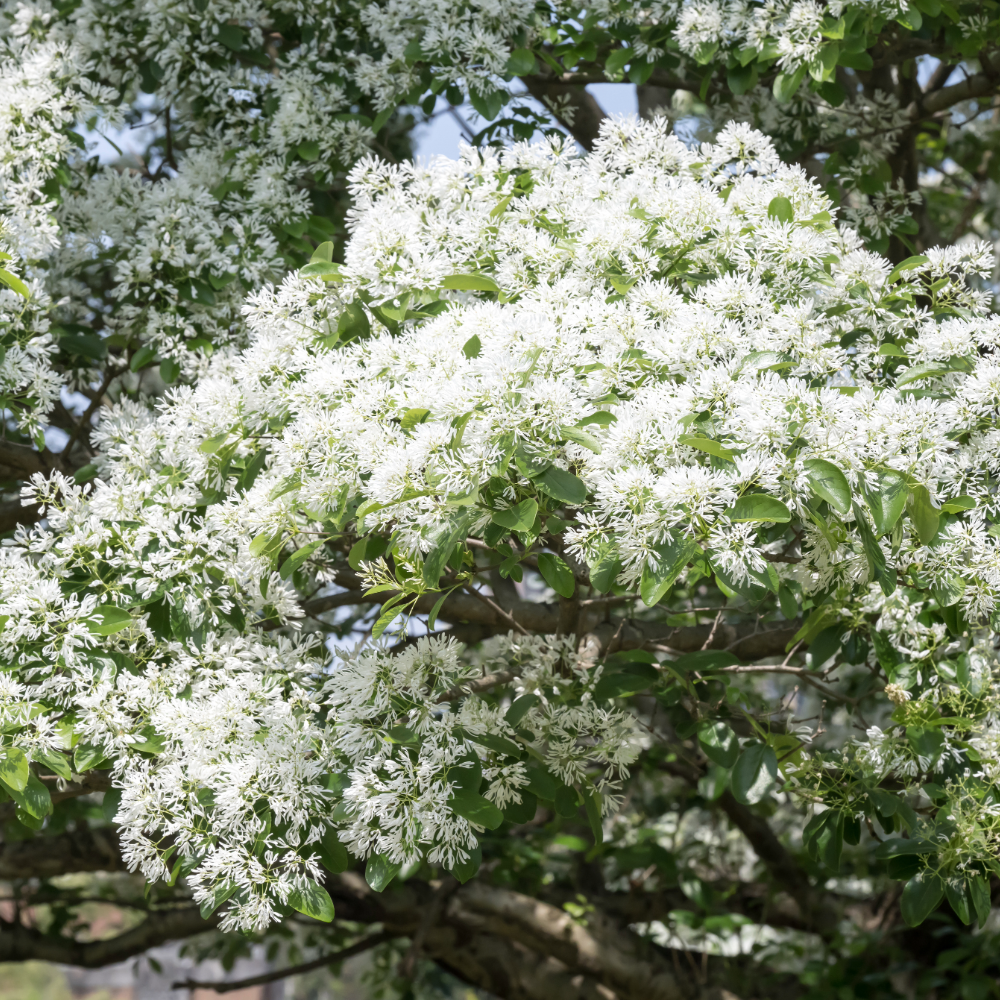
Chinese Fringe Tree
Chionanthus retusus
Fragrant, showy white spring blooms; very few pest or disease issues, tough small ornamental. Slow growing, so it takes longer to reach a sellable size; less commonly stocked, so lead times can be longer.
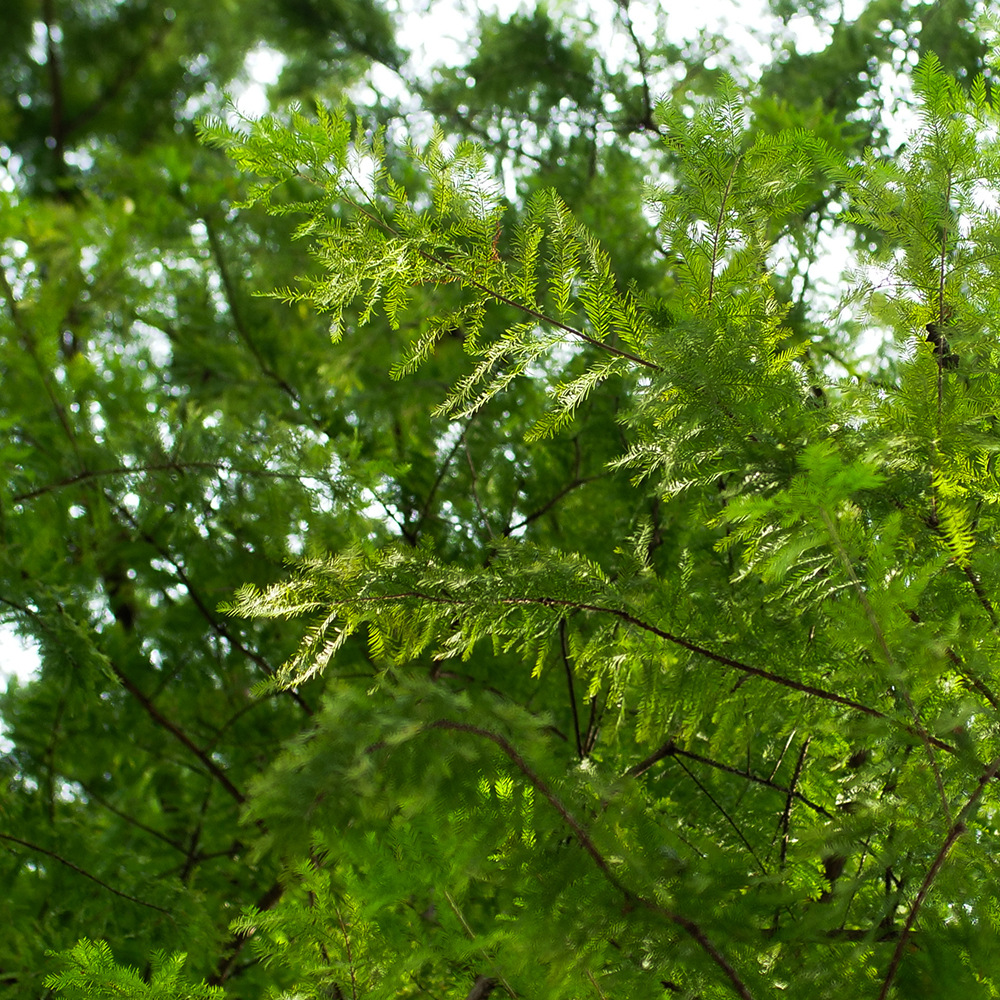
Bald Cypress
Taxodium distichum
Although many conifers are evergreen, bald cypress trees are deciduous conifers that shed their needlelike leaves in the fall. In fact, they get the name “bald” cypress because they drop their leaves so early in the season. Their fall colors are tan, cinnamon, and fiery orange. They are known for their “knees.” Roots the protrude above ground- a mowing/hardscape nuisance; needs staking when young. The technical term for the knee is pneumatophore, which means “air-bearing.” Handles both wet and dry sites; common street and park tree.
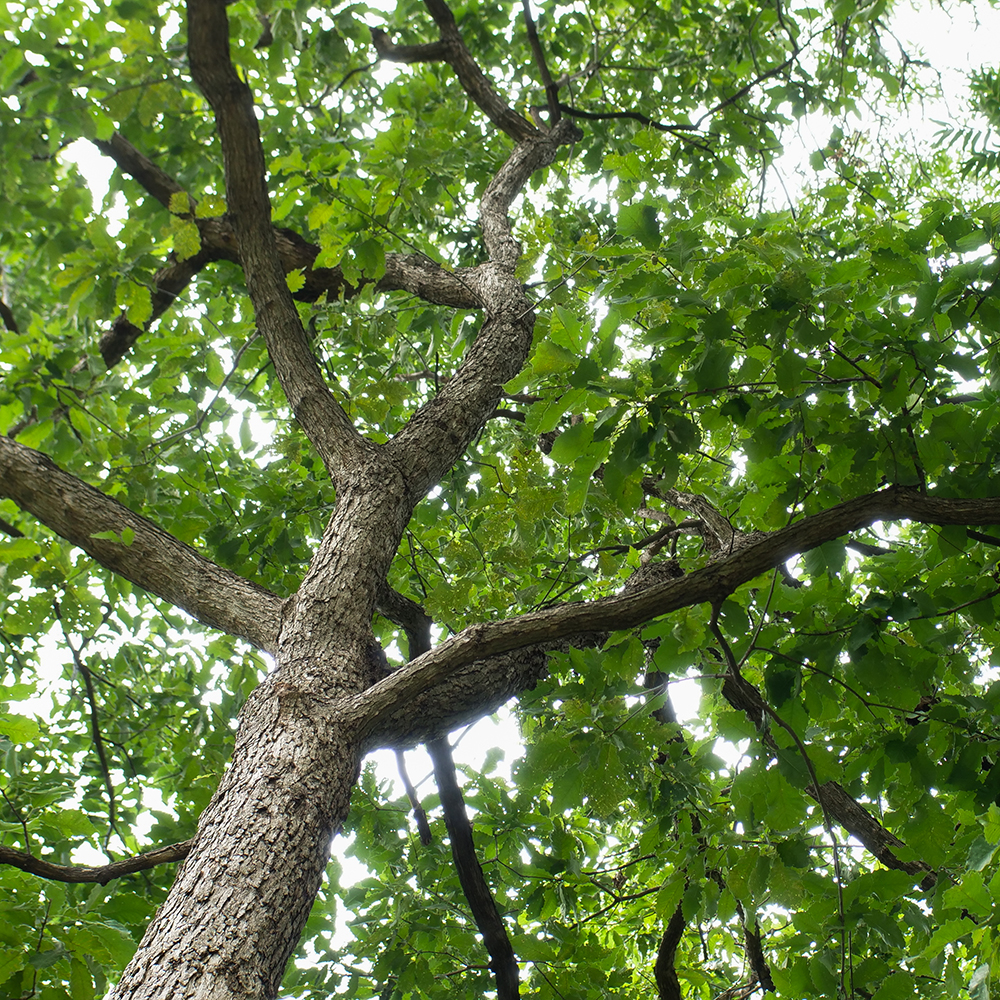
Chinquapin Oak
Quercus muehlenbergii
Distinct wavy leaves; fast for an oak and less suscetible to oak wilt. Easily grown in average, medium, well-drained soils in full sun. Although it primarily grows in dry, rocky soils in the wild, it seems to prefer moist fertile loams in cultivation. Relatively good drought tolerance. May take up to 30 years for this tree to bear a first crop of acorns. Still underutilized so harder to source in larger sizes; can develop chlorosis on poorly drained sites
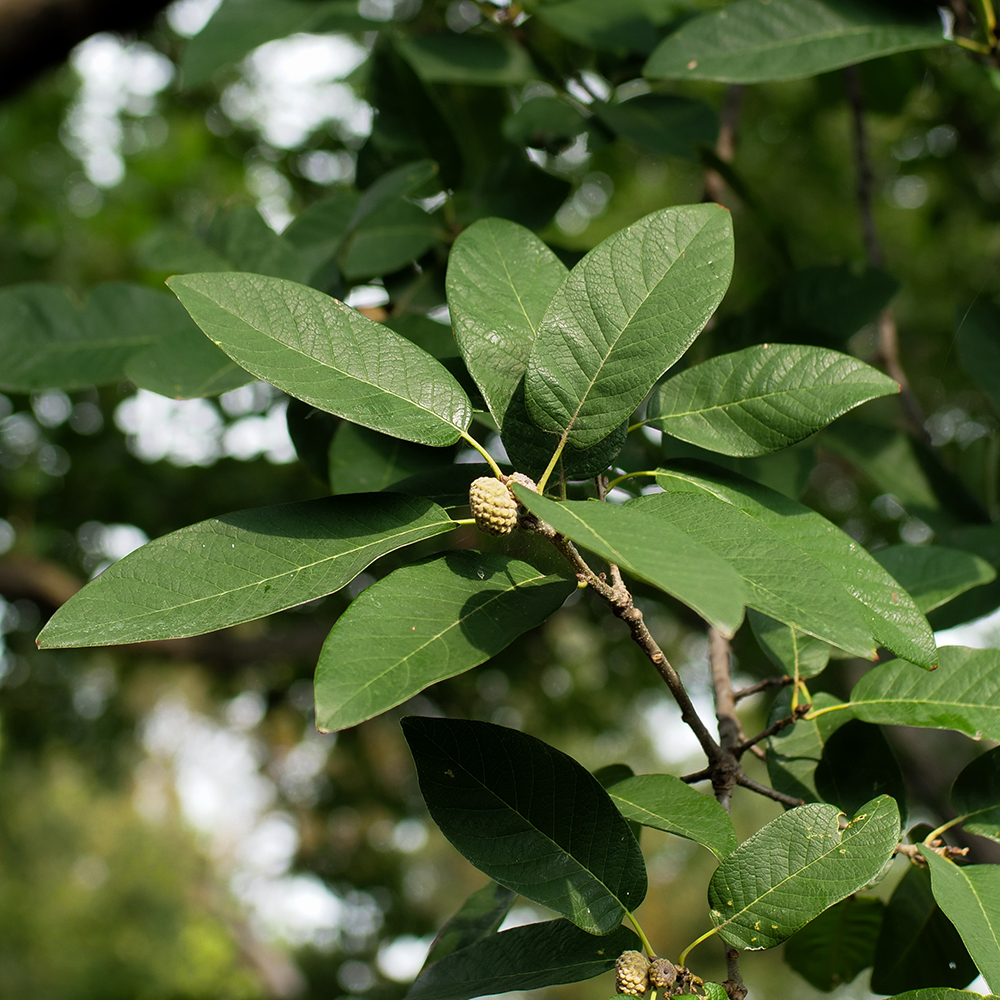
Mexican White Oak (Monterrey Oak)
Quercus polymorpha
A fast growing semi-evergreen, increasingly popular alternative to live oak variety with a well branched pyramidal habit ; foliage is leathery, olive green and glossy; valuable in urban and garden settings as a street or landscape tree; disease resistant. Less long-term Texas performance data than live oak; can drop most of its leaves in a hard freeze despite being semi-evergreen. Other names: Monterey Oak, Netleaf White Oak.
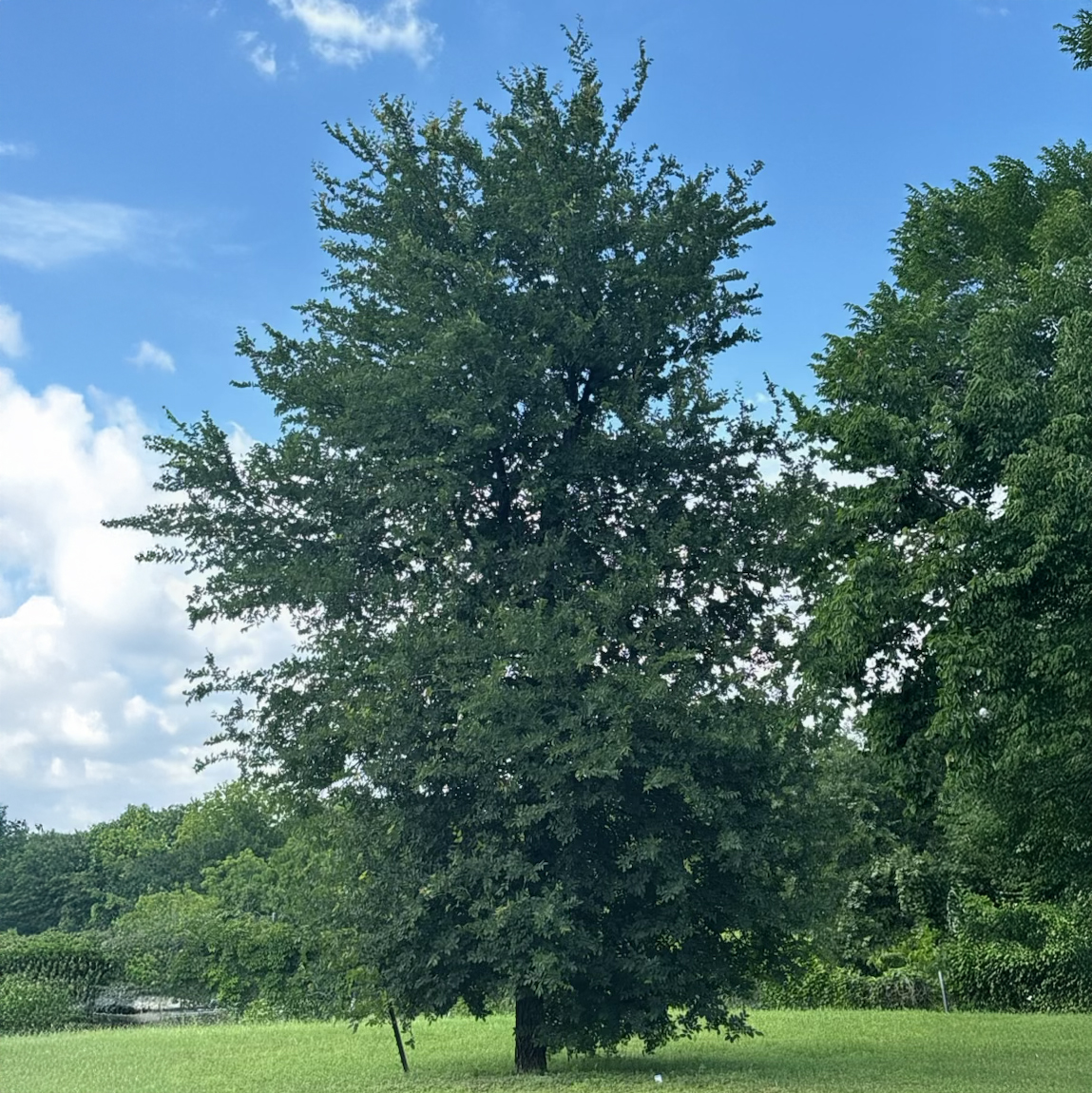
Cedar Elm
Ulmus crassifolia
Most planted urban tree in the region; extremely tolerant of clay soil, heat, and drought. They handle drought conditions well, demonstrating resilience in urban settings. Prone to mistletoe infestation over time; elm leaf beetle and aphid activity; brittle wood can drop small limbs in storms.
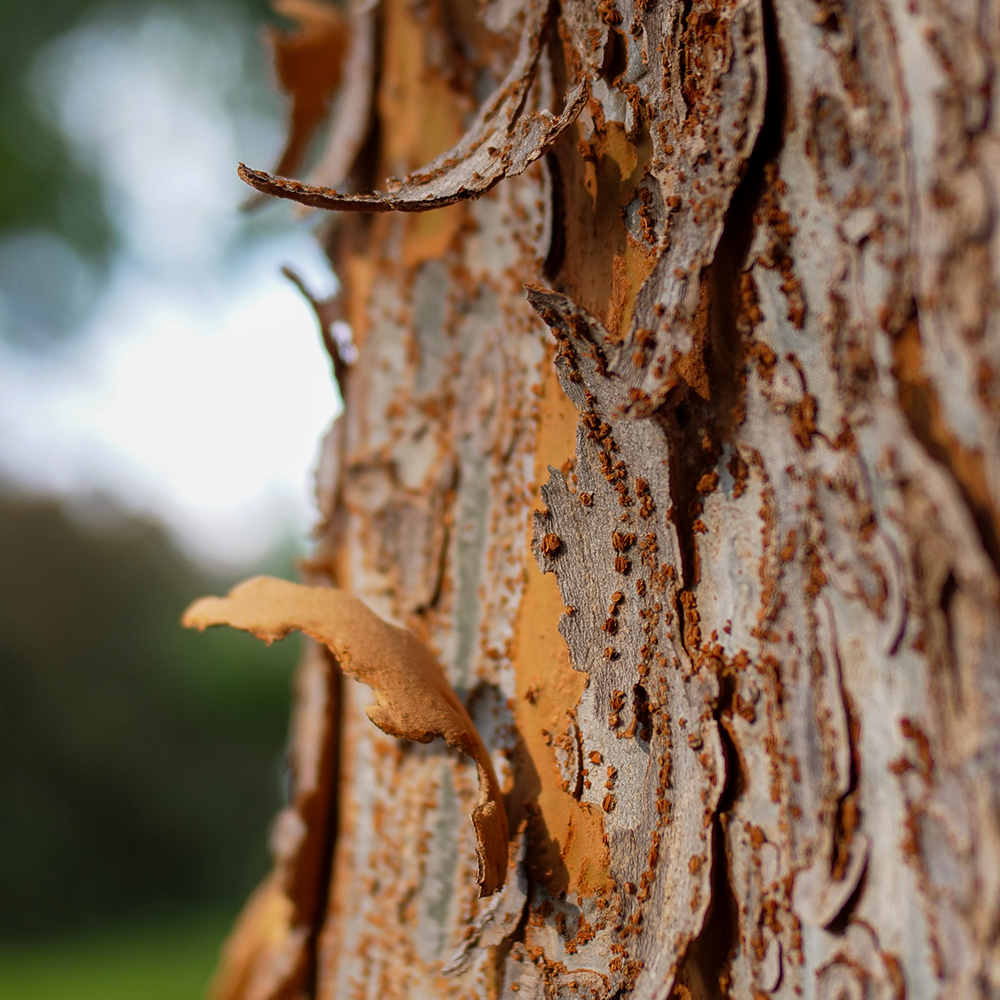
Lacebark Elm
Ulmus parvifolia
Lacebark elm stands out from other elms with its unusual, mottled bark, leaves that are smaller than those of other elm species, and good resistance to both Dutch elm disease (DED) and elm leaf beetle.
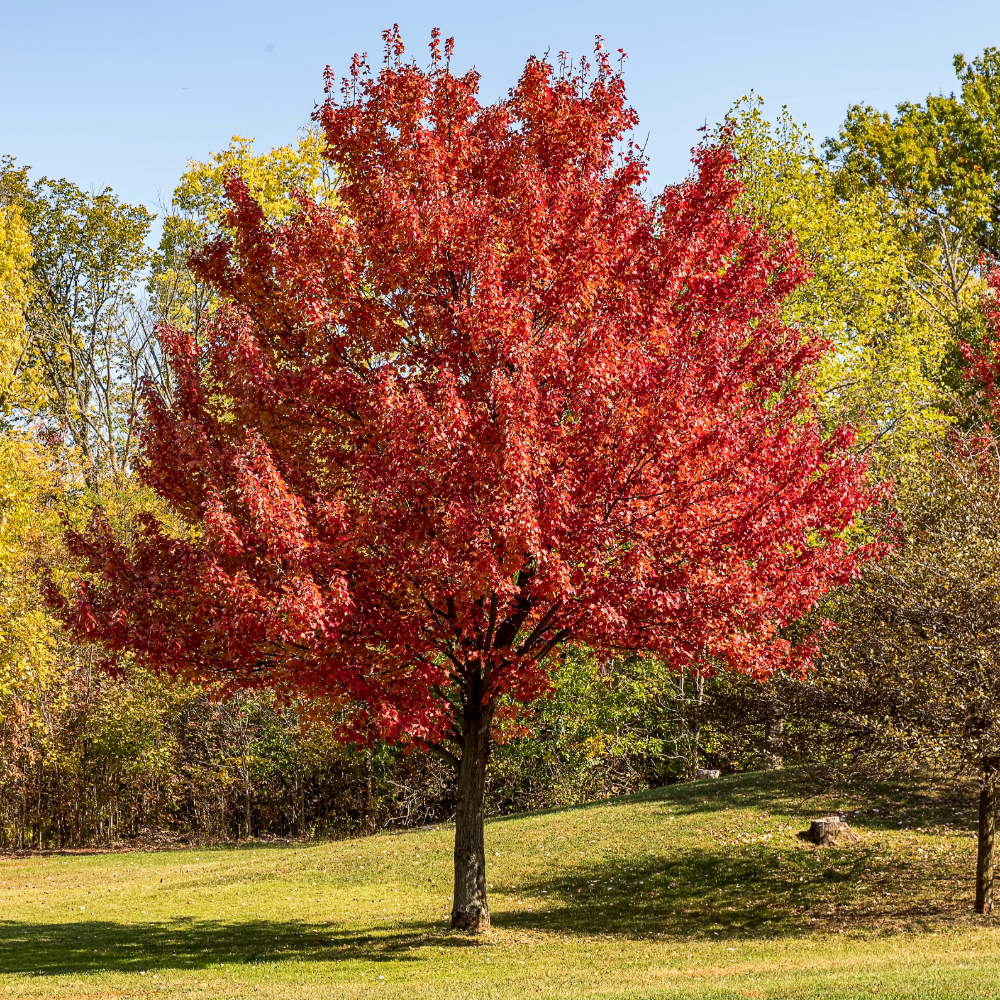
Shantung Maple
Acer truncatum
Maple that actually tolerates DFW full sun, heat, and alkaline soil, with reliable red-orange fall color. Thin bark is prone to sunscald — needs trunk wrap for the first 2-3 seasons; young trees need consistent watering to establish.
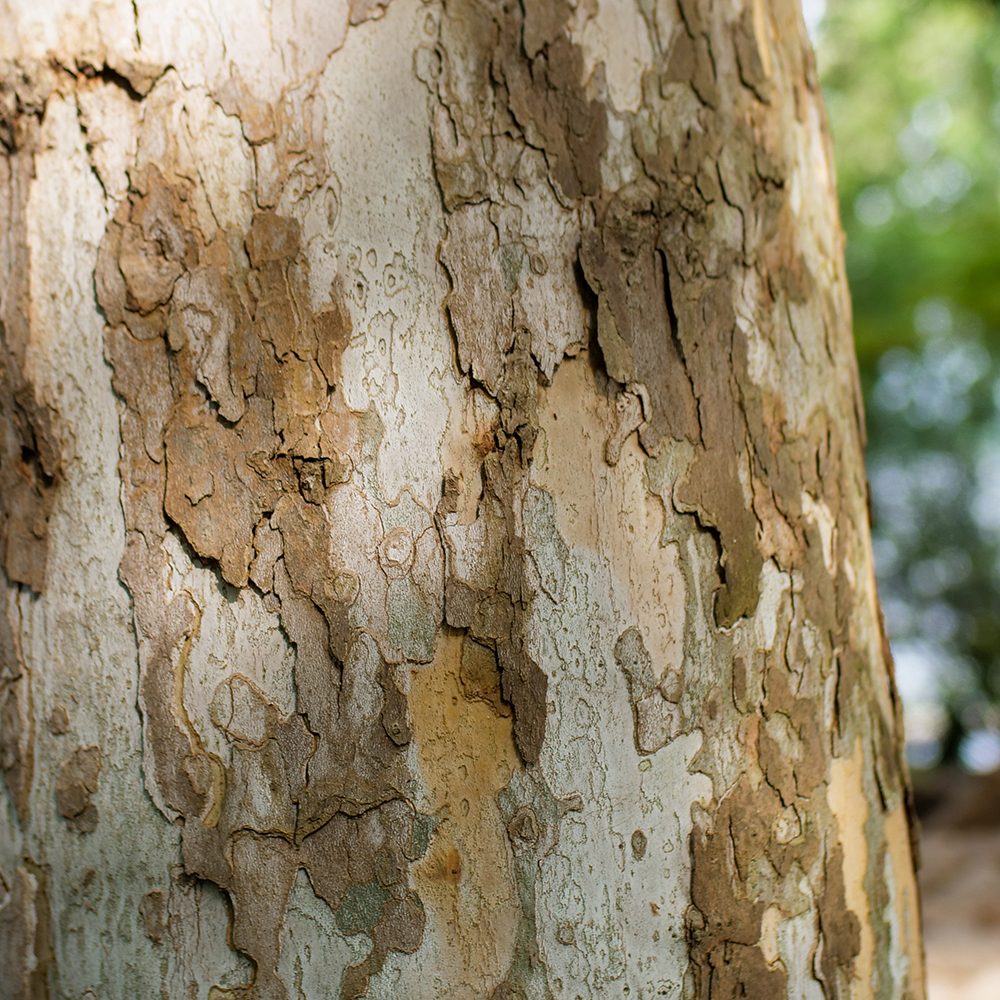
Sycamore
Platanus occidentalis
Large fast-growing shade tree, common along creeks and parks. Anthracnose leaf disease common in wet springs; heavy leaf/bark litter and aggressive roots make it a poor fit for small lots.
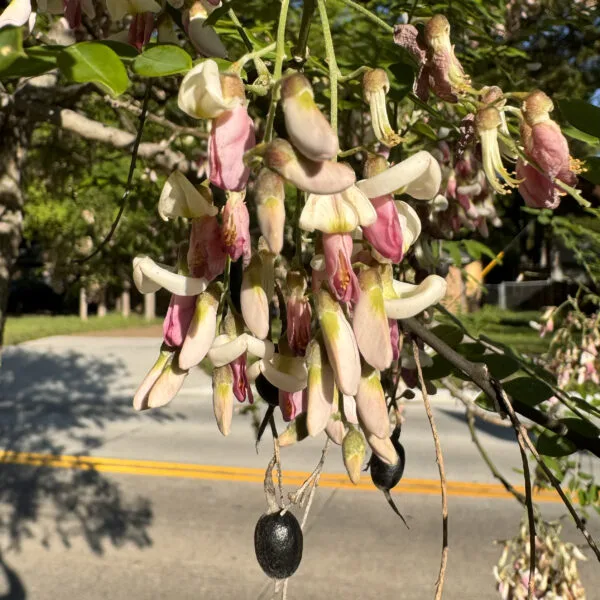
Eves Necklace
Sophora affinis
Related to Texas mountain laurel, this is another specimen tree as an accent in sun to part sun. This deciduous small/tree shrub gets to be about 15-20′ tall. In spring, it produces light pink flowers, followed by interesting black seeds that look like they’re strung on beads along a necklace. It’s extremely tough, it’s extremely hardy!
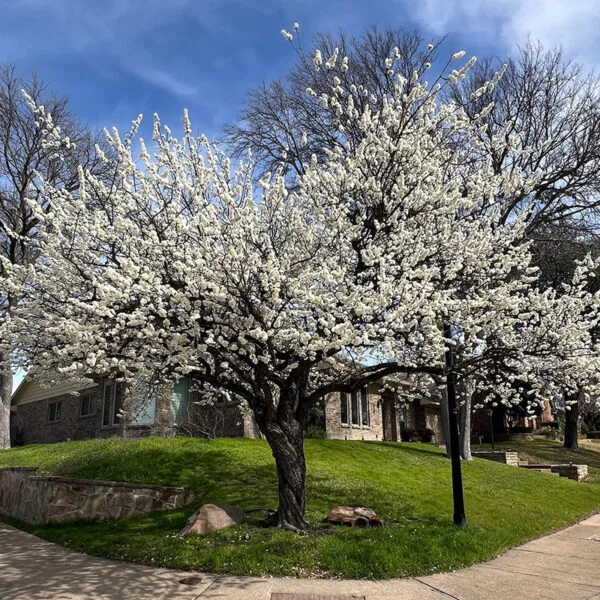
Mexican Plum
Prunus mexicanus
Deciduous tree with beautiful, fragrant spring blooms in February and early March. Its white flowers, similar to other fruit trees in the Prunus family, are highly attractive to bees and other pollinators. Relatively short-lived and prone to borers/suckering; fruit drop can be a cleanup nuisance near patios/walkways.
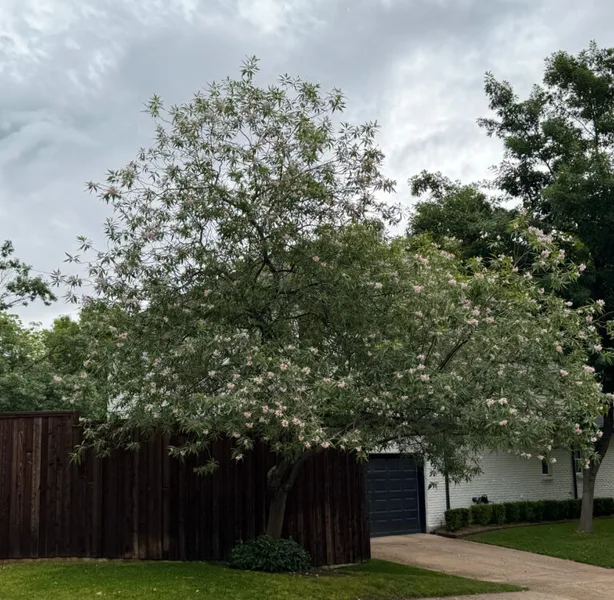
Desert Willow
Chilopsis linearis
Drought-tolerant flowering accent tree, popular xeriscape tree. The Desert Willow has long thin, deciduous, lancelet-shaped leaves that it will lose in the Fall. Summer through early Fall, purple trumpet-like flowers bloom and attract a variety of native bees, butterflies and other pollinators. Those pollinators will create seed pods that dry out and crack open into white cotton-like tufts. Relatively short-lived and can look ragged/leggy without regular pruning; messy seed pod drop
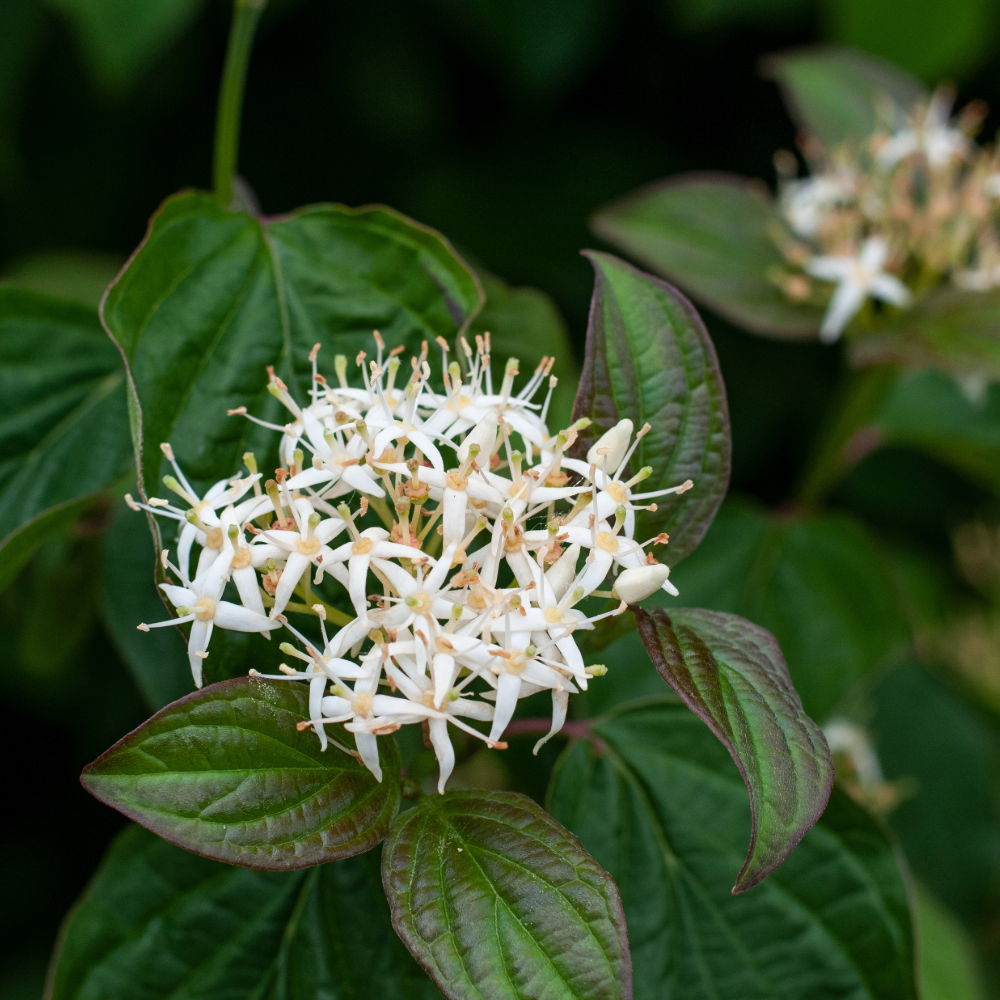
Roughleaf Dogwood
Cornus drummondii
Tough native alternative where flowering dogwood struggles in alkaline soil; white spring blooms, berries for birds. Sprouts and spreads readily, so it can look weedy/thicket-forming if not maintained; less showy bloom than true flowering dogwood.
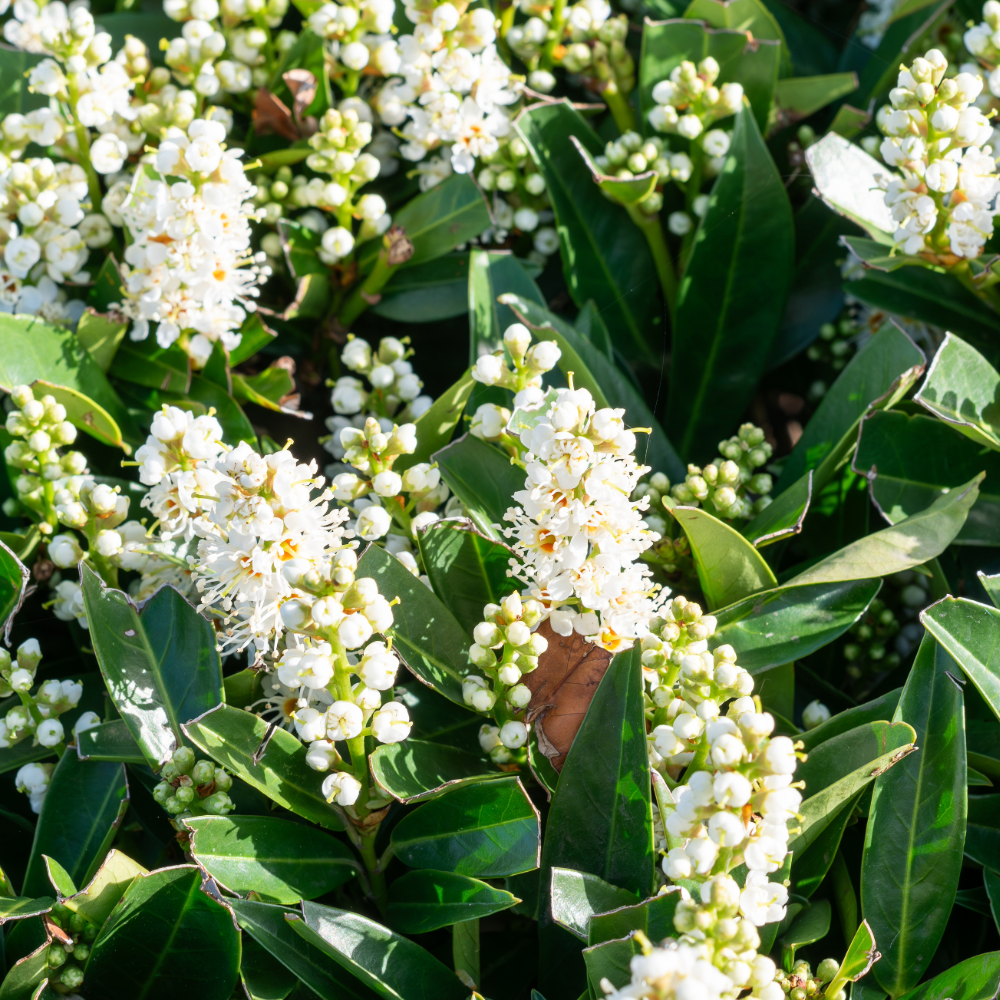
Cherry Laurel Compact
Prunus caroliniana compacta
Fast-growing tree or hedge with fragrant white late-winter/spring flowers; excellent dense privacy planting and native alternative to glossy privet. All parts of the plant are toxic if ingested; self-seeds aggressively via bird-dropped seed and can become weedy.
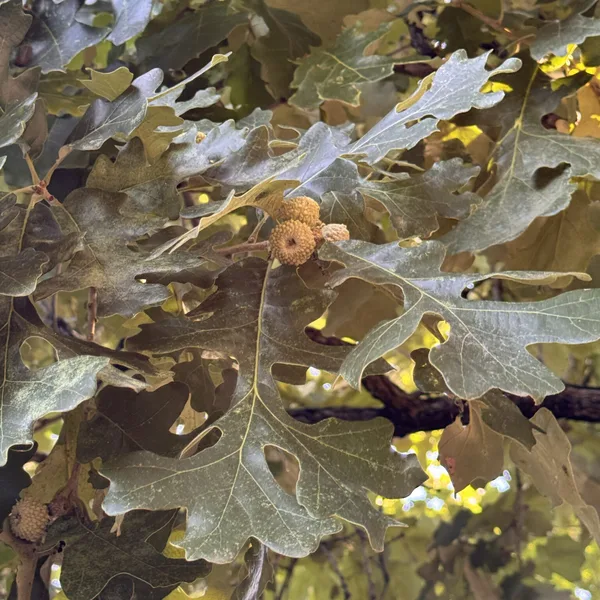
Bur Oak
Quercus macrocarpa
Known for its massive, acorn-like burrs and large, spreading form, Bur Oak can grow to 70-80 feet tall with an even broader spread. It’s extremely hardy, with a tolerance for drought and poor soil. Slow to establish and slow grower early on; large acorn drop is a cleanup/slip hazard on hardscape.
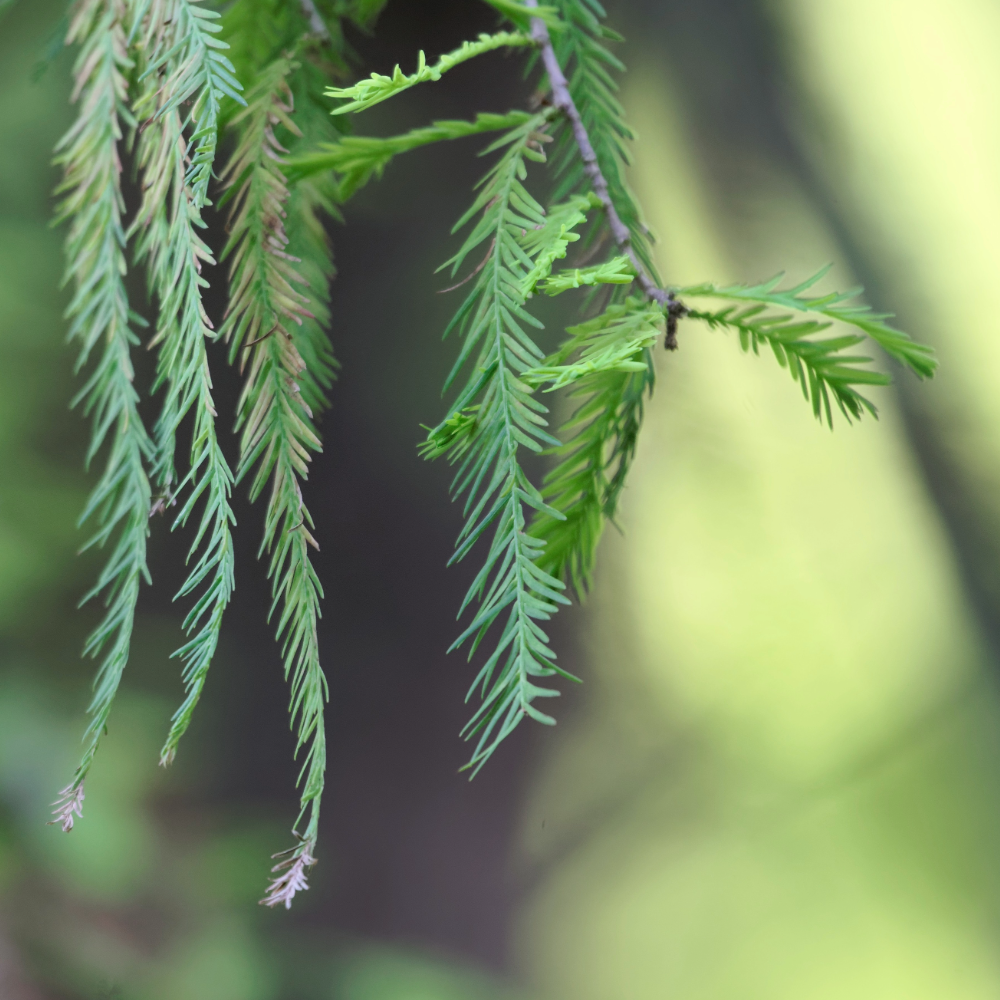
Montezuma Cypress
Taxodium distichum
A graceful coniferous tree with strong weeping branches. More drought tolerant bald cypress cousin, no knee roots. Pyramidal when young with a dense crown, developing into a broad top, spreading, open tree when mature. Pale green foliage with needle like leaves. Long-lived is the national tree of Mexico. Less cold-hardy than bald cypress — can suffer dieback in severe DFW winter events.
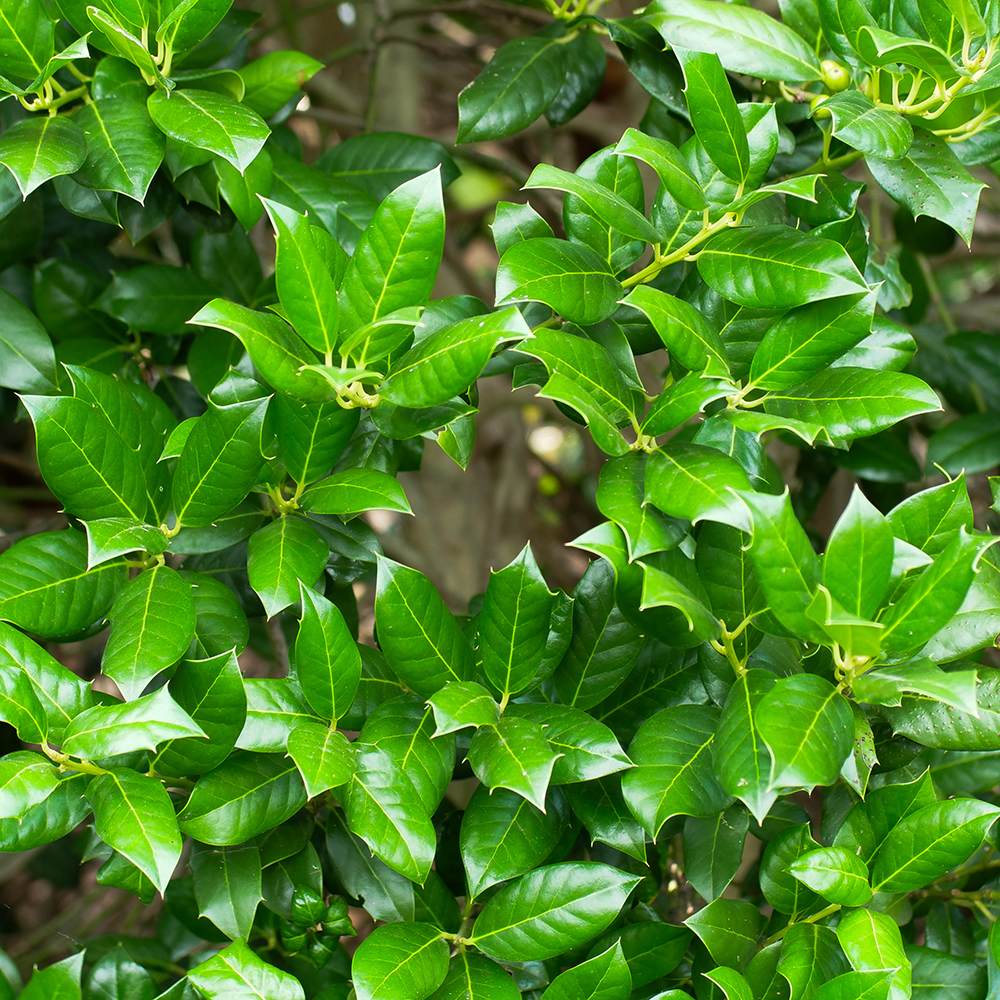
Hybridized American Holly
Ilex opaca
Hybrid of American holly; more heat and alkaline-soil tolerant than straight American holly, widely used for screening. Dioecious; can get legginess without occasional shaping.
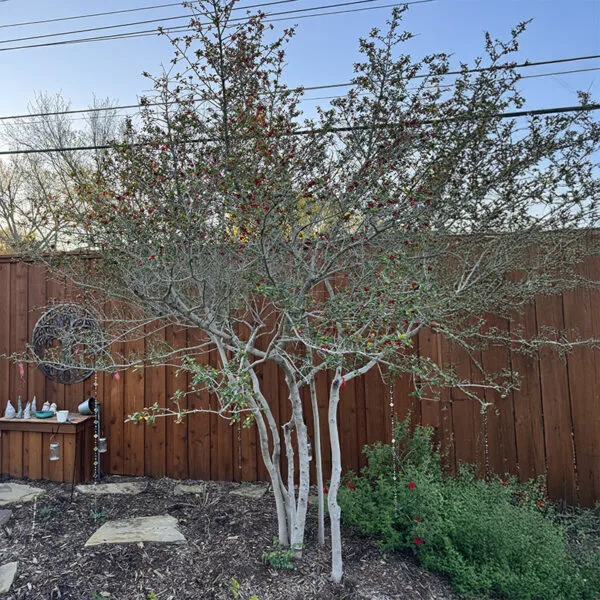
Yaupon Holly
Ilex vomitoria
Extremely tough native evergreen for screening or accent; red winter berries on female plants. Berries are toxic if ingested in quantity — a consideration for yards with small children/pets; birds spread seed causing volunteers. The dense, tight form of the young plant opens as it matures, providing excellent vertical interest as a loose screen, accent, or border plant.
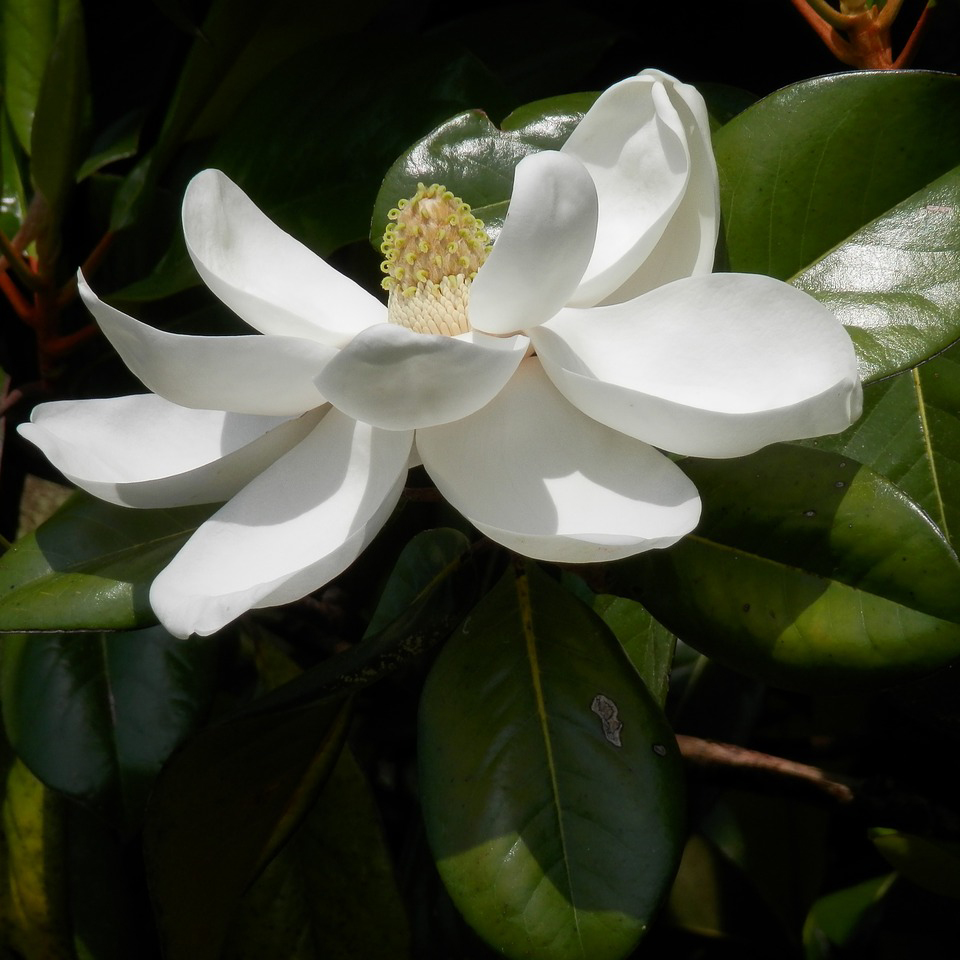
Southern Magnolia
Magnolia grandiflora
Classic evergreen statement tree for larger front yards. With unique large dark green leaves and rusty brown undersides. It has the ability to maintain a straight central trunk, which allows it to be grown full to the ground or be pruned into tree form with a visible trunk. Open branched pyramidal form makes an excellent shade tree with huge cup-shaped flowers in early summer. The fragrant blossoms can be 8″ in width. Constant leaf drop year-round is a maintenance complaint; large surface roots; needs real space.
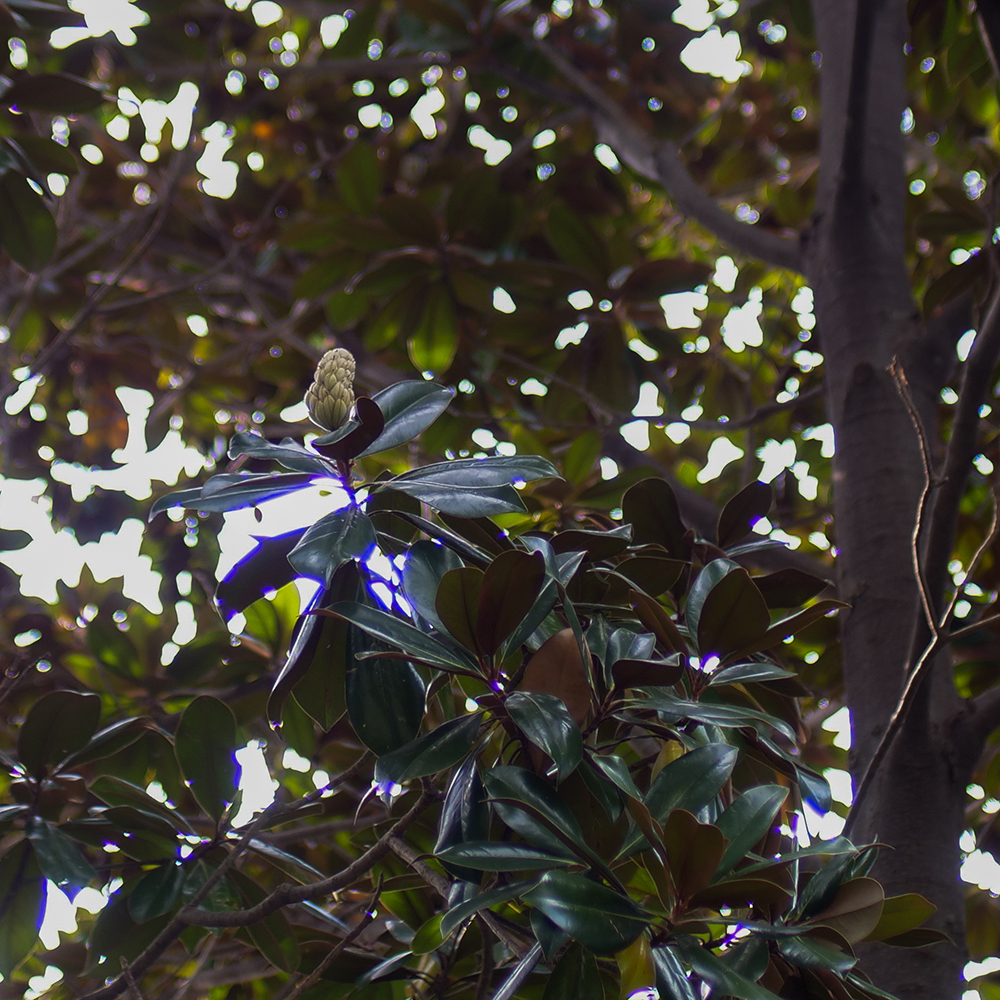
Dwarf Magnolia (Little Gem)
Magnolia grandiflora
A dwarf magnolia with smaller dark green foliage and a very compact narrow form for smaller residential lots. The large, glossy, evergreen leaves have rusty-brown undersides. Very attractive, large, white, fragrant blooms. Still drops leaves year-round like the full-size species; slower growth, shorter life cycle. Other names: teddy bear
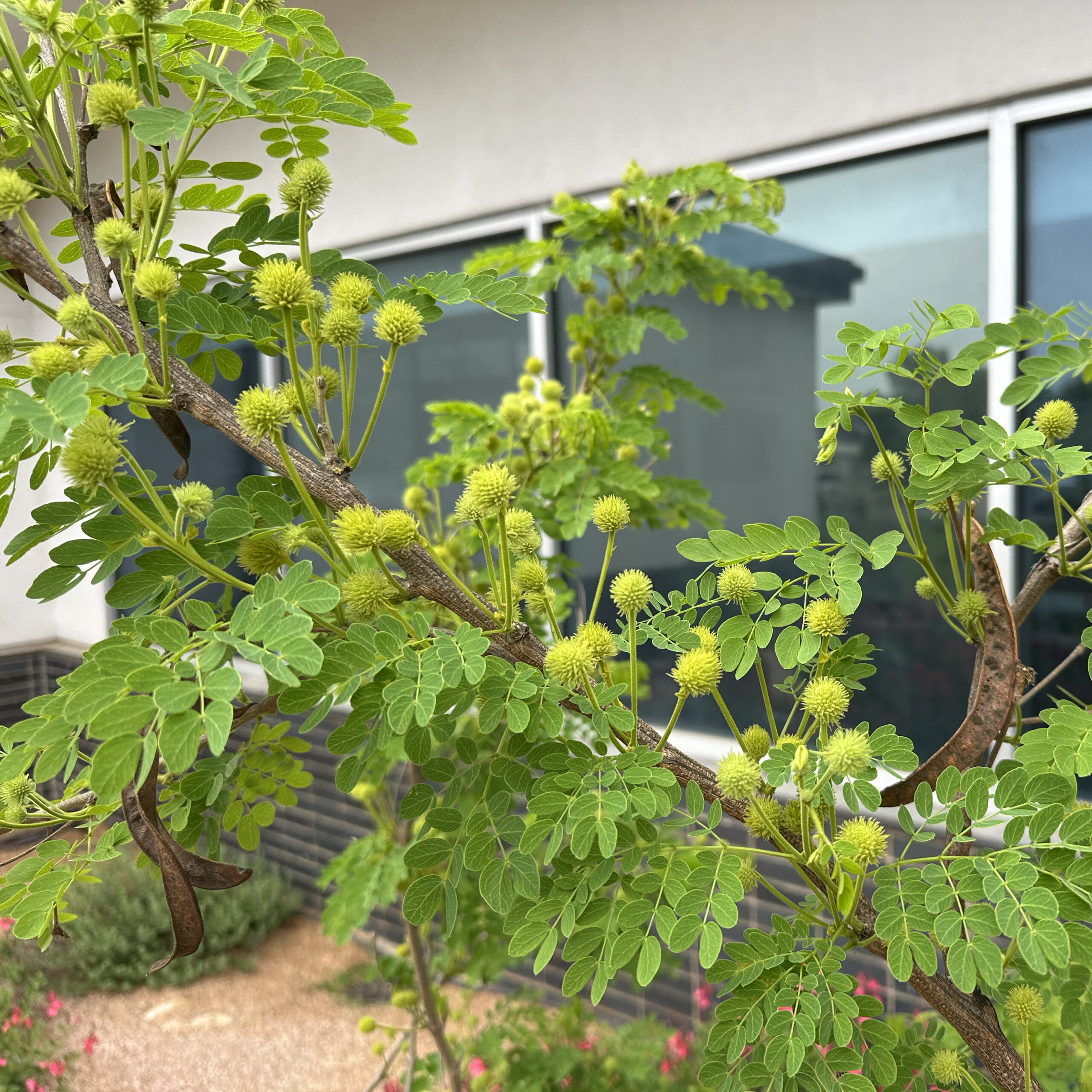
Goldenball Leadtree
Leucaena retusa
Planted for its fragrant golden-yellow ball/pompom blooms spring through fall; airy canopy casts light, lacey, dappled shade, very low water needs Branches are prone to snapping in wind or ice; multi-trunk form needs some structural pruning while young. It is also very drought and heat tolerant, requiring minimal supplemental irrigation.
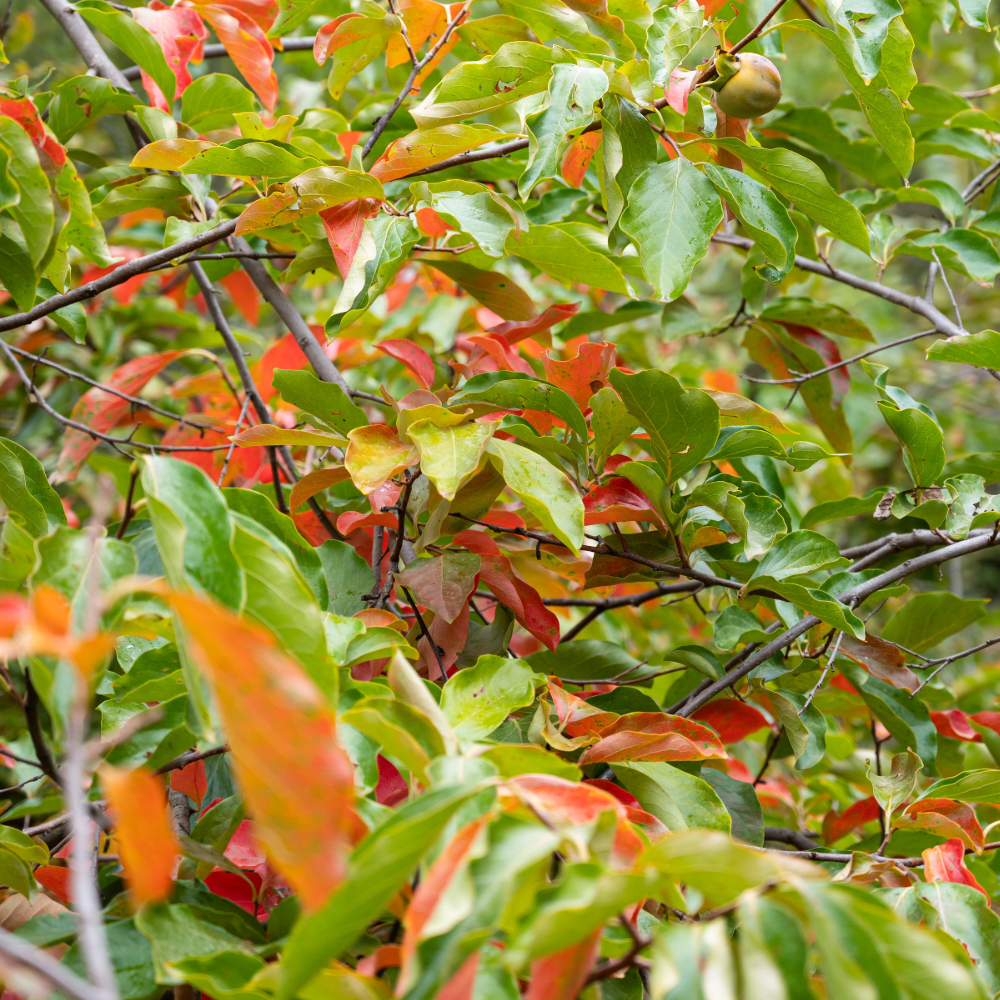
American Persimmon
Diospyros virginiana
Tough native fruit tree, very low-maintenance once established, attractive fall color & unique blocky bark pattern. Dioecious, need both a male and female for fruit; suckers from the roots; ripe fruit drop can be messy near patios/walkways.
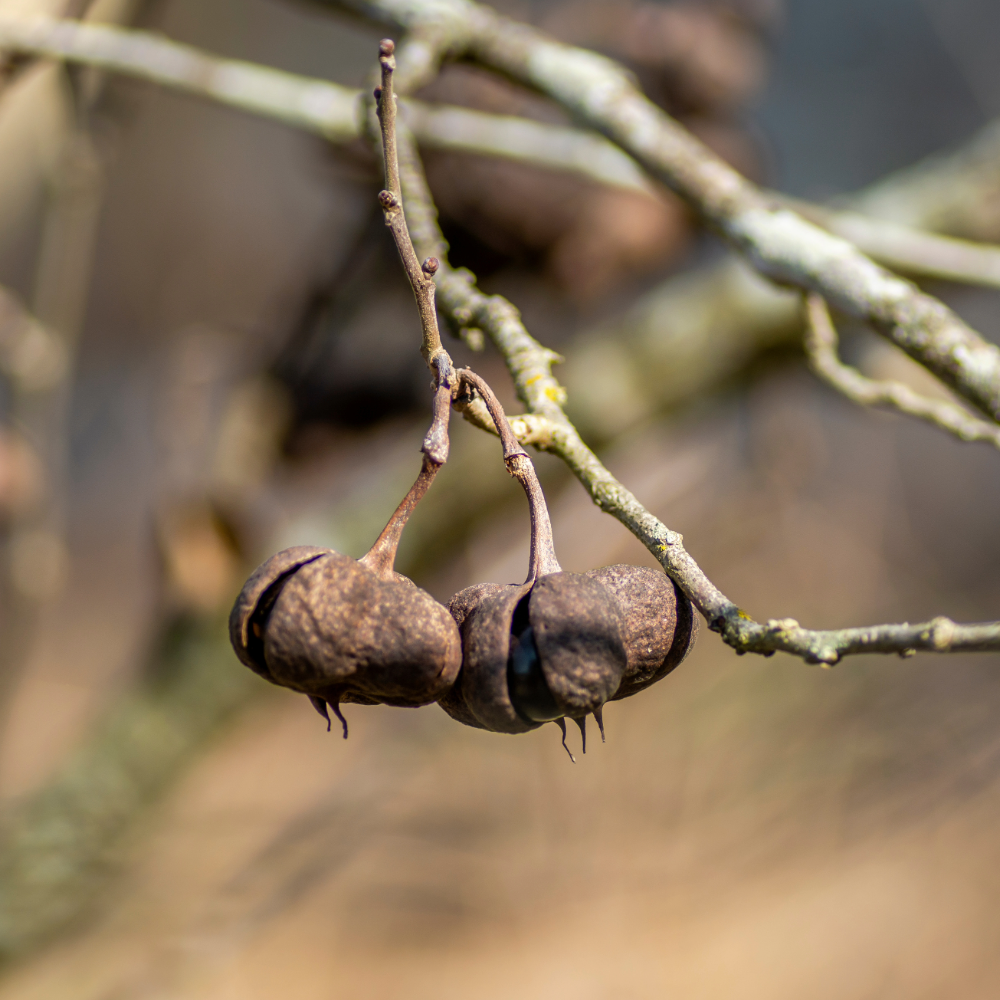
Mexican Buckeye
Ungnadia speciosa
Understory tree with bright pink spring flowers, clear yellow fall foliage; is drought and disease resistant. Seeds are poisonous and sometimes mistaken for marbles by children; requires formative pruning to establish tree form.
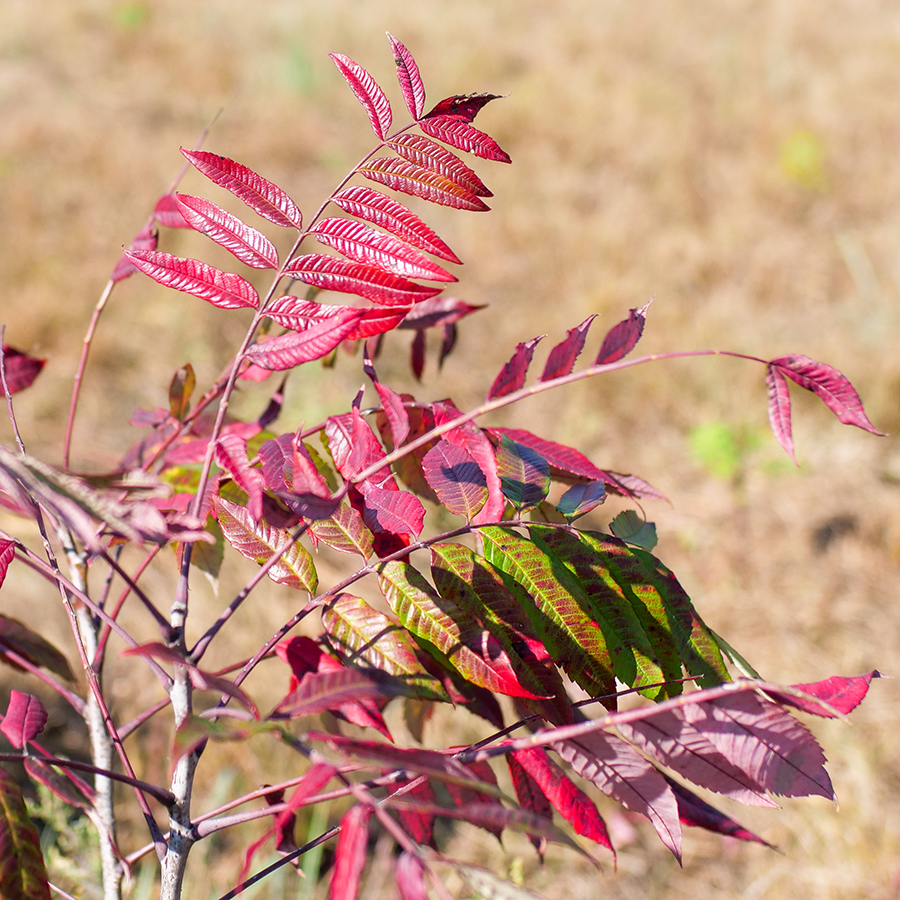
Sumac, Prairie Flame Leaf
Rhus lanceolata
Extremely durable source of orange-red fall color in North Texas; heat, cold, and drought tolerant. Neat seed blooms that attract wildlife. Spreads into thickets easily if not maintained, requires pruning to train into tree form with single or few trunks.
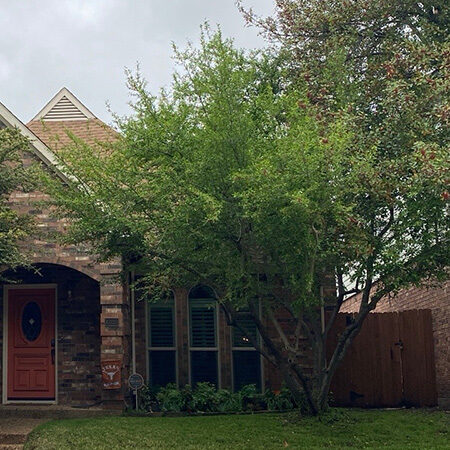
Possumhaw Holly (Female)
Ilex decidua
Drops its leaves each winter to reveal branches loaded with bright red berries; popular native accent tree.Needs a nearby male pollinator for the female to fruit reliably; bare winter silhouette isn't for every client's taste.
Southlake Tree Planting
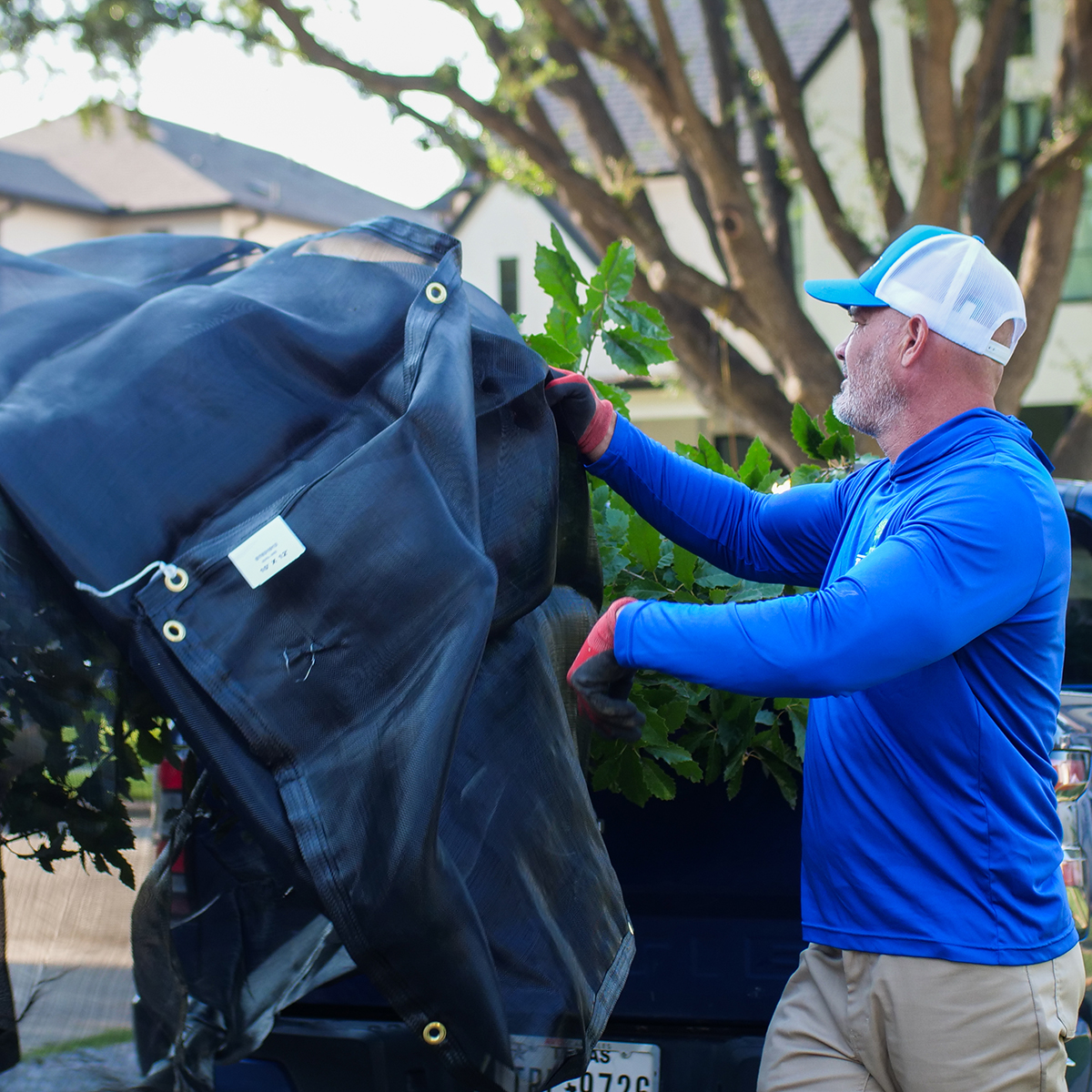
EXPERT KNOWLEDGE AND SKILLSET
We begin by choosing the best trees. Every tree is inspected closely by our arborists to ensure the best stock is installed at your property.
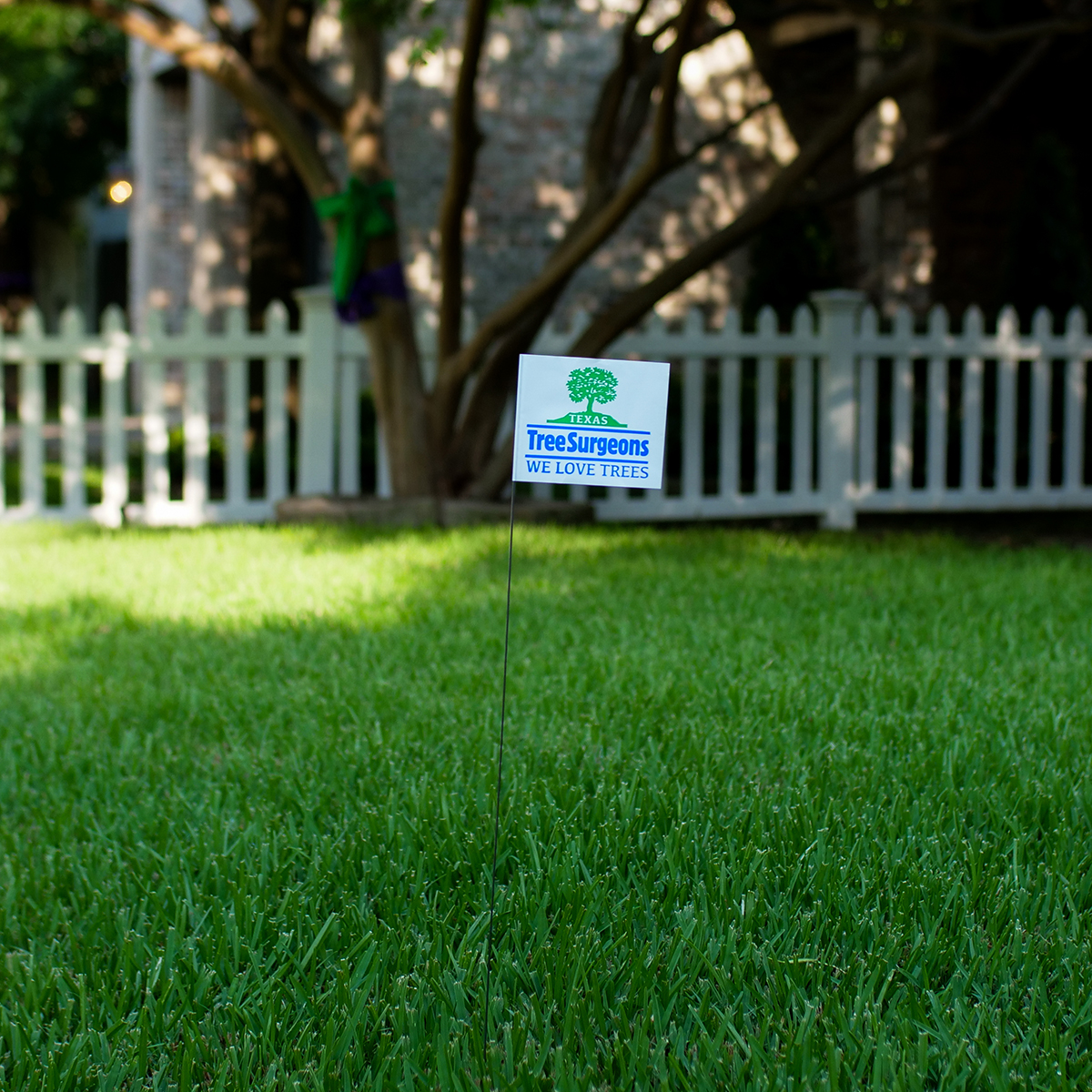
CUSTOMIZED PLANNING FOR YOUR LANDSCAPE
Prior to planting your new tree an arborist will work with you to find the best location on your property to optimize tree health and growth once installed. Depending on the size of the tree and how long ago the tree was removed from a spot will determine if that location can be used to replant.
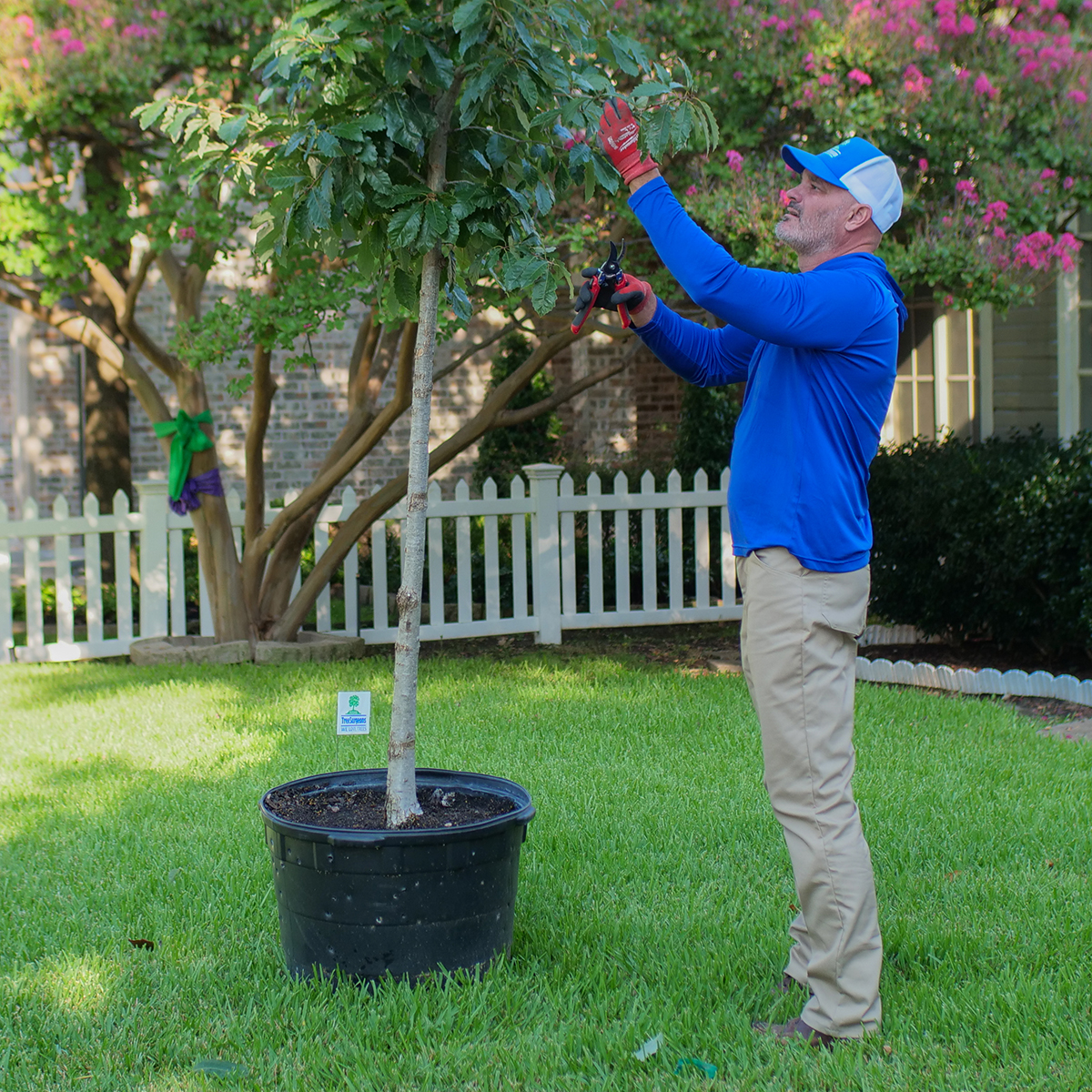
ENCOURAGING HEALTHY DEVELOPMENT
If needed, we will do structural pruning to ensure your tree grows beautifully. Prior to arrival we ensure all trees that are selected have healthy dominate stems.
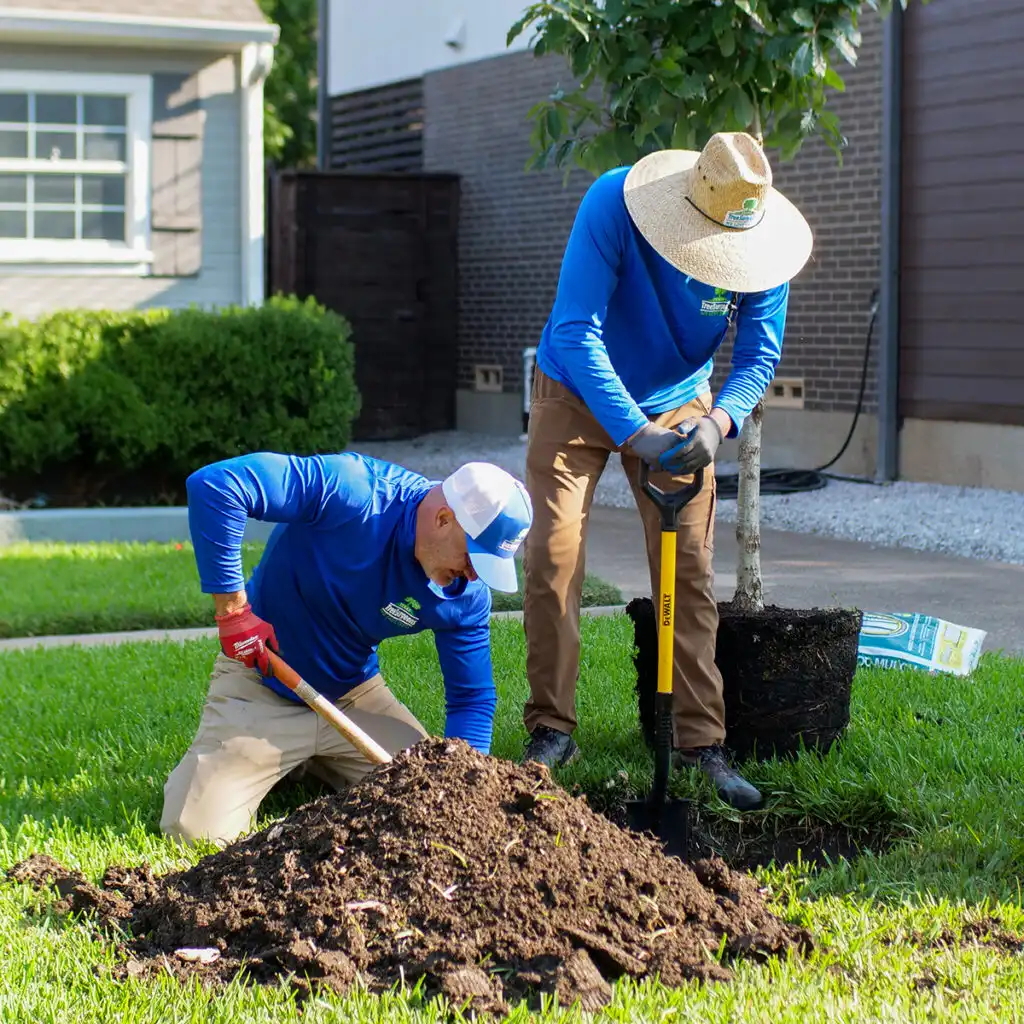
PROPER PLANTING TECHNIQUES
The key to successful tree planting starts from the ground up. Digging the right hole is essential for the tree's success—it's not too deep and wide enough to support proper root growth.
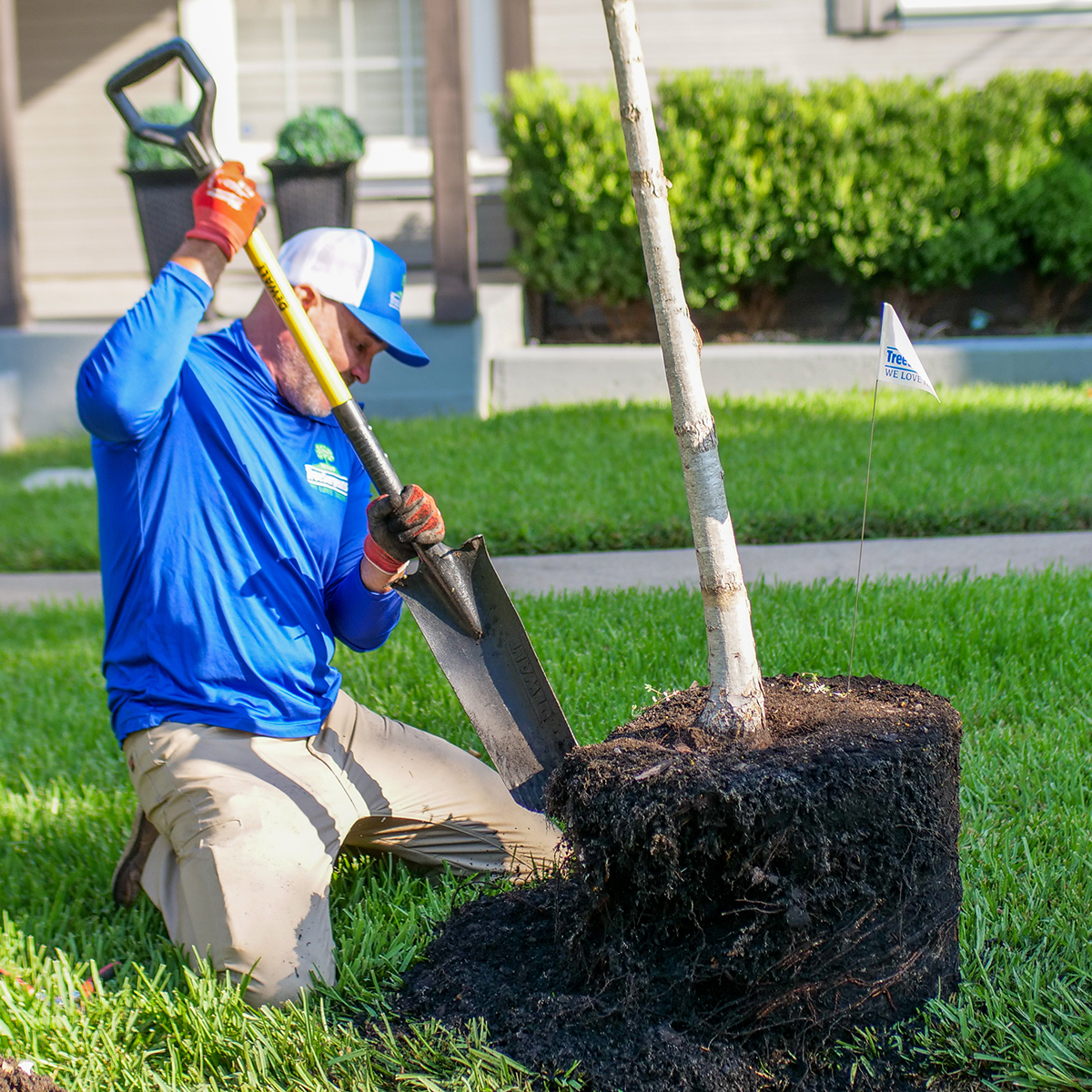
BREAKING APART ROOT BALL
It may look alarming but it is important to break apart the root ball so the roots are able to grow outwards instead of wrapping around itself. Their roots have been bound in a container for a long time and need to be trained to grow outward.
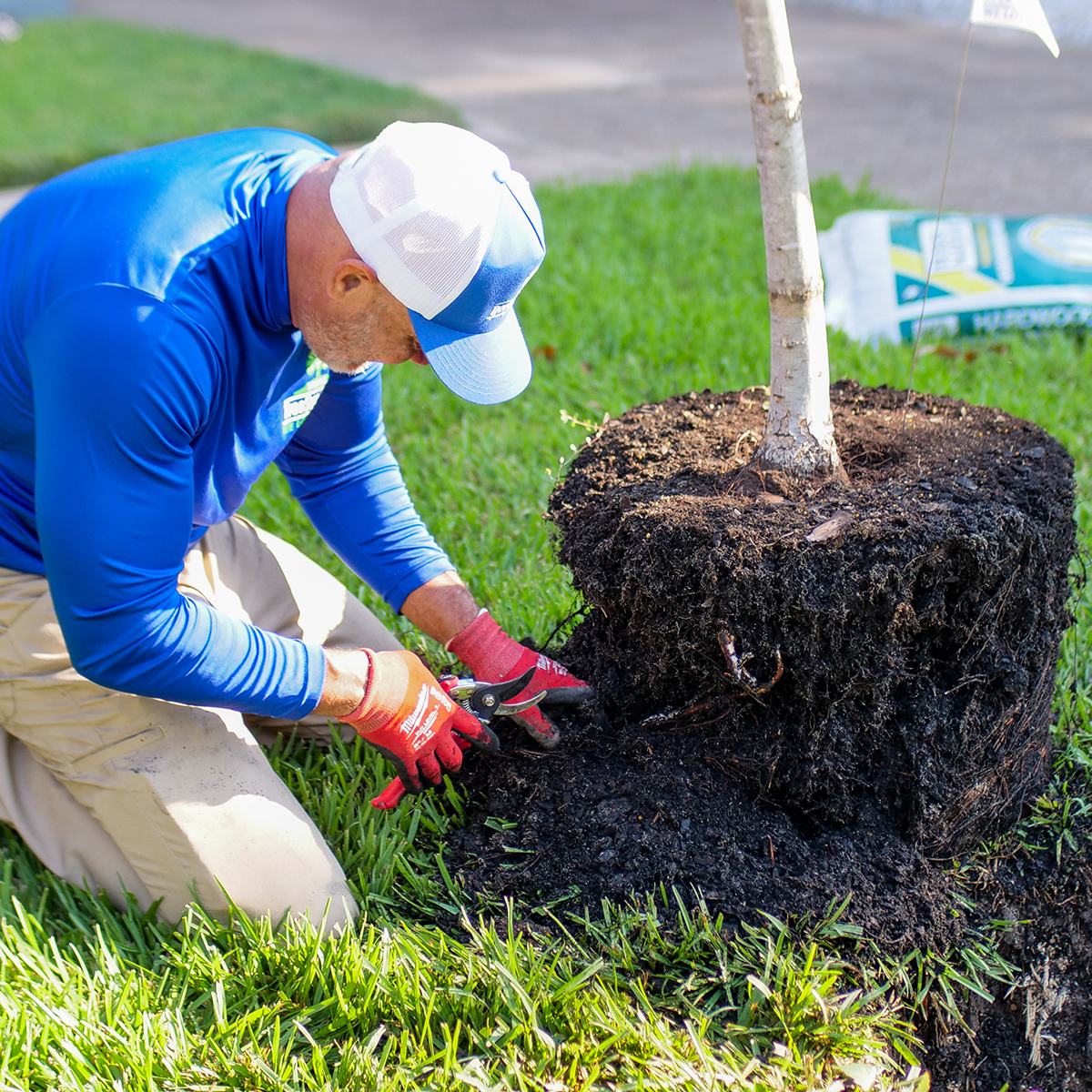
ROOT PRUNING
Root pruning is essential in establishing healthy roots when planting trees. Removing problematic girdling roots ensures healthy trees from the ground up.
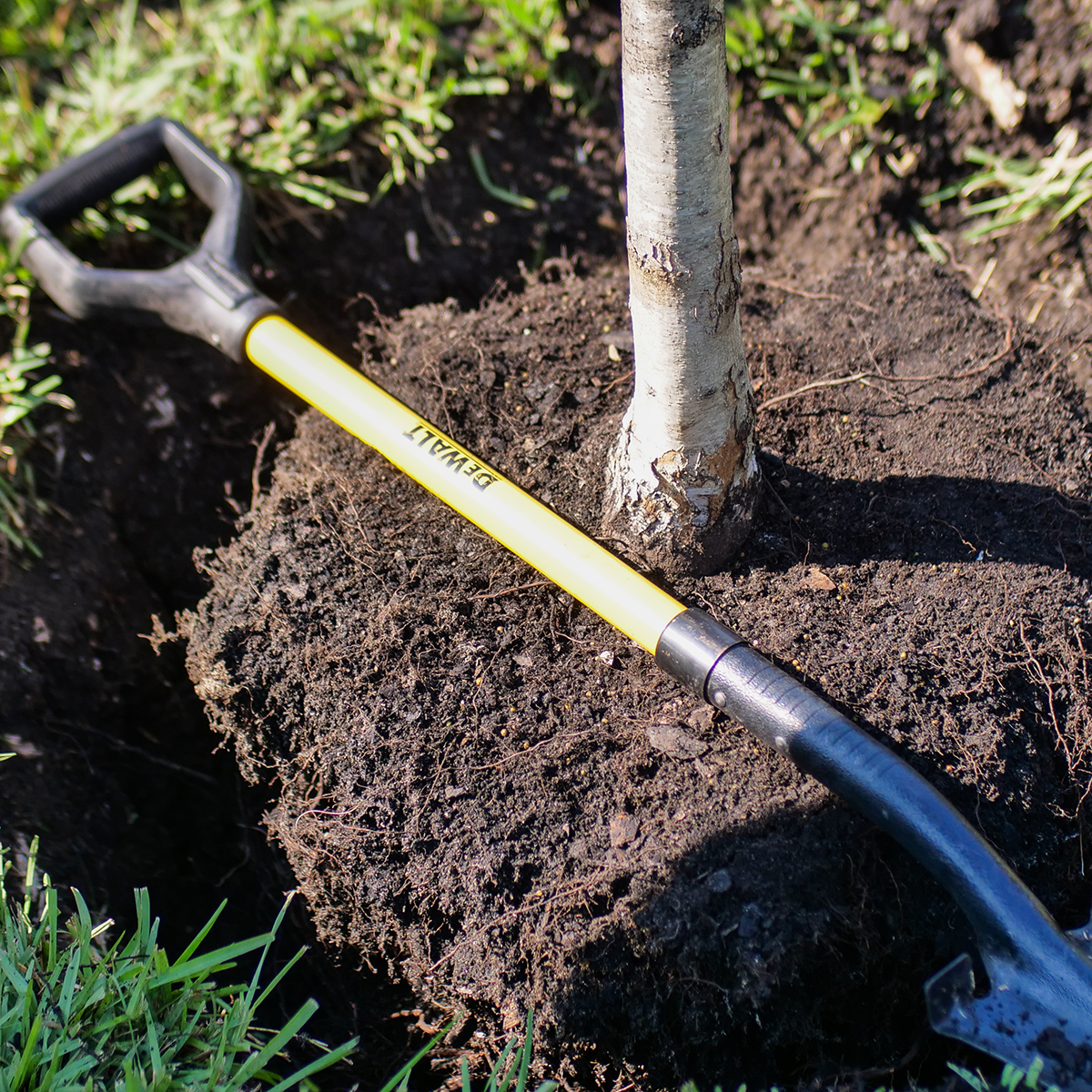
PROPER HOLE DEPTH AND WIDTH
We plant the tree in the ground and take great care to ensure that the tree is at the correct depth and is straight.
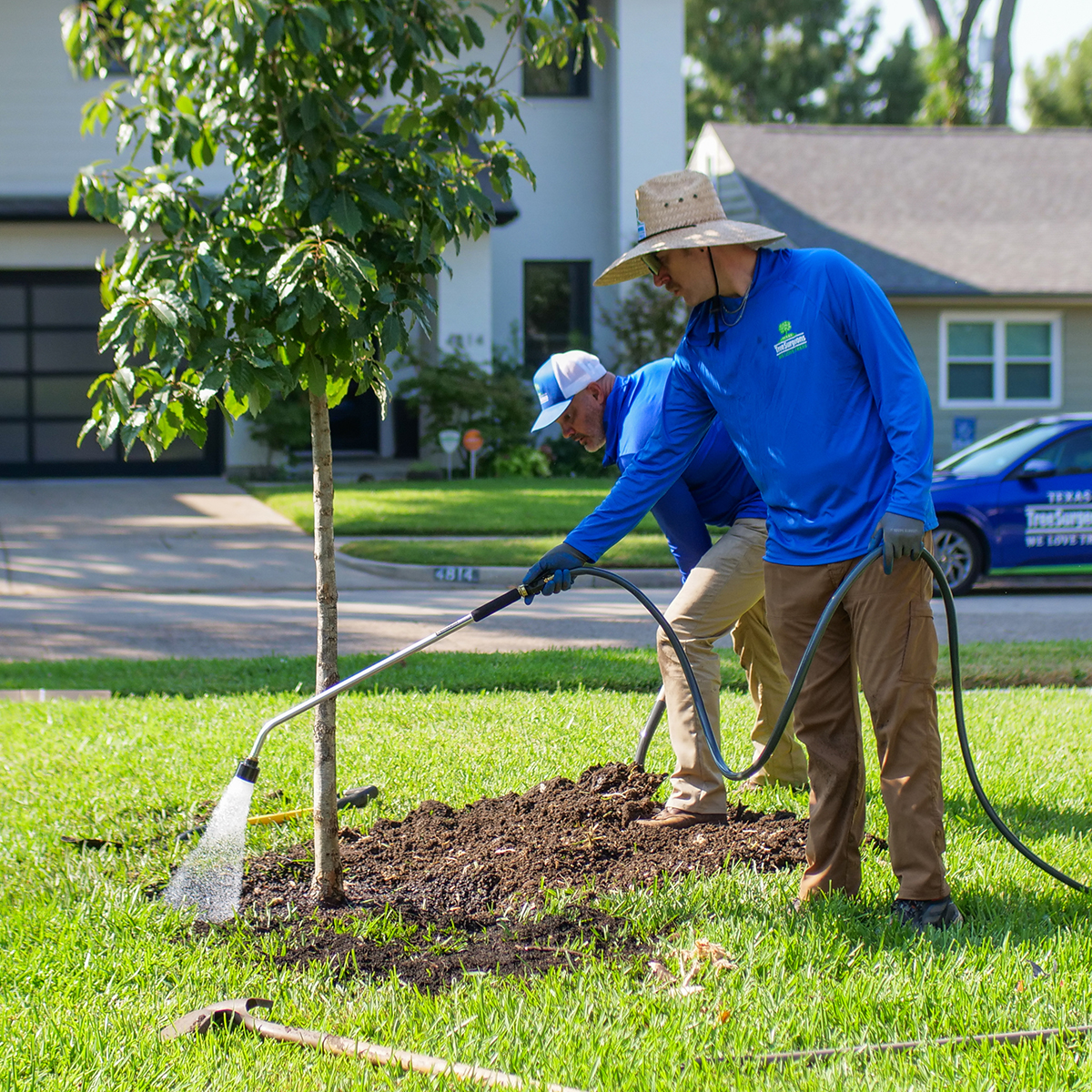
BACKFILL WITH SOIL & WATER
Now that the tree has been installed we backfill with water to help the soil settle and secure the tree's roots into the ground. If the tree is properly planted there will not be a need for stakes to keep it in place.
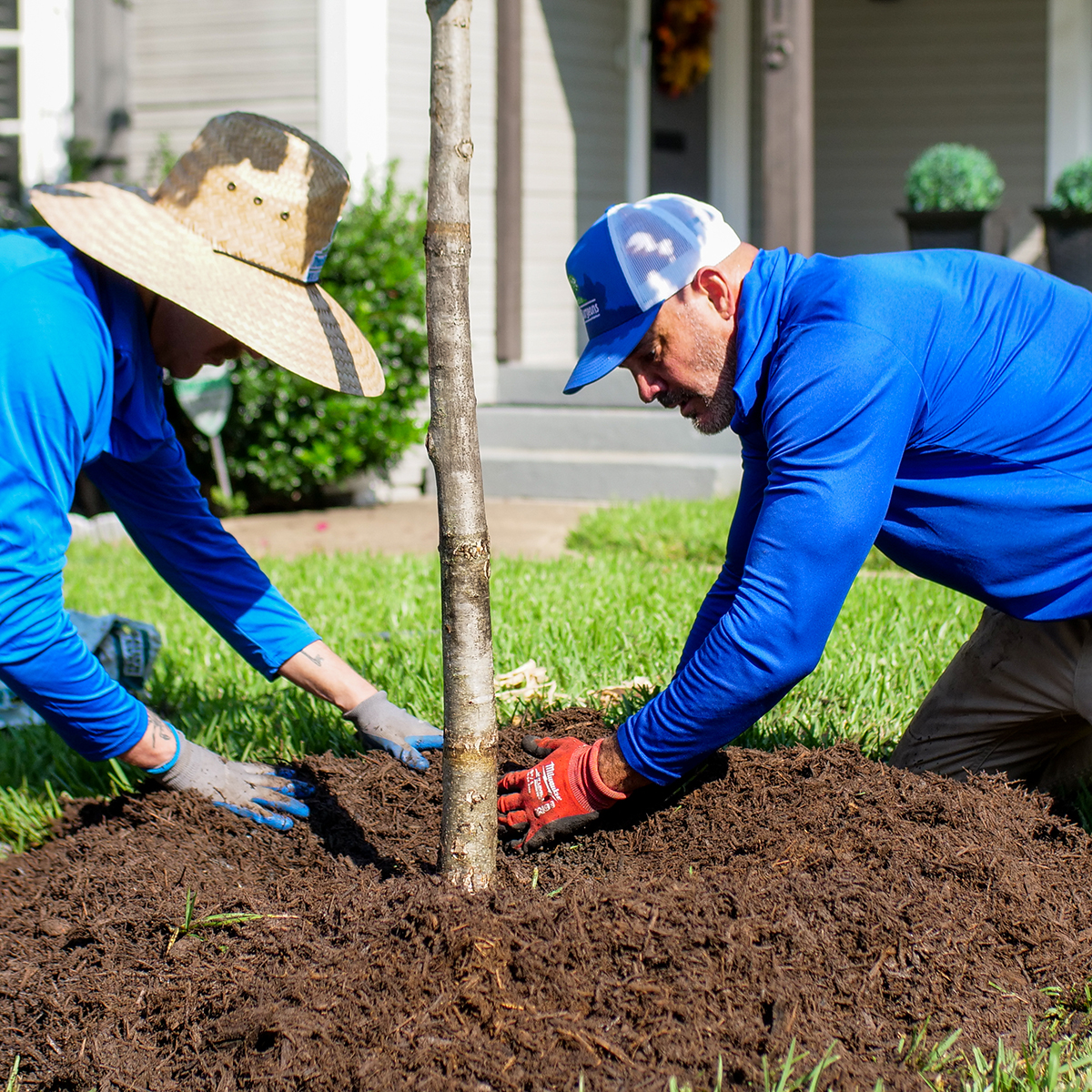
MULCH
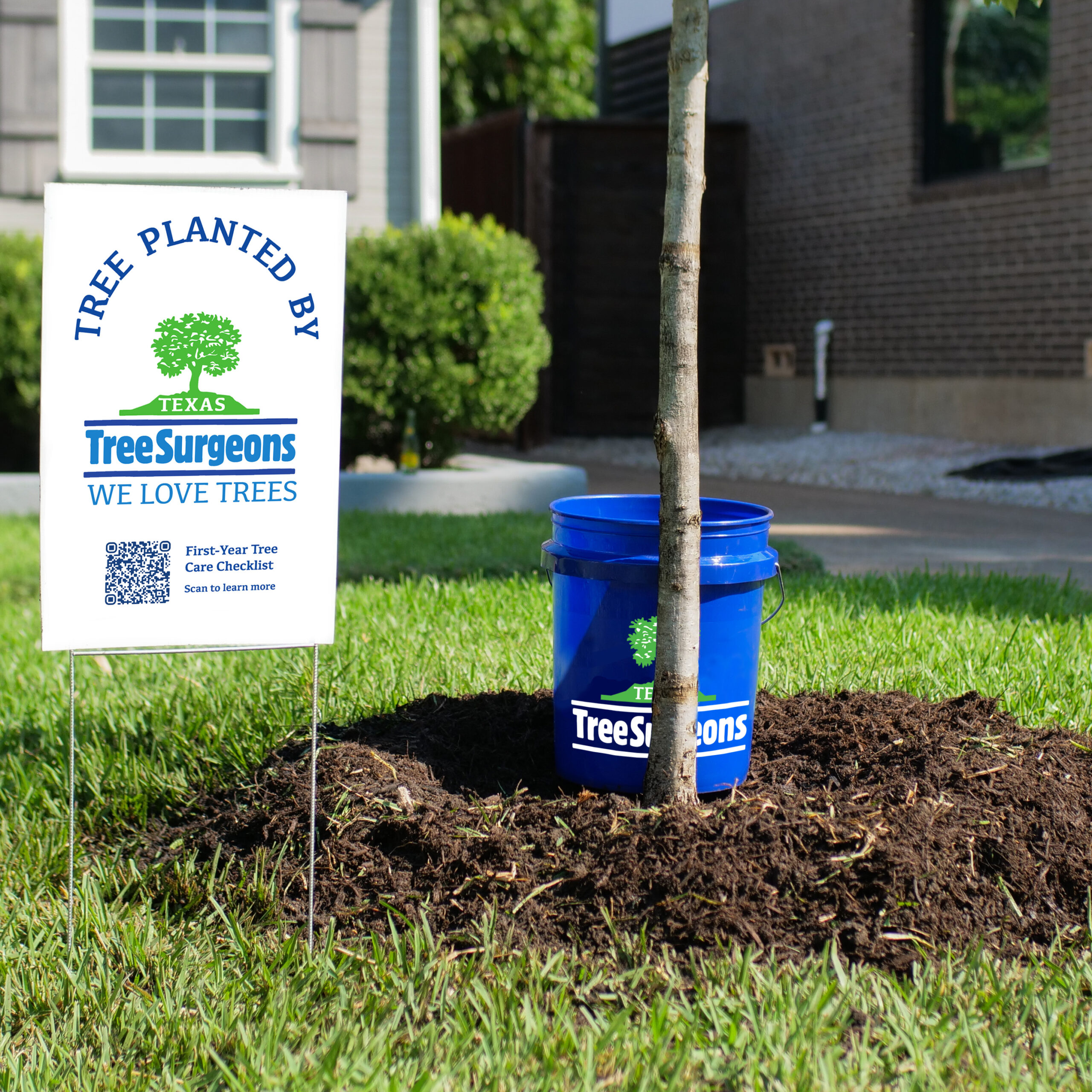
Our crew will then mulch the tree, making sure to create a bowl shape to protect the base. Be careful not to let the mulch pile up around the trunk, as it can harm the tree and void the warranty.
PROPER WATERING TECHNIQUE
Before leaving we do one more final soaking once the tree has been planted. We will also leave a detailed care guide and a 5 gallon blue bucket with soaker holes to help you water your tree properly. Watering your tree with two buckets full every other day for the first two weeks will set your tree up for long-term growth.


