We Are the ISA Certified Consulting Arborists for
Construction Protection to Preserve Trees
We love trees
Preserving Trees During Construction
Trees add tremendous value to residential and commercial properties—providing beauty, shade, energy savings, and long-term environmental benefits. But when construction begins, those same trees often face serious risks. At Texas Tree Surgeons, we specialize in protecting trees before, during, and after construction to ensure their health and longevity.
Without proper planning, trees may decline or die years after a construction project is completed. Soil compaction, root damage, mechanical injury, and chemical contamination are some of the most common—and preventable—causes of tree loss during development.
Why Tree Protection Matters
Trees offer both direct and indirect economic value. They lower cooling and heating costs, improve property values, and mature into increasingly valuable landscape features. However, construction is one of the leading causes of urban tree death.
Damage to trees may not be immediately visible. A tree might appear healthy post-construction, only to enter a slow decline and eventually die due to unseen stress like root damage or soil changes.
Common Tree Hazards During Construction
- Root Loss: Stripping topsoil, trenching for utilities, or grading can sever critical roots. Losing just one major root can reduce a tree’s stability by 15–20%.
- Mechanical Injury: Trunks and limbs are often damaged by equipment or poor pruning practices.
- Grade Changes: Raising or lowering the soil level smothers roots or removes essential root systems.
- Soil Compaction: Heavy equipment compresses soil, restricting oxygen and water availability to roots.
- Chemical Contamination: Spills of paint, fuel, or other substances can kill trees quickly.
Tree Protection Starts in the Planning Phase
Successful tree preservation must begin before construction begins. Our team of Consulting Arborists can help you:
- Identify trees to protect, remove, or treat
- Assess tree species, size, age, and health
- Modify construction plans to reduce tree impact
- Develop a comprehensive Tree Preservation Plan including pruning, fertilization, mulching, irrigation, and pest management
Pre-Construction Protection Measures
-
01
Under the supervision of a certified arborist, we perform necessary pruning, remove hazardous or dead trees, and begin a deep root fertilization and plant health care program. Ideally, this is done 8–12 months before breaking ground.
-
02
Tree Protection Barriers
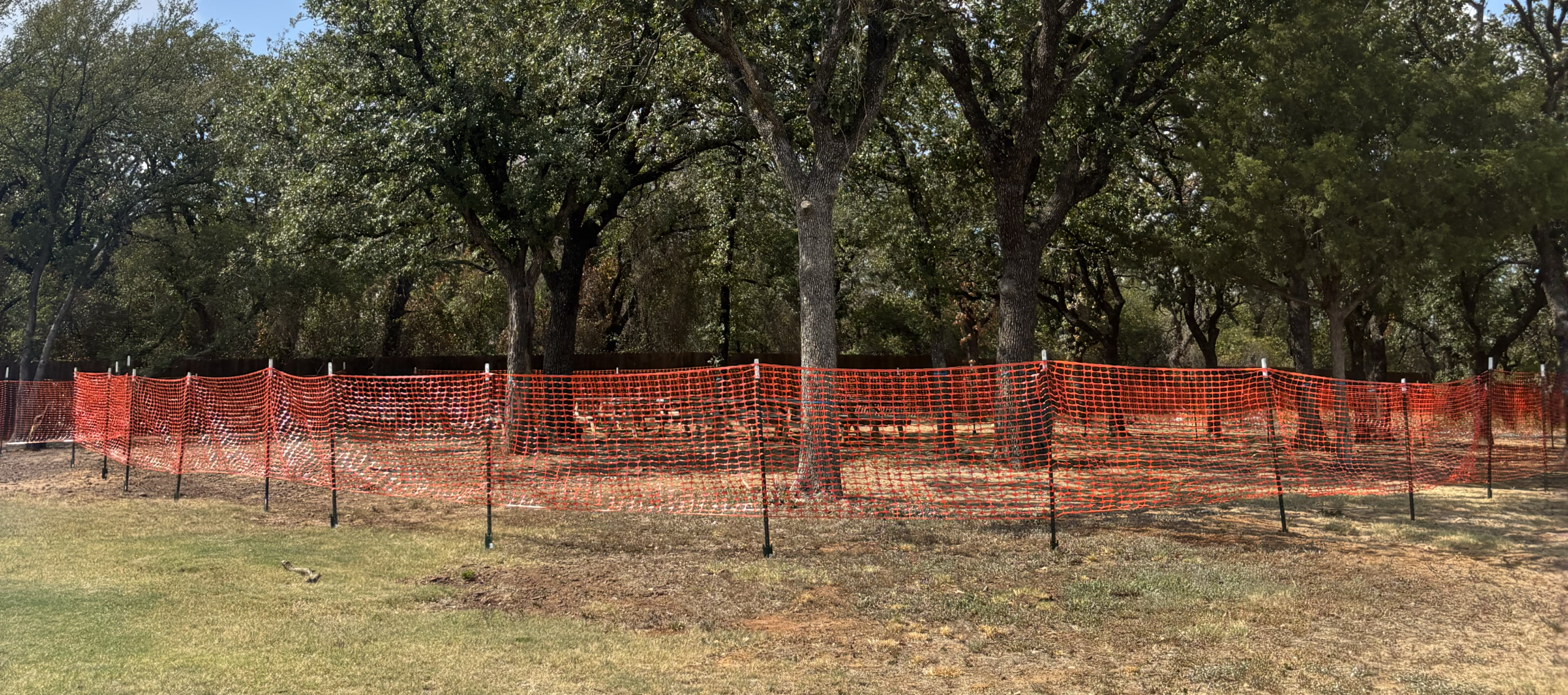
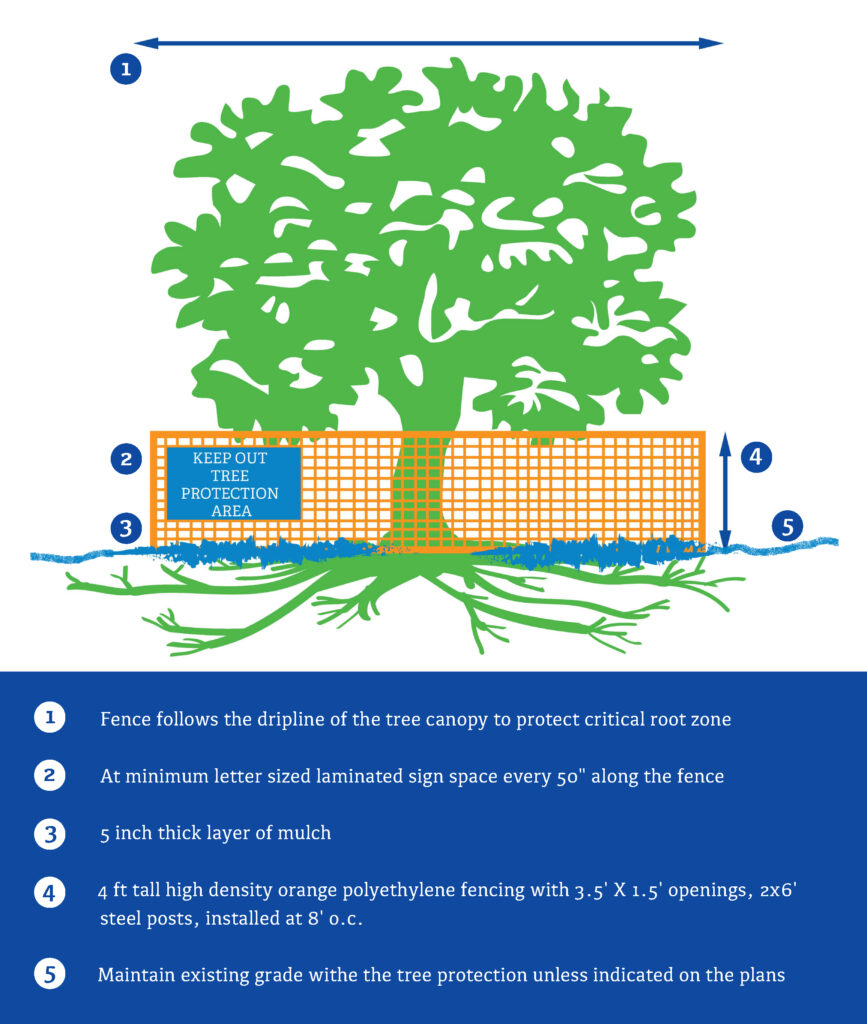
We install physical barriers—placed at least to the tree’s drip line—to prevent equipment from entering the Tree Protection Zone (TPZ). Inside the barrier, we apply 2–4 inches of mulch for added protection.
-
03
Mulching & Load Distribution
In areas where barriers aren’t feasible, we apply 6 inches of mulch and cover it with plywood to disperse weight and reduce compaction.
-
04
Controlled Access
To minimize damage, we create designated routes for vehicles and equipment, which can also serve for future utility trenching, driveways, or irrigation lines.
Protection During Construction
- Watering: Trees with damaged roots require frequent deep soaking to compensate for reduced absorption capacity.
- Fertilization: Apply deep-root organic fertilizer 3 times per year to replenish nutrients and support stress recovery.
- Pest & Disease Monitoring: Stressed trees are more vulnerable. Ongoing monitoring and treatment are essential.
- Selective Pruning: Only remove limbs or sections necessary for safety or project progression. Avoid over-pruning during this time.
-

Watering
Trees with damaged roots require frequent deep soaking to compensate for reduced absorption capacity.
-

Fertilization
Apply deep-root organic fertilize 3 times per year to replenish nutrients and support stress recovery.
-

Pest & Disease Monitoring
Stressed trees are more vulnerable. Ongoing monitoring and treatment are essential.
-

Selective Pruning
Only remove limbs or sections necessary for safety or project progression. Avoid over-pruning during this time.
Post-Construction Care
After construction wraps up, your trees still need attention to recover and thrive. We recommend:
- Treating wounds on trunks or branches
- Cabling and bracing if structural support is needed
- Restoring irrigation and drainage
- Vertical mulching to help relieve compaction and improve conditions around a tree’s root system
- Removing excess mulch and applying new mulch as needed
- Aerating compacted soil and continuing fertilization
- Scheduling seasonal inspections with a Certified Arborist
Signs of Construction Stress in Trees
- Stunted growth or short shoot elongation
- Yellowing or small leaves
- Sparse or thinning canopy
- Premature fall color or early leaf drop
- Epicormic sprouts (shoots growing from trunk or branches)
- Dieback in twigs or branches
- Visible wounds, decay, or pest infestations
If you notice any of these symptoms, contact us right away for a professional tree health assessment.
Protect Your Investment—Protect Your Trees
Construction doesn’t have to mean sacrificing your trees. With the right guidance and proactive care, your landscape can thrive long after the last brick is laid.
Case Study
Before & After | Construction Damage without Intervention
Photographic record of a singular construction site without proper tree protection measures.
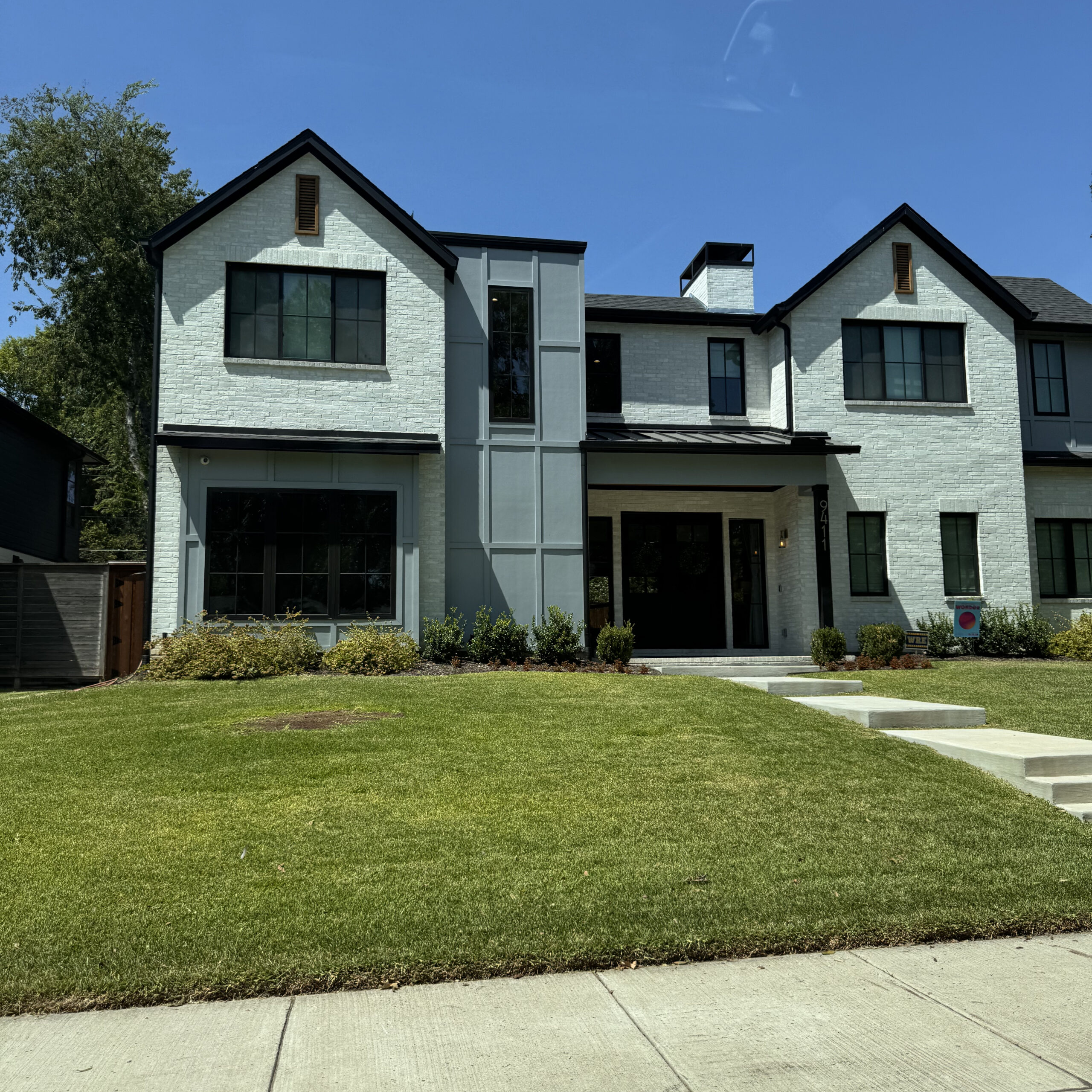
RESIDENCE WITH TREE REMOVED | 2026
Construction began in 2023 and tree decline was severe enough that it needed to be removed in three years. Photo, 2026
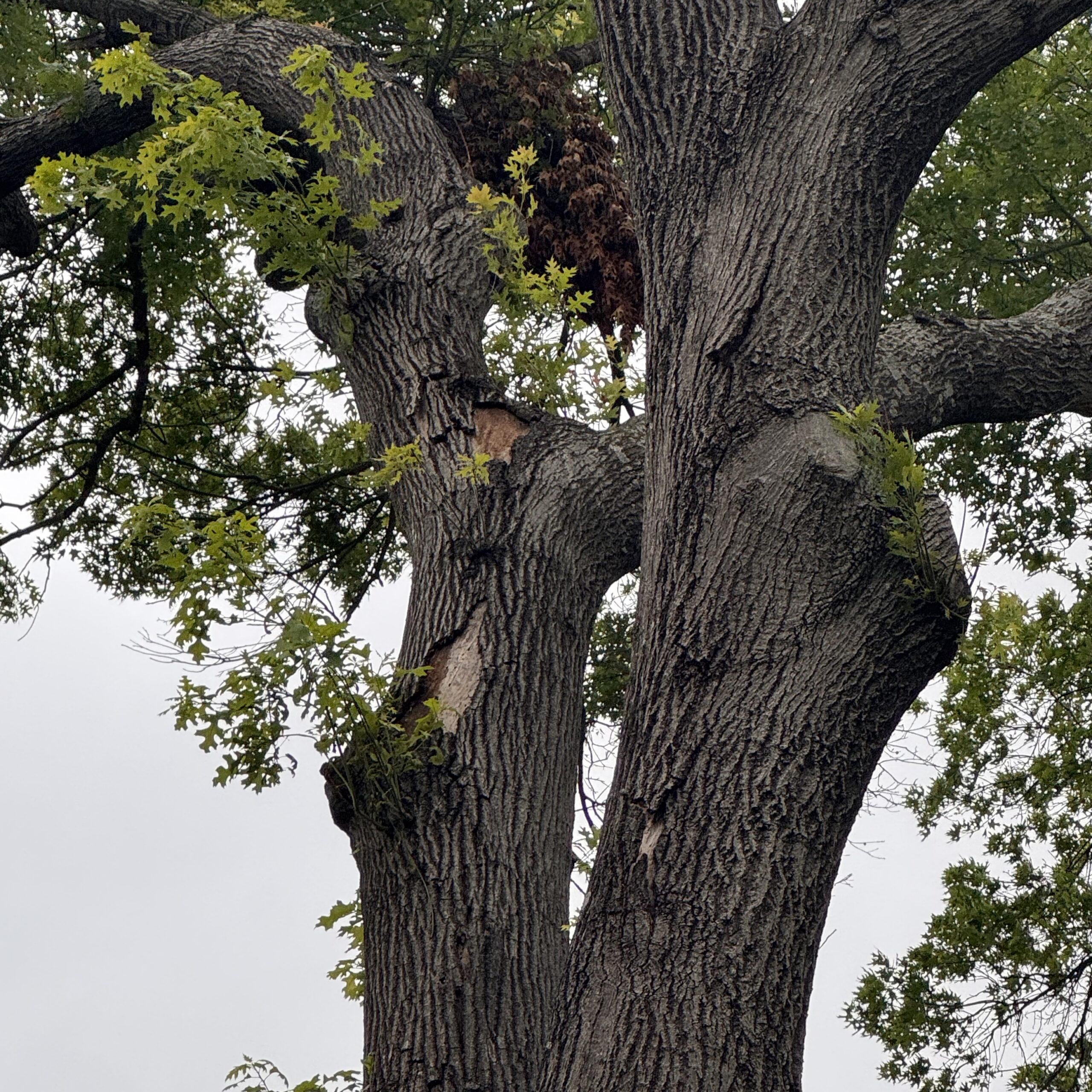
CLOSE UP OF TREE WITH VISUAL DAMAGE | 2025
Same photo, just closer and cropped on the tree. You can see climate related damage, however construction damage is a direct stressor which inhibits its ability to heal well from other stressors. Photo, 2025
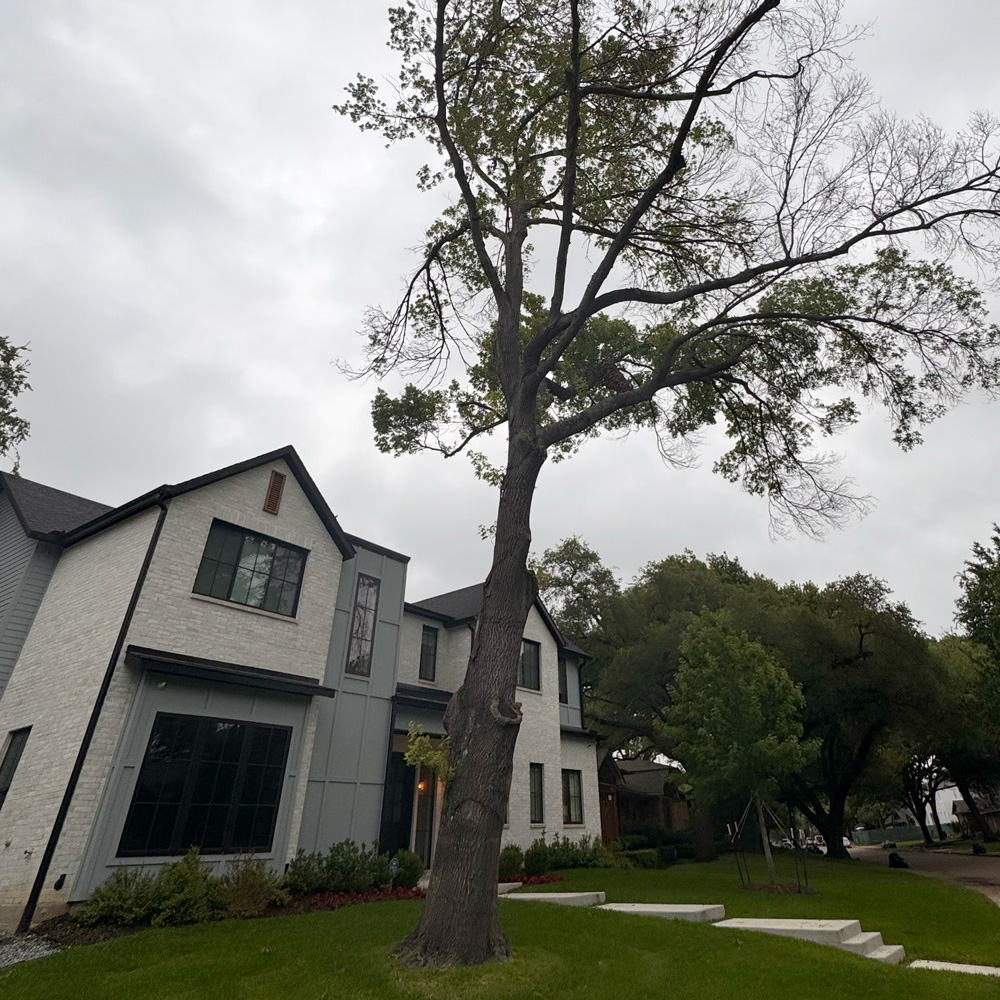
TIP DIEBACK | 2025
You can see symptoms of tree stress from construction damage. There is short annual shoot elongation, thin foliage, leaf wilting, defoliation, epicormic shoots, twig dieback, branch dieback, irregular wounds, and decay at wound sites. Photo, 2025
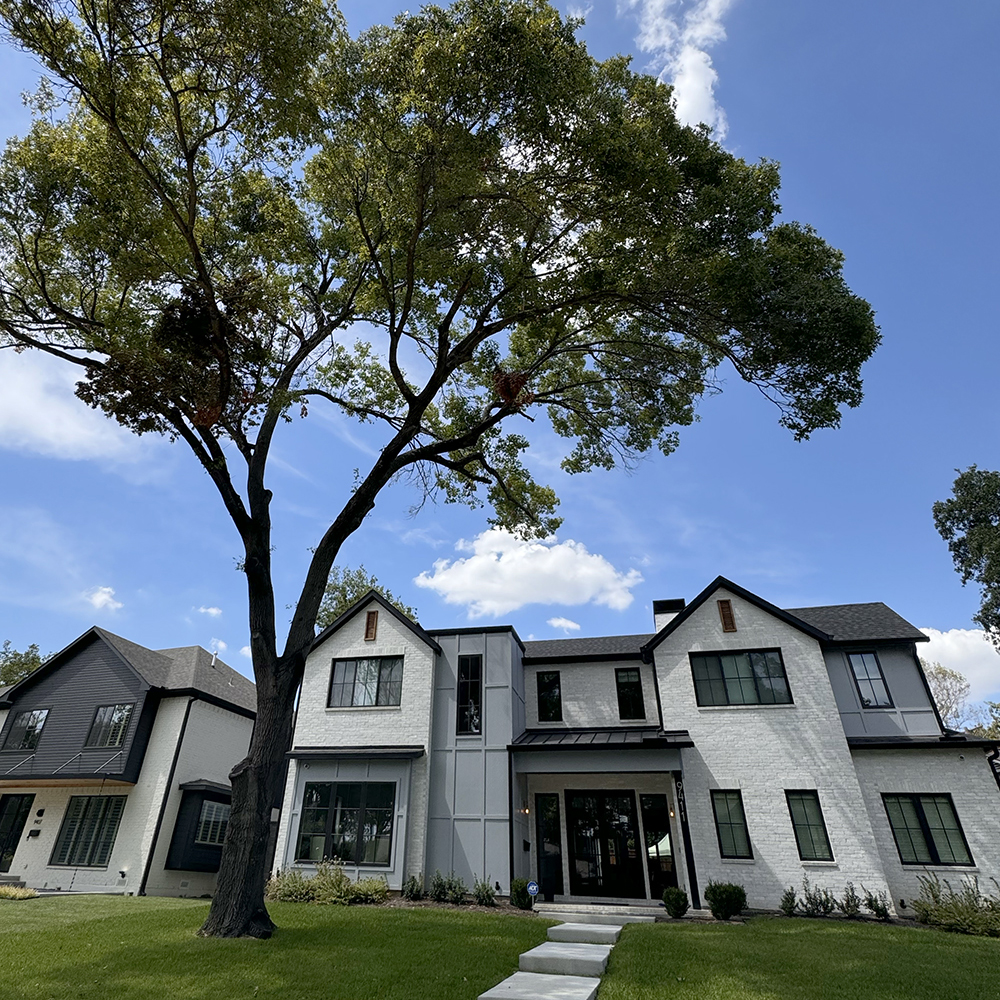
CONSTRUCTION COMPLETE | 2024
Property is finally completed with construction. The effects of construction damage may not be immediately apparent on the tree. Photo, 2024
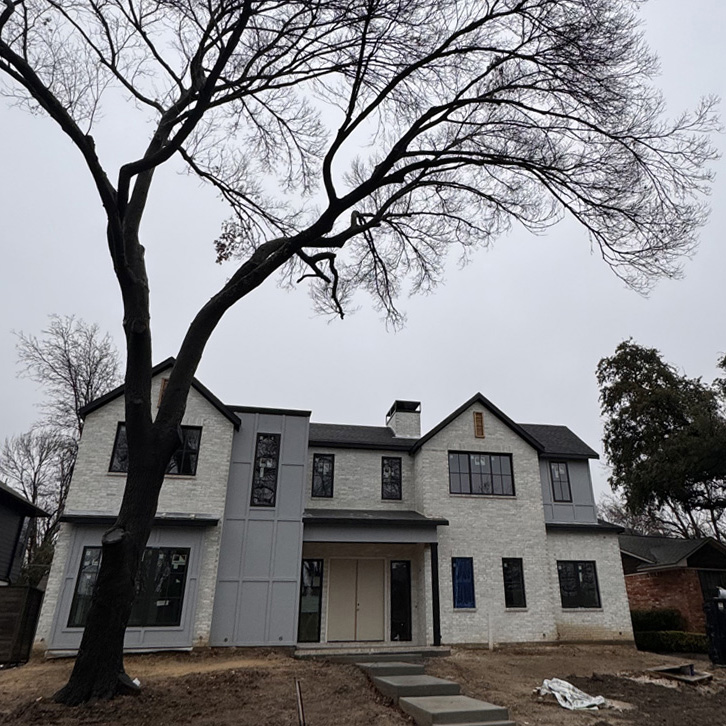
SOIL GRADING | 2024
Construction is almost complete, no materials under tree, soil has been graded. Grade changes, raising or lowering the soil level smothers roots or removes essential root systems. Photo, 2024
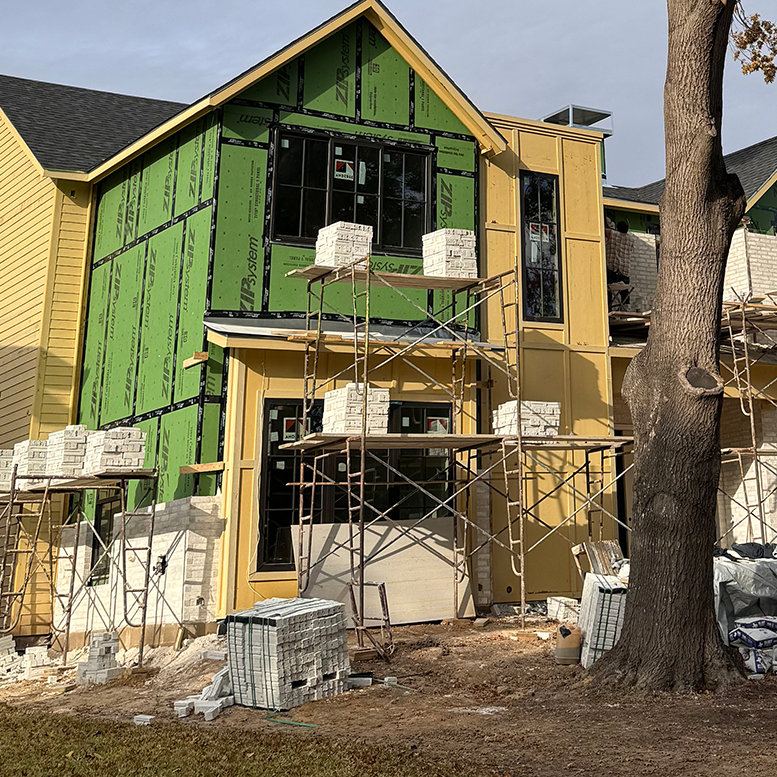
SOIL COMPACTION | 2024
Bricks are stacked at the base of the tree. Heavy building materials compresses soil, restricting oxygen and water availability to roots. Photo, 2024
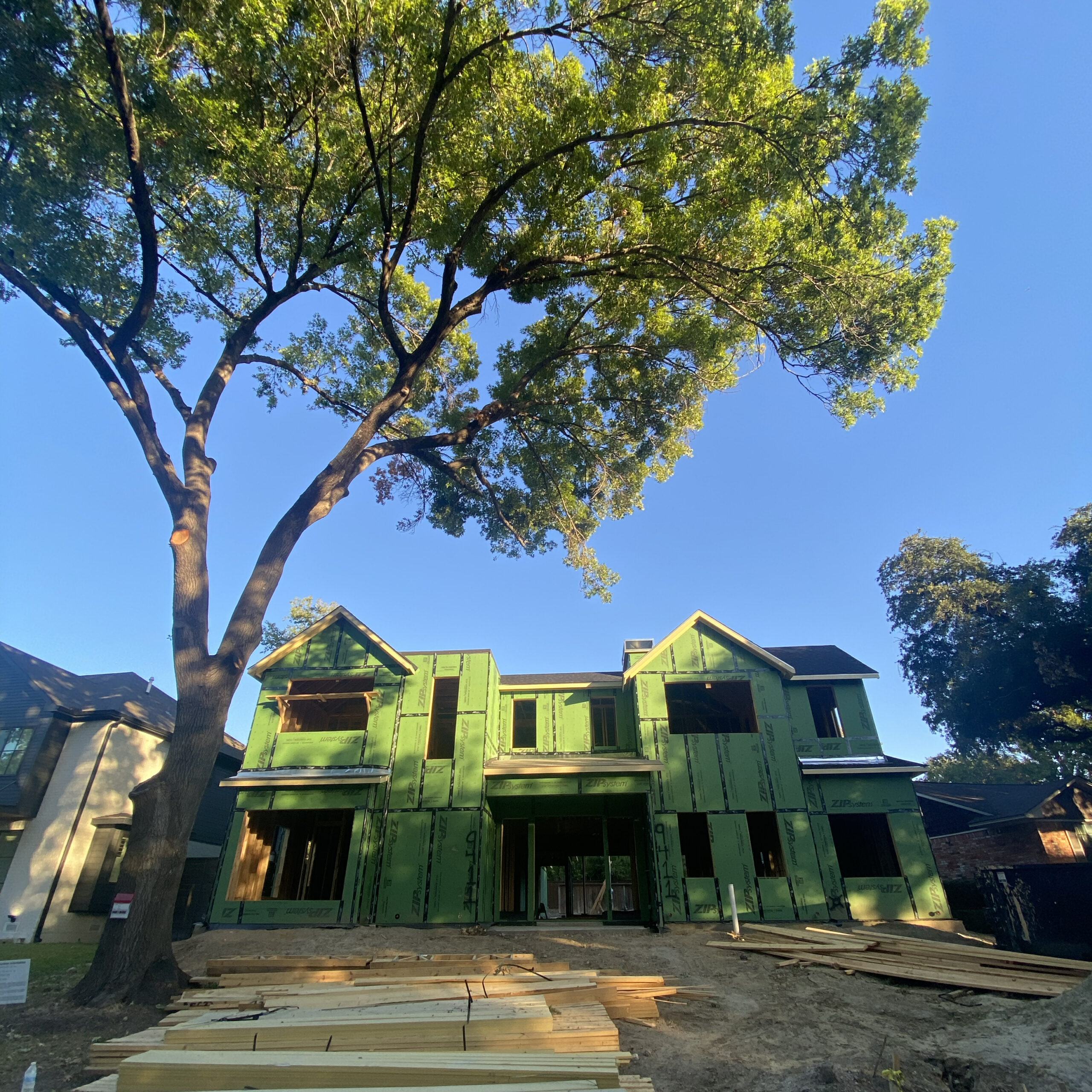
ROOT DAMAGE FROM COMPACTION | 2023
Materials have been under the canopy for a steady amount of time compacting soil. Consider the ground under a construction site as a bustling metropolis of microorganisms and larger soil fauna. Each organism plays a role in maintaining the soil structure, allowing trees to thrive. However, when construction begins, the compression of the soil compacts these spaces, eliminating the necessary gaps that store water and air. Trees end up in a static environment where nutrient cycling is stagnant. It’s similar to trying to breathe through a pressed sponge—life-sustaining elements get interrupted, initiating a perilous journey toward tree decline. Photo, 2023
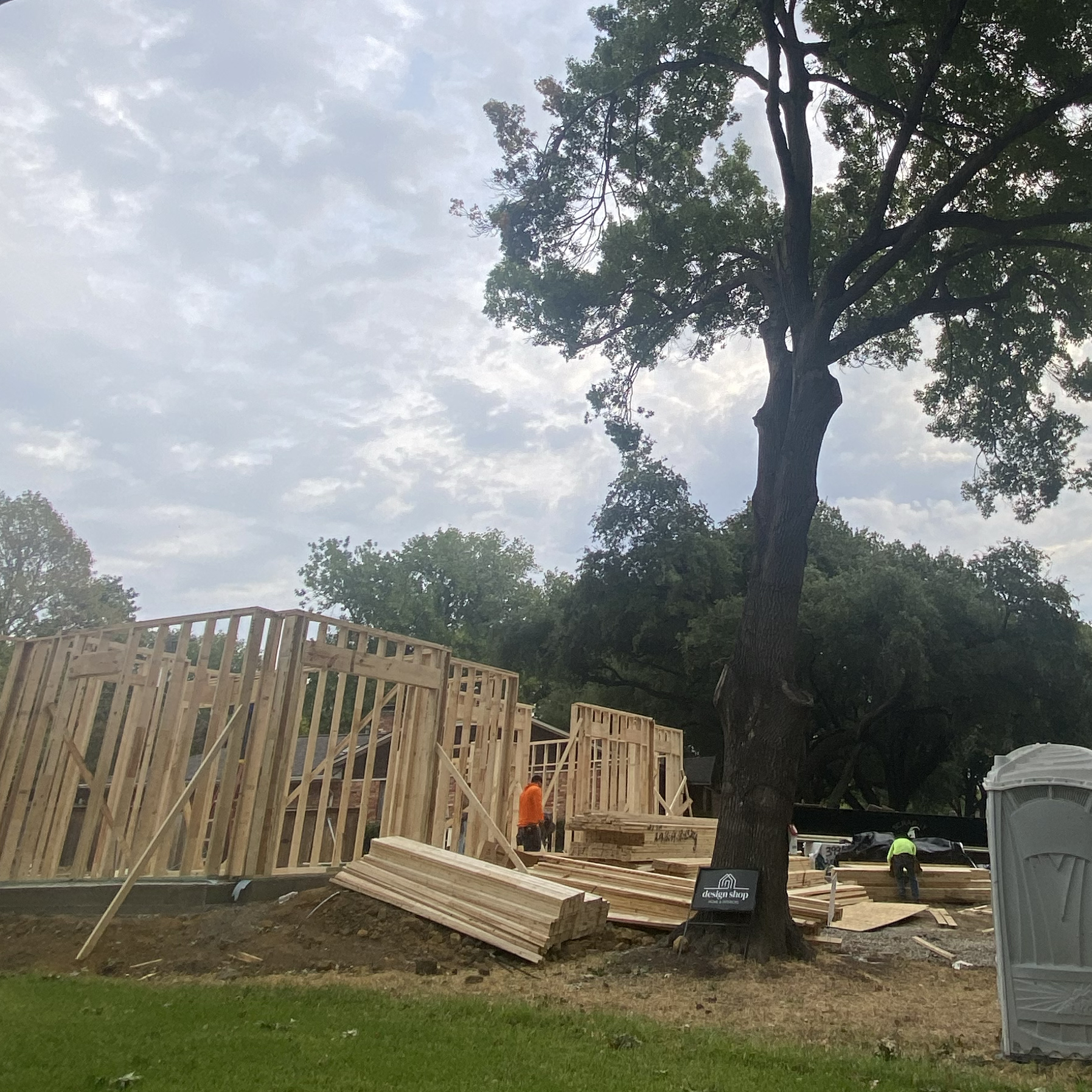
TREE STRESS DURING CONSTRUCTION | 2023
Heavy building materials are loaded directly under the tree. This is the beginning of the construction project, this load will be compacting the soil for a long period of time. Not only does this physical damage disrupt their growth, but it also deprives them of essential air pockets in the soil. Such changes severely impair a tree’s ability to maintain its metabolic processes, often resulting in a slow yet irreversible decline. Photo, 2023
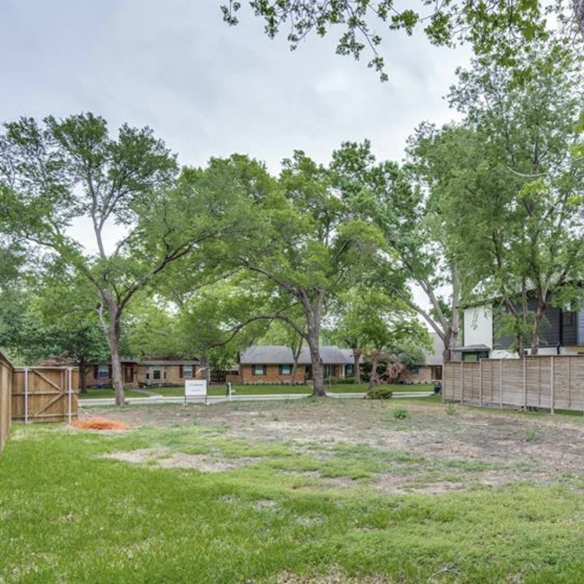
DAMAGE FROM CONSTRUCTION | 2023
Original home removed. Image is taken looking from the back of the property looking out onto the street. It may look like nothing has occurred to harm the health of the trees but most likely heaving machinery was used and left onsite during the duration of demolition. Photo, 2023.
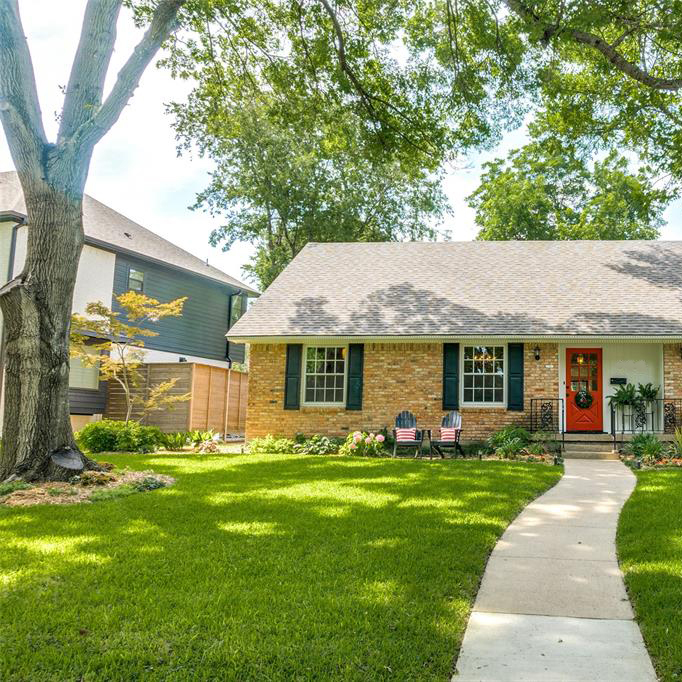
ORIGINAL HOME WITH MATURE TREES | 2021
This home was originally built in 1962. Photo, 2021.
Contact Us
Get Your Estimate Today!
Ready to get started? Have a question? We’d love to hear from you. Request an estimate and get started today.
Contact Us
Testimonials
We Love Trees and Happy Customers
Honest Reviews from Satisfied Customers
1500+ verified reviews


Locations