How to Make Sure Your New Tree Establishes and Survives the First 5 Years

Properly planting a tree is just the beginning. The immediate years following planting are often the toughest. Newly planted trees are most susceptible to extreme environmental and physiological stresses. Follow proper watering, mulching, and pruning techniques for long-term tree health.
Studies show that 20–50% of newly planted trees fail within the first 5 years in many cities, with higher losses in degraded environments, small planting pits, compacted soils, or limited irrigation.
1. Watering: Consistent and Deep for Strong Roots
Newly planted trees don’t yet have the established roots to gather enough water on their own. The first year is critical for helping them develop strong, deep roots. Your watering schedule should adjust with the seasons.
Deep watering is critical. A long, slow soak allows water to penetrate the soil deeply, reaching the roots that will anchor the tree and support its growth for years to come. Shallow, frequent watering only wets the top layer of soil, which encourages weak, shallow roots that are more vulnerable to drought and wind.
Soaker hoses, drip irrigation, or letting a hose trickle at the base for 20–30 minutes are all good methods to achieve slow watering.
Soil quality influences watering practices as well. On sandy soils, water may drain quickly and require more frequent soaking, while clay soils hold moisture longer but need even slower application to prevent runoff. Free tools like the USDA web soil survey can help you determine the soil type on your property.
Rule of thumb: Give about 10–15 gallons per inch of trunk diameter per week, spread out over one or two deep soakings rather than daily splashes.
2. Mulching: Protect Roots and Conserve Resources
Mulch helps retain soil moisture, suppress weeds, and regulate soil temperature. Applying a 2–3 inch layer of organic mulch around the base of your tree is one of the most effective ways to support its health in the first year and beyond. Mulch offers multiple benefits, including:
- Moisture retention: Mulch slows evaporation and keeps water available to the roots longer, reducing the need for frequent watering.
- Temperature regulation: It insulates the soil, keeping it cooler in the summer and warmer in the winter, protecting young, sensitive roots from stress.
- Weed suppression: Mulch creates a barrier that prevents weeds and grass from competing with your tree for water and nutrients.
- Soil improvement: As organic mulch breaks down, it enriches the soil with nutrients for your tree and beneficial soil microbes as well as improving soil structure, creating a healthier growing environment for roots.
- Protection from mechanical damage: A mulch ring keeps lawnmowers, trimmers, and other equipment away from the trunk, reducing the risk of accidental injury.
When applying mulch, be sure to spread it in a wide circle that extends to the edge of the canopy (or anticipated canopy spread) and keep it a few inches away from direct contact with the trunk. Piling mulch against the trunk can trap moisture, leading to rot, decay, or pest issues.
As the mulch decomposes, it naturally improves soil texture and fertility. Frequent replenishment is necessary as mulch breaks down, ensuring consistent protection and nourishment for your tree. As you the canopy of your tree grows so will the width of the mulch being applied.
3. Feeding Your Tree the Right Nutrients
Young trees benefit from a balanced fertilizer to support their growth. Be sure to use one that is suitable for your tree species and follow the recommended application rates to avoid over-fertilizing. Fertilizers provide essential nutrients like nitrogen, phosphorus, and potassium, which are crucial for robust growth.
While fertilizing, it’s also important to consider the time of year. Applying fertilizer in early spring or late autumn can be most beneficial as it aligns with the tree’s natural growth cycle. However, always remember to avoid fertilizing during peak summer, as it can induce stress and growth spurts at inopportune times.
4. Pruning for Better Structure
Proper pruning helps shape your tree and encourages healthy growth. Pruning should be done mindfully, targeting unwanted growth without affecting the natural form of the tree.
Year 1
During the first year, your tree’s energy should be focused on root establishment—not on shaping its canopy. For this reason, pruning should be kept to a minimum. Only prune to address immediate concerns, such as:
- Broken or damaged branches
- Deadwood that could invite pests or disease
- Branches that create a safety hazard (e.g., low-hanging or obstructing visibility)
- Serious structural defects that could compromise the tree’s long-term health
In addition, fruits and nuts should be removed from trees as soon as possible to encourage structural growth and root establishment.
Year 2-4
During the second to fourth years, structural pruning is recommended to establish a strong central leader and suppress overextending or codominant branches. This reduces the tree’s chances of having major limbs drop in the future. Aesthetic cuts can be made at this time, but natural pruning is considered to be the healthiest technique for long-term health of trees. Immature fruits should still be removed from fruit and nut trees at this time. The total volume of cuts generally should not exceed ⅓ of the canopy in a single year.
Year 5
At this time, the tree’s basic structure should be established and the tree should only receive structural pruning when needed. Enjoy your first harvest of fruit and nut trees that are now mature and established enough to bear fruit.
5. Protecting from Pests and Diseases
Regularly inspect your tree for signs of pest damage or disease. Early detection and intervention with the right treatments can prevent potential threats from causing significant harm. Look for unusual spots, holes in leaves, and signs of wilting or yellowing, as these can indicate underlying issues.
Integrated pest management (IPM) is a holistic approach that combines different management tactics to minimize the risk of pests and diseases. This methodology emphasizes monitoring, using biological controls like beneficial insects, and applying chemical treatments only when necessary, reducing the environmental impact.
6. Staking Young Trees Only if Necessary
Most young trees don’t need staking, but if your tree is in a windy area or has a weak trunk, temporary staking may help.
- Stakes should allow some natural movement, which encourages the trunk to strengthen.
- Remove stakes within 12 months to avoid girdling or damaging the tree.
Prolonged staking can constrict growth and lead to weaker trees. Regularly check the ties to prevent girdling, adjusting them periodically as the tree grows to avoid damage to the trunk.
7. Annual Assessments with a Certified Arborist
Certified arborists are familiar with the local trees, soil types, and environmental stressors. Having annual tree assessments with a Certified arborist will provide the opportunity to document and keep notes on your tree. This data along with their expertise make Certified equipped to properly assess and diagnose your trees and provide accurate recommendations for care. Preventive care is the best care.

At Texas Tree Surgeons, we love trees and we love our community! Planting trees is the first step in creating a healthy urban forest. We are proud to be DFW-born and bred, and we pride ourselves on continuing education to remain at the forefront of our field. We employ TRAQ and TOWQ ISA Certified Arborists and ISA Board Certified Master Arborists. We provide soil and plant tissue sample submission services, as well as advice on how to prepare and submit samples yourself. Our goal is to grow together, from sapling to mature tree. Have a question about the health of your trees or about how our certified arborists work? Let us know!
 PREV BLOG
Tree Planting
Growing Together
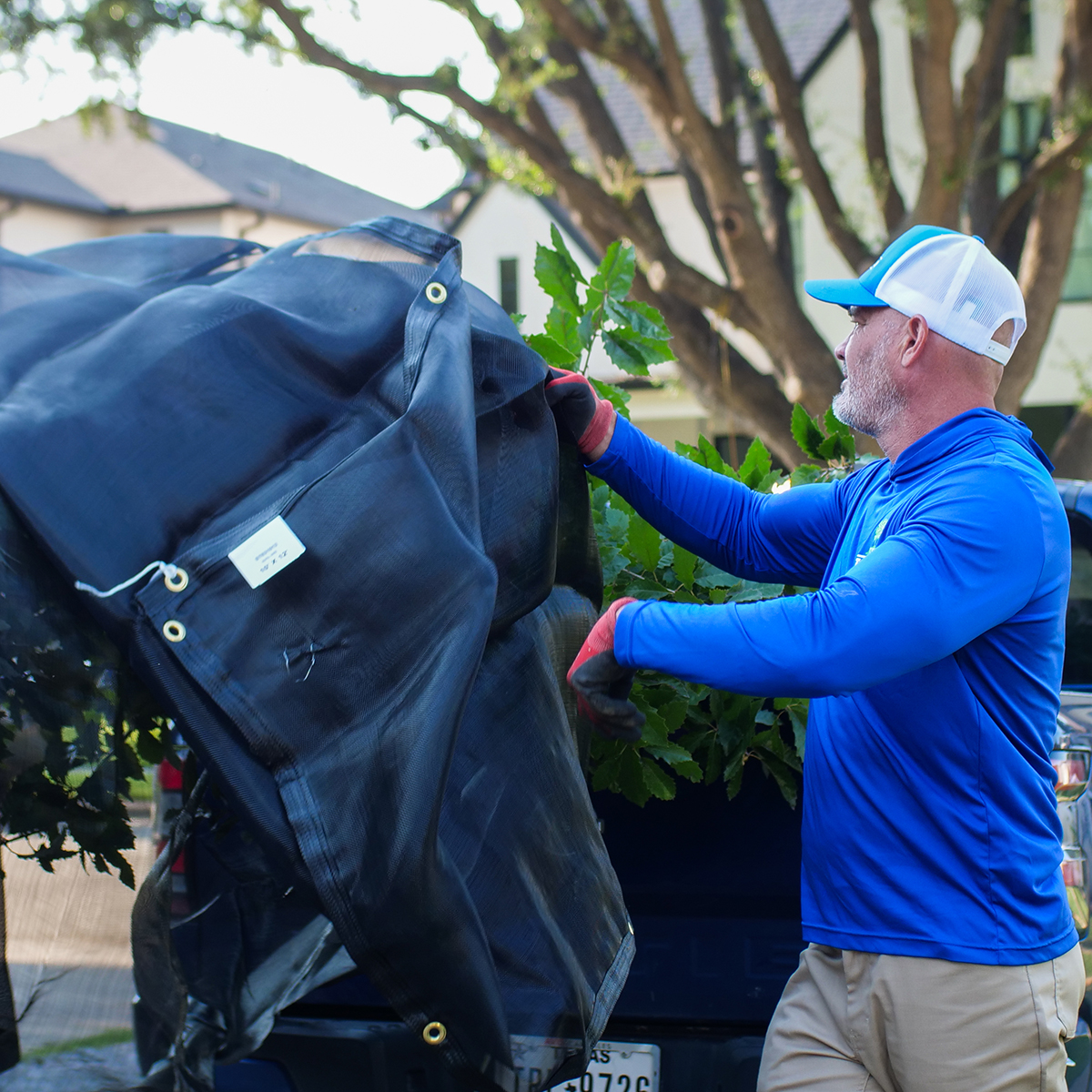
EXPERT KNOWLEDGE AND SKILLSET
We begin by choosing the best trees. Every tree is inspected closely by our arborists to ensure the best stock is installed at your property.
CUSTOMIZED PLANNING FOR YOUR LANDSCAPE
Prior to planting your new tree an arborist will work with you to find the best location on your property to optimize tree health and growth once installed. Depending on the size of the tree and how long ago the tree was removed from a spot will determine if that location can be used to replant.
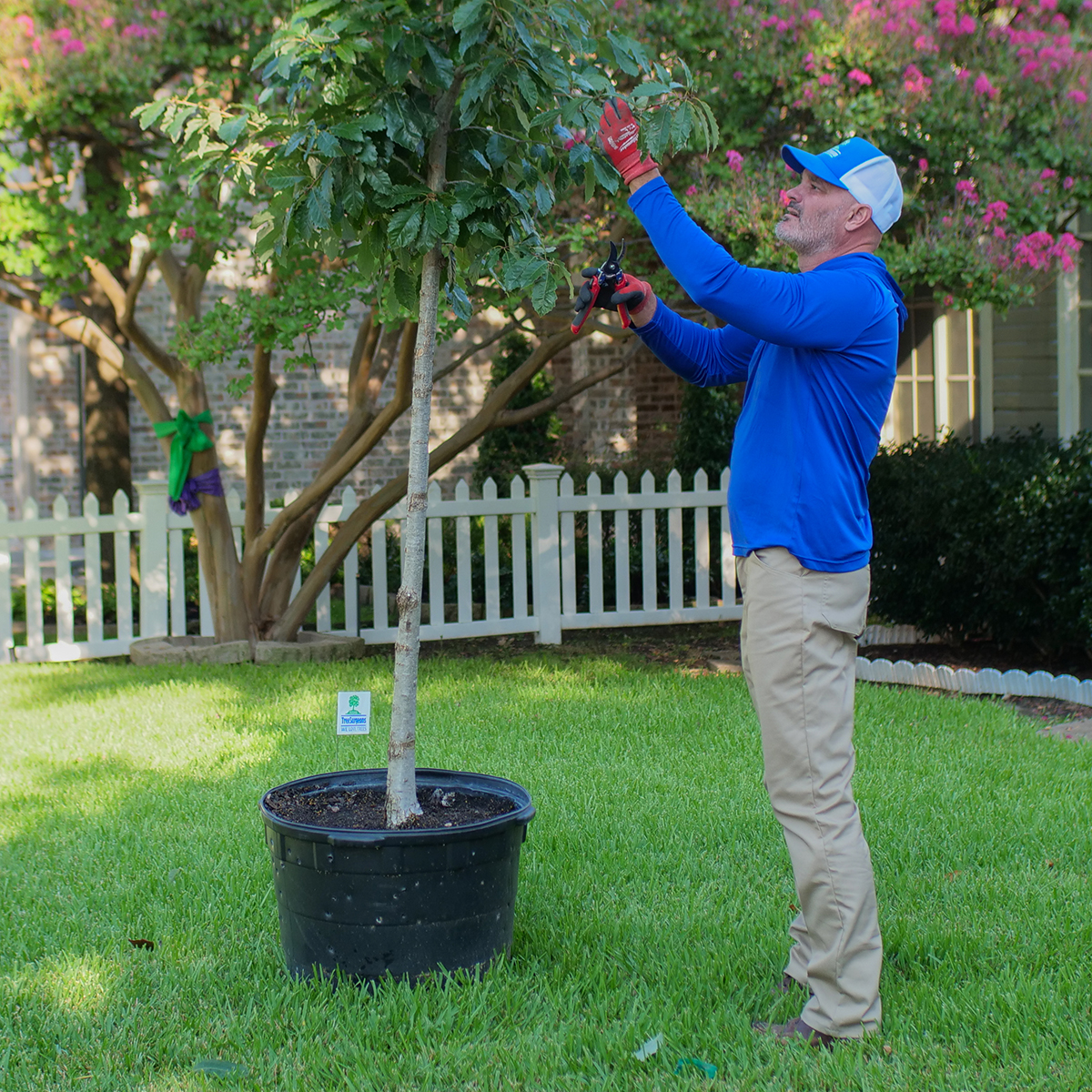
ENCOURAGING HEALTHY DEVELOPMENT
If needed, we will do structural pruning to ensure your tree grows beautifully. Prior to arrival we ensure all trees that are selected have healthy dominate stems.
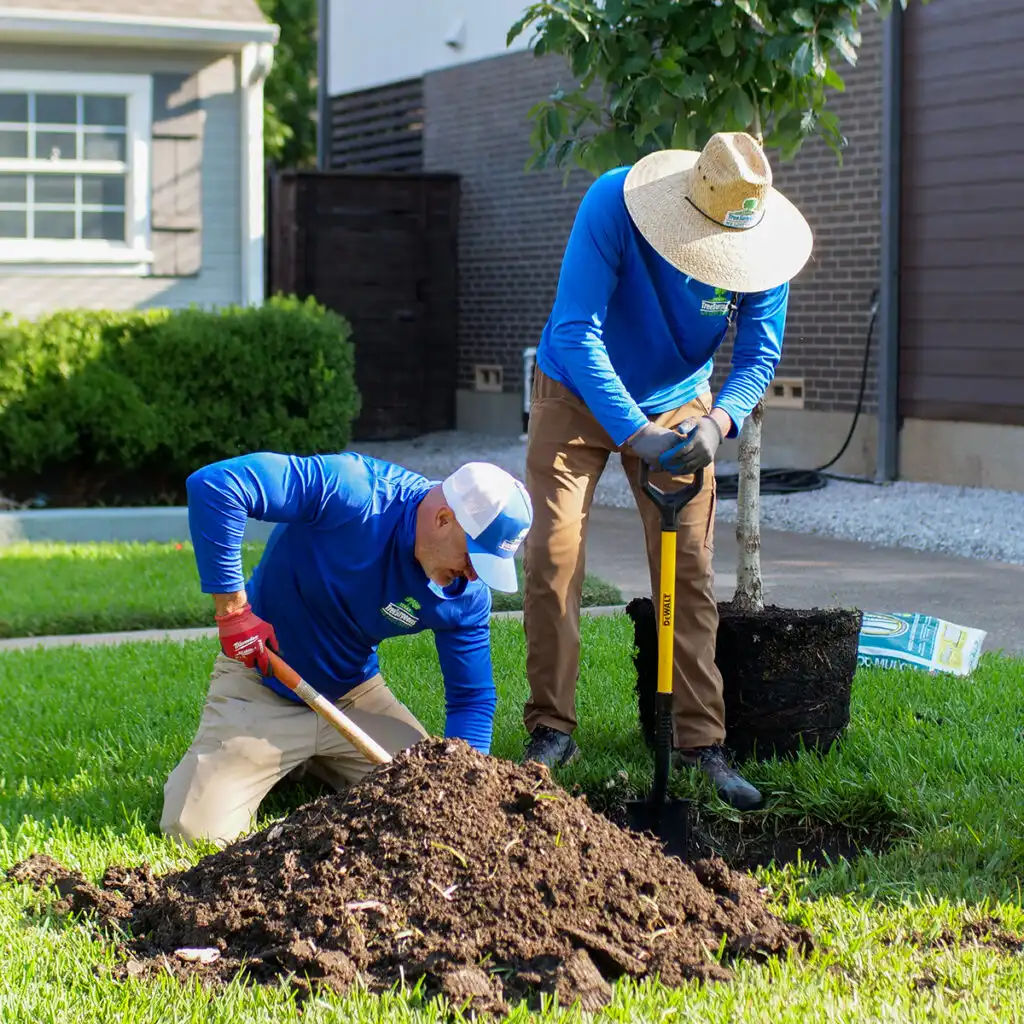
PROPER PLANTING TECHNIQUES
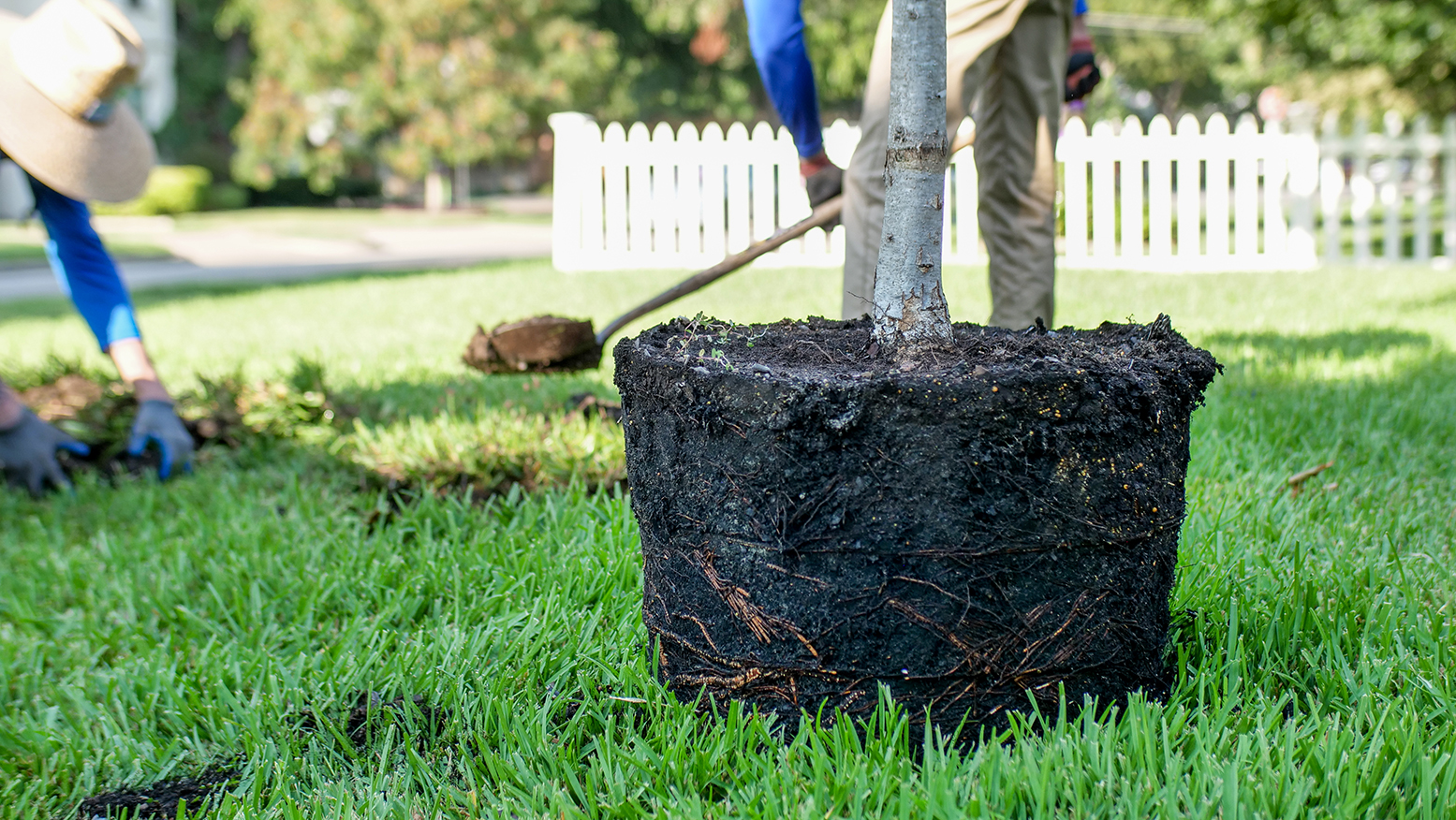
The key to successful tree planting starts from the ground up. Digging the right hole is essential for the tree's success—it's not too deep and wide enough to support proper root growth.
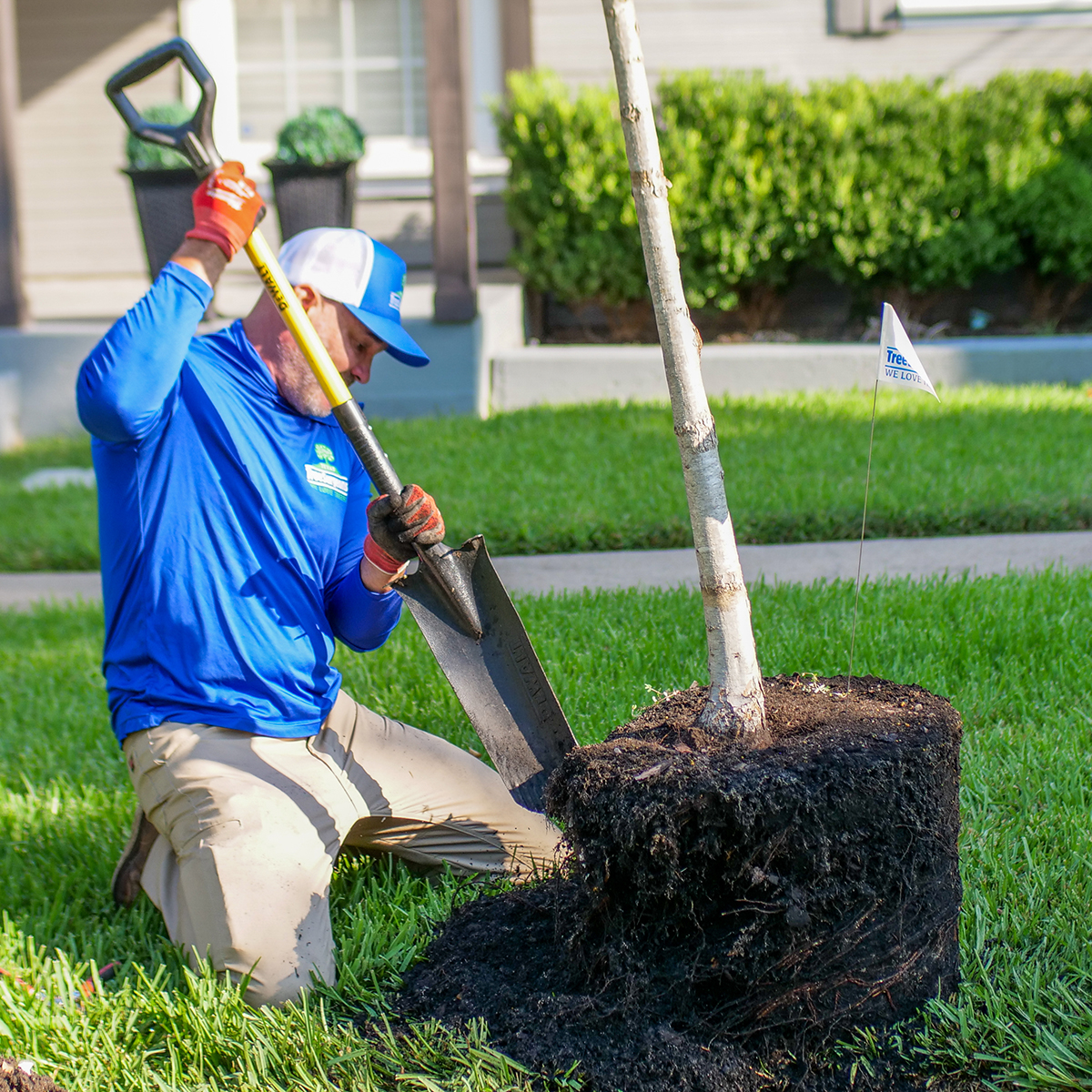
BREAKING APART ROOT BALL
It may look alarming but it is important to break apart the root ball so the roots are able to grow outwards instead of wrapping around itself. Their roots have been bound in a container for a long time and need to be trained to grow outward.
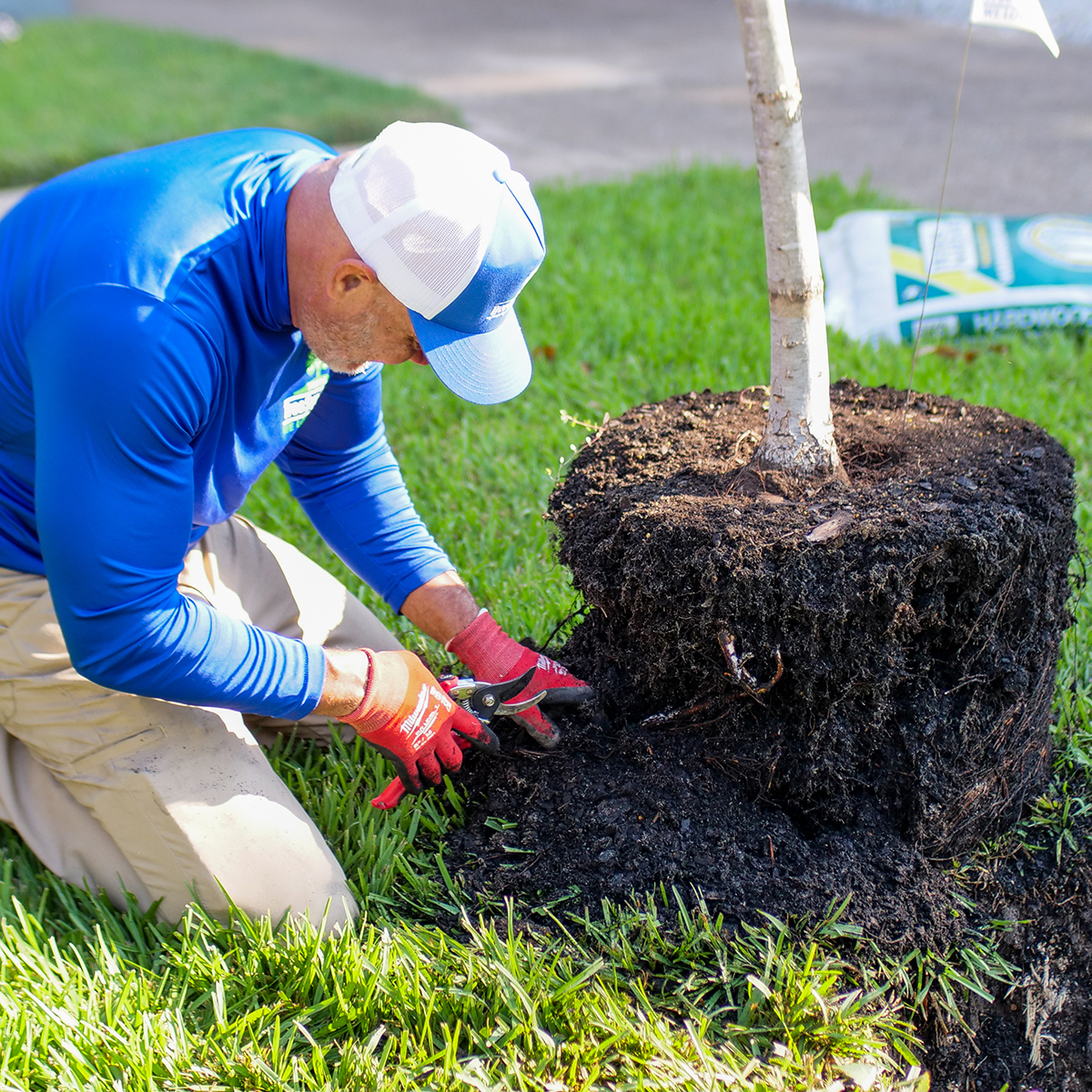
ROOT PRUNING
Root pruning is essential in establishing healthy roots when planting trees. Removing problematic girdling roots ensures healthy trees from the ground up.
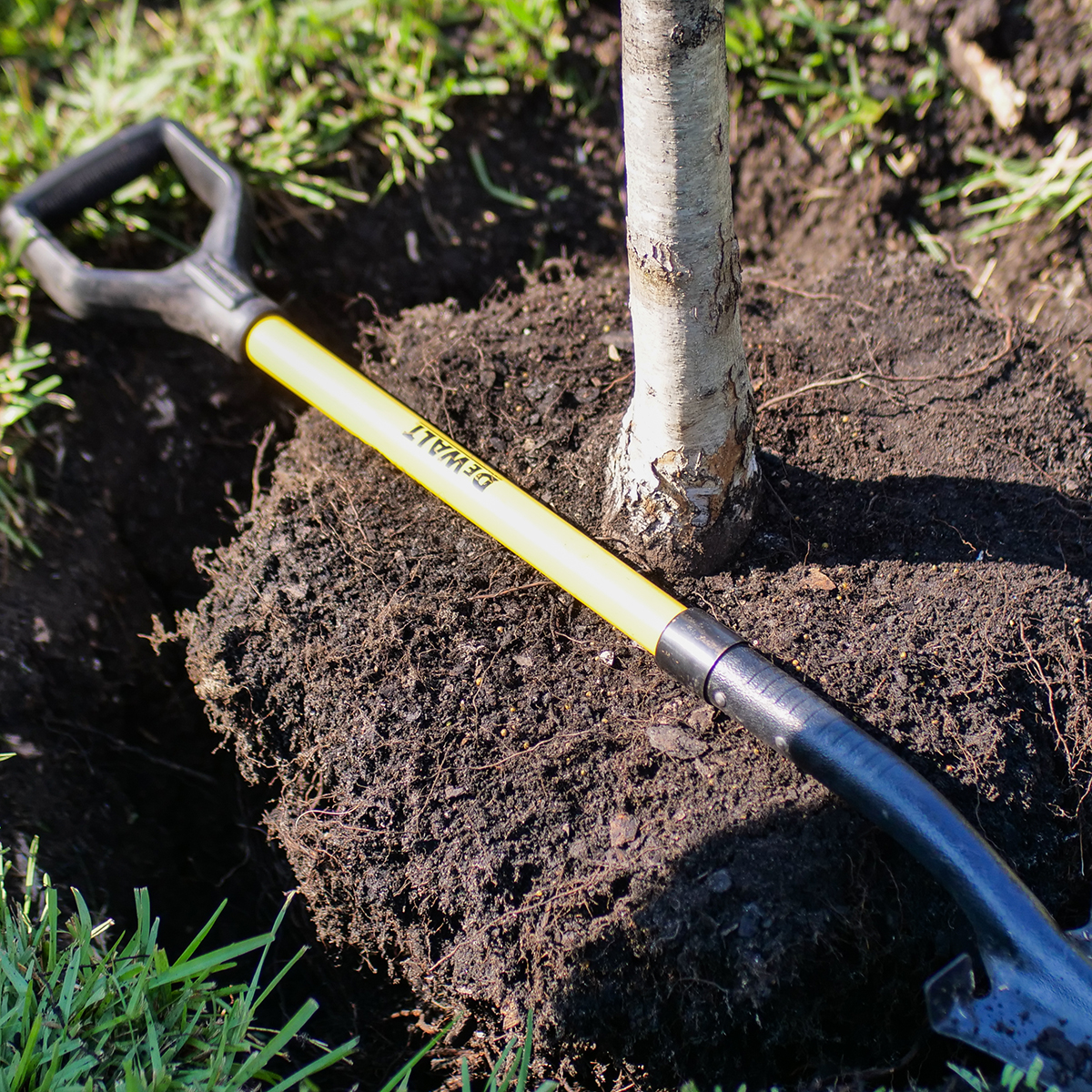
PROPER HOLE DEPTH AND WIDTH
We plant the tree in the ground and take great care to ensure that the tree is at the correct depth and is straight.
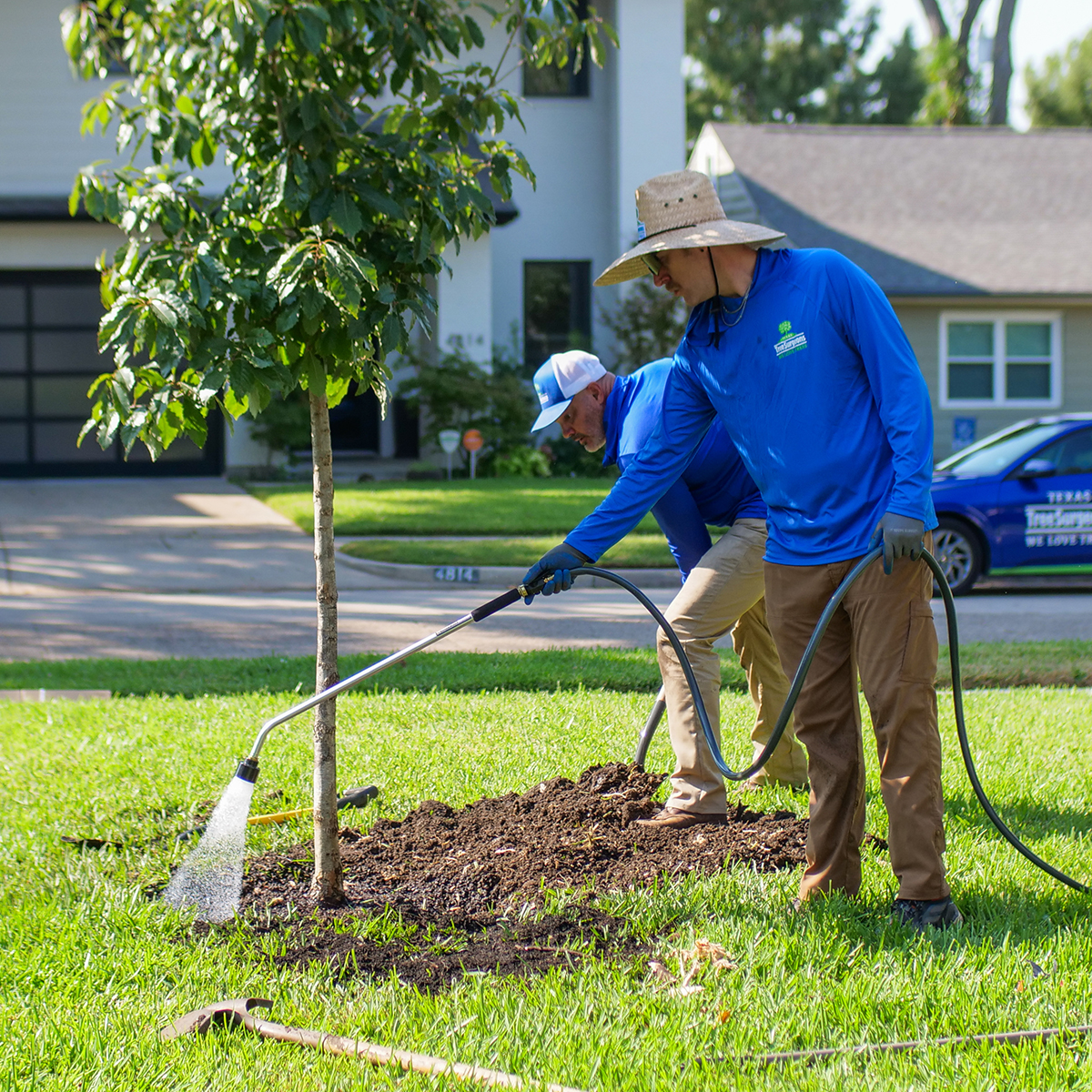
BACKFILL WITH SOIL & WATER
Now that the tree has been installed we backfill with water to help the soil settle and secure the tree's roots into the ground. If the tree is properly planted there will not be a need for stakes to keep it in place.
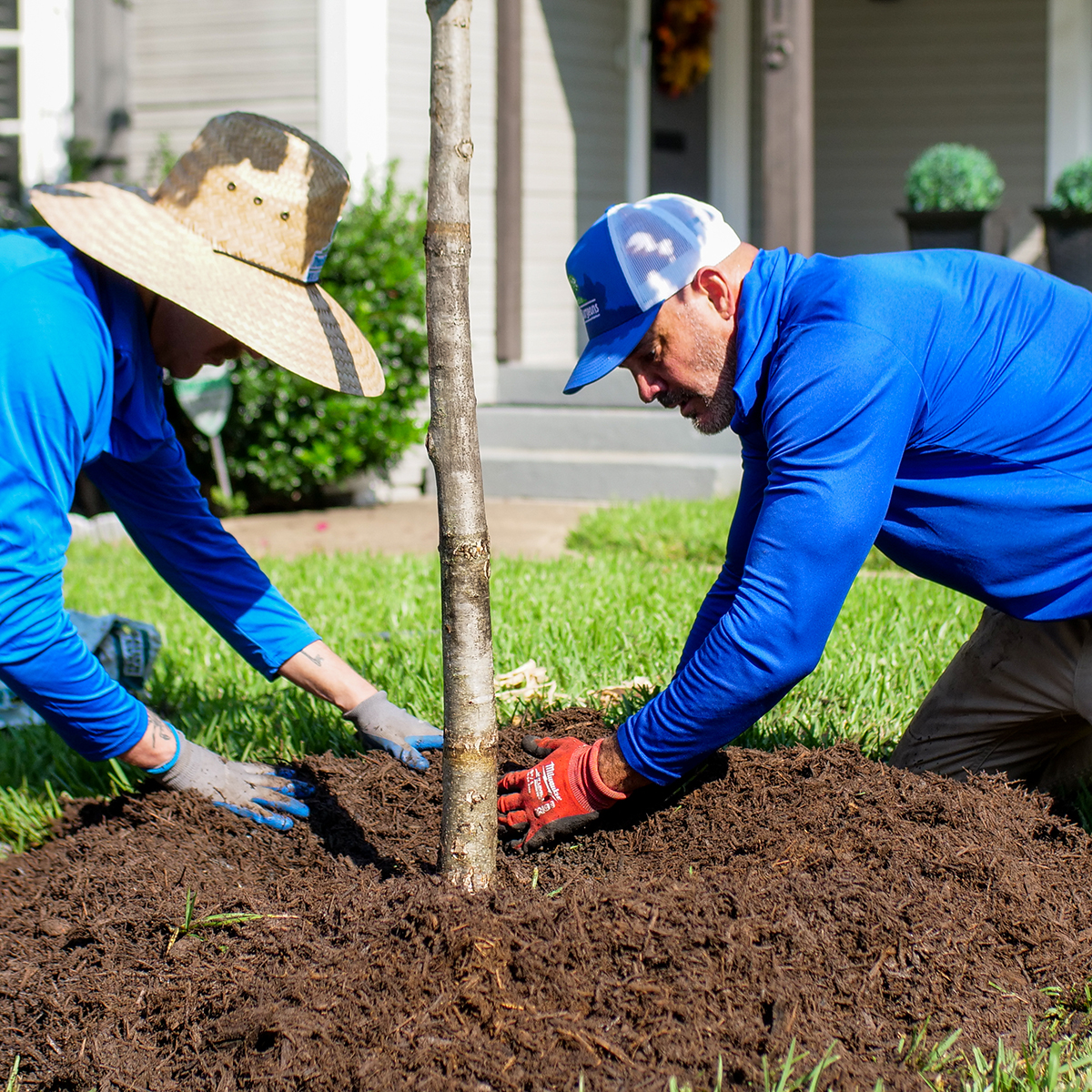
MULCH
Our crew will then mulch the tree, making sure to create a bowl shape to protect the base. Be careful not to let the mulch pile up around the trunk, as it can harm the tree and void the warranty.
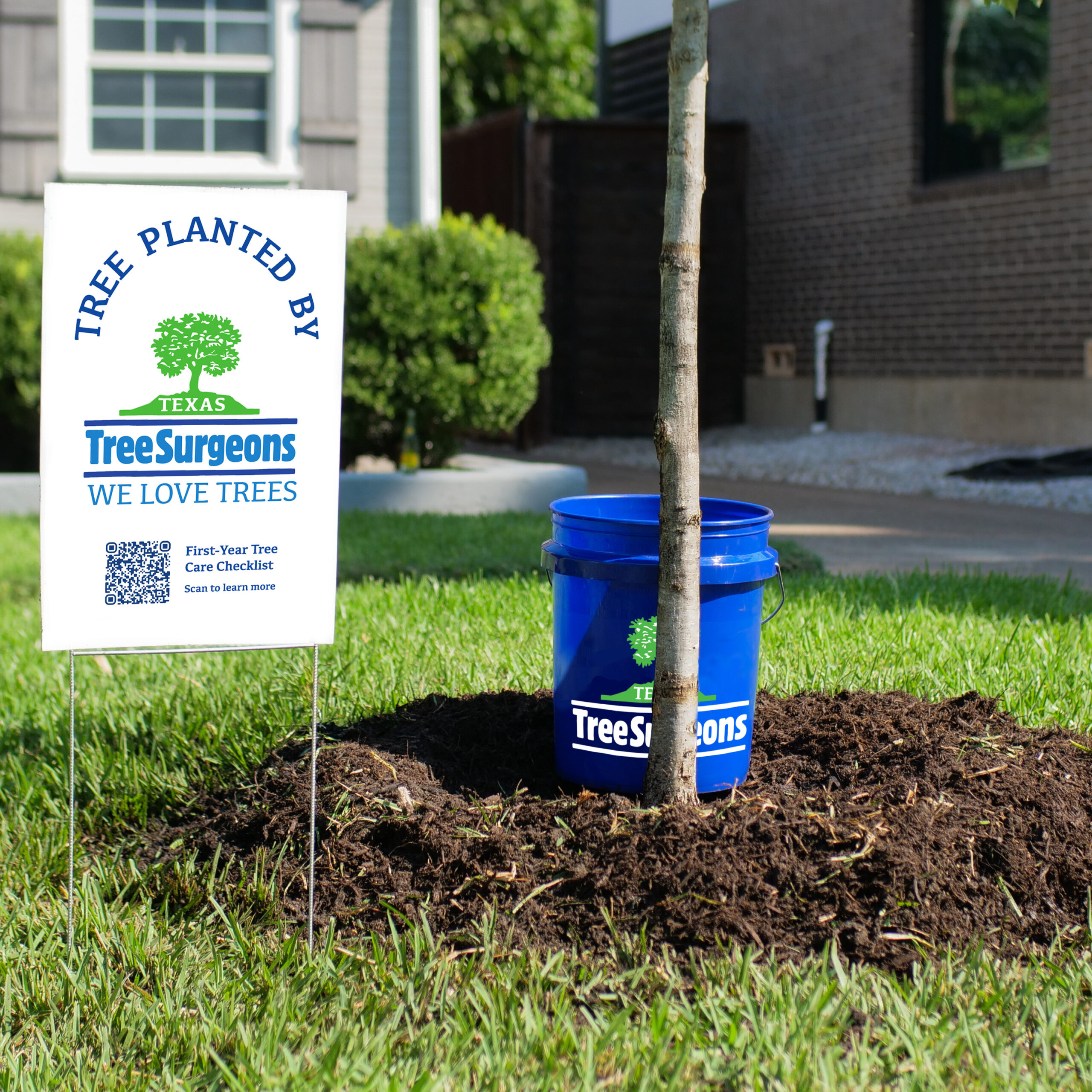
PROPER WATERING TECHNIQUE
Before leaving we do one more final soaking once the tree has been planted. We will also leave a detailed care guide and a 5 gallon blue bucket with soaker holes to help you water your tree properly. Watering your tree with two buckets full every other day for the first two weeks will set your tree up for long-term growth.
Related Blogs
Similar blogs related to this topic

Current Tree Watering Guidelines for Newly Planted Trees
Tree Watering for Newly Planted Trees Newly planted trees require consistent moisture while their root systems become established. North Texas heat, drought, and heavy clay soils can make this especially challenging. The schedule below is…
Read more
Current Tree Watering Guidelines for North Texas
Tree Watering for Newly Planted Trees Newly planted trees require consistent moisture while their root systems become established. North Texas heat, drought, and heavy clay soils can make this especially challenging. The schedule below is…
Read more
Understanding the Long Term Benefits of Planting Younger / Smaller Caliper Trees
Planting trees requires various considerations, from soil quality to the choice of species. One factor that often goes under the radar is caliper size. There is less likelihood of complications with root health when planting…
Read more