How Does Soil Quality Affect Tree Planting in North Texas
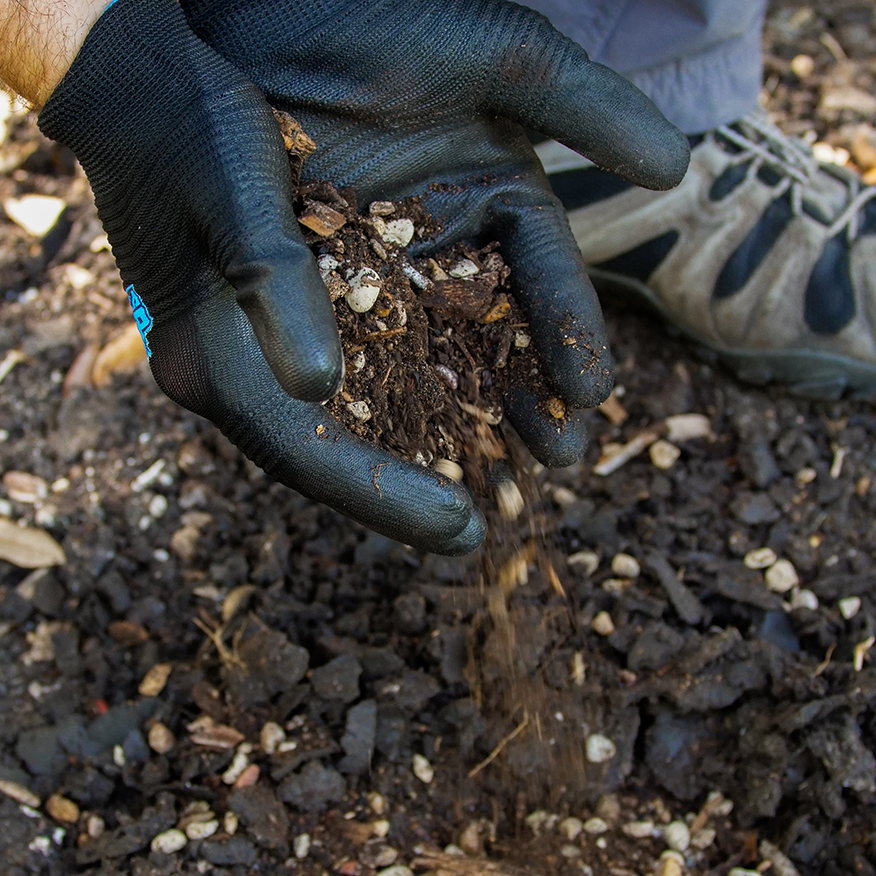
North Texas is home to a variety of soil types, each impacting the growth and health of trees in different ways. Understanding these soil types can help in selecting the right trees for your landscape and ensuring they thrive. Our native soils vary widely from the dense clays of the Blackland Prairie, to the sandy loams of the Cross Timbers region, plus urban development often disrupts natural soil conditions. That’s why understanding, protecting, and improving soil health is one of the most effective ways to support tree health. With regular care and the right treatments, poor soils can become vibrant, living systems that support healthy, thriving trees.
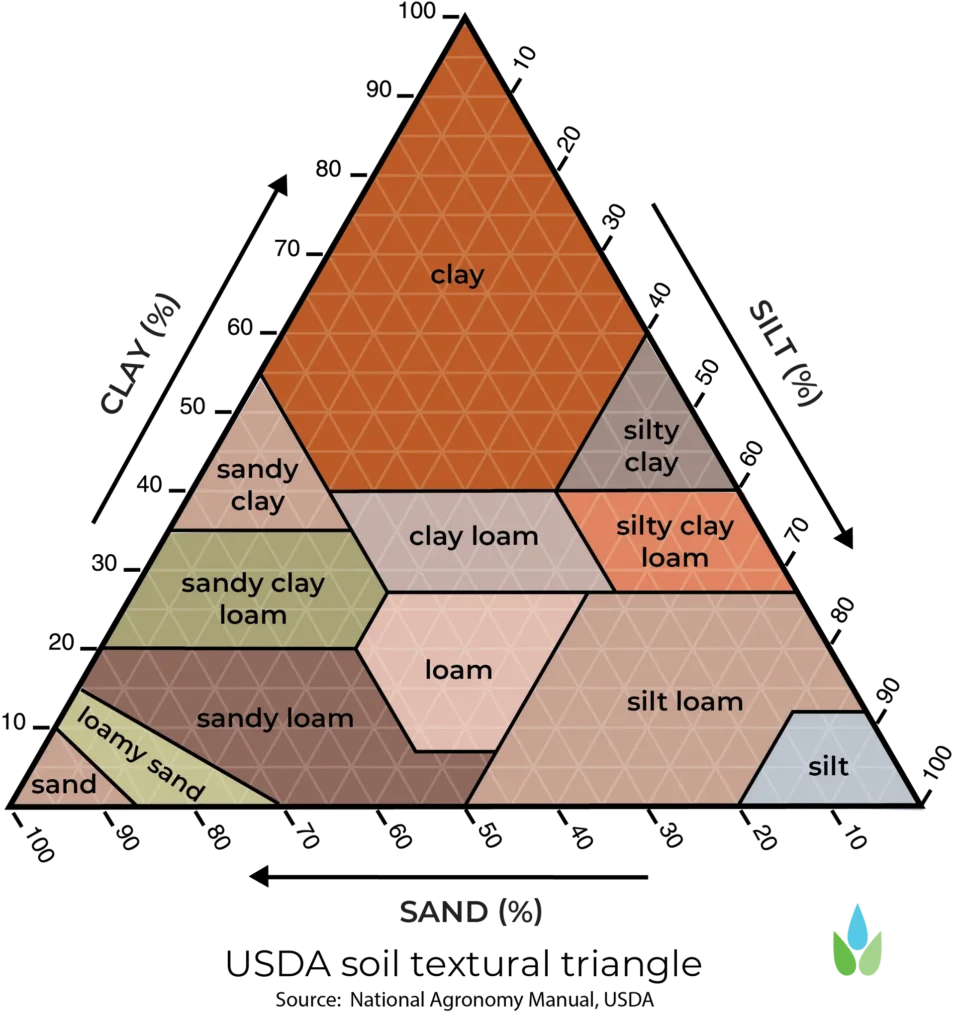
Soil Types Commonly Found in North Texas
- Clay
- Clay Loam
- Loam
- Sandy Loam
- Sand
- Urban
Clay Soils In North Texas
Clay soils dominate many areas of North Texas, characterized by their fine particles and high density. Fine particles are usually associated with historic water or floodplain ecology. Clay soil tends to be nutrient-rich, but these nutrients are often not in a form that is accessible to trees. Cities with the largest percentage of Clay soil are; Plano, Carrollton, Frisco, McKinney, Wylie, Mesquite, Rockwall, Allen, Murphy, and Prosper.
Clay soils can retain water, leading to drainage issues. However, with proper management, trees such as oak and pecan can thrive in these conditions. The dense nature of clay often means that water holds in these layers, leading to potential flooding after heavy rains. As a result, trees planted in clay soil can suffer from lack of oxygen and potential root diseases. Yet, there’s a silver lining. By amending clay soils with organic matter, you can enhance their structure, improving drainage and aeration. This encourages healthier root systems and allows trees to access nutrients more efficiently.
Remember to periodically assess the soil conditions to ensure that the balance of moisture and aeration remains optimal for your trees.
Clay Loam In North Texas
Clay loam soil is a well-balanced mixture of clay, silt, and sand. This composition results in a soil type that has nutrient-rich properties while retaining water effectively. Furthermore, the water retention capability of clay loam helps trees endure drought conditions more effectively. During dry spells, the moisture trapped within the soil provides a reserve that trees can draw upon, reducing the stress on their systems.
Clay loam soil quality is not as abundantly found in North Texas. Cities with a percentage of at least 20% Clay Loam soil are; Denton, Keller, Trophy Club, and Flower Mound. Having soil tested at your home is important in verifying soil quality.
Compaction is a common issue with clay loam soil, often caused by construction activities or heavy foot traffic. This can lead to roots not receiving enough oxygen, which is crucial for their growth and resilience. Consequently, improving drainage and aeration is vital in clay-rich areas.
Additionally, in seasons of heavy rain, clay loam’s water-holding capacity can become a hindrance. Excessive moisture can drown roots and lead to rot, drastically affecting tree health and stability.
Aeration, adding organic matter, and regular monitoring can improve the condition of clay loam soil, ensuring better growth potential for trees.
Loam In North Texas
Loam is a medium-texture soil. This is the ideal for planting most species. Nutrient content and availability are balanced, but don’t get your hopes up. Denton is the one city in North Texas that has at most 10% of this soil quality.
Loam soil is a balanced mixture of sand, silt, and clay that offers an ideal environment for plant growth. It combines the best qualities of each component, providing good drainage, moisture retention, and nutrient availability.
One of the major reasons loam soil is favored for trees lies in its capacity to balance water retention and drainage. This ensures that during dry spells, trees have sufficient access to water, yet they are not drowning in excess moisture during heavy rains. This equilibrium is crucial for the health of tree roots, which can suffer from rot if left in overly moist conditions.
Sandy Loam in North Texas
Sandy Loam is a mix of sand and loam. This soil quality is common in Texas soils, and tends to be less nutrient-rich, but many native tree species are adapted to this and do well. Cities with the largest percentage of sandy loam soil are; Southlake, and Colleyville.
Sandy loam soil is a well-balanced soil type containing sand, silt, and clay. It combines the easy draining characteristics of sand with the nutrient-retaining properties of silt and clay, creating an ideal medium for various types of planting. The presence of sand provides excellent drainage, while the clay and silt enhance fertility and help retain moisture.
The texture of sandy loam is often compared to brown sugar as it’s gritty and crumbly. This texture allows for both air and water to move freely through the soil, which is essential for healthy root growth. Additionally, the loam component ensures that while the soil drains well, it doesn’t dry out completely, holding onto enough moisture to sustain plants during dry periods.
In the context of North Texas, sandy loam soil is especially beneficial because it accommodates the region’s variable climate conditions. Its natural ability to manage moisture levels is crucial during both the heavy rains and the intense heat that characterize Texan weather patterns.
Sand in North Texas
Sandy soils, often found in certain regions of North Texas, drain quickly and lack nutrients. This can affect tree growth, requiring frequent watering and fertilization. Choosing drought-resistant trees like cedar can help them flourish here. Sandy soils are typically loose with larger particles, meaning water and nutrients pass through swiftly, leaving little time for roots to absorb what they need. To combat this, regular applications of organic mulch can help retain moisture and add essential nutrients back to the soil.
Consider planting trees that naturally thrive in sandy conditions, such as pine or oak species, which can adapt well to the rapid drainage. Implementing a drip irrigation system can also ensure that your trees receive consistent watering without the risk of over-saturation. Encouraging the growth of cover crops or groundcovers like clover can further enhance the soil’s moisture retention capacity, making the environment more conducive to tree vitality.
Urban Soil In North Texas
Yes, this is a real soil type. Urban soil refers to the soil found in city environments, often characterized by a mix of natural and human-made materials. Construction, pollution, and high volumes of human traffic in urban areas have erased the original soil structure. These soils often need amendment with organic material (mulch, fertilizer, etc.) to mimic natural conditions and soil quality can vary widely.
Urban soil found in most of North Texas often suffers from compaction, contamination, and poor structure, which can hinder water drainage and root growth, making it challenging to maintain healthy trees.
Contamination from heavy metals and other pollutants is a significant problem for urban soils, often resulting from industrial activities, vehicle emissions, and past construction materials. These contaminants can damage tree health over time, affecting both growth rates and resistance to diseases.
Another challenge is the lack of organic matter in urban soil due to limited natural vegetation and decomposition. This deficiency can result in poor soil fertility, making it harder for trees to access essential nutrients for their growth and health.
Effective tree care often begins with soil management, ensuring a resilient environment for tree roots. To enhance urban soil, mulching, aeration, and the use of organic matter to increase nutrient availability, and promote better root health for city trees.
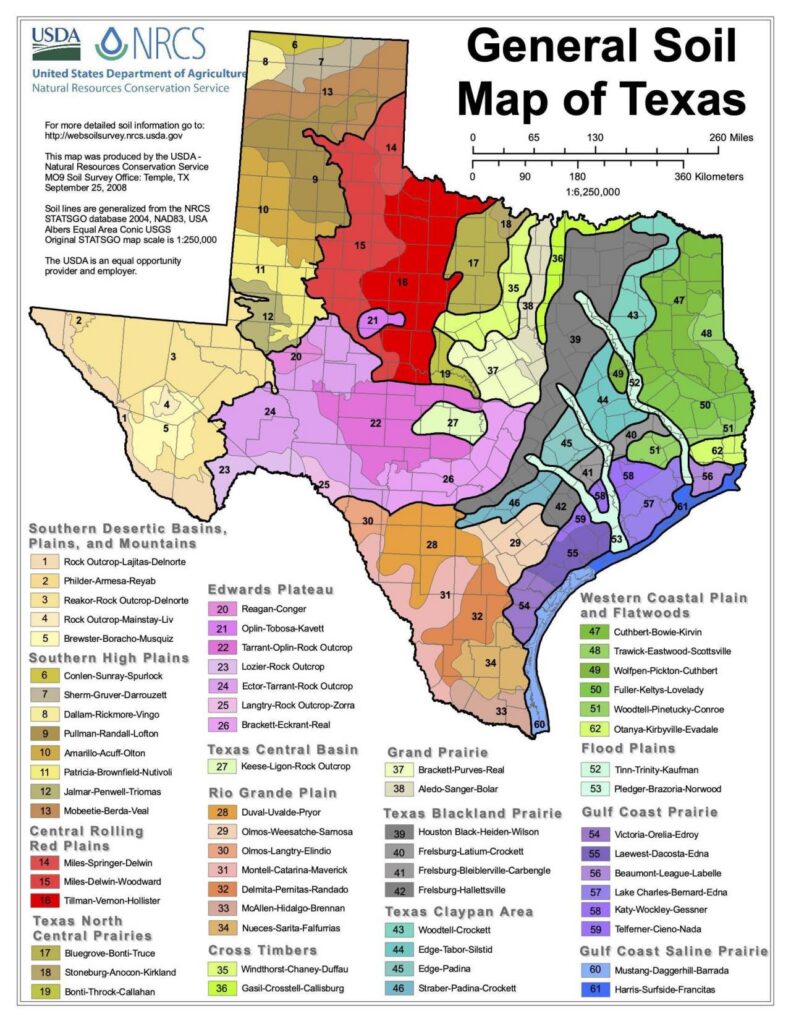
Why is Soil Sampling Crucial in Urban Areas?
By analyzing soil samples, arborists can tailor tree recommendations and tree health care practices to meet specific nutrient needs, ensuring better growth and health of a newly planted tree.
Arborists use data from soil samples to create customized care plans for trees. This could involve choosing the right type of fertilizer or amending the soil with necessary elements to address deficiencies, a process crucial for their long-term vitality.

At Texas Tree Surgeons we love trees. In urban areas like Dallas, soil sampling is an essential tool for arborists. It ensures that trees and plants receive the nutrients they need and helps diagnose potential issues before they become problems. By understanding the soil, arborists can create a more sustainable and thriving urban environment. Whether your trees are struggling or you’re planning new landscaping, our ISA-Certified Arborists can evaluate your soil and recommend custom solutions that promote long-term tree health.
 PREV BLOG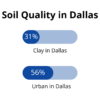
Related Blogs
Similar blogs related to this topic

How to Make Sure Your New Tree Establishes and Survives the First 5 Years
Properly planting a tree is just the beginning. The immediate years following planting are often the toughest. Newly planted trees are most susceptible to extreme environmental and physiological stresses. Follow proper watering, mulching, and pruning…
Read more
Current Tree Watering Guidelines for Newly Planted Trees
Tree Watering for Newly Planted Trees Newly planted trees require consistent moisture while their root systems become established. North Texas heat, drought, and heavy clay soils can make this especially challenging. The schedule below is…
Read more
Current Tree Watering Guidelines for North Texas
Tree Watering for Newly Planted Trees Newly planted trees require consistent moisture while their root systems become established. North Texas heat, drought, and heavy clay soils can make this especially challenging. The schedule below is…
Read more