How Does Soil Quality Affect Tree Health in Dallas
Understanding the specific soil conditions of your property in Dallas is crucial. Urban and suburban developments may have altered native soil structures, impacting drainage and nutrient levels. A soil test can provide valuable insights, guiding any necessary amendments to achieve a suitable balance.
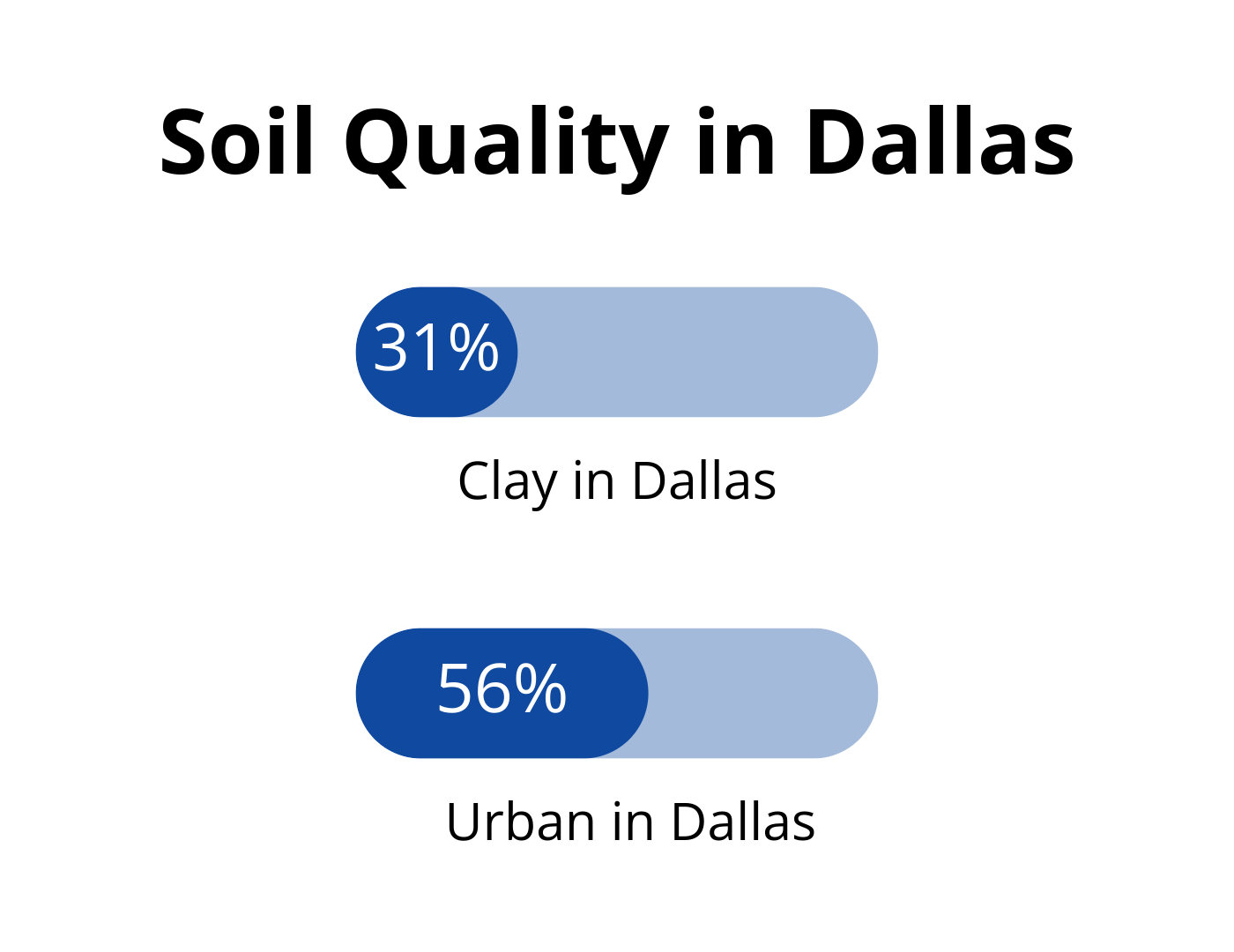
In Dallas 31% of soil quality is clay, while 56% is considered urban. Any tree located in either a residential or commercial landscape will benefit from fertilization no matter the soil type found. In other words, if your tree is not currently located inside of a forest, it will need help sourcing the nutrition necessary to thrive.
What Are the Characteristics of Clay Soil?
Clay soil is known for its tiny particles that pack tightly together, making it dense and heavy. This leads to poor drainage and can cause root systems to become waterlogged, which affects tree growth adversely.
During wet periods, it can become sticky, and during drought, it can harden and crack. These extremes make it challenging for tree roots to establish themselves firmly, thus impacting tree vitality.
The soil’s water retention capability also varies with the seasons, which is another characteristic that profoundly impacts tree growth. In rainy seasons, the soil retains too much water, leading to potential root suffocation, whereas in dry spells, it does not supply enough moisture, leaving trees thirsting.
How to Improve Clay Soil for Better Tree Growth
- Amend with organic matter such as compost to increase bioavailability of nutrients, enhancing its fertility while combatting compaction.
- Consider a drainage system to help prevent waterlogging and oxygen deprivation.
- Adhere to a consistent watering schedule. Frequent, shallow watering can exacerbate compaction while promoting shallow root systems. Instead, aim for deep, infrequent watering to encourage sturdy root development.
- Annual tree assessments from a certified arborist to ensure your tree is receiving tailored soil amendments and interventions.
What is Urban Soil?
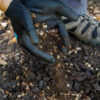
Urban soil refers to the soil found in city environments, often characterized by a mix of natural and human-made materials. Construction, pollution, and high volumes of human traffic in urban areas have erased the original soil structure. These soils often need amendment with organic material (mulch, fertilizer, etc.) to mimic natural conditions and soil quality can vary widely.
Urban soil found in most of Dallas often suffers from compaction, contamination, and poor structure, which can hinder water drainage and root growth, making it challenging to maintain healthy trees.
Contamination from heavy metals and other pollutants is a significant problem for urban soils, often resulting from industrial activities, vehicle emissions, and past construction materials. These contaminants can damage tree health over time, affecting both growth rates and resistance to diseases.
How to Improve Urban Soil for Better Tree Growth
- Apply mulch properly to help recreate the conditions found on the forest floor.
- Add organic matter into urban soil to provide nutrition through decomposition.
- Aeration to increase the tree root’s access to air, water, and nutrients through soil fracturing thus allowing easier root development.
Which Trees are Best Suited for Dallas?
For a comprehensive list please check our tree planting page.





 PREV BLOG
Related Blogs
Similar blogs related to this topic
Current Tree Watering Guidelines for North Texas
Tree Watering for Newly Planted Trees Newly planted trees require consistent moisture while their root systems become established. North Texas heat, drought, and heavy clay soils can make this especially challenging. The schedule below is…
Read more
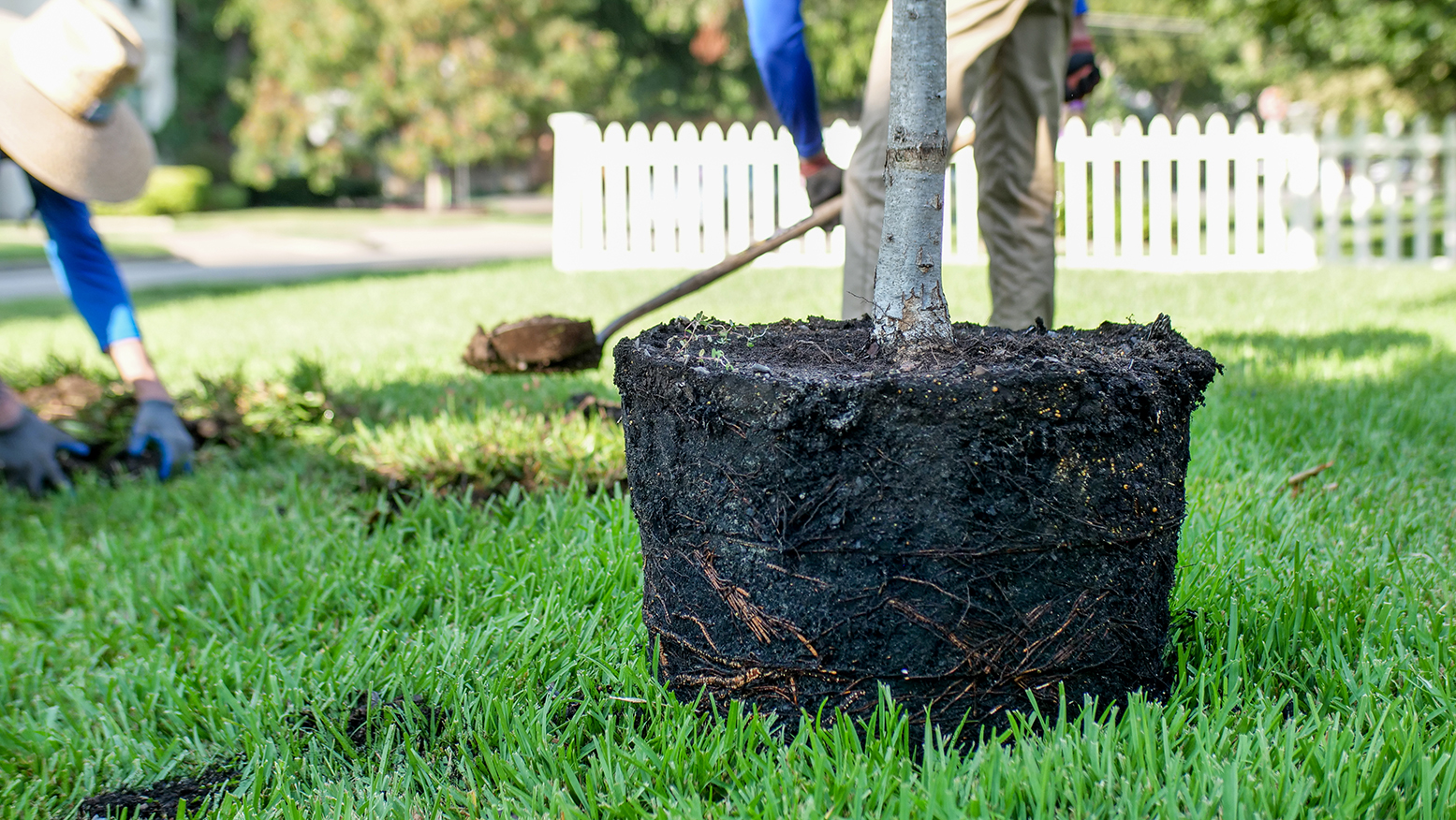
Understanding the Long Term Benefits of Planting Younger / Smaller Caliper Trees
Planting trees requires various considerations, from soil quality to the choice of species. One factor that often goes under the radar is caliper size. There is less likelihood of complications with root health when planting…
Read more
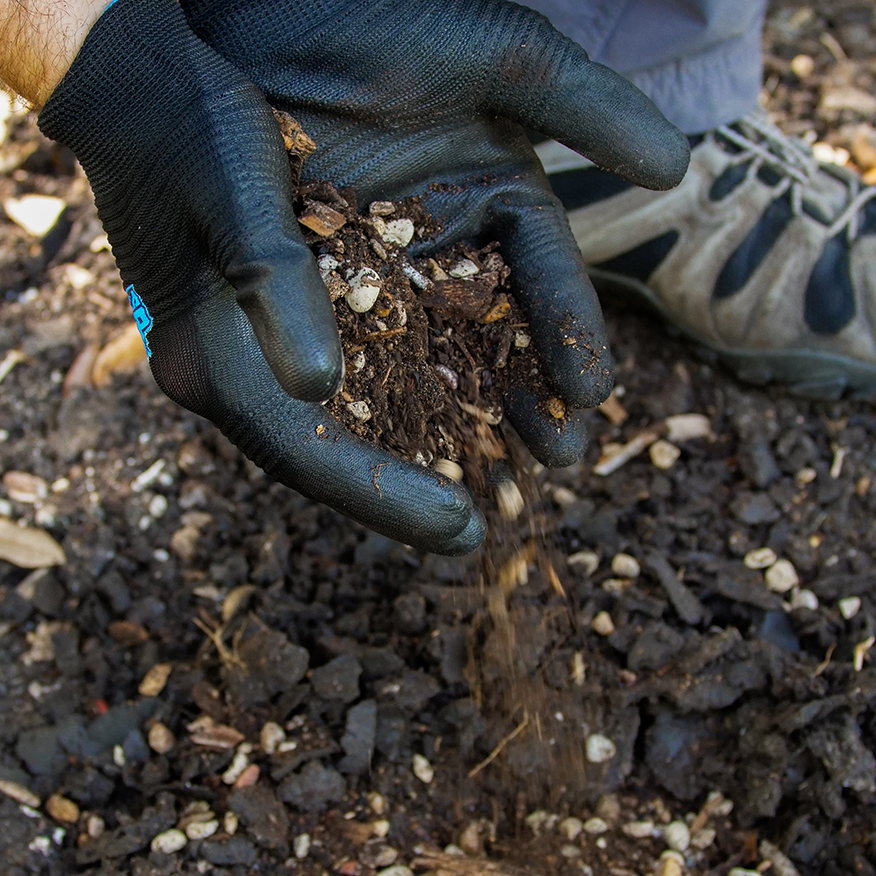
How Does Soil Quality Affect Tree Planting in North Texas
North Texas is home to a variety of soil types, each impacting the growth and health of trees in different ways. Understanding these soil types can help in selecting the right trees for your landscape…
Read more