Top 10 Reasons Why Your Tree is Dying
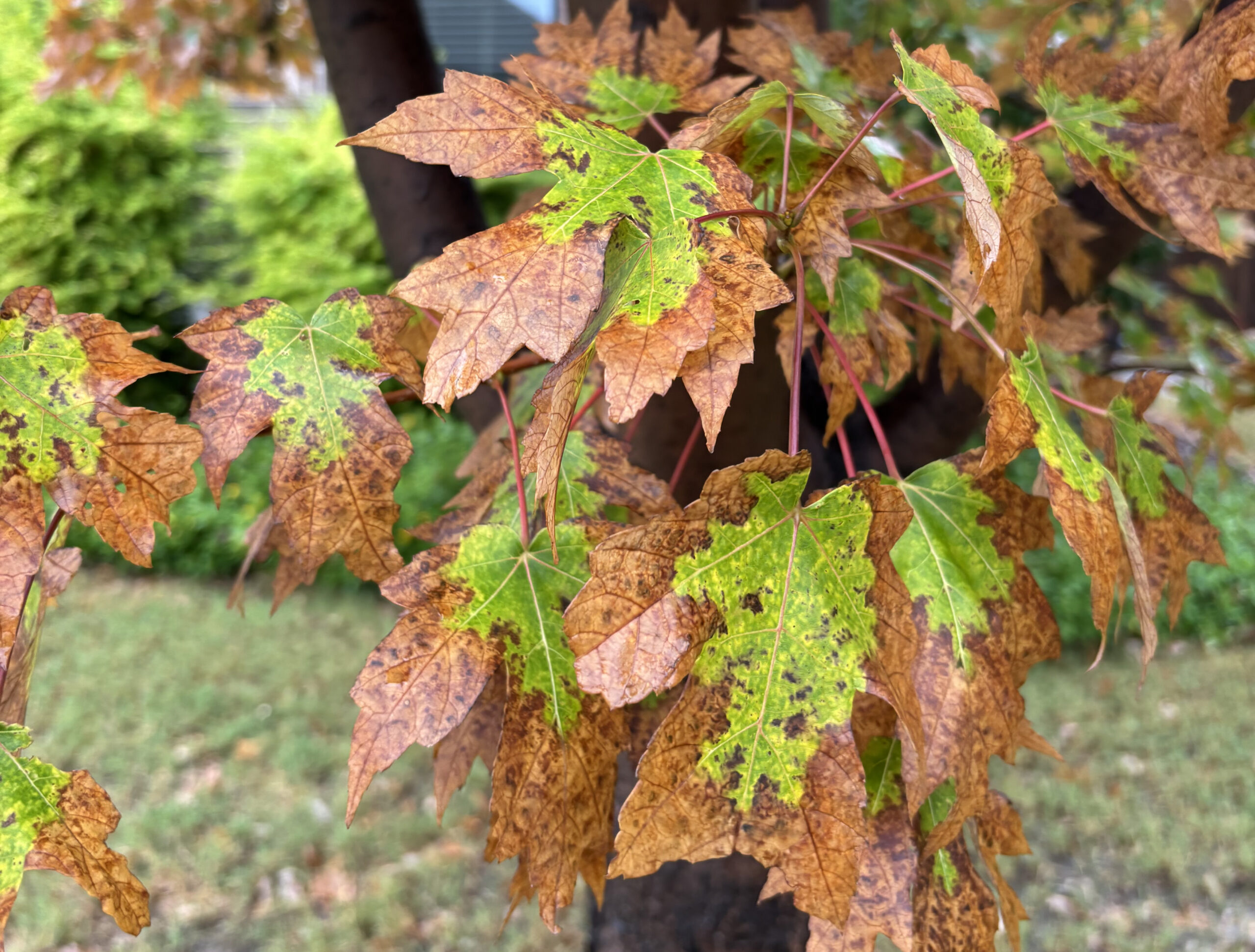
Trees are tougher than they look, but even healthy trees can struggle when stress builds over time. In North Texas, factors such as drought, poor soil conditions, root damage, pests, and improper maintenance can gradually reduce a tree’s ability to grow, defend itself, and recover from environmental challenges.
In many cases, trees exhibit signs of stress long before serious decline becomes apparent. Understanding the most common causes of tree stress can help you recognize problems early, take corrective action, and protect the long-term health, safety, and value of your landscape. Here are 10 factors that commonly contribute to tree decline in the Dallas-Fort Worth area.
1. Deferred Maintenance
Tree decline often begins with small issues that go unnoticed or unaddressed. Without routine care, minor concerns can gradually develop into significant health and structural problems.
Regular inspections, appropriate watering, mulch management, and monitoring for pests, diseases, and site changes help identify problems before they become costly or irreversible.
Arborist Insight: Don’t wait for visible decline. Annual inspections often reveal problems long before the canopy shows symptoms.
2. Water Management Issues
Watering problems are one of the most common sources of tree stress in North Texas. Both too much and too little water can negatively affect root health and overall tree performance.
Overwatered trees are more susceptible to root decline and oxygen-deficient soils, while under-watered trees may exhibit leaf scorch, premature leaf drop, and branch dieback. Deep, infrequent watering generally supports healthier root development and improved drought tolerance.
Arborist Insight: Focus on soil moisture and root zone conditions rather than following a fixed irrigation schedule.
3. Root Damage and Construction Impacts
Many tree problems begin below the surface. Construction, trenching, grade changes, soil disturbance, and physical injury to roots can disrupt a tree’s ability to absorb water and nutrients.
Damage to the trunk or major roots from construction activities, lawn equipment, vehicles, or severe storms can create long-term health and structural issues. Because root damage often occurs out of sight, symptoms such as canopy thinning, reduced growth, and branch dieback may not appear for months or even years.
Arborist Insight: Protect the area beneath and beyond the canopy whenever construction, excavation, or heavy equipment use is planned.
4. Pests and Diseases
Pests and diseases are often a symptom of tree stress rather than the primary cause of decline. Trees weakened by drought, root damage, poor growing conditions, or other stressors are generally more vulnerable to insect infestations and opportunistic diseases.
However, some threats, such as Emerald Ash Borer and oak wilt, can affect otherwise healthy trees and require proactive management. Regular inspections can help identify problems early and support timely treatment when needed.
Arborist Insight: Many pest and disease issues are easier to prevent than to treat. Routine monitoring helps identify concerns before significant damage occurs.
5. Root Collar and Mulching Problems
Improper planting and mulching practices can create long-term health issues that often go unnoticed until a tree begins to decline. Excess mulch or soil placed against the trunk can trap moisture, promote decay, and contribute to girdling roots that restrict the movement of water and nutrients.
A healthy tree should have a visible root flare, with mulch applied in a thin layer and kept away from direct contact with the trunk.
Arborist Insight: If the root flare is not visible, excess soil or mulch may be contributing to long-term health issues.
6. Environmental Stress
North Texas trees are exposed to a wide range of environmental challenges, including drought, extreme heat, severe storms, and periodic winter freezes. While healthy trees can often withstand these events, repeated or prolonged stress can gradually weaken their ability to grow and recover.
Common symptoms include leaf scorch, canopy thinning, branch dieback, and reduced annual growth.
Arborist Insight: Trees under environmental stress are more likely to experience secondary issues such as insect infestations and opportunistic diseases.
7. Poor Soil Conditions
Healthy trees depend on healthy soil. In North Texas, heavy clay soils can limit drainage and oxygen availability, while other soil types may struggle to retain adequate moisture and nutrients.
Poor soil conditions can contribute to nutrient deficiencies, reduced vigor, and increased susceptibility to other stress factors.
Arborist Insight: Improving soil conditions often provides greater long-term benefits than applying additional fertilizer.
8. Chemical Exposure
Trees can be sensitive to chemicals commonly used in the landscape. Herbicide drift, excessive fertilizer applications, de-icing products, and improperly applied pesticides can all cause injury to roots, foliage, and soil health.
Symptoms may include leaf distortion, discoloration, dieback, poor growth, or a sudden decline that cannot be explained by environmental conditions alone. Because chemical injury often resembles other tree health issues, proper diagnosis is important before corrective action is taken.
Arborist Insight: When decline appears sudden or affects only part of the canopy, chemical exposure may be a factor worth investigating.
9. Soil Compaction
Healthy roots require access to air, water, and space to grow. Foot traffic, construction activity, vehicle traffic, excessive irrigation, and poor soil management can all contribute to compaction.
Compacted soils reduce oxygen availability, limit water infiltration, and restrict root growth, often resulting in canopy thinning, slow growth, and overall decline.
Arborist Insight: If water pools on the surface or runs off quickly, soil compaction may be limiting root function below ground.
10. Improper Pruning
Pruning is often performed to address clearance, visibility, safety, or other site objectives. However, excessive canopy removal, topping, or poor pruning cuts can create unnecessary stress and lead to long-term structural issues.
Trees subjected to improper pruning are often more susceptible to decay, storm damage, and future decline.
Arborist Insight: Every pruning cut should have a purpose. If there isn’t a clear objective, the cut likely isn’t necessary.
Signs Your Tree May Be in Decline
Watch for these common warning signs:
- Dead or dying branches
- Premature leaf drop
- Sparse or thinning canopy
- Cracked or peeling bark
- Fungal growth near the base of the tree
- Increased insect activity
- Leaning or structural instability
- Reduced annual growth
If you notice one or more of these symptoms, it may be time to have your tree evaluated before the problem becomes more severe.
Protecting the Health of Your Trees
Tree decline rarely stems from a single issue. More often, it develops as multiple stressors affect a tree over time, gradually reducing its ability to adapt and recover. The earlier these issues are identified, the more options are available to preserve tree health and avoid costly intervention.
Healthy trees are supported by sound roots, suitable growing conditions, and informed management. By recognizing early warning signs and addressing problems proactively, property owners can help their trees remain healthy, resilient, and valuable components of the landscape for years to come.
 PREV BLOG
 Related Blogs
Similar blogs related to this topic
Leaning Trees Post Heavy Rain
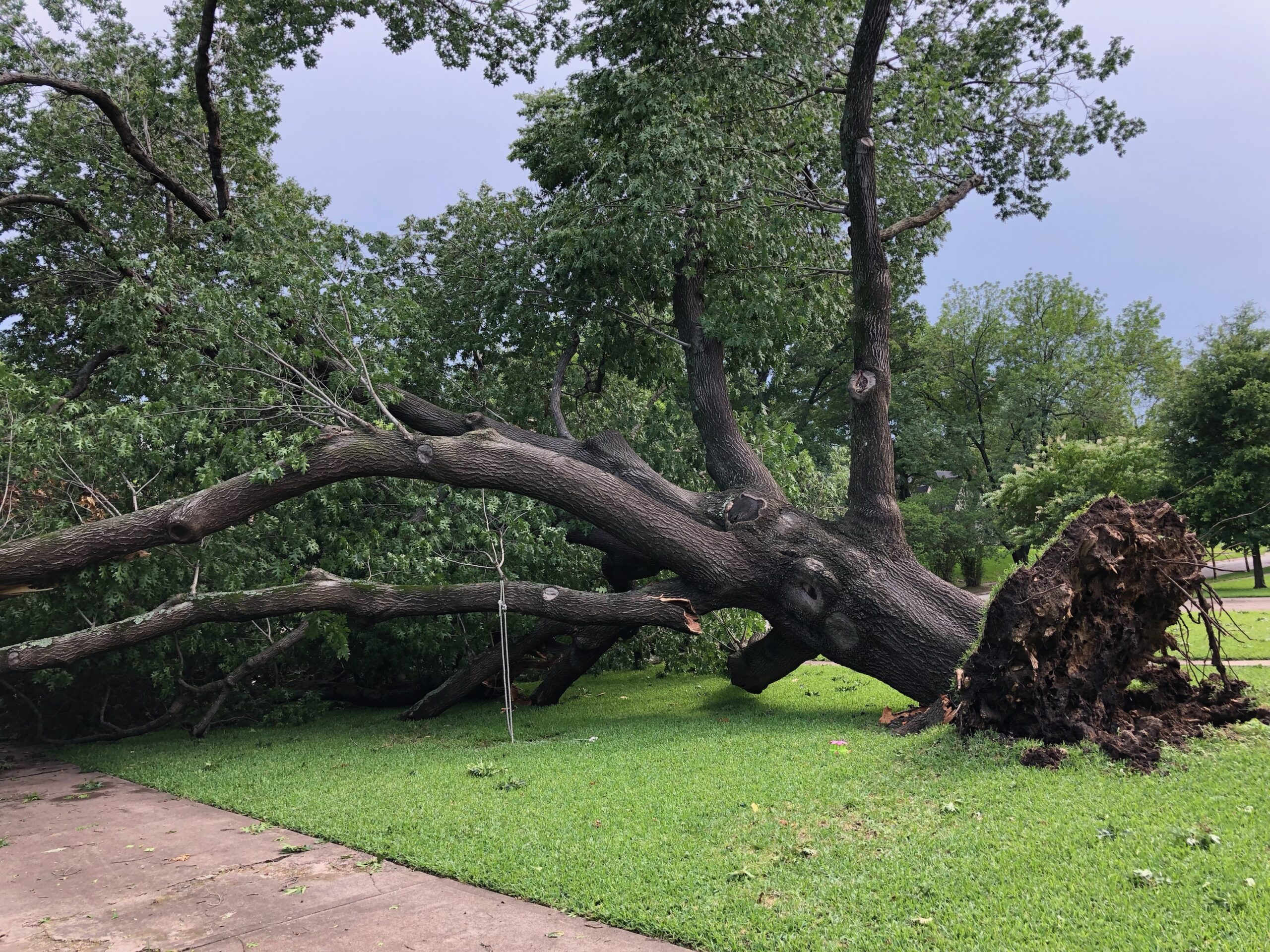
Heavy rain followed by long period of drought can cause significant shifting in our soils. This can be concerning for trees that have shallow roots. Heavy Rain Doesn’t Mean Tree Failure Healthy trees that are structurally…
Read more
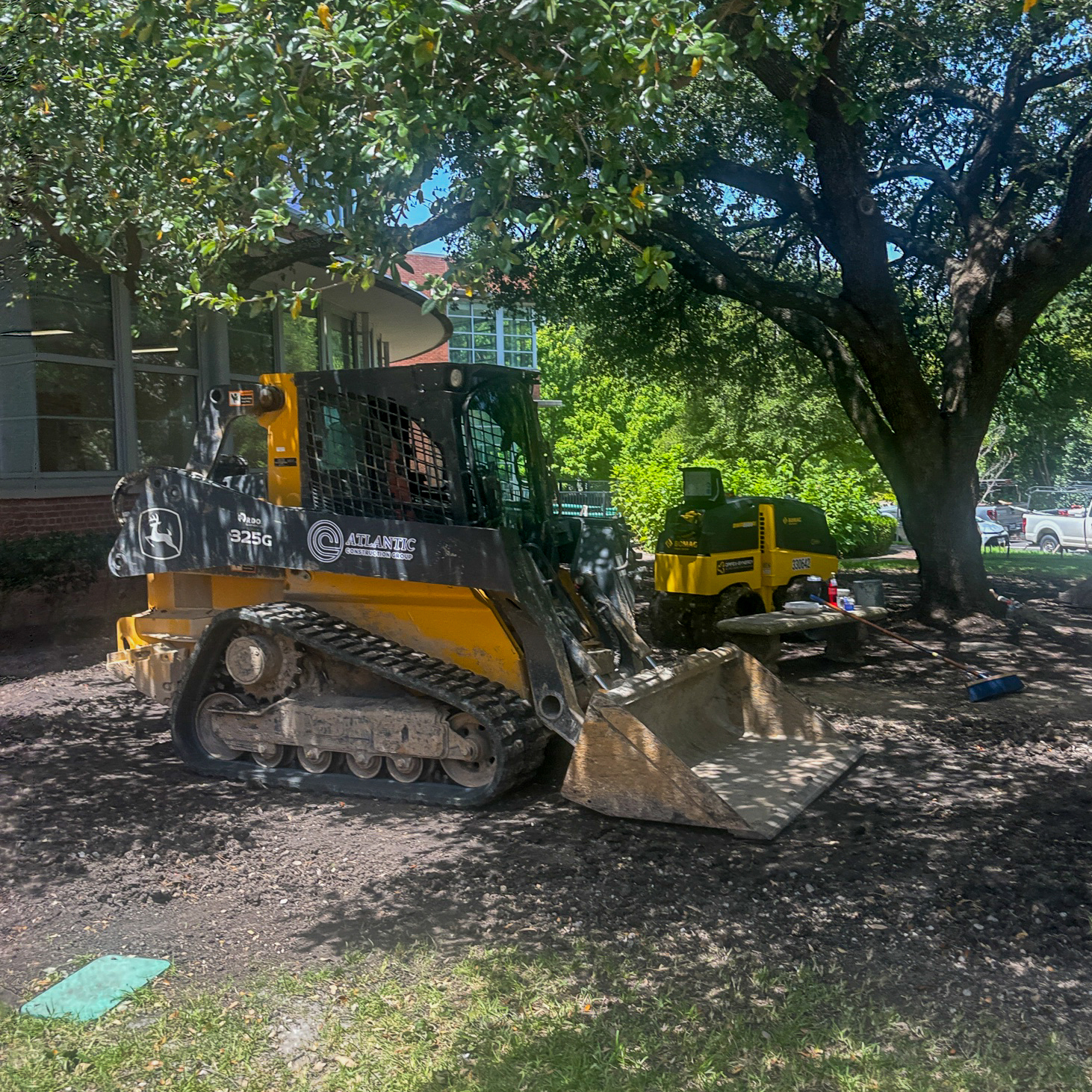
Is There Anything you can do to Correct Compaction Issues Caused by Construction?
Correcting soil compaction requires a combination of physical loosening of the soil (aeration), biological improvement (microorganisms), continued protection. Vertical Mulching Mechanical / Physical Solutions Mechanical/Physical solutions are usually the quickest way to break up severely…
Read more
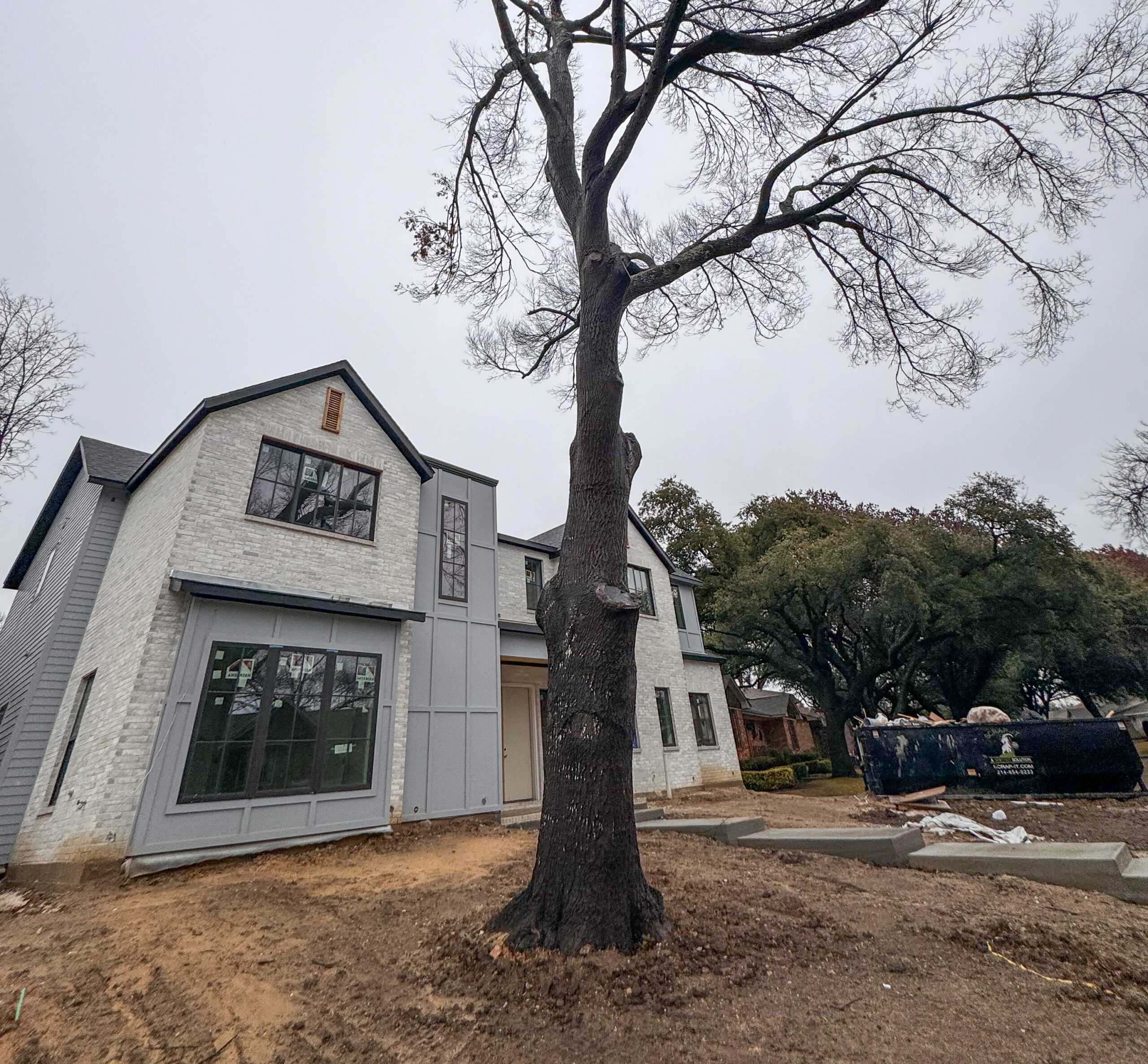
Avoid Costly Mistakes with Your Trees During Construction Projects
When planning for a rebuild or renovation of your home one thing that consistently gets overlooked is proper tree protection. Trees are living organisms that need to be protected and accounted for prior to construction…
Read more