Is There Anything you can do to Correct Compaction Issues Caused by Construction?
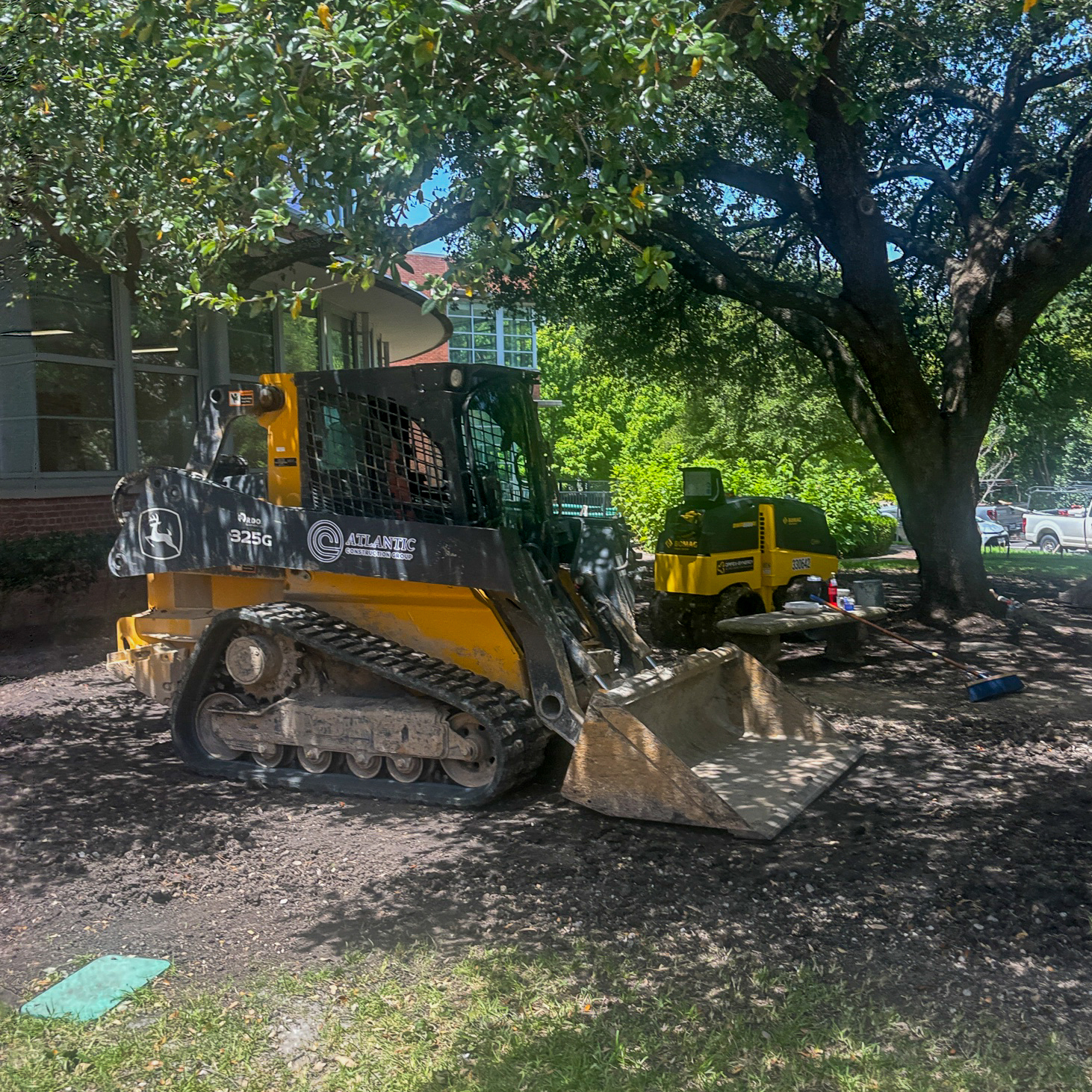
Correcting soil compaction requires a combination of physical loosening of the soil (aeration), biological improvement (microorganisms), continued protection.
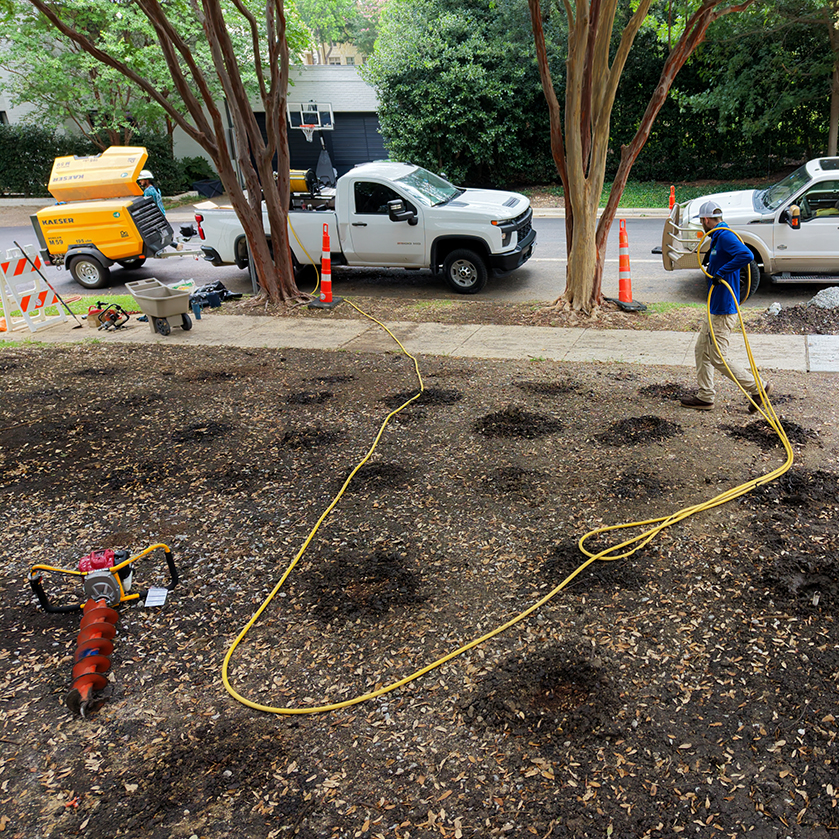
Mechanical / Physical Solutions
Mechanical/Physical solutions are usually the quickest way to break up severely compacted soils and restore air flow.
- Radial Trenching and Vertical mulching
- Dig narrow trenches or drill vertical holes spoke-like around a tree’s drip line, then backfill them with loose soil, coarse organic matter, or gravel to create permanent pathways for water and deep root growth.
- Pneumatic Air Excavation
- If construction equipment has compacted the soil over tree root zones, traditional tilling will damage the roots. Tools like an Air-Spade or Air Knife use compressed air to fracture and break up dense soil without severing delicate root systems.
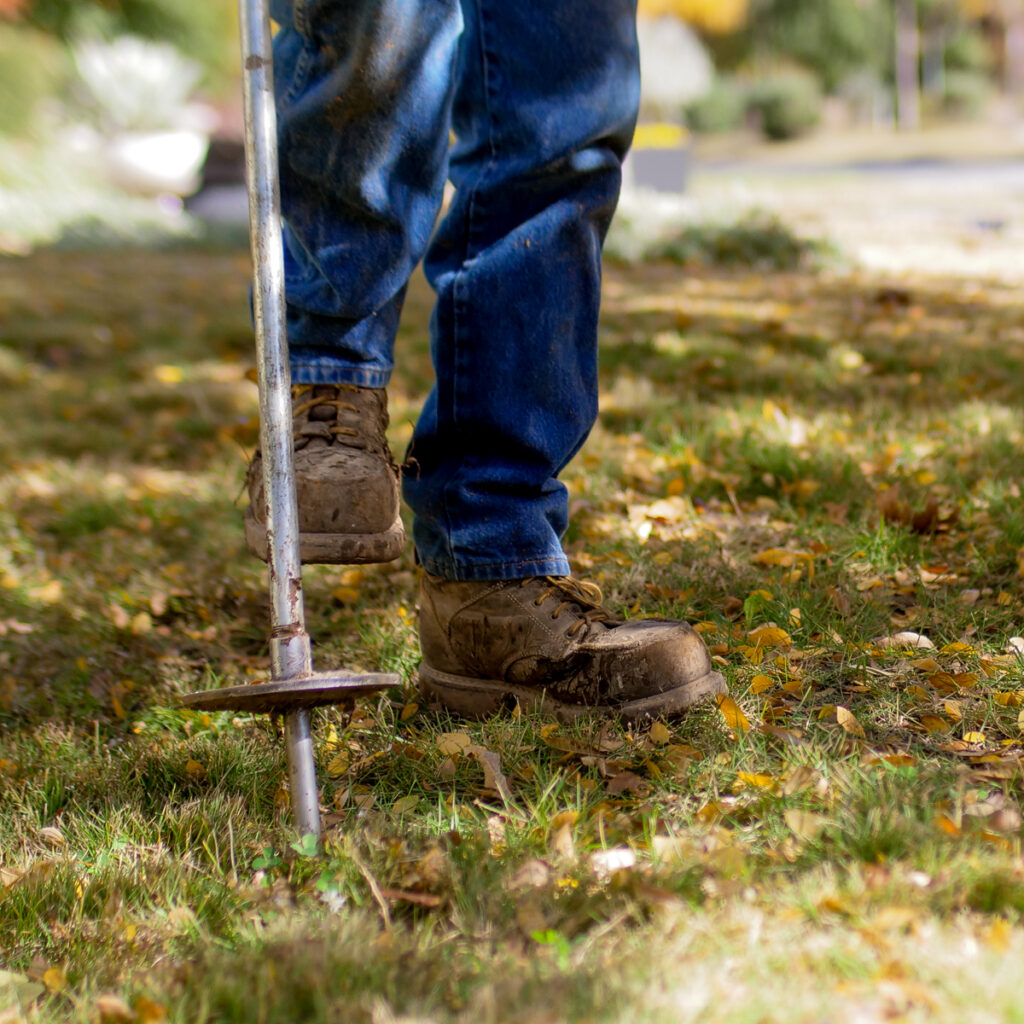
Biological / Organic Solutions
Biological/organic solutions are long-term, soil structure relies on organic amendments and microbial activity in the soil.
- Organic compost in vertical mulching
- Organic compost into radial trenches or vertical mulching holes introduces micro-organisms that restore living soil biology.
- Deep root fertilization
- Injecting liquid organic fertilizers, bio-stimulants, and mycorrhizal fungi under low pressure directly into the root zone delivers essential nutrients straight to struggling feeder roots, encouraging new root growth into loosened soil
- Broad mulch ring near root flare
- Mulch buffers soil temperature, retains moisture, prevents further compaction, and naturally invites earthworms and beneficial fungi that continue breaking up the soil over time.
Best Practices for Long Term Tree Health
It’s best to reach out to a certified arborist before starting your construction project to minimize harmful effects to your trees.
- Establish a Tree Protection Zone (TPZ)
- Fencing off the area under a tree’s canopy during construction keeps heavy machinery, materials storage, and vehicles off sensitive root zones
- Distribute Heavy Equipment Weight
- If machinery must enter a tree’s root zone, lay down 6+ inches of coarse wood chips covered by thick plywood or ground mats to spread the weight.
- Avoid Wet Working Conditions
- Driving or working over wet soil severely crushes soil structure. Allow root zones to dry before moving equipment or heavy foot traffic over them.
Correcting Compaction Issues Caused by Construction
Tree roots require loose, oxygen-rich soil to survive. Through soil aeration, increased microbial activity, and protection, we can help save valuable trees from long term decline due to compaction.
 PREV BLOG
Related Blogs
Similar blogs related to this topic

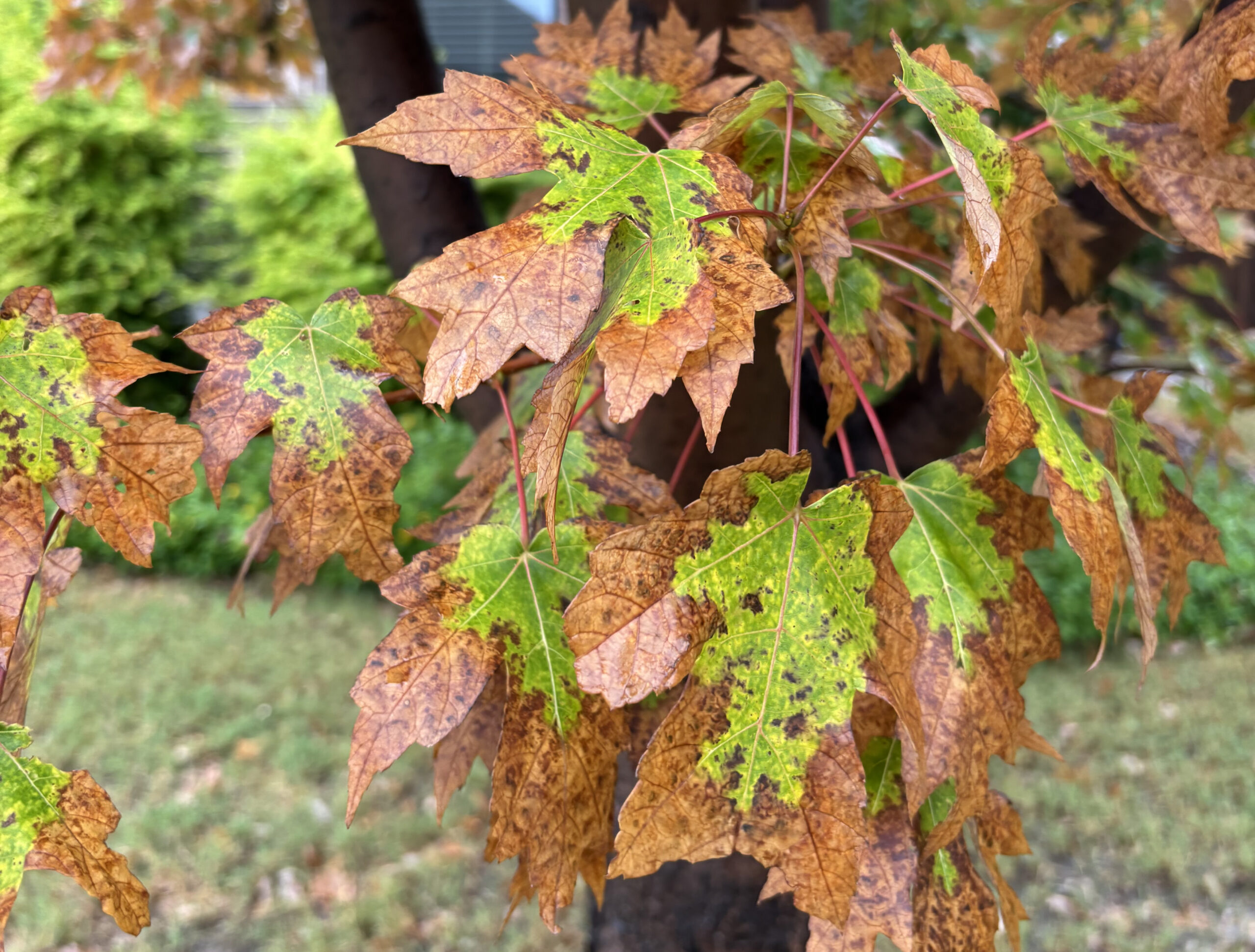
Top 10 Reasons Why Your Tree is Dying
Trees are tougher than they look, but even healthy trees can struggle when stress builds over time. In North Texas, factors such as drought, poor soil conditions, root damage, pests, and improper maintenance can gradually…
Read more
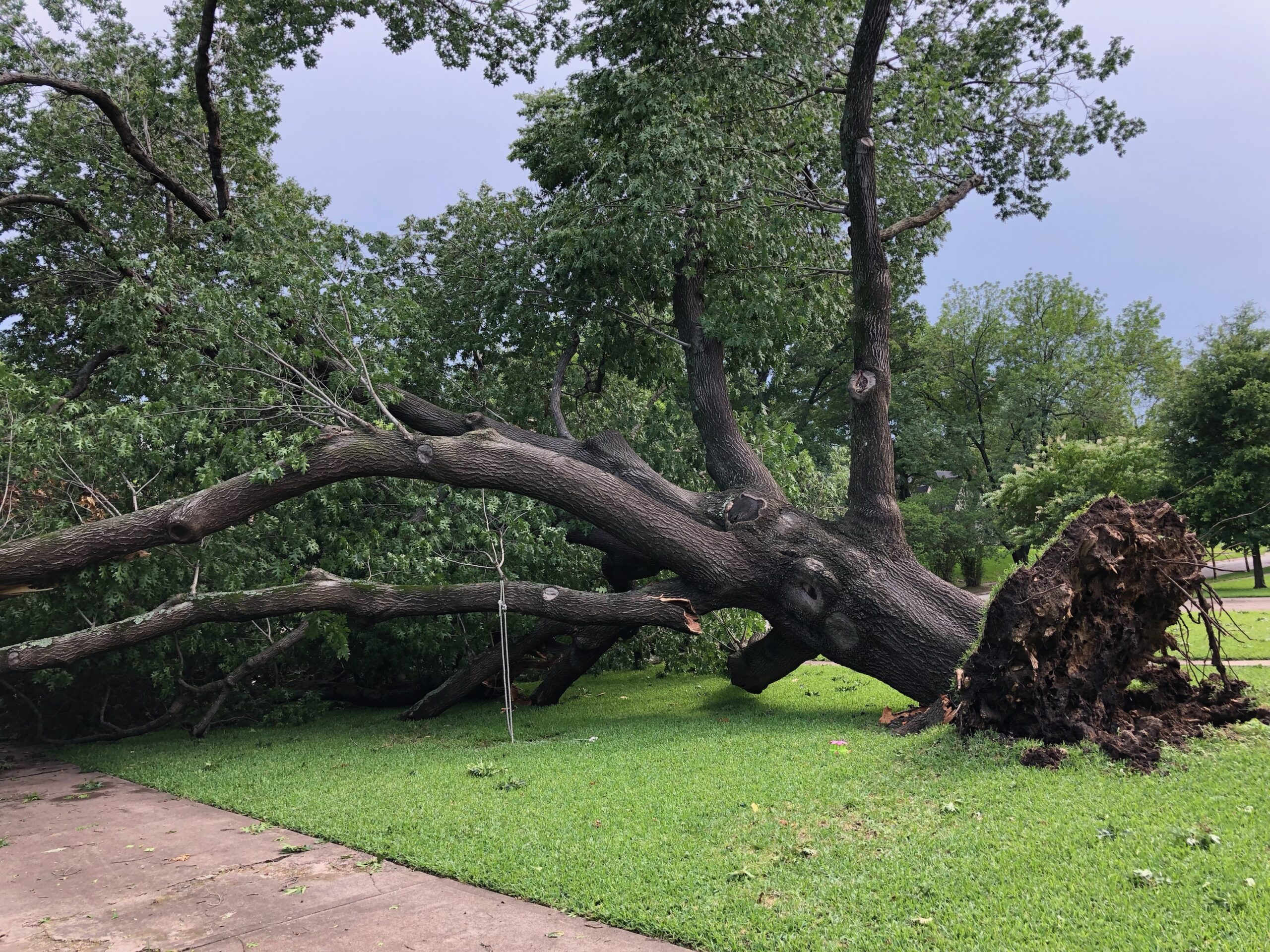
Leaning Trees Post Heavy Rain
Heavy rain followed by long period of drought can cause significant shifting in our soils. This can be concerning for trees that have shallow roots. Heavy Rain Doesn’t Mean Tree Failure Healthy trees that are structurally…
Read more
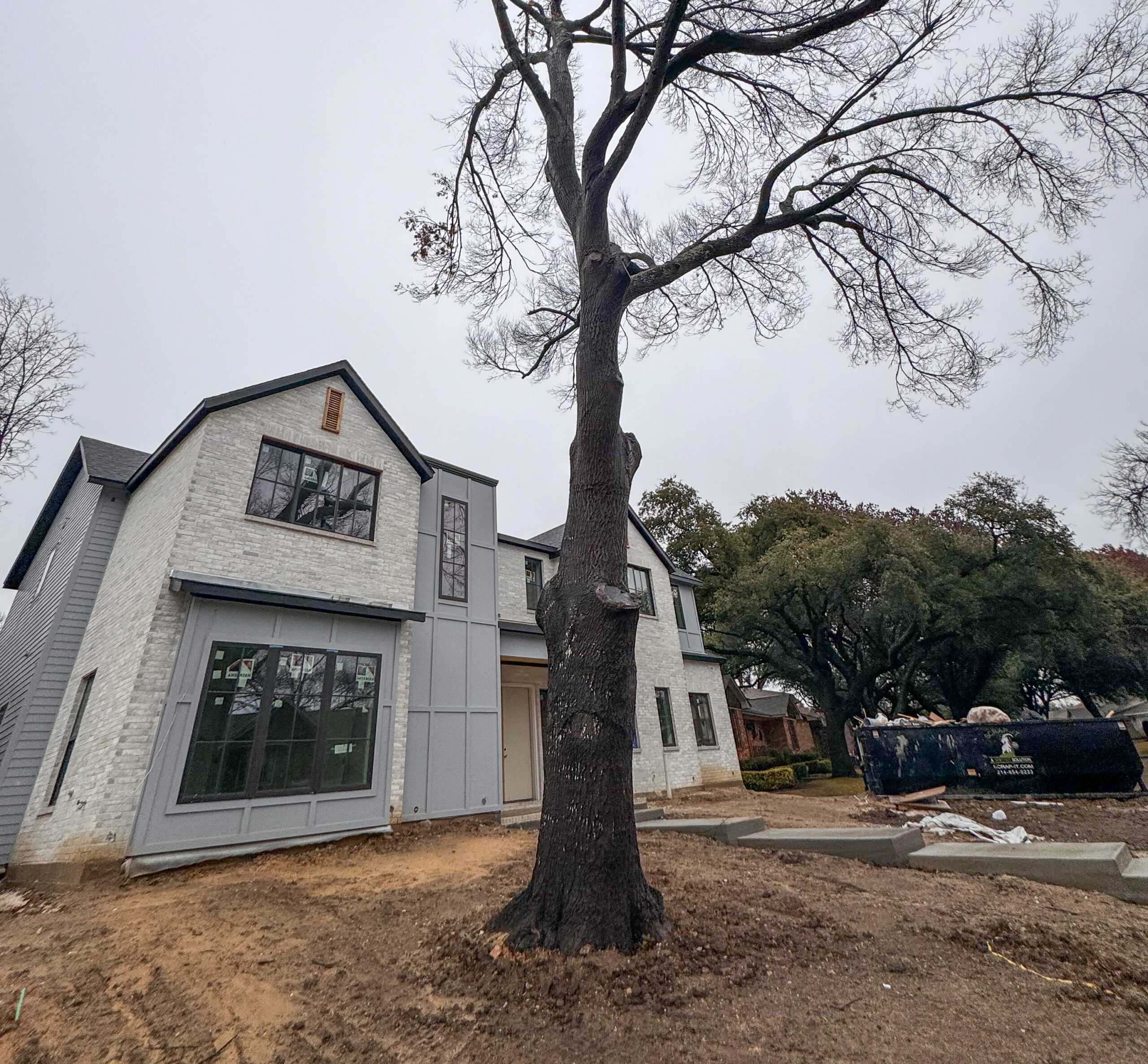
Avoid Costly Mistakes with Your Trees During Construction Projects
When planning for a rebuild or renovation of your home one thing that consistently gets overlooked is proper tree protection. Trees are living organisms that need to be protected and accounted for prior to construction…
Read more