Choosing the Right Mulch
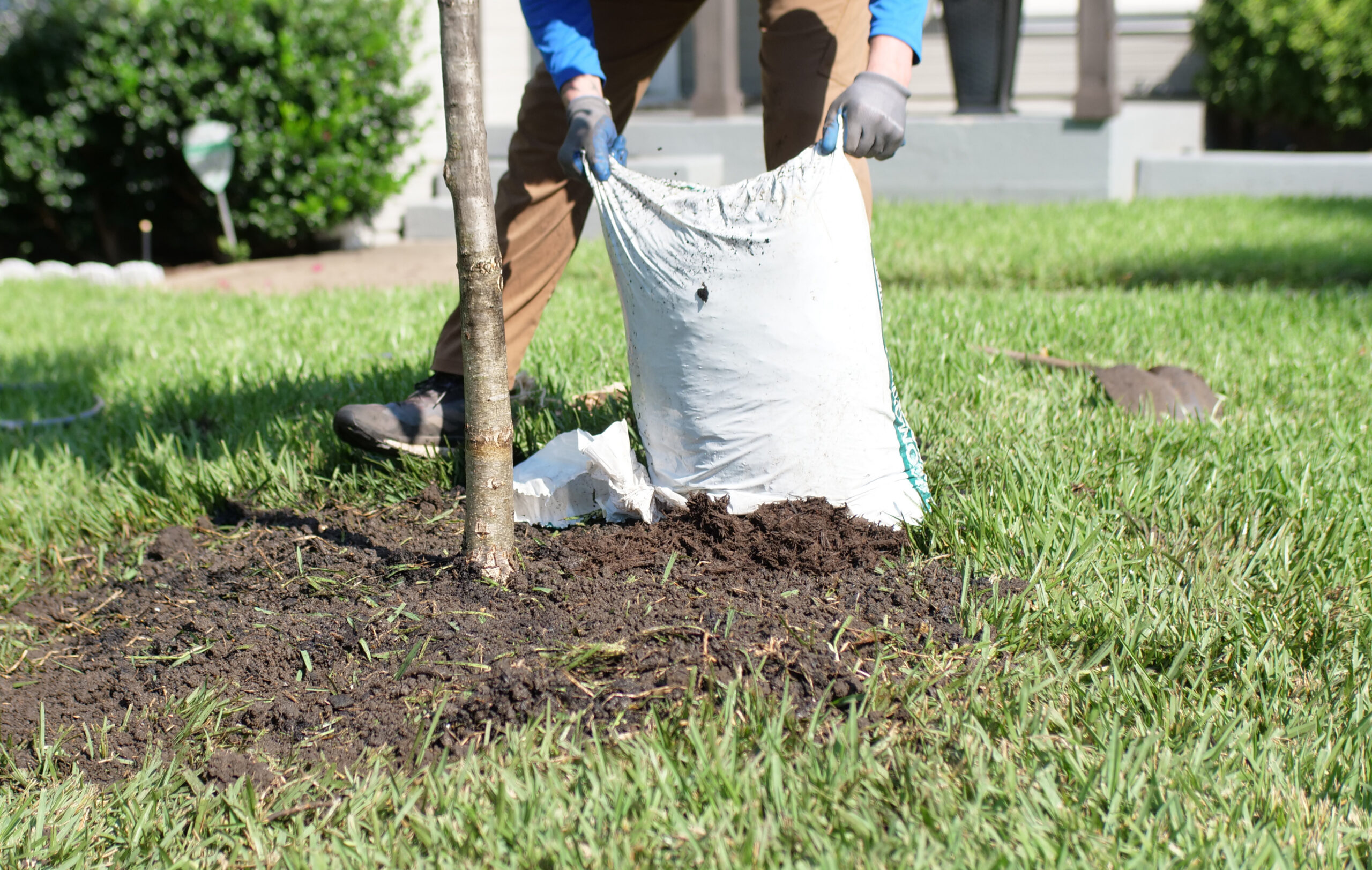
Mulch plays an important role in soil health, root development, moisture retention, and overall tree vitality. While there are many mulch options available, research and best practices agree on one thing: trees thrive when mulched with organic materials that naturally decompose and support healthy soil biology.
In other words, mulch isn’t just about aesthetics – it’s a key part of responsible tree care. The right mulch helps trees establish more successfully, grow more vigorously, and better withstand environmental stress over time.
Why Organic Matter… Matters
In natural forest environments, trees grow in soils enriched by fallen leaves, decaying wood, and other organic material. This continuous cycle feeds soil microorganisms, improves soil structure, and delivers nutrients to tree roots in forms they can readily absorb.
Organic mulch helps recreate these conditions in urban landscapes, where trees are often surrounded by turfgrass, pavement, and compacted soils. By replenishing organic matter at the soil surface, mulch supports the living soil system trees rely on to stay healthy and resilient.
When Mulch Goes Wrong: Non-Organic Options
Not all mulch products are tree friendly. Some popular non-organic choices may appear low maintenance, but they can compromise soil and root health.
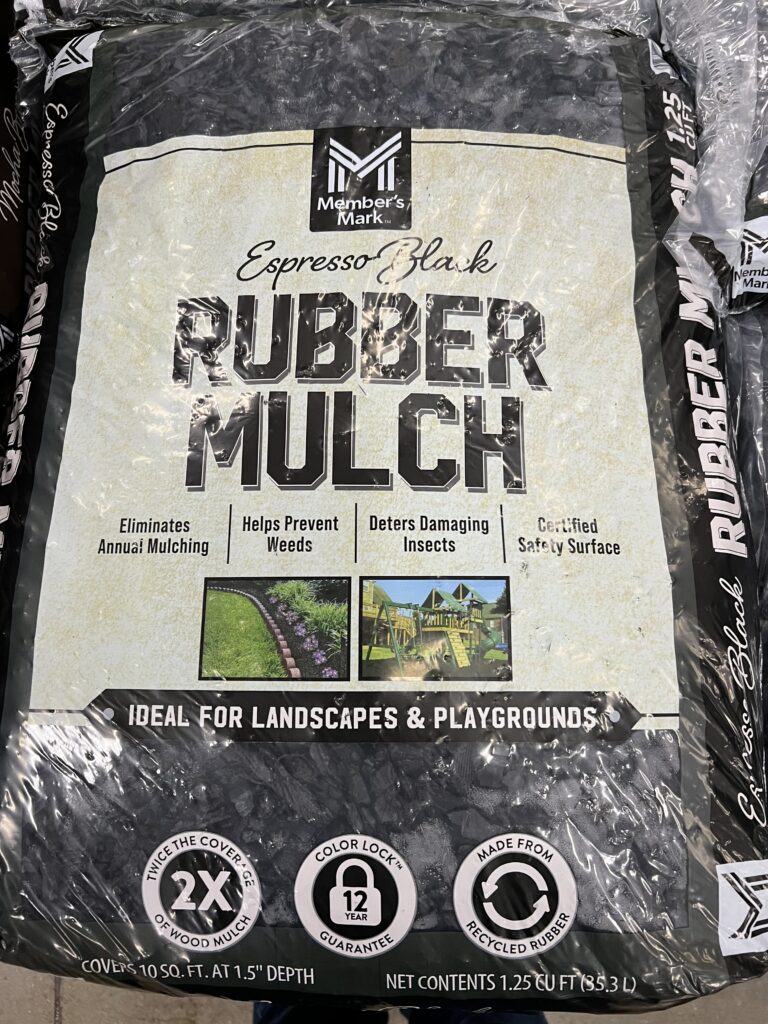
Rubber Mulch
Rubber mulch is made from recycled tires and is often marketed for durability and color retention. However, it does not break down or improve soil health. Over time, rubber mulch may leach chemicals into the soil, disrupting soil biology and potentially harming tree roots and surrounding ecosystems. While it lasts a long time, it provides no benefit to living trees.
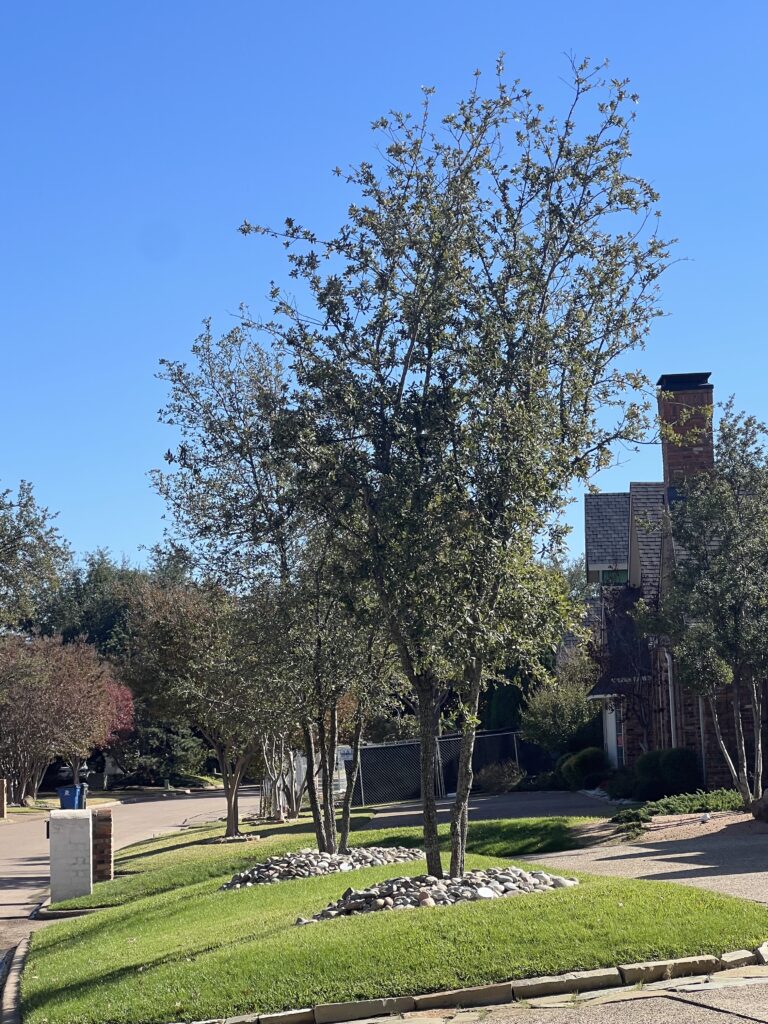
Decorative Rocks
River rock and decorative stone create multiple challenges below the surface. These materials can compact the soil, reducing oxygen availability and water infiltration – both essential for root health. Rocks also absorb and retain heat, raising soil temperatures and increasing moisture loss in warm weather. Unlike organic mulch, they provide no insulation during colder months, leaving roots exposed to temperature extremes year-round.
What is Organic Mulch – and Why Hardwood Mulch is Best
Organic mulch is any plant-based material that naturally decomposes and improves soil over time. Recommended organic mulches include wood chips, shredded bark, leaves, pine needles, and composted plant material – all of which mimic the forest floor.
Among these options, hardwood mulch and arborist wood chips stand out as especially beneficial to trees. Made from chipped branches, bark and wood, they break down slowly, improve soil structure, and support a diverse community of soil microorganisms. This gradual decomposition helps retain moisture, regulate soil temperature, and steadily return organic matter to the soil – without overwhelming roots.
Leaves and pine needles are also valuable, especially as seasonal or mixed mulches. No matter the material, choosing organic mulch supports healthier soils, stronger roots, and more resilient trees. (You may not hear your trees say thank you – but you’ll see it.)
Best Practices for Mulching Trees
To get the most benefit from mulch:
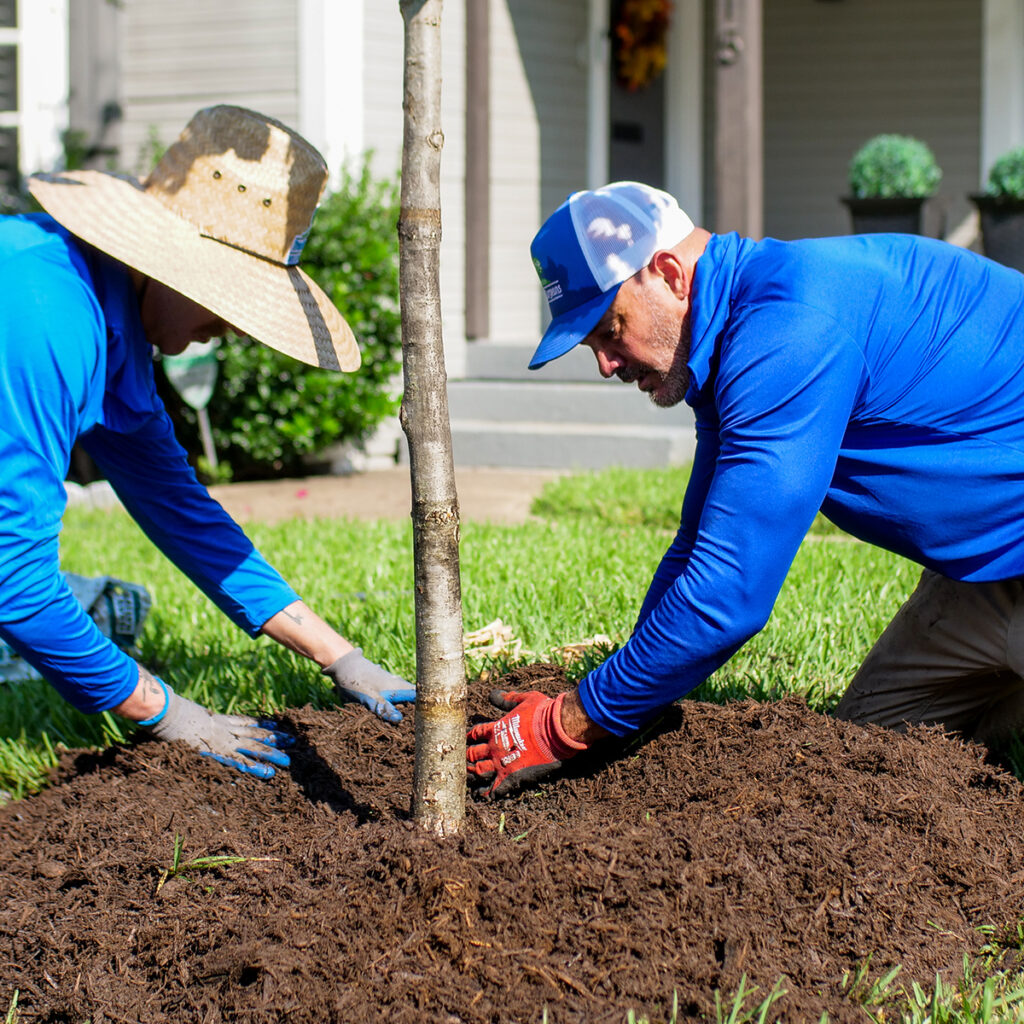
- Apply a 2- to 4-inch layer of organic mulch over the root zone of mature trees – more is not better
- Keep mulch away from direct contact with the trunk flare to maintain oxygen exchange and prevent stem girdling roots
- Extend mulch outward toward the dripline (or beyond!) when space allows
- Replenish as it naturally decomposes
Proper mulching is a simple, effective investment in both your trees and the soil ecosystem that supports them.

At Texas Tree Surgeons, we love trees so ‘mulch’! Healthy soil makes for happy roots. For a deeper dive, check out our dedicated blog on mulching here.
 PREV BLOG
Related Blogs
Similar blogs related to this topic
Current Tree Watering Guidelines for North Texas
Tree Watering for Newly Planted Trees Newly planted trees require consistent moisture while their root systems become established. North Texas heat, drought, and heavy clay soils can make this especially challenging. The schedule below is…
Read more
Post-Drought Tree Care for North Texas
The drought may be over, but the stress on your trees isn’t. After prolonged heat and drought, trees can continue showing signs of stress well after rainfall returns. Fine-root loss, compacted soil, reduced water absorption,…
Read more
Is There Anything you can do to Correct Compaction Issues Caused by Construction?
Correcting soil compaction requires a combination of physical loosening of the soil (aeration), biological improvement (microorganisms), continued protection. Vertical Mulching Mechanical / Physical Solutions Mechanical/Physical solutions are usually the quickest way to break up severely…
Read more