Lacebark Elm and Borers
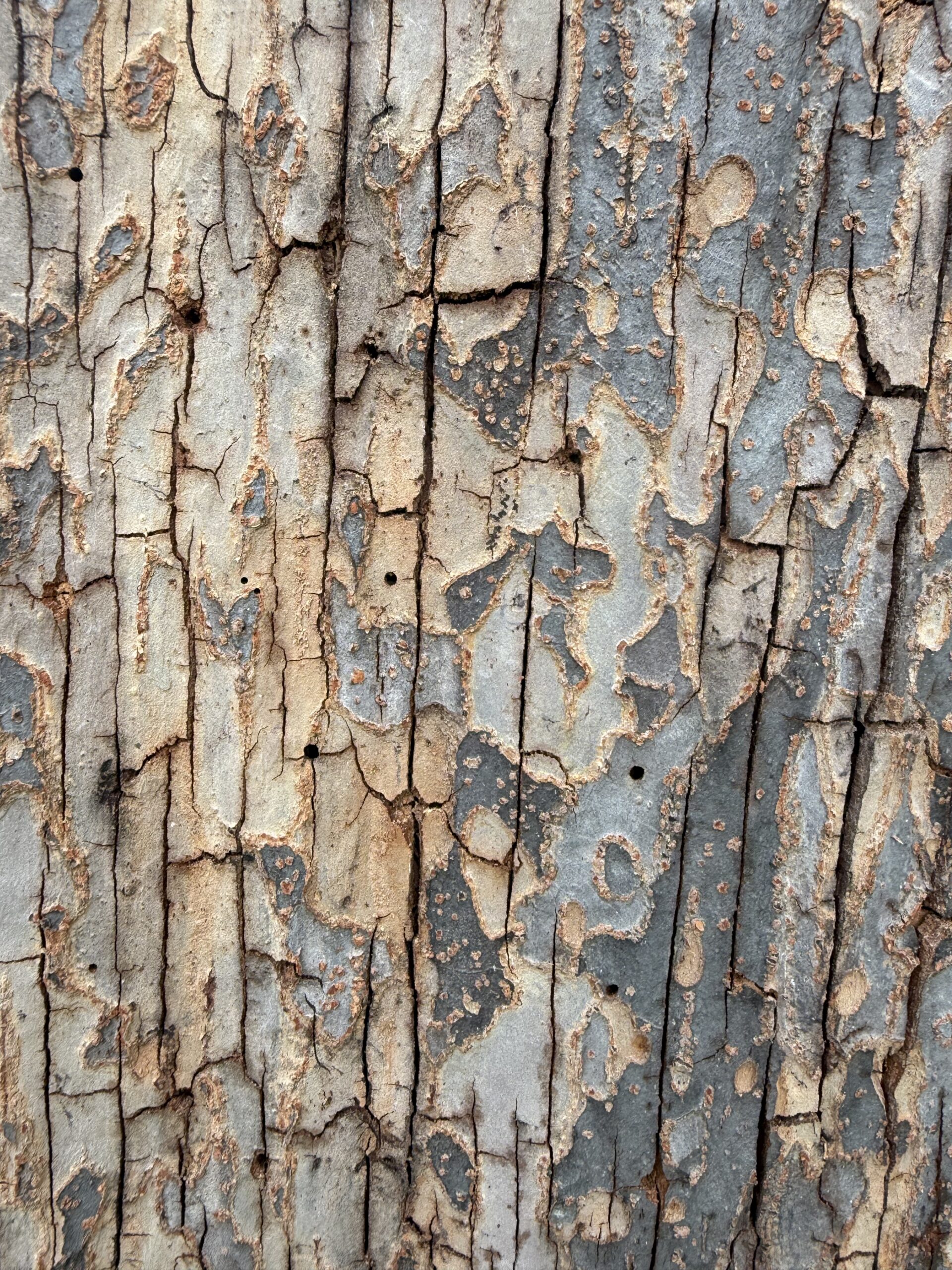
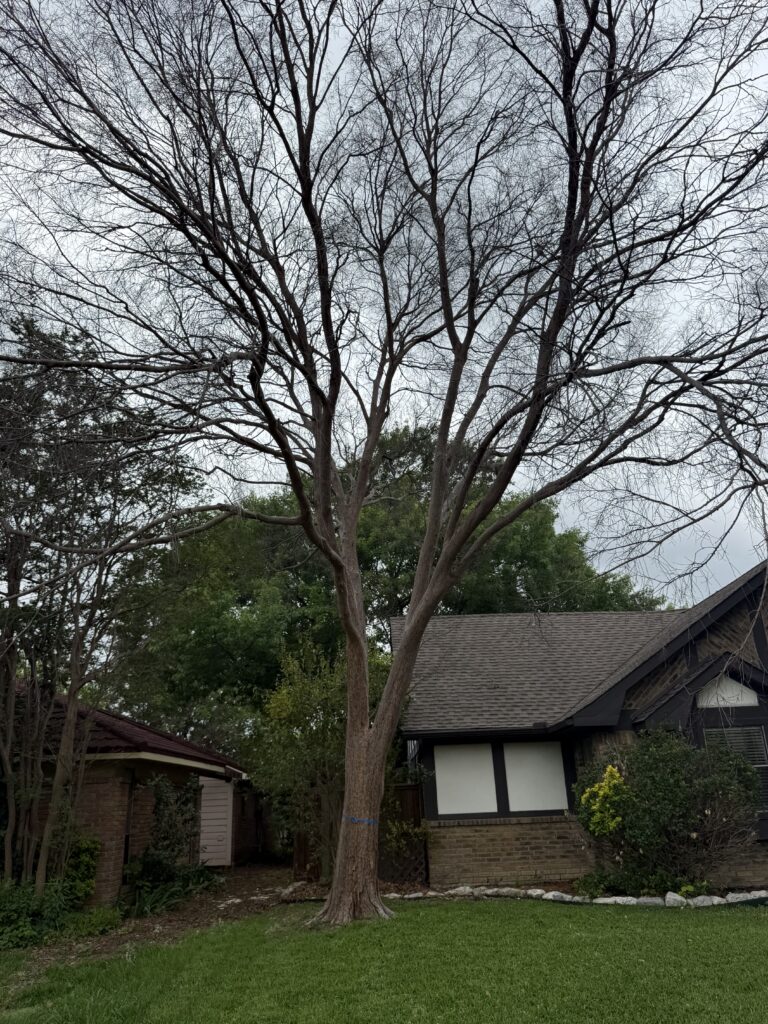
In North Texas our local Certified Arborists have been seeing several Lacebark Elms dead with borer exit holes in the past week.
Borers Target Already Stressed Trees
The borers we are seeing in Lacebark Elms are secondary invaders. Meaning they attack trees that are already stressed by drought, disease, or poor site conditions.
How To Protect Lacebark Elms from Borer Damage
Because most borers are opportunistic, maintaining overall tree health is the most effective defense.
- Water Wisely – Stress from improper watering is one of the top reasons trees become vulnerable to borers. Use deep, infrequent watering and consider drip irrigation to support root health without overwatering.
- Prune Strategically – Remove dead, broken, or diseased limbs where borers often lay eggs. Prune during cooler months when pests are less active.
- Apply Mulch – A 2–4 inch layer of organic mulch conserves moisture and insulates roots—but keep it away from the trunk to prevent bark rot.
- Monitor for Signs – Check regularly for frass, sap leakage, wilting branches, and exit holes. If caught early, damage can often be mitigated.
Evidence of Borer Damage Includes
- Tunneling that disrupts nutrient and water flow
- Girdling of branches or trunks
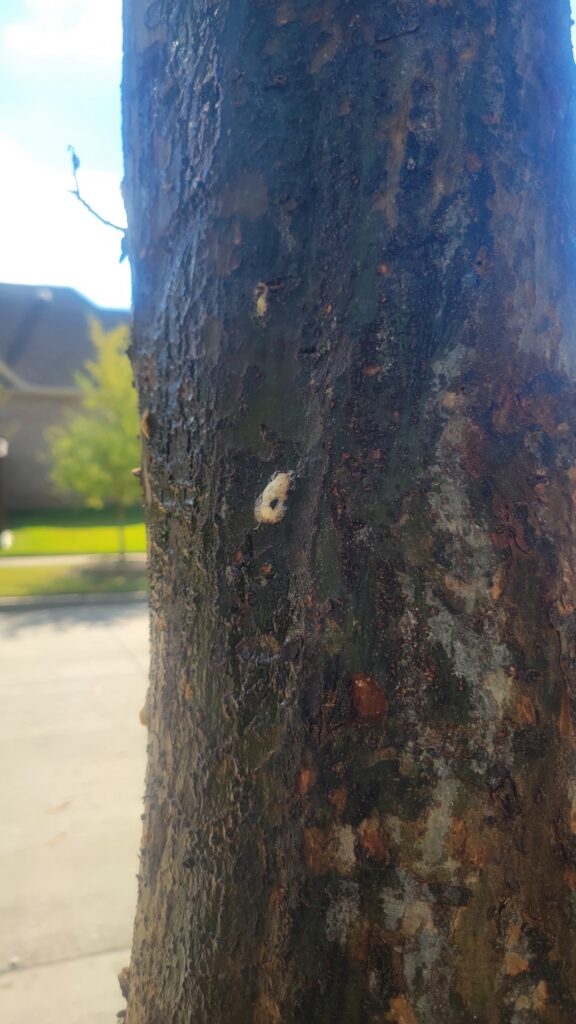
- Sawdust-like frass at entry points
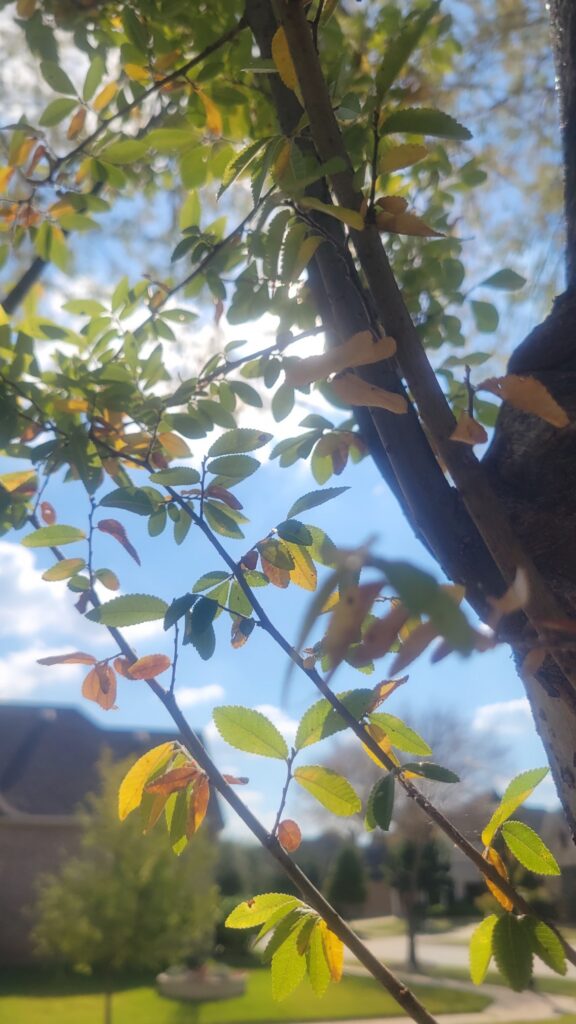
- Dieback of shoots, branches, or entire canopies
- Visible holes in the bark
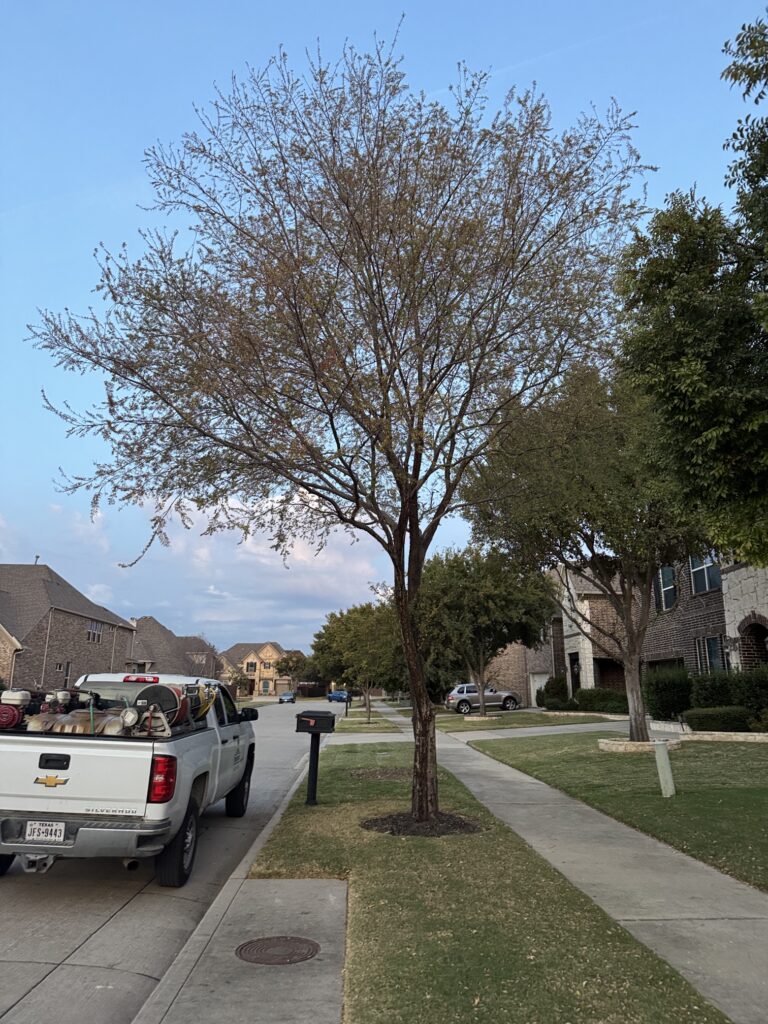
Managing Existing Infestations of Borers in a Lacebark Elm
Once a tree is infested, treatment options become more limited:
- Topical insecticides applied to bark can prevent new attacks but don’t reach larvae inside the wood
- Biological controls like parasitic wasps may help in integrated pest plans
- Manual removal of larvae from infested wood may be possible with early detection
Note: Systemic insecticides are often ineffective for wood borers, and trunk injections can sometimes cause more damage than benefit.
Concerned About Borers in Your Lacebark Elm Trees?
If external symptoms are showing, internal damage from borers is often advanced. Schedule a consultation with a Texas Tree Surgeons Certified Arborist today so we can assess your tree’s health, identify early signs of borers, and implement tailored solutions. Regular arborist care is essential to keeping urban trees healthy since they already have the compounded stress of compacted soil, heat islands, and drought.

At Texas Tree Surgeons we love trees. There are times when expert intervention is necessary to tackle a serious borer problem. Knowing when to reach out for professional help can save your trees and give you peace of mind. Our trained certified arborists use scientifically backed methods to protect your trees effectively. Protect the longevity of your trees by having regular tree assessments.
 PREV BLOG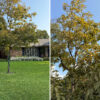
Tree Health Care
View Photos of our ISA Certified Arborists & Tree Health Care Technicians Providing Consultation and Care
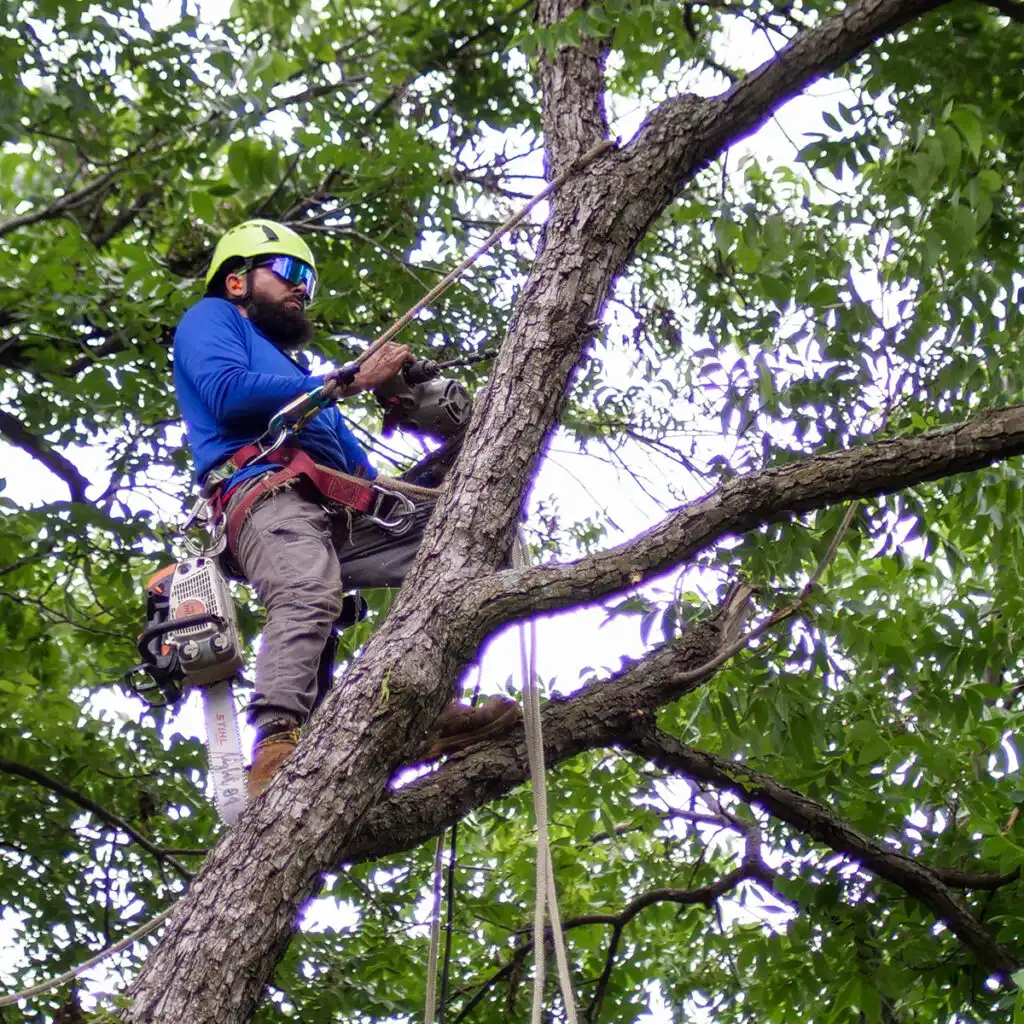
TREE SUPPORT SERVICES
Depending on the size of a tree there can be multiple cables in addition to bracing to support the weight. Each tree is different, and not all trees are candidates for tree support systems due to their structure.

ISA CERTIFIED ARBORIST
Certified Arborist are tree care professionals who have achieved a high level of professional distinction through their knowledge and experience in the field. This knowledge helps them diagnose any issues your trees might be having.

PREVENTATIVE EAB TREATMENT
If there is EAB activity within a few miles of where you live or property you manage we recommend preventative systemic insecticide treatment applied by a licensed TDA tree health care technician. EAB treatment lasts for 2 years and must be applied regularly to protect ash trees from infection.
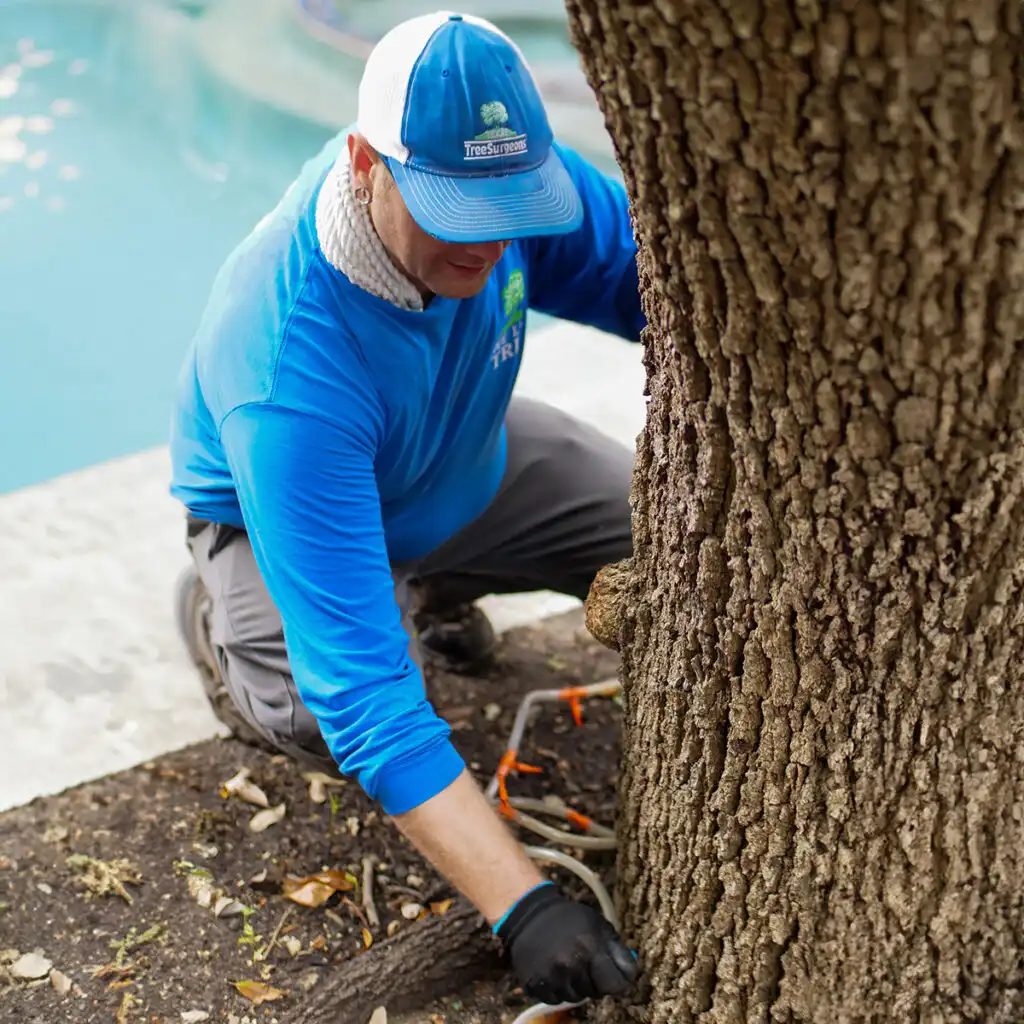
OAK WILT TREATMENT
As oak wilt is a systemic, vascular disease, the most effective treatments consist of injecting the infected trees with a fungicidal chemical. The only currently recommended fungicide is Alamo®, a formulation of the fungicide propiconazole. The fungicide is administered through holes drilled in the root flare of the infected tree and should only be applied by Texas Department of Agriculture Licensed Applicators.

SOIL AMENDMENTS
Our uniquely developed mixtures promote stability and growth for trees efficiently and safely, without the worry of harmful chemicals that some companies use that can be damaging to the surrounding environment.

STRESSED MAGNOLIA | BEFORE
This magnolia tree is one of many that were in decline on a single property. This photo is from April 15, 2024 prior to the tree receiving a tree health care plan.

STRESSED MAGNOLIA | AFTER
This after photo was taken June 27, 2024 of a magnolia tree after receiving multiple interventions to improve its health. In addition to a tree health care plan of a deep root fertilization with Biopack plus and Sea3 applied by our TDA licensed technician the owner also fixed the irrigation and cleared the root flare. The difference in health is beautiful.
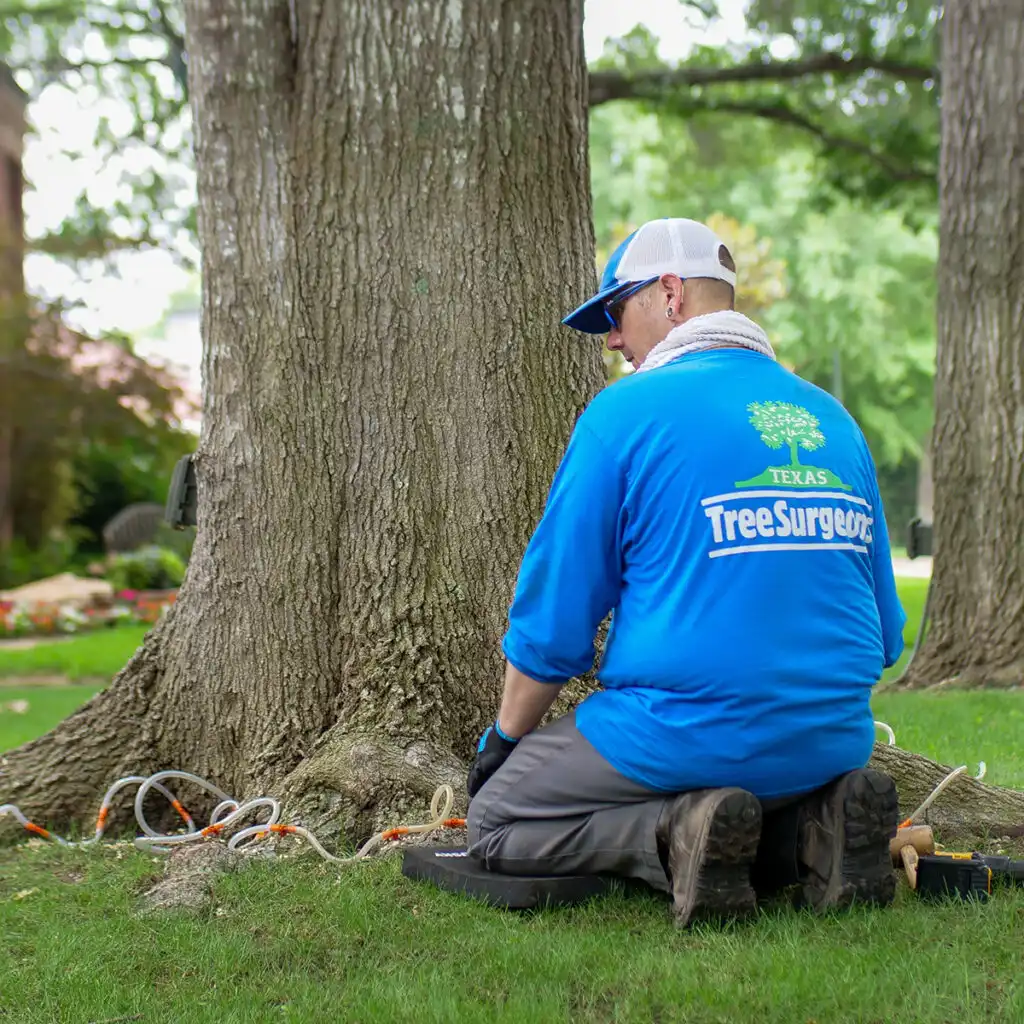
TDA LICENSED
Our technicians are TDA licensed and use science based treatment when implementing a Tree Health Care plan. These plans are put in place under the guidance of an ISA Certified Arborist.

DIAGNOSING TREE
Our ISA Certified Arborists use several different types of tools to help them assess a trees health. The arborist is "sounding" the tree. Different sounds can indicate areas of decay or other defects.
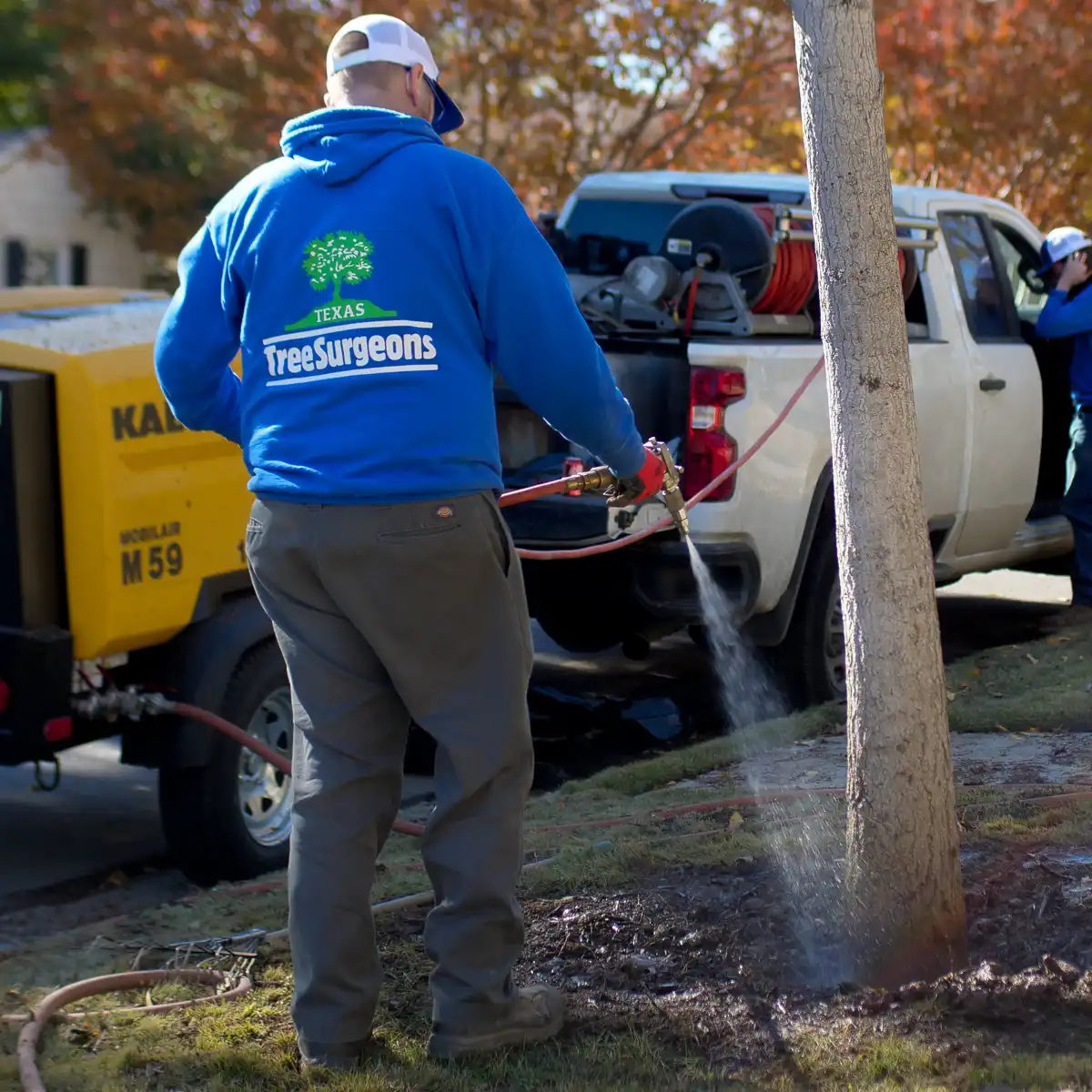
FERTILIZATION
Our Tree Health Care Programs are designed to deliver the right nutrients at the right times throughout the year. We use the highest quality soil conditioners and fertilizers that are delivered at critical points throughout the seasons to optimize the growth and health of trees.

DEEP ROOT INJECTION SERVICES
At Texas Tree Surgeons our deep root injection services provides fertilization deep into the soil. Our unique mixtures combine macro- and micro-nutrients, root growth stimulators, soil conditioners, beneficial biotics (both mycorrhizal fungi and rhizobacteria), and organic materials to cultivate the optimum natural growth environment.

AIR SPADING
Air spading helps improve tree health by increasing the tree root's access to air, water, and nutrients by decompacting the soil. Soil compaction occurs in urban environments during turf installation, construction, improper planting, and mechanical and foot traffic.

ROOT PRUNING POST AIR SPADING
To correct this improperly planted tree our Tree Health Care Technicians air spade to expose the root flare and to prune away girdling roots. You can learn more about how to properly plant a tree here.

GIRDLING ROOTS
This tree was planted too deep and has several girdling roots (roots that circle the tree and do no flare out) that left unmanaged would eventually kill the tree. After air spading our Tree Health Care Technicians are pruning the roots and adjusting the soil around the tree to expose the root flare to improve tree health.

TREE HEALTH CARE
Director of Tree Health Care Development, Steve Barrett pointing out sections in the tree that need to be addressed for improved health.
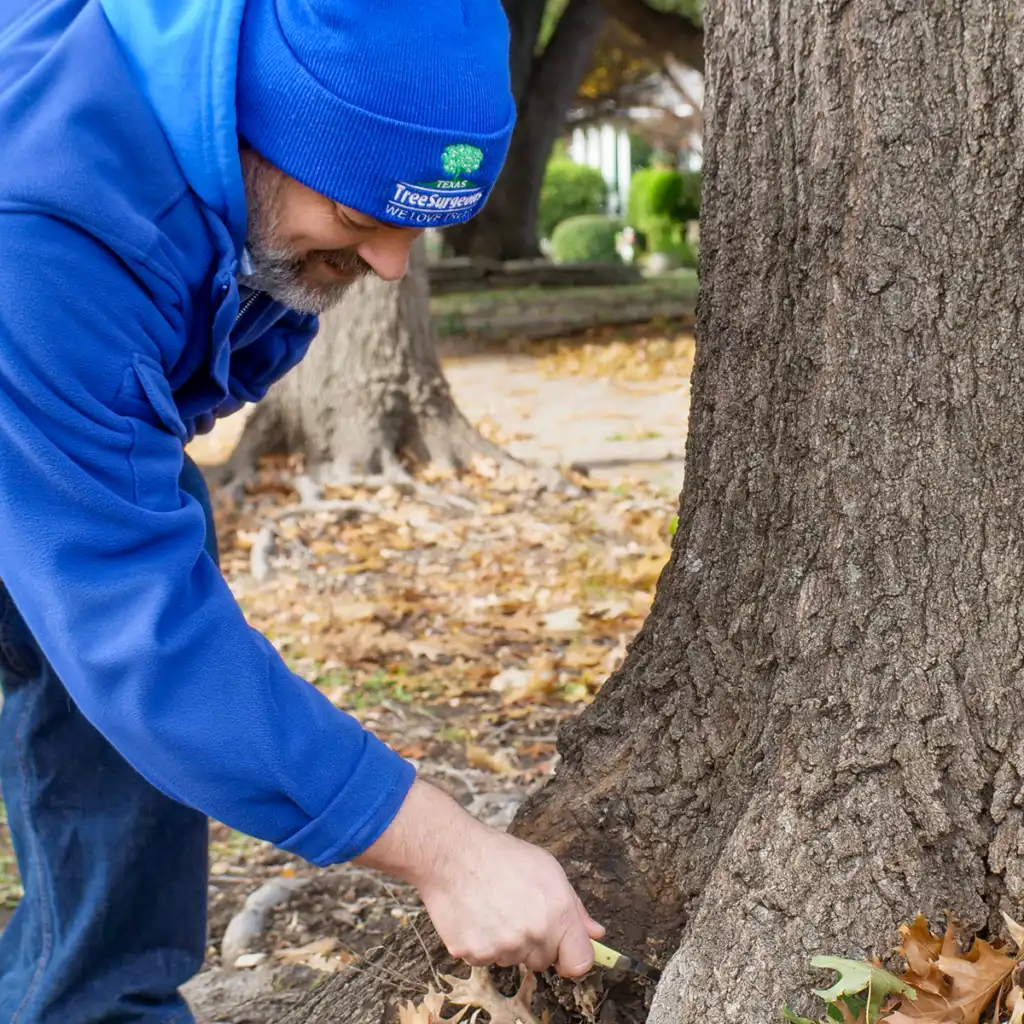
INSPECTING FOR POSSIBLE DECAY
Sometimes issues with a tree aren't clearly visible on the outside so an arborist will need to inspect the interior. An arborist does this by probing with a small knife to see how extensive the decay in a region of a tree is. Arborists are able to use this information along with other signs to determine if there are potential structural issues or possible increased chances for failure.

MEASURING DBH
The best way to approximate the size of a tree is to measure their dbh, (diameter, breast, height). This enables our arborists to estimate the amount needed for Tree Health Care products or pricing for Tree Removal.
Related Blogs
Similar blogs related to this topic
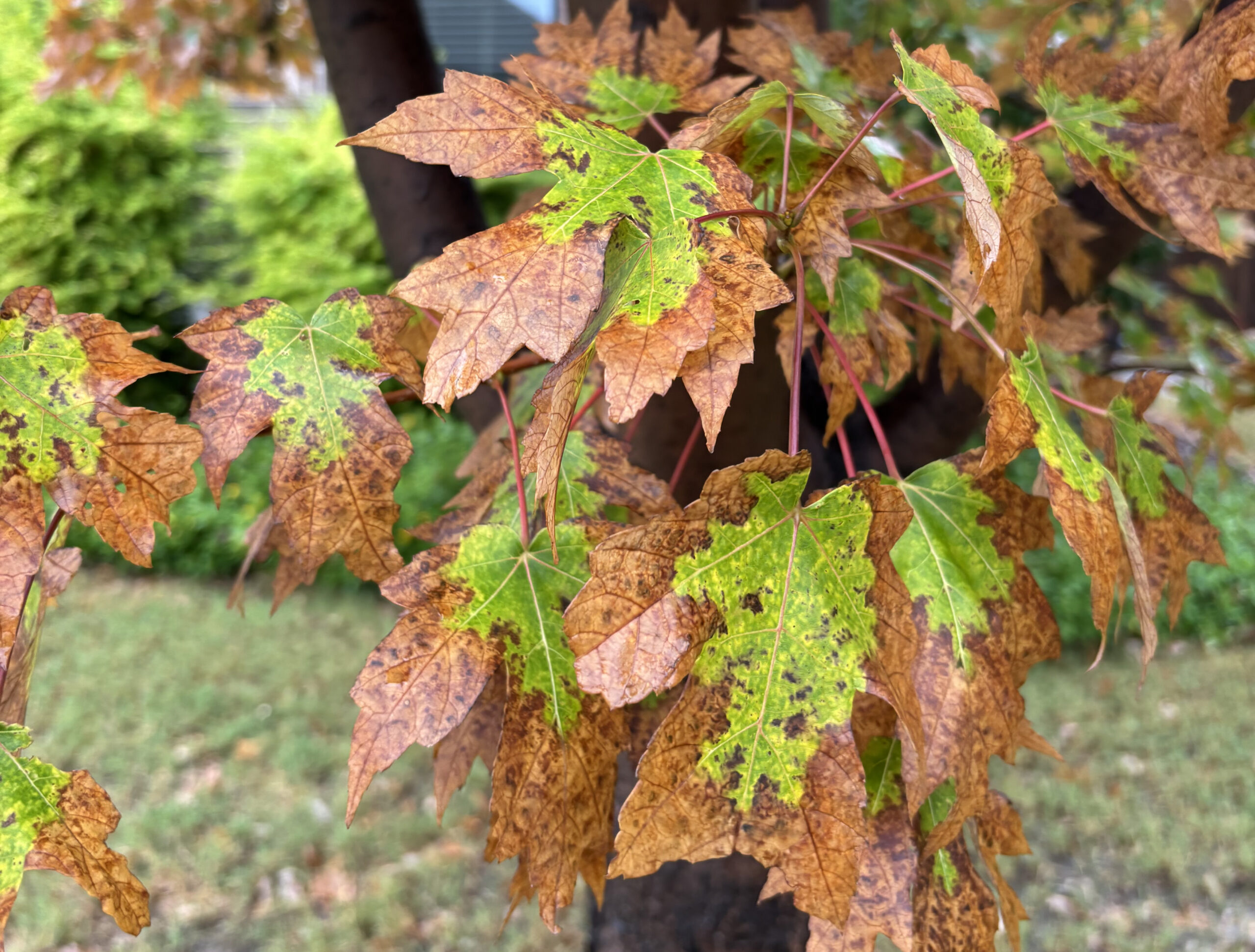
Top 10 Reasons Why Your Tree is Dying
Trees are tougher than they look, but even healthy trees can struggle when stress builds over time. In North Texas, factors such as drought, poor soil conditions, root damage, pests, and improper maintenance can gradually…
Read more
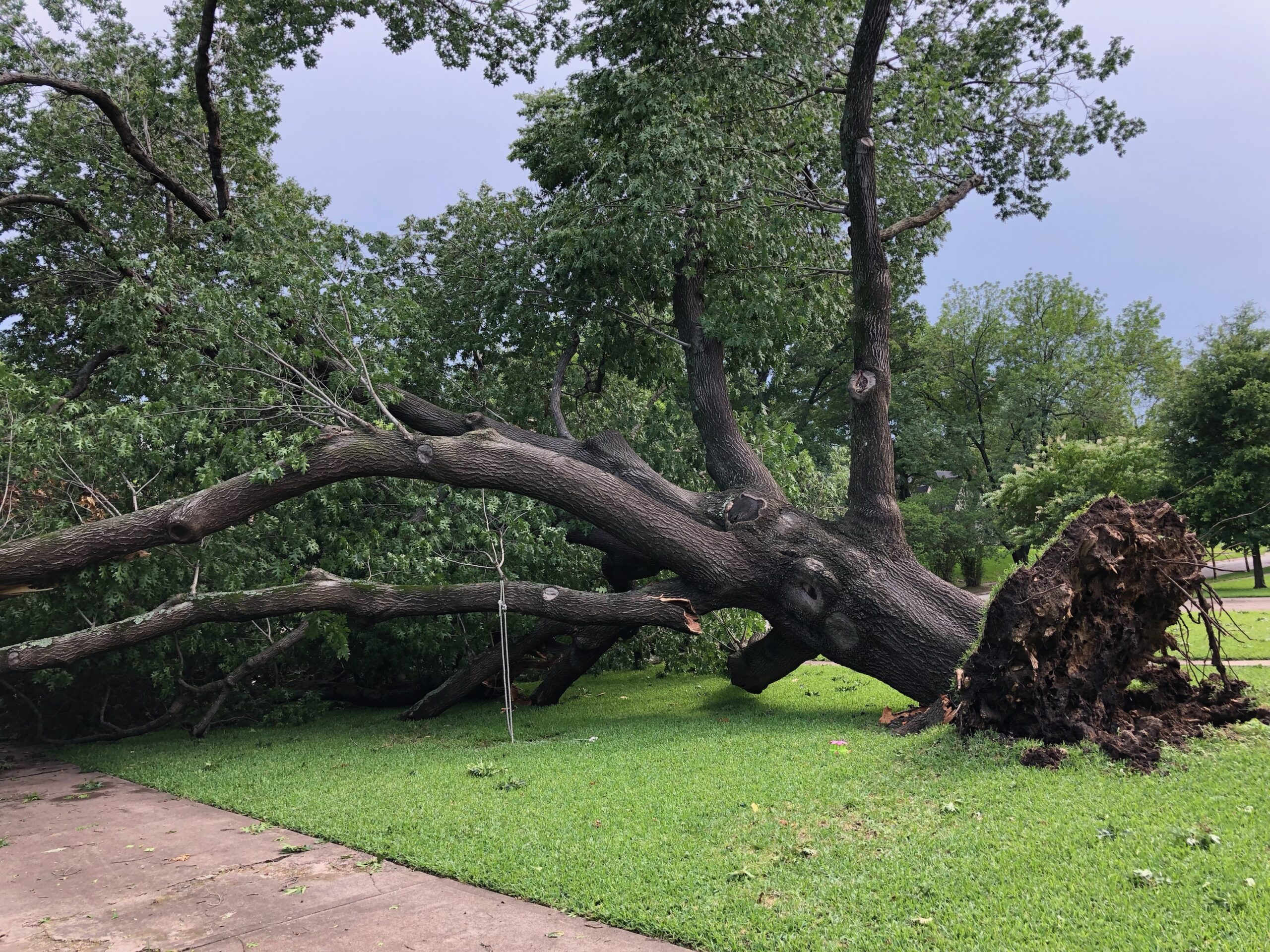
Leaning Trees Post Heavy Rain
Heavy rain followed by long period of drought can cause significant shifting in our soils. This can be concerning for trees that have shallow roots. Heavy Rain Doesn’t Mean Tree Failure Healthy trees that are structurally…
Read more
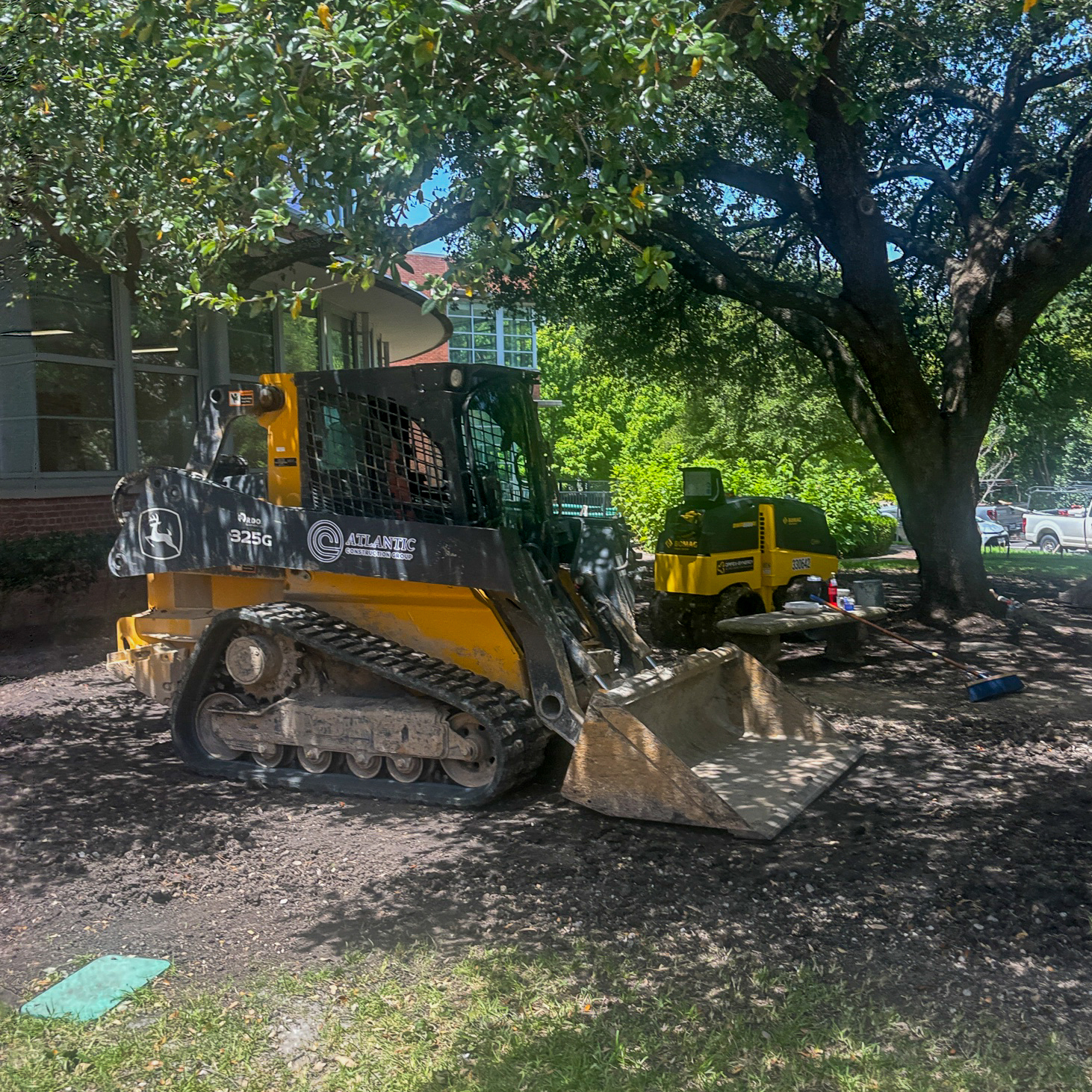
Is There Anything you can do to Correct Compaction Issues Caused by Construction?
Correcting soil compaction requires a combination of physical loosening of the soil (aeration), biological improvement (microorganisms), continued protection. Vertical Mulching Mechanical / Physical Solutions Mechanical/Physical solutions are usually the quickest way to break up severely…
Read more