Common Tree Pests and How to Manage Them
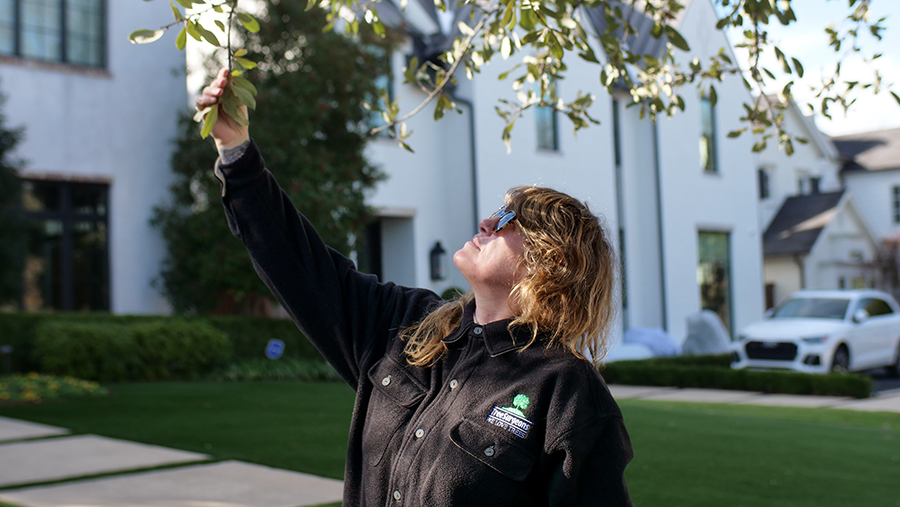
Trees naturally interact with insects throughout the year, and in many cases, these pests cause little lasting harm. Effective tree care focuses on Integrated Pest Management (IPM) – an approach supported by the International Society of Arboriculture (ISA) that emphasizes monitoring, prevention, and informed action rather than routine treatment.
Below are common tree pests that can typically be managed through IPM practices.

Aphids
Aphids are tiny insects that feed on plant sap and may cause leaf curling or sticky residue on foliage. While noticeable, they are often more of a nuisance than a threat to the overall health of established trees.
Management: Monitoring leaf surfaces, rinsing foliage with water, and supporting beneficial insects (like ladybugs) usually keep aphid populations at acceptable levels. Higher populations of aphids mean more honeydew, and that can lead to sooty mold development, which could reduce photosynthesis by covering leaves. Consult with your arborist to determine if insecticidal management is warranted.
Scale Insects
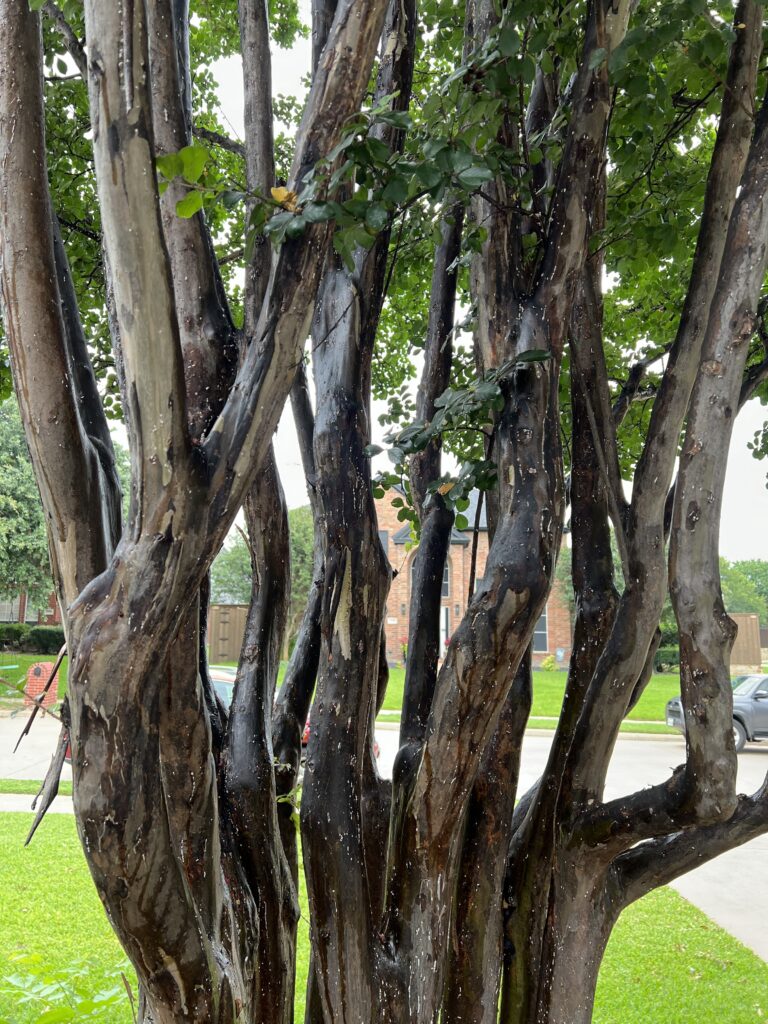
Scale insects appear as small bumps on branches and stems and feed quietly over time. Heavy infestations may place added stress on trees that are already weakened.
Management: Pruning infested areas when feasible, applying horticultural oils at the appropriate time, and maintaining good cultural practices help limit scale activity.

Hackberry Leafrollers
Hackberry leafrollers are caterpillars that roll leaves together and feed inside them. Damage is typically seasonal and cosmetic; however, multiple years of defoliation may stress your tree.
Management: Early detection – typically early in defoliation – is key. Most trees recover without treatment, though repeated defoliation may warrant a professional evaluation.
Borers
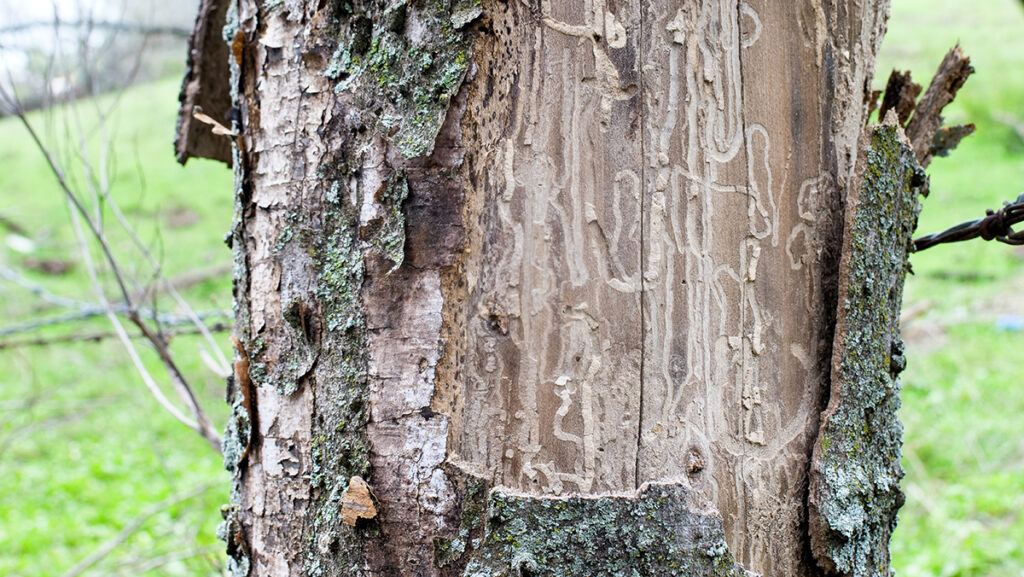
Borers are insects—most commonly beetles and moths —whose larvae tunnel into tree tissue, often targeting stressed or declining trees. Their presence is frequently a sign of an underlying health issue rather than the primary cause of decline.
Management: Reducing stress through proper watering, soil care, and overall maintenance is the most effective way to prevent borer problems. Treatments are considered only when risk is high.
Bagworms
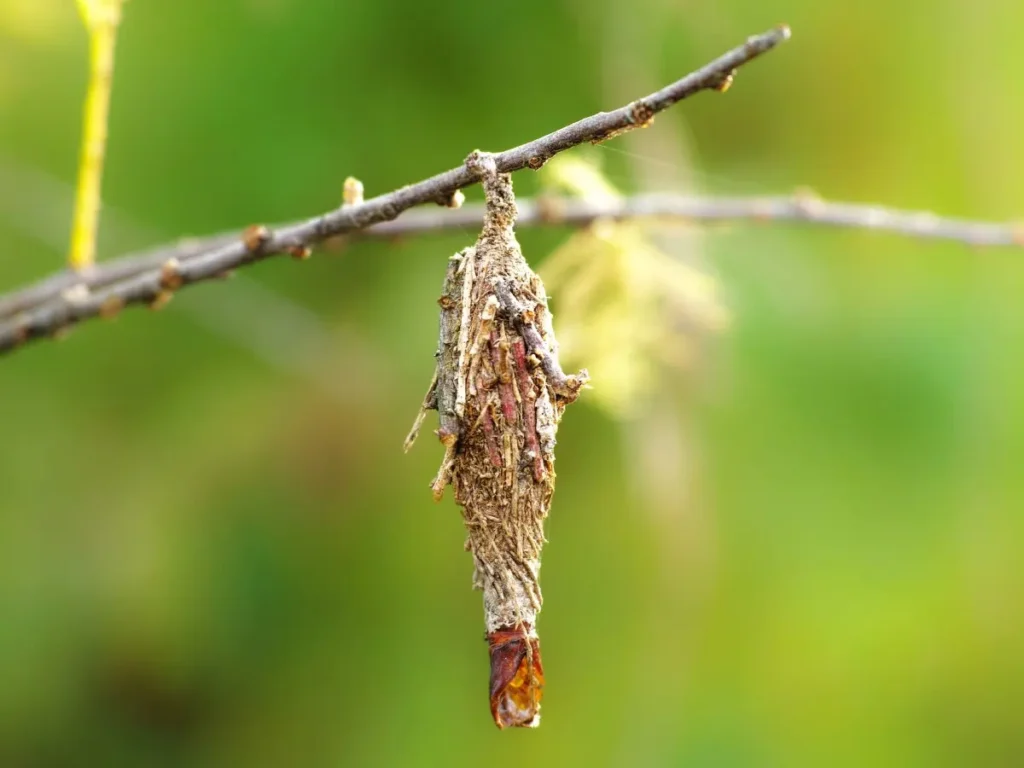
Bagworms attach small, bag-like coverings to branches and are most common on ornamental evergreen species such as cypresses and junipers. In heavily infested sites, they may move into neighboring deciduous species.
Management: Removing and properly disposing of bags is the most effective approach. Routine inspection helps ensure early intervention.
Spider Mites
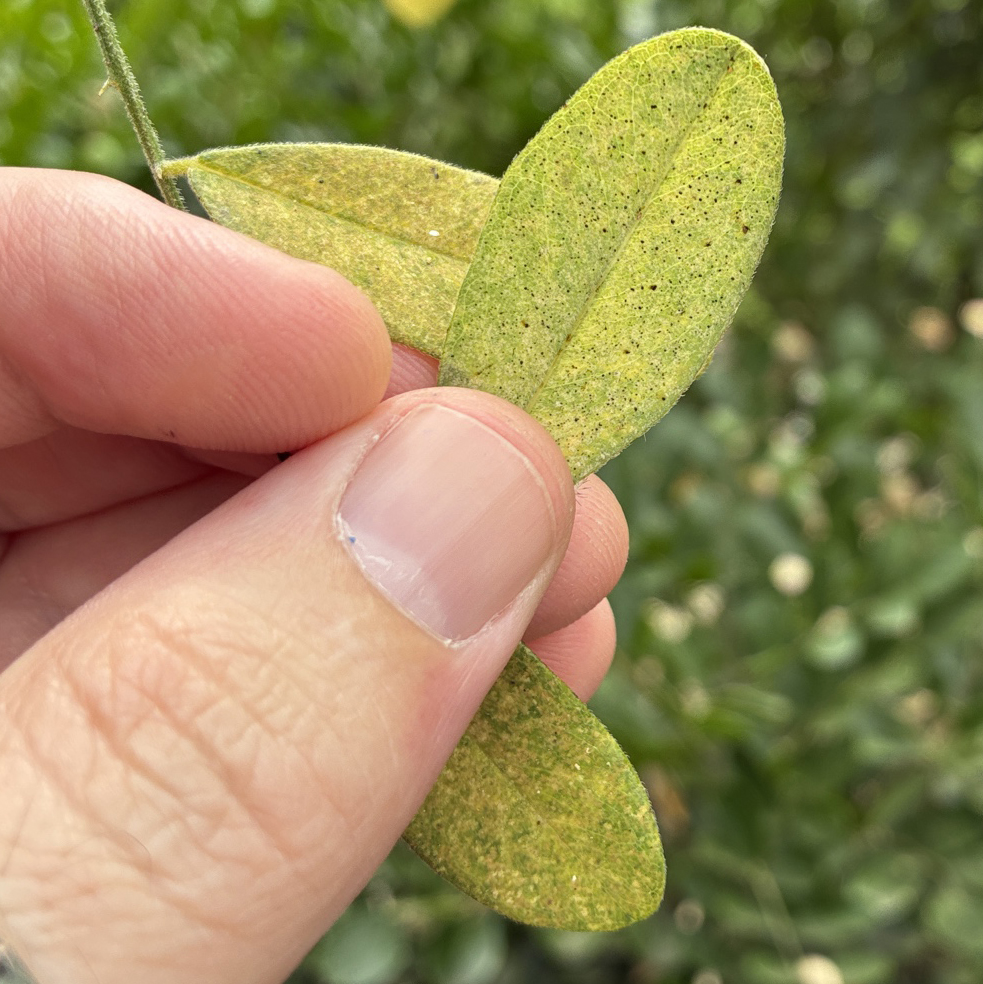
Spider mites thrive in hot, dry conditions and cause foliage to appear speckled or faded. Spider mites are tiny but can cause significant damage to leaves, mostly noted on cypresses, junipers and other ornamental evergreen trees and shrubs.
Management: Regular inspection and reducing drought stress are key. Not all mite activity requires treatment. Consult with a professional to determine if your trees warrant treatment and can assist you with appropriate timing.
Longhorn Beetles (Twig Girdlers)
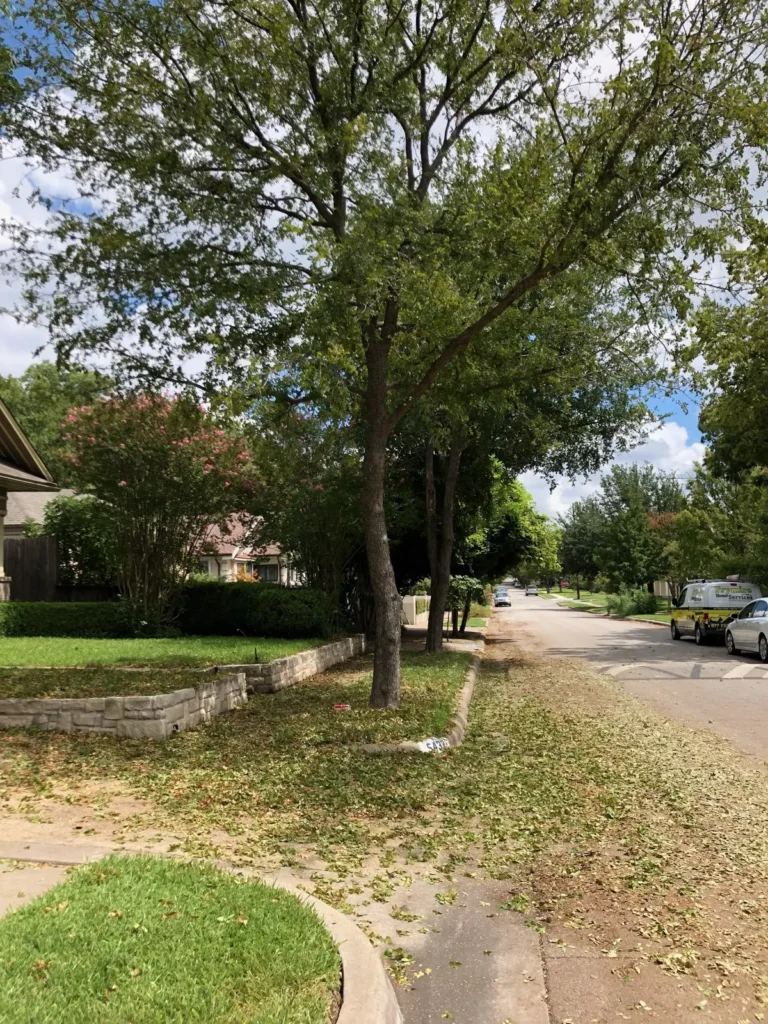
Twig girdlers cut small branches, commonly on elms, causing them to drop prematurely. While noticeable, damage is usually minor and temporary.
Management: Collecting and discarding fallen twigs disrupts the insect’s life cycle and is usually sufficient.
Invasive Pest: Emerald Ash Borer
While most tree pests can be managed, some invasive species require a very different approach.
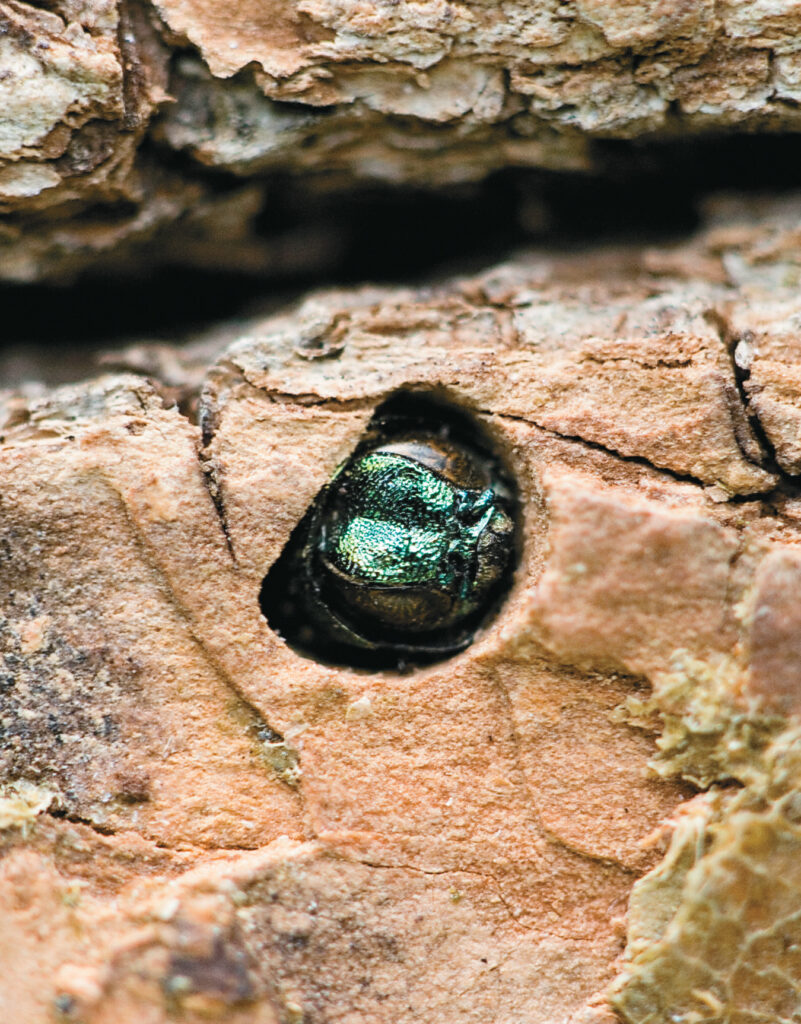
Emerald Ash Borer (EAB) is an invasive, highly destructive insect that attacks ash trees. Unlike other pests, EAB cannot be managed once an infestation is established past a certain threshold.
Prevention: The only effective way to protect ash trees is through preventive treatment, ideally prior to visible symptoms. Regular inspections and proactive treatment planning are critical for long-term ash tree survival.
Strong Trees Are the Best Defense
IPM is built on the principle that healthy trees are more resilient to pests. Routine inspections, proper watering, and professional guidance help homeowners protect their tree while avoiding unnecessary treatments.

At Texas Tree Surgeons we use scientifically backed strategies to help the health of your tree. We follow Integrated Pest Management (IPM) strategies that reduce harmful insect pressure while protecting beneficial organisms and minimizing environmental impact. All of our technicians are TDA-licensed applicators and follow strict Texas Department of Agriculture (TDA) guidelines when applying any pesticides or chemical treatments. We take regulatory compliance and environmental safety seriously to ensure that every treatment is legal, responsible, and effective.
 PREV BLOG
Related Blogs
Similar blogs related to this topic
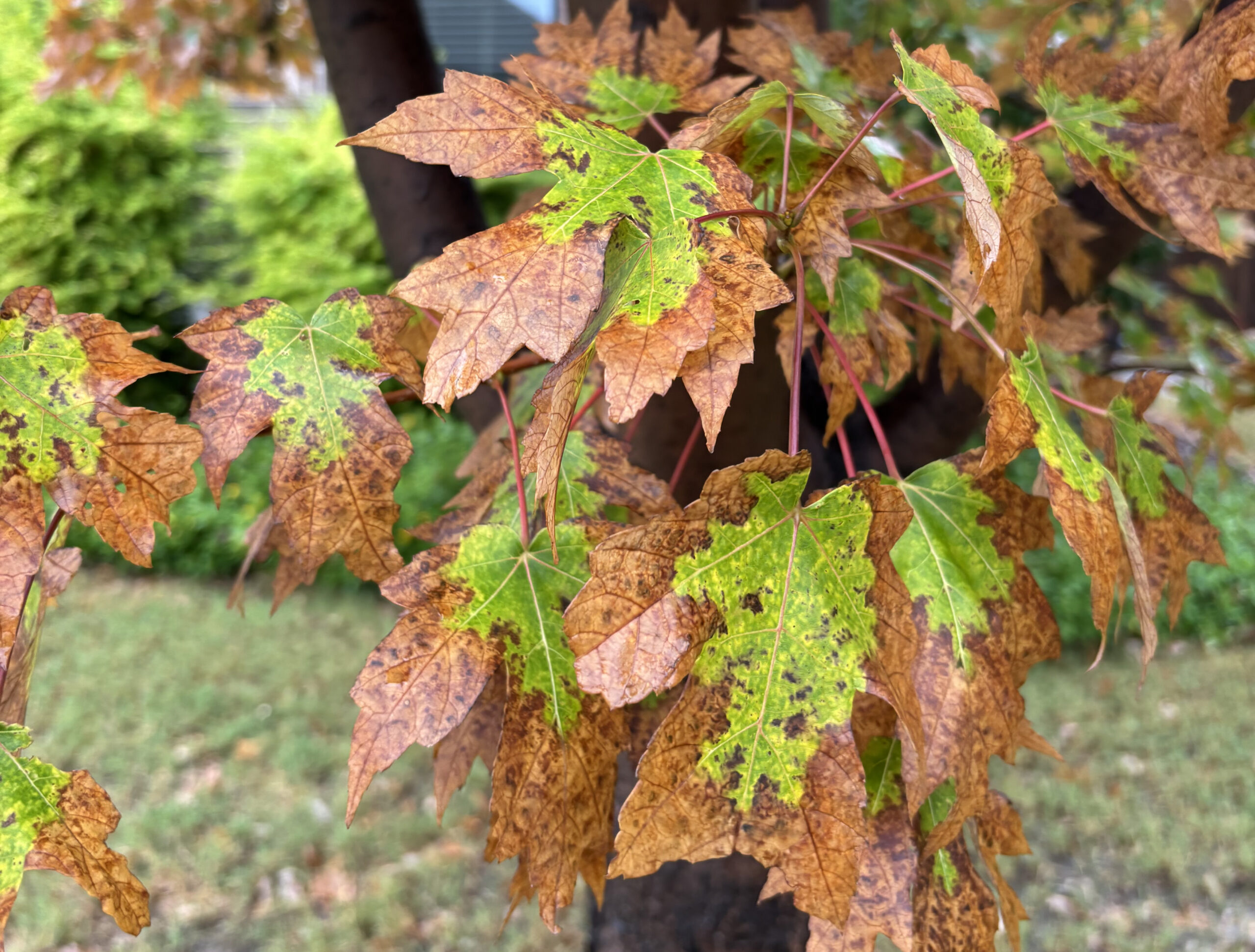
Top 10 Reasons Why Your Tree is Dying
Trees are tougher than they look, but even healthy trees can struggle when stress builds over time. In North Texas, factors such as drought, poor soil conditions, root damage, pests, and improper maintenance can gradually…
Read more
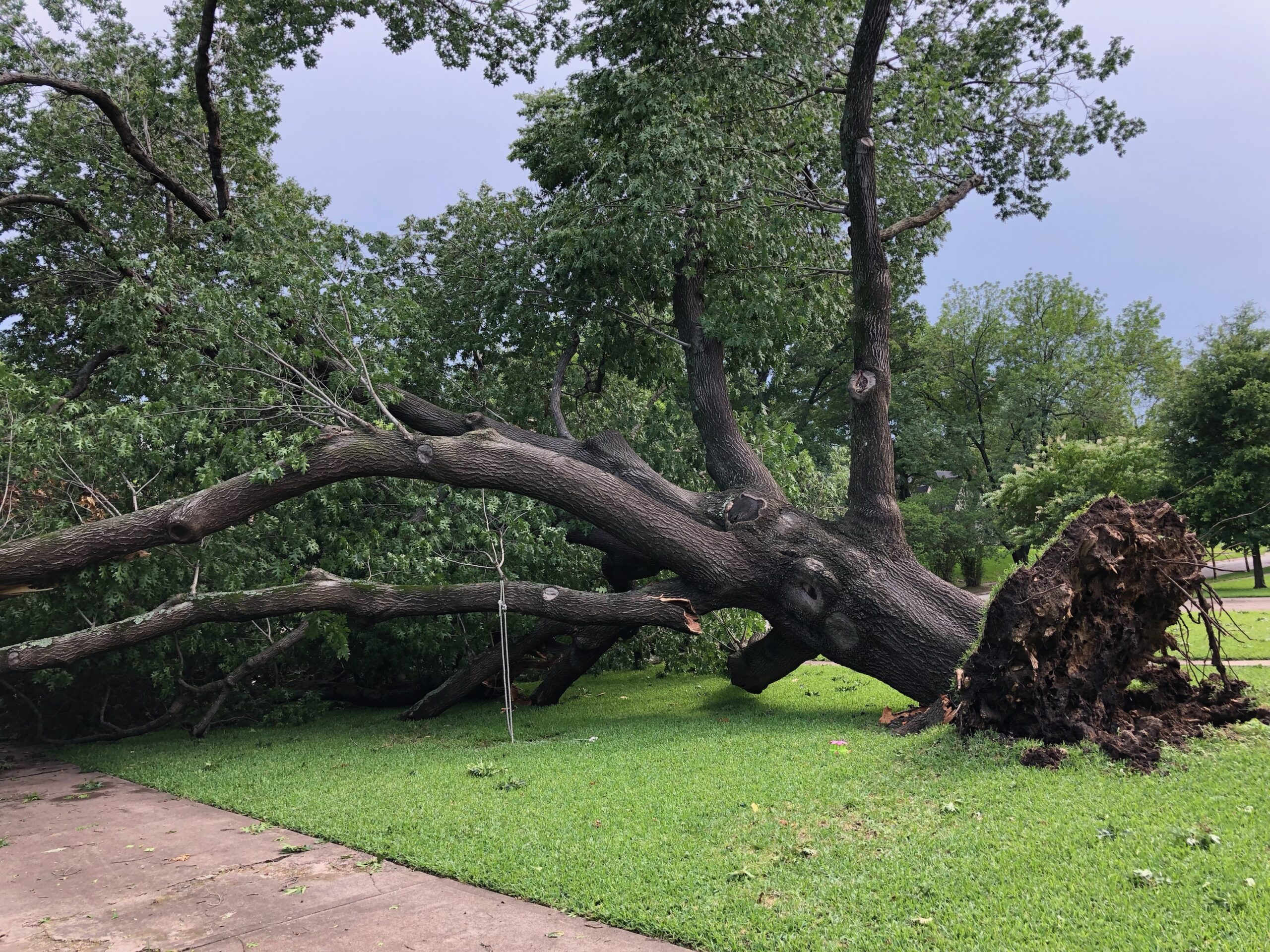
Leaning Trees Post Heavy Rain
Heavy rain followed by long period of drought can cause significant shifting in our soils. This can be concerning for trees that have shallow roots. Heavy Rain Doesn’t Mean Tree Failure Healthy trees that are structurally…
Read more
Is There Anything you can do to Correct Compaction Issues Caused by Construction?
Correcting soil compaction requires a combination of physical loosening of the soil (aeration), biological improvement (microorganisms), continued protection. Vertical Mulching Mechanical / Physical Solutions Mechanical/Physical solutions are usually the quickest way to break up severely…
Read more