Emerald Ash Borer
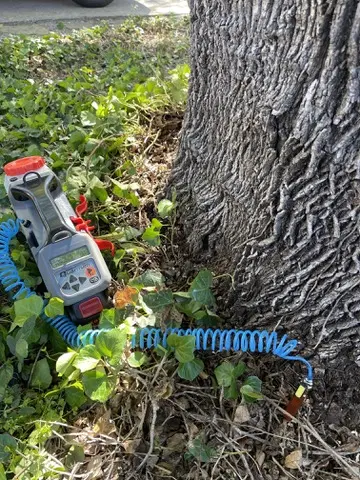
As of May 2024, EAB has been detected in 18 additional counties since being detected in Northeast Texas in 2016.
Confirmed Affected Counties are:
- Bowie
- Camp
- Cass
- Cooke
- Collin
- Dallas
- Denton
- Grayson
- Hill
- Hood
- McLennan
- Marion
- Morris
- Palo Pinto
- Parker
- Rusk
- Tarrant
- Titus
- Wise
EAB Red Flags
- Dead or dying branches at the top of the canopy
- Shoots sprouting from the trees trunk
- Weird growth on the center of the tree
- Bark splitting
- Lots of woodpecker activity
- D-shaped exit holes
- Dieback in the crown
- Bark falls off easily


How a Texas Tree Surgeons ISA Certified Arborist Diagnosis EAB
An arborist will verify the species of tree you have since Emerald Ash Borers only affect ash trees. The first sign that shows up is dieback in the canopy which sometimes can be mistaken for freeze damage. In addition what makes the signs of EAB different from other wood boring beetles is that the exit holes they make on a tree are D-shaped because the top of their heads are flat. The galleries that EAB make underneath the bark plate are a central pattern that fans out, unlike the random serpentine shape general wood boring beetles create.
How Texas Tree Surgeons Treats / Manages EAB
If there is EAB activity within a few miles of where you live we recommend preventative systemic insecticide treatment applied by a licensed TDA tree health care technician. EAB treatment lasts for 2 years and homeowners will need to apply regularly to protect their ash trees from infection. If there are diseased or damaged ash trees on your property, consider removal before they have a chance to be infested.
What can Homeowners do to Help Their Trees with EAB?
Unfortunately, once an ash tree has been infested by EAB, there is little that can be done. Insecticide treatments can help slow the decline of the tree, but once more than 50% of the canopy is gone, treatments are not effective. EAB generally kills infested trees in two to five years.
If you have ash trees, take note of their appearance, and contact your ISA certified arborist if you see any signs of decline. If your tree does have EAB please report it to the forest service so Texas can track incidence rates and put in place quarantines. By restricting movement of infected firewood we can help slow down the spread. If you don’t have any ash trees, you do not need to worry about EAB at all.
For more information on EAB, visit the Texas A&M Forest Service.
What will Happen to my Tree with EAB?
EAB kills ash trees in 2-5 years. Once a tree has been infected it is important to remove the dead or dying tree to help slow its spread to other healthy trees. Once removed the infested wood must be disposed properly. Contact an ISA Certified Arborist to ensure your wood is managed and quarantined appropriately.
What species are Texas Tree Surgeons arborists seeing this effect?
- Ash

At Texas Tree Surgeons, we love trees and we love our community! The spread of emerald ash borer, while a threat to a small percentage of North Texas trees, is a threat that we can all help to fight against. If you have ash trees or know someone who does, let us know, and one of our ISA Certified Arborists will be happy to evaluate the trees for EAB risk factors and provide options to keep them safe and healthy.
 PREV BLOG
Related Blogs
Similar blogs related to this topic
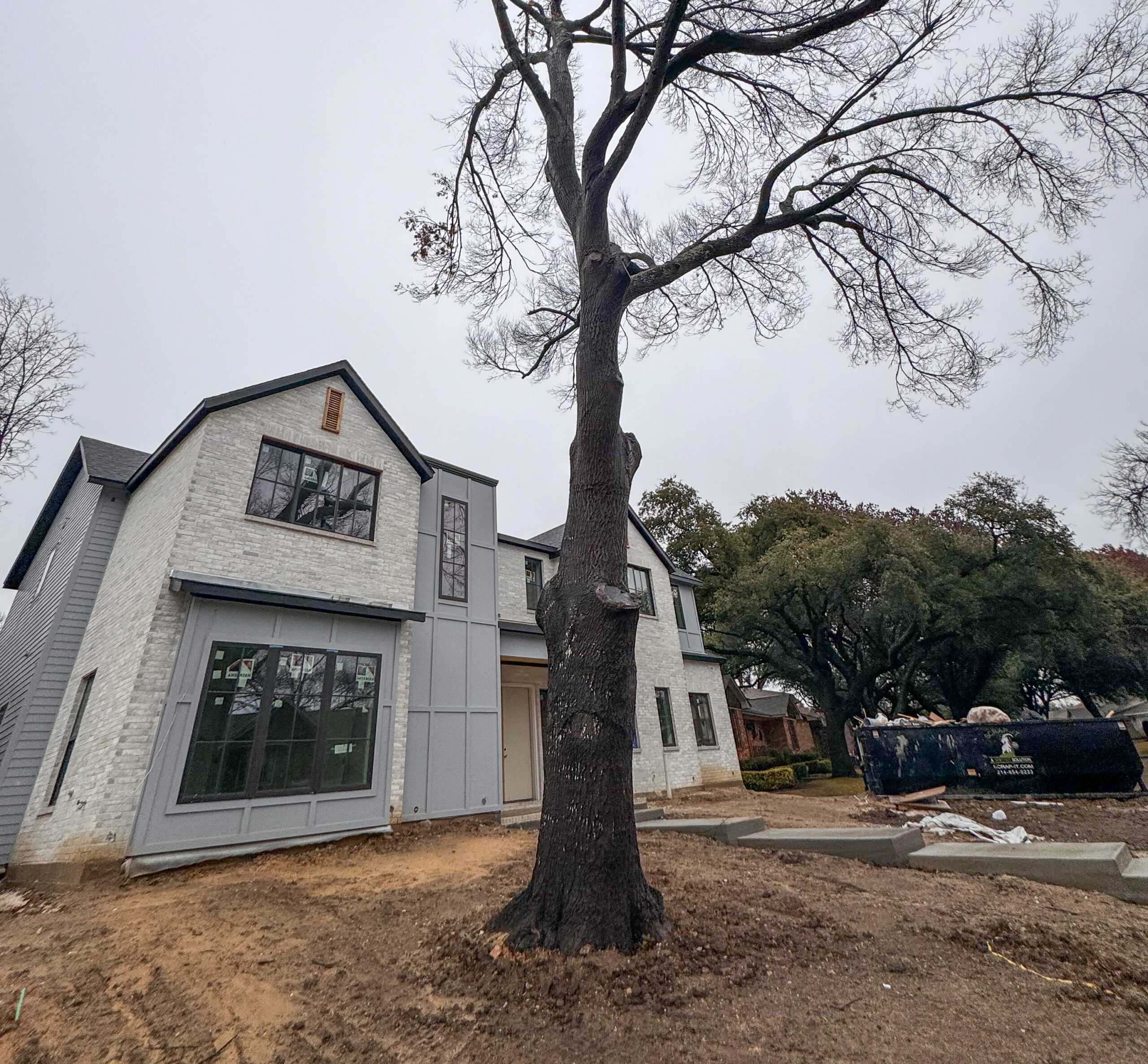
Avoid Costly Mistakes with Your Trees During Construction Projects
When planning for a rebuild or renovation of your home one thing that consistently gets overlooked is proper tree protection. Trees are living organisms that need to be protected and accounted for prior to construction…
Read more
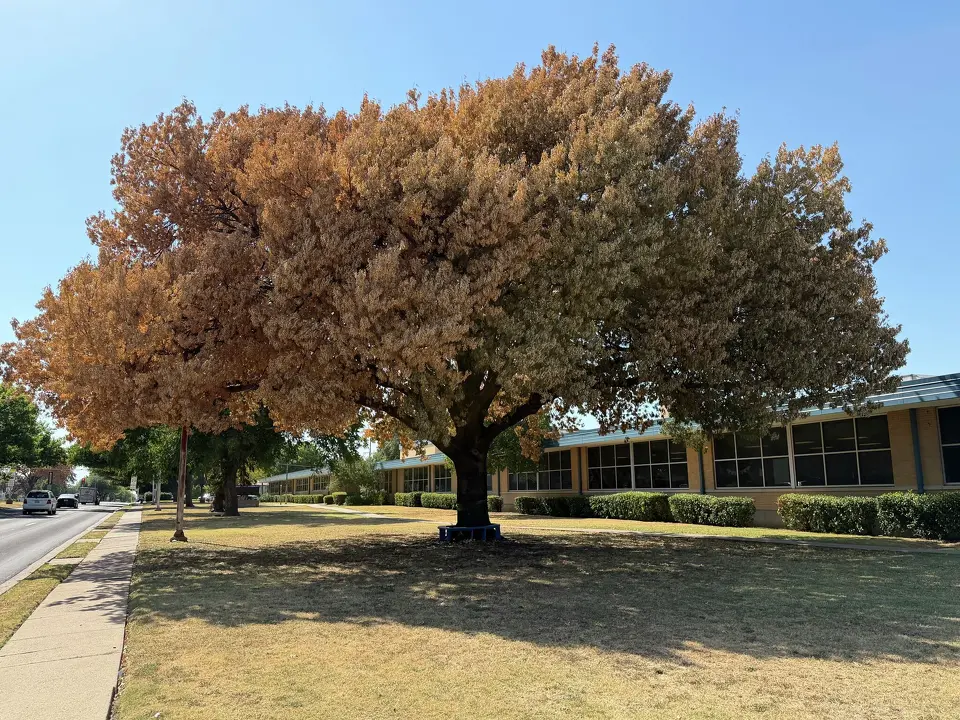
The Dallas Morning News | Constant State of Stress
We spoke with The Dallas Morning News about heat stress and what North Texans can do to help their trees recover. “Here in Texas, we go through these droughts all the time,” King said. “This…
Read more
Why do Some Live Oak Produce Root Sprouts and What to do About it?
Root sprouts, sometimes referred to as suckers, are new growths that emerge from the roots of Live Oaks. These are typically a response to certain environmental conditions or stress factors that the tree is experiencing.…
Read more