Ask Texas Tree Surgeons: Do I Need to Worry About the Emerald Ash Borer? [UPDATED]

Another installment in our series of posts where Texas Tree Surgeons answers your tree questions. Are you having problems with your trees and want to know what’s wrong? Let us know!
Dear Texas Tree Surgeons,
I’ve been hearing about the emerald ash borer, and it seems pretty serious; should I be worried?
-J.G.
You may have seen recent media coverage of the discovery of the emerald ash borer (“EAB”) in Texas. The emerald ash borer (Agrilus planipennis) is a small, green beetle that feeds on ash trees. Though native to Asia, EAB first appeared in North America in 2002. In 2016, EAB was found in northeast Texas. In July 2017, suspected EAB specimens were found in Tarrant County. In early December 2018, the Texas A&M Forest Service confirmed that several ash trees near Eagle Mountain Lake had been killed by EAB infestation. In May 2020, Texas A&M confirmed presence of EAB in the Denton area.
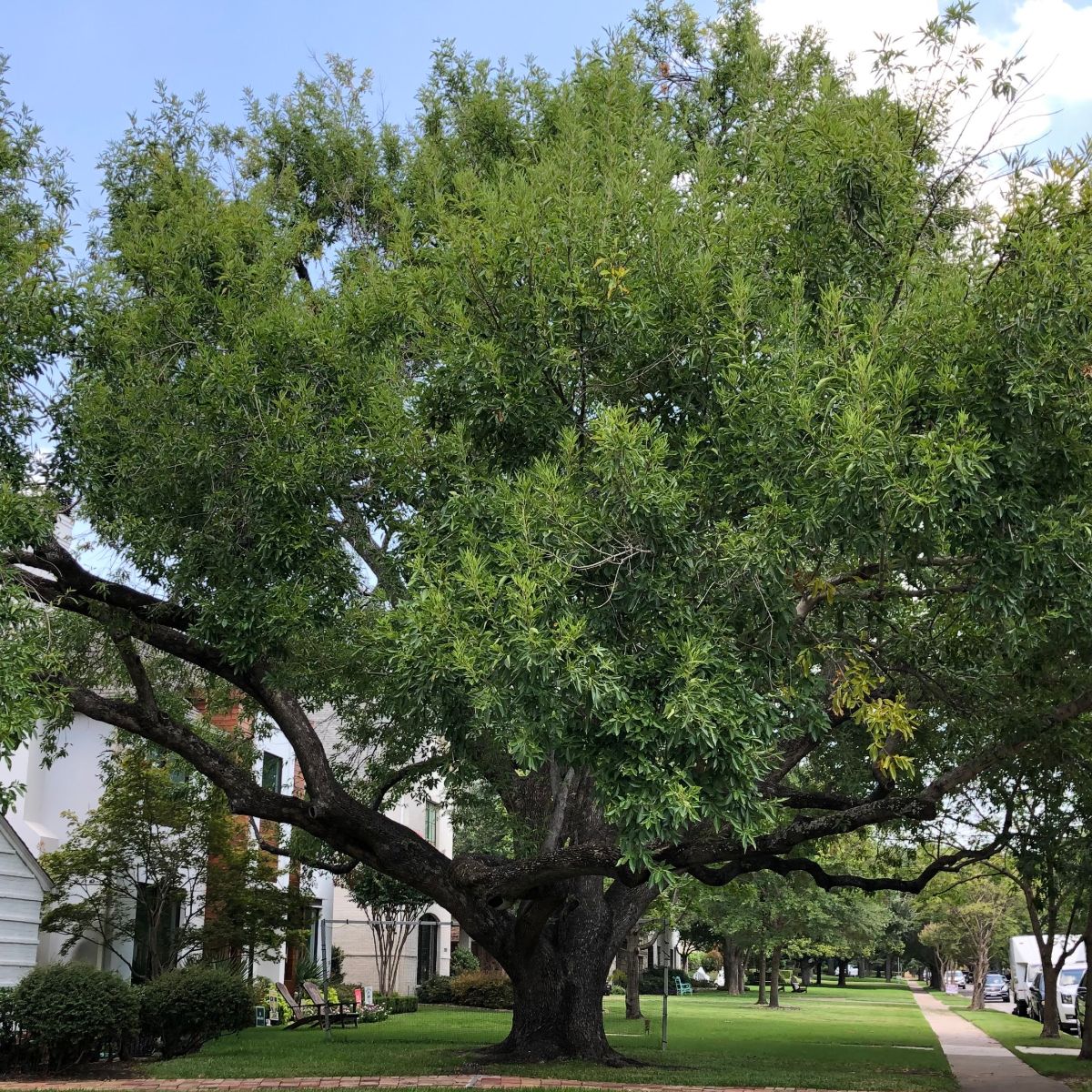
Ash trees can grow quite large and provide valuable shade.
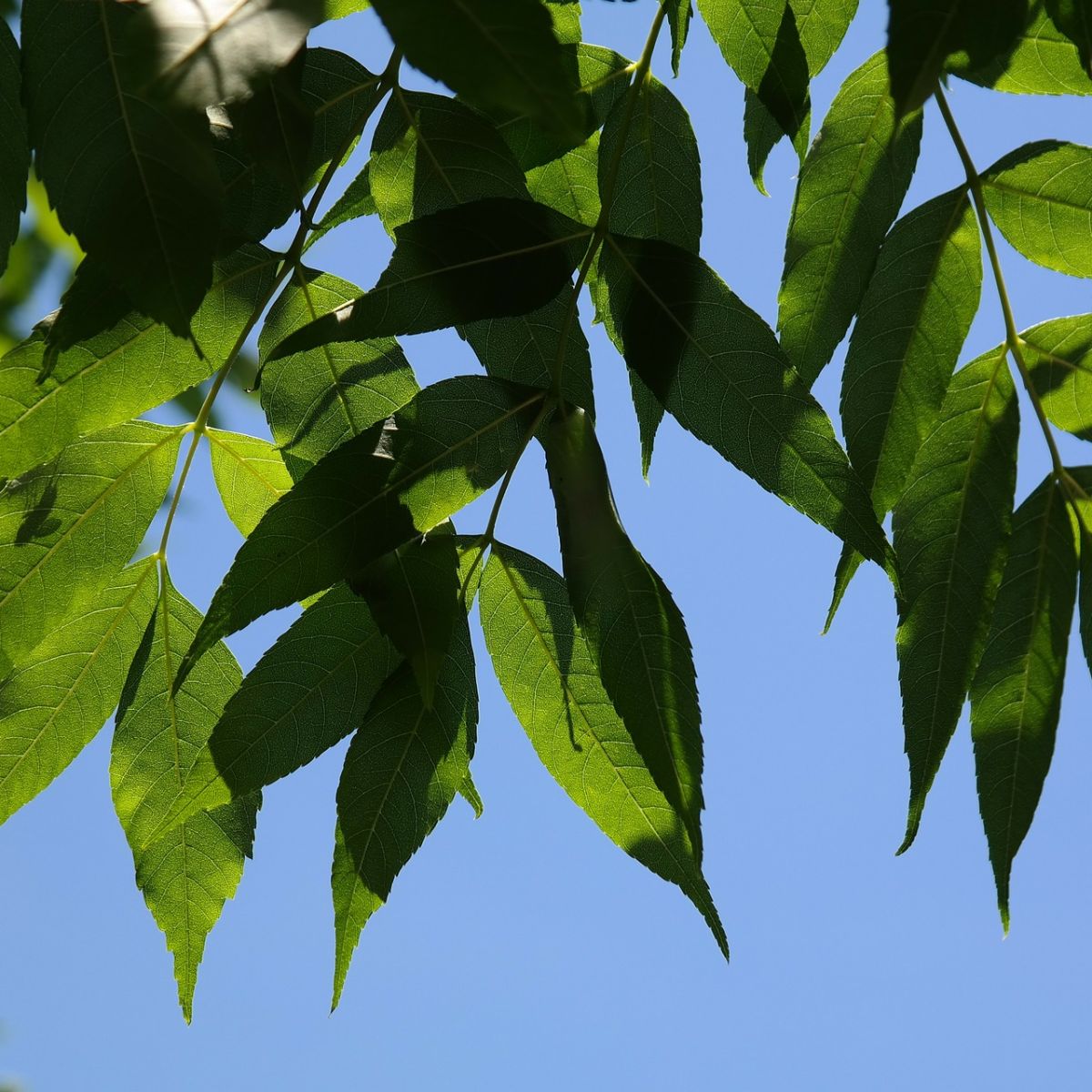
Ash trees have slender leaves that are often mistaken for pecan leaves.
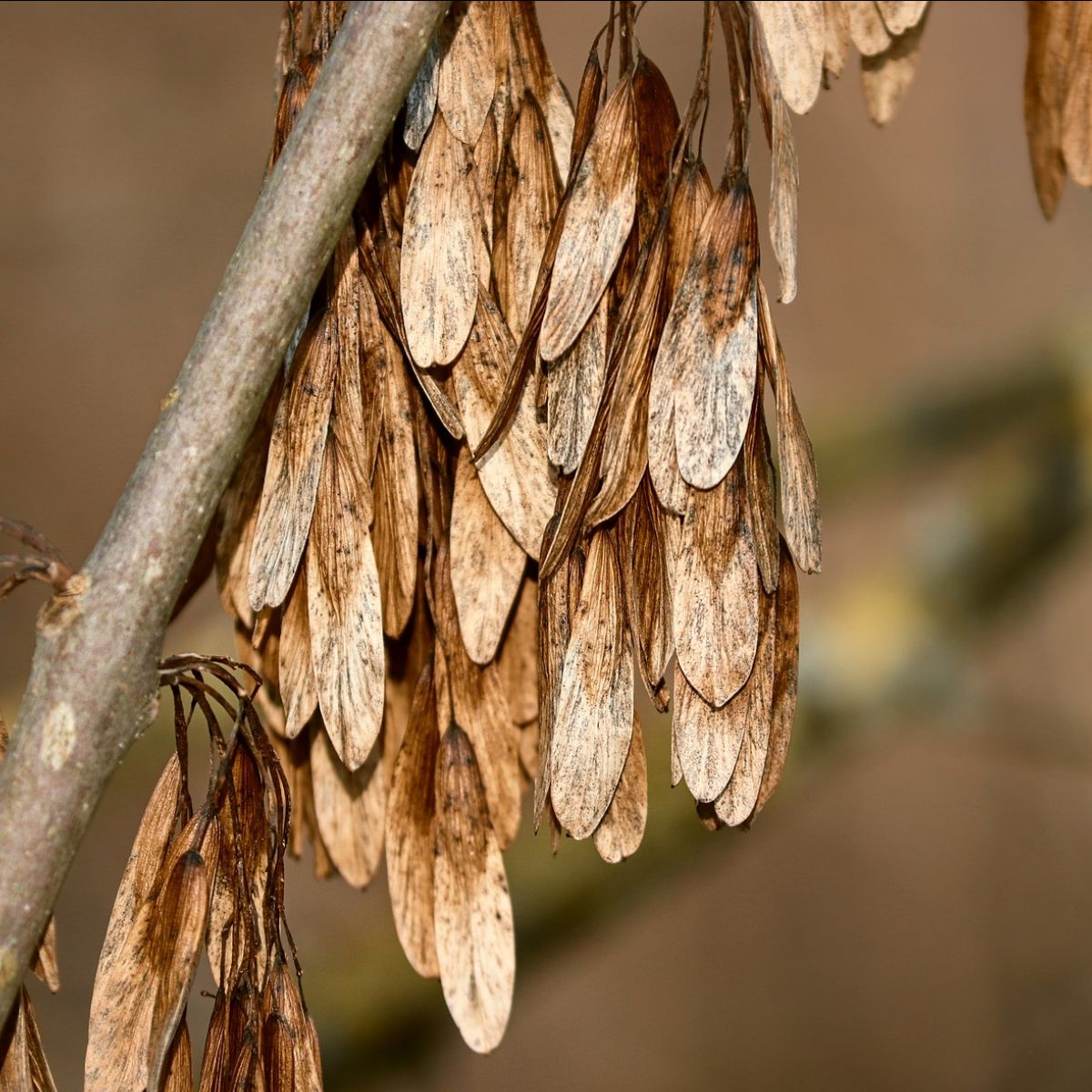
Ash trees are known for their seeds which drop in the fall, spiraling to the ground.
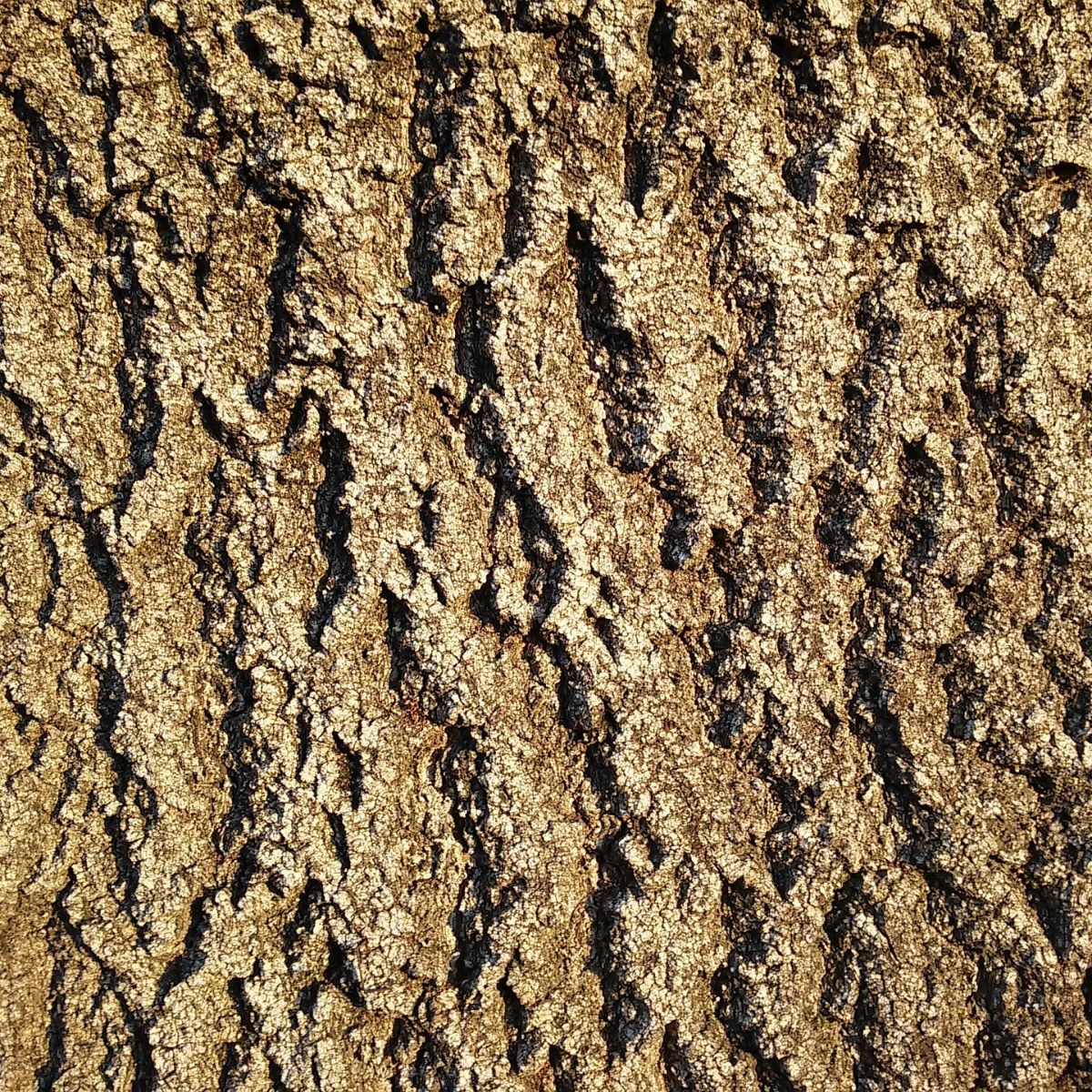
Ash bark is light brown with vertical ridges.
Should I be Concerned About Emerald Ash Borer?
The threat from EAB is a serious one, as ash trees make up between 5-13% of the DFW urban forest, and are important providers of shade and clean air. If you do have ash trees, however, EAB infestation can be prevented.
Emerald Ash Borer Prevention Tips
- If there are diseased or damaged ash trees, consider removal before they have a chance to be infested.
- If there is EAB activity within a few miles, consider preventative systemic insecticide treatment.
- Keep an eye out for signs of EAB activity:
- Dead/dying branches in upper crown
- Shoots/suckers along trunk
- Splitting bark with insect trails underneath
- Increased woodpecker activity
- D-shaped exit holes
Can Emerald Ash Borer be Treated?
Unfortunately, once an ash tree has been infested by EAB, there is little that can be done. Insecticide treatments can help slow the decline of the tree, but once more than 50% of the canopy is gone, treatments are not effective. EAB generally kills infested trees in two to five years.
So, yes, the emerald ash borer is a serious threat to ash trees, but education and awareness now can help mitigate its effects. If you have ash trees, take note of their appearance, and contact your arborist if you see any signs of decline. If you don’t have any ash trees, you do not need to worry about EAB at all.
For more information on EAB, visit the Texas A&M Forest Service. For help identifying your trees, visit Trees of Texas.
At Texas Tree Surgeons, we love trees and we love our community! The spread of emerald ash borer, while a threat to a small percentage of North Texas trees, is a threat that we can all help to fight against. If you have ash trees or know someone who does, let us know, and one of our ISA Certified Arborists will be happy to evaluate the trees for EAB risk factors and provide options to keep them safe and healthy.
 PREV BLOG
Related Blogs
Similar blogs related to this topic

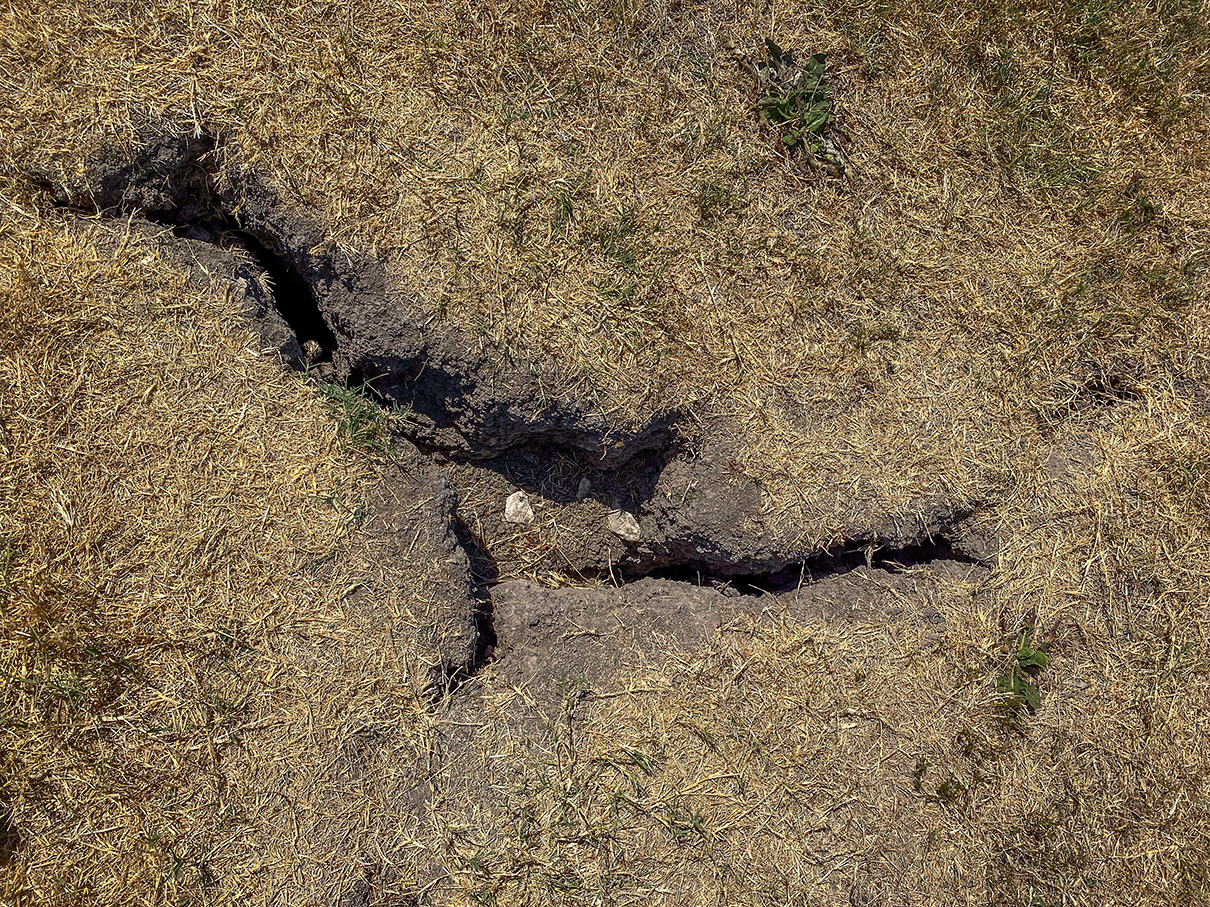
Post-Drought Tree Care for North Texas
The drought may be over, but the stress on your trees isn’t. After prolonged heat and drought, trees can continue showing signs of stress well after rainfall returns. Fine-root loss, compacted soil, reduced water absorption,…
Read more
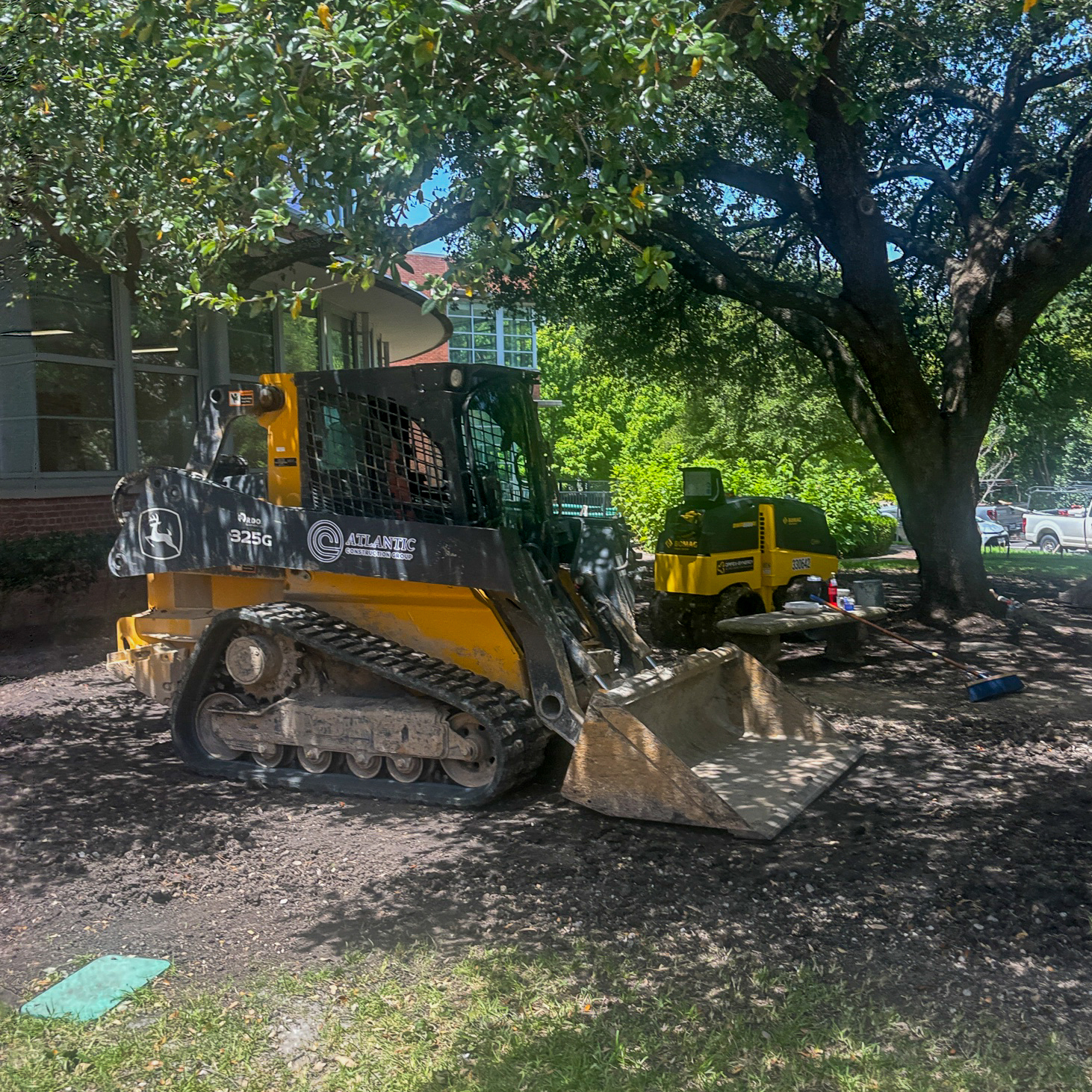
Is There Anything you can do to Correct Compaction Issues Caused by Construction?
Correcting soil compaction requires a combination of physical loosening of the soil (aeration), biological improvement (microorganisms), continued protection. Vertical Mulching Mechanical / Physical Solutions Mechanical/Physical solutions are usually the quickest way to break up severely…
Read more
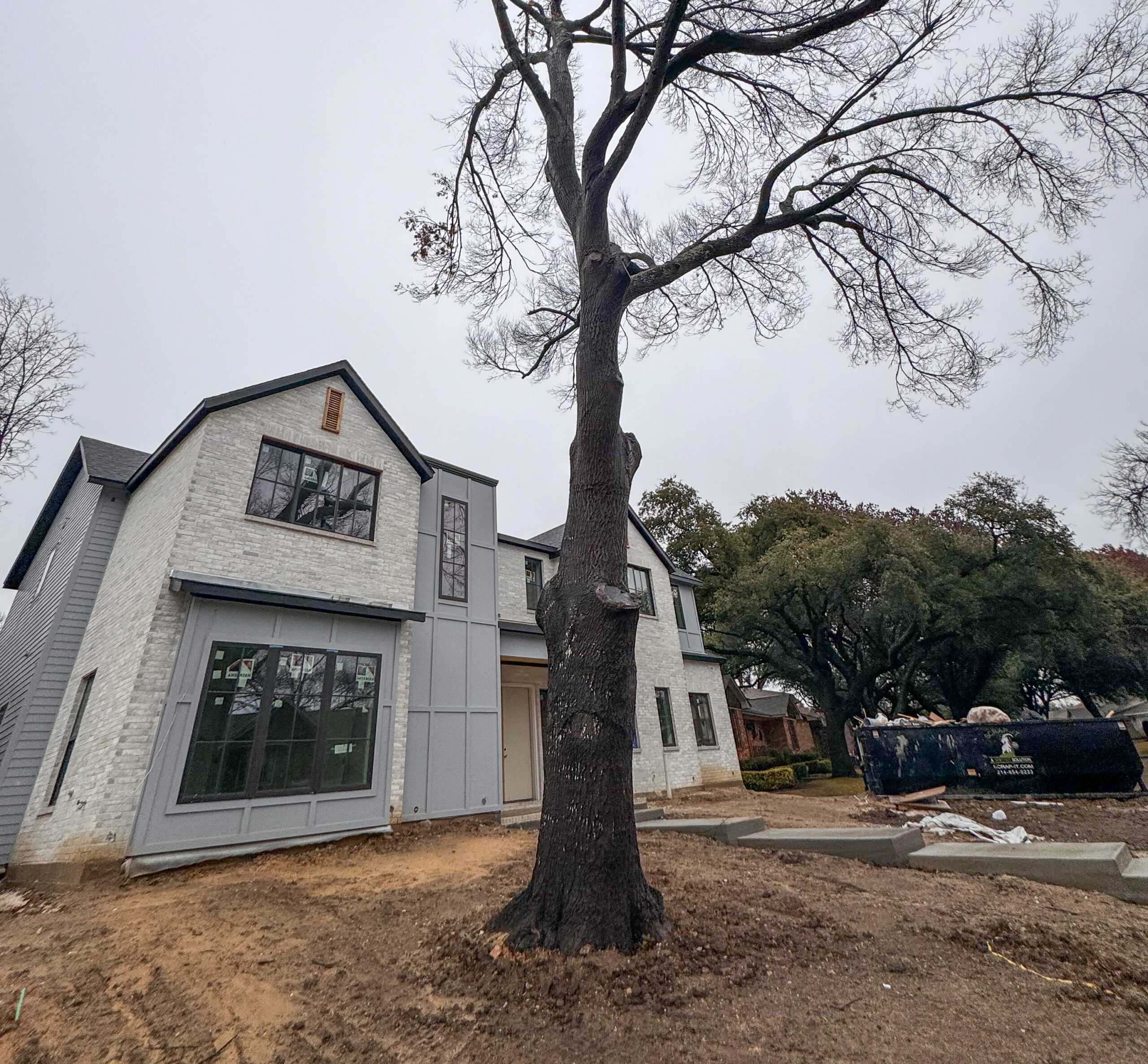
Avoid Costly Mistakes with Your Trees During Construction Projects
When planning for a rebuild or renovation of your home one thing that consistently gets overlooked is proper tree protection. Trees are living organisms that need to be protected and accounted for prior to construction…
Read more