How Do I Find Out What Disease My Tree Has?

At Texas Tree Surgeons, we love trees and we love our customers, and we have created a series of articles covering tree basics. If you have a specific tree question, let us know!
While many plant and tree diseases are commonly seen and can be accurately diagnosed by visual inspection, there are cases where further testing is required. In Texas, the Texas A&M AgriLife Extension Service runs the Texas Plant Disease Diagnostic Laboratory, which is tasked with analyzing plant samples sent in from all over the state. When there is a question as to the particular pathogen affecting a tree, or when further treatment recommendations are needed, we advise our customers to submit a sample to the TPDDL.
The process of sample submission can appear daunting at first, but is actually fairly simple. There are three main steps:
- Collecting a sample
- Completing the form
- Packaging and shipping
1. Collecting a Sample
When collecting a sample for submission, there are a few guidelines that should be followed. In general, it is important to get a live sample, if possible. Clip off the part of the tree that is showing the worst symptoms, like the ends of branches with leaves attached. If there is a potential for root contamination, dig up a few small roots from near the tree trunk, along with some of the surrounding soil. For fruiting or flowering trees, be sure to get some not-yet-fallen blossoms or fruit, if they are showing signs of an issue, as well.
Certain diseases, such as Oak Wilt or Dutch Elm Disease, require specific sample types. The TPDDL submission form has instructions for these cases.
2. Completing the Form
Filling out a form may not seem like a challenge, but for those unfamiliar with the TPDDL diagnostic process, there may be some information that needs to be gathered beforehand. Additionally, we have a few tips and recommendations to avoid confusion and get the most benefit out of the TPDDL analysis.
Click here to download a copy of the form as a PDF. There are instructions on the second page, and some helpful descriptions below.
Submitter Information
 This is the contact info for the person actually sending in the form and sample. Make sure to indicate that you are the “Homeowner” or other category at the bottom.
Grower/Sample Location Information
 For most tree owners, this will be the same as the Submitter Information. It is extremely important to make sure that the address under this section is where the tree or plant is actually located. An accurate location is essential for disesase tracking.
Result Options
 We recommend receiving results via email, as this is the quickest method. If there is a third party, such as your arborist, to whom you would like the results sent, indicate that here.
Sample and Diagnosis Information
 This can be one of the most daunting parts of filling out the form. You may not know all the information about your sample. It is important to fill in as much as you do know, so that proper recommendations can be made by the TPDDL.
For help identifying your trees, you can always contact your arborist. If you have a lawn service, ask them to see if they have applied any chemicals near the affected tree. Be sure to indicate watering practices, as well.
It is a good idea to send a copy of your results to your county AgriLife Extension Agent. This person is tasked with tracking plant health issues at the county level. If you would like to get in touch with your Agent, you can fine more information here.
Finally, if you have any other information that might be helpful, feel free to provide that here or attach a separate page.
Charges and Specific Diseases
 If you are submitting a sample on your own, you may not have a specific disease in mind, and just want to know what’s wrong with your tree. However, you may have information from an arobirst or other plant health care professional who recommended sample submission. If you are not sure what to select, leave everything blank, and the TPDDL will perform a basic test. If they determine that further testing is required, they will conduct those as well. If you have been instructed by your arborist to get a test for a specific disease, indicate that here.
Fees and Billing
 The TPDDL is supported by state of Texas funds, but does charge a fee for its services. The stardard diagnosis charge (as of December 2018) is $35 per specimen (individual plant/tree). Additional tests carry additional charges (see above). Make sure to include payment for the basic diagnosis and any opther services selected. If further testing is needed, the TPDDL will send a bill for any additional charges. If you do not wish to have any further testing done beyond the basic diagnosis, indicate that in the Comments or on the back of the form. However, an accurate diagnosis and management recommendations may not be possible without more specific tests.
If you have any concerns about the submission fees, contact your local AgriLife Exstension office.
3. Packaging and Shipping
It is critical to pack and ship your sample appropriately, to enable the TPDDL to conduct their analysis. Certain samples require special preparations, but for most submissions, all you need are some zip-top bags and basic packing material.
- Send live samples only.
- If the sample cannot be sent immediately after collection, be sure to keep it refrigerated.
- Pack each sample type in a separate plastic bag.
- Any soil or roots should be kept separate from leaves/branches and fruits/flowers.
- Do not put anything else in the sample bags.
- Do not put any excess moisture, paper towls, or submission forms.
- Enclose submission forms in a separate plastic bag.
- This helps keep the forms from getting damaged by sample leakage.
- Pack all materials in a sturdy shipping box.
- Do not use only an envelope, as the samples may be damaged.
- Use recycled newspaper if you need extra padding.
- Use expedited shipping if possible.
- The TPDDL is open during normal business hours, Monday-Friday; consult their website for any scheduled closures.
- Overnight shipping is usually the best option.
When Should I Expect My Results?
Depending on the season, results can come in as little as two weeks, but may take longer. The fall and spring are high submission times, and can lead to some delays. Additionally, certain tests take time to perform. If you have any questions about specifc turnaround time, contact the TPDDL.
What Will I Get Back from the Lab?
Once the testing is complete, you will receive a results report in the way you indicated on the form. You will not receive any of the samples or packing materials back. The results form indicates what tests were done, what the findings were, and what management steps are recommended.
Click here for a sample results report, and see the explanations below.
Specimen Number
 This is the lab-assigned number for each specimen submitted. This number should be used in any correspondence to the TPDDL about your submission.
General Sample Notes
 Here, the TPDDL will confirm the submitter information and provide any general notes about the sample.
Testing Overview
 long with the dates the sample was received and processed, this section will indicate the TPDDL employeee responsible for your testing (diagnostician) as well as what types of tests were perfomed.
Diagnosis/Recommendations
 This is the most important section of the lab report. Here, the diagnostician will list one or multiple diagnoses for the problems observed on the samples submitted. This information should be passed on to your arborist.
Additionally, the TPDDL will include management recommendations. These may include regulating moisture, temperature, and drainage. The lab may also recommend removal of all or part of the infected plant as well as application of fertilizes or a pesticide formulated to combat the particular pathogen. Please note that, while these recommendations are helpful, they may not be applicable to your particular situation. A certified arborist can examine the tree on-site and, along with the TPDDL results, make a complete diagnosis.
What do I do now?
The TPDDL testing results and recommendations will give you a starting point for managing a sick of stressed tree. Some steps, such as modifying watering schedules, need to be undertaken by the tree owner. Others, such as application of recommended pesticides, must be performed by a licensed professional. Once you have your results from the lab, contact a certified arborist to discuss the best way to proceed.
At Texas Tree Surgeons, we love trees and we love our customers, and we believe that the more people learn about their trees, the better we can serve our community. We hope this article has helped answer your questions about stump grinding and what your options might be. If you have any specific questions, let us know, and we’ll be happy to send an arborist out to evaluate your needs and offer our suggestions and expertise.
 PREV BLOG
Related Blogs
Similar blogs related to this topic
Top 10 Reasons Why Your Tree is Dying
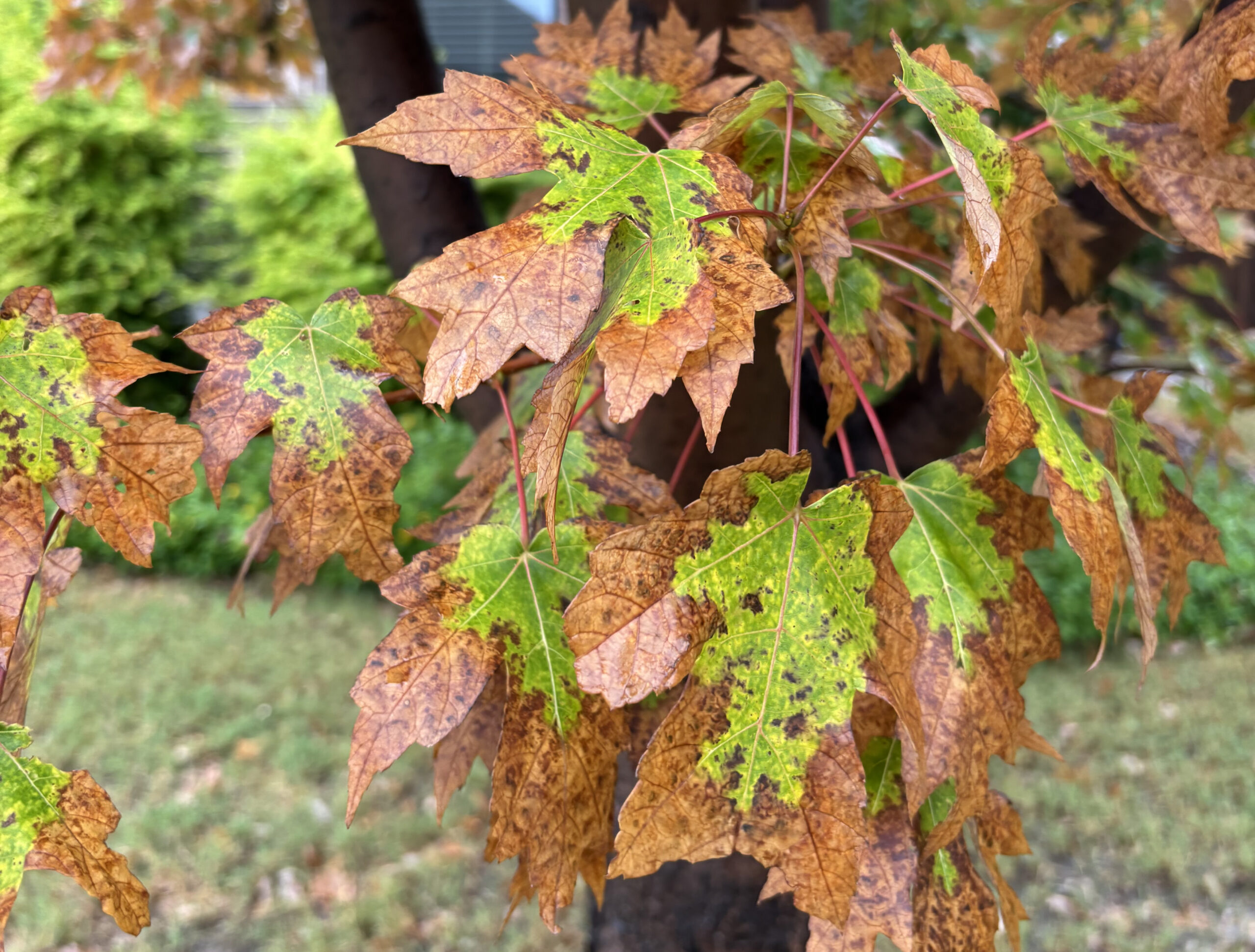
Trees are tougher than they look, but even healthy trees can struggle when stress builds over time. In North Texas, factors such as drought, poor soil conditions, root damage, pests, and improper maintenance can gradually…
Read more
Leaning Trees Post Heavy Rain
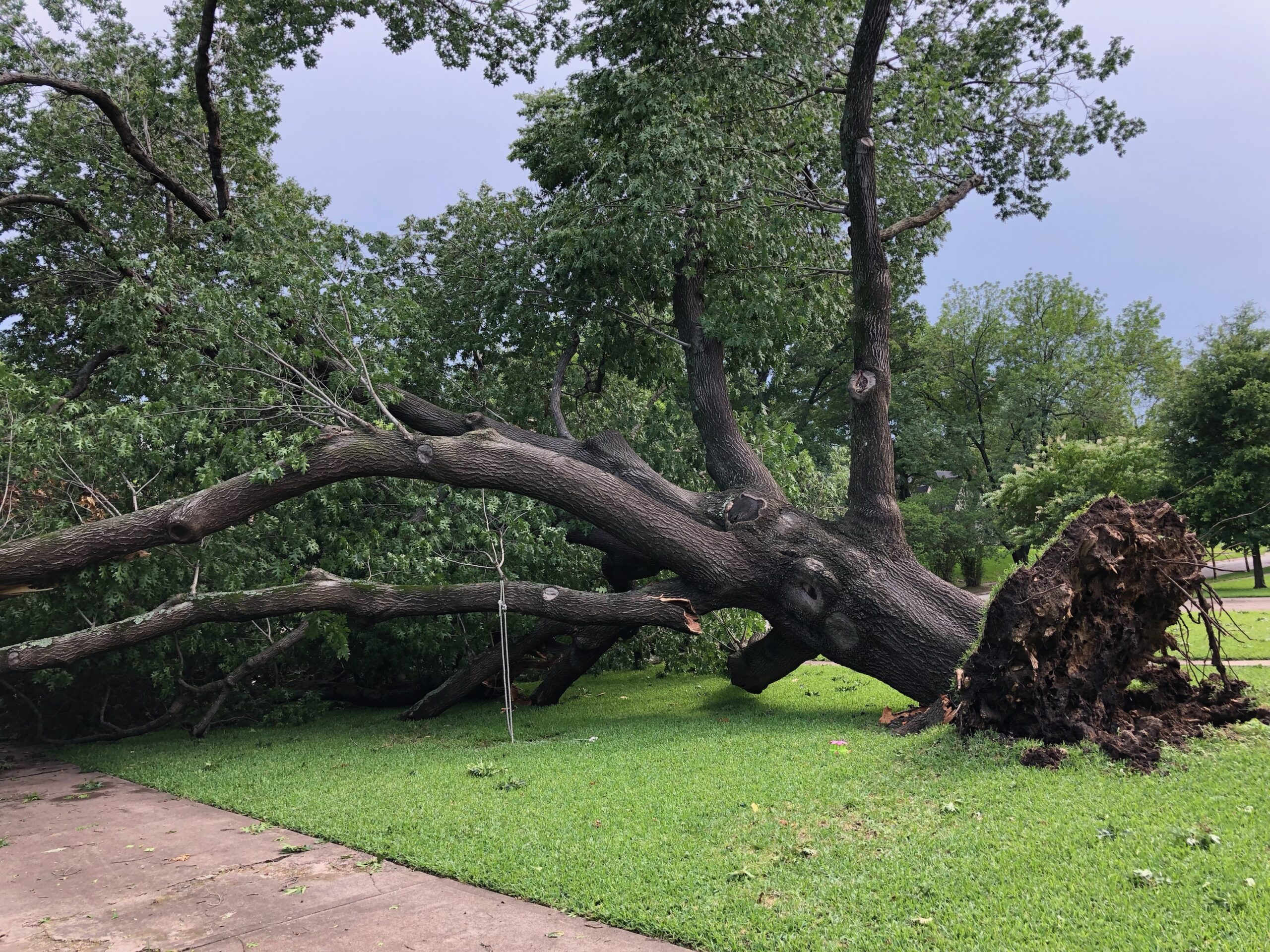
Heavy rain followed by long period of drought can cause significant shifting in our soils. This can be concerning for trees that have shallow roots. Heavy Rain Doesn’t Mean Tree Failure Healthy trees that are structurally…
Read more
Is There Anything you can do to Correct Compaction Issues Caused by Construction?
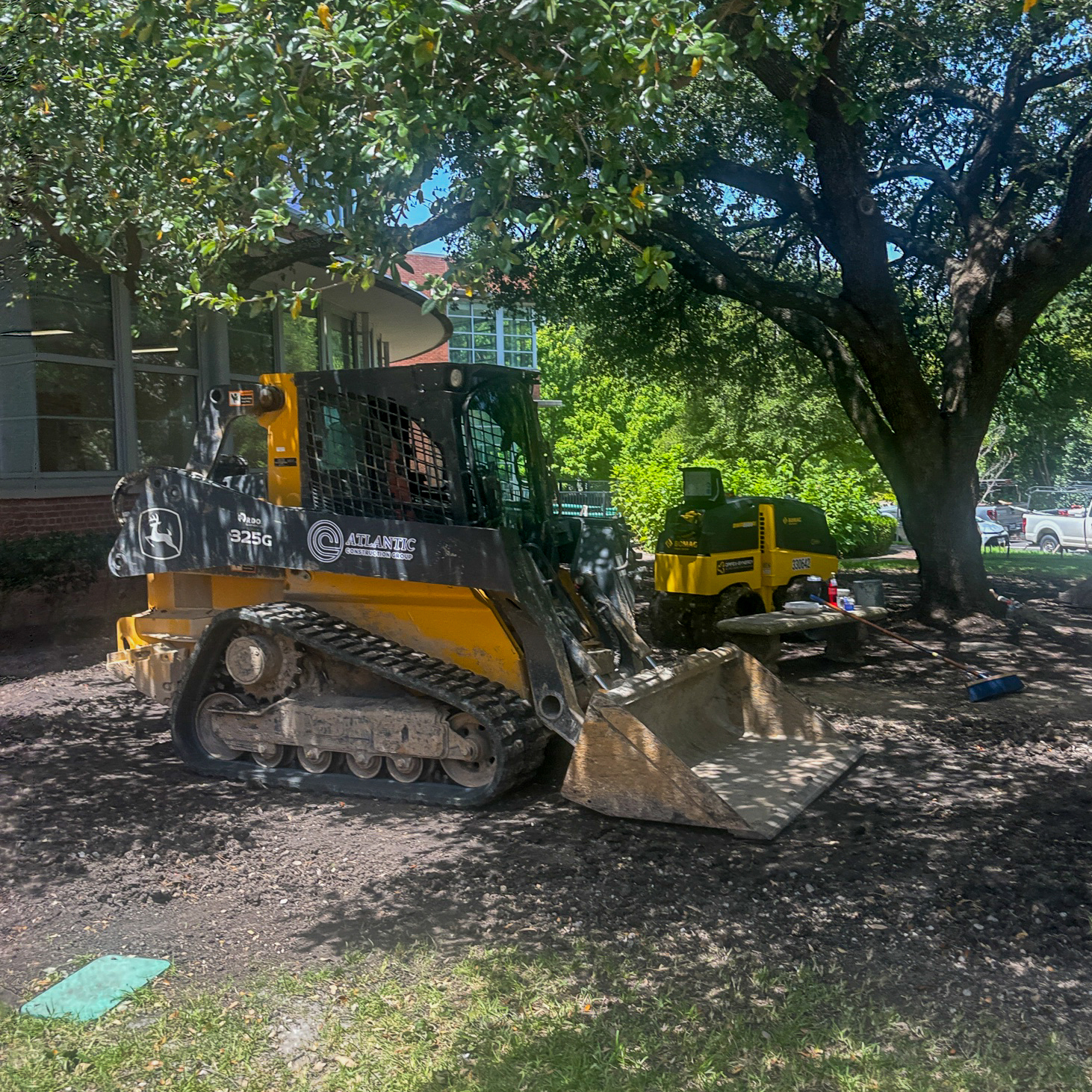
Correcting soil compaction requires a combination of physical loosening of the soil (aeration), biological improvement (microorganisms), continued protection. Vertical Mulching Mechanical / Physical Solutions Mechanical/Physical solutions are usually the quickest way to break up severely…
Read more