Signs of Over Watering Newly Planted Tree
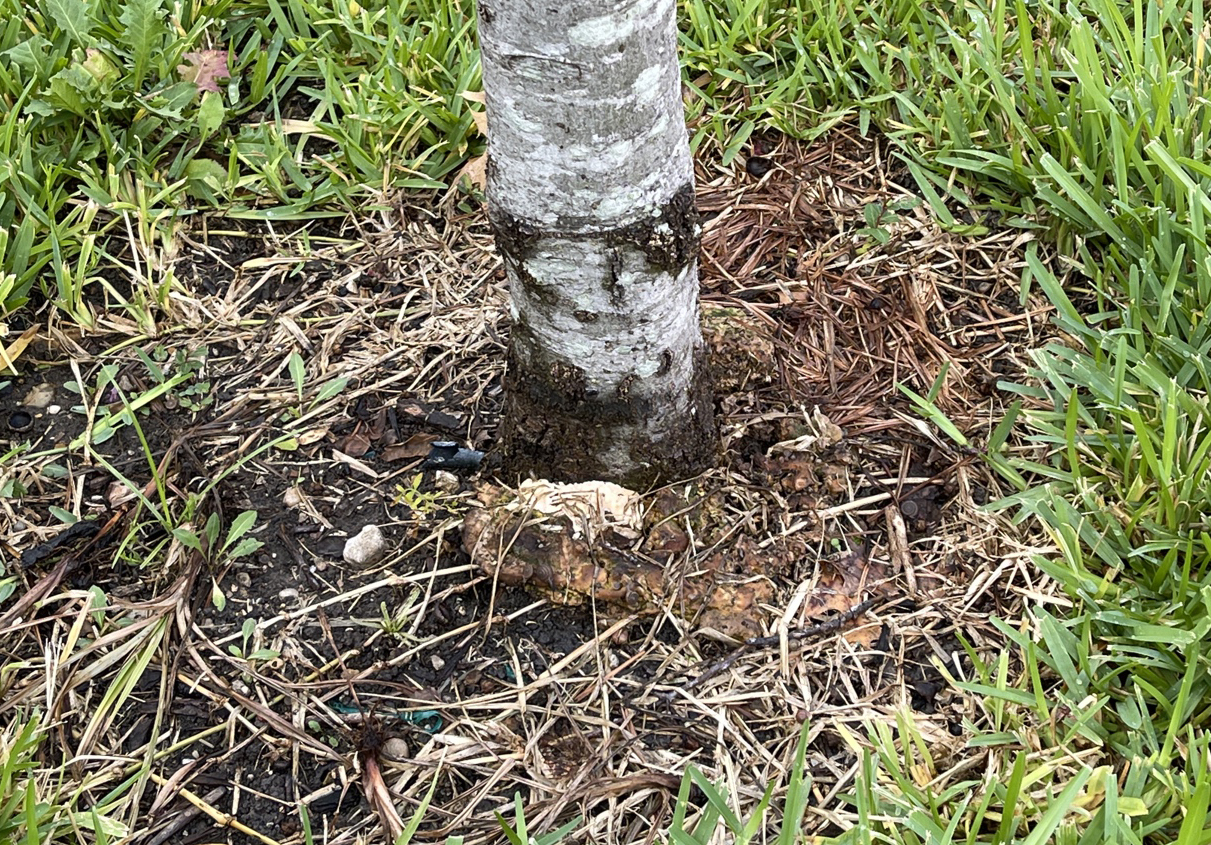
Over watering damages tree just like under watering. This is especially true for newly planted trees. Unfortunately watering new trees is not a set it and forget it type of care. Depending on rainfall, temperature, and season will determine how much water your newly planted tree will need.
How to Tell if Your Tree is Being Over Watered
If your soil is soggy not moist then you are over watering.
The best way to describe what you are looking for is what you want in a cake. Not dry or undercooked. While baking people use a skewer to check moisture and to avoid over or under cooking.
You can test your soil the same way, using a screw driver or anything that can easily penetrate the soil to check for dryness. Moisture meters are also a great tool to definitively measure moisture levels.

Watering: Consistent and Deep
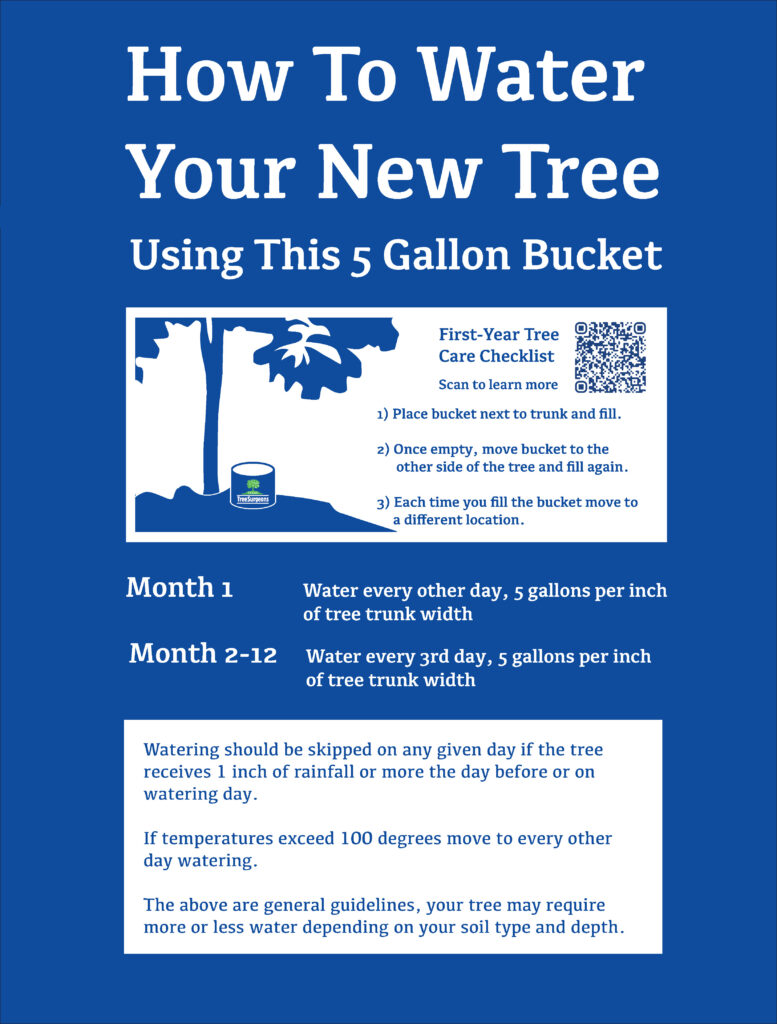
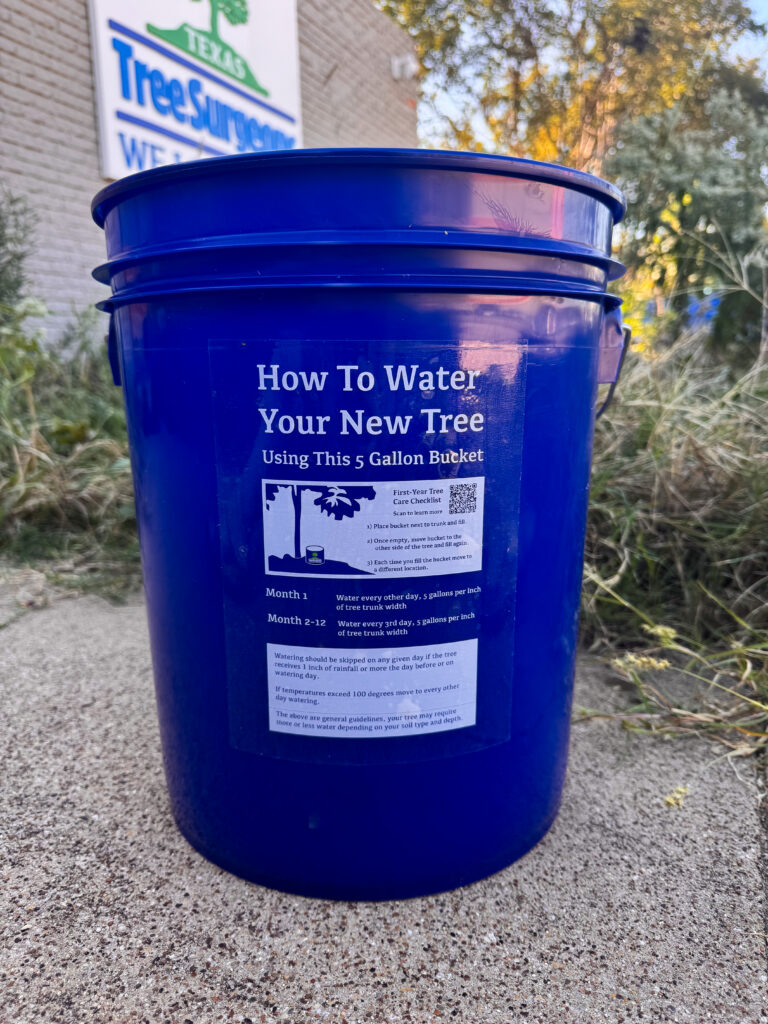
Newly planted trees don’t yet have the established roots to gather enough water on their own. The first year is critical for helping them develop strong, deep roots. Your watering schedule should adjust with the seasons:
- First 4–5 Weeks: Water every 3–5 days to keep the soil around the root ball consistently moist but not soggy. This helps the tree settle in after planting.
- Spring & Fall: Shift to a deep soak once or twice per week, depending on rainfall. Cooler weather reduces stress, but trees are still actively growing roots.
- Summer: The toughest season for young trees. In hot Texas summers, you may need to water every other day, especially in sandy soils that dry out quickly. Clay soils hold more moisture, be sure to check regularly. Signs of stress include wilting leaves, browning edges, or early leaf drop.
- Winter: Even when dormant, trees need water. Provide a deep soak every 2–3 weeks if rainfall is lacking, with special attention to evergreens that continue losing moisture year-round.
Deep watering is critical. A long, slow soak allows water to penetrate the soil deeply, reaching the roots that will anchor the tree and support its growth for years to come. Shallow, frequent watering only wets the top layer of soil, which encourages weak, shallow roots that are more vulnerable to drought and wind.
Soaker hoses, drip irrigation, or letting a hose trickle at the base for 20–30 minutes are all good methods to achieve slow watering. On sandy soils, water may drain quickly and require more frequent soaking, while clay soils hold moisture longer but need even slower application to prevent runoff.
Rule of thumb: Give about 10–15 gallons per inch of trunk diameter per week, spread out over one or two deep soakings rather than daily splashes.

At Texas Tree Surgeons we love trees. Watering trees in North Texas requires understanding the local climate and the specific needs of each tree species. Remember to adjust your watering schedule as seasons change and to monitor the trees’ response to different watering habits. This way, you can enjoy your trees cool shade when you need it most. For more info on how to take care of a newly planted tree please read our additional blogs.
 PREV BLOG
Related Blogs
Similar blogs related to this topic

Top 10 Reasons Why Your Tree is Dying
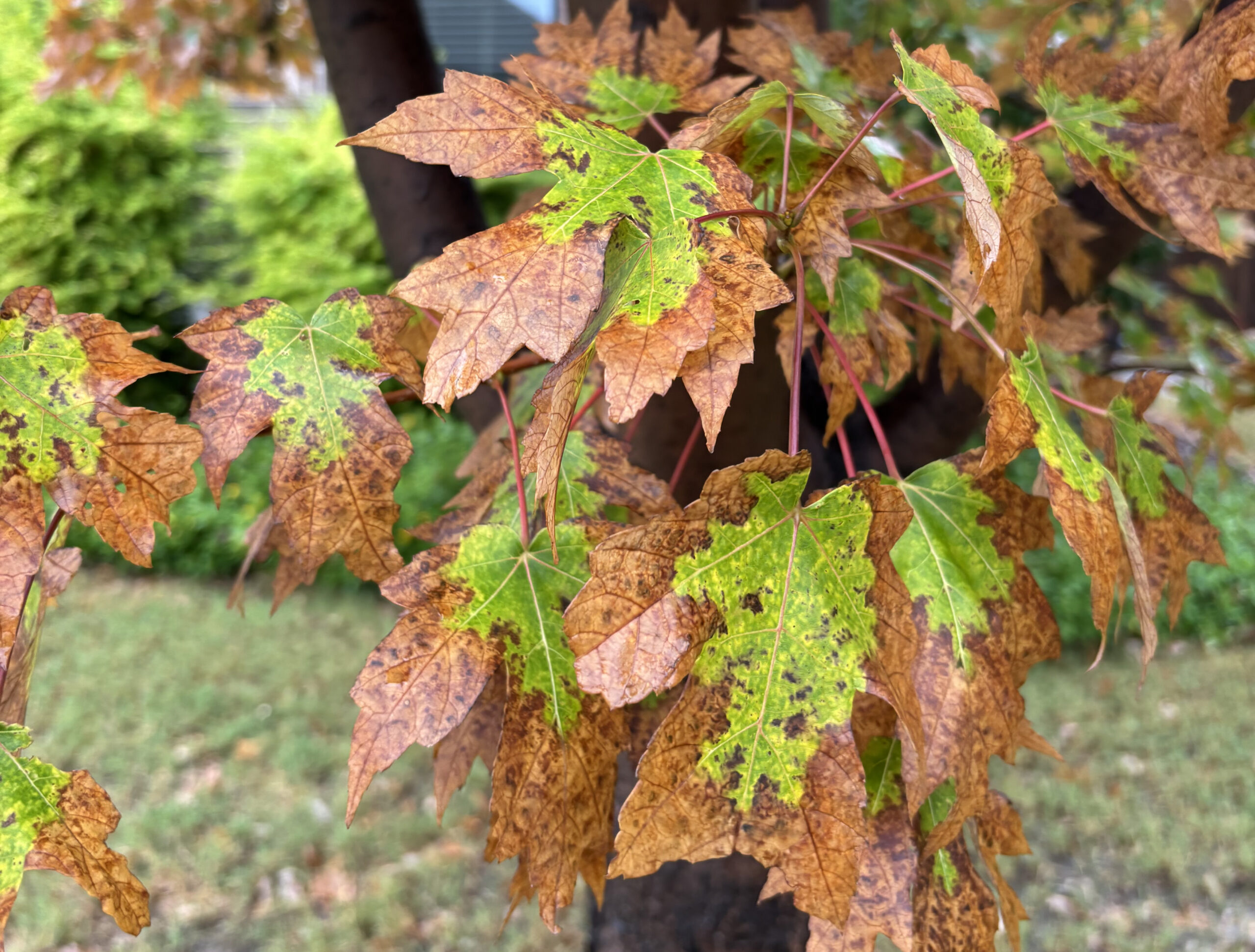
Trees are tougher than they look, but even healthy trees can struggle when stress builds over time. In North Texas, factors such as drought, poor soil conditions, root damage, pests, and improper maintenance can gradually…
Read more
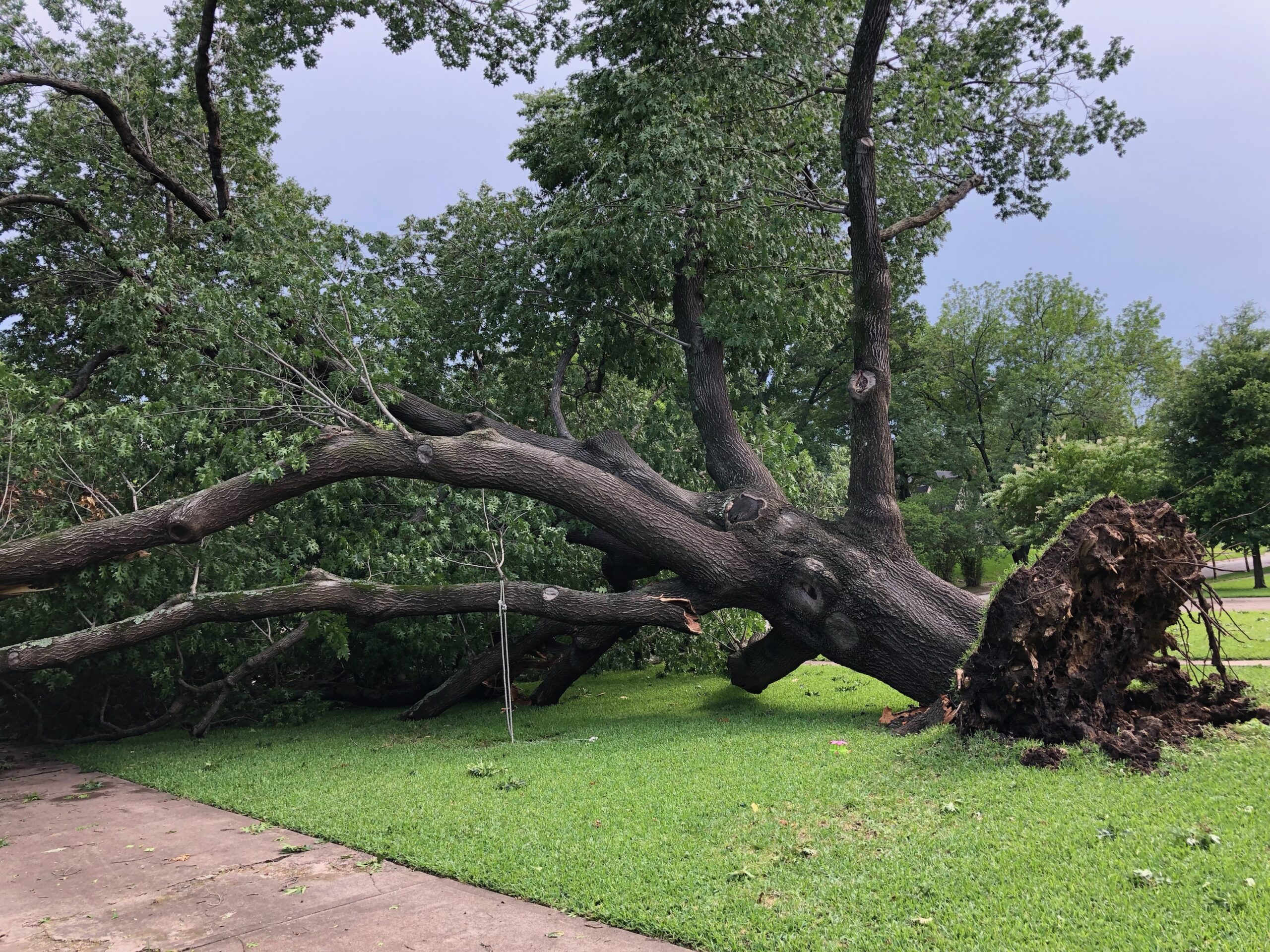
Leaning Trees Post Heavy Rain
Heavy rain followed by long period of drought can cause significant shifting in our soils. This can be concerning for trees that have shallow roots. Heavy Rain Doesn’t Mean Tree Failure Healthy trees that are structurally…
Read more
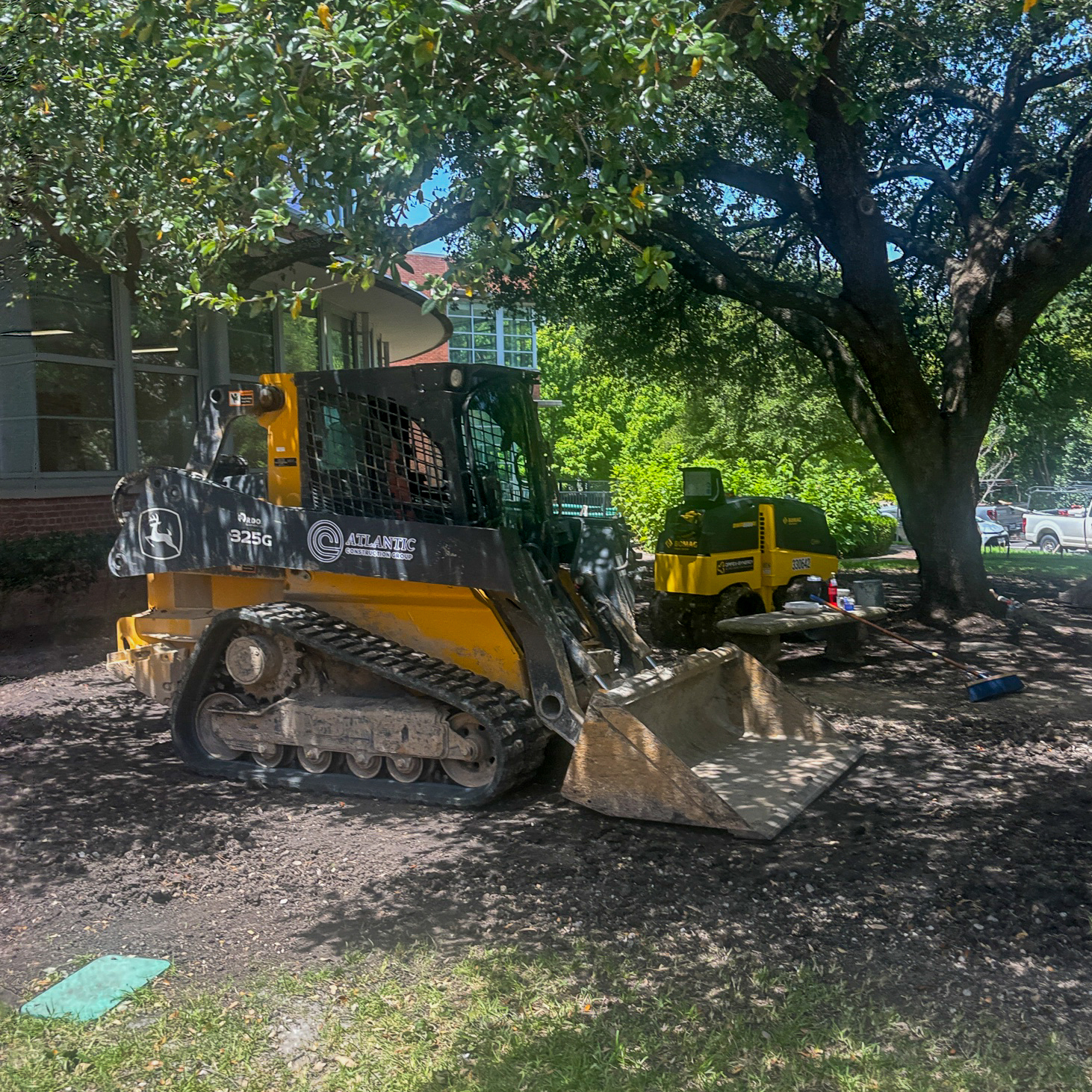
Is There Anything you can do to Correct Compaction Issues Caused by Construction?
Correcting soil compaction requires a combination of physical loosening of the soil (aeration), biological improvement (microorganisms), continued protection. Vertical Mulching Mechanical / Physical Solutions Mechanical/Physical solutions are usually the quickest way to break up severely…
Read more