Pre-Emergent vs. Post-Emergent Weed Control | A Tree-Focused Perspective
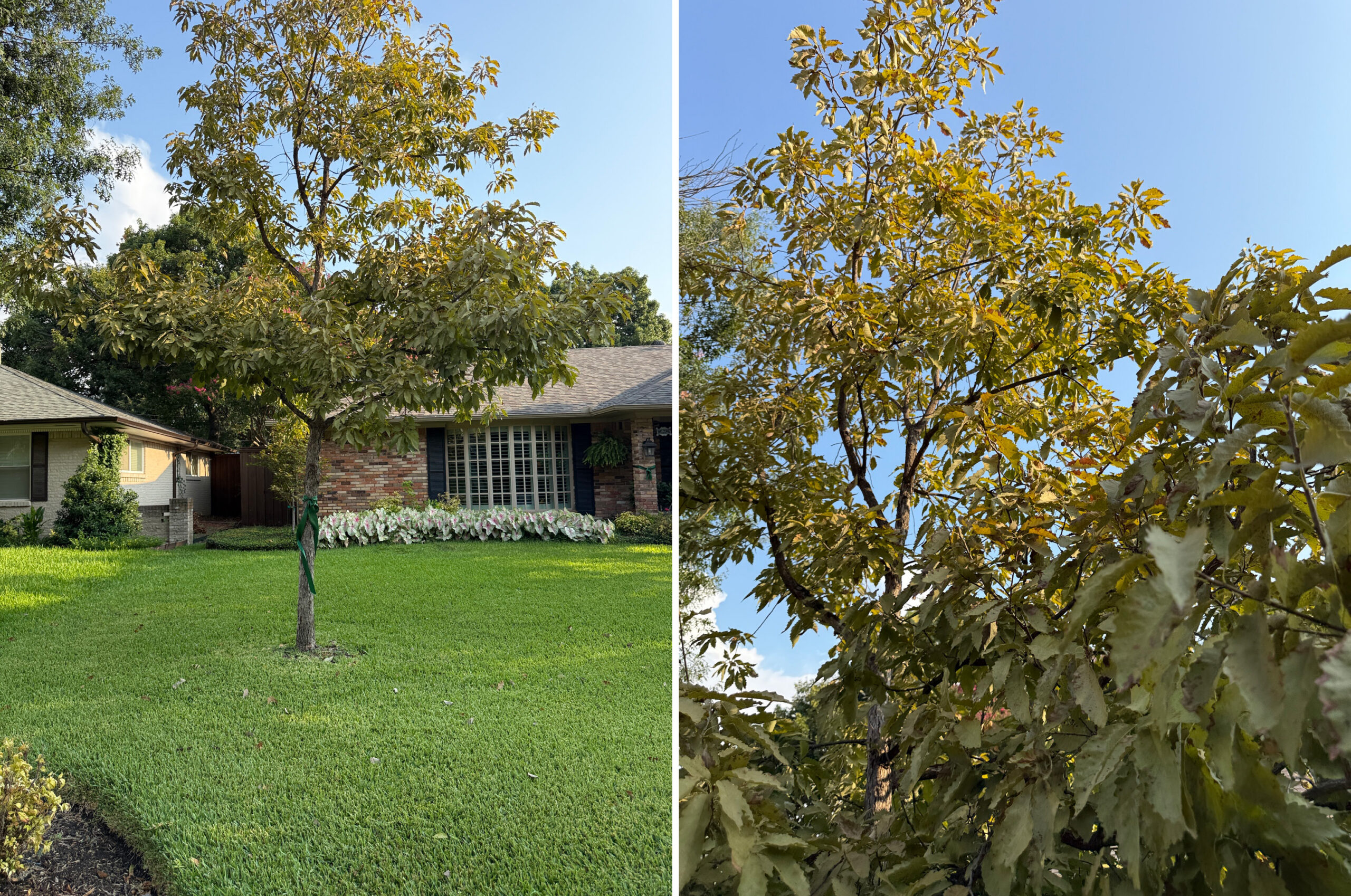
Weed control is a common part of lawn and landscape maintenance, but the methods used can influence tree health – sometimes in ways that are easy to overlook. Pre-emergent and post-emergent treatments manage weeds at different stages, and each approach carries considerations for tree roots, soil systems, and long-term landscape stability.
Understanding how these treatments interact with trees allows property owners to manage weeds while protecting one of the most valuable elements of the landscape – trees.
Understanding Weed Control Through the Lens of Tree Health
Trees rely on extensive, shallow root systems that often extend well beyond the visible canopy. Because these roots share space with turf and weeds, weed control products applied to lawns frequently interact with tree root zones. A tree-focused approach considers not only weed suppression, but also how treatments affect soil biology, moisture balance, and root development.
How Pre-Emergent Treatments Work
Pre-emergent treatments prevent weeds by inhibiting seed germination. When correctly timed, they can reduce weed pressure early in the growing season, helping lawns remain more uniform and lowering the need for repeated corrective treatments.
Why Timing Matters
Pre-emergent must be applied shortly before weed seeds begin to germinate. For many annual weeds, this window occurs in late winter to early spring. Applications outside this timing window are less effective and may result in unnecessary chemical presence in the soil without meaningful weed control benefits.
Tree-Related Considerations with Pre-Emergent Use
Some pre-emergent products remain active in the soil for extended periods, which can influence soil conditions.
Developing root systems, particularly in newly planted or young trees, may be more sensitive to residual chemicals. For this reason, tree age, species, and planting history should be considered before applying pre-emergent near root zones.
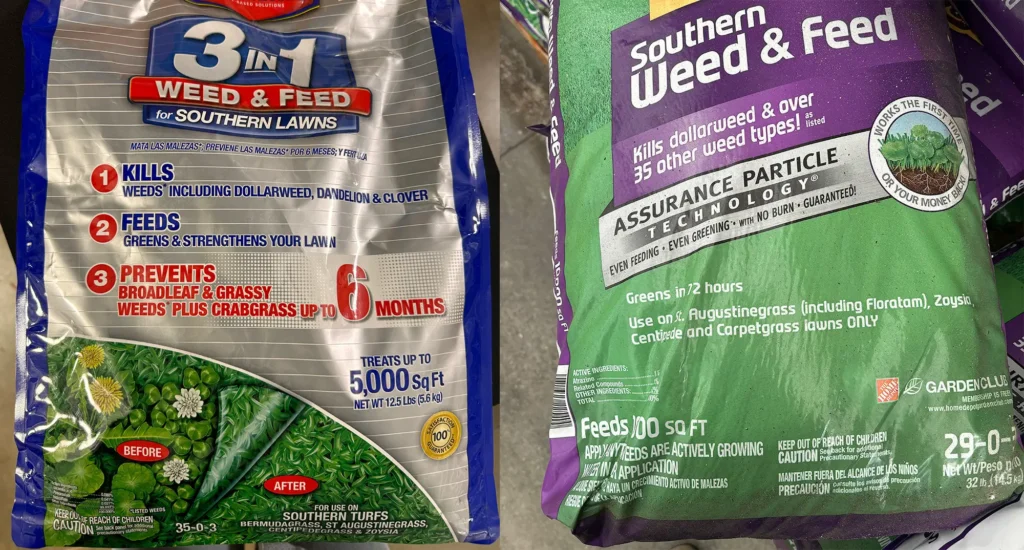
How Post-Emergent Treatments Address Existing Weeds
Post-emergent treatments are applied after weeds have emerged and are actively growing. They are often used to manage visible issues, including perennial weeds not fully addressed by a pre-emergent.
Targeted Application
These treatments typically work through leaf and stem absorption rather than soil activity. When carefully applied, this targeted approach can help limit interaction with tree roots. Effectiveness depends on accurate weed identification and proper timing.
Potential Risks from Post-Emergent Treatments
Environmental conditions can influence how post-emergent products move beyond their intended targets.
Wind, rainfall, and irrigation can cause drift or runoff into nearby planting areas and tree root zones. Even selective products can affect non-target plants if application conditions are not well managed.
The Importance of Weather and Site Conditions
Weather plays a key role in the success of both treatment types. Excess rainfall can move products into root zones, while temperature extremes may increase plant stress. Applying treatments during stable weather helps reduce unintended exposure and improves results.
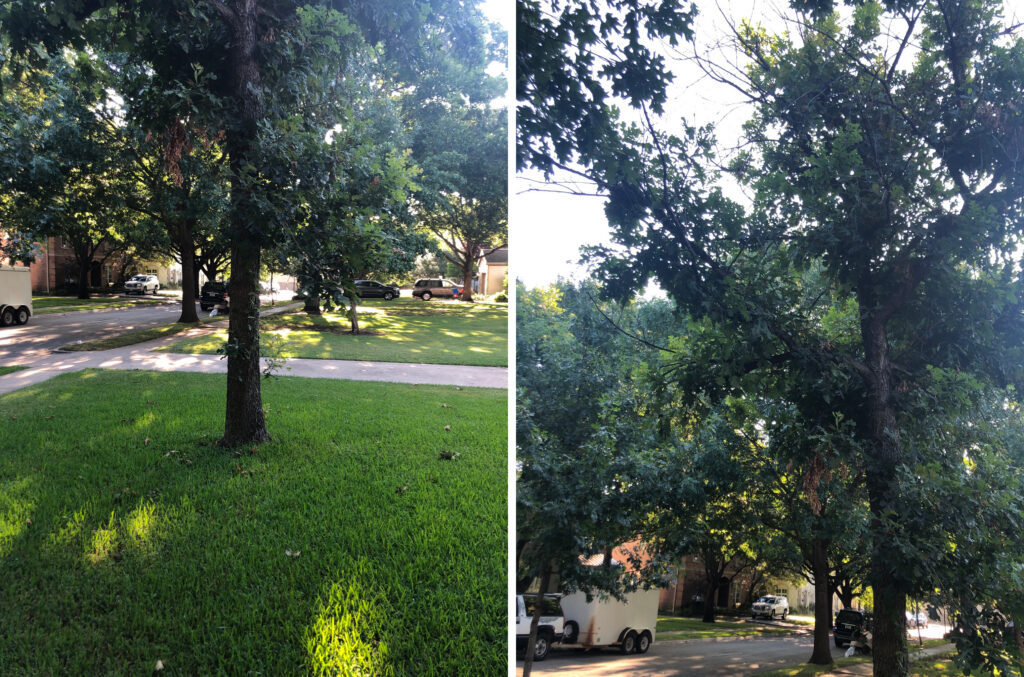
Weed Control Alone Does Not Support Tree Health
Reducing weed competition can free up water and nutrients, but herbicides do not provide nutritional or structural support for trees.
Healthy trees rely on well aerated soils, balanced nutrients, and consistent monitoring. Integrating weed control with soil management, mulching, and appropriate fertilization supports stronger root systems and greater stress tolerance.
Long-Term Soil and Ecosystem Considerations
Repeated reliance on chemical herbicides may gradually alter soil chemistry and microbial communities. Over time, these changes can affect root function, water infiltration, and the broader ecosystem that supports tree health, including beneficial insects and soil organisms.
A tree-focused management strategy considers cumulative effects rather than relying solely on short-term weed suppression.
Tree-Friendly Weed Management Alternatives
Non-chemical strategies can effectively reduce weed pressure while supporting soil and root health.
- Organic mulch to suppress weeds, conserve moisture, and moderate soil temperature
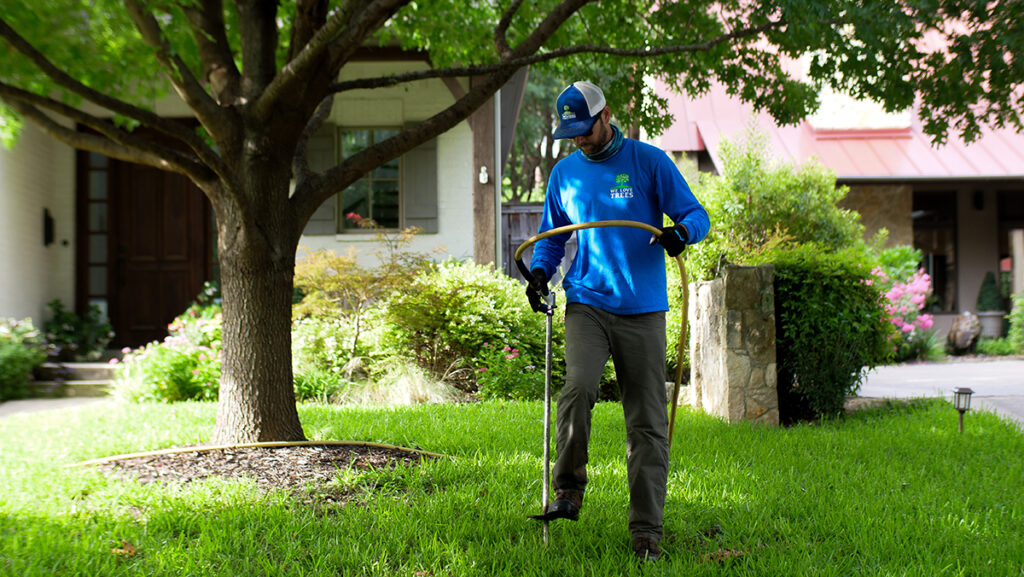
- Mechanical weed removal in sensitive root zones
- Low-impact or organic products for limited or spot treatment situations
The Value of Professional Guidance
Certified arborists and tree care professionals understand how weed management interacts with tree biology, soil structure, and site conditions. Their guidance can help determine when weed treatments are appropriate and when alternative strategies better support long tern tree health.
When weed control decisions are made with trees in mind, landscapes benefit from healthier canopies, stronger root systems, and greater resilience over time.

At Texas Tree Surgeons we love trees and we want trees and lawns to live symbiotically together, not at odds of one another. If you notice any signs of stress on your tree, or would like help in managing a healthy balance of needs in your yard please schedule an assessment with one of our certified arborists.
 PREV BLOG
Related Blogs
Similar blogs related to this topic

Current Tree Watering Guidelines for Newly Planted Trees
Tree Watering for Newly Planted Trees Newly planted trees require consistent moisture while their root systems become established. North Texas heat, drought, and heavy clay soils can make this especially challenging. The schedule below is…
Read more
Current Tree Watering Guidelines for North Texas
Tree Watering for Newly Planted Trees Newly planted trees require consistent moisture while their root systems become established. North Texas heat, drought, and heavy clay soils can make this especially challenging. The schedule below is…
Read more
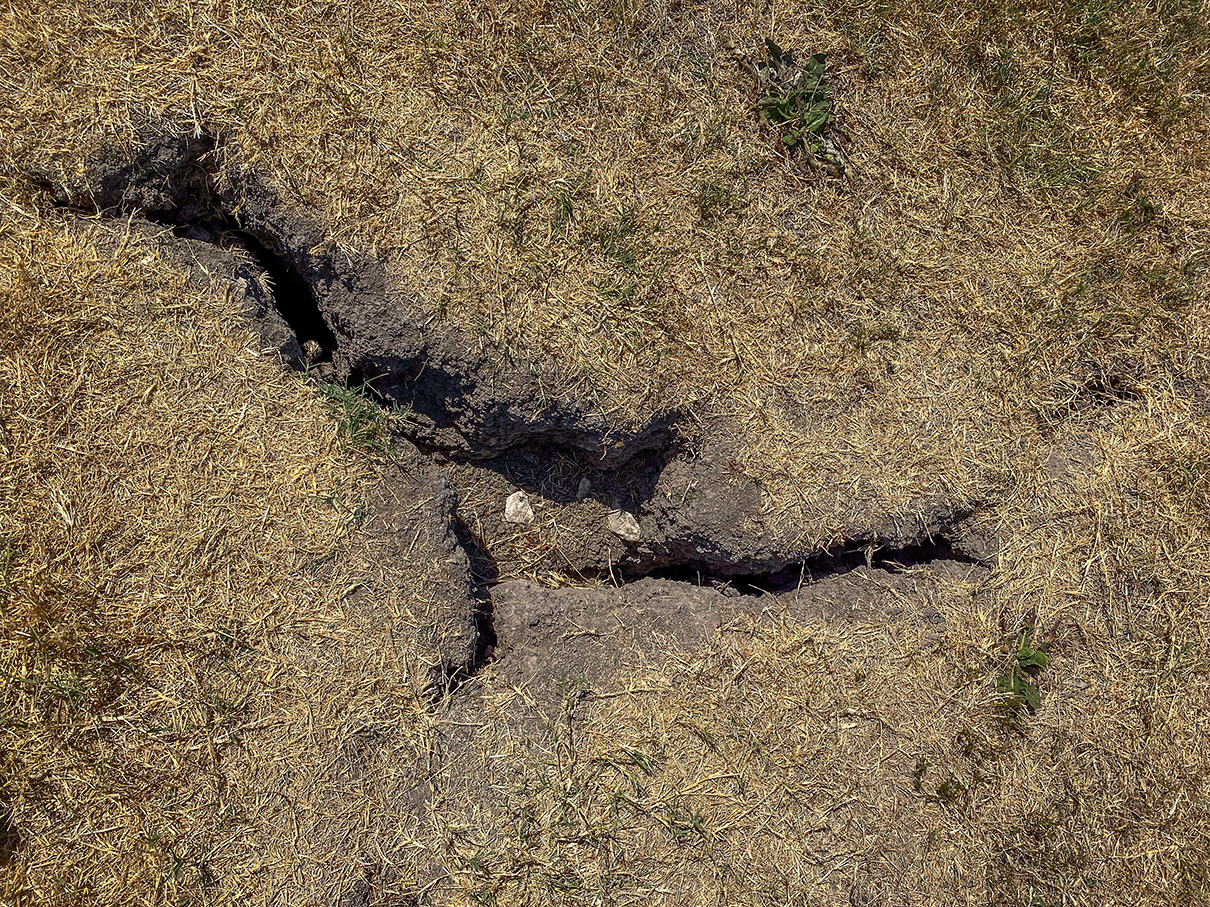
Post-Drought Tree Care for North Texas
The drought may be over, but the stress on your trees isn’t. After prolonged heat and drought, trees can continue showing signs of stress well after rainfall returns. Fine-root loss, compacted soil, reduced water absorption,…
Read more