Leading Killer of Trees in Urban Environments: Construction
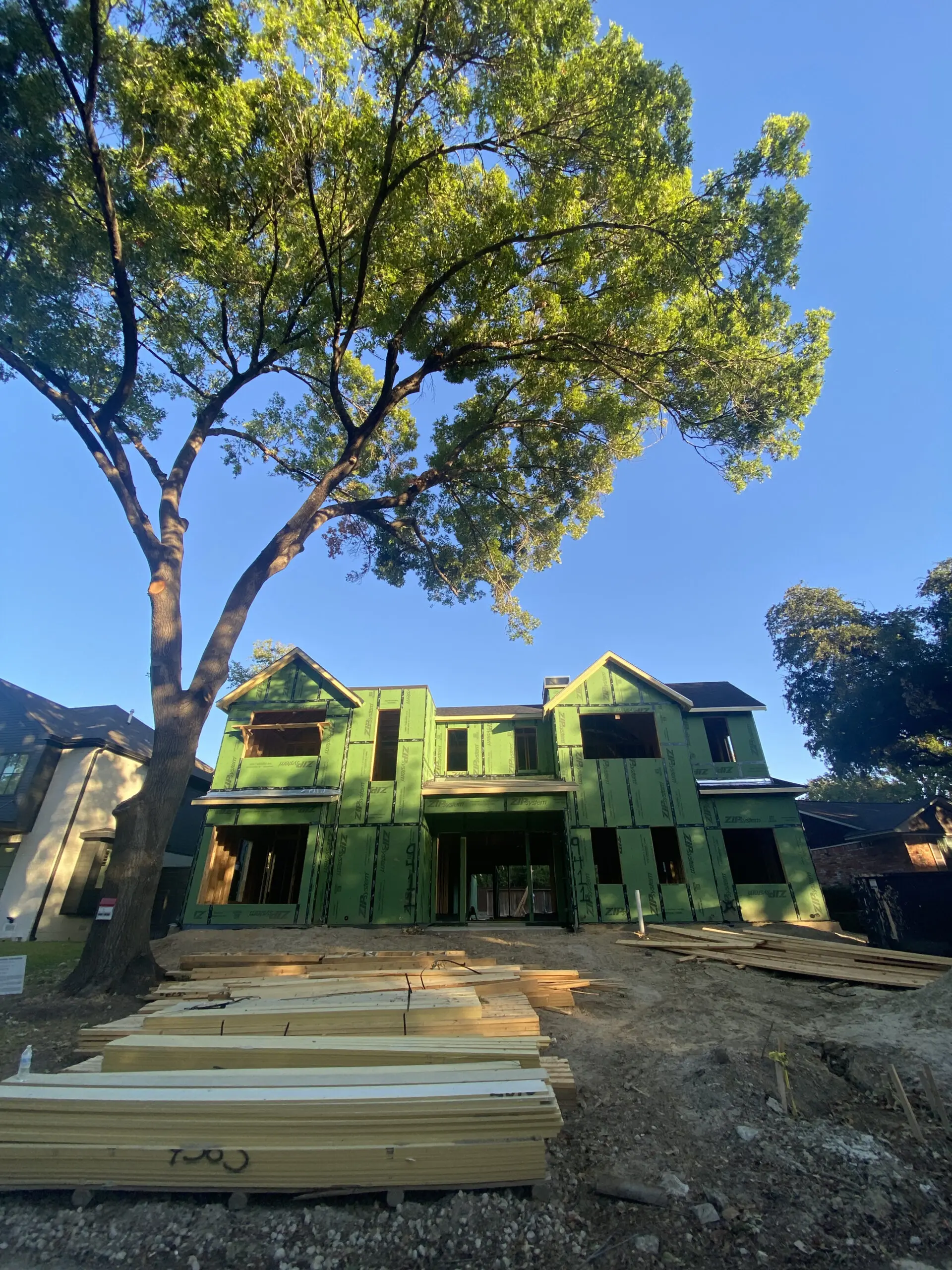
Damage from construction projects is the most common cause of tree death in urban environments, and while the effects may not be immediately apparent, the tree can be in decline and die years after nearby construction has been completed.
Injury to a tree happens unintentionally from mechanical tree injury, root damage, loss of rooting space, changes in soil moisture, soil compaction and contamination.
Why? Lack of construction protection and lack of understanding what constitutes the critical root zone of a tree.

The Most Common Problems Associated with Construction:
- Root loss is generally caused by stripped soil, sub-grade preparation for pavement and trenching for utilities. Severing one major root can cause the loss of 15 to 20% of a root system.
- Mechanical wounds (to limbs or trunks) caused by machines, poor pruning, high-traffic, and people.
- When the soil grade is lowered a large percentage of roots may be removed. When the grade is increased a tree can be smothered because 90% of absorbing roots are in the top few inches of soil.
- Soil compaction smothers trees by reducing available oxygen and decreasing a tree’s ability to absorb nutrients and water. This causes the roots to be more exposed to the elements, as they struggle to absorb water and nutrients.
- Spills or dumping of fluids (paint, oil, fuel, etc.) can cause quick and rapid death of a tree.
During the Planning Process
Decide which trees will be kept, which trees must be removed and which trees need to be protected. Consider tree location, tree size, tree heath, tree species, species diversity and tree age (younger trees usually withstand construction better than more mature trees). Then assess the potential impact to the trees and make modifications in plans when possible. Identify tree work that must be done (pruning and crown-raising where necessary, treatments, irrigation, fertilization, mulching, and pest management) under the supervision of a Certified Arborist.

Before Beginning Construction
- Tree Work
This should be performed under a certified arborist’s supervision and should include the necessary pruning, removal of dead wood, and removal of trees. This is ideally done in the winter time while the trees are dormant and at least 8 months to a year before construction begins. This is the time to begin a deep root fertilization and Tree Health Care Program that will help strengthen and protect your tree. - Erect Barriers
The barriers should be as far from the base of the trunk as possible or a minimum of the drip line. Within the Tree Protection Zone, mulch should be applied 2-4 inches deep around the base of the tree within the barrier. - Mulching
Where barriers are not possible, avoid compaction by mulching 6 inches deep and laying plywood on top to disperse weight. For removal of mulch at the end of the project consult with an arborist. - Reduce Chance of Harm
Limit access to site to avoid unnecessary soil compaction: Create one road in and one road out of site with barriers on either side. This route can later be used to trench for utilities, water lines, driveway, etc.

During Construction
- Water
Water trees frequently with slow soak. If roots have been damaged or removed, then a tree will need more water than it did before because it has less ability to uptake necessary water. - Feed
Trees should be fertilized at least three times a year. We suggest a deep root organic fertilizer to increase available nutrients. - Pest And Disease Control
When trees become stressed from construction they are more vulnerable to pest infestations and other diseases. - Pruning
During construction, we only want to remove what is necessary for the project to continue. This includes damaged limb, dead wood, or infected sections. No other pruning should be done if not necessary.
Post Construction
To help enable survival of your trees, treat and seal crown and trunk injuries, cable and brace, repair irrigation and drainage issues harmful to trees; remove excess mulch and mulch for long-term health of tree, aerate soil that has been compacted, fertilize for the next few years. Have the trees inspected seasonally by a Certified Arborist.
Below are three photos of a tree from the same construction site


Symptoms of Tree Stress from Construction Damage
Short annual shoot elongation, small yellow leaves, thin foliage, leaf wilting, early fall coloration or defoliation, epicormic shoots, twig dieback, branch dieback, irregular wounds, secondary pest problems, and decay at wound sites.
At Texas Tree Surgeons, we love trees and we love our community! Trees are a wise investment of funds because landscaped homes are more valuable than non-landscaped homes. If you are planning to remodel, or do construction we would love to help safeguard your trees. Contact us today!
 PREV BLOG
Before & After | Construction Impact on Mature Trees
Photographic record of a singular construction site without proper tree protection measures.
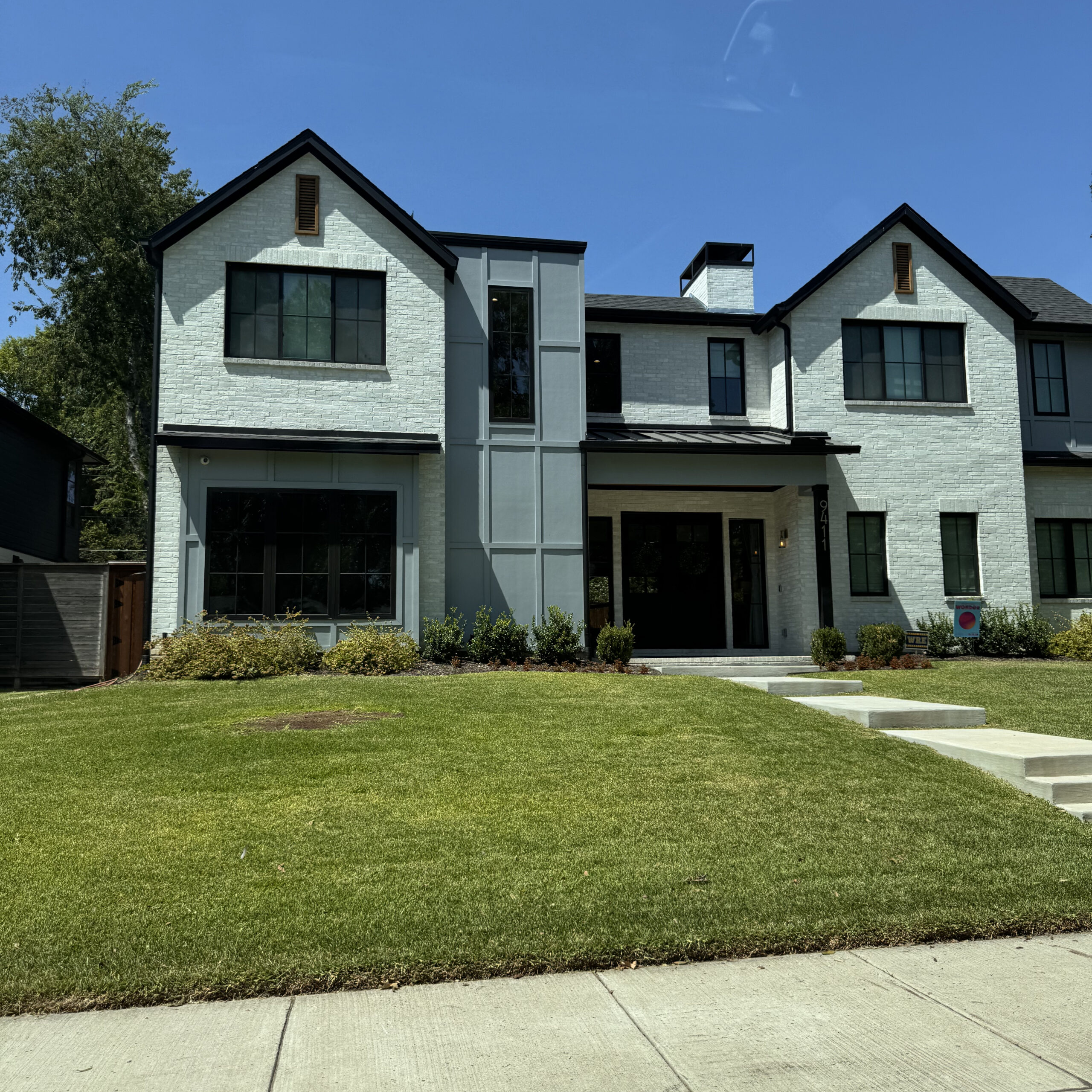
RESIDENCE WITH TREE REMOVED | 2026
Construction began in 2023 and tree decline was severe enough that it needed to be removed in three years. Photo, 2026
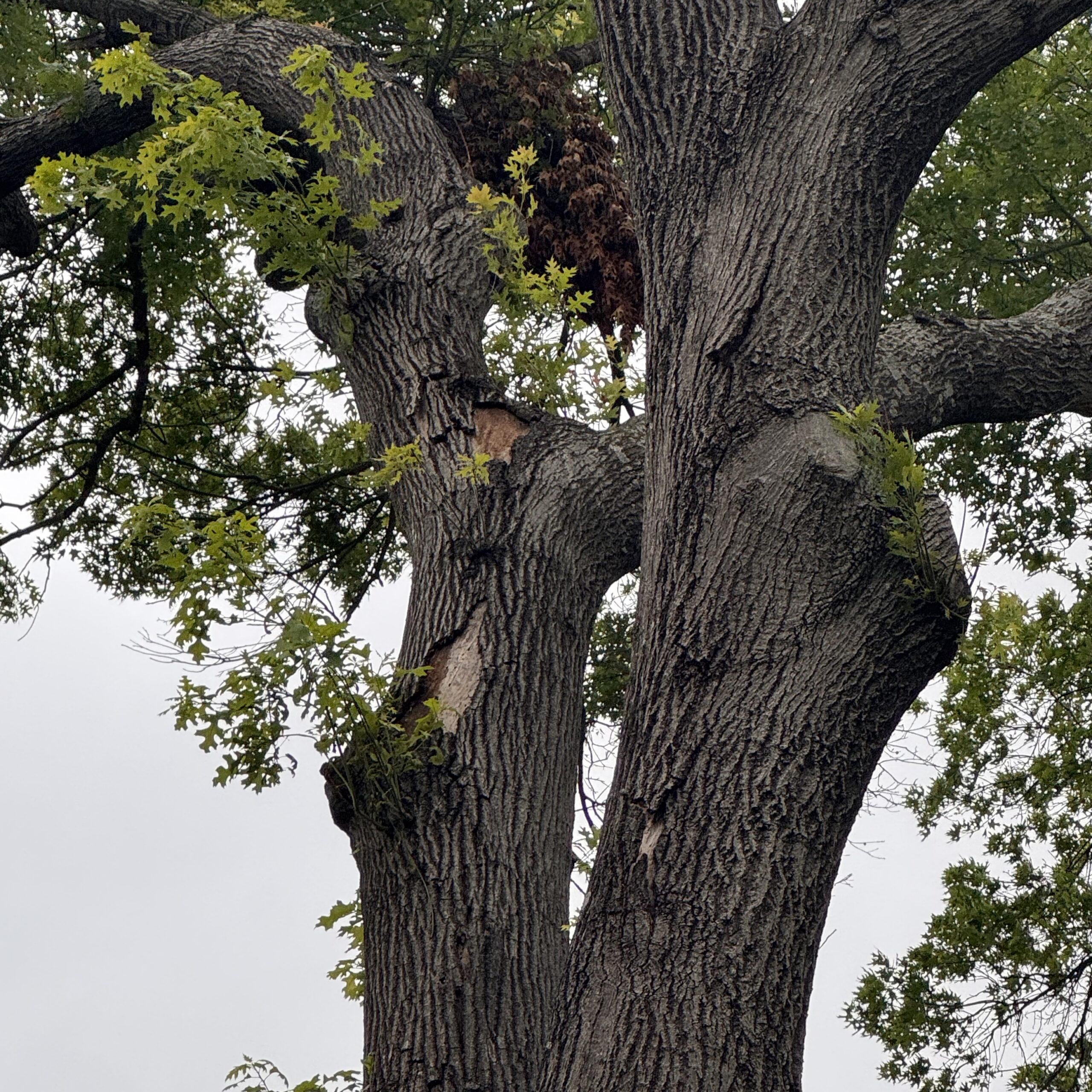
CLOSE UP OF TREE WITH VISUAL DAMAGE | 2025
Same photo, just closer and cropped on the tree. You can see climate related damage, however construction damage is a direct stressor which inhibits its ability to heal well from other stressors. Photo, 2025
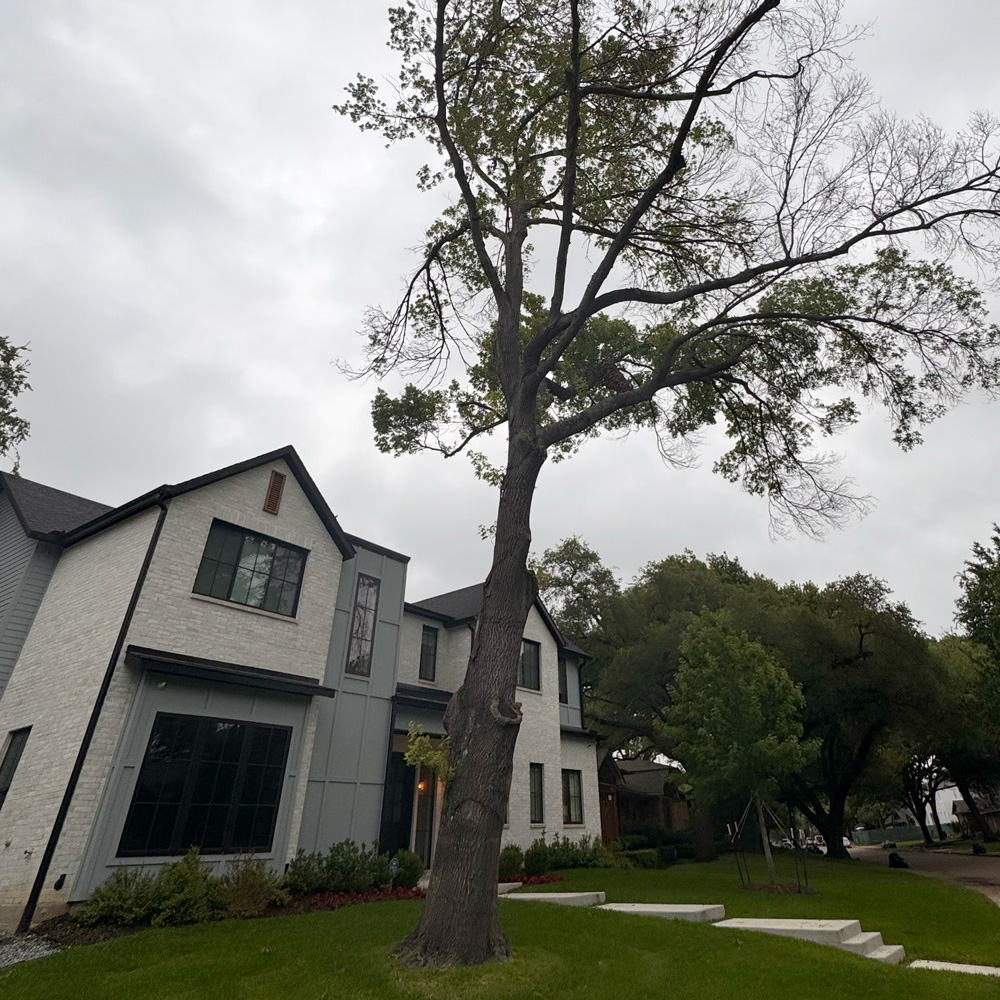
TIP DIEBACK | 2025
You can see symptoms of tree stress from construction damage. There is short annual shoot elongation, thin foliage, leaf wilting, defoliation, epicormic shoots, twig dieback, branch dieback, irregular wounds, and decay at wound sites. Photo, 2025
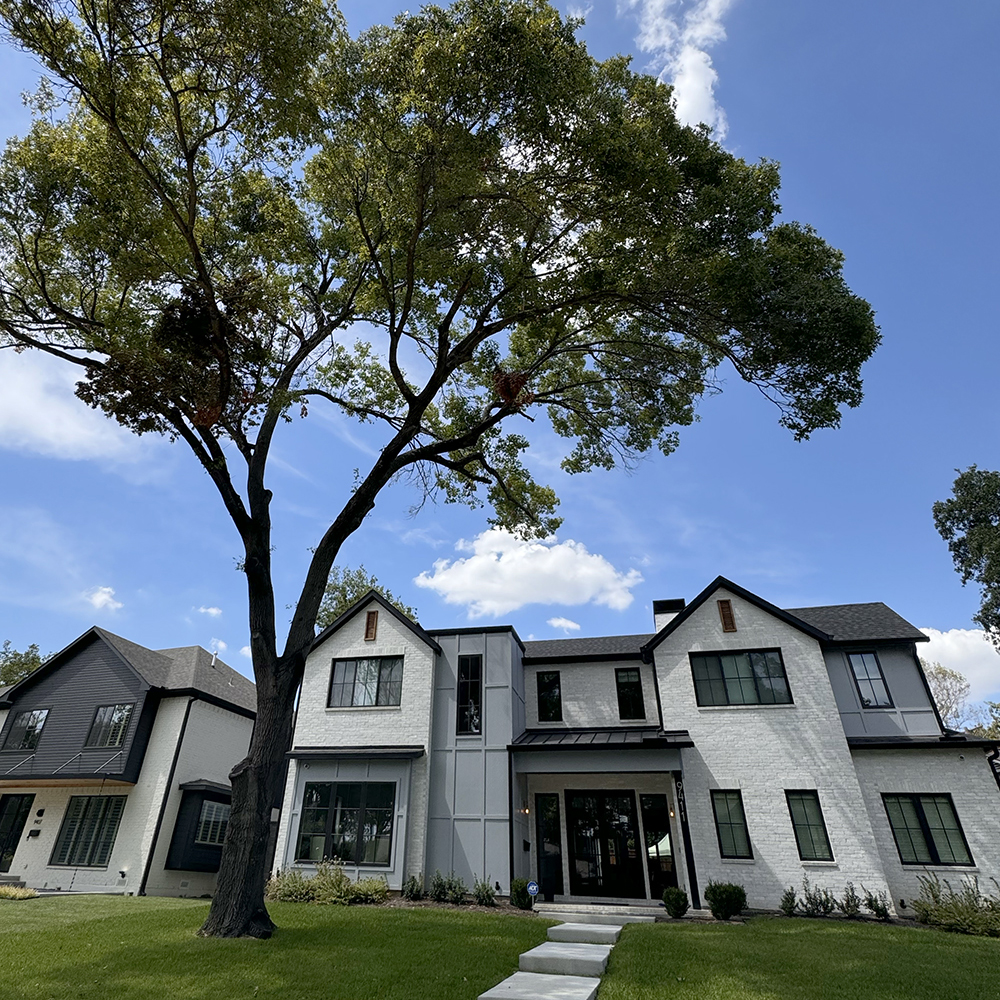
CONSTRUCTION COMPLETE | 2024
Property is finally completed with construction. The effects of construction damage may not be immediately apparent on the tree. Photo, 2024
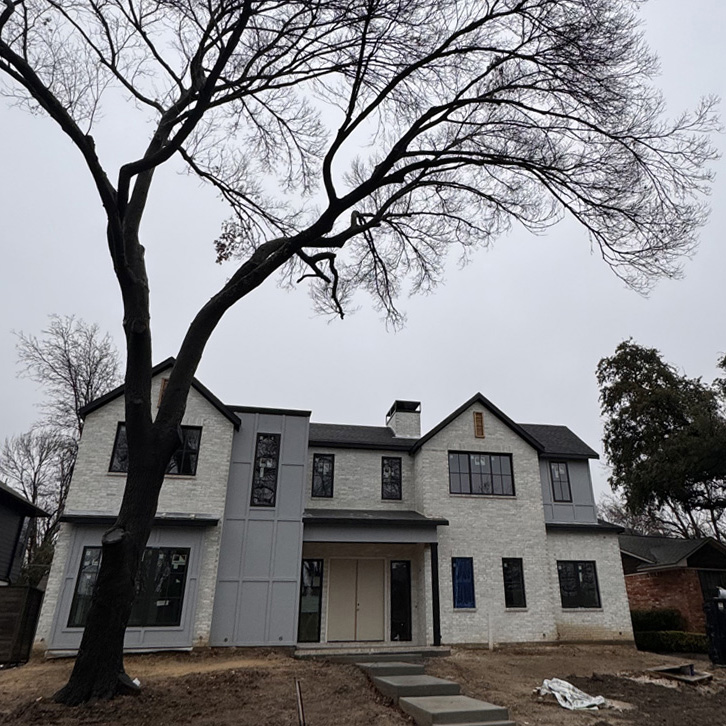
SOIL GRADING | 2024
Construction is almost complete, no materials under tree, soil has been graded. Grade changes, raising or lowering the soil level smothers roots or removes essential root systems. Photo, 2024
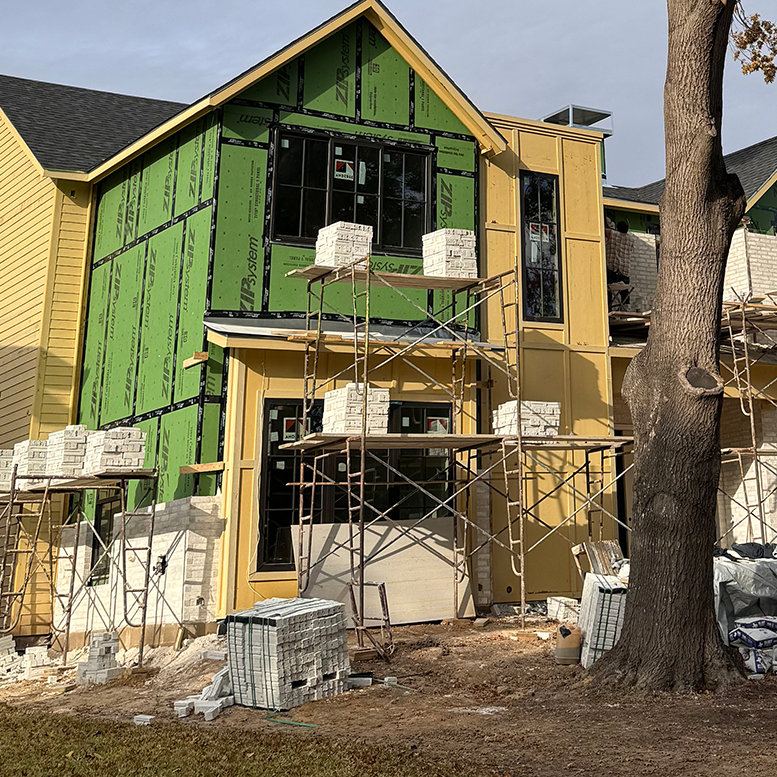
SOIL COMPACTION | 2024
Bricks are stacked at the base of the tree. Heavy building materials compresses soil, restricting oxygen and water availability to roots. Photo, 2024
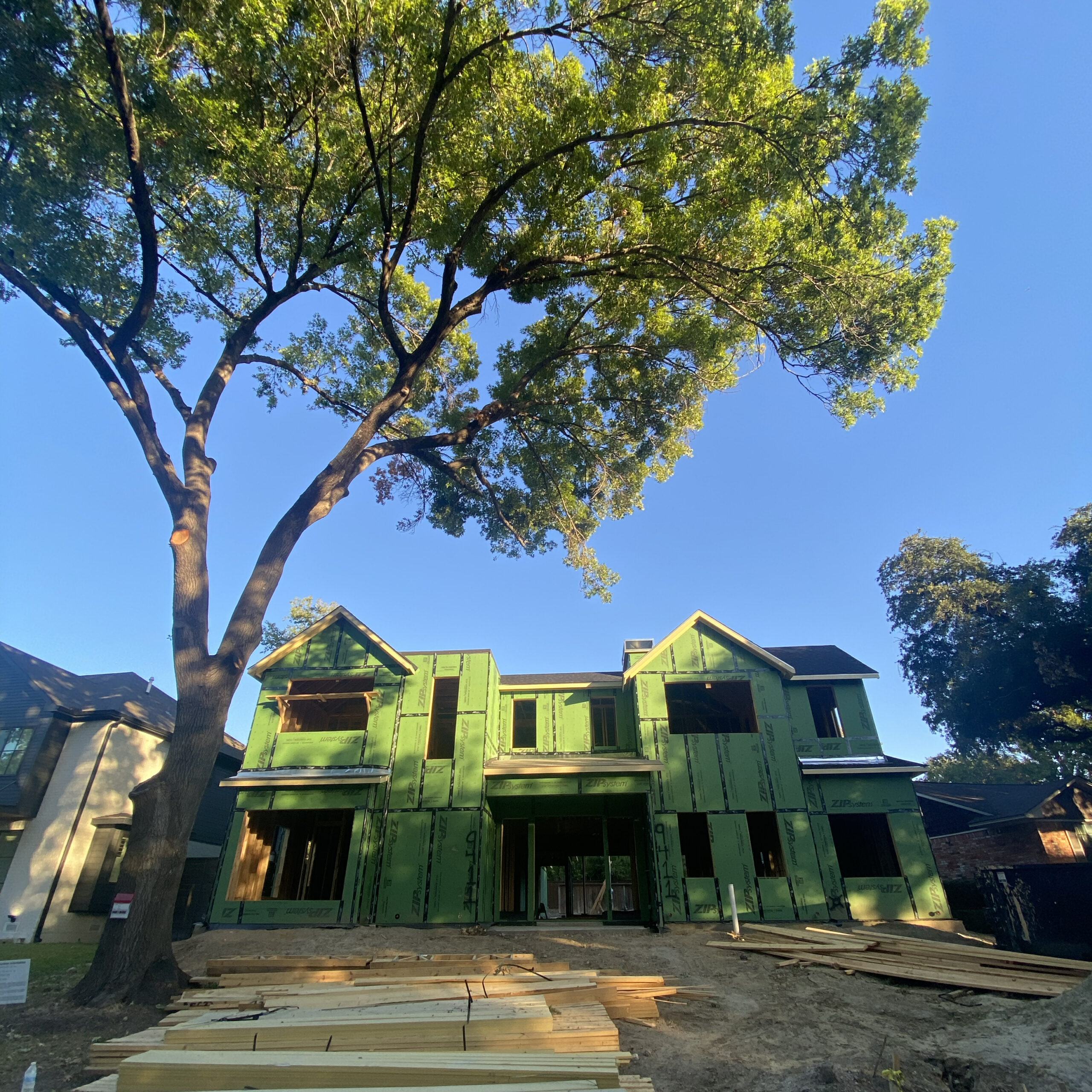
ROOT DAMAGE FROM COMPACTION | 2023
Materials have been under the canopy for a steady amount of time compacting soil. Consider the ground under a construction site as a bustling metropolis of microorganisms and larger soil fauna. Each organism plays a role in maintaining the soil structure, allowing trees to thrive. However, when construction begins, the compression of the soil compacts these spaces, eliminating the necessary gaps that store water and air. Trees end up in a static environment where nutrient cycling is stagnant. It’s similar to trying to breathe through a pressed sponge—life-sustaining elements get interrupted, initiating a perilous journey toward tree decline. Photo, 2023
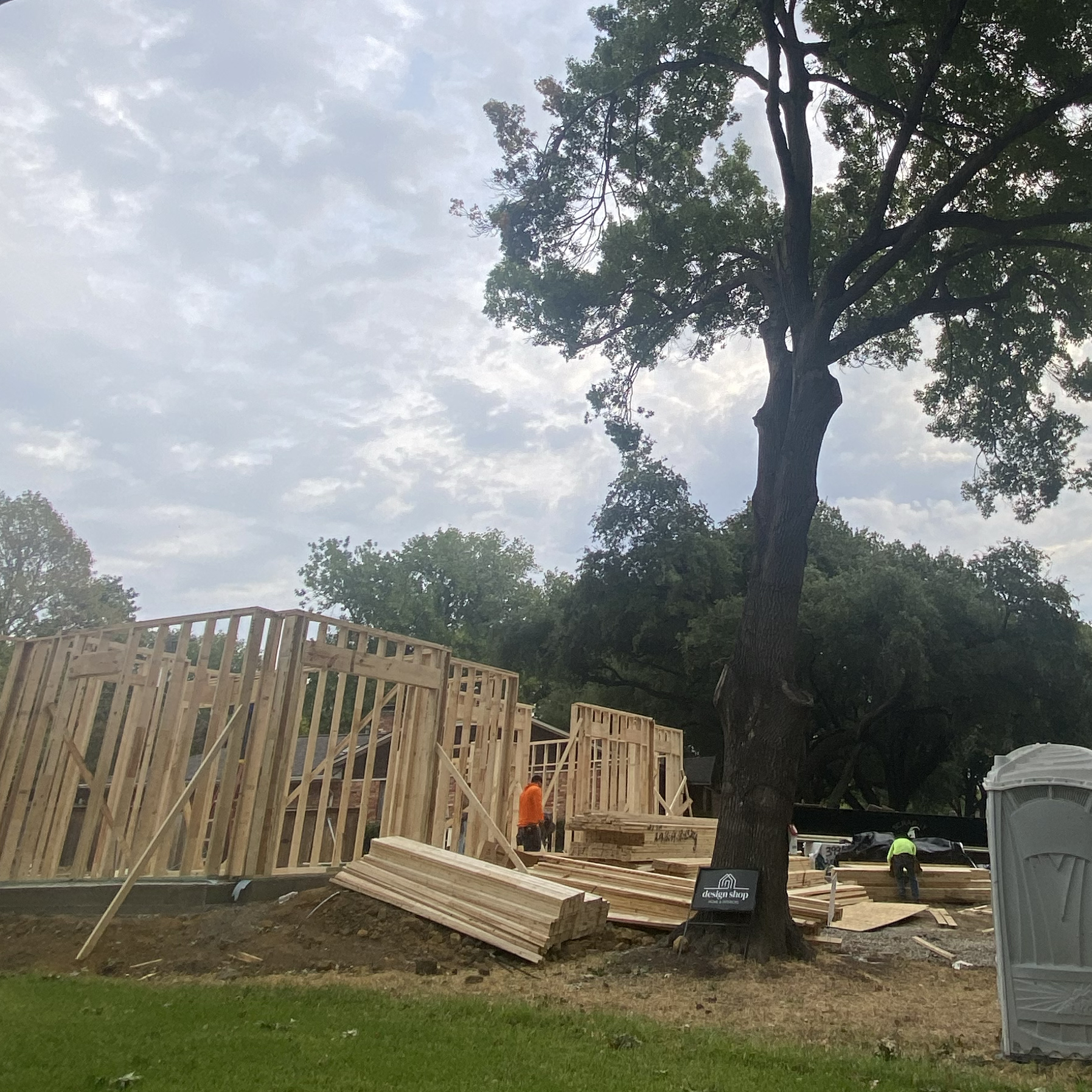
TREE STRESS DURING CONSTRUCTION | 2023
Heavy building materials are loaded directly under the tree. This is the beginning of the construction project, this load will be compacting the soil for a long period of time. Not only does this physical damage disrupt their growth, but it also deprives them of essential air pockets in the soil. Such changes severely impair a tree’s ability to maintain its metabolic processes, often resulting in a slow yet irreversible decline. Photo, 2023
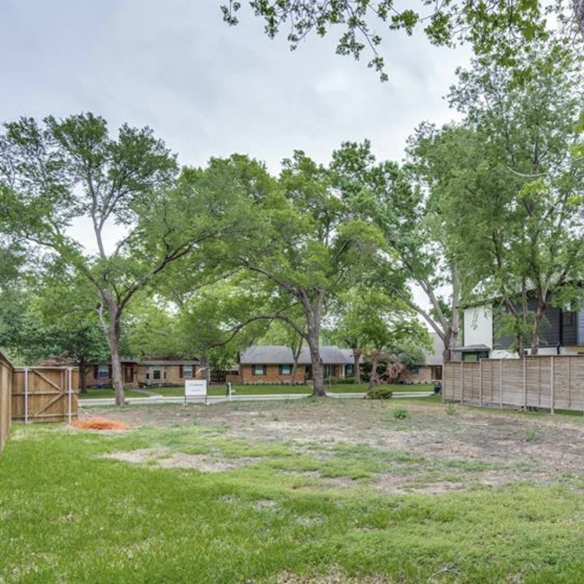
DAMAGE FROM CONSTRUCTION | 2023
Original home removed. Image is taken looking from the back of the property looking out onto the street. It may look like nothing has occurred to harm the health of the trees but most likely heaving machinery was used and left onsite during the duration of demolition. Photo, 2023.
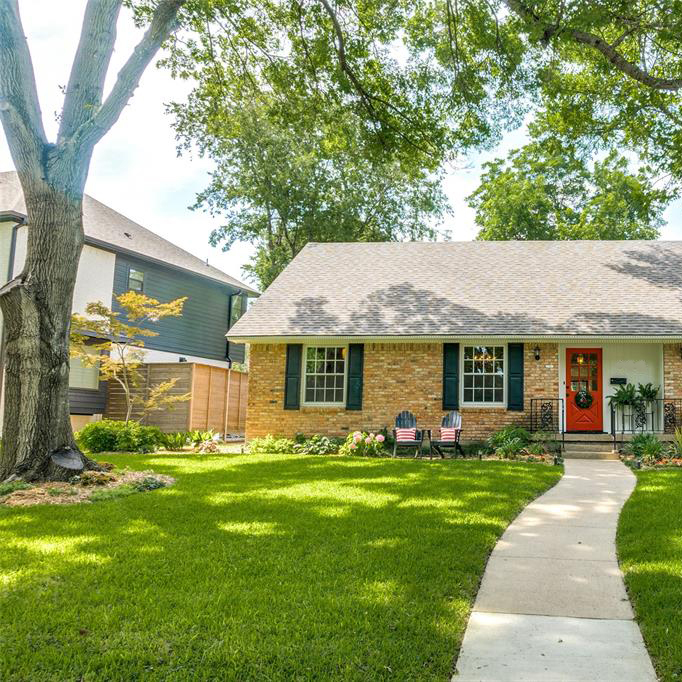
ORIGINAL HOME WITH MATURE TREES | 2021
This home was originally built in 1962. Photo, 2021.
Related Blogs
Similar blogs related to this topic
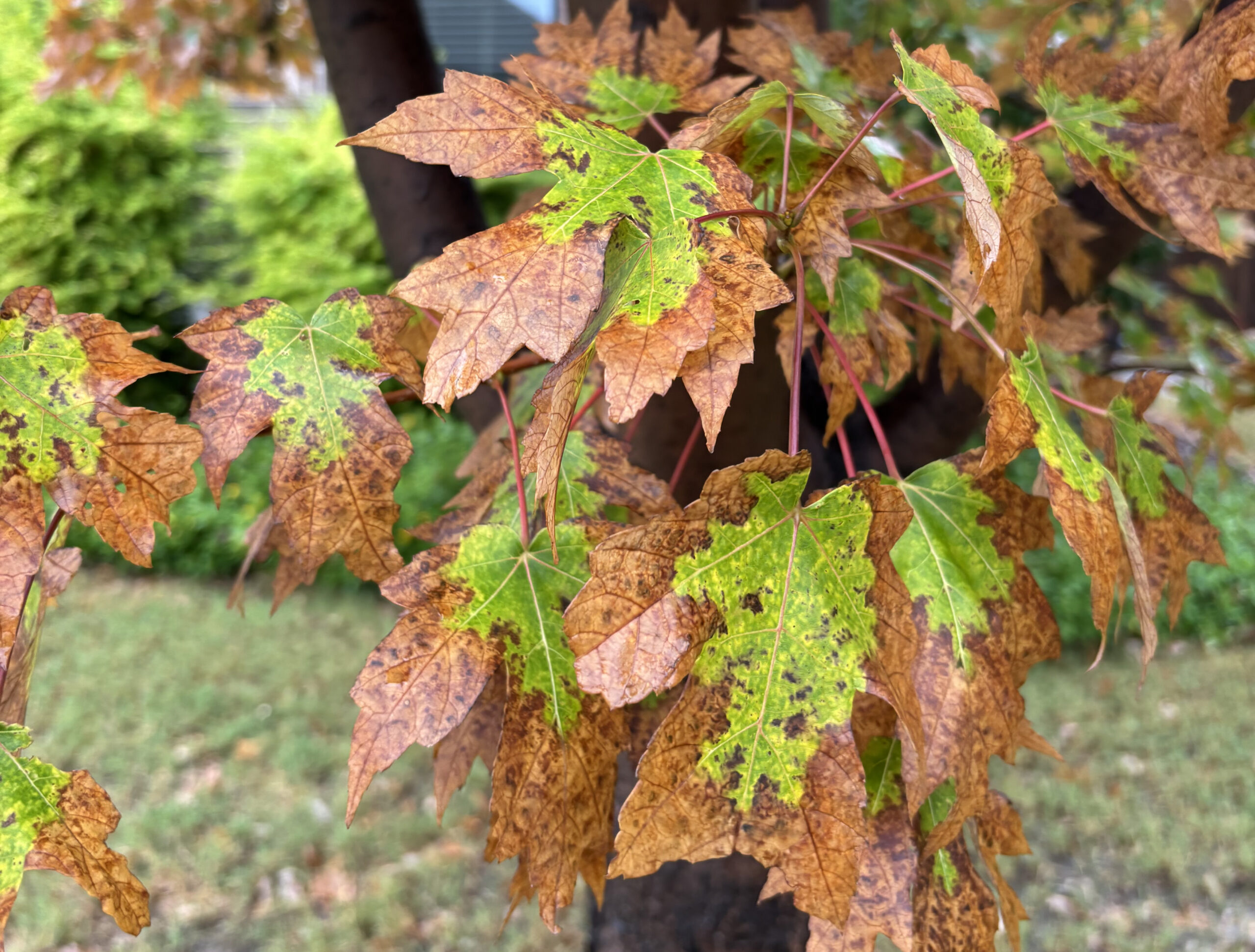
Top 10 Reasons Why Your Tree is Dying
Trees are tougher than they look, but even healthy trees can struggle when stress builds over time. In North Texas, factors such as drought, poor soil conditions, root damage, pests, and improper maintenance can gradually…
Read more
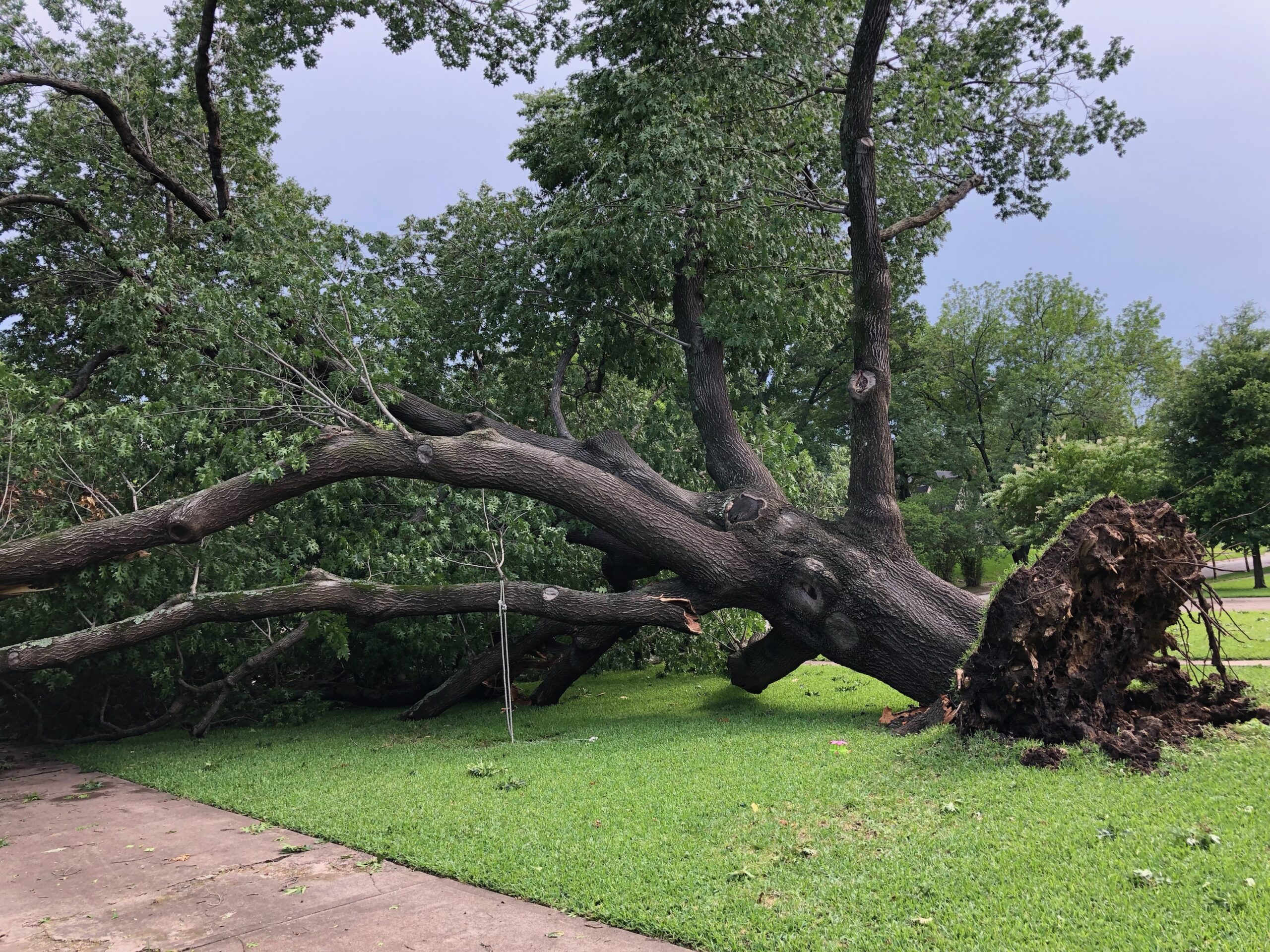
Leaning Trees Post Heavy Rain
Heavy rain followed by long period of drought can cause significant shifting in our soils. This can be concerning for trees that have shallow roots. Heavy Rain Doesn’t Mean Tree Failure Healthy trees that are structurally…
Read more
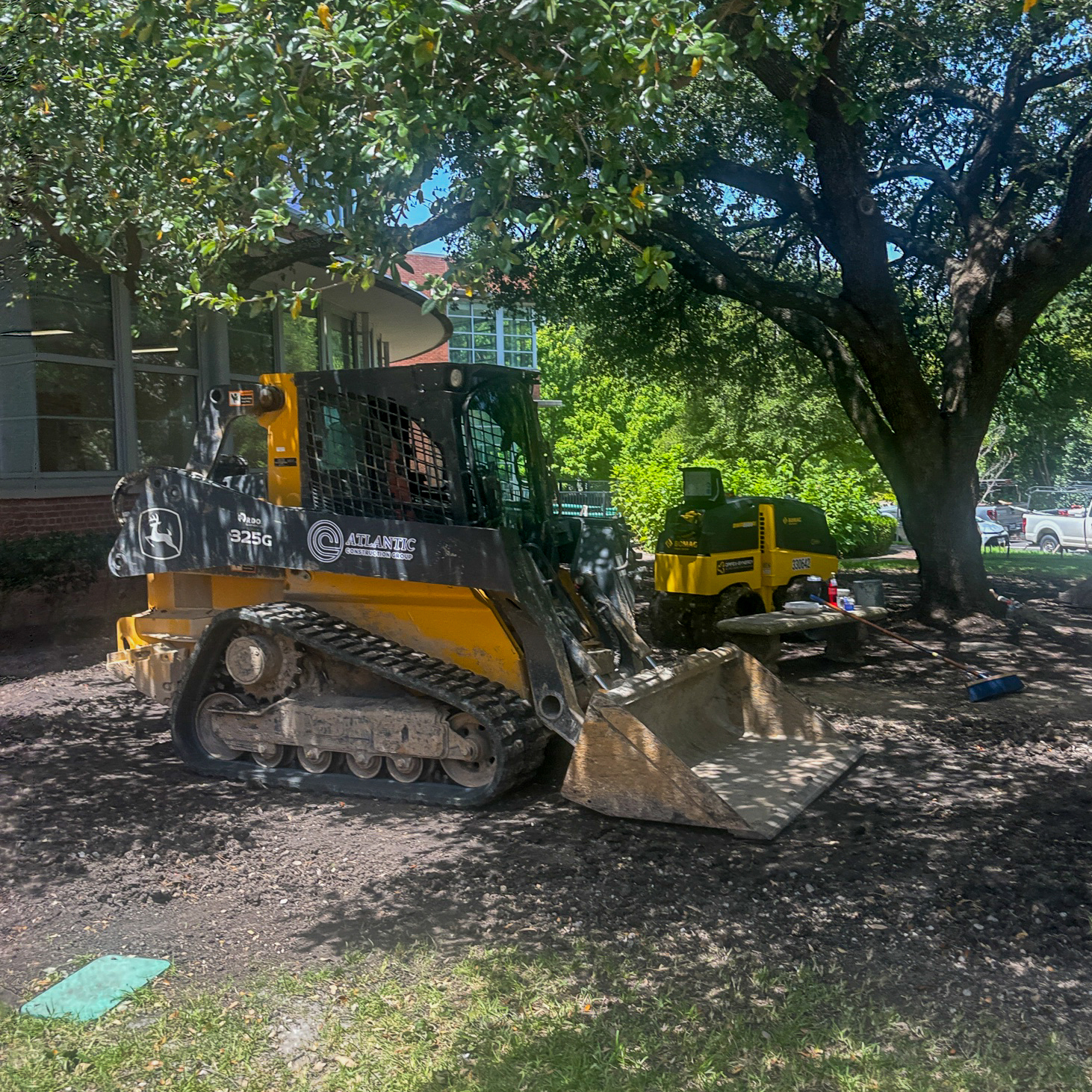
Is There Anything you can do to Correct Compaction Issues Caused by Construction?
Correcting soil compaction requires a combination of physical loosening of the soil (aeration), biological improvement (microorganisms), continued protection. Vertical Mulching Mechanical / Physical Solutions Mechanical/Physical solutions are usually the quickest way to break up severely…
Read more