Air Spading and Vertical Mulching: How Arborists Improve Soil Conditions for Trees
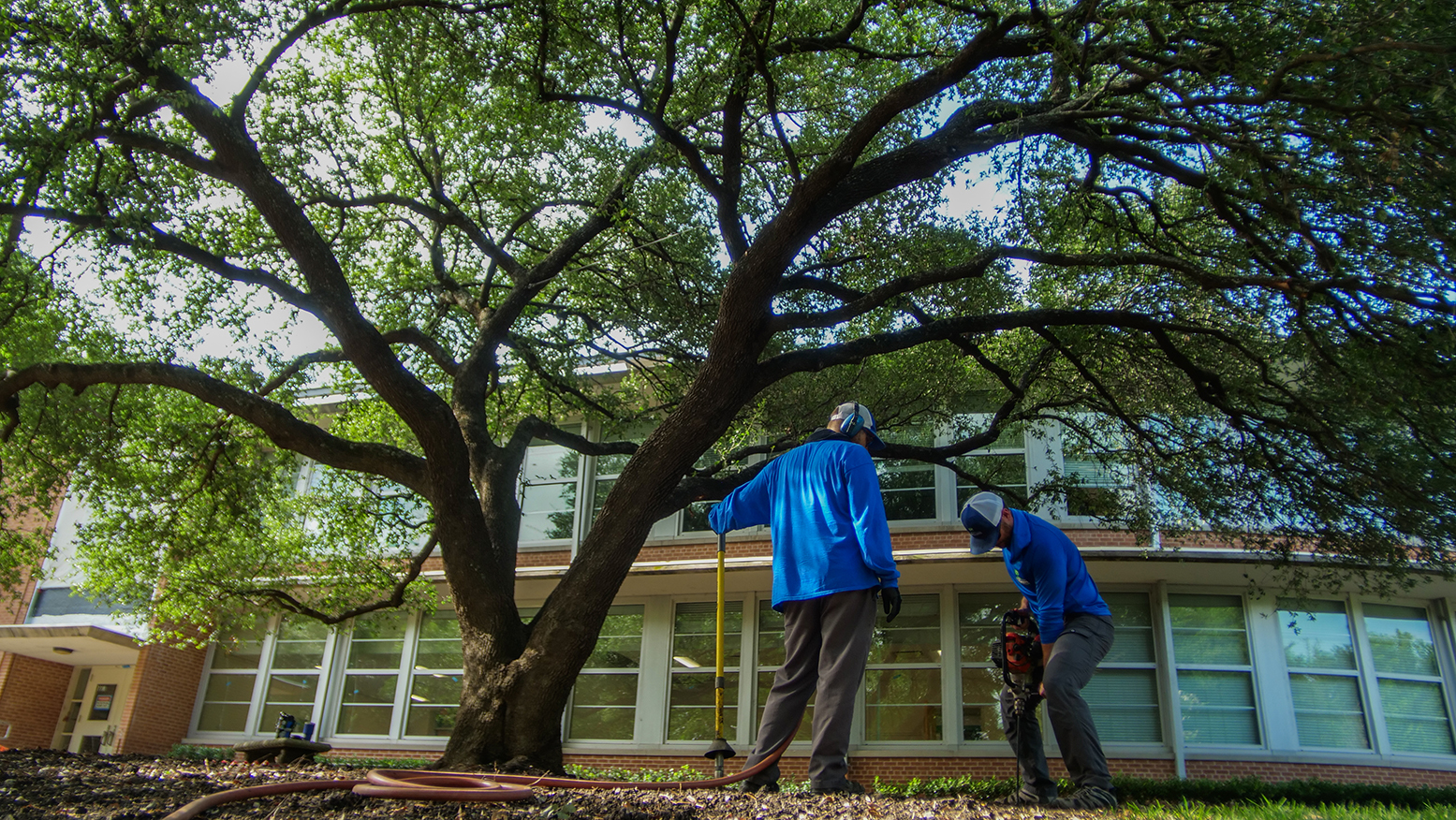
When a tree begins to decline, the cause is often hidden underground. In North Texas landscapes, soil compaction is one of the most common sources of tree stress. Construction activity, foot traffic, lawn equipment, and our heavy clay soils can compress the ground around a tree’s roots, making it harder for water, oxygen, and nutrients to move through the soil.
When arborists identify soil compaction as a contributing factor, two common treatments may be recommended: air spading and vertical mulching.
While these services use different methods, they share the same goal: creating healthier conditions for roots and helping trees thrive.
What Is Soil Compaction?
Healthy soil contains thousands of tiny spaces between soil particles. These spaces hold oxygen, allow water to infiltrate, and give roots room to grow.
Think of healthy soil like a fresh brownie. It’s soft, airy, and full of tiny pockets. Now imagine squeezing that brownie tightly in your hand. It becomes dense and compressed, leaving little room for air or movement. Soil behaves much the same way.
As soil becomes compacted, those valuable air spaces disappear. Water struggles to penetrate the surface, oxygen becomes limited, and roots have a harder time expanding. Over time, the entire tree can become stressed because its root system is no longer functioning efficiently.
Why Healthy Roots Matter
Most of a tree’s absorbing roots are found within the upper 6 to 18 inches of soil. These fine feeder roots are responsible for taking up water, nutrients, and oxygen. Larger roots provide structural support and help anchor the tree.
In a natural forest, fallen leaves and organic matter continuously decompose, enriching the soil and supporting a healthy root environment. In residential landscapes, leaves are removed, turfgrass competes for resources, and the soil is often subjected to years of mowing, irrigation, construction activity, and foot traffic.
When root-zone conditions decline, the symptoms eventually appear above ground:
- Thinning foliage
- Smaller leaves
- Reduced annual growth
- Premature fall color
- Branch dieback
- Increased susceptibility to drought and pests
The challenge is that these symptoms often develop long after the root problem has begun.

How Air Spading Helps Trees
Air spading uses compressed air to safely break apart compacted soil around a tree’s roots. Because the air loosens soil without significantly damaging roots, arborists can improve growing conditions while preserving the root system.
Air spading is commonly used to:
- Relieve soil compaction
- Expose buried root flares
- Locate girdling roots
- Investigate root-related issues
- Improve oxygen movement into the soil
- Prepare the root zone for additional treatments
One of the biggest advantages of air spading is that it provides immediate relief from compaction. By restoring pore space in the soil, water, oxygen, and nutrients can move more freely through the root zone.

How Vertical Mulching Helps Trees
Vertical mulching is a soil improvement treatment that creates a series of small channels throughout the root zone. These openings are typically filled with organic matter and porous materials that help improve soil structure.
The goal is to create pathways for water, oxygen, and nutrients while encouraging the development of new feeder roots.
Unlike air spading, which focuses on loosening existing soil, vertical mulching focuses on improving growing conditions over time.
Benefits of vertical mulching include:
- Improved water infiltration
- Increased soil aeration
- Added organic matter
- Better soil structure
- Encouragement of fine-root growth
- Improved long-term root-zone conditions
Vertical mulching is often recommended for trees growing in compacted or nutrient-poor soils, particularly following construction projects or other activities that have disturbed the root zone.
Air Spading and Vertical Mulching: What’s the Difference?
The primary difference is how they improve the root environment.
Air spading focuses on relieving compaction and allowing arborists to inspect root conditions.
Vertical mulching focuses on improving soil quality and creating better conditions for future root growth.
Both treatments increase oxygen availability, improve water movement, and support healthier root function.
Sometimes the Best Solution Is Both
Many homeowners assume they need to choose one treatment or the other. In reality, arborists often recommend a combination of services.
For example, air spading may be used to relieve severe compaction and evaluate root health. Vertical mulching can then be used to improve soil structure and support long-term recovery.
When paired with proper mulching, watering practices, and ongoing tree care, these treatments can significantly improve conditions below ground and help trees recover from years of stress.
When Should You Call an Arborist?
If your tree has experienced nearby construction, struggles during dry periods, shows canopy decline, or simply doesn’t seem as vigorous as it once was, the root zone may deserve a closer look.
A professional evaluation can identify whether soil compaction is affecting the tree and determine which treatments will provide the greatest benefit.
Healthy trees start with healthy roots. By improving conditions below ground, many stressed trees can regain vigor and continue providing shade, beauty, and value for years to come.
Concerned about a declining tree? Schedule an evaluation with a certified arborist to determine whether air spading, vertical mulching, or a combination of treatments is right for your tree.
 PREV BLOG
Vertical Mulching
IMPROVE ROOT HEALTH AND COMBAT SOIL COMPACTION
Soil found in North Texas can be unforgiving. In our urban neighborhoods our soil becomes compacted due to construction traffic, heavy lawn mowers, foot traffic, and the natural characteristics of clay. Vertical mulching combats this by creating direct pathways to the roots.

WHAT IS VERTICAL MULCHING?
Vertical mulching is a targeted, deep-tier aeration system designed specifically for a tree’s root infrastructure.
By removing compressed soil from these vertical columns and replacing it with high-quality organic matter helps nutrients, air, and water mover right past the lawn and deep into the root zone.

MAPPING THE CRITICAL ROOT ZONE
We map out a radial grid pattern starting roughly 3 to 8 feet away from the trunk (avoiding the large structural anchor roots) and extending out to the tree’s dripline.

PNEUMATIC EXCAVACTION OR DRILLING
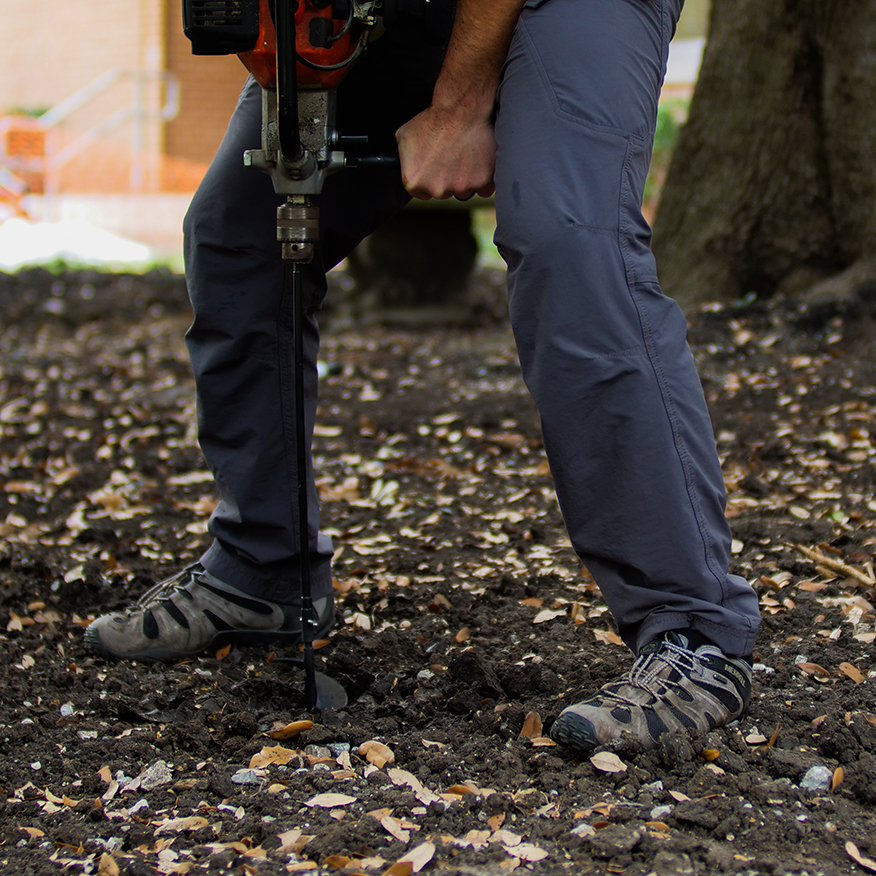
Using specialized tools—such as a high-velocity AirSpade or an auger drill—we create precise holes roughly 2 to 4 inches wide and 8 to 18 inches deep.
BACKFILLING WITH POROUS ORGANIC MATERIAL
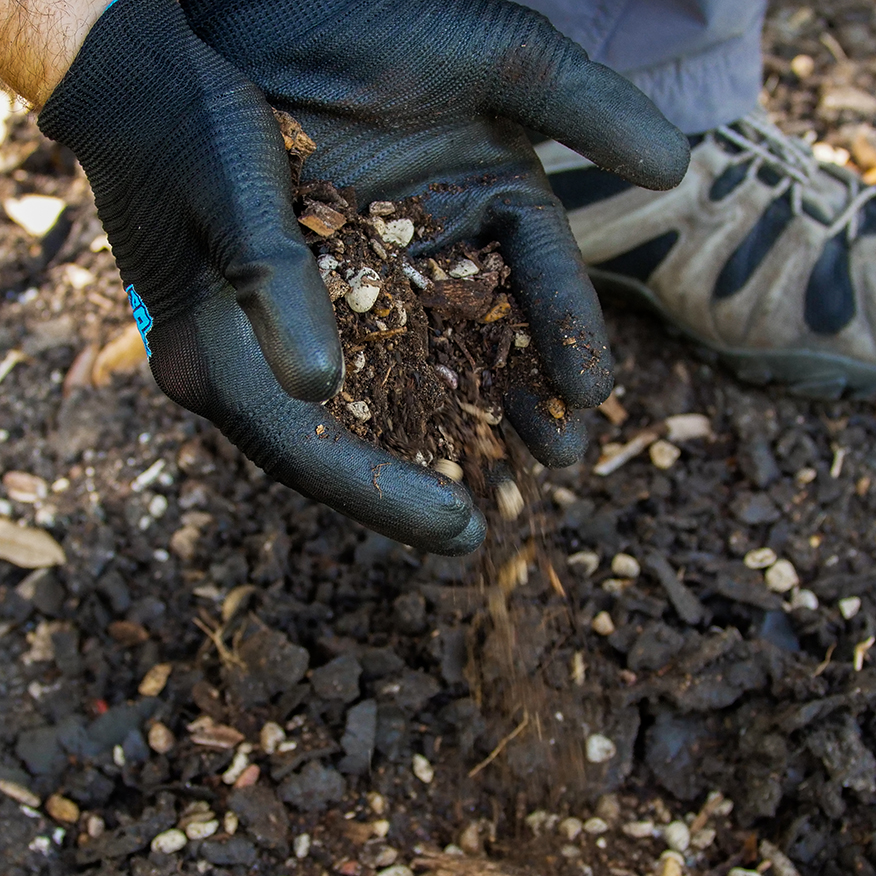
The compacted clay is removed from the dug out columns and replaced with a porous, premium blend of organic compost, aged mulch, and sometimes liquid macro-nutrients.

BENEFITS OF VERTICAL MULCHING
By swapping out columns of dense clay for highly porous organic material oxygen is reintroduced straight to the subterranean level. The vertical mulch columns act like subterranean funnels directing water deep into the subsoil and conversely, during abnormally wet periods, improve drainage.
Tree roots naturally seek out paths of least resistance and high nutrient density. Within a couple of seasons, thousands of new, microscopic feeder roots will snake directly into these organic columns, rapidly improving the tree’s overall structural vigor and drought tolerance.
Related Blogs
Similar blogs related to this topic
Top 10 Reasons Why Your Tree is Dying
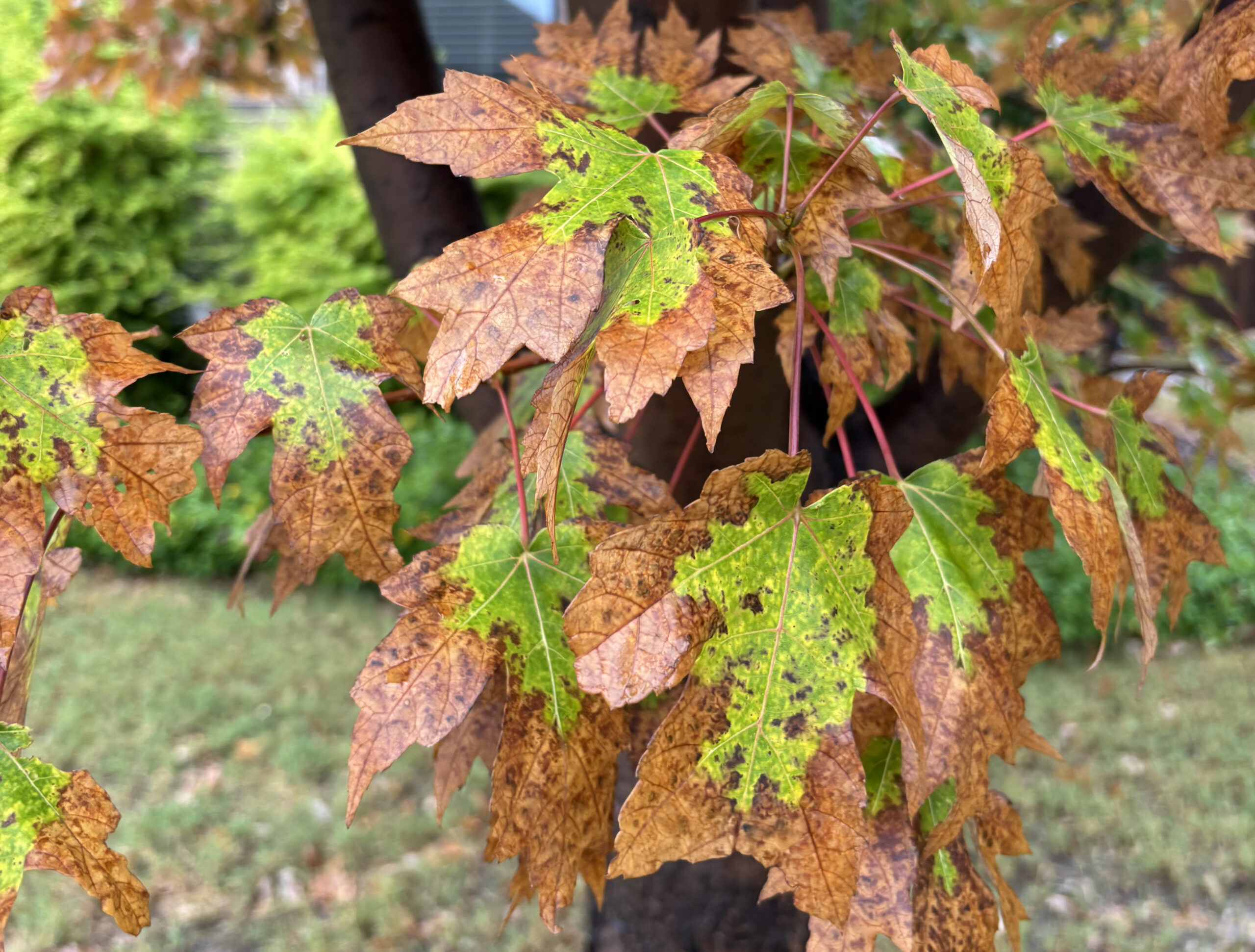
Trees are tougher than they look, but even healthy trees can struggle when stress builds over time. In North Texas, factors such as drought, poor soil conditions, root damage, pests, and improper maintenance can gradually…
Read more
Leaning Trees Post Heavy Rain
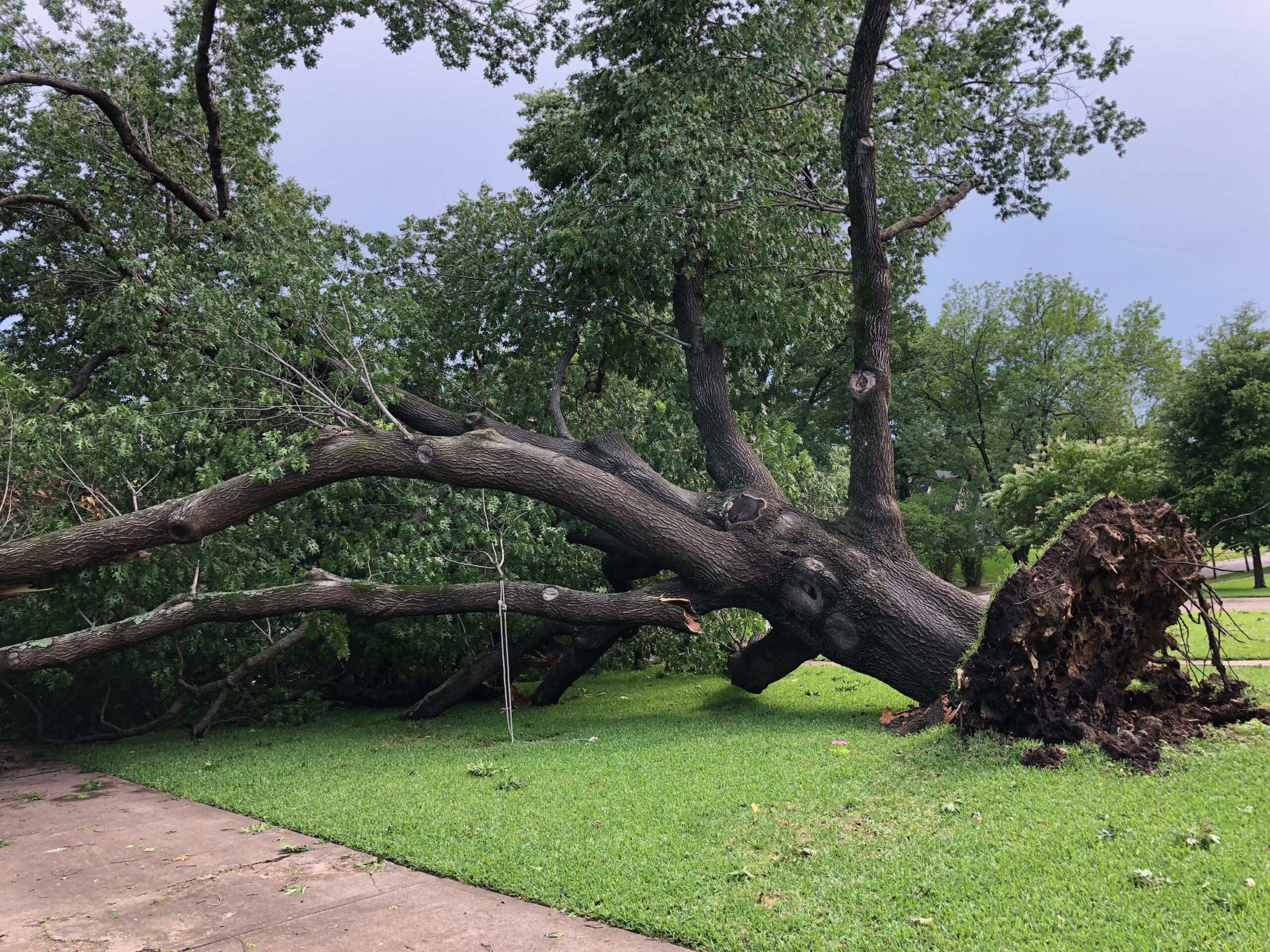
Heavy rain followed by long period of drought can cause significant shifting in our soils. This can be concerning for trees that have shallow roots. Heavy Rain Doesn’t Mean Tree Failure Healthy trees that are structurally…
Read more
Is There Anything you can do to Correct Compaction Issues Caused by Construction?
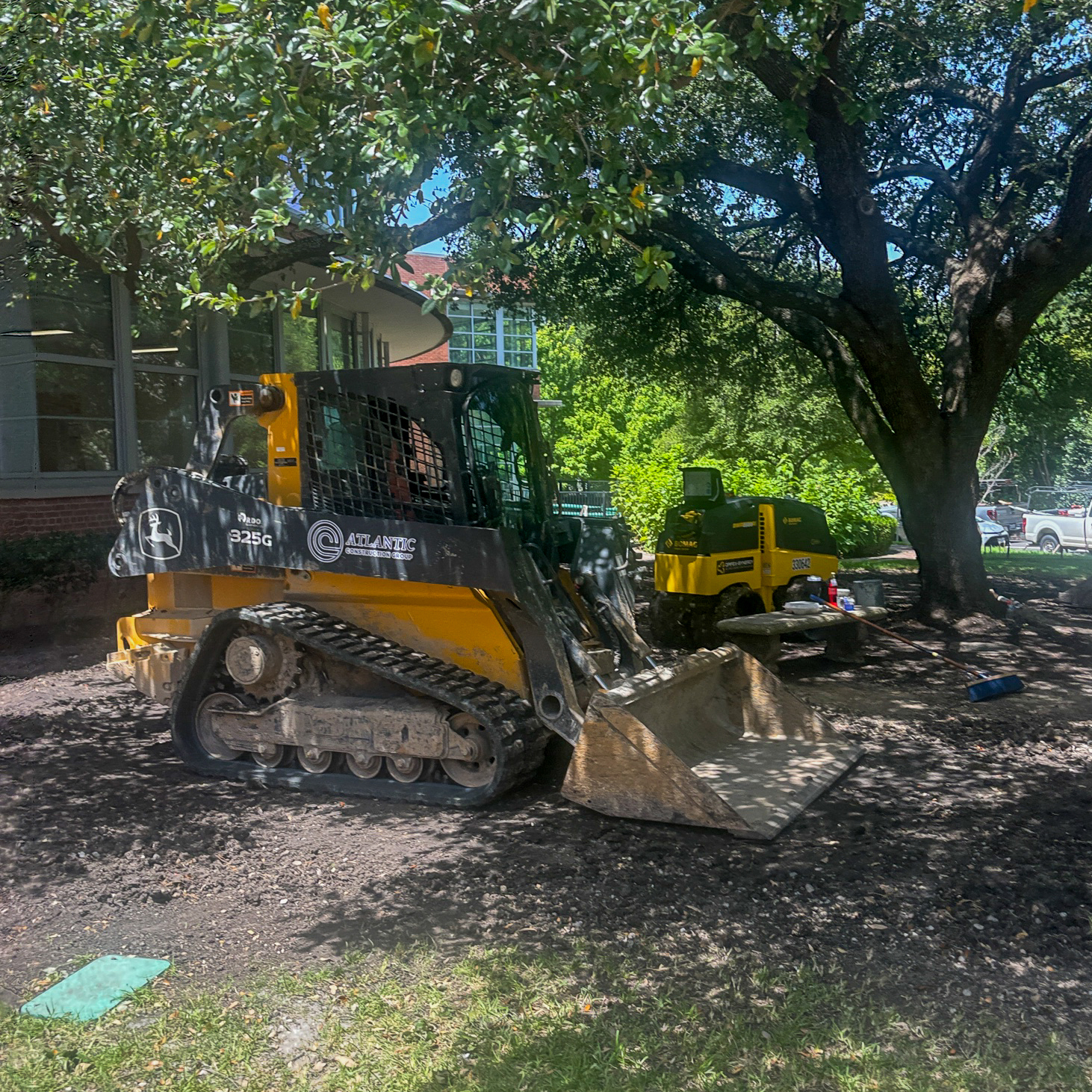
Correcting soil compaction requires a combination of physical loosening of the soil (aeration), biological improvement (microorganisms), continued protection. Vertical Mulching Mechanical / Physical Solutions Mechanical/Physical solutions are usually the quickest way to break up severely…
Read more