Why do Arborists Recommend Soil Sampling in Urban Areas like Dallas?
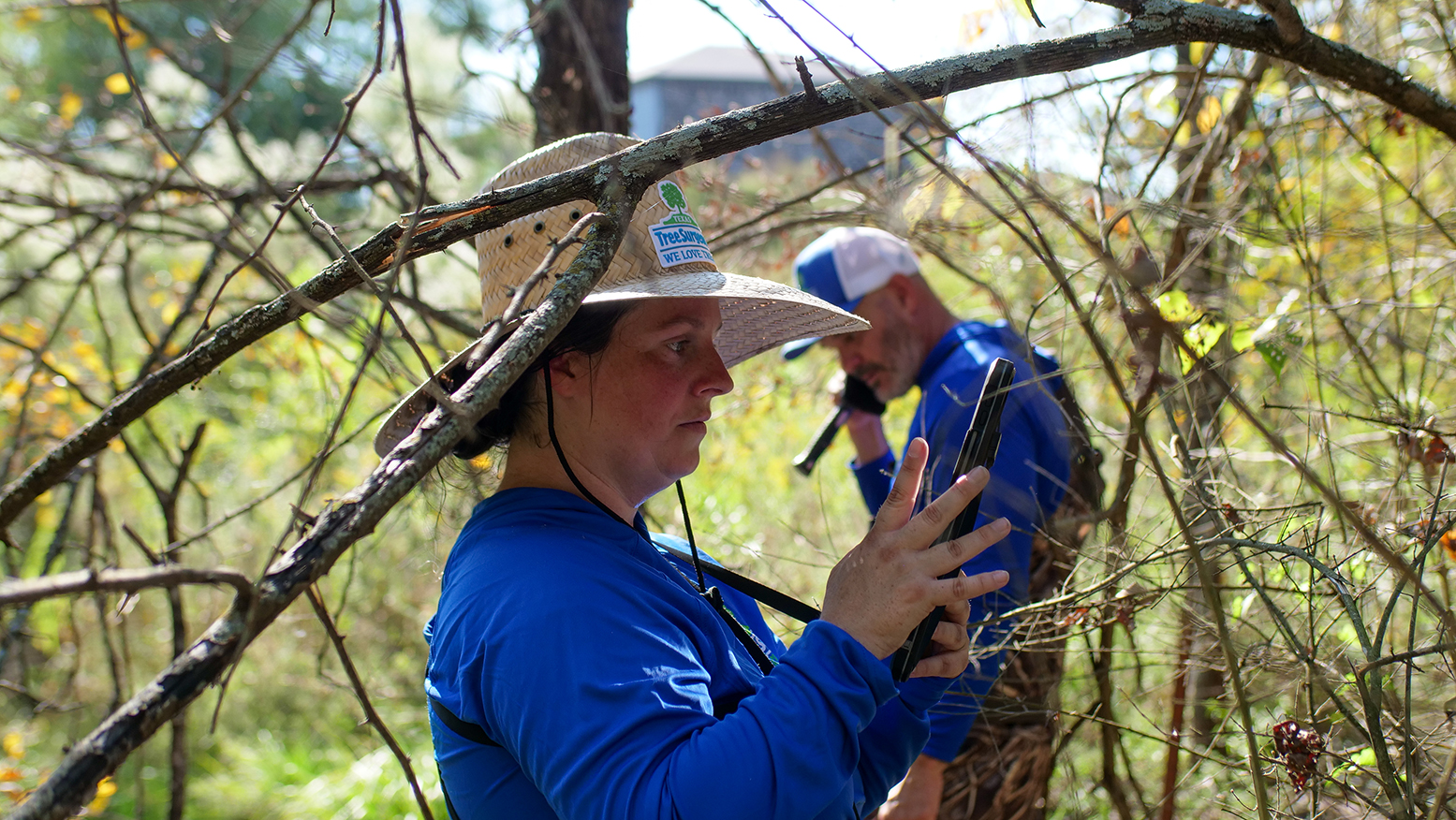
Soil sampling is a crucial practice in urban areas like Dallas. It helps arborists make informed decisions about your landscape to ensure a healthy urban ecosystem.
Our native soils vary widely—from the dense clays of the Blackland Prairie to the sandy loams of the Cross Timbers region—and urban development often disrupts natural soil conditions. That’s why understanding, protecting, and improving soil health is one of the most effective ways to support tree health.
What is Soil Sampling?
Soil sampling involves collecting soil samples from different areas to analyze their composition. This analysis helps in assessing the nutrient content, texture, and other vital properties of the soil.
Think of soil sampling as a health check-up; healthy soil = healthy trees. By taking samples, we can get a deep understanding of the soils nutrient levels, pH balance, and presence of contaminants. This process is fundamental in identifying what’s lacking or abundant in the soil.
The results from soil sampling helps determine next steps in tree health care planning, but also in preserving the unique characteristics of the local ecosystem.
Why is Soil Sampling Crucial in Urban Areas?
In urban environments, soil quality can be affected by human activities and pollution. Understanding the soil’s condition is essential for maintaining healthy plants and trees amidst these factors.
Urban areas like Dallas face unique challenges such as soil compaction from heavy traffic and construction activities. These activities can significantly alter the soil’s natural structure, making regular soil assessments more important than ever.
How Does Soil Sampling Help Arborists?
By analyzing soil samples, arborists can tailor their tree health care practices to meet specific nutrient needs, ensuring better growth and health.
Arborists use data from soil samples to create customized care plans for trees. This could involve choosing the right type of fertilizer or amending the soil with necessary elements to address deficiencies, a process crucial for their long-term vitality.
Through soil sampling, arborists can also identify potential threats such as pests or diseases that could thrive in certain soil conditions, allowing for timely interventions and safeguarding the urban flora.
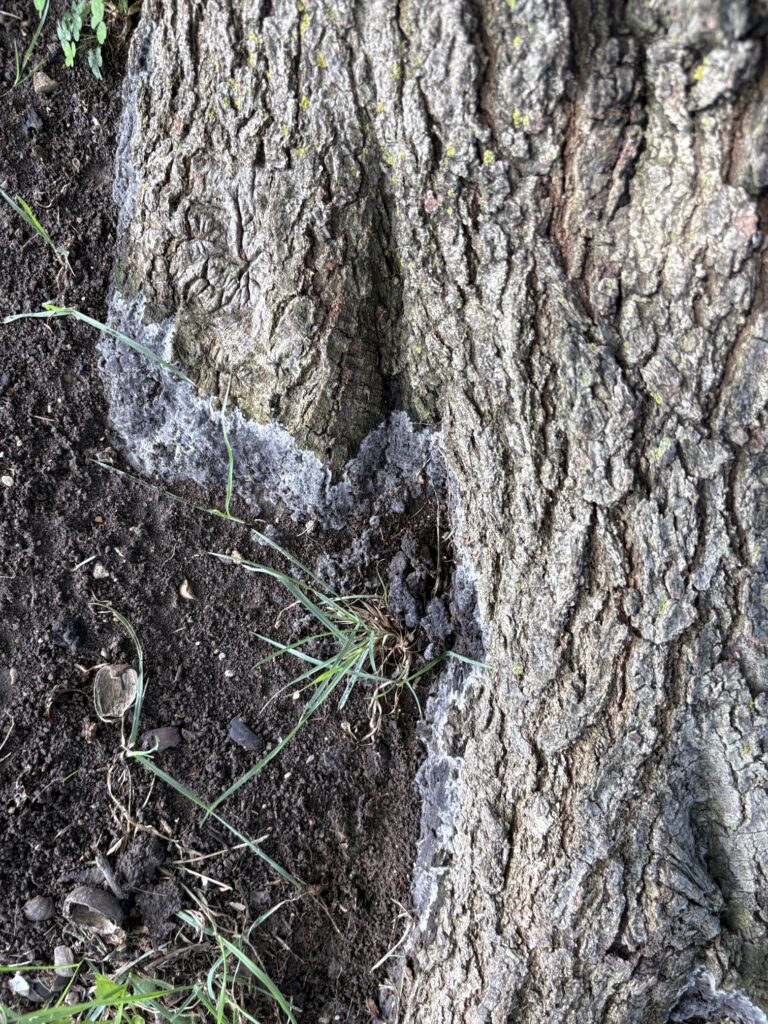
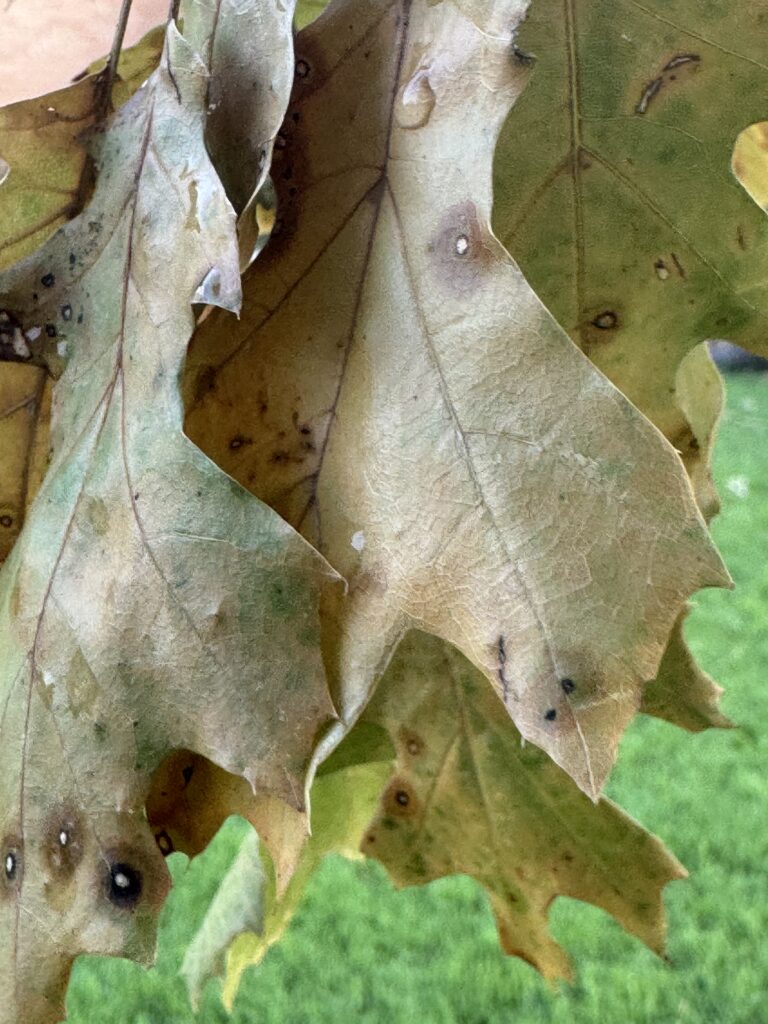
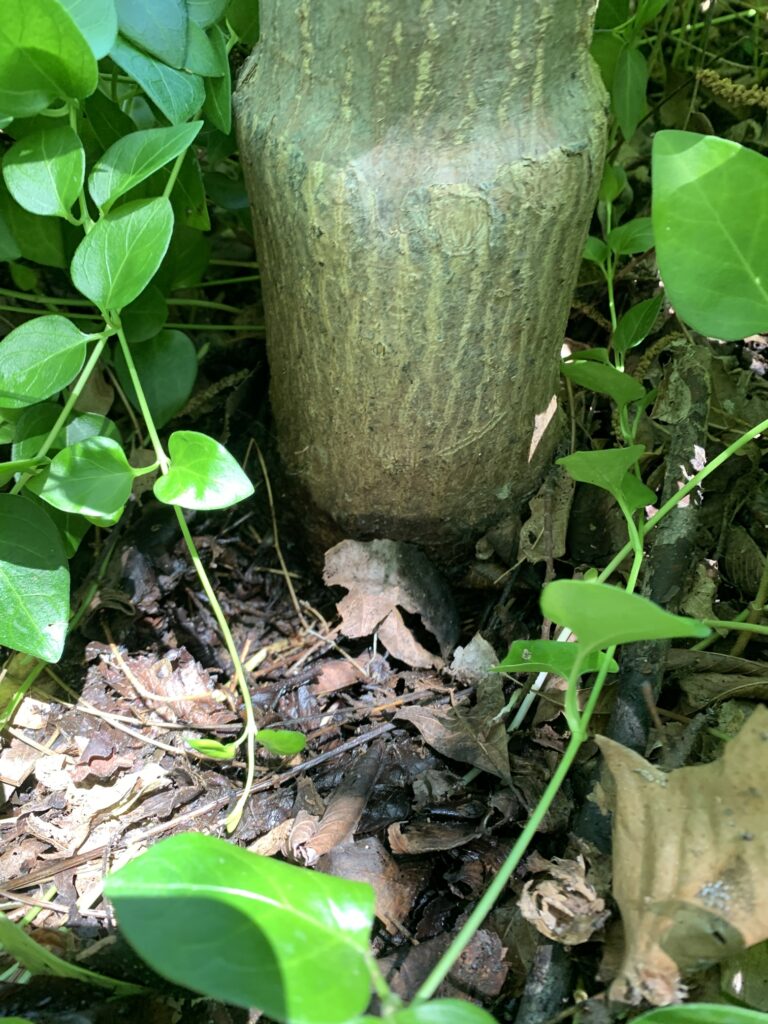
Signs of Poor Soil Health
Your trees may be suffering from underlying soil problems if you see any of these symptoms:
- Yellowing leaves (chlorosis) due to nutrient deficiencies
- Stunted growth or leaf drop during growing season
- Water pooling after rain (a sign of poor drainage or compaction)
- Shallow rooting or unstable trees
- Sparse canopy or dieback from root stress
- Lack of earthworms or insect activity in the soil

At Texas Tree Surgeons we love trees. In urban areas like Dallas, soil sampling is an essential tool for arborists. It ensures that trees and plants receive the nutrients they need and helps diagnose potential issues before they become problems. By understanding the soil, arborists can create a more sustainable and thriving urban environment. Whether your trees are struggling or you’re planning new landscaping, our ISA-Certified Arborists can evaluate your soil and recommend custom solutions that promote long-term tree health.
 PREV BLOG
Related Blogs
Similar blogs related to this topic
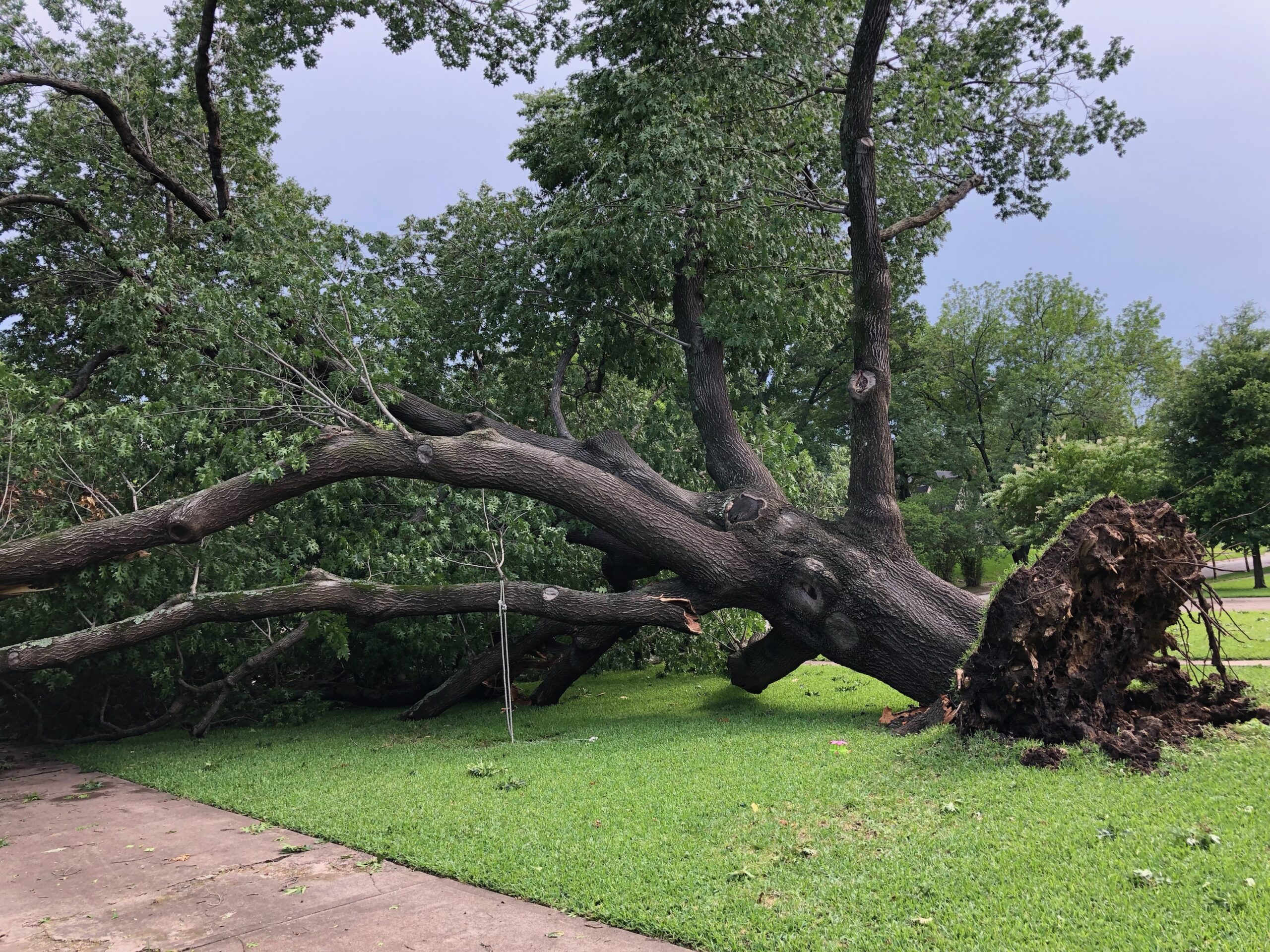
Leaning Trees Post Heavy Rain
Heavy rain followed by long period of drought can cause significant shifting in our soils. This can be concerning for trees that have shallow roots. Heavy Rain Doesn’t Mean Tree Failure Healthy trees that are structurally…
Read more
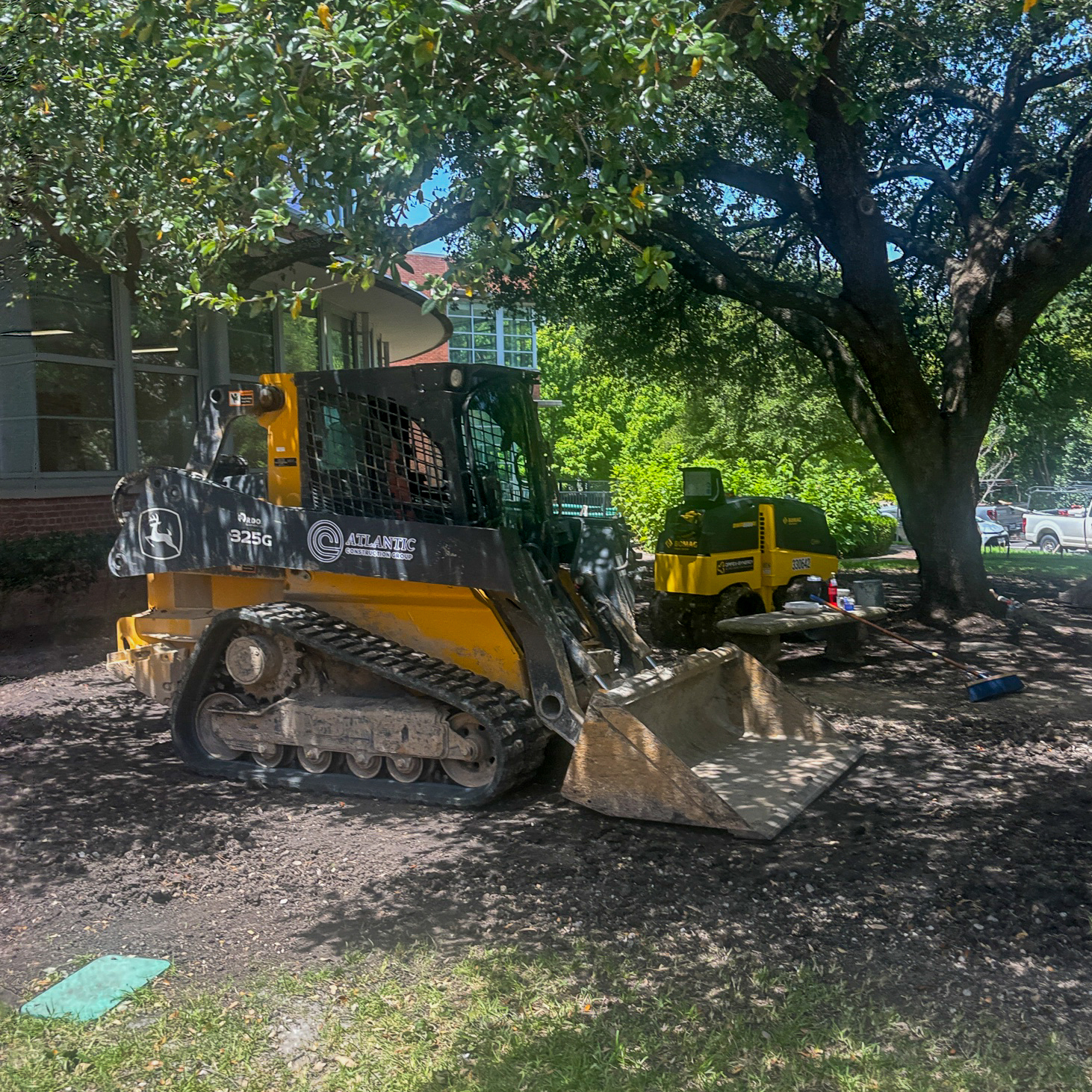
Is There Anything you can do to Correct Compaction Issues Caused by Construction?
Correcting soil compaction requires a combination of physical loosening of the soil (aeration), biological improvement (microorganisms), continued protection. Vertical Mulching Mechanical / Physical Solutions Mechanical/Physical solutions are usually the quickest way to break up severely…
Read more
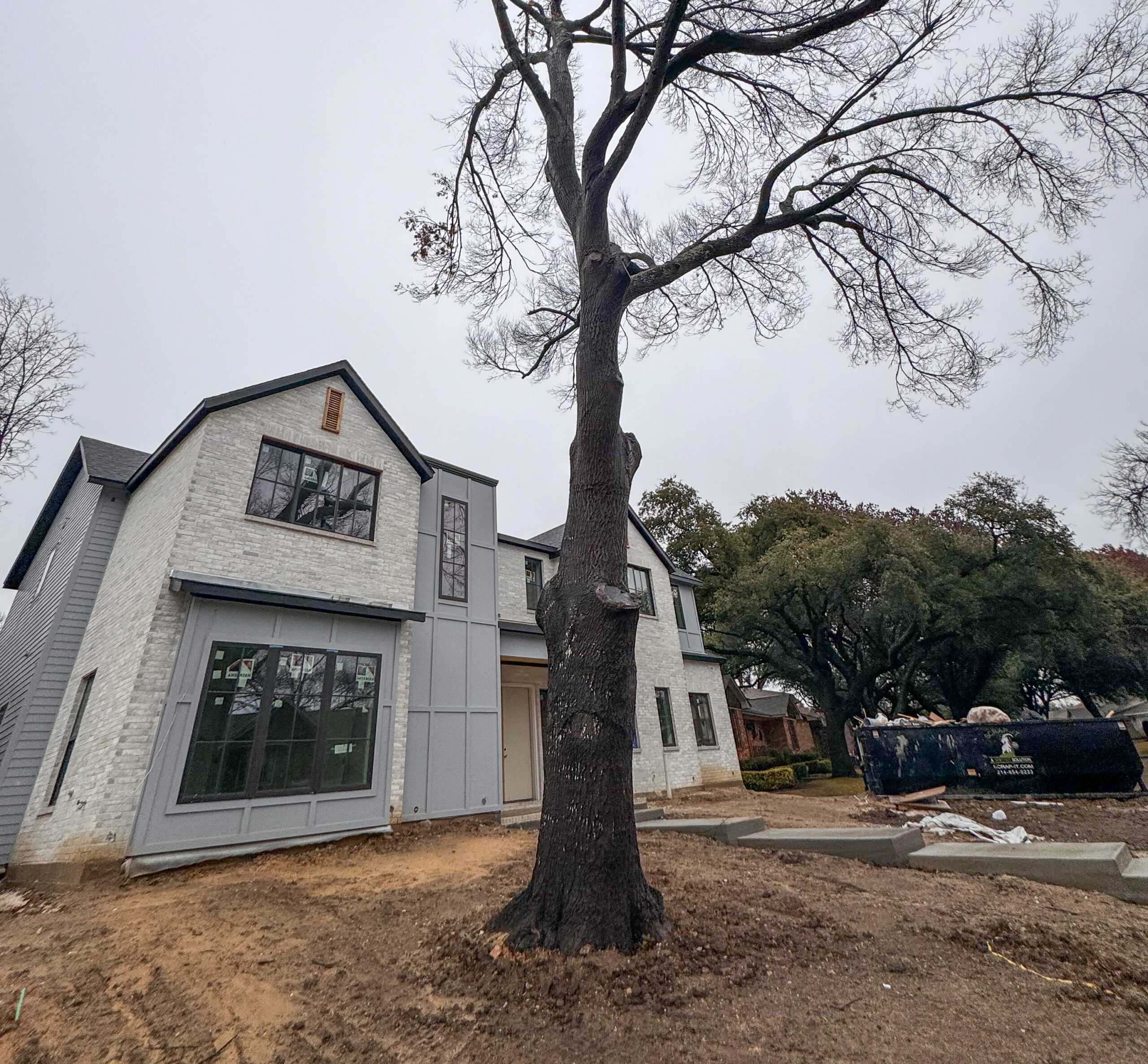
Avoid Costly Mistakes with Your Trees During Construction Projects
When planning for a rebuild or renovation of your home one thing that consistently gets overlooked is proper tree protection. Trees are living organisms that need to be protected and accounted for prior to construction…
Read more