Ask Texas Tree Surgeons: What’s All the Stuff Dripping on My Car and Patio?

Texas Tree Surgeons answers another question about trees in North Texas. Do you have a question, or would you like to have a visit from an arborist? Let us know!
I park under a tree a few times a week, and have been noticing little drops all over my windshield. Are the trees dripping sap on my car? Are the trees sick?
-S.J.

Is this what your car windows are starting to look like? You’re not alone…
If you park under trees this time of year, you may be noticing a slightly sticky residue on your windows. A similar substance may also be on your outdoor furniture. Since it seems to be coming from trees, sap is the first thing people think of. While trees can leak sap as a sign of infection, the sap is usually contained to a particular section on a tree limb or trunk, and doesn’t drip over a large area under the canopy. Tree sap is also much thicker and stickier than what we are seeing on cars lately. If you’re able to wipe the residue away with water or a little washer fluid, it’s probably not sap.
Ok, if it’s not sap, what is it?
Like our previous question about little twigs and leaves dropping out of season, the dripping is not a sign of a health issue with the tree, but is evidence of insect activity. While we can’t be certain of the exact insect without examining the tree, the most likely culprit is aphids.
Aphids are a problem for gardens and trees everywhere. Aphids eat sap from leaves and stems, and reproduce faster than any other insect. As they feed, they process the sap and turn it into a substance called “honeydew.” Honeydew is essentially sugar water, and is actually harvested by certain species of ants. Accumulations of honeydew on plants, especially crape myrtles, can lead to the growth of an unsightly black mold. A few species of aphids can also carry plant viruses.
If you haven’t guessed yet, what you’re seeing on your car is honeydew. As the aphids feed, the leaves and twigs can become covered in honeydew, which eventually starts to drip from the trees. Crape myrtles are a common victim of aphids, so they often drip more honeydew than other trees, but aphid activity in any tree can lead to honeydew and sooty mold.
So, how do you stop aphids from making a mess of everything?
The best control for aphids is actually the environment itself. Aphids have many natural predators, such as lady beetles (ladybugs), and they are very susceptible to changes in the weather. The lifespan of an aphid is about one month, so populations can die out quickly. In many cases, then, the best course of action may be to simply do nothing.
If further aphid control is needed, it is best to use biological and non-toxic measures. On smaller plants, a heavy water spray can dislodge aphids. Lady beetle larvae can be introduced to the environment and can quickly reduce aphid populations.
Insecticidal soaps and other surface insecticides (such as foliar sprays) can also be used to interrupt the aphid life cycle. However, these measures do not control adult aphids, and so they may be ineffective once the population has matured. Systemic insecticides are not effective against aphids.
Unfortunately, once the honeydew production has reached a high enough level that things are getting messy, the aphid population is probably past the point of effective insecticidal control. A heavy spray of water throughout the canopy may reduce the dripping, at least temporarily. Most likely, the honeydew will stop falling in the next couple of weeks.
Are you sure it’s aphids?
Of course, aphids are not the only source of residue falling from trees, but they are the one we see most often. We are always happy to come out and take a look at your trees and verify that there is nothing more serious to worry about. Unfortunately, we don’t provide any aphid controls that would be effective this season, but we can do some surface treatments on crape myrtles during the winter to help control the spring insect populations. Get in touch with us and we can have an arborist see which options might be best for you.
Keep those questions coming! At Texas Tree Surgeons, we love trees and we love our customers, and we want to do all we can to spread tree knowledge!
 PREV BLOG
Related Blogs
Similar blogs related to this topic
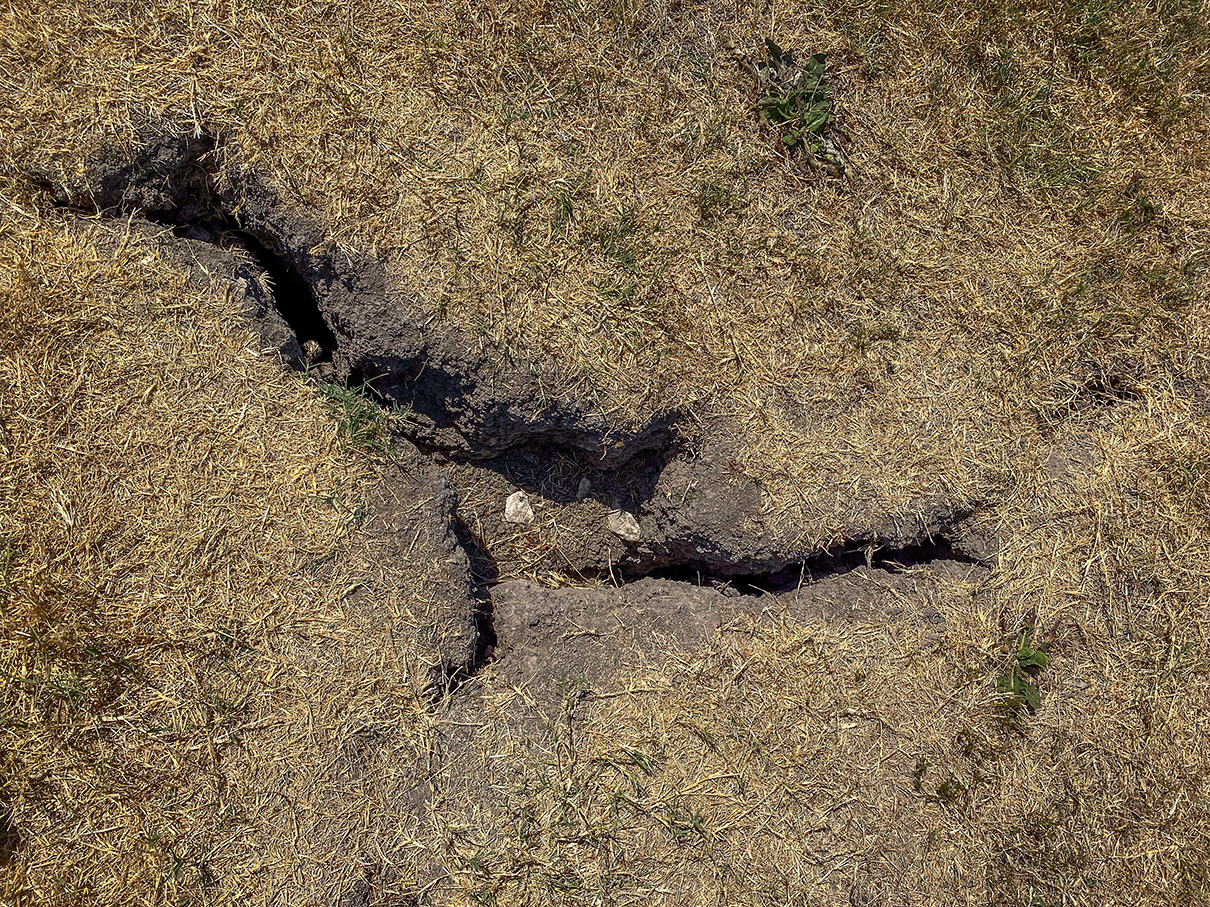
Post-Drought Tree Care for North Texas
The drought may be over, but the stress on your trees isn’t. After prolonged heat and drought, trees can continue showing signs of stress well after rainfall returns. Fine-root loss, compacted soil, reduced water absorption,…
Read more
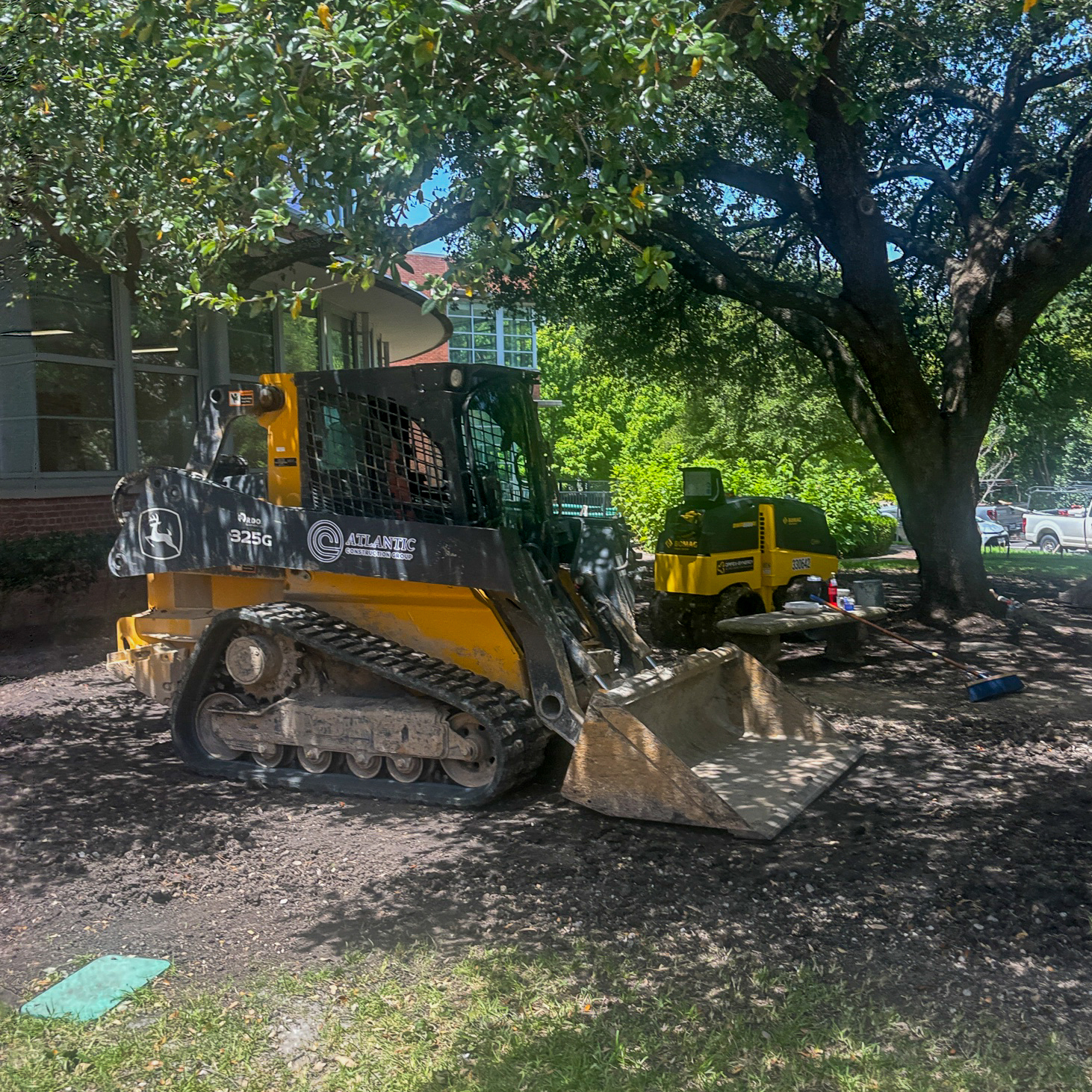
Is There Anything you can do to Correct Compaction Issues Caused by Construction?
Correcting soil compaction requires a combination of physical loosening of the soil (aeration), biological improvement (microorganisms), continued protection. Vertical Mulching Mechanical / Physical Solutions Mechanical/Physical solutions are usually the quickest way to break up severely…
Read more
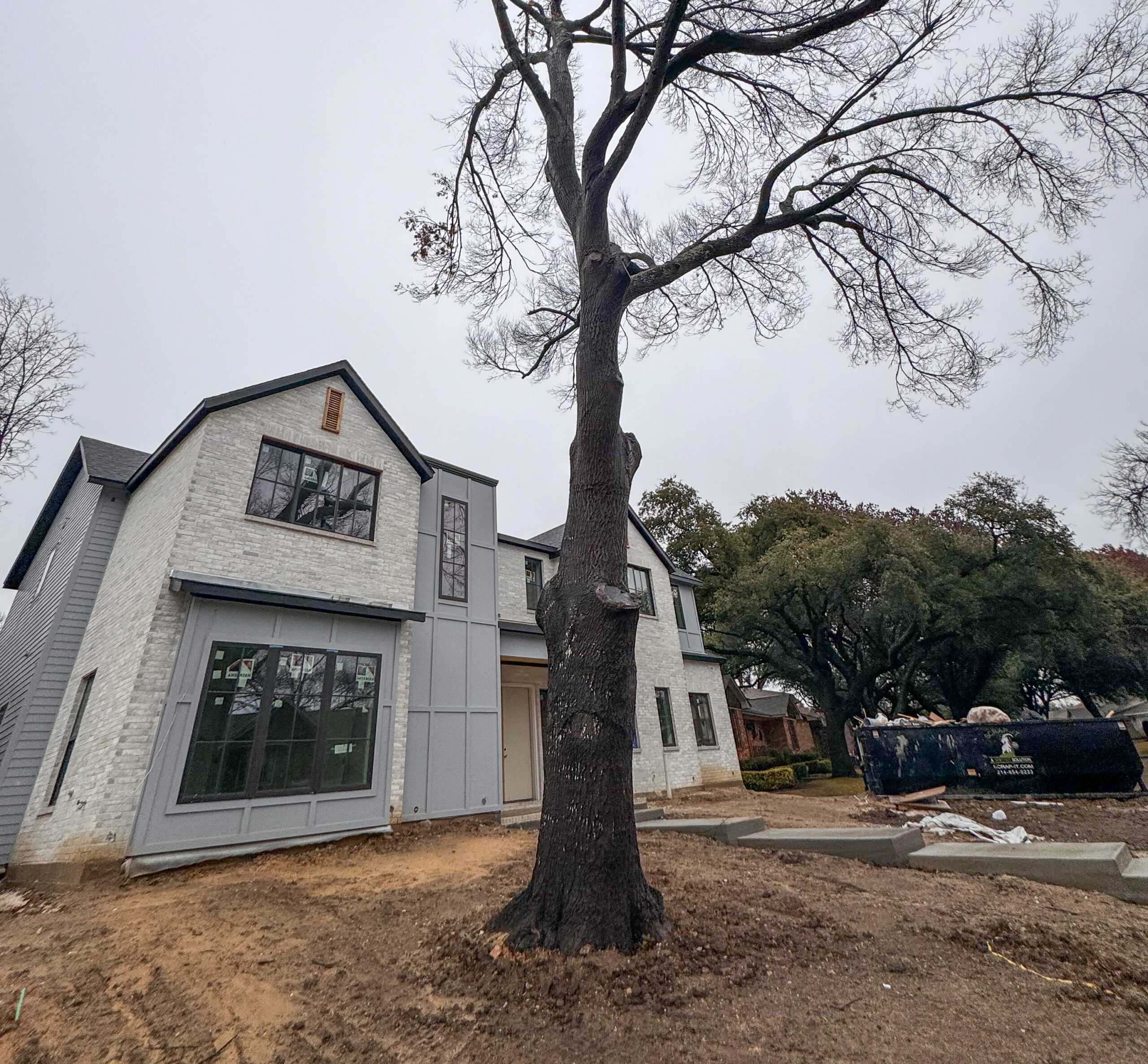
Avoid Costly Mistakes with Your Trees During Construction Projects
When planning for a rebuild or renovation of your home one thing that consistently gets overlooked is proper tree protection. Trees are living organisms that need to be protected and accounted for prior to construction…
Read more