Why Is There So Much Sticky Stuff Dripping From My Trees?

We have discussed the relationship between aphids and the sticky residue seen on patios and cars before, but the Fall of 2022 has seen an explosion in aphid populations and the resulting mess. While there is little that can be done to reduce aphid activity this season, it is unlikely that the aphid infestations will have a lasting negative effect on trees in North Texas.
Why Is My Tree Dripping Sticky Stuff? Is It Sap?
While it may be confused with sap, the sticky substance we are seeing dripping from trees is most likely honeydew, which is produced by aphids. Aphids are attracted to many different species of tree, but are most commonly seen in North Texas on crape myrtles, pecans, hackberries, and certain oaks.
- The aphids feed on sap and produce honeydew, which accumulates on the trees, eventually dropping.
- Since honeydew is essentially sugar water, it can cause surfaces it comes in contact with to become sticky.
- The sugary residue can also attract ants and other animals.
- In large enough accumulations, honeydew can lead to the growth of molds and fungi, such as sooty mold, which is commonly seen on aphid-infested crape myrtles.
Why Is This Happening Now?
Like the trees they prey on, aphids are greatly affected by seasonal weather patterns and changes to their environment. In 2022, we had a long, dry summer that ended with heavy rainfall. The abundance of moisture at the end of the season combined with still-elevated temperatures caused rapid growth of many plants, blooming of flowering trees and bushes, and a resurgence in the insect population. The abundance of new growth late in the year was able to support many more species that feed on plants, like aphids, than the previous year’s late summer. While this is not the first time this has happened in North Texas (see our post about this same topic from October 2018), it happens rarely enough that it can be surprising when it occurs.
Is There a Spray or Other Treatment for Aphids?
- Foliar sprays to control insects are not recommended for large trees (such as pecans and oaks), and have a very limited window of effectiveness.
- Additionally, any product that is applied to a tree rather than used systemically is subject to being diluted or washed away entirely by rain.
- Systemic insecticides can be used in trees of all sizes, but take about a month from application to be taken up by the tree’s vascular tissue and reach full effectiveness.
- Because of this timing, systemic insecticides are best applied before a growing season or an expected surge in insect activity.
- Be wary of service providers who claim to be able to control an active aphid infestation quickly.
- They will either not be able to deliver on that promise, or will use a wasteful, excessive, and potentially dangerous insecticide spray that could be rendered ineffective in the next rainstorm.
- Effective treatment takes time, and if the aphids are already active, they will most likely die off naturally before any chemical controls could make a difference.
What Can We Do About the Current Activity and Sticky Mess?
- Depending on the size of the host tree and the number of aphids present, it may be possible to spray some of them off the tree with a garden hose.
- Ladybird beetles (laybugs) and some other insects are natural predators of the aphids, but trying to introduce them into the environment late in the season may not be effective.
- The sticky honeydew is water-soluble and easily cleaned up with a mild detergent solution or a mixture of vinegar and water.
- If possible, avoid parking under infested trees and cover patio furniture until the activity dies down.
- Once their life cycle has run its course, the aphids will die off naturally.
- With a lifespan of between 20 and 40 days, by the time the current generation of aphids dies, the weather will have cooled enough to prevent further activity until the next growing season.
- To help prevent future infestations, and stop current ones from getting worse, avoid using high-nitrogen fertilizer that stimulates rapid plant growth, as this will only serve to make your trees more attractive to pests like aphids.
Will the Aphids Cause Long-Term Issues in My Trees?
While an active aphid infestation can cause irritating honeydew production and unsightly mold growth, there are most likely no lasting effects on large trees. Increased insect activity late in a season is less likely to cause long-term damage. Additionally, even large populations of aphids rarely have any serious effect on mature trees. Once the aphids die off, any secondary issues, such as mold, will clear up.
At Texas Tree Surgeons, we love trees and we love our community! We hope that spreading the word about the current aphid issue will help put tree owners’ minds at ease. While nothing can be done to reduce aphid activity right now, there are preventative measures that can be taken in the winter to help reduce pests in the spring. We offer year-round plant health care programs that can help make sure your trees are prepared to handle issues at any time and bounce back from damage and stress. Ask one of our certified arborists to evaluate your trees today!
 PREV BLOG
Related Blogs
Similar blogs related to this topic
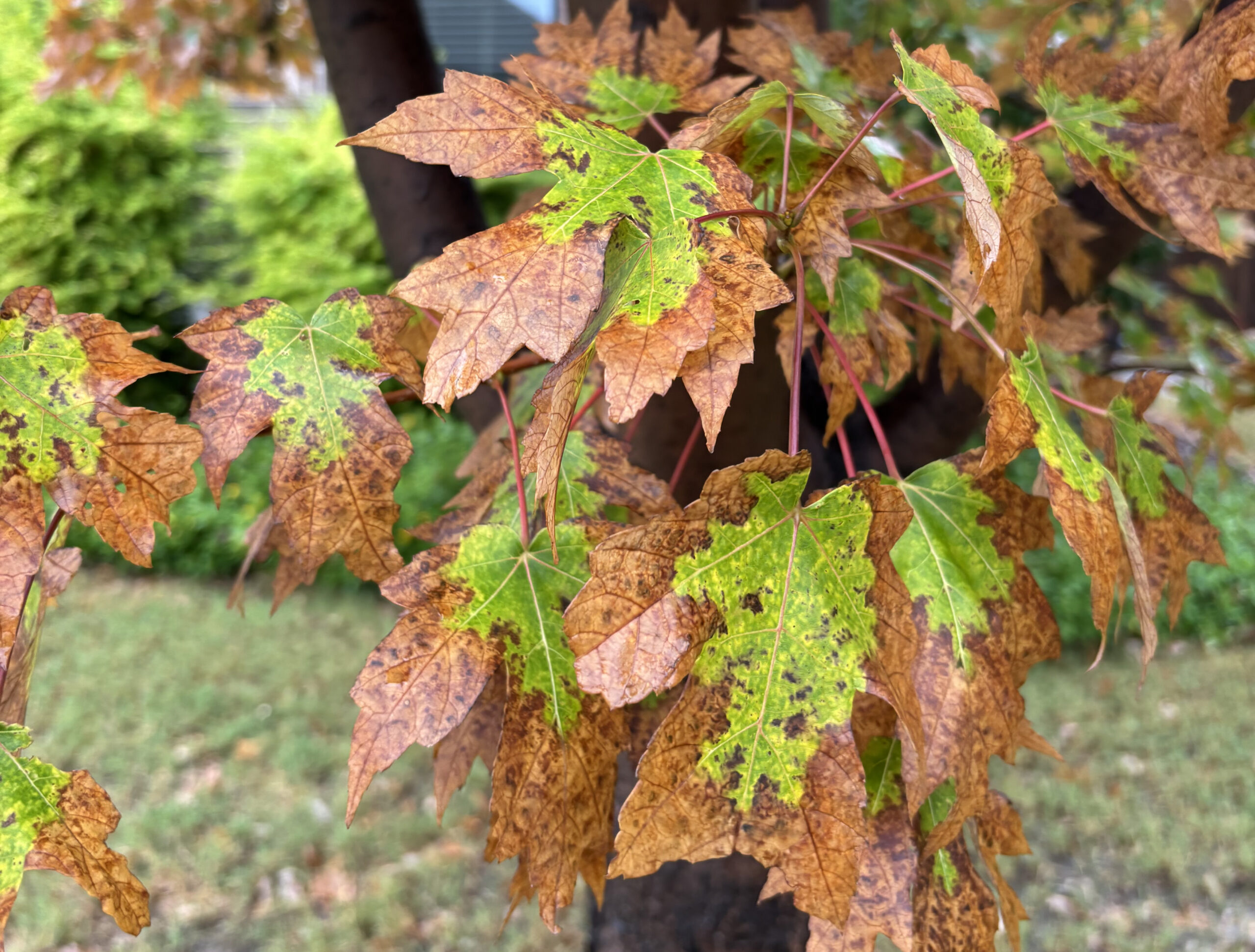
Top 10 Reasons Why Your Tree is Dying
Trees are tougher than they look, but even healthy trees can struggle when stress builds over time. In North Texas, factors such as drought, poor soil conditions, root damage, pests, and improper maintenance can gradually…
Read more
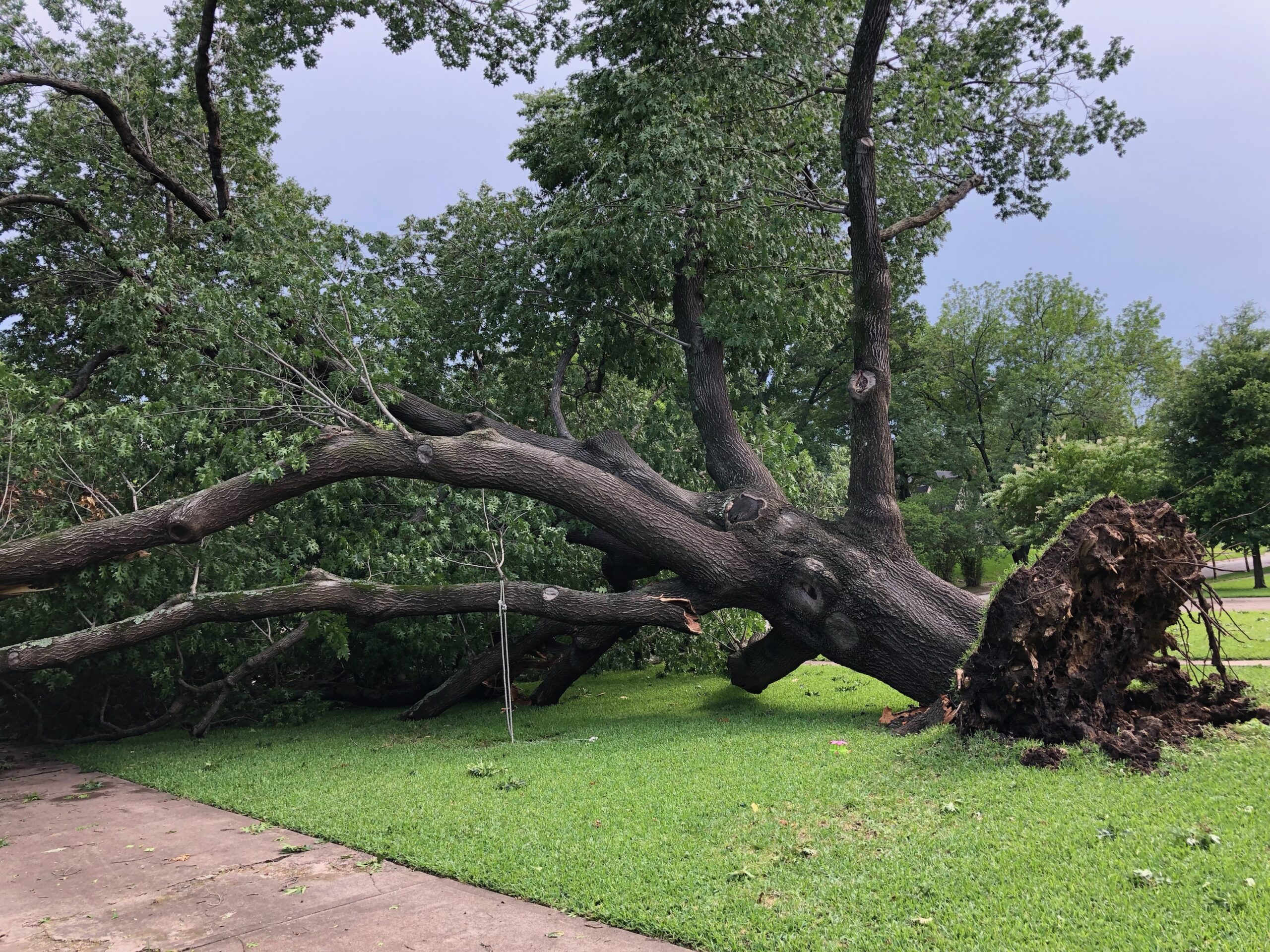
Leaning Trees Post Heavy Rain
Heavy rain followed by long period of drought can cause significant shifting in our soils. This can be concerning for trees that have shallow roots. Heavy Rain Doesn’t Mean Tree Failure Healthy trees that are structurally…
Read more
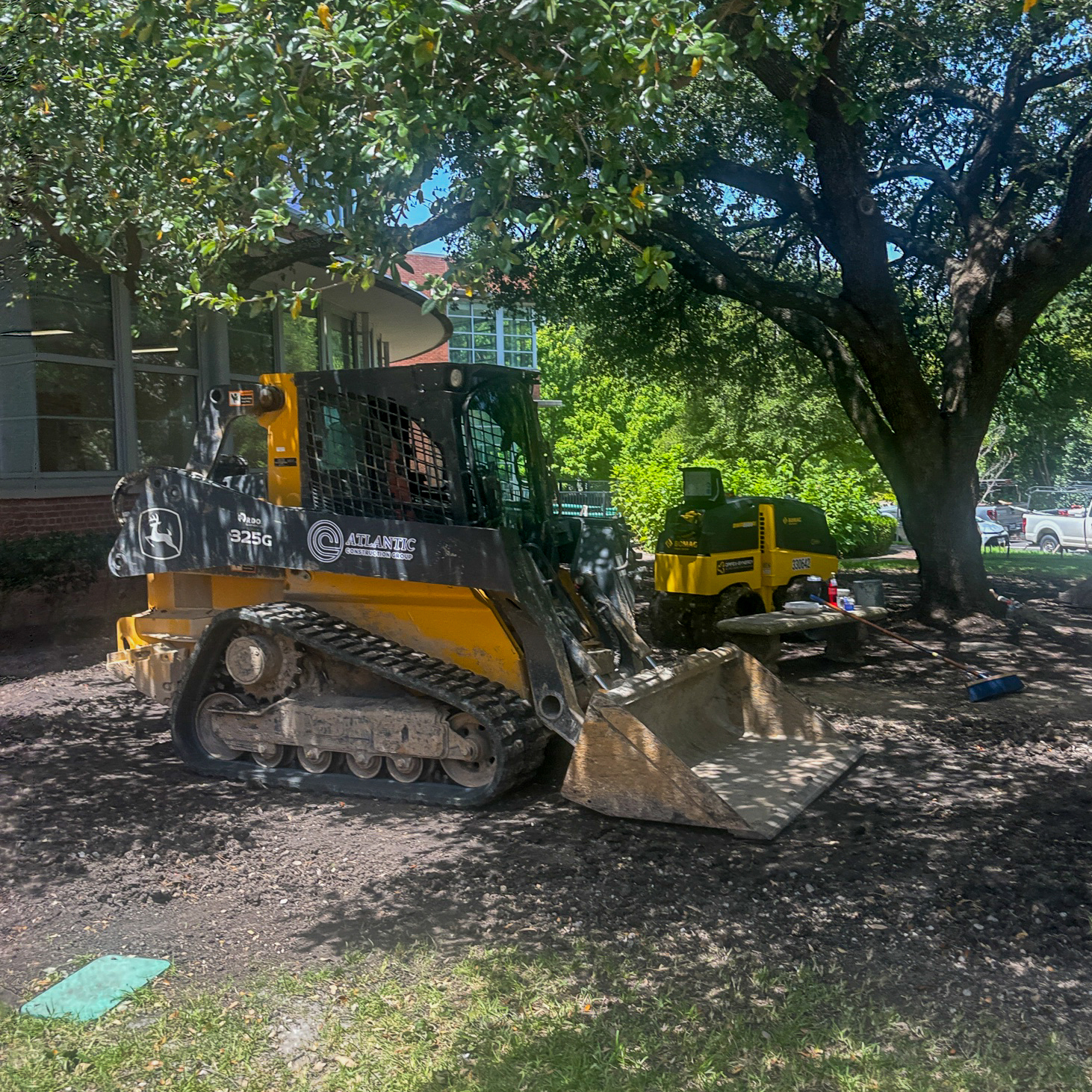
Is There Anything you can do to Correct Compaction Issues Caused by Construction?
Correcting soil compaction requires a combination of physical loosening of the soil (aeration), biological improvement (microorganisms), continued protection. Vertical Mulching Mechanical / Physical Solutions Mechanical/Physical solutions are usually the quickest way to break up severely…
Read more