• Skip to main content
  • 469-387-6000
  • [email protected]
  • Local Arborist
  • Services

    All Services

    Local Arborist

    Consulting

    Tree Trimming

    Tree Removal

    Tree Health Care

    Tree Planting

    Stump Grinding

  • Service Area
    Addison Allen Arlington Carrollton Colleyville Coppell Dallas Denton Euless Farmers Branch Flower Mound Fort Worth Frisco Garland Grand Prairie Grapevine Highland Park Irving Keller Lewisville McKinney Mesquite Murphy North Richland Hills Plano Prosper Richardson Rockwall Southlake Trophy Club University Park Wylie
  • Information
    About How We Work Faqs “Arborist” vs. “Certified Arborist” Emergency Tree Work Gallery Insurance and W9 Information
  • Testimonials
  • Blog
    All Blog North Texas Tree Owner’s Guide Tree Recommendations Insects & Diseases Whats Wrong with My Tree Fall Tree Care Winter Tree Care Spring Tree Care Summer Tree Care
  • Pay Invoice
  • Contact Us
  • What's Wrong with My Tree
  • Tree Health Care
  • Insects & Diseases
  • Fall Tree Care
  • Resources

What are These Small, Green Worms Hanging Off My Trees?

Sep 22, 2022


In the spring and fall, we often get calls about small, green worms or caterpillars hanging on web-like threads from trees and structures. While they may be off-putting, and can be rampant some years, they should not be a cause of serious concern.

So, What are They?

While there are many similar-looking small caterpillars and worms, the variety most commonly seen in North Texas is the cankerworm. These inchworm-like caterpillars are the larvae of moths, usually the hackberry leafroller moth (Sciota celtidella). While the leafroller caterpillars usually emerge in the spring, depending on the weather they can also be active in the fall. The caterpillars spin thin strands of web-like filament that they use to move from tree to tree and to aid in feeding.

Should I be Worried?

While the hackberry leafroller can cause defoliation, there is little cause for concern. Healthy trees in good soil can withstand extensive defoliation. While trees that are under stress may suffer more from unseasonal leaf loss, hackberries are hardy, native trees in North Texas and will likely recover during the next growing season. In areas of high activity, the ground may be temporarily discolored, but this should clear up after the next heavy rain.

All About Hackberries

Hackberry trees are a common sight in DFW, and have even lent their name to several areas and neighborhoods! What we call hackberries may be of a few distinct tree species, but are all in the genus Celtis. Hackberries are fast-growing softwood trees that can often be found as volunteers along fences and hedgerows, grown from seeds dropped by birds and other animals that feed on the trees’ berries. Because of their fast growth and structure, and because they are often overlooked, hackberries can be prone to limb and trunk instabilities. One particular danger is root rot caused by the Kretschmaria deusta fungus.

Should I Do Anything?

Unfortunately, once the caterpillars emerge and begin feeding there are no effective insecticidal treatments. Using a water hose or other method to remove caterpillars from trees and structures can help some, but it is important to make sure that the removed caterpillars are disposed of so that they don’t simply re-infest the tree. Proper maintenance, especially of stressed trees, is usually all that is needed to ensure a hackberry recover from leaf rollers. Water correctly and avoid high-nitrogen fertilizers, opting instead for organic soil amendments to improve the tree’s microenvironment. As the population of leafroller caterpillars varies from year to year depending on environmental and other factors, preventative treatment is usually not recommended, due to low success rate and risk of over-usage of insecticidal chemicals.

At Texas Tree Surgeons, we love trees and we love our community! While it’s always a little startling to see unseasonal leaf drop, losing leaves doesn’t necessarily mean a tree is doomed! We are always happy to have one of our ISA Certified Arborists out to look at your hackberries (or any other trees) and let you know if what you are seeing needs to be addressed. Get in touch today!

Share This Blog
PREV BLOG
NEXT BLOG

Search Within Blogs

Recent Posts

  • Pre-Emergent vs. Post-Emergent Weed Control | A Tree-Focused Perspective
    When using weed control treatments does the affects of pre-emergent or post-emergent interact with trees differently? […]
  • Lacebark Elm and Borers
    Our certified arborists have been noticing a significant amount of lacebark elms with borer activity this past week. If you believe your tree is showing symptoms of stress contact us to schedule an assessment. […]
  • Common Tree Pests and How to Manage Them
    Pest and disease problems can escalate quickly. At Texas Tree Surgeons, we combine experience, scientific knowledge, and diagnostic technology to create custom solutions that protect your trees and enhance your landscape. […]
  • Signs of Over Watering Newly Planted Tree
    If your soil is soggy not moist then you are over watering. […]
  • Why Oak Wilt is Especially Devastating on Red Oaks 
    Did you know oak wilt affects red oaks more severely than live oaks. In addition Red oaks can start new oak wilt outbreaks. Red oaks produce fungal mats under the bark that attract specific sap-feeding beetles that can carry spores to fresh wounds on other oak trees. […]

Ask Texas tree Surgouns

  • Tree Species
  • News Coverage
  • What's Wrong with My Tree
  • Local Arborist Services
  • Consulting
  • Tree Planting
  • Tree Removal
  • Tree Trimming
  • Tree Health Care
  • Roots
  • Insects & Diseases
  • Tree Recommendations
  • Turf & Trees
  • Extreme Weather
  • Fall Tree Care
  • Spring Tree Care
  • Summer Tree Care
  • Winter Tree Care
  • Top 10
  • Resources
  • Tree Owner's Guide
  • Ask Texas Tree Surgeons
  • Events
  • Video

Follow

Recent Comments

    Archives

    • April 2026
    • March 2026
    • February 2026
    • January 2026
    • December 2025
    • November 2025
    • October 2025
    • September 2025
    • August 2025
    • July 2025
    • June 2025
    • May 2025
    • April 2025
    • March 2025
    • February 2025
    • January 2025
    • December 2024
    • November 2024
    • October 2024
    • September 2024
    • August 2024
    • July 2024
    • June 2024
    • May 2024
    • April 2024
    • March 2024
    • February 2024
    • January 2024
    • December 2023
    • November 2023
    • October 2023
    • September 2023
    • August 2023
    • July 2023
    • May 2023
    • February 2023
    • October 2022
    • September 2022
    • August 2022
    • May 2022
    • April 2022
    • March 2022
    • February 2022
    • January 2022
    • October 2021
    • September 2021
    • July 2021
    • June 2021
    • May 2021
    • March 2021
    • February 2021
    • January 2021
    • December 2020
    • November 2020
    • October 2020
    • August 2020
    • June 2020
    • April 2020
    • March 2020
    • February 2020
    • January 2020
    • December 2019
    • November 2019
    • October 2019
    • September 2019
    • August 2019
    • July 2019
    • June 2019
    • May 2019
    • April 2019
    • March 2019
    • February 2019
    • December 2018
    • November 2018
    • October 2018
    • September 2018
    • August 2018
    Related

    Related Blogs

    Similar blogs related to this topic
    All Blogs
    What's Wrong with My Tree

    Lacebark Elm and Borers

    In North Texas our local Certified Arborists have been seeing several Lacebark Elms dead with borer exit holes in the past week. Borers Target Already Stressed Trees The borers we are seeing in Lacebark Elms…

    Read more Apr 17, 2026
    What's Wrong with My Tree

    Common Tree Pests and How to Manage Them

    Trees naturally interact with insects throughout the year, and in many cases, these pests cause little lasting harm. Effective tree care focuses on Integrated Pest Management (IPM) – an approach supported by the International Society…

    Read more Apr 14, 2026
    What's Wrong with My Tree

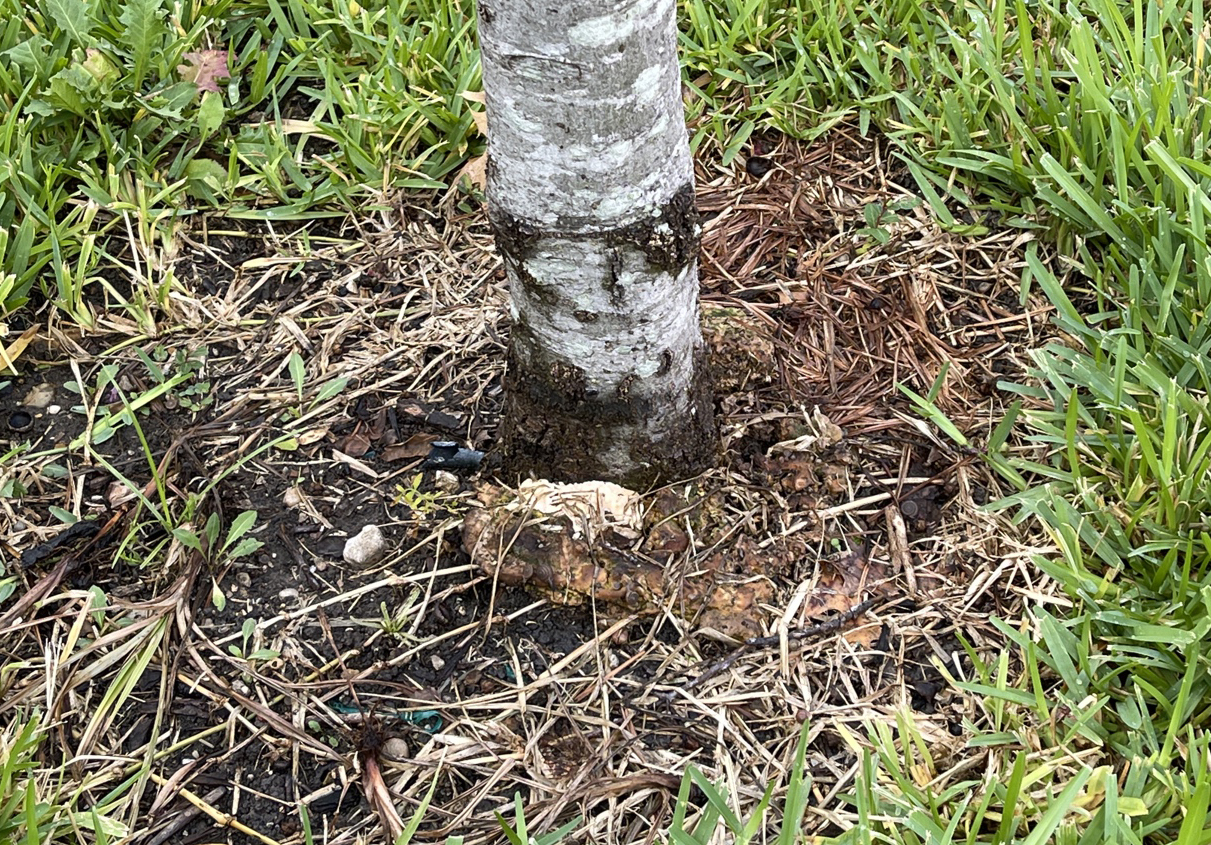
    Signs of Over Watering Newly Planted Tree

    Over watering damages tree just like under watering. This is especially true for newly planted trees. Unfortunately watering new trees is not a set it and forget it type of care. Depending on rainfall, temperature,…

    Read more Apr 09, 2026
    Contact Us

    Get Your Estimate Today!

    Ready to get started? Have a question? We’d love to hear from you. Request an estimate and get started today.

    Contact Us
    Locations

    Areas Served

    Tree Services in and around the Dallas-Fort Worth Metroplex.

    • Dallas
    • Grand Prairie
    • Plano
    • Denton
    • North Richland Hills
    • Southlake
    • Fort Worth
    • Lewisville
    • Carrollton
    • Highland Park
    • Euless
    • Colleyville
    • Arlington
    • Frisco
    • McKinney
    • Grapevine
    • Garland
    • Wylie
    • Irving
    • Richardson
    • Coppell
    • Mesquite
    • Farmers Branch
    • Flower Mound
    • Keller
    • Addison
    • Rockwall
    • Prosper
    • Allen
    • Murphy
    • University Park
    • Trophy Club
    view more
    footer logo

    Dallas Tree Surgeons or Texas Tree Surgeons? Both! Same great people. Different name.

    • 469-387-6000
    • [email protected]
    Services
    • All Services
    • Local Arborist
    • Tree Health Care
    • Tree Removal
    • Tree Trimming
    • Tree Planting
    • Stump Grinding
    Quick Links
    • About
    • Contact Us
    • Faqs
    • Privacy Policy
    • Terms and Conditions
    Follow us on

    "Dallas Tree Surgeons" and "Texas Tree Surgeons" are registered marks of Tree Surgeons LLC.

    Copyright ©2018-2024 Tree Surgeons LLC

    Stay Connected With Texas Tree Surgeons

    * indicates required
    🇺🇸
    Texas Tree Surgeons - By providing your phone number and checking the box, you agree to receive promotional and marketing messages, notifications, and customer service communications from Texas Tree Surgeons. Message and data rates may apply. Consent is not a condition of purchase. Message frequency varies. Text HELP for help. Text STOP to cancel. See Terms and Privacy Policy
    Submitting...