Help Your Trees Recover After a Freeze
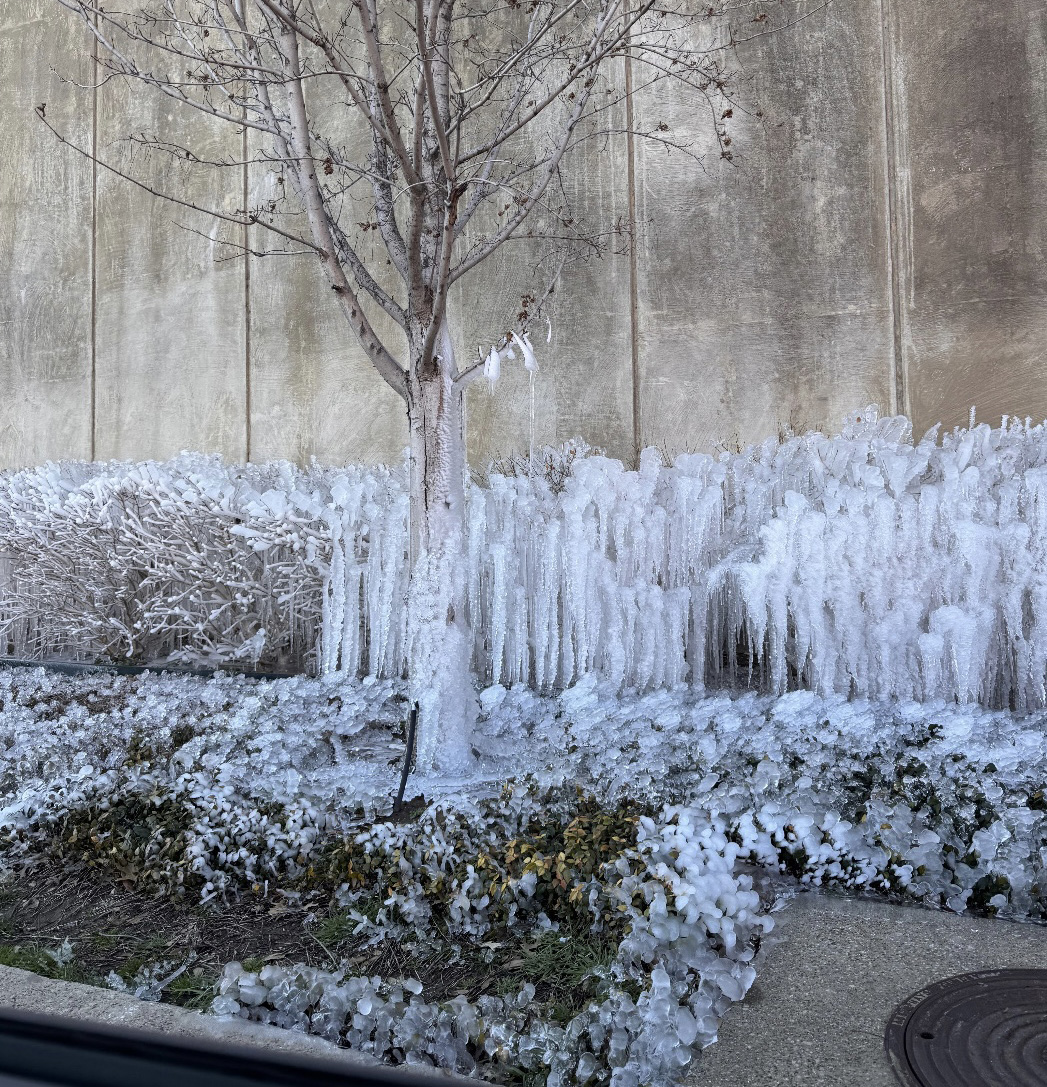
If you missed the reminder about doing a deep watering before the freeze you may be concerned about your tree’s health. Follow these steps to ensure a healthy recovery for your trees after a freeze.
1. Assess the Damage
Begin by evaluating the extent of the damage to your trees. Examine the color and texture of the leaves. If they appear brown or black and feel mushy, they might have suffered freeze damage. Check the bark of the tree as well. Fluctuating temperatures cause cracks in bark.
When temperatures drop rapidly at night, the bark cools and shrinks faster than the tissue underneath. As the bark shrinks, it splits vertically over areas where the underlying wood is still expanded. Splitting and cracking is most common in areas where there are wounds or other damage that has weakened the bark. If you notice anything irregular with your tree contact a certified arborist so they can do a tree assessment and provide a tree health care plan if needed to help aid your tree recover from freeze damage.
2. Water Wisely
Consistent and proper watering can make a big difference in tree recovery. Make sure to water deeply and less frequently, allowing the soil to dry out between waterings.
Roots need moisture to facilitate absorption of nutrients and recovery, but standing water around the base can suffocate them. It’s best to water early in the morning so the moisture reaches down to the roots, which in turn helps push out growth as temperatures rise throughout the day. Pay attention to any municipal water restrictions that may affect your ability to maintain an ideal watering schedule.
3. Apply Mulch for Protection
Adding a layer of mulch around the base of your trees can help retain moisture and regulate soil temperature, aiding recovery.
Mulch acts as a barrier against extreme temperatures, keeping roots warm during unexpected freezes. Spread about 1-3 inches of mulch, being careful not to pile it against the tree’s trunk. This allows the trunk to breathe. Choosing organic mulch can improve soil quality as it breaks down, providing even more benefits to your trees.
4. Fertilize Thoughtfully with a Tree Health Care Plan
After a freeze, your trees may benefit from soil amendments and low nitrogen fertilizers. Nutrient-rich soil with beneficial bacteria and fungi can speed a tree’s recovery.
Over-fertilizing on the other hand can harm trees rather than help them, so seek guidance from an arborist.
5. Monitor for Pests
Freezing conditions can make trees more susceptible to pests. Keep an eye out for any infestations and tackle them promptly to prevent further stress.
Look for signs like wilting leaves, holes in foliage, or sawdust piles around the trunk, which may indicate pest activity. Integrated Pest Management (IPM) practices can help manage these issues with an environmentally friendly approach.
6. Schedule Annual Visits with a Certified Arborist
Spring to early summer is when signs of damage will become most clear. Check for frost cracks, pest infestation, change in leaf color or shape. Anything that looks out of the ordinary can be cause for concern and should be addressed with a certified arborist.
7. Plan for the Future
Prepare your trees for future cold snaps by watering your tree regularly and applying mulch to help insulate your tree from drastic shifts in temperature.

At Texas Tree Surgeons, we love trees and we love our community! We are here to help you evaluate the damage to your trees and make an informed decision about how to proceed. If your trees and shrubs don’t leaf out in the spring, or you have any other questions, let us know! It will likely be a few years before we have seen the full effects. Trees, by their nature, respond slowly to environmental changes and, if not properly cared for, can slide into a cycle of decline following severe weather. Now is the time to have one of our arborists evaluate your trees for their current needs and prescribe a health care plan to increase soil nutrient levels and manage insect activity. Contact us today!
 PREV BLOG
Related Blogs
Similar blogs related to this topic
Top 10 Reasons Why Your Tree is Dying
Trees are tougher than they look, but even healthy trees can struggle when stress builds over time. In North Texas, factors such as drought, poor soil conditions, root damage, pests, and improper maintenance can gradually…
Read more
Leaning Trees Post Heavy Rain
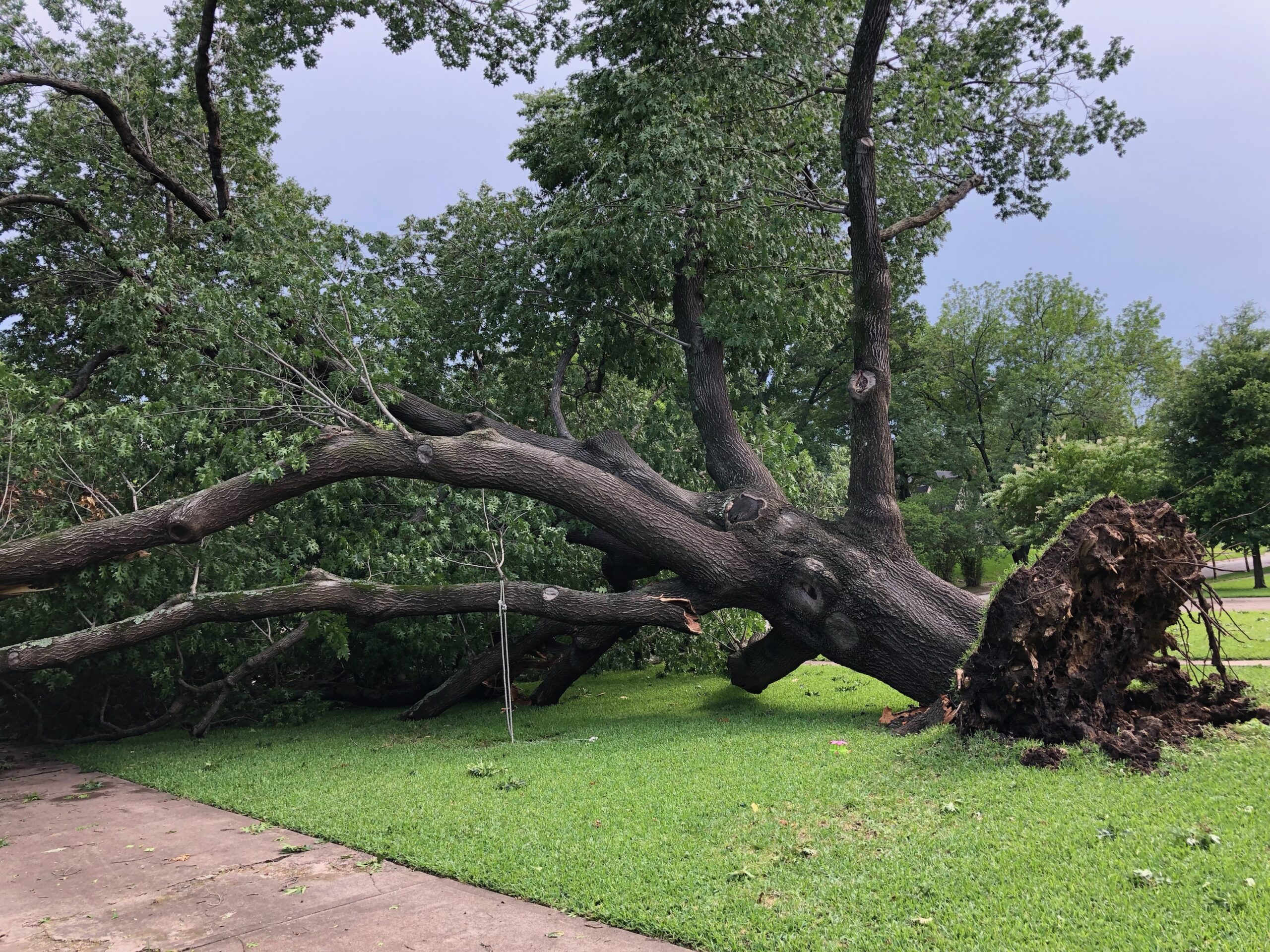
Heavy rain followed by long period of drought can cause significant shifting in our soils. This can be concerning for trees that have shallow roots. Heavy Rain Doesn’t Mean Tree Failure Healthy trees that are structurally…
Read more
Is There Anything you can do to Correct Compaction Issues Caused by Construction?
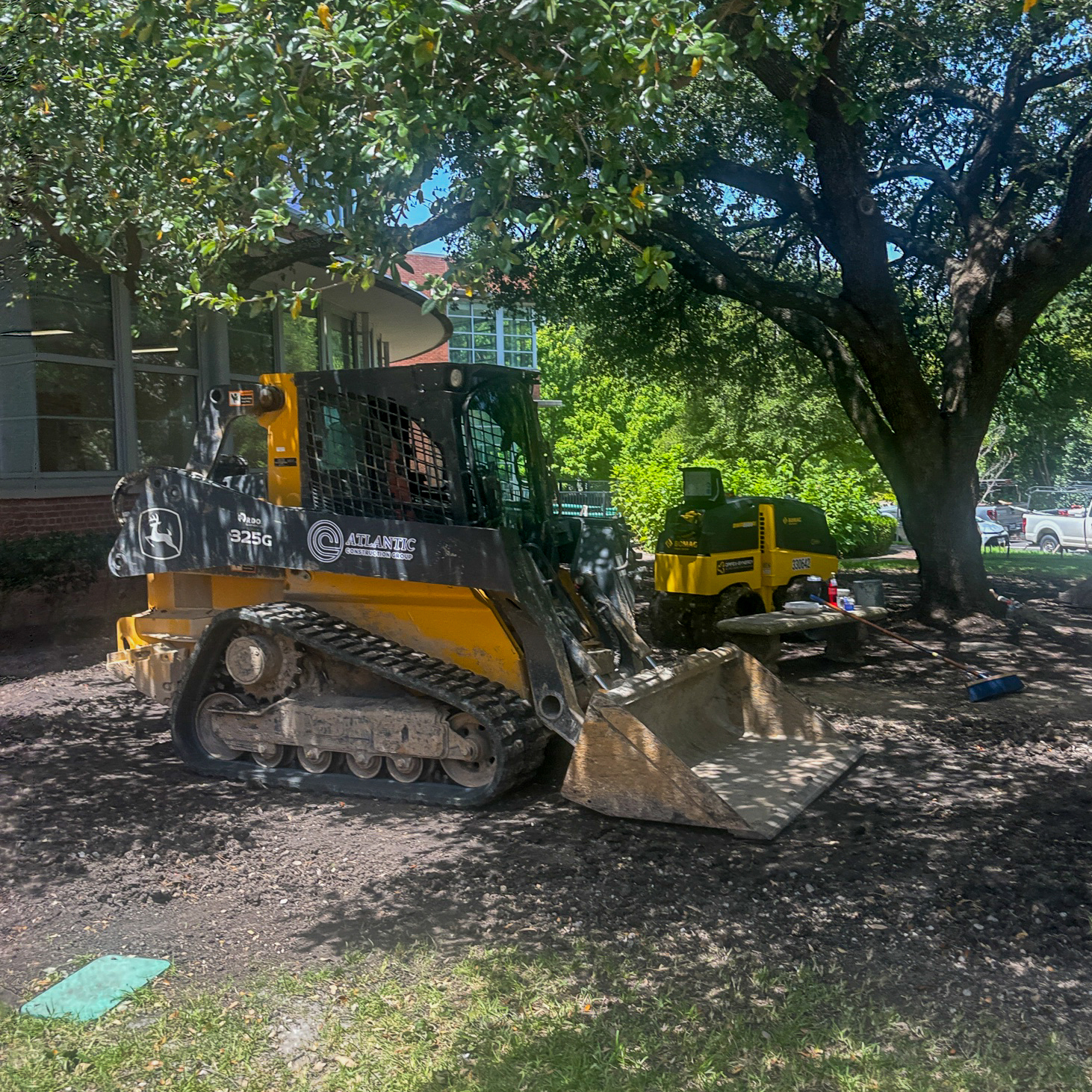
Correcting soil compaction requires a combination of physical loosening of the soil (aeration), biological improvement (microorganisms), continued protection. Vertical Mulching Mechanical / Physical Solutions Mechanical/Physical solutions are usually the quickest way to break up severely…
Read more