Disease Treatment for Phyllosticta Leaf Spot
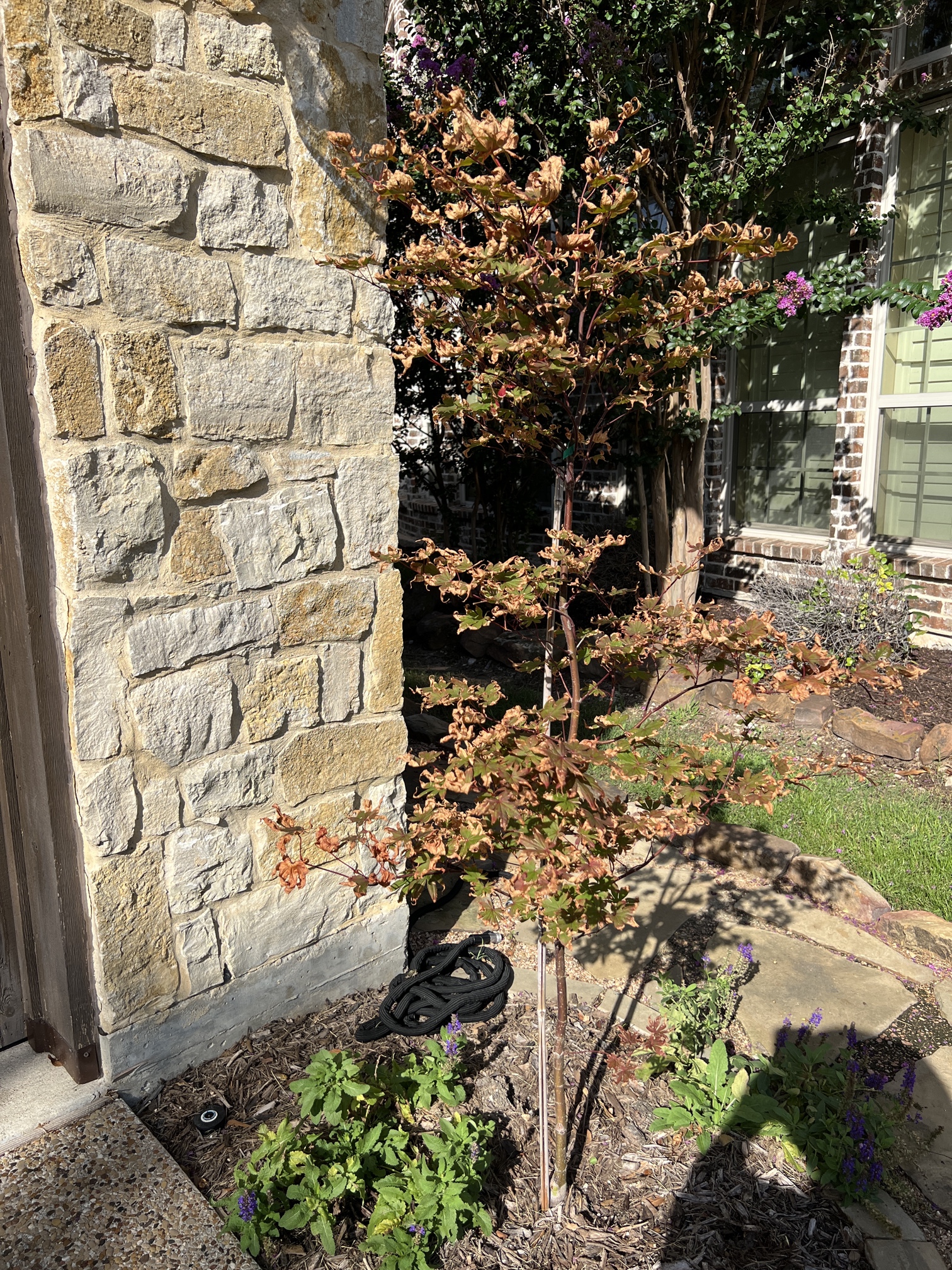
At Texas Tree Surgeons, we frequently get asked, “Why is my tree dropping leaves so early?” or “What are these dark spots on my crape myrtle?” One possible culprit, especially during warm, wet seasons is Phyllosticta leaf spot, a fungal disease that affects a wide range of trees in the Dallas-Fort Worth area.
Phyllosticta Red Flags
- Small, round to oval leaf spots that may be beige, gray, brown, or black, often with a yellow halo
- Spots may merge to form larger blotches, sometimes dropping out to leave ragged holes
- Premature yellowing and leaf drop, especially in late summer
- Tiny black fruiting bodies (“pepper-like dots”)
- Twig dieback or stress-related growth stunting
What Is Phyllosticta?
Phyllosticta is a group of fungi that infects the foliage of various tree species, particularly under humid conditions. The fungus spreads through wind and rain splash, especially after prolonged periods of moisture. While often more cosmetic than life-threatening, repeated infections and premature defoliation can lead to long-term stress, reduced vigor, and increased vulnerability to other pests and diseases.
Why Trees Get Phyllosticta
This disease is more common during wet years and tends to hit trees already under stress—such as those experiencing:
- Drought
- Nutritional deficiencies (especially iron)
- Soil compaction or poor drainage
- Poor air circulation
- Recent transplant shock
Newly planted trees and those growing in less-than-ideal conditions are particularly vulnerable.
How a Texas Tree Surgeons ISA Certified Arborist Diagnosis Phyllosticta
Phyllosticta can be easily confused with other fungal leaf spots or more serious issues like anthracnose, bacterial leaf scorch, or nutrient imbalances which is why having a certified arborist do an assessment is crucial in getting the right diagnosis and treatment. Our ISA Certified Arborists at Texas Tree Surgeons are trained to identify these diseases, assess tree health, and create a customized treatment plan that works for your landscape.
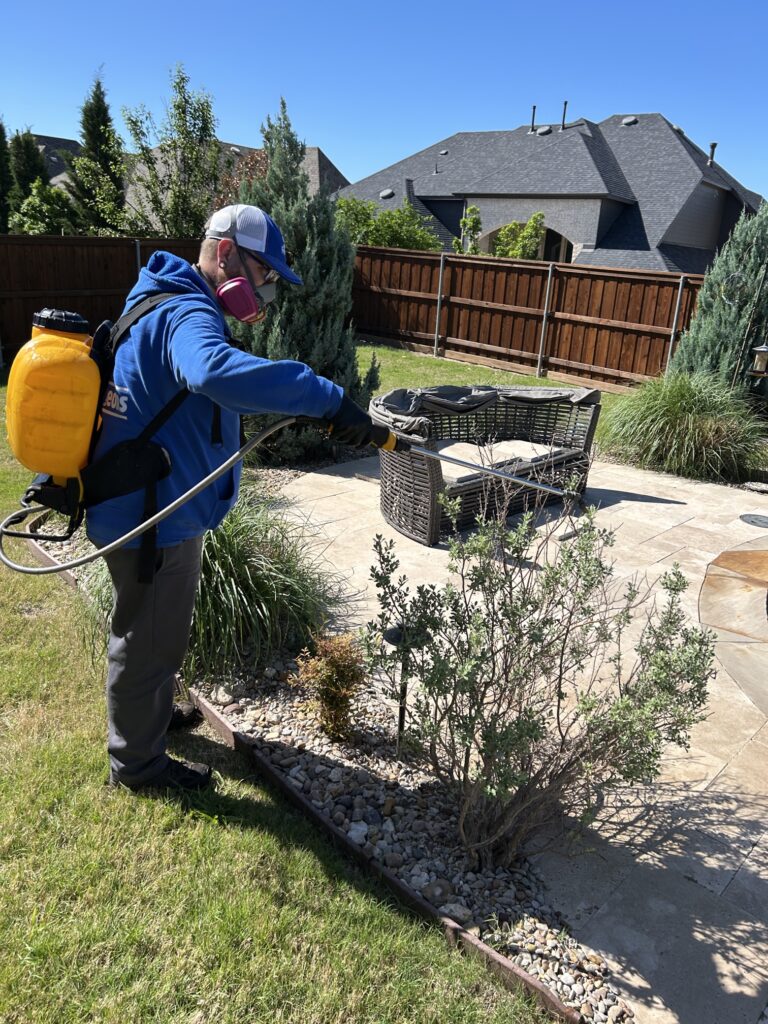
How Texas Tree Surgeons Treats / Manages Phyllosticta
In most cases cultural practices such as; removing infected leaves, improving air circulation, and proper tree care is sufficient. However, if your tree has experienced repeated or severe defoliation a Certified Arborist may recommend a preventative fungicide in early spring.
What can Homeowners do to help their trees with Phyllosticta?
While Phyllosticta leaf spot usually doesn’t kill trees outright, it can weaken them over time—especially if infections are frequent or severe. Here’s how to manage it:
- Rake and Remove Fallen Leaves | Infected leaves harbor spores that can overwinter and re-infect in the spring. Always discard debris in the trash, never compost.
- Thin the Canopy | Prune dead or overcrowded branches to improve air circulation and reduce the humid conditions fungi love.
- Support Tree Health | Healthy trees are more resilient. That means; fertilize in early spring, apply mulch to conserve moisture and reduce root competition, and water deeply but infrequently to encourage strong roots
- Avoid Overhead Watering | Use drip irrigation or soaker hoses, not sprinklers when possible to keep foliage dry.
What Will Happen to my Tree with Phyllosticta?
If your tree is showing signs of distress, don’t wait. While Phyllosticta may seem like a minor annoyance but repeated infections can contribute to a decline spiral.
What Species are Texas Tree Surgeons Arborists Seeing this Effect?
- Crape Myrtle
- Maple
- Sycamore
- Boxelder
- Cherry
- Holly
- Magnolia
- Oak (especially Red oak varieties)
- And many other landscape trees

At Texas Tree Surgeons we love trees and keeping trees healthy year round is our number one priority. Whether you’re noticing leaf spots, early defoliation, or just want peace of mind, we’re here to help. Contact Texas Tree Surgeons today to schedule a consultation and protect your trees from preventable stress and disease.
 PREV BLOG
Related Blogs
Similar blogs related to this topic
Why Do Trees in North Texas Need Disease Management?
Trees are a vital part of North Texas’s urban landscape, providing shade, oxygen, and aesthetic beauty. Yet urban trees face threats from various diseases that can severely affect their health. Diversifying tree species plus annual…
Read more
How to Identify and Get Rid of Oak Wilt
Texas has the highest concentration of oak trees in the United States. Oak wilt is a serious threat to our North Texas urban forest, infection centers among live oaks specifically expand at an average rate…
Read more
Fireblight
Fireblight is a common yet destructive bacterial disease affecting various species of fruit trees. It’s essential to identify it early and take action to prevent its spread. In North Texas we really only see this…
Read more