Ask Texas Tree Surgeons: Why Do My Red Tip Photinias Have Spots on the Leaves?

Another installment in our series of posts where Texas Tree Surgeons answers your tree questions. Are you having problems with your trees and want to know what’s wrong? Let us know!
Dear Texas Tree Surgeons,
A lot of my bushes, especially the red tip photinias, are starting to wilt and have reddish-brown spots on their leaves. What can I do about that?
Red Tip Photinias have long been a staple of North Texas flowerbeds and hedgerows. Hardy and fast-growing, the evergreen shrub can be trimmed to various heights and forms a good privacy barrier with its broad leaves. New growth has red leaves, giving the red tip photinia its name. Unfortunately, red tip photinias are particularly susceptible to leaf spot diseases.
This fungus Entomosporium mespili causes leaf spot on all members of the rose family, including red tip photinias. Starting as a red, brown, or black dot on leaves, the leaf spot expands outward as the fungus grows. Eventually, the red spots turn into a gray area rimmed by red. As the fungus spreads, it disrupts vascular function in the leaves, which eventually fall. The fallen leaves collect moisture at the base of the shrub, increasing fungal growth. As wet conditions continue, the fungus can spread its spores within water droplets, such as splashing from rain or irrigation. Left unaddressed, the fungus will spread throughout the photinias, causing wilting and dieback.
Environmental control
The first line of defense against fungal leaf spot, as with many fungal diseases, is to monitor watering and drainage. Fungi thrive in wet conditions of a moderate temperature, so the spring and fall are when we see the most activity. In periods of wet weather, the clay soil common to much of North Texas can hamper proper drainage, causing the area around the red tip photinias to become waterlogged. This moisture, mixed with the fallen and decaying organic material creates the ideal conditions for fungal growth. Even if the soil drainage cannot be improved, it is important to curtail watering so as not to make the situation worse.
In addition to moisture, the fallen photinia leaves contribute to the growth of the Entomosporium fungus. Keeping the area around the plants clear of debris can help slow fungal progression. In a similar way, dense foliar growth on the interior of the red tip photinias can collect moisture. Where possible, thin out dense areas to allow light and air to circulate. When trimming, make sure to remove any areas already showing leaf spot. Removed material, especially infected leaves, should be buried or disposed of in a plastic bag.
Chemical Control
Fungicides can be used to control Entomosporium leaf spot, but the process can be costly. Furthermore, treatment will be ultimately ineffective if the environmental factors are not eliminated. For valuable hedges, a continuous process of multiple-week treatments in the spring and fall may be recommended. In other situations, it can often be more cost-effective and better in the long-term to remove the affected plants and replace with a less-susceptible species.
While there is no quick solution for red tip photinia leaf spot, we hope this information can help homeowners mitigate the damage to their shrubs, and decide if treatment or removal might be warranted. At Texas Tree Surgeons, we love trees (and shrubs! and hedges!) and we love our customers, and we always want to give our community the best, most accurate information regarding their plants. If you would like one of our arborists to come out and see how your photinias, or anything else, are doing, let us know!
 PREV BLOG
Related Blogs
Similar blogs related to this topic
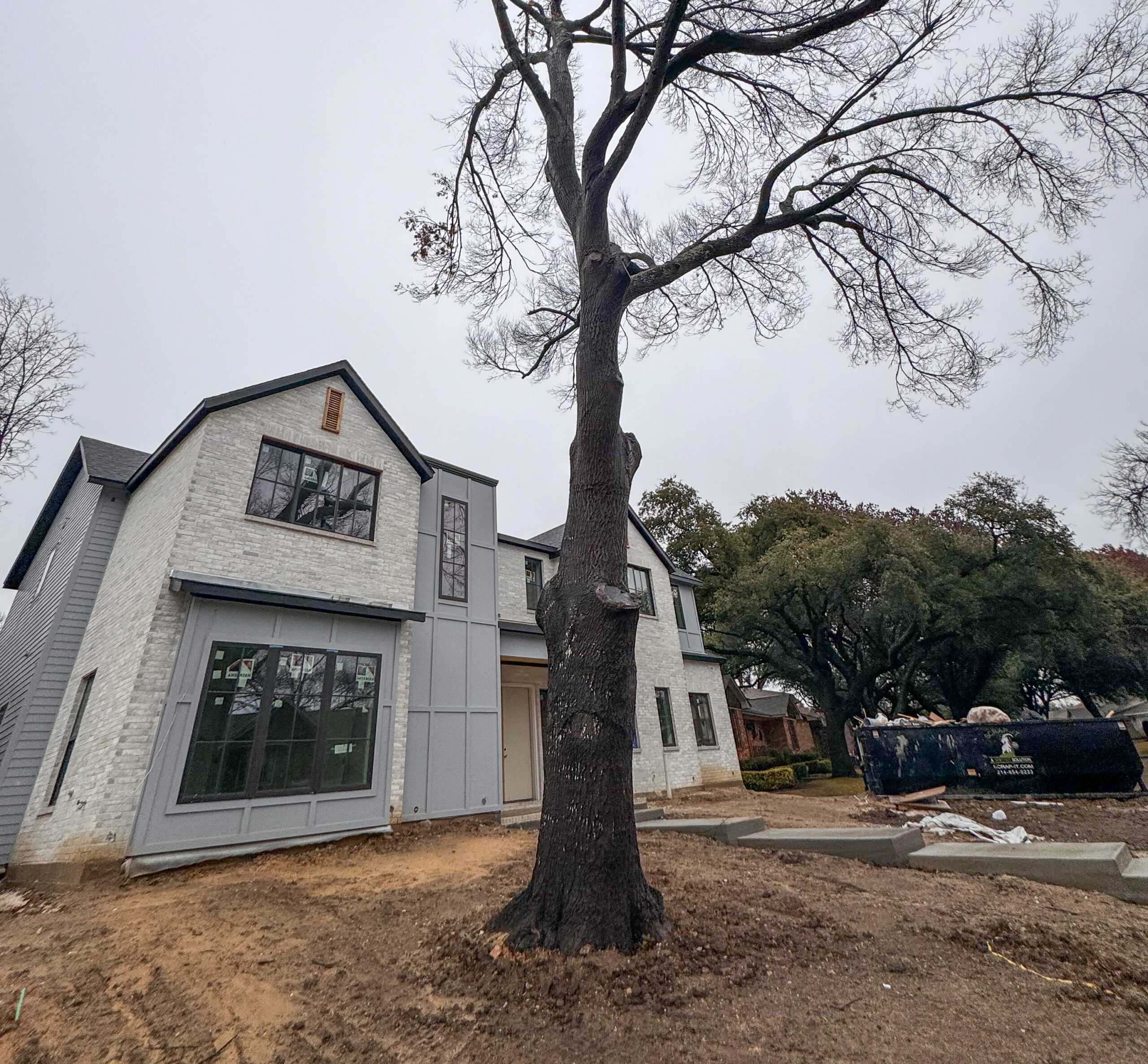
Avoid Costly Mistakes with Your Trees During Construction Projects
When planning for a rebuild or renovation of your home one thing that consistently gets overlooked is proper tree protection. Trees are living organisms that need to be protected and accounted for prior to construction…
Read more
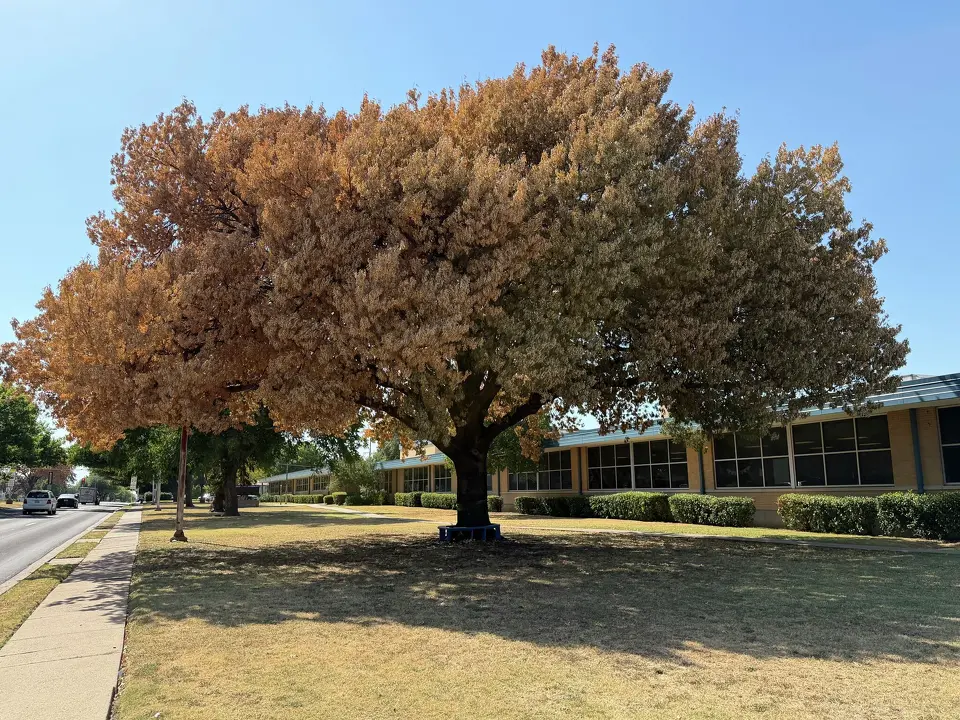
The Dallas Morning News | Constant State of Stress
We spoke with The Dallas Morning News about heat stress and what North Texans can do to help their trees recover. “Here in Texas, we go through these droughts all the time,” King said. “This…
Read more
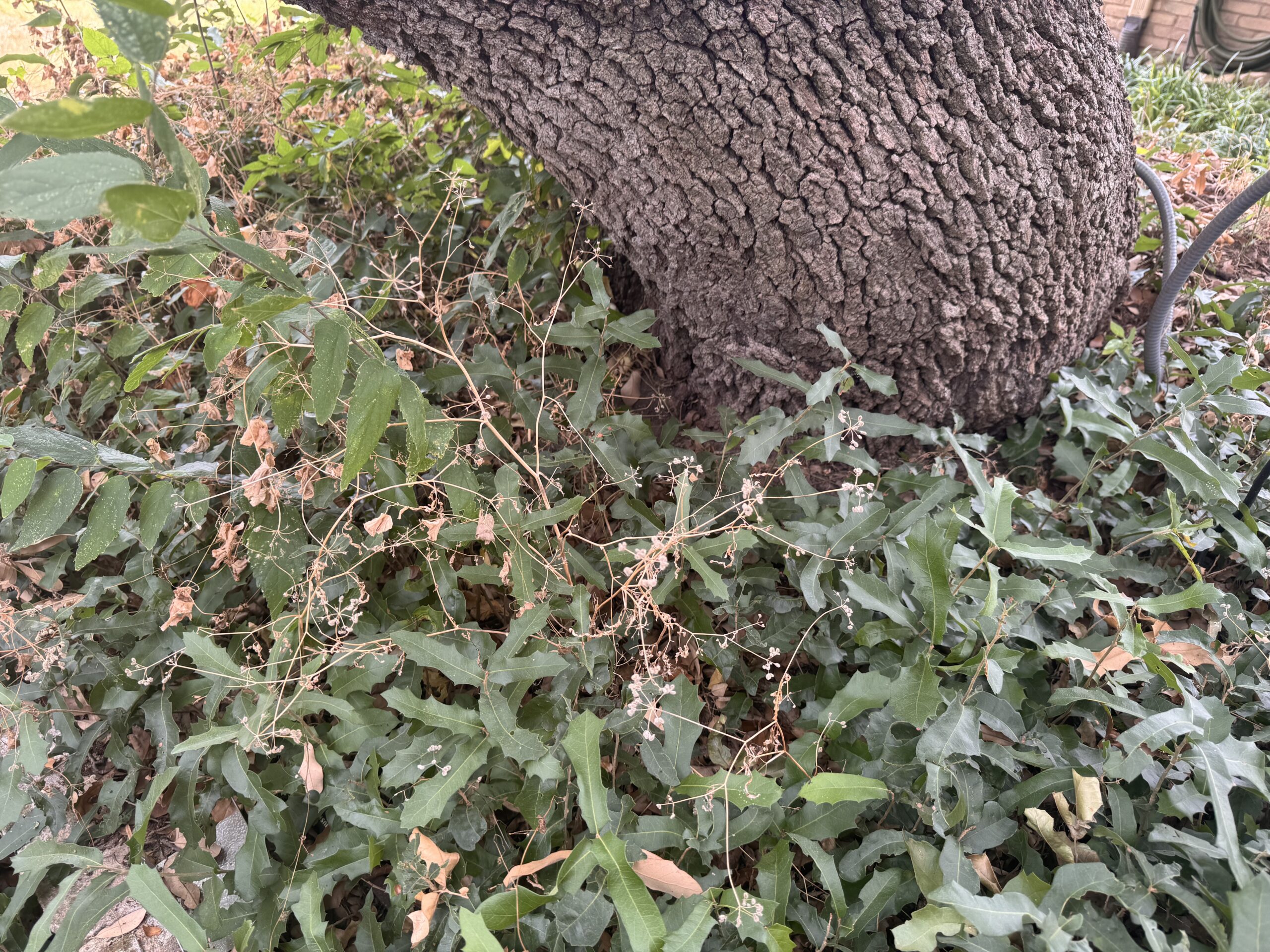
Why do Some Live Oak Produce Root Sprouts and What to do About it?
Root sprouts, sometimes referred to as suckers, are new growths that emerge from the roots of Live Oaks. These are typically a response to certain environmental conditions or stress factors that the tree is experiencing.…
Read more