Spring Time Tree Care For Trophy Club
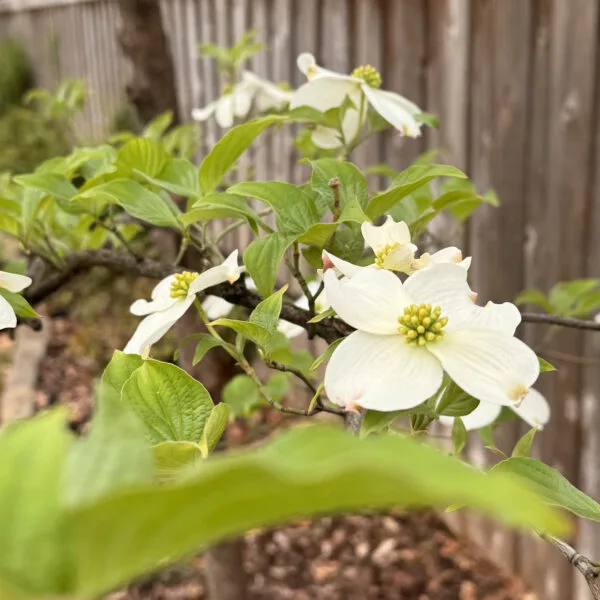
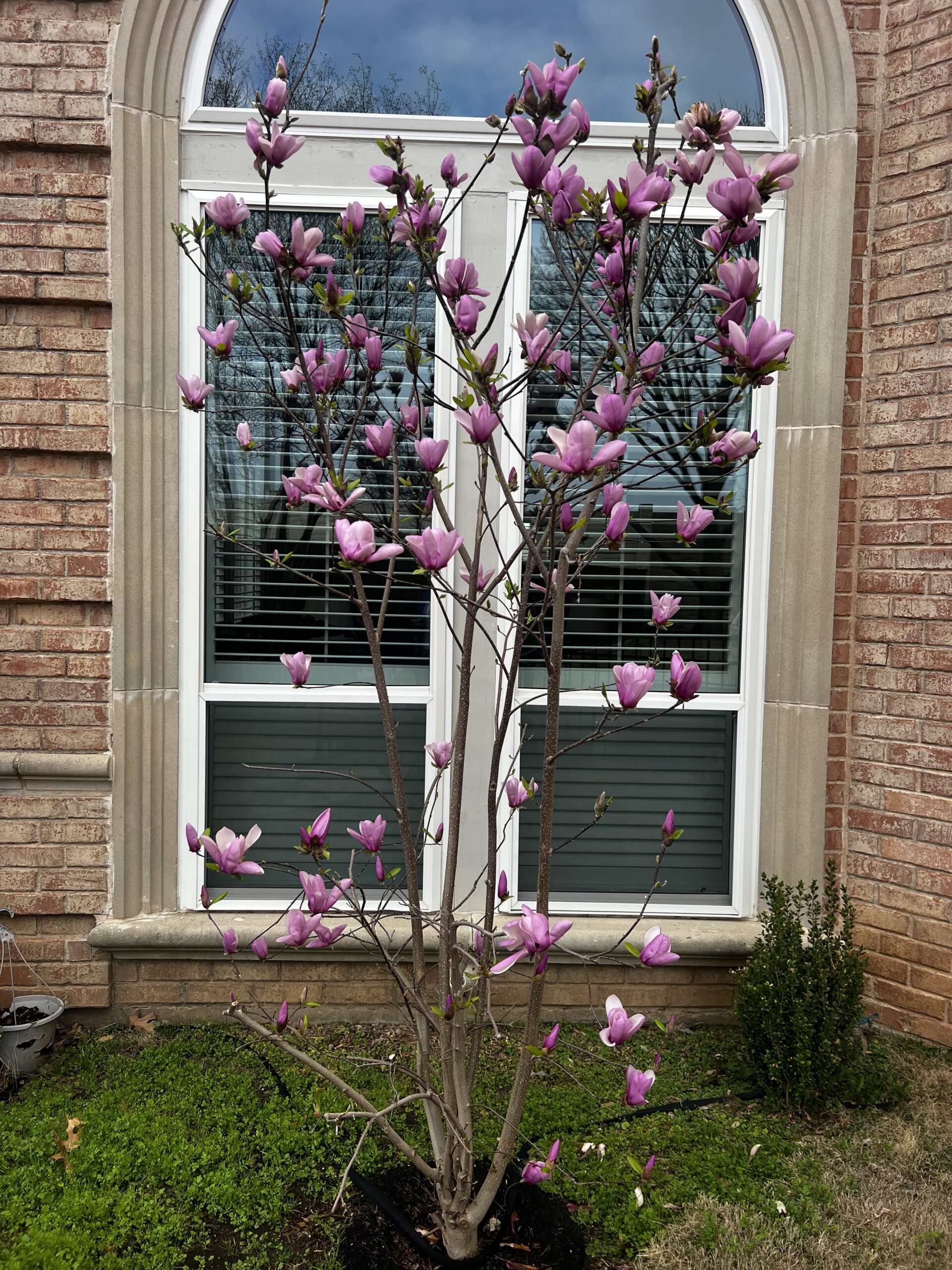
Spring in Trophy Club typically starts with a few false starts in winter with unusual warmth and then freeze. Key things that let you know spring is near are; terrible allergies, cedar fever, and blooming redbuds, followed by saucer magnolias.
Before you dive into tree care, it’s essential to recognize what specific needs your individual tree species have. Each type of tree has unique requirements based on factors such as soil, climate, and sunlight exposure. Understanding the needs of your trees can help them thrive and overcome any challenges that arise during the spring. Native trees, for example, are often more resilient to the local climate and pests, making them a smart choice for Trophy Club landscapes.
Below are some key items for springtime tree care in Trophy Club.
Assessing Winter Damage

After a harsh winter, inspecting your trees for any damage is vital. Look for signs of broken branches, frost cracks, or other distress signals that might affect growth in spring. Winter damage might appear subtle at first, but it can escalate if ignored. Early detection ensures timely intervention, which includes proper pruning and care to help the tree prepare for the growing season.
The Importance of Pruning
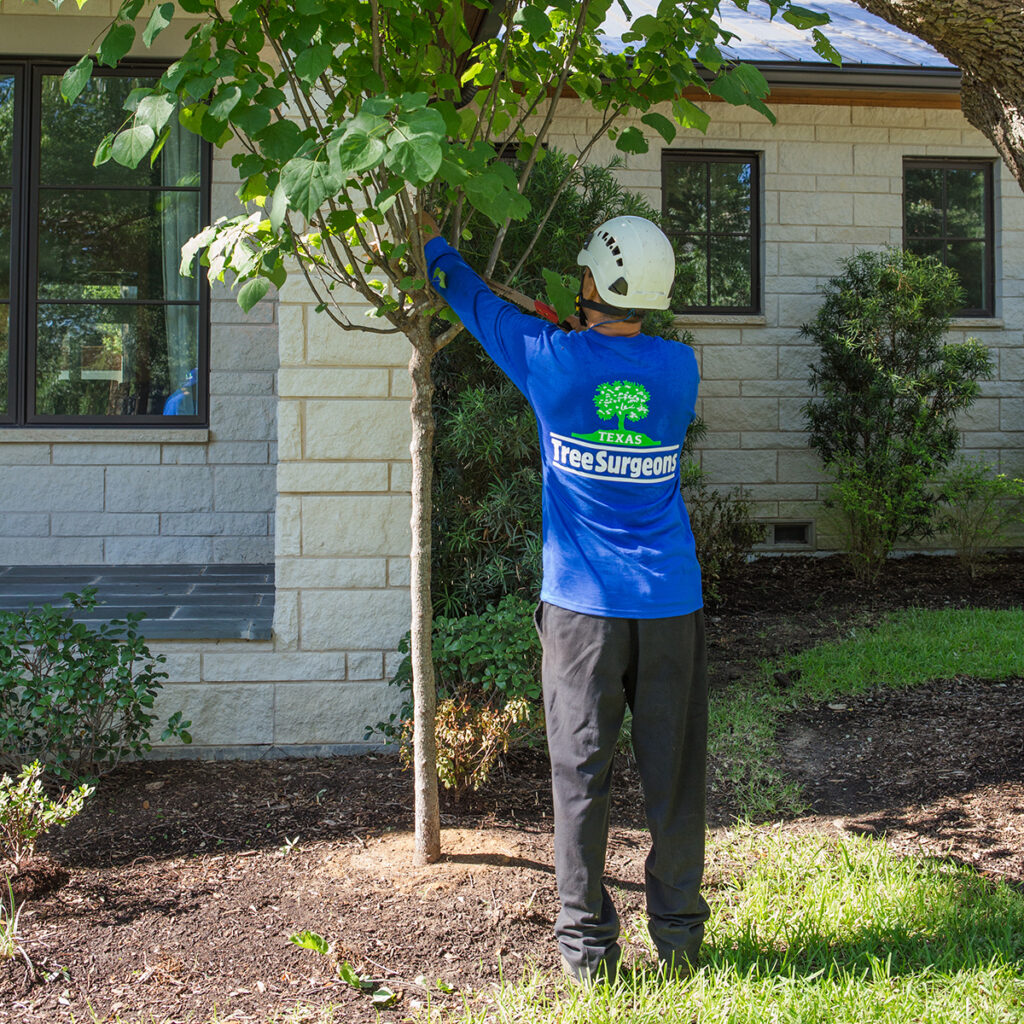
Many species will benefit from structural pruning during dormancy and that pruning many oak species in spring will increase risk of oak wilt infections. However, having an inspection prior to leaf out will help locate potential wind related damage issues.
Proper pruning is crucial to eliminate dead or diseased wood and to shape your tree for optimal growth. Spring can be a great time to do some light pruning to maintain your tree’s health. It’s also an opportunity to improve the tree’s structure, which can prevent damage during storms. Remember, excessive pruning can stress the tree, so it’s important to prune with care, focusing on removing only what’s necessary to promote healthy growth and prevent potential hazards.
Soil Amendments for Tree Health

Appropriate fertilization and soil amendments can give your trees the nutrients they need to thrive. Having a scientifically backed tree health care plan implemented by a TDA licensed tree care technician will help the health of your urban tree. All trees in an urban environment are stressed and can benefit from a slow-release fertilizer designed for trees to support healthy growth without overloading the soil. Additionally, the regular application of organic matter, such as compost or mulch, will aid in nutrient availability to tree roots. A balanced approach can enhance tree vigor and promote lush foliage as the temperatures begin to rise.
Testing Soil pH Levels

Soil pH can drastically affect tree health. It is way easier to grow what is suitable for your soil type than attempting to change your pH. By testing your soil, you can make informed choices about fertilizers and supplements to ensure optimal growing conditions. Neutral to slightly acidic soil is ideal for most trees, but different species may have specific needs.
Mulching to Preserve Moisture
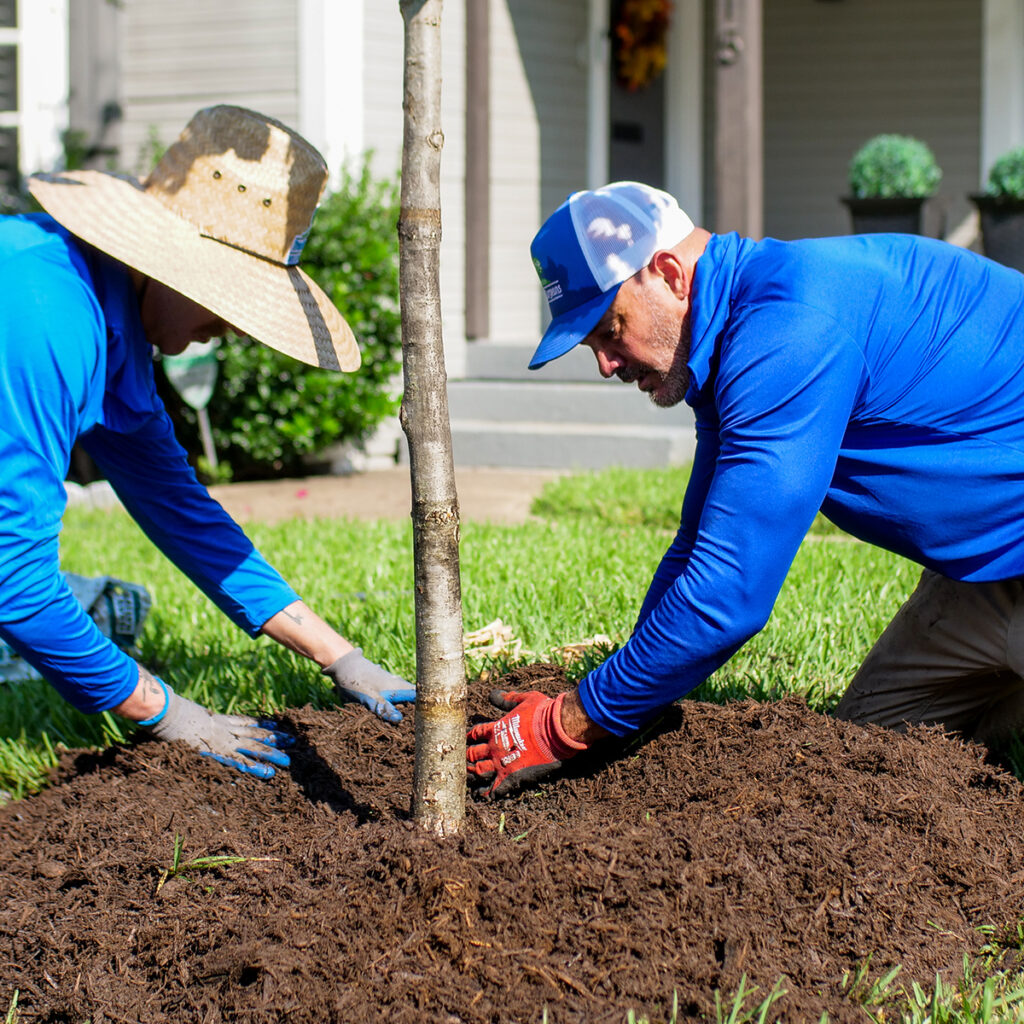
Mulching helps to retain soil moisture and protect tree roots. Properly applying mulch around the base of your trees can provide insulation and a stable growing environment. Choose organic mulch for added benefits as it breaks down over time, enriching the soil structure. Mulching also reduces weed growth, which competes with your trees for nutrients and water.
Watering Correctly
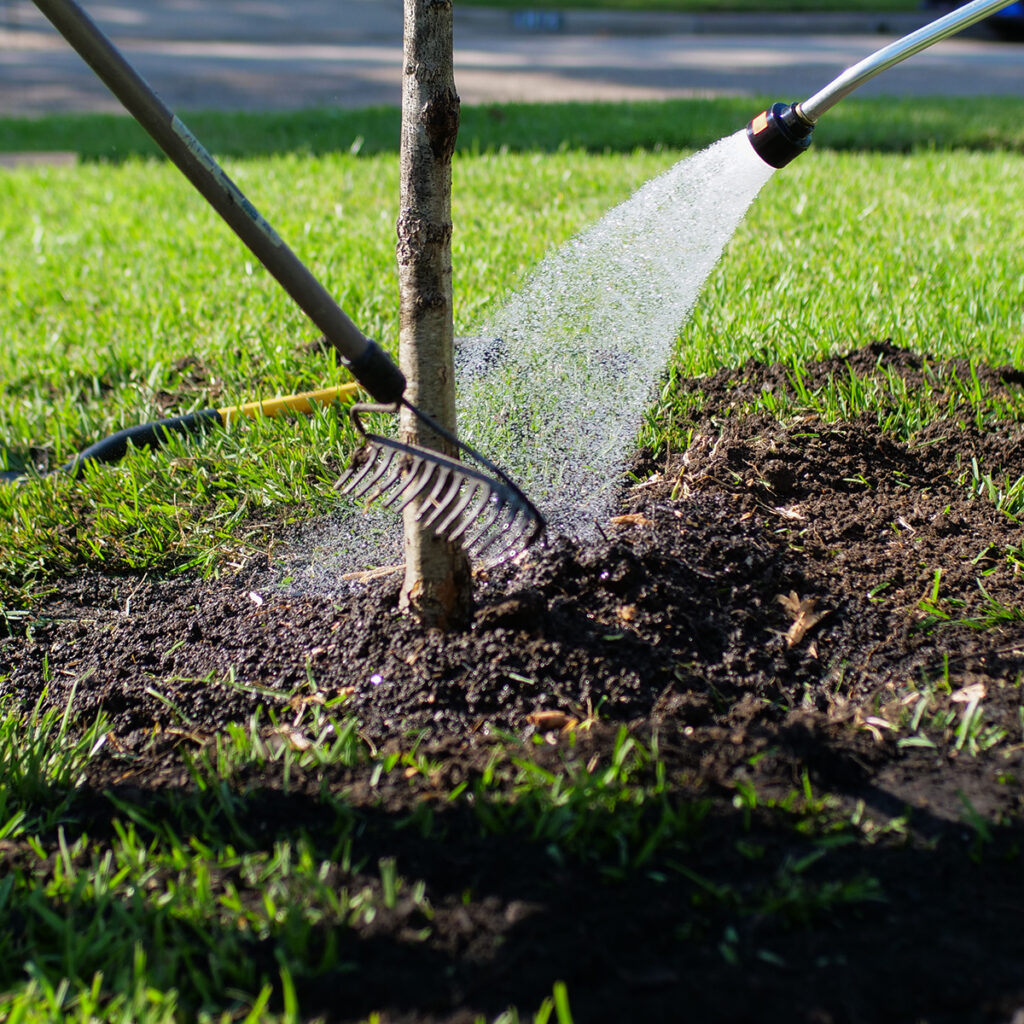
As spring showers can be unpredictable, ensure your trees get adequate water by watering deeply and less frequently, promoting deeper root growth. This method encourages trees to anchor themselves well and improves drought resistance during hotter months. Consider installing a drip irrigation system for efficient watering, allowing moisture to reach the roots directly.
Identifying Pests Early
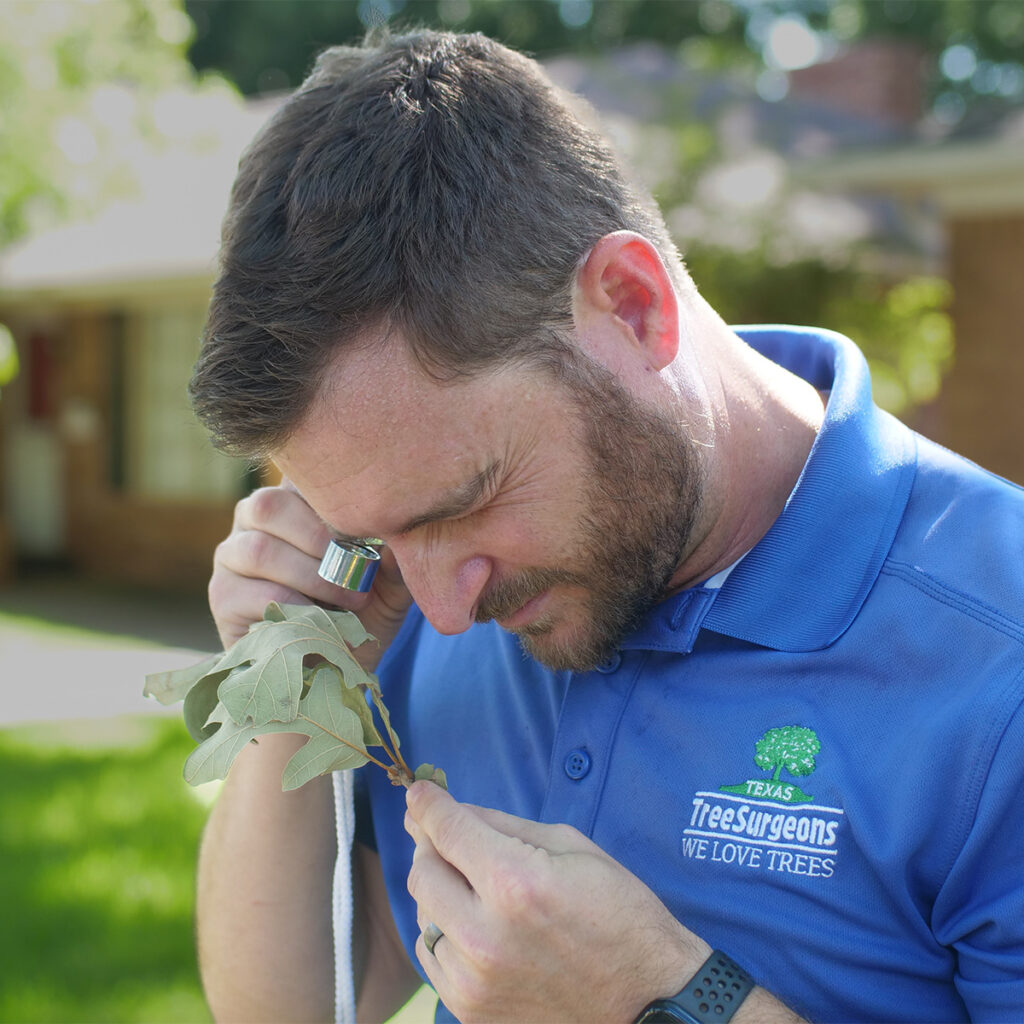
Catch pests before they become a significant problem by watching out for common spring insects. Implementing integrated pest management can help protect your trees. Early identification and management of pests like aphids, caterpillars, or beetles can prevent extensive damage. Beneficial insects like ladybugs or wasps can naturally control pest populations, reducing the need for chemical treatments.
Encouraging Beneficial Wildlife
Invite helpful creatures like birds and beneficial insects into your garden to naturally support your trees’ health. These allies can assist in keeping harmful pests in check. Providing birdhouses or leaving small brush piles encourages these animals to stay and contribute positively to your landscape.
Protection Against Late Frost
Late frosts can be detrimental to new growth, so be prepared to cover vulnerable trees with burlap or frost cloth if the temperature drops unexpectedly. Additionally, deeply watering and adding correctly applied mulch prior to a freeze will help insulate the root system to offset late freeze damage. Taking quick action can prevent frost damage that might otherwise set back your tree’s development for the entire season. Keep an eye on weather forecasts during early spring to anticipate and mitigate these cold snaps.
Aerating the Soil

Aeration improves root access to air and nutrients. Consider using a garden fork to gently aerate the soil around your trees to enhance their health in spring. This practice also helps prevent soil compaction, allowing roots to expand and absorb water more efficiently. Aeration is especially beneficial in heavy clay soils common to certain areas of Trophy Club. The regular addition of organic matter, such as compost, will help naturally aerate the soil over time.
Planting New Trees
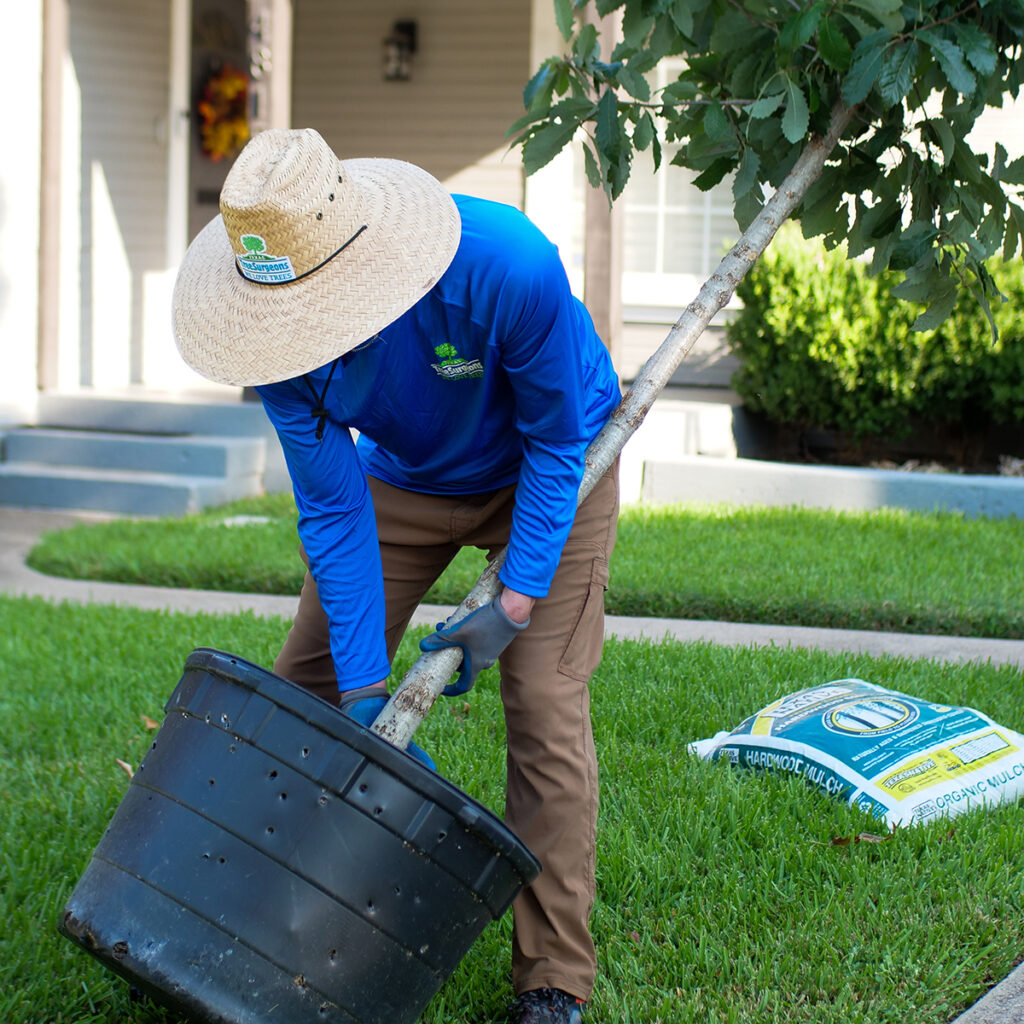
Most nurseries display trees in the Spring but Fall is the ideal time for planting new trees unless it is not a cold tolerant species. Choose native species suitable for Trophy Club to ensure they thrive and contribute to local biodiversity. Native trees tend to be more resistant to local pests and diseases, requiring less maintenance and fostering a healthier ecosystem.

At Texas Tree Surgeons we love trees. We offer scientifically backed different tree health care plans all year long that are tailored specifically to your tree and soil type. There is no one fits all for tree health care and we are proud to provide a holistic approach to tree care.
 PREV BLOG
Related Blogs
Similar blogs related to this topic
North Texas Allergies | Catkin Season & Trees
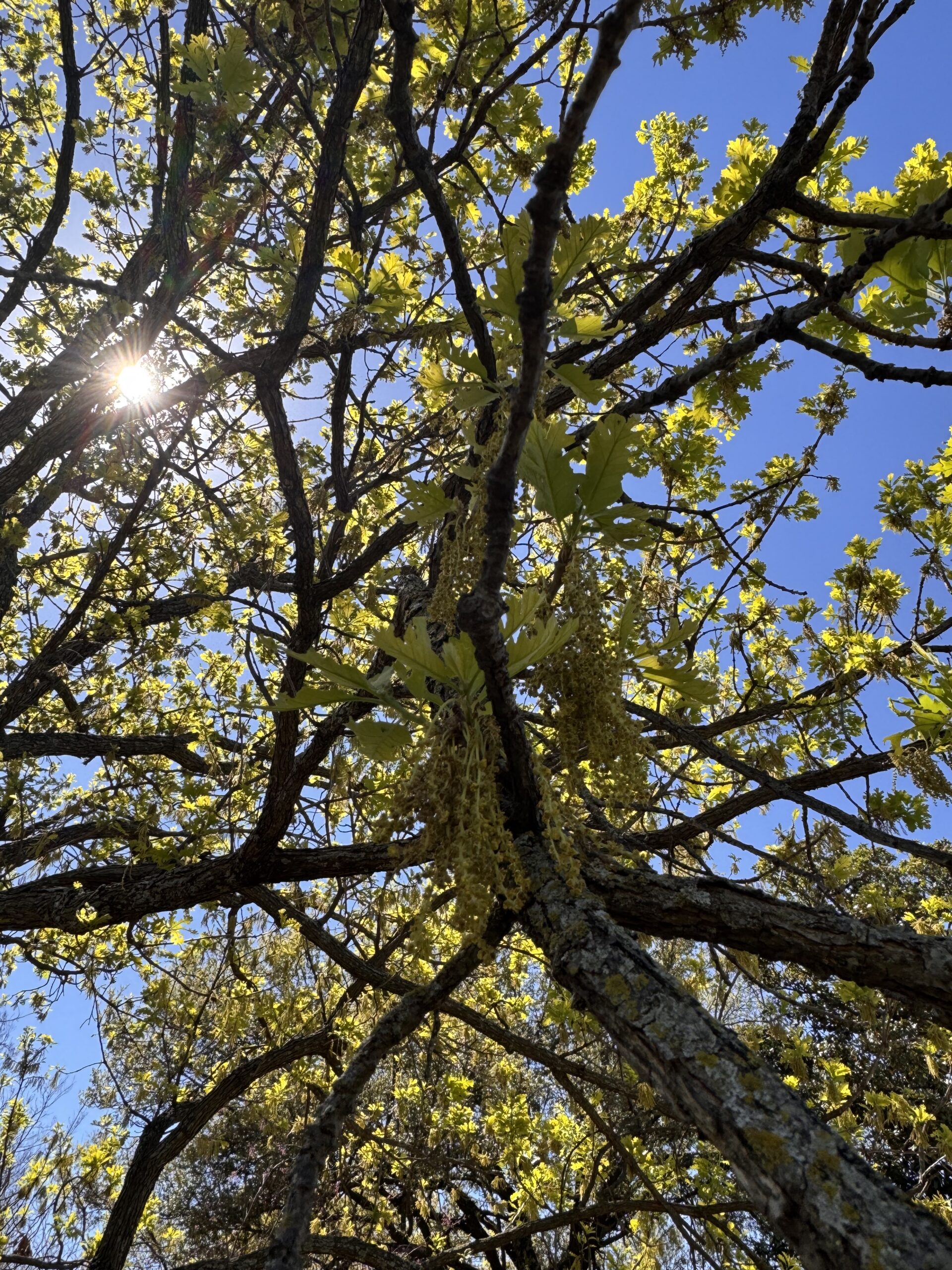
If you are having terrible allergies in the Dallas-Fort Worth area, catkin-producing trees are likely the reason why. Catkin season typically occurs in North Texas from late winter to early spring; typically February through March. …
Read more
How to Identify and Get Rid of Oak Wilt
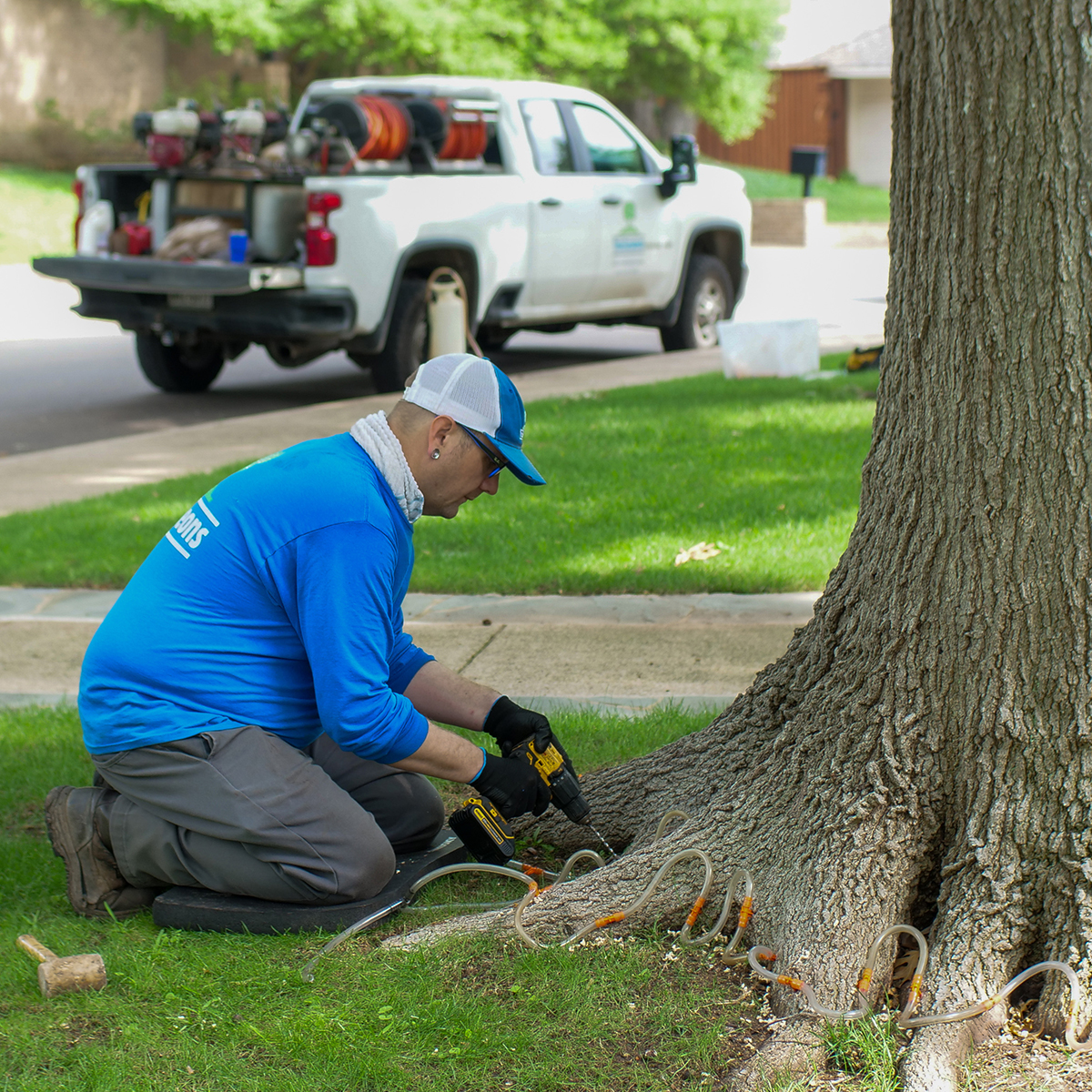
Texas has the highest concentration of oak trees in the United States. Oak wilt is a serious threat to our North Texas urban forest, infection centers among live oaks specifically expand at an average rate…
Read more
Spring Tree Care For North Texas
Spring in North Texas typically starts with a few false starts in winter with unusual warmth and then freeze. Key things that let you know spring is near are; terrible allergies, cedar fever, and blooming…
Read more