Phomopsis
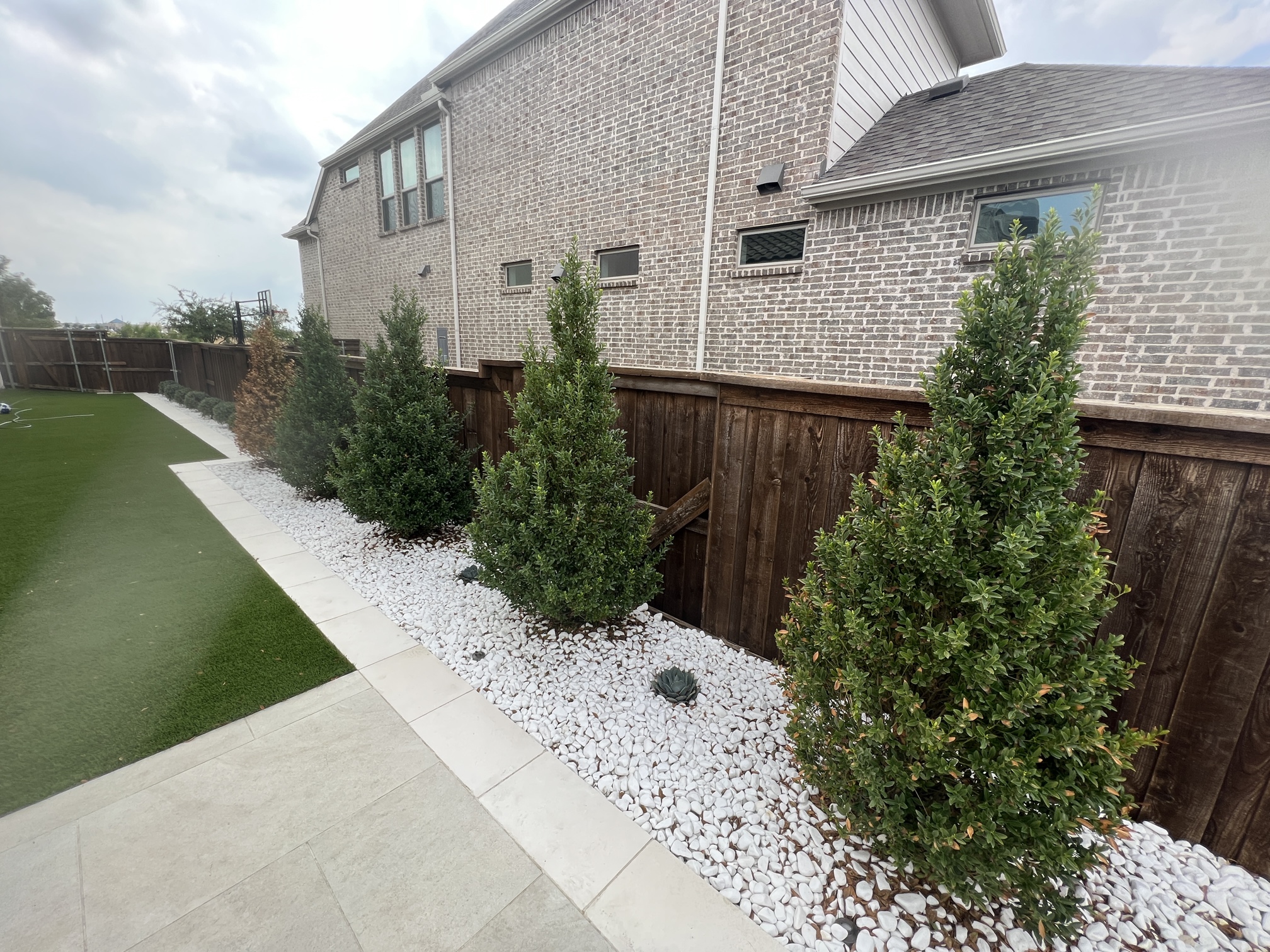
Phomopsis Red Flags
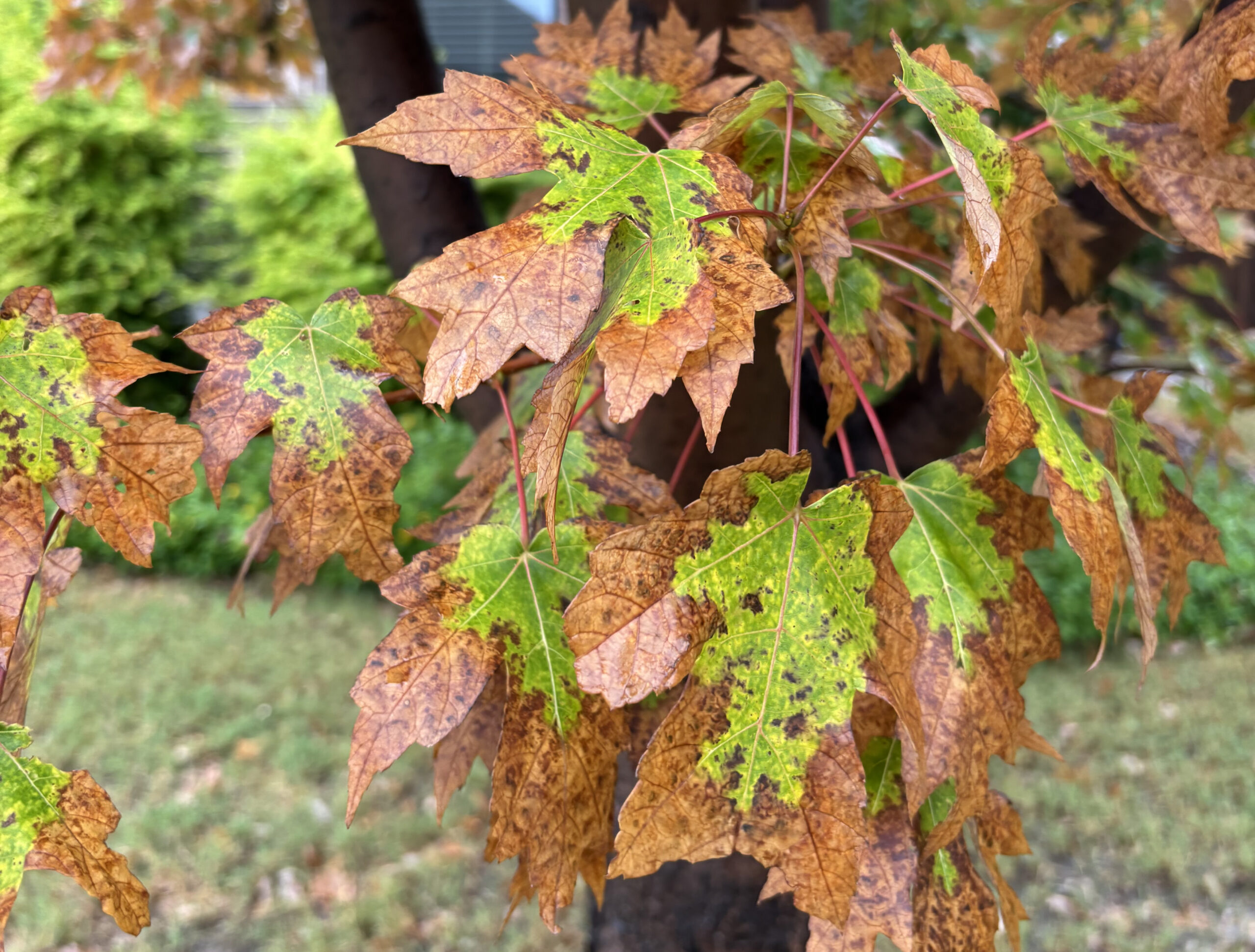
- Browning of leaves and new growth
- Curling or distortion of young foliage
- Dieback beginning at shoot or branch tips
- Early or unexpected leaf drop
- Sunken cankers on twigs or branches
- Darkened or discolored bark near affected areas
What is Phomopsis?
Phomopsis is a fungal disease that affects a wide range of woody trees and shrubs, especially when they are stressed by drought, site disturbance, or other environmental challenges. Weakened plants are more susceptible to infection and may show symptoms sooner.
Early signs often include subtle browning of leaves and new shoots. As the disease progresses, leaves may curl and discoloration becomes more noticeable. Because these symptoms resemble drought or heat stress, Phomopsis is often overlooked at first. A key difference is that damage usually starts at the tips and edges of young growth and slowly moves inward, leaving tissue dry and brittle.
How Texas Tree Surgeons Diagnoses and Treats Phomopsis
Managing Phomopsis starts with early identification, an accurate diagnosis, and proper tree care practices. Removing affected growth and reducing stress on the tree can slow disease progression. While Phomopsis can be difficult to eliminate once established, consistent maintenance helps limit its impact.
What can Homeowners do to Help Their Trees with Phomopsis?
- Prune affected branches promptly
- Disinfect pruning tools between cuts
- Avoid pruning during wet weather
- Improve air circulation with proper plant spacing
- Keep trees healthy with proper watering and care
- Monitor trees regularly for returning symptoms
If symptoms continue to spread or your tree’s health declines, contacting a certified arborist is recommended. A Texas Tree Surgeons ISA Certified Arborist can provide an onsite evaluation, help confirm a diagnosis, and recommend practical care options tailored to your tree and property.
What Species are Texas Tree Surgeons Arborists Seeing This Effect?
- Hollies

At Texas Tree Surgeons we love trees. If you are looking for trees that will thrive easily here please check our blog on recommended trees for North Texas.
 PREV BLOG
Related Blogs
Similar blogs related to this topic
Top 10 Reasons Why Your Tree is Dying
Trees are tougher than they look, but even healthy trees can struggle when stress builds over time. In North Texas, factors such as drought, poor soil conditions, root damage, pests, and improper maintenance can gradually…
Read more
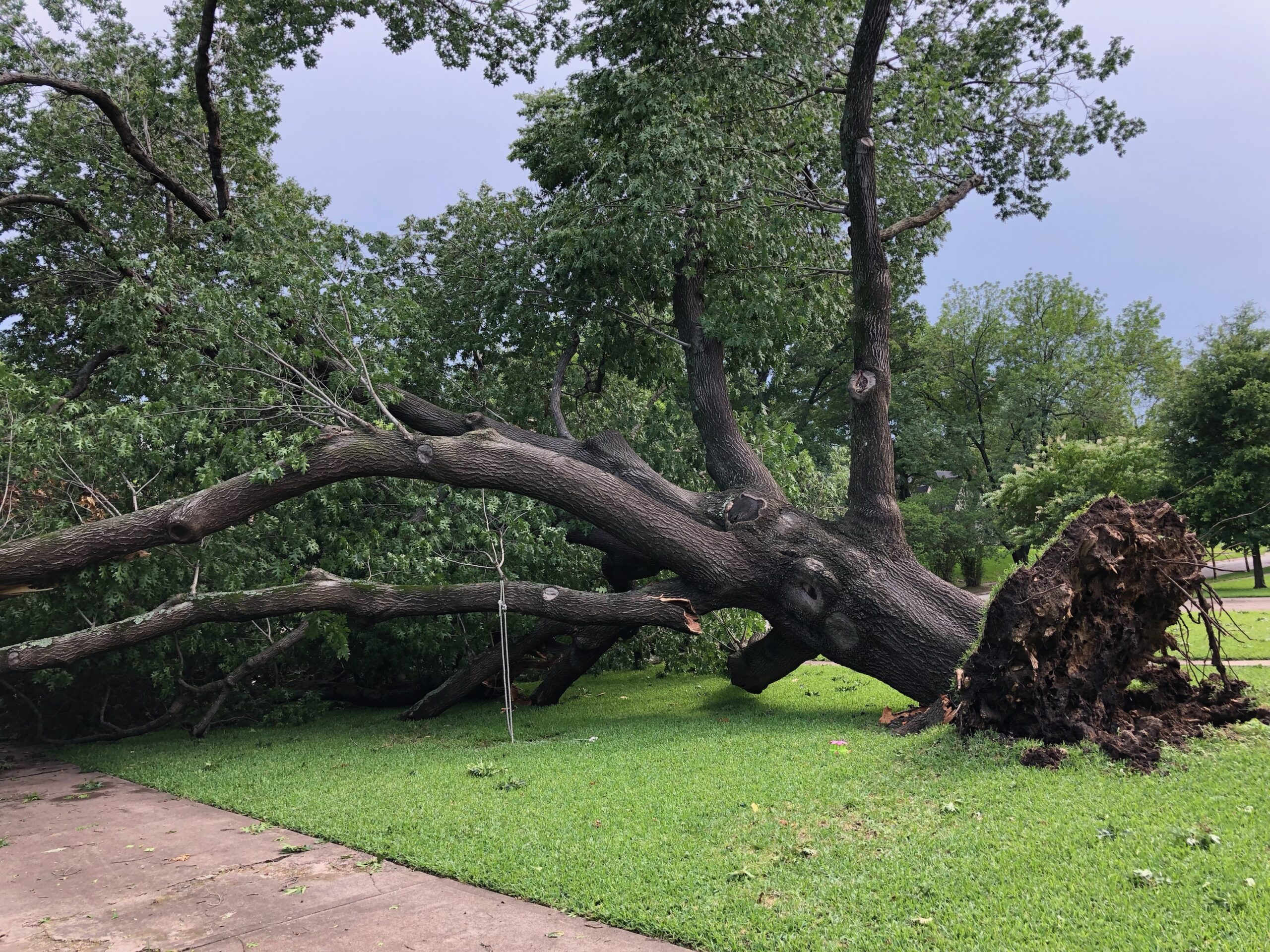
Leaning Trees Post Heavy Rain
Heavy rain followed by long period of drought can cause significant shifting in our soils. This can be concerning for trees that have shallow roots. Heavy Rain Doesn’t Mean Tree Failure Healthy trees that are structurally…
Read more
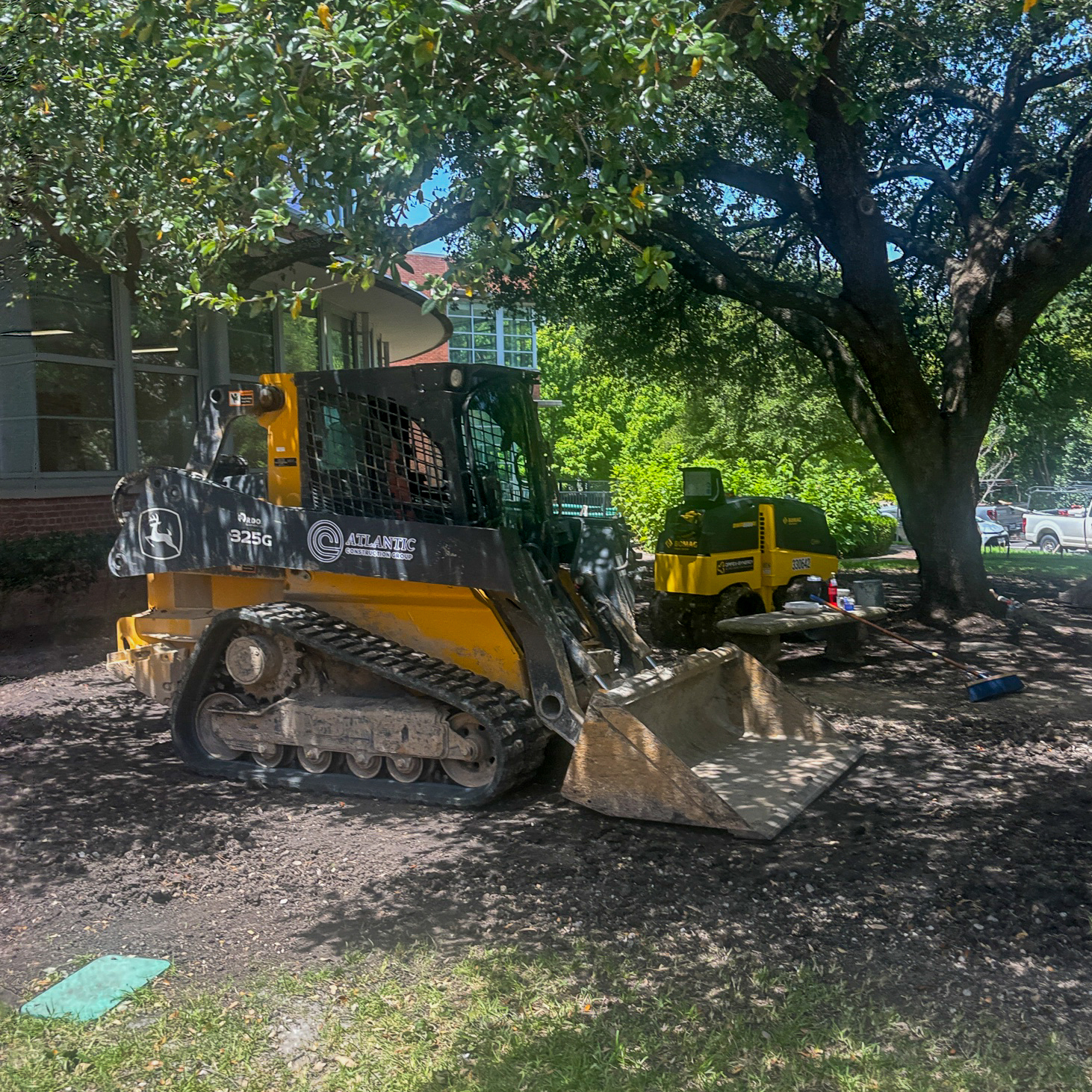
Is There Anything you can do to Correct Compaction Issues Caused by Construction?
Correcting soil compaction requires a combination of physical loosening of the soil (aeration), biological improvement (microorganisms), continued protection. Vertical Mulching Mechanical / Physical Solutions Mechanical/Physical solutions are usually the quickest way to break up severely…
Read more