How Tree Choices Shape Allergy Season in North Texas
Trees are an essential part of life in North Texas. They offer shade during long summers, add beauty to neighborhoods, and help create inviting outdoor spaces. But trees also influence air quality—and for many people, that connection becomes very noticeable during allergy season.
Understanding how different trees contribute to pollen can help explain why allergies feel so intense and how thoughtful planting can make a difference.
Why Pollen Builds Up
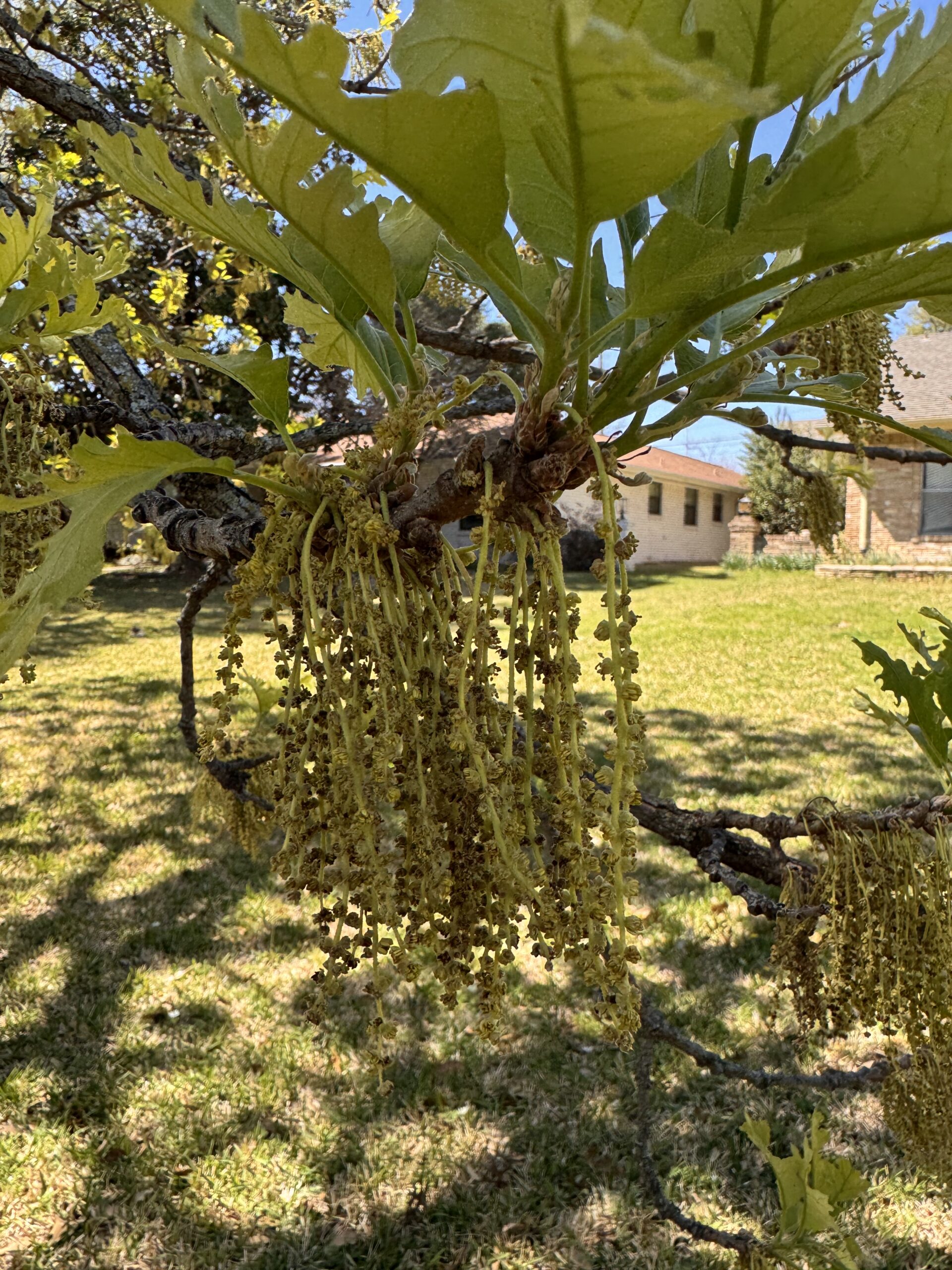
Some trees release pollen as part of their normal reproduction process. Pollen is designed to travel on the wind, and in North Texas—where spring is often dry and breezy—it can spread easily across neighborhoods.
Over time, many commonly planted trees have been chosen because they don’t produce fruit or seeds that fall on sidewalks or lawns. These trees are often male, meaning their primary contribution is releasing pollen into the air. When pollen‑producing trees greatly outnumber pollen‑receiving trees, pollen levels naturally increase.
The result is more pollen lingering in the air, settling on surfaces, and entering homes and workplaces.
What That Means for People
Higher pollen levels can affect daily comfort, even for those who don’t usually struggle with allergies. For many residents, allergy season brings congestion, itchy eyes, headaches, fatigue, and asthma flare‑ups. On high‑pollen days, spending time outdoors can feel uncomfortable or exhausting.
When outdoor spaces are harder to enjoy, it impacts everything from daily routines to how often people use parks, trails, patios, and yards.
The Value of Balance
Female trees play an important role in balancing pollen. While they can produce seeds or fruit, they don’t release pollen into the air. And when male trees are limited nearby, fruit production tends to stay minimal.
A well‑balanced mix of trees helps support cleaner air while still maintaining functional and attractive landscapes. It’s not about choosing one type over another—it’s about creating balance.
Healthier Trees, Healthier Landscapes
Tree diversity offers benefits beyond allergy reduction. A mix of species and tree types strengthens urban landscapes, helping them better withstand pests, disease, and extreme weather. Diverse landscapes also support birds and other wildlife, contributing to stronger local ecosystems.
In a region like North Texas, where weather conditions can change quickly, resilient landscapes matter.
Growing with Intention
Today, there’s increasing awareness that tree selection affects not just appearance, but also comfort and long‑term environmental health. Thoughtful planting choices—whether for homes, businesses, or shared spaces—can reduce allergy triggers while supporting strong, beautiful landscapes. Trees should make our communities more enjoyable places to live. With informed and balanced choices, they can continue to do exactly that.

At Texas Tree Surgeons we love trees. Tree diversity is key to keeping our urban landscapes healthy and thriving. The excessive pollen release not only exacerbates allergies but also raises concerns about air quality in the Dallas-Fort Worth area. Interestingly, studies have shown that the concentration of pollen in the air can lead to severe health effects for individuals with existing respiratory conditions like asthma. If you are thinking to add to our urban forest contact us for tree planting. We will help you make an informed choice that will beautify and keep your landscape healthy.
 PREV BLOG
 Tree Planting
We Love Trees
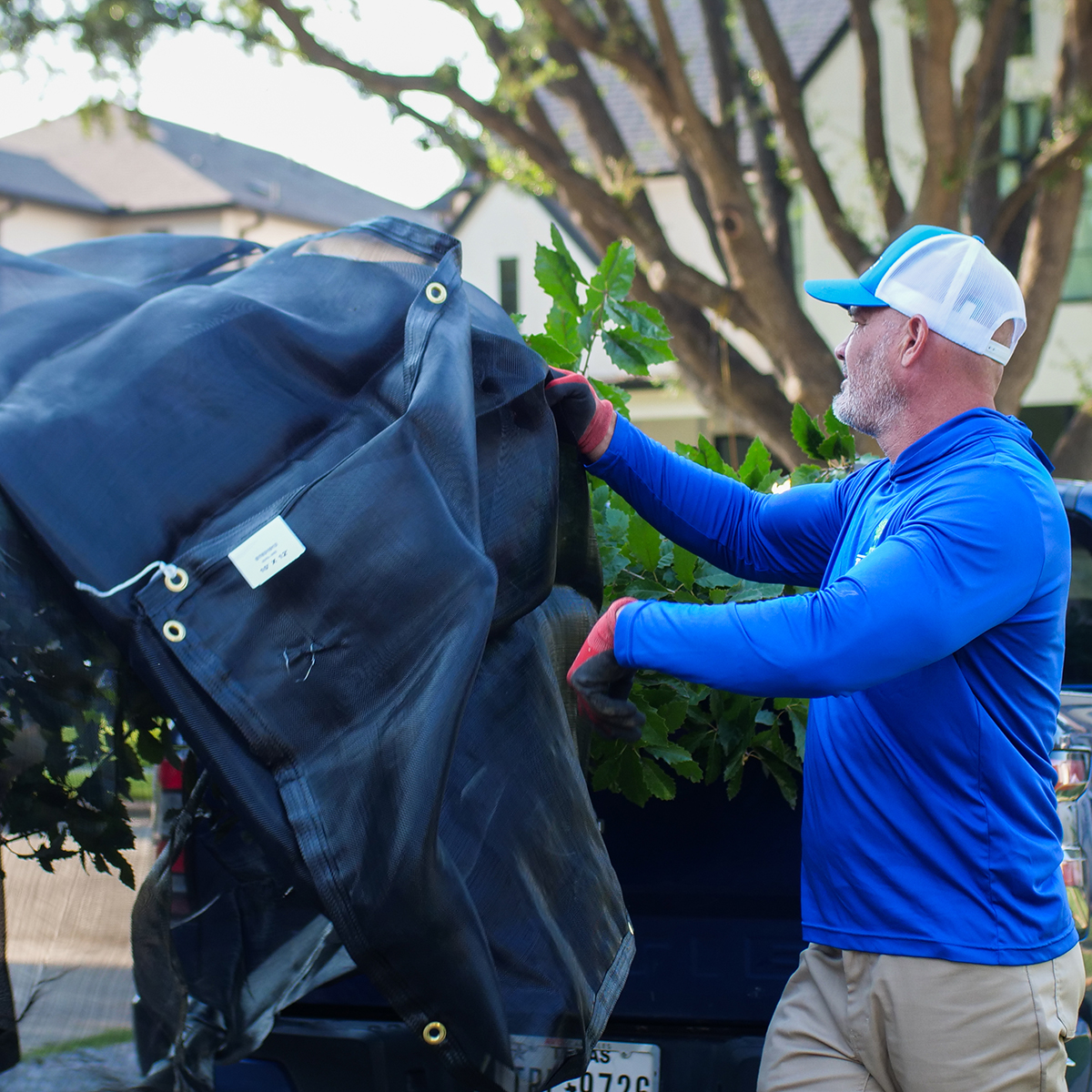
EXPERT KNOWLEDGE AND SKILLSET
We begin by choosing the best trees. Every tree is inspected closely by our arborists to ensure the best stock is installed at your property.
CUSTOMIZED PLANNING FOR YOUR LANDSCAPE
Prior to planting your new tree an arborist will work with you to find the best location on your property to optimize tree health and growth once installed. Depending on the size of the tree and how long ago the tree was removed from a spot will determine if that location can be used to replant.
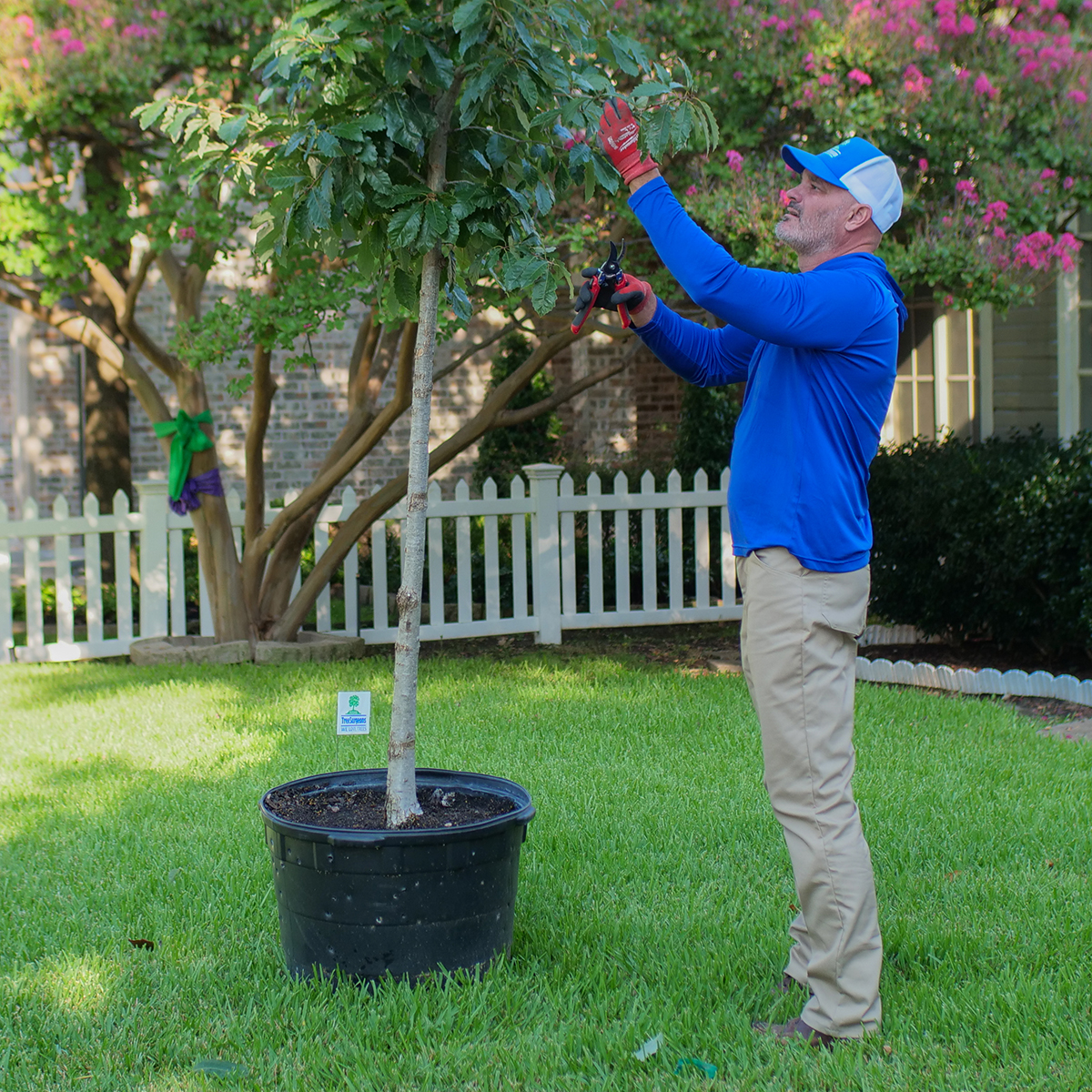
ENCOURAGING HEALTHY DEVELOPMENT
If needed, we will do structural pruning to ensure your tree grows beautifully. Prior to arrival we ensure all trees that are selected have healthy dominate stems.
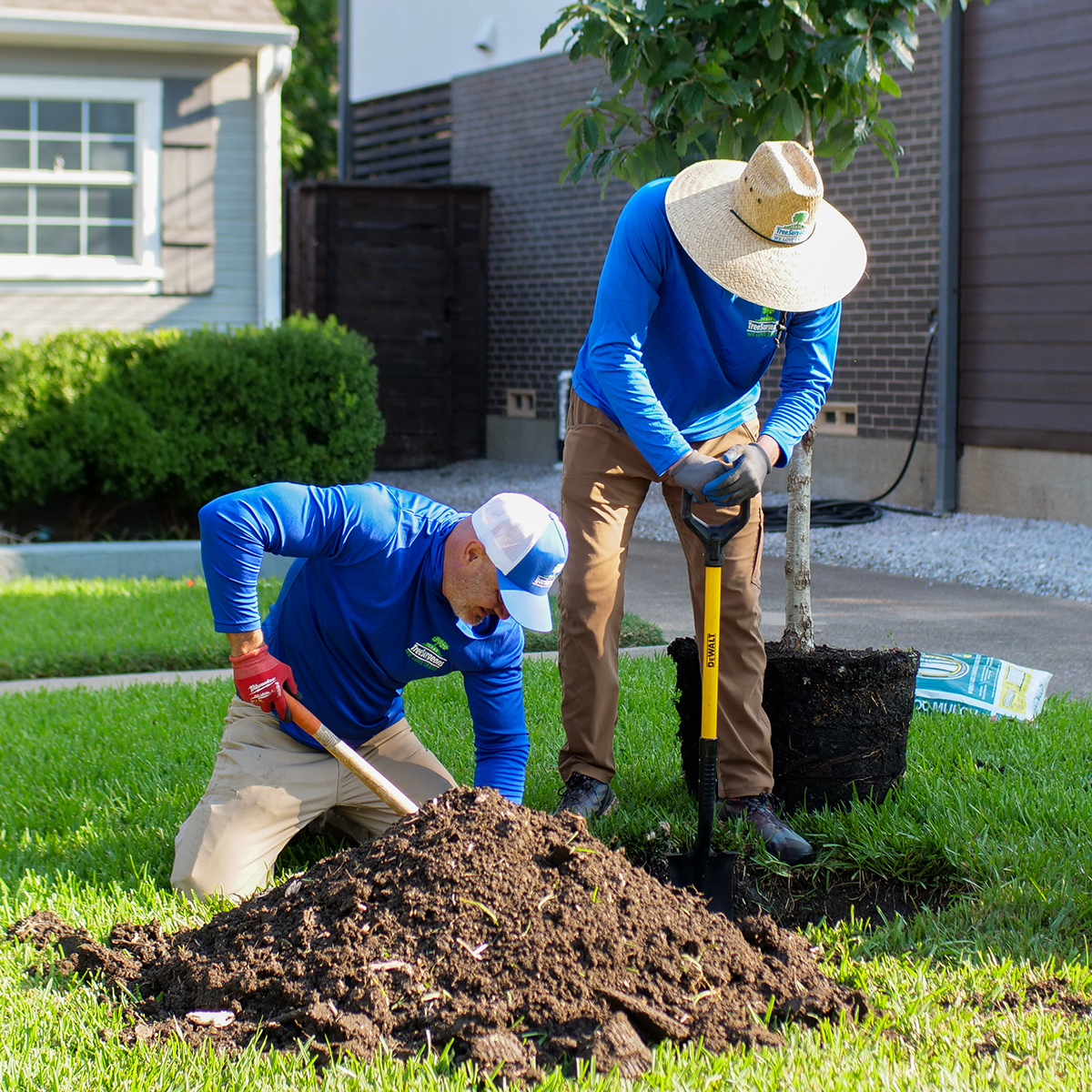
PROPER PLANTING TECHNIQUES
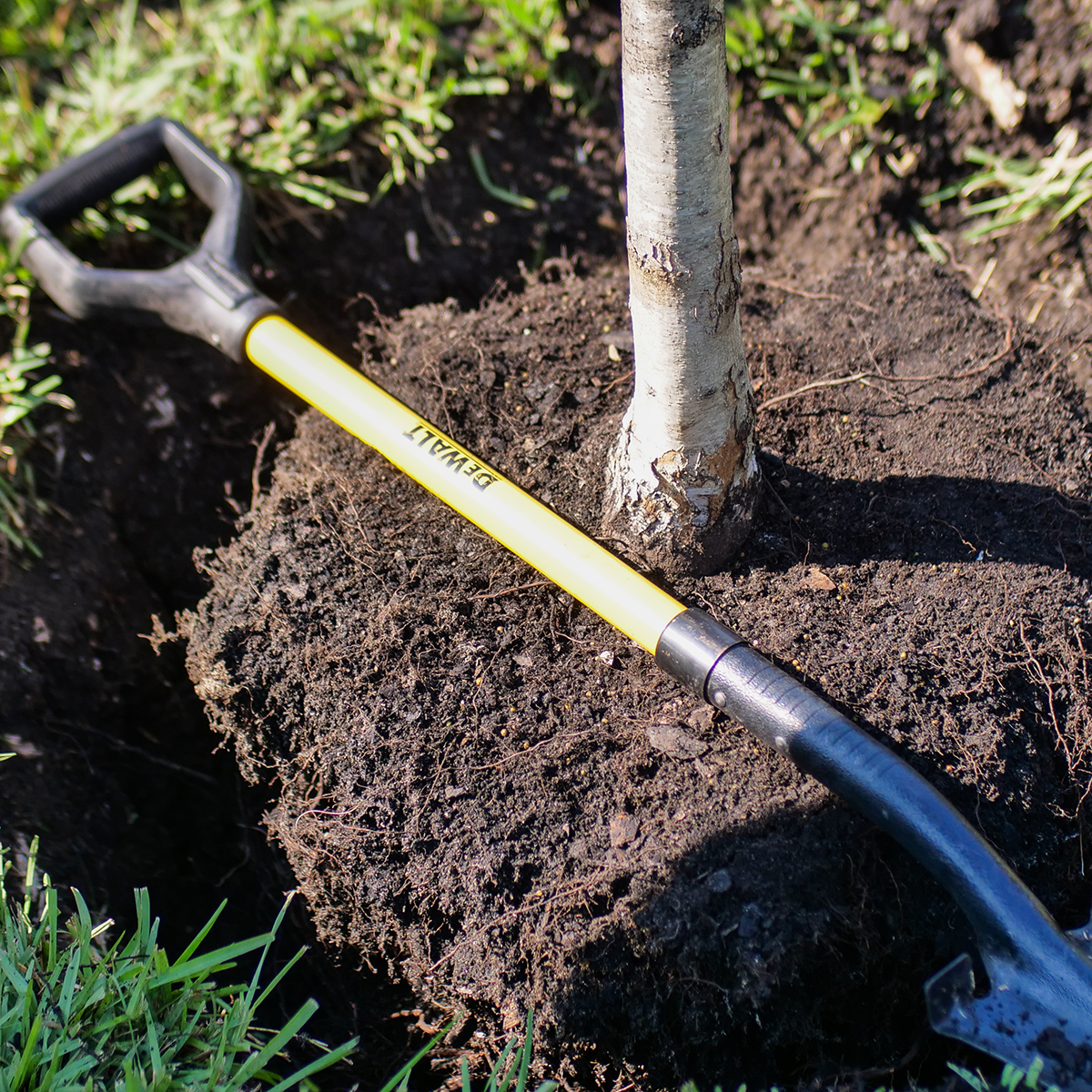
The key to successful tree planting starts from the ground up. Digging the right hole is essential for the tree's success—it's not too deep and wide enough to support proper root growth.
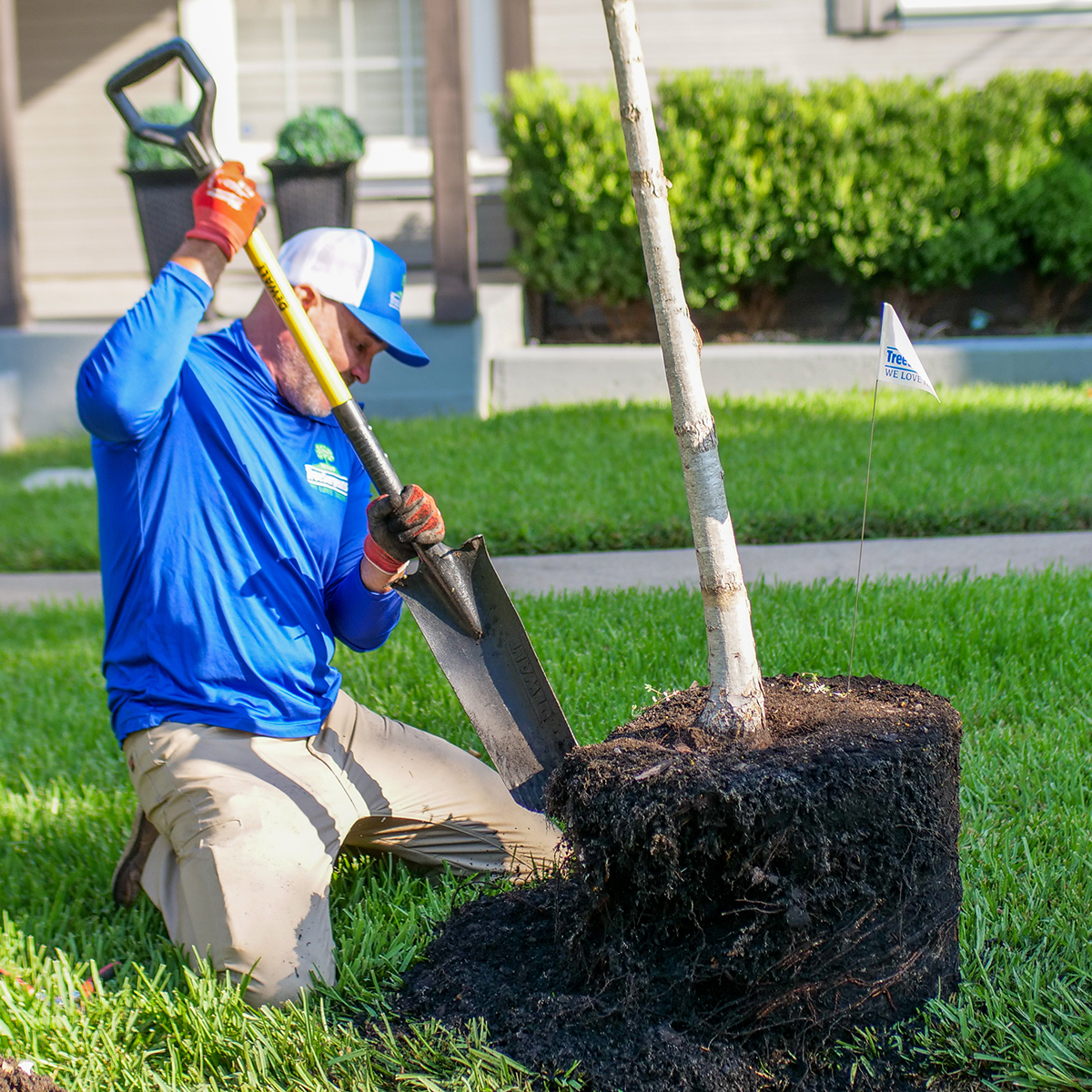
BREAKING APART ROOT BALL
It may look alarming but it is important to break apart the root ball so the roots are able to grow outwards instead of wrapping around itself. Their roots have been bound in a container for a long time and need to be trained to grow outward.
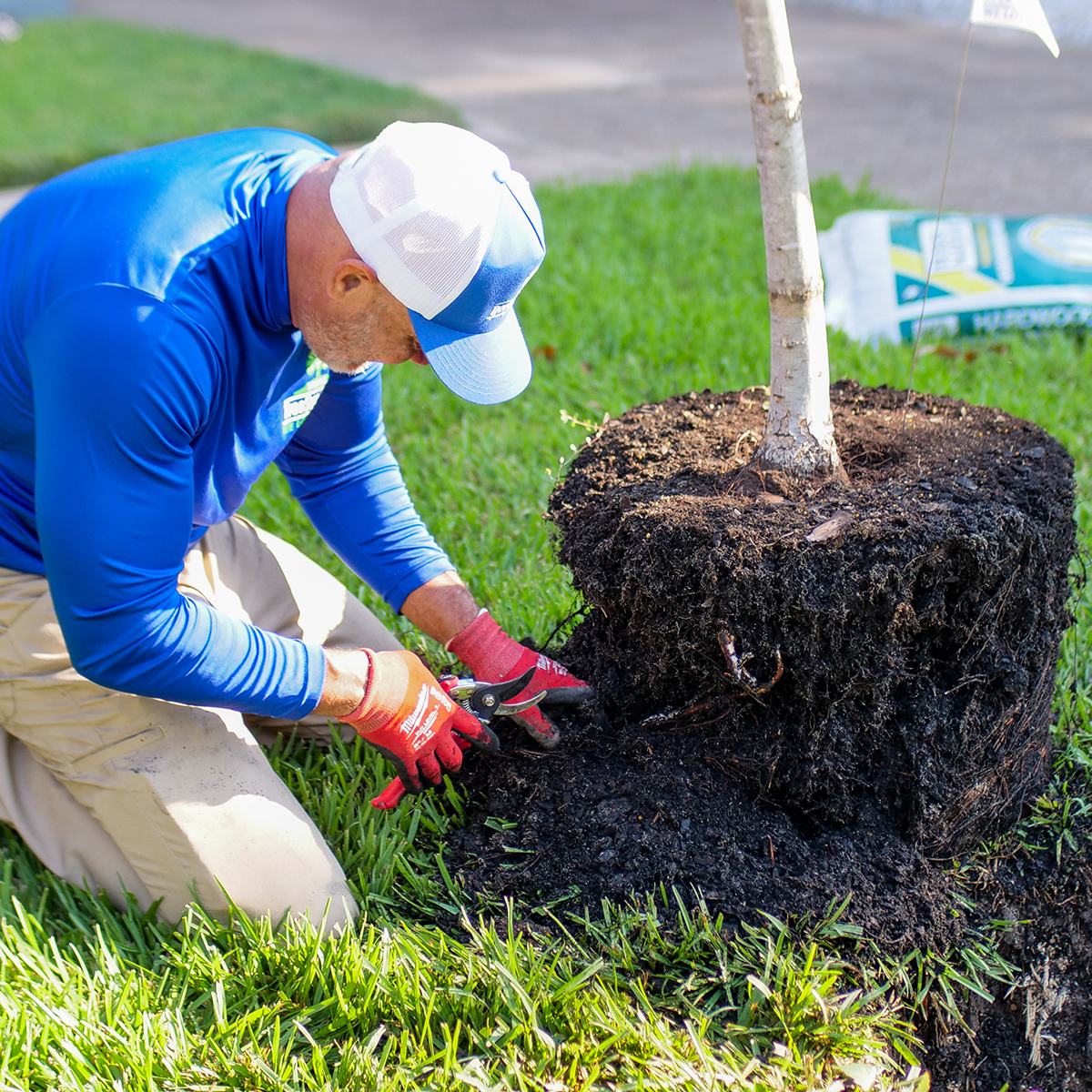
ROOT PRUNING
Root pruning is essential in establishing healthy roots when planting trees. Removing problematic girdling roots ensures healthy trees from the ground up.
PROPER HOLE DEPTH AND WIDTH
We plant the tree in the ground and take great care to ensure that the tree is at the correct depth and is straight.
BACKFILL WITH SOIL & WATER
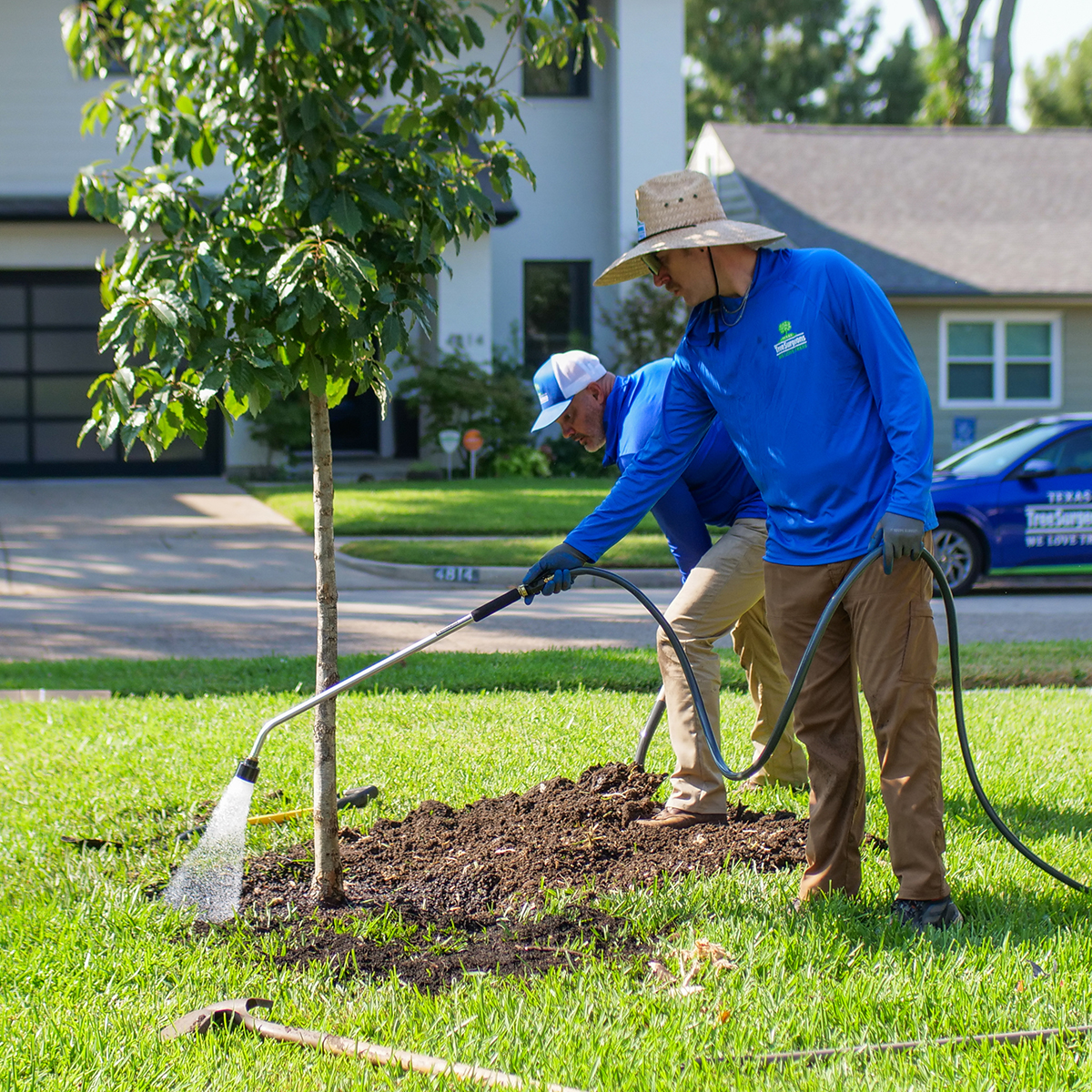
Now that the tree has been installed we backfill with water to help the soil settle and secure the tree's roots into the ground. If the tree is properly planted there will not be a need for stakes to keep it in place.
MULCH
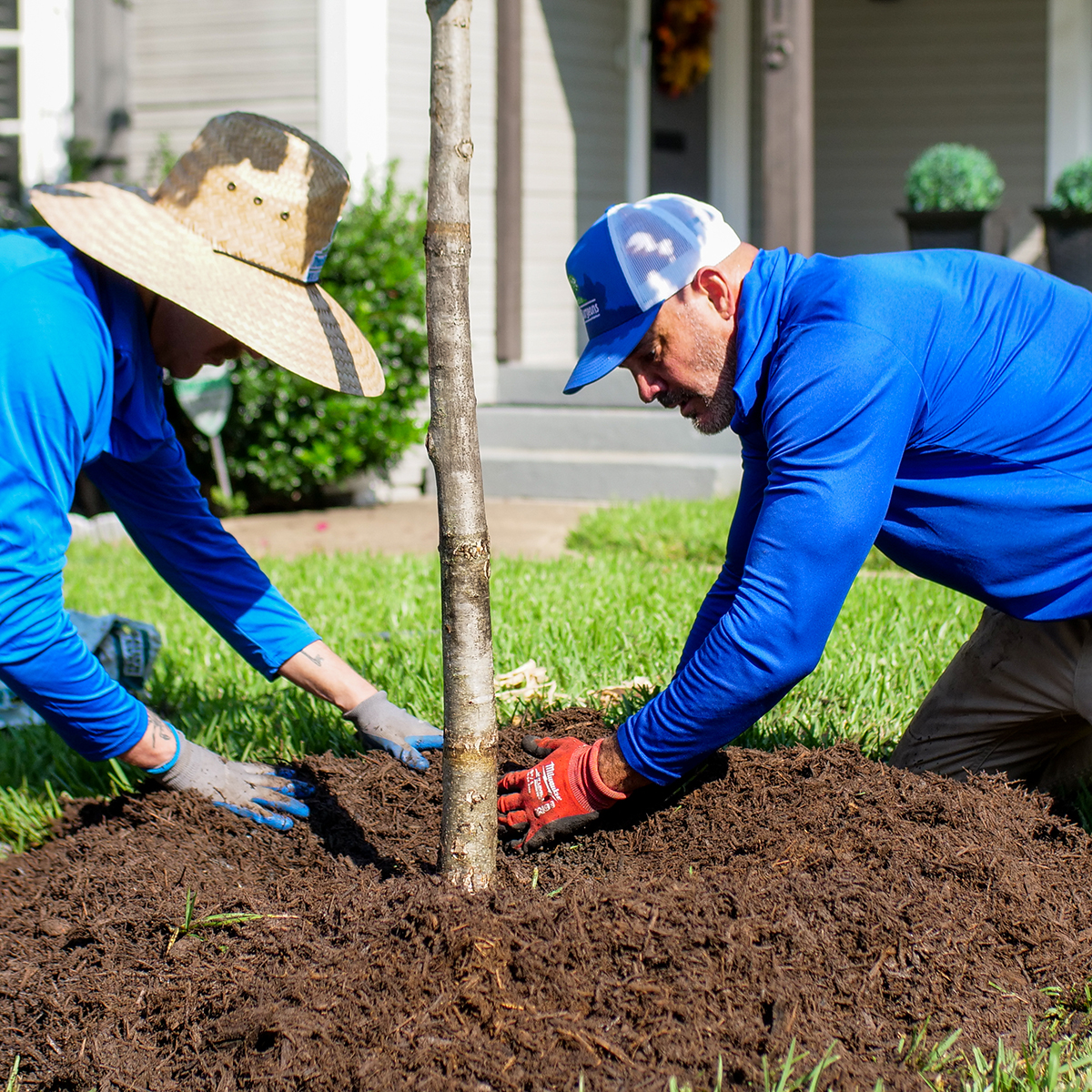
Our crew will then mulch the tree, making sure to create a bowl shape to protect the base. Be careful not to let the mulch pile up around the trunk, as it can harm the tree and void the warranty.
PROPER WATERING TECHNIQUE
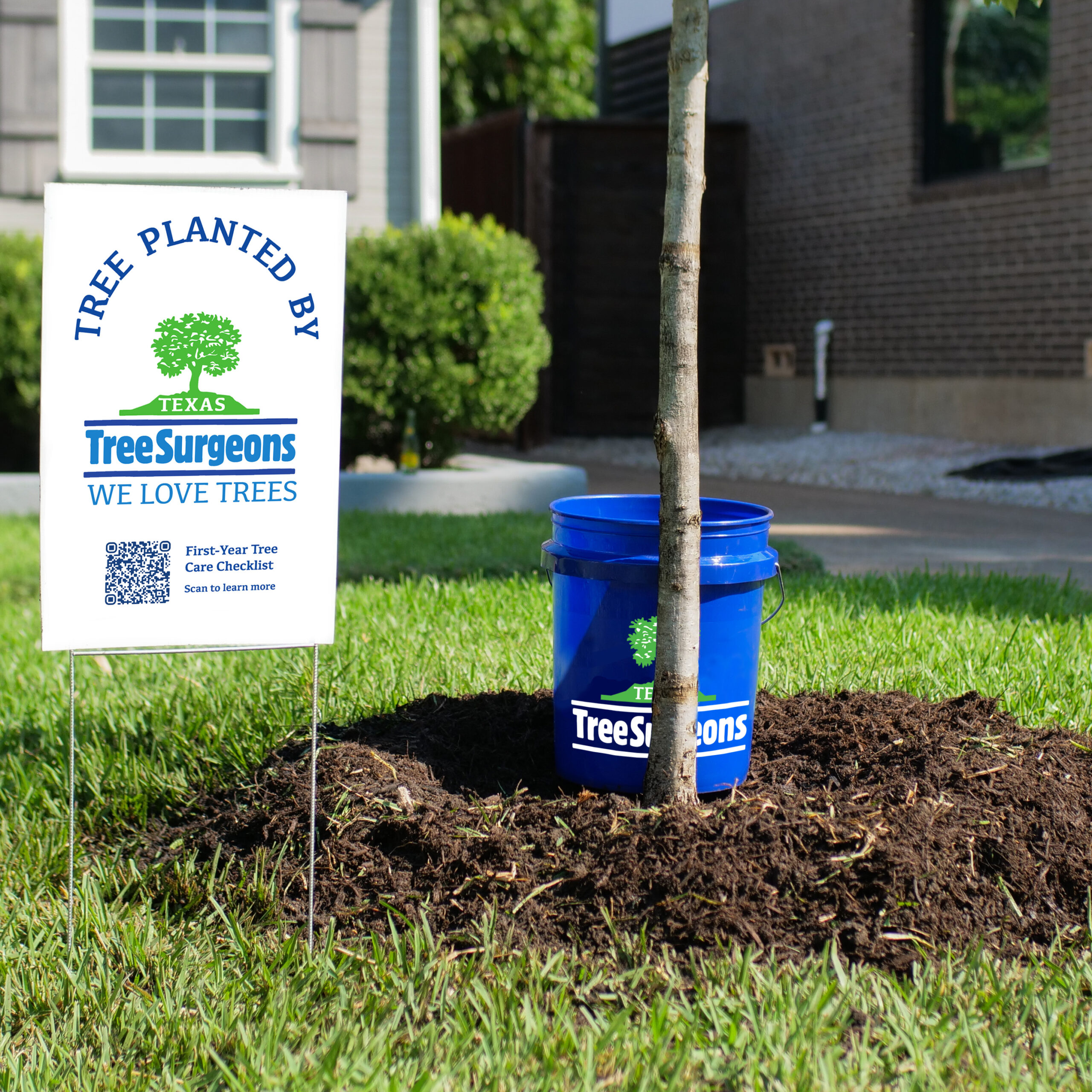
Before leaving we do one more final soaking once the tree has been planted. We will also leave a detailed care guide and a 5 gallon blue bucket with soaker holes to help you water your tree properly. Watering your tree with two buckets full every other day for the first two weeks will set your tree up for long-term growth.
Related Blogs
Similar blogs related to this topic

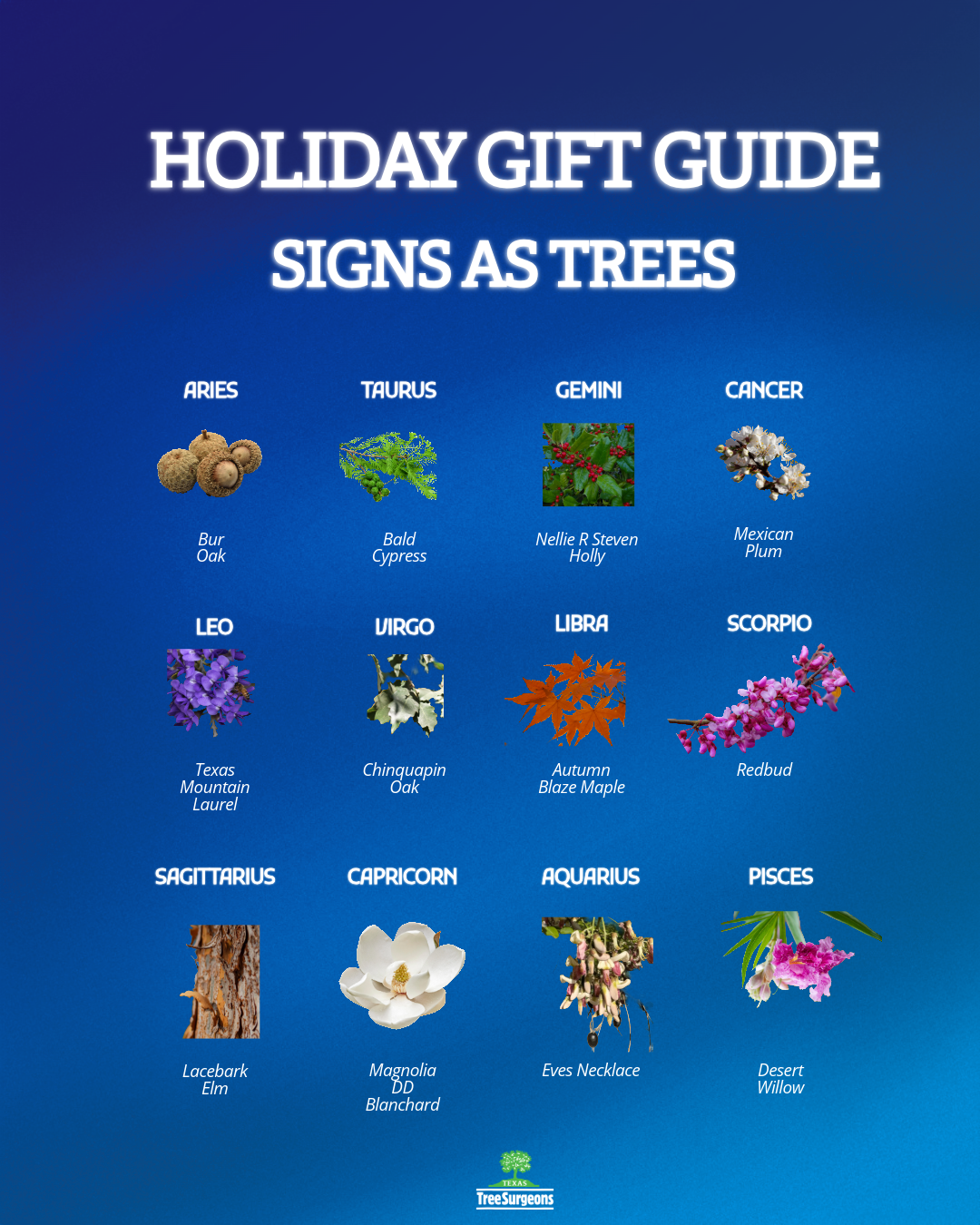
Holiday Gift Guide, Zodiac Signs as Trees
This holiday season a gift that keeps on giving in a time of over consumption is the most ethical and thoughtful gift. It is investment in a shared future that benefits their home and the…
Read more
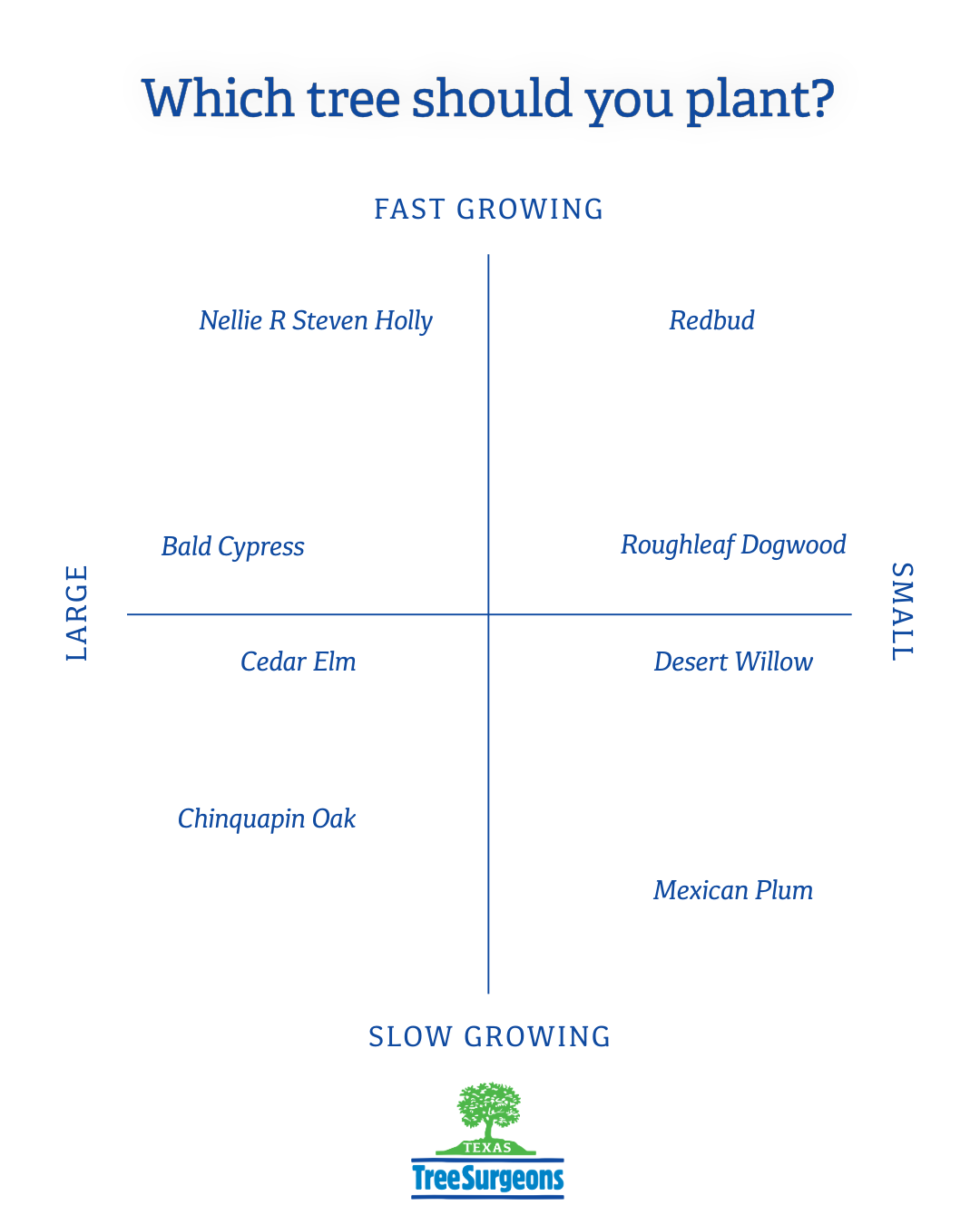
Which Tree Should You Plant?
Tree selection needs to include a balance of preference in style with species selection that can thrive in North Texas unique soil conditions and climate. Below are some essential questions to ask yourself to ensure…
Read more
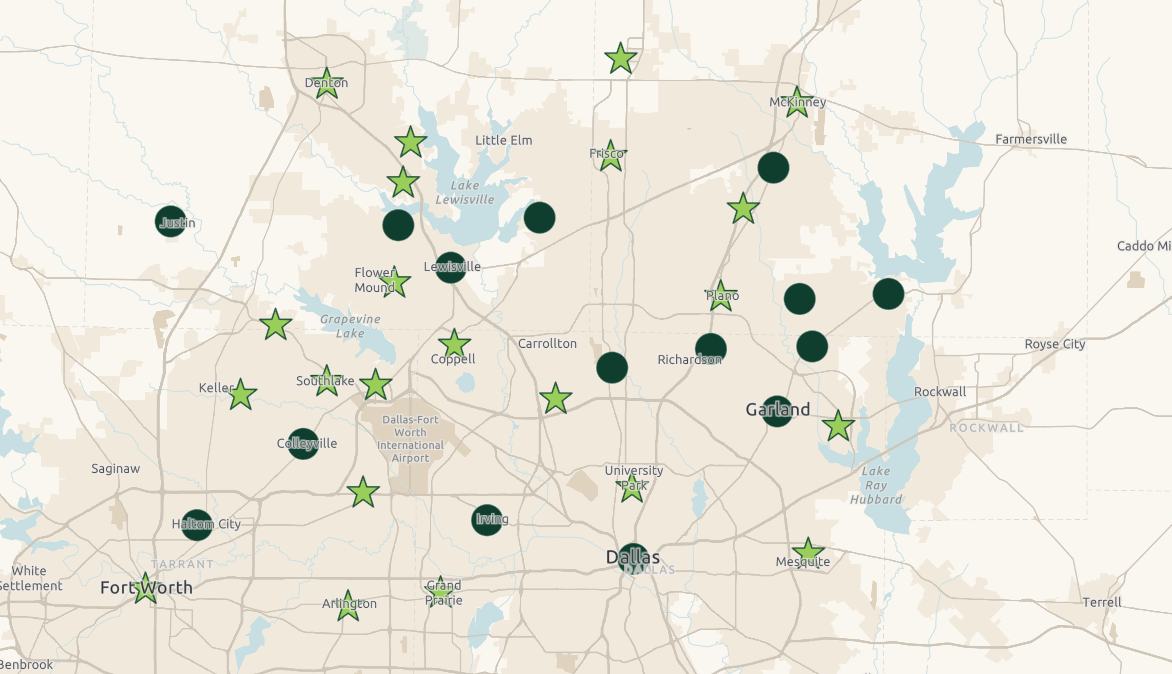
Benefits of Becoming a Tree City USA in Texas
In recent years, many Texas communities are exploring how to achieve Tree City USA. Tree cities reap numerous advantages, ranging from environmental to social benefits, enhancing the lives of their residents. What are the perks…
Read more