• Skip to main content
  • 469-387-6000
  • [email protected]
  • Local Arborist
  • Services

    All Services

    Local Arborist

    Consulting

    Tree Trimming

    Tree Removal

    Tree Health Care

    Tree Planting

    Stump Grinding

  • Service Area
    Addison Allen Arlington Carrollton Colleyville Coppell Dallas Denton Euless Farmers Branch Flower Mound Fort Worth Frisco Garland Grand Prairie Grapevine Highland Park Irving Keller Lewisville McKinney Mesquite Murphy North Richland Hills Plano Prosper Richardson Rockwall Southlake Trophy Club University Park Wylie
  • Information
    About How We Work Faqs “Arborist” vs. “Certified Arborist” Emergency Tree Work Gallery Insurance and W9 Information
  • Testimonials
  • Blog
    All Blog North Texas Tree Owner’s Guide Tree Recommendations Insects & Diseases Whats Wrong with My Tree Fall Tree Care Winter Tree Care Spring Tree Care Summer Tree Care
  • Pay Invoice
  • Contact Us
  • Spring Tree Care
  • Resources

North Texas Allergies | Catkin Season & Trees
Mar 23, 2026

If you are having terrible allergies in the Dallas-Fort Worth area, catkin-producing trees are likely the reason why. 

Catkin season typically occurs in North Texas from late winter to early spring; typically February through March. 

What Are Catkins?

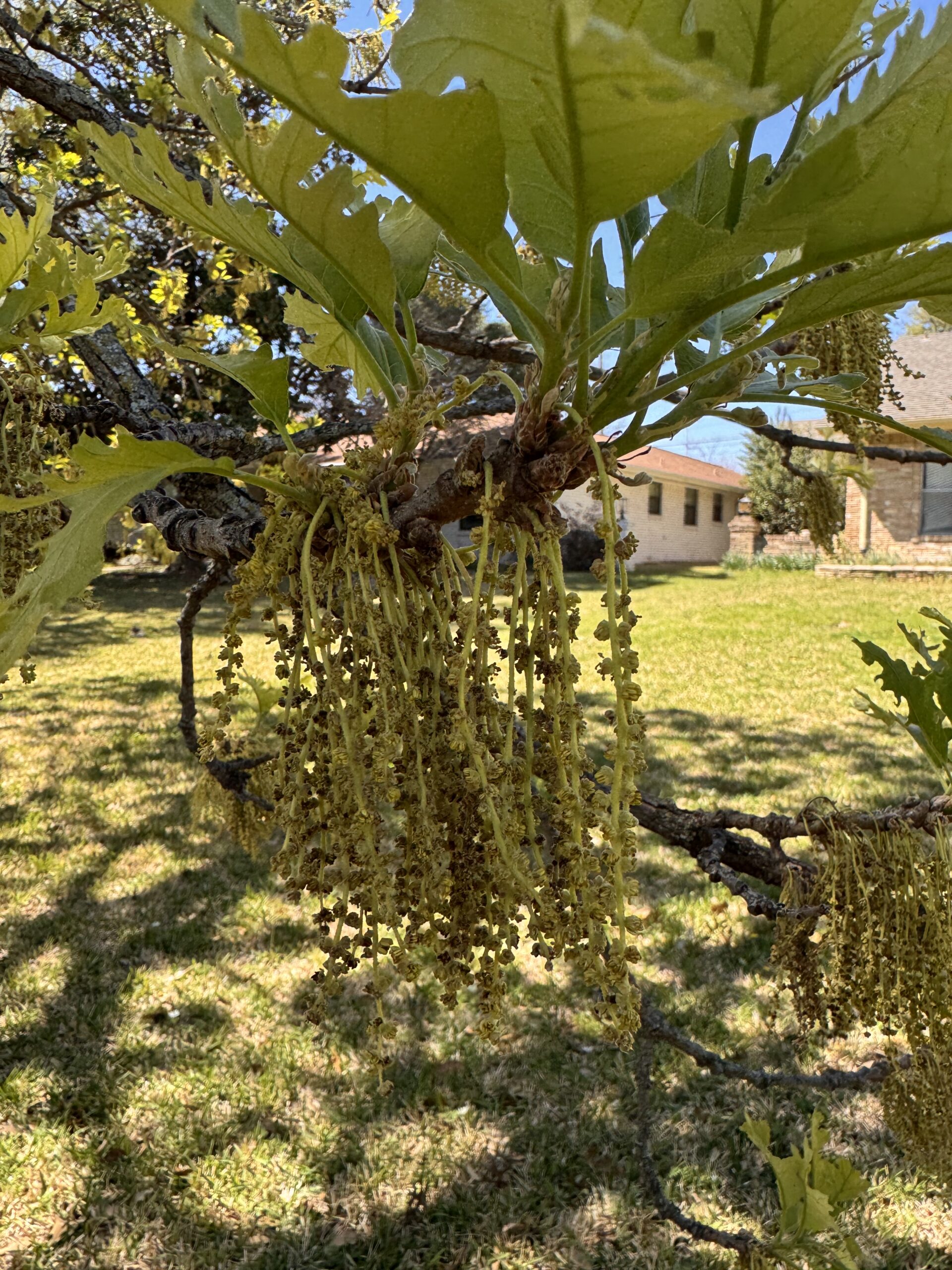
Catkins are slim, cylindrical flower clusters with unisexual flowers arranged closely along a central stem. They are predominantly found in wind-pollinated trees, where the male catkins release pollen into the air.

Catkins, also known as aments, these unique structures are unlike typical flowers, are wind-pollinated rather than insect-pollinated. The production of catkins marks a transitional phase for many tree species, signaling the end of dormancy and the beginning of active growth. 
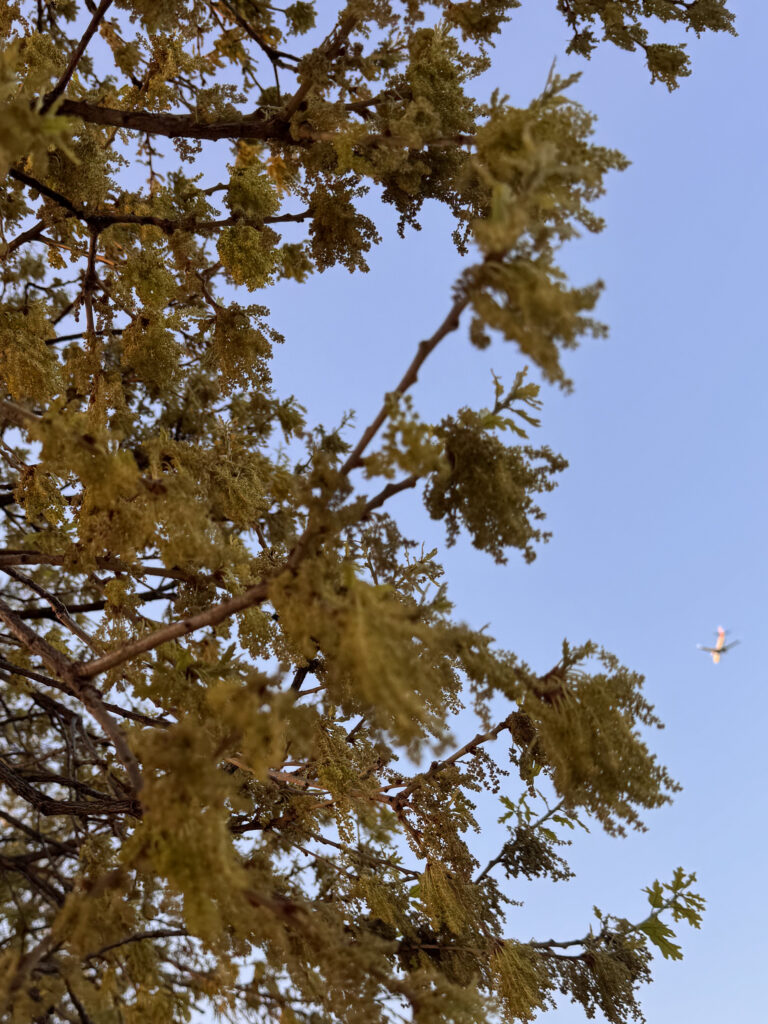
Trees that Bear Catkins

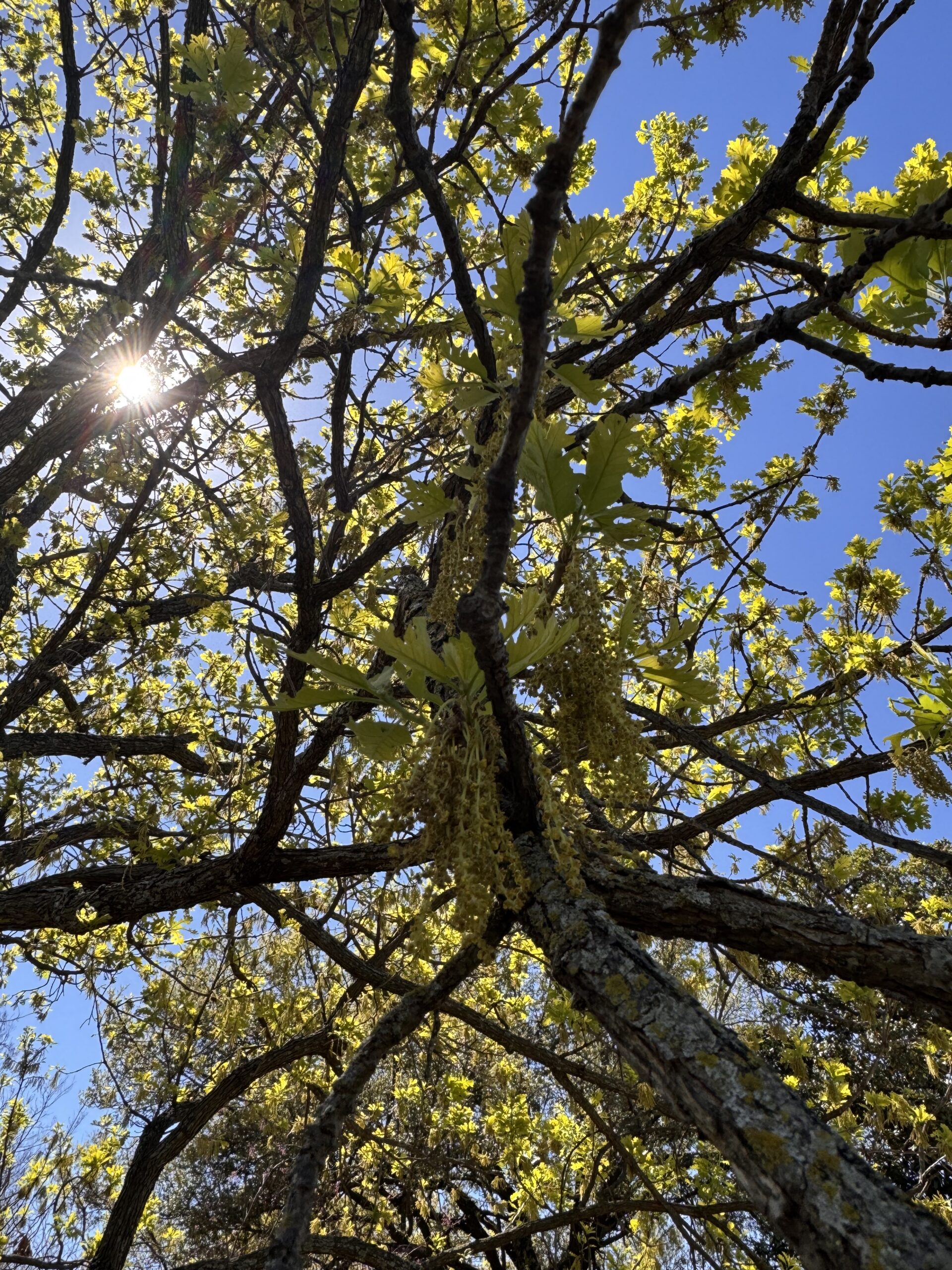
In the Dallas-Fort Worth area, you’ll find catkins on a variety of trees, including willows, oaks, and birches. Each tree species has its own unique version of catkins, differing in size, shape, and color. While some catkins may be long and thin, others might appear plumper. Their primary purpose, however, remains the same: to facilitate the wind-borne transfer of pollen. If you’ve ever wondered why certain trees in Texas produce catkins, it is primarily because these species have evolved in a way that maximizes their pollination success through wind dispersion.

Seasonal Allergies and Catkins

Some residents experience heightened allergies during catkin season. The pollen released can contribute to seasonal hay fever symptoms. It’s a time when sensitive individuals might notice more sneezing, runny noses, and itchy eyes. Interestingly, while catkins contribute to pollen in the air, they’re not the sole culprits. It’s the collective pollen from many trees that saturate the atmosphere, turning into a cloud of allergens that travels vast distances. Solutions such as staying indoors on windy days and utilizing air purifiers can be effective for managing symptoms. 

Why Some Trees Rely on Catkins

Not all trees have catkins, so why do some species, such as birches, willows, and oaks, rely on them? The answer lies in evolutionary adaptations that allow these species to thrive in environments where other pollination methods, like insect pollination, may be less efficient.

One could argue that the reliance on catkins is a strategic choice made by evolution. Trees that produce catkins often grow in regions where the consistency of wind enhances pollination success. Imagine an open field with trees swayed gently by the breeze—the wind is abundant, creating a constant motion essential for pollen distribution. In contrast, insect-pollinated plants need a population of pollinating species that may not be consistently present throughout different seasons. This tactic allows catkin-dependent trees to sidestep the vagaries of insect pollination and instead harness a natural element that’s abundant and reliable.For example, the oak trees prominent in various Texas landscapes have developed catkins to assist their pollination. Since Texas is known for its diverse tree population, there is a variety of species that benefit from different types of pollination strategies. By adopting the catkins feature, these trees optimize their reproduction and thrive despite the challenges posed by their habitats.

We love Trees Texas Tree Surgeons Logo

At Texas Tree Surgeons we love trees. Spring is a great time to slow down and take time to notice the changes occurring with your trees. We offer scientifically backed different tree health care plans all year long that are tailored specifically to your tree and soil type. There is no one fits all for tree health care and we are proud to provide a holistic approach to tree care. 
Share This Blog
PREV BLOG

Search Within Blogs

Recent Posts

  • Why Do Trees in North Texas Need Disease Management?
    In regions like North Texas—where extreme heat, drought, compacted soils, and pest pressures are common—trees face a range of stressors that can compromise their health and open the door to disease. […]
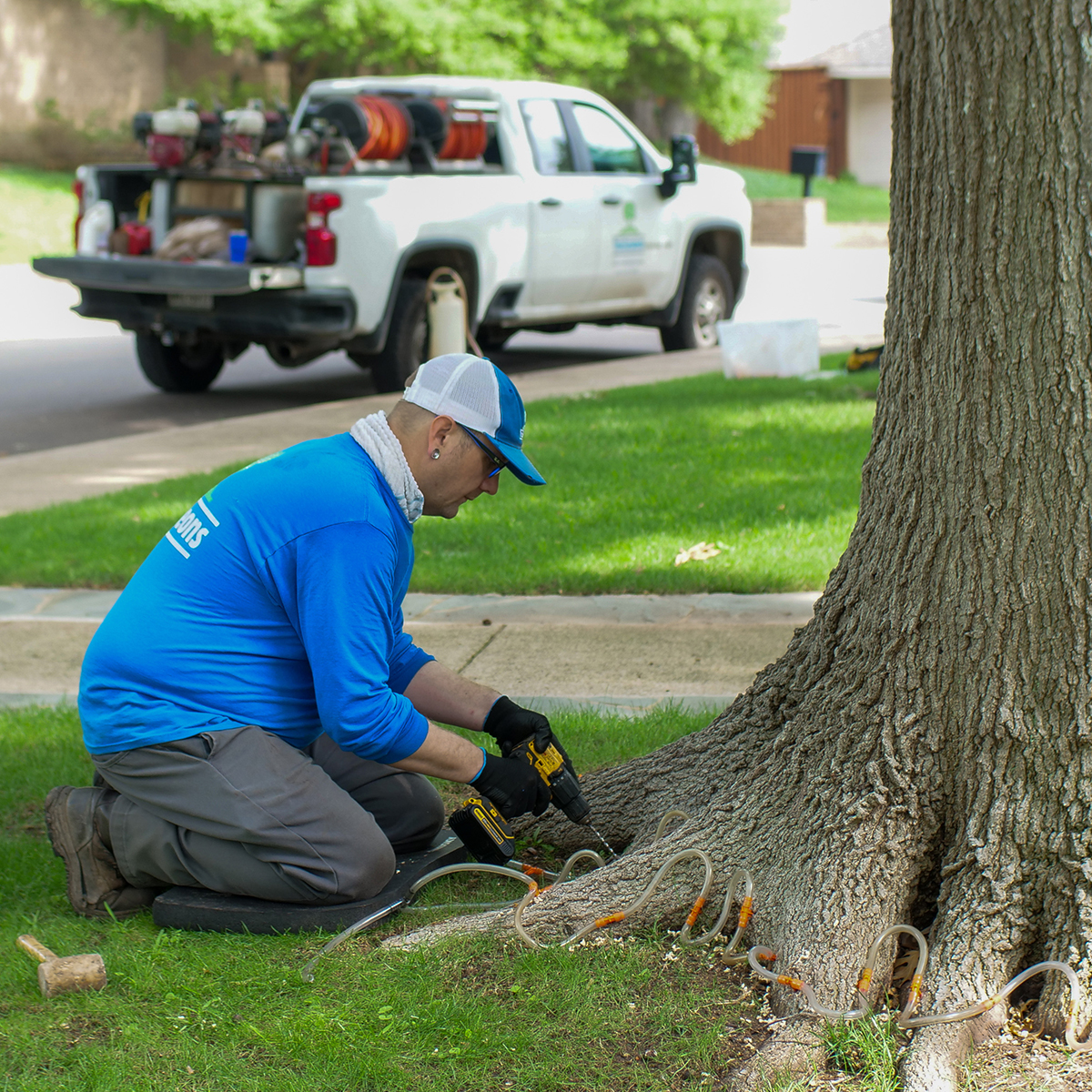
  • Texas Tree Surgeons TDA Licensed Tree Health Care Technician drilling into the tree so he can inject a fungicidal chemical for treating oak wilt.How to Identify and Get Rid of Oak Wilt
    Texas has the highest concentration of oak trees in […]
  • Entire Arborist Staff are Prescription Pruning Qualification Certified
    Prescription Pruning aims to improve tree health, ensure safety, and enhance aesthetics. It involves planned pruning methods tailored to specific trees and circumstances. […]
  • Spring Tree Care For North Texas
    Buds are blooming in North Texas. What are some spring time tree care? Depends on the tree species. […]
  • Third Annual North Texas Bilingual Tree Care and Safety Workshop
    At Texas Tree Surgeons, a big part of our culture is […]

Ask Texas tree Surgouns

  • News Coverage
  • What's Wrong with My Tree
  • Local Arborist Services
  • Consulting
  • Tree Planting
  • Tree Removal
  • Tree Trimming
  • Tree Health Care
  • Roots
  • Insects & Diseases
  • Tree Recommendations
  • Turf & Trees
  • Extreme Weather
  • Fall Tree Care
  • Spring Tree Care
  • Summer Tree Care
  • Winter Tree Care
  • Top 10
  • Resources
  • Tree Owner's Guide
  • Ask Texas Tree Surgeons
  • Events
  • Video

Follow

Recent Comments

    Archives

    • March 2026
    • February 2026
    • January 2026
    • December 2025
    • November 2025
    • October 2025
    • September 2025
    • August 2025
    • July 2025
    • June 2025
    • May 2025
    • April 2025
    • March 2025
    • February 2025
    • January 2025
    • December 2024
    • November 2024
    • October 2024
    • September 2024
    • August 2024
    • July 2024
    • June 2024
    • May 2024
    • April 2024
    • March 2024
    • February 2024
    • January 2024
    • December 2023
    • November 2023
    • October 2023
    • September 2023
    • August 2023
    • July 2023
    • May 2023
    • February 2023
    • October 2022
    • September 2022
    • August 2022
    • May 2022
    • April 2022
    • March 2022
    • February 2022
    • January 2022
    • October 2021
    • September 2021
    • July 2021
    • June 2021
    • May 2021
    • March 2021
    • February 2021
    • January 2021
    • December 2020
    • November 2020
    • October 2020
    • August 2020
    • June 2020
    • April 2020
    • March 2020
    • February 2020
    • January 2020
    • December 2019
    • November 2019
    • October 2019
    • September 2019
    • August 2019
    • July 2019
    • June 2019
    • May 2019
    • April 2019
    • March 2019
    • February 2019
    • December 2018
    • November 2018
    • October 2018
    • September 2018
    • August 2018
    Related

    Related Blogs

    Similar blogs related to this topic
    All Blogs
    What's Wrong with My Tree

    How to Identify and Get Rid of Oak Wilt

    Texas has the highest concentration of oak trees in the United States. Oak wilt is a serious threat to our North Texas urban forest, infection centers among live oaks specifically expand at an average rate…

    Read more Mar 14, 2026
    Tree Health Care

    Spring Tree Care For North Texas

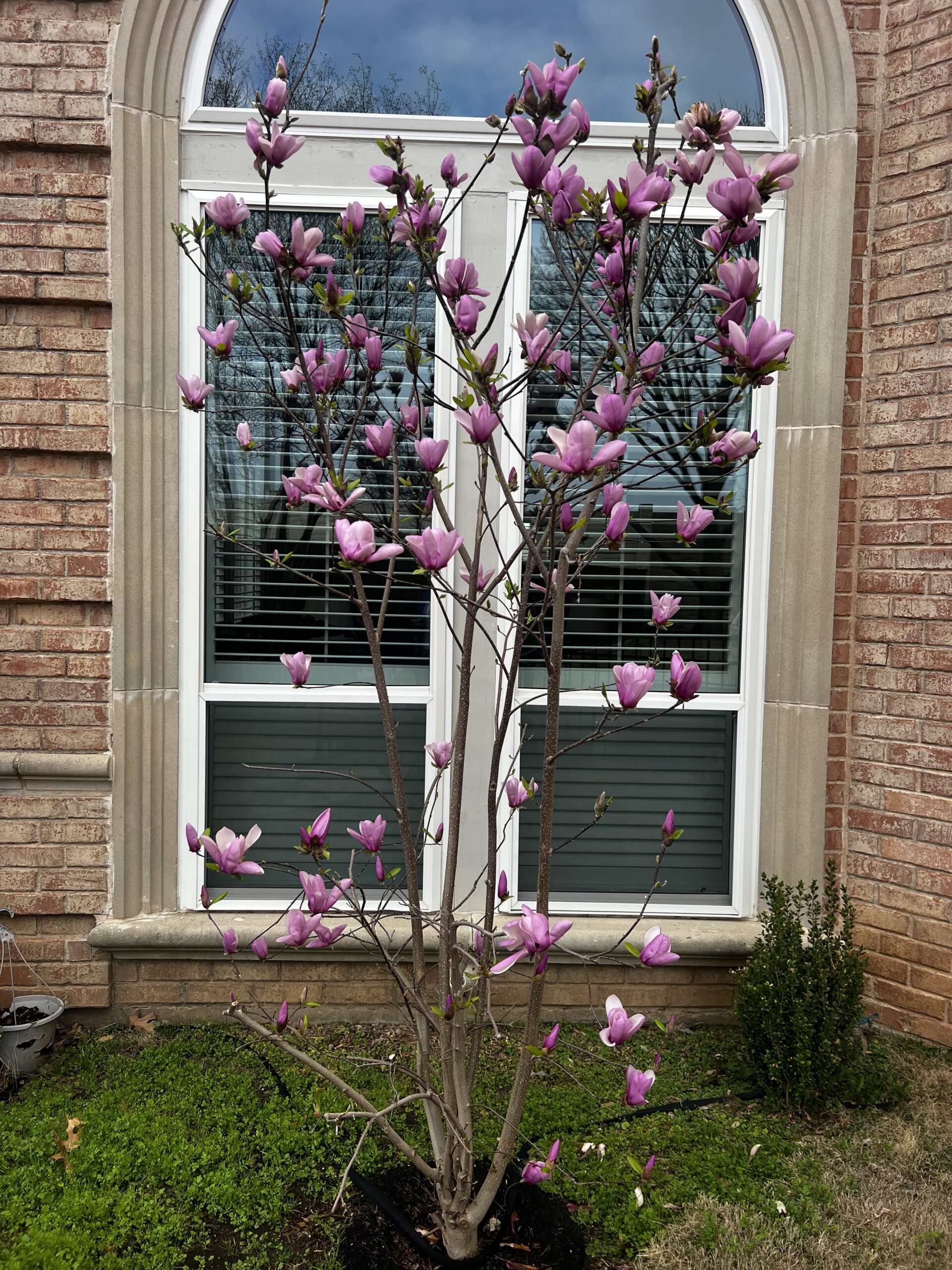
    Spring in North Texas typically starts with a few false starts in winter with unusual warmth and then freeze. Key things that let you know spring is near are; terrible allergies, cedar fever, and blooming…

    Read more Mar 03, 2026
    What's Wrong with My Tree

    Fireblight

    Fireblight is a common yet destructive bacterial disease affecting various species of fruit trees. It’s essential to identify it early and take action to prevent its spread. In North Texas we really only see this…

    Read more Feb 12, 2026
    Contact Us

    Get Your Estimate Today!

    Ready to get started? Have a question? We’d love to hear from you. Request an estimate and get started today.

    Contact Us
    Locations

    Areas Served

    Tree Services in and around the Dallas-Fort Worth Metroplex.

    • Dallas
    • Grand Prairie
    • Plano
    • Denton
    • North Richland Hills
    • Southlake
    • Fort Worth
    • Lewisville
    • Carrollton
    • Highland Park
    • Euless
    • Colleyville
    • Arlington
    • Frisco
    • McKinney
    • Grapevine
    • Garland
    • Wylie
    • Irving
    • Richardson
    • Coppell
    • Mesquite
    • Farmers Branch
    • Flower Mound
    • Keller
    • Addison
    • Rockwall
    • Prosper
    • Allen
    • Murphy
    • University Park
    • Trophy Club
    view more
    footer logo

    Dallas Tree Surgeons or Texas Tree Surgeons? Both! Same great people. Different name.

    • 469-387-6000
    • [email protected]
    Services
    • All Services
    • Local Arborist
    • Tree Health Care
    • Tree Removal
    • Tree Trimming
    • Tree Planting
    • Stump Grinding
    Quick Links
    • About
    • Contact Us
    • Faqs
    • Privacy Policy
    • Terms and Conditions
    Follow us on

    "Dallas Tree Surgeons" and "Texas Tree Surgeons" are registered marks of Tree Surgeons LLC.

    Copyright ©2018-2024 Tree Surgeons LLC

    Stay Connected With Texas Tree Surgeons

    * indicates required
    🇺🇸
    Texas Tree Surgeons - By providing your phone number and checking the box, you agree to receive promotional and marketing messages, notifications, and customer service communications from Texas Tree Surgeons. Message and data rates may apply. Consent is not a condition of purchase. Message frequency varies. Text HELP for help. Text STOP to cancel. See Terms and Privacy Policy
    Submitting...