Are Your Oaks Looking Bad? They are Still Recovering from the Freeze!

The unprecedented winter weather in February 2021 will have a lasting effect on North Texas. Many trees and plants have already failed to come back from the freezing temperatures and had to be removed. Others may be showing signs of new growth, but are still struggling. The Texas A&M Forest Service and other experts have reiterated the need to care for freeze-damaged and stressed trees to give them the best chance of recovering.
WHAT CAN YOU DO? KEEP WAITING!
Freeze-stressed trees, especially oaks, may be putting out some new leaves, but are much less vigorous than in previous years.
- Continue to monitor them, and do what you can to alleviate stress.
- Water your stressed trees properly, and make sure not to flood the roots with overwatering.
- Avoid preventative insecticide or fungicide treatments; treat only those pests that are currently active in the tree.

Live oak showing signs of freeze-related stress

Red oak affected by the freeze in Februrary 2021
RECOVERY WILL TAKE A LONG TIME
Whatever the progress of your tree’s recovery, it will take months and possibly years to regain the health it had before the winter storms.
- If a tree has shown no signs of new growth by July, it will likely never recover.
- Trees with sparse growth may be able to leaf out normally in a year or two, so consider waiting to remove.
- As always, contact an ISA Certified Arborist to evaluate your trees’ progress and make recommendations for care.
At Texas Tree Surgeons, we love trees and we love our community! We are constantly in discussion with experts in the fields of arboriculture and horticulture throughout Texas as we try to manage the effects of February’s freeze. Our ISA Certified Arborists are happy to assess your trees and help you provide the best care during this period of residual stress. As we move into the heat of the summer, potential for heat-related stress increases, so contact an arborist today!
 PREV BLOG
Related Blogs
Similar blogs related to this topic
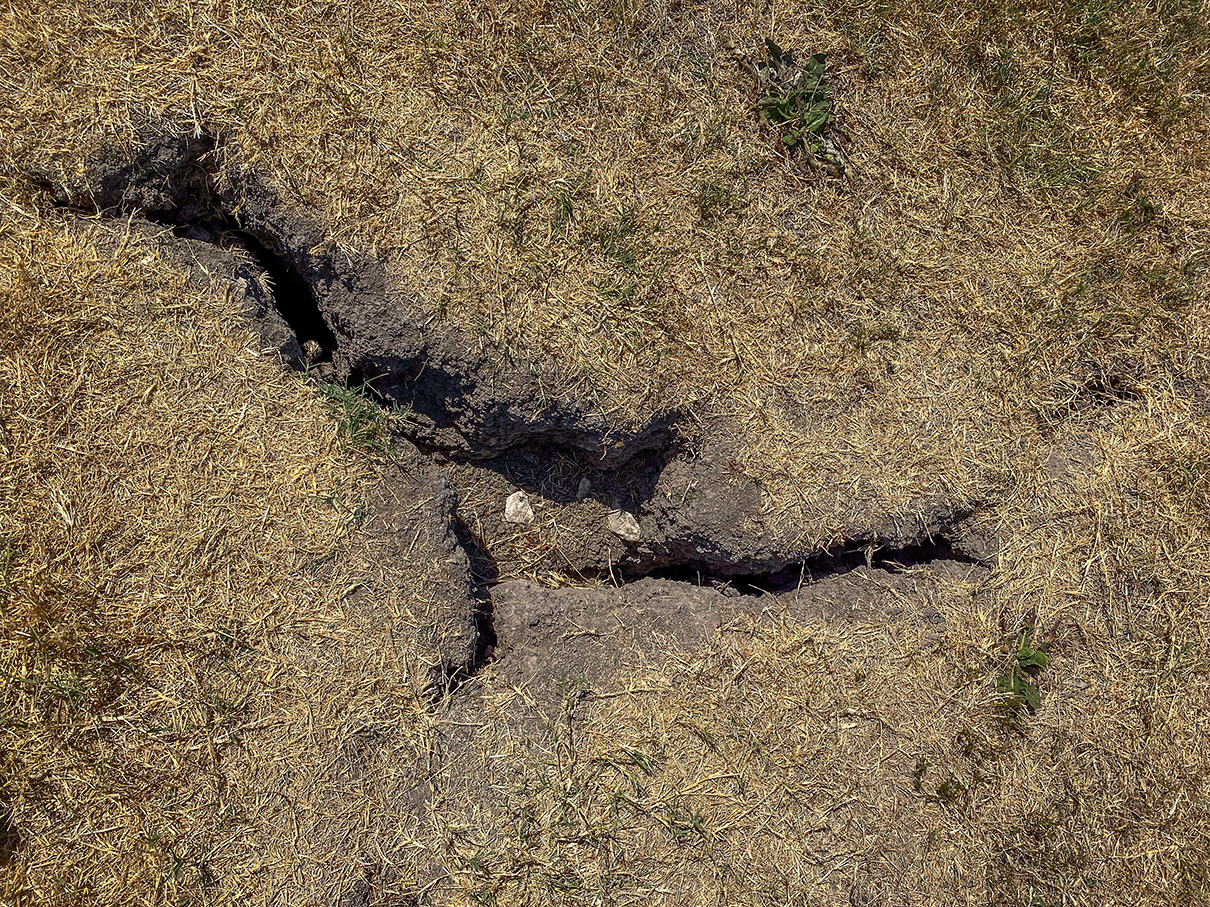
Post-Drought Tree Care for North Texas
The drought may be over, but the stress on your trees isn’t. After prolonged heat and drought, trees can continue showing signs of stress well after rainfall returns. Fine-root loss, compacted soil, reduced water absorption,…
Read more
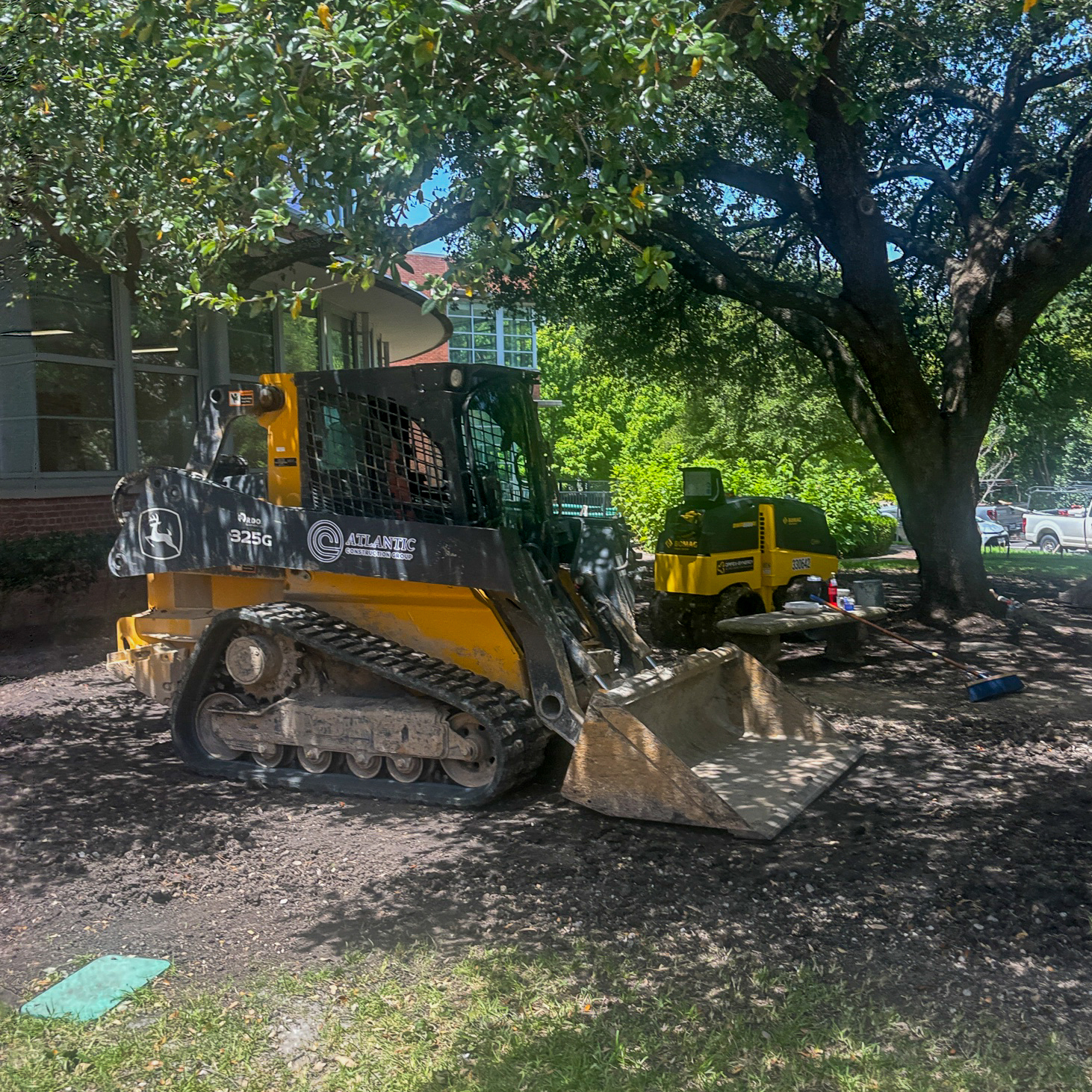
Is There Anything you can do to Correct Compaction Issues Caused by Construction?
Correcting soil compaction requires a combination of physical loosening of the soil (aeration), biological improvement (microorganisms), continued protection. Vertical Mulching Mechanical / Physical Solutions Mechanical/Physical solutions are usually the quickest way to break up severely…
Read more
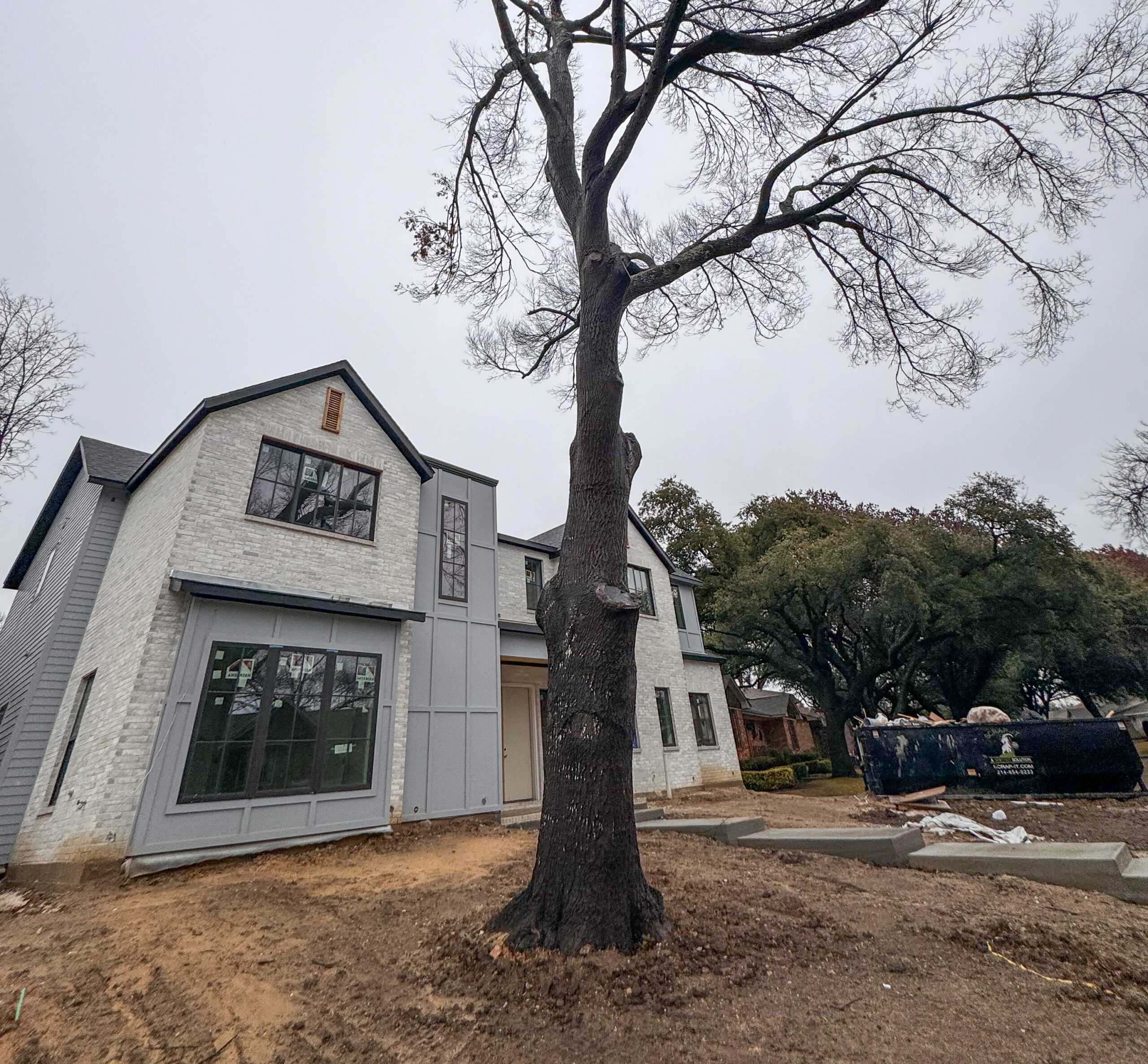
Avoid Costly Mistakes with Your Trees During Construction Projects
When planning for a rebuild or renovation of your home one thing that consistently gets overlooked is proper tree protection. Trees are living organisms that need to be protected and accounted for prior to construction…
Read more