How Does Soil Quality Affect Tree Health in Farmers Branch?
Understanding the specific soil conditions of your property in Farmers Branch is crucial. Urban and suburban developments may have altered native soil structures, impacting drainage and nutrient levels. A soil test can provide valuable insights, guiding any necessary amendments to achieve a suitable balance.
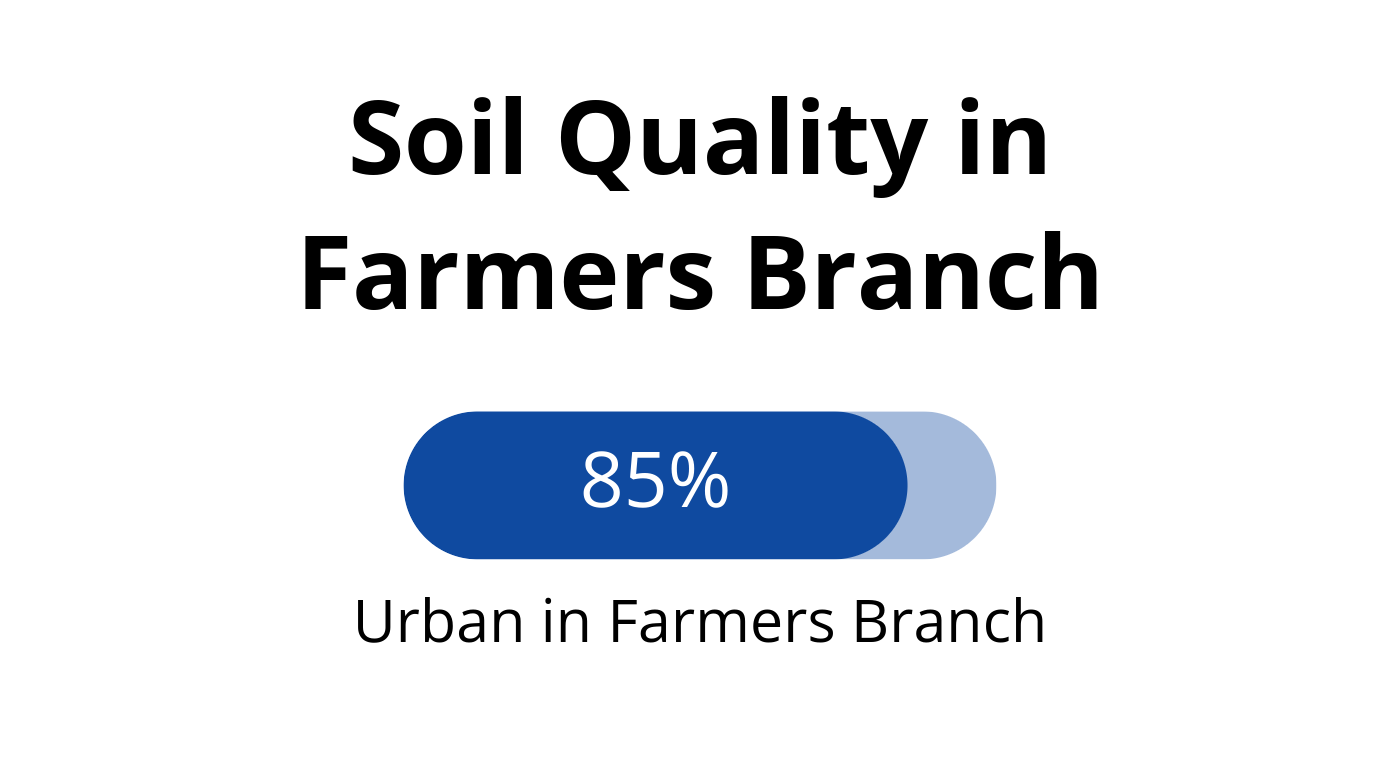
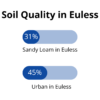
In Farmers Branch 85% is considered urban. Any tree located in either a residential or commercial landscape will benefit from fertilization no matter the soil type found. In other words, if your tree is not currently located inside of a forest, it will need help sourcing the nutrition necessary to thrive.
What is Urban Soil?
Urban soil refers to the soil found in city environments, often characterized by a mix of natural and human-made materials. Construction, pollution, and high volumes of human traffic in urban areas have erased the original soil structure. These soils often need amendment with organic material (mulch, fertilizer, etc.) to mimic natural conditions and soil quality can vary widely.
Urban soil found in most of Dallas often suffers from compaction, contamination, and poor structure, which can hinder water drainage and root growth, making it challenging to maintain healthy trees.
Contamination from heavy metals and other pollutants is a significant problem for urban soils, often resulting from industrial activities, vehicle emissions, and past construction materials. These contaminants can damage tree health over time, affecting both growth rates and resistance to diseases.
How to Improve Urban Soil for Better Tree Growth
- Apply mulch properly to help recreate the conditions found on the forest floor.
- Add organic matter into urban soil to provide nutrition through decomposition.
- Aeration to increase the tree root’s access to air, water, and nutrients through soil fracturing thus allowing easier root development.
Which Trees are Best Suited for Farmers Branch?
For a comprehensive list please check our tree planting page.




 PREV BLOG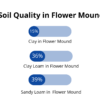
Tree Planting
Growing Together
EXPERT KNOWLEDGE AND SKILLSET
We begin by choosing the best trees. Every tree is inspected closely by our arborists to ensure the best stock is installed at your property.
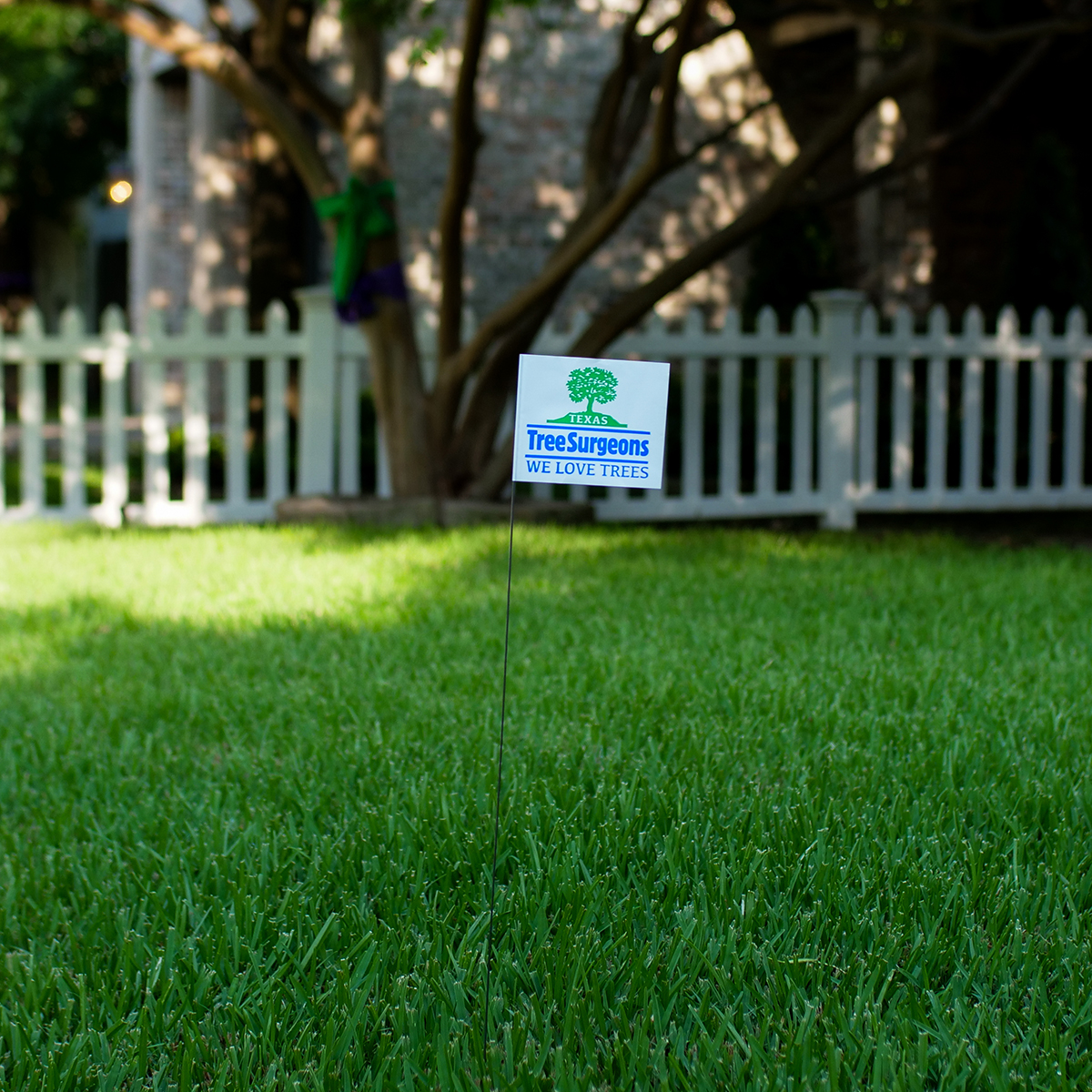
CUSTOMIZED PLANNING FOR YOUR LANDSCAPE
Prior to planting your new tree an arborist will work with you to find the best location on your property to optimize tree health and growth once installed. Depending on the size of the tree and how long ago the tree was removed from a spot will determine if that location can be used to replant.
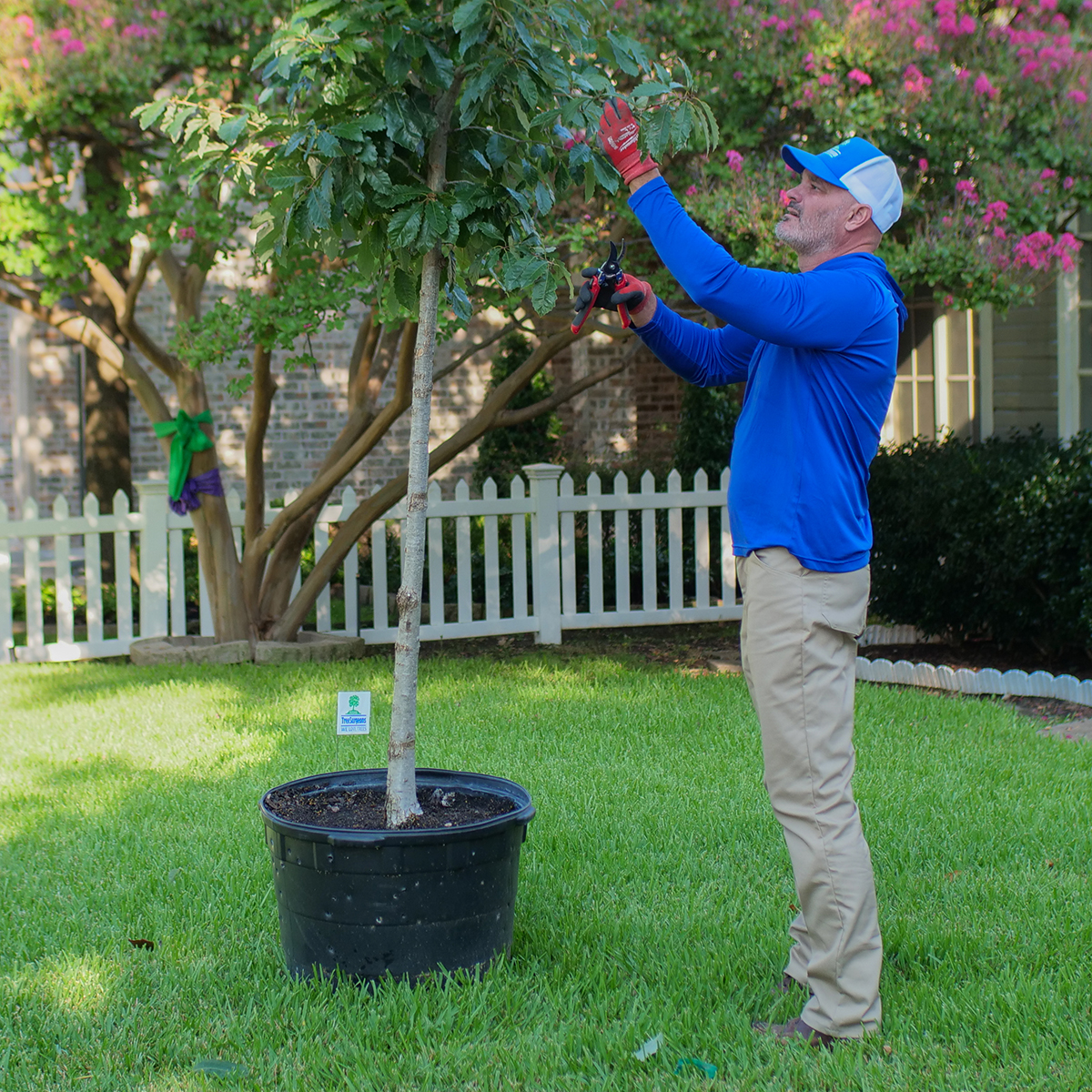
ENCOURAGING HEALTHY DEVELOPMENT
If needed, we will do structural pruning to ensure your tree grows beautifully. Prior to arrival we ensure all trees that are selected have healthy dominate stems.
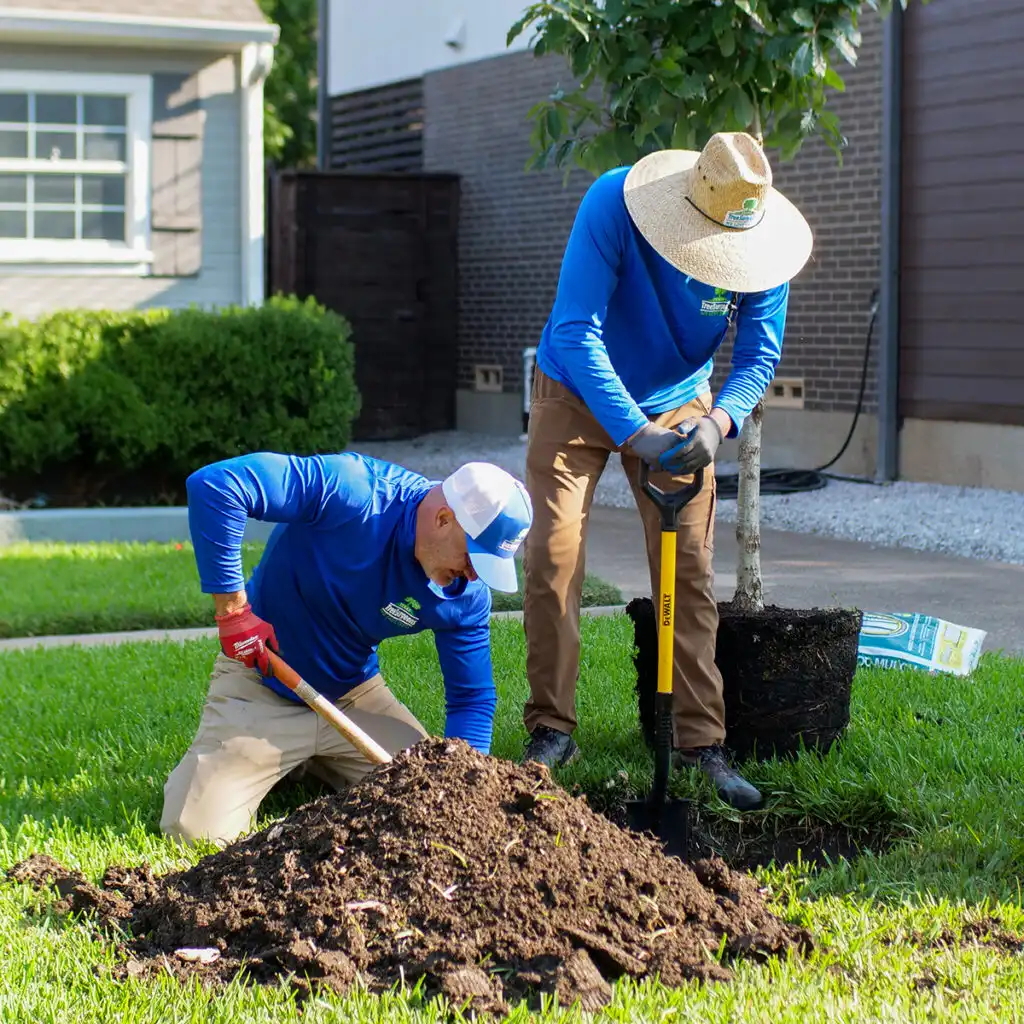
PROPER PLANTING TECHNIQUES
The key to successful tree planting starts from the ground up. Digging the right hole is essential for the tree's success—it's not too deep and wide enough to support proper root growth.
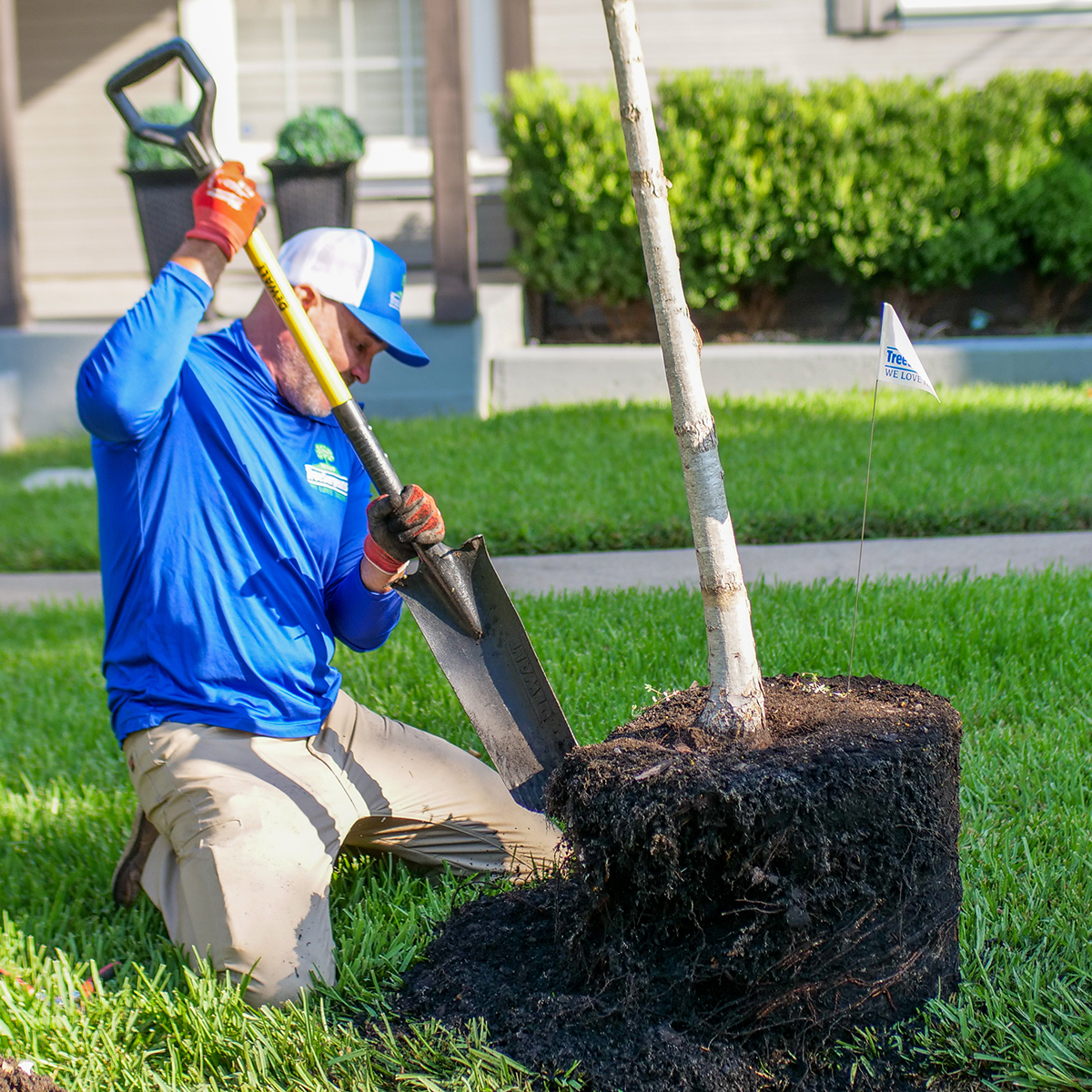
BREAKING APART ROOT BALL
It may look alarming but it is important to break apart the root ball so the roots are able to grow outwards instead of wrapping around itself. Their roots have been bound in a container for a long time and need to be trained to grow outward.
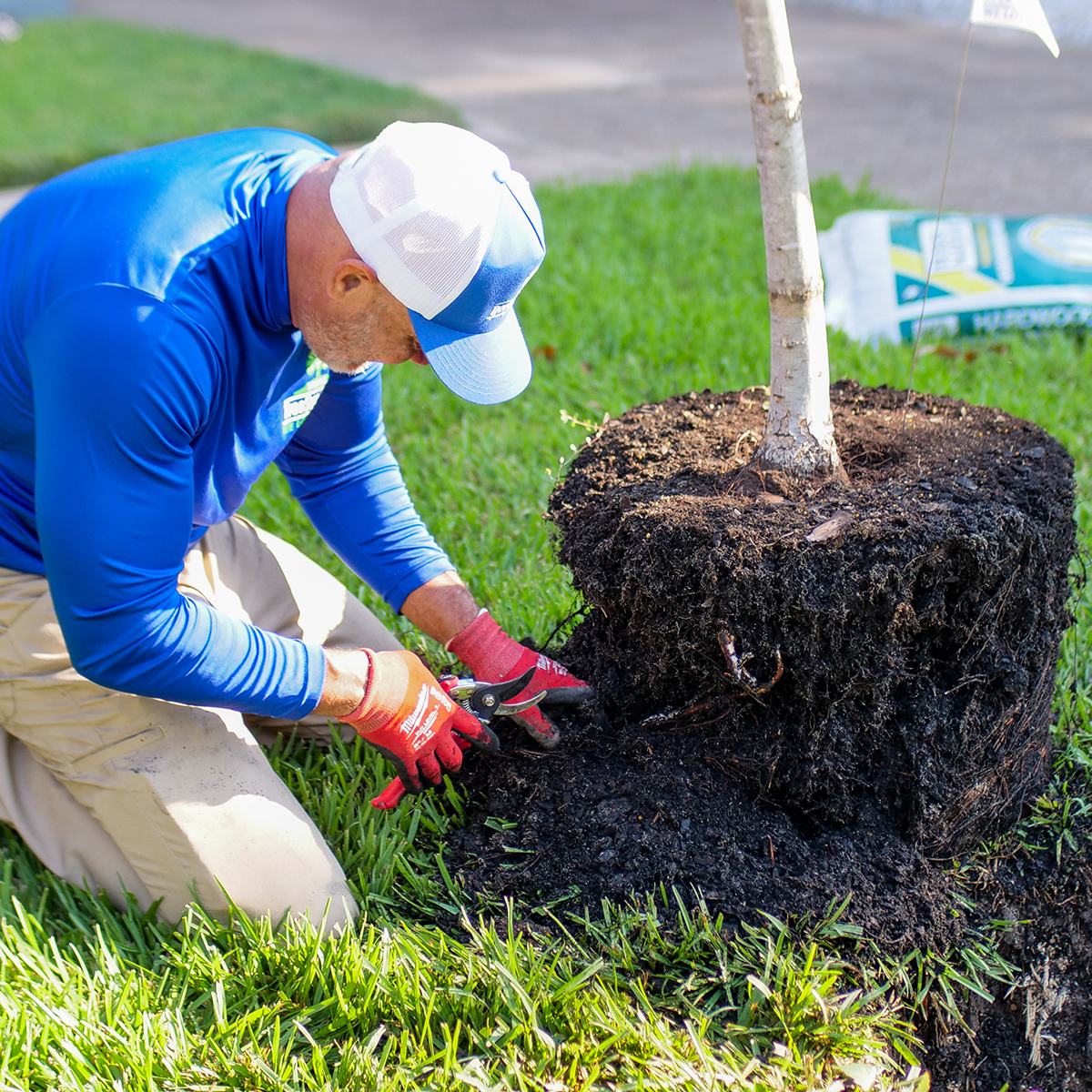
ROOT PRUNING
Root pruning is essential in establishing healthy roots when planting trees. Removing problematic girdling roots ensures healthy trees from the ground up.
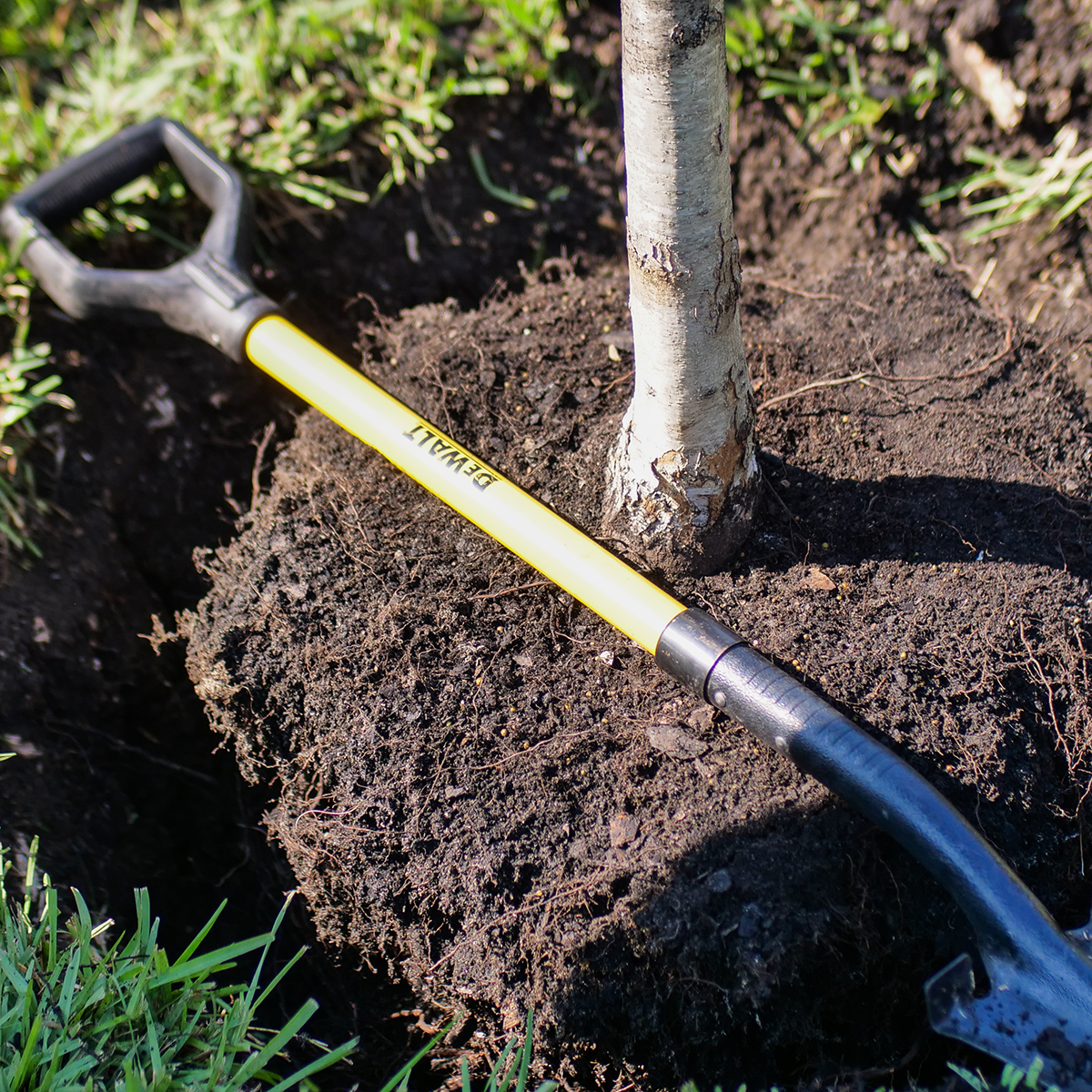
PROPER HOLE DEPTH AND WIDTH
We plant the tree in the ground and take great care to ensure that the tree is at the correct depth and is straight.
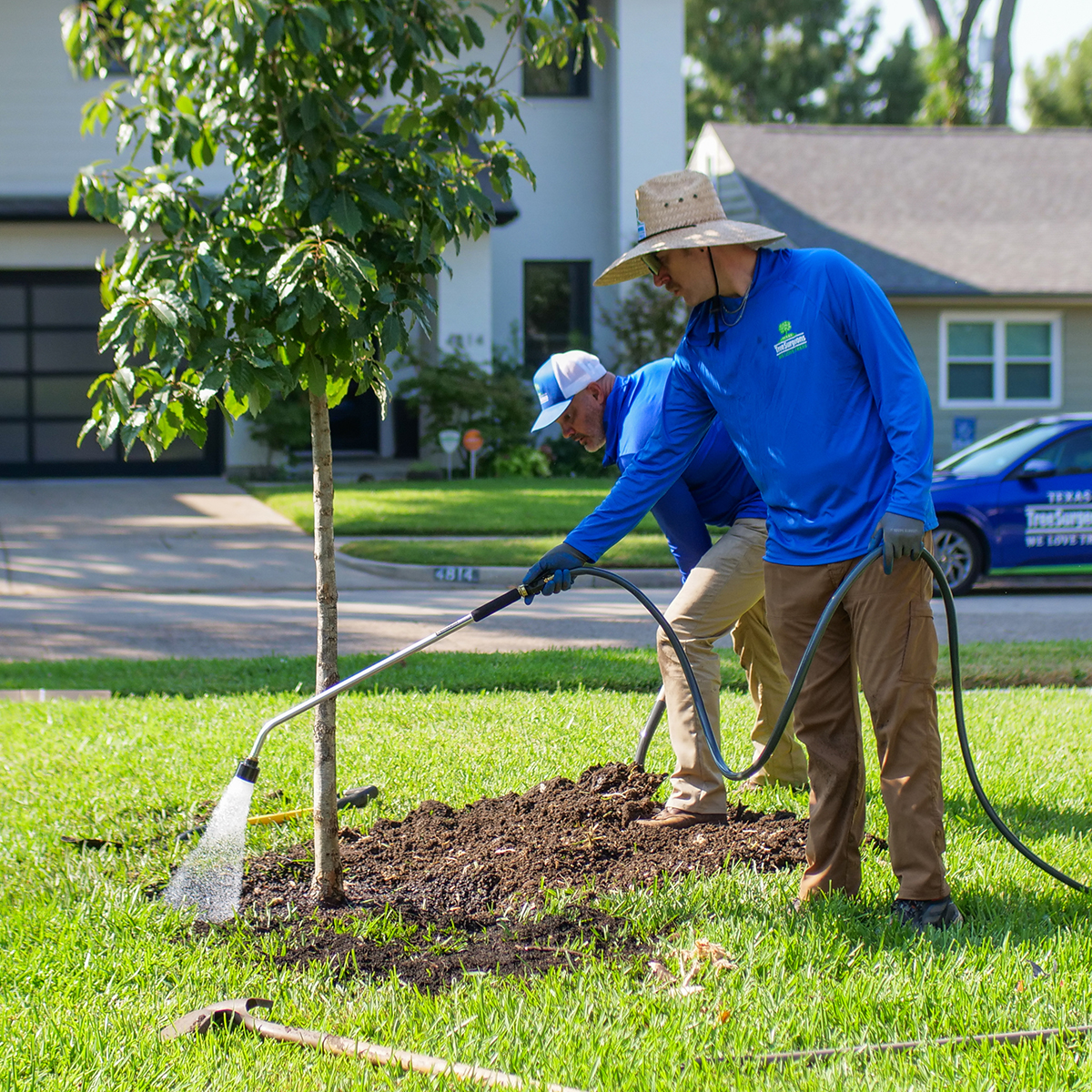
BACKFILL WITH SOIL & WATER
Now that the tree has been installed we backfill with water to help the soil settle and secure the tree's roots into the ground. If the tree is properly planted there will not be a need for stakes to keep it in place.
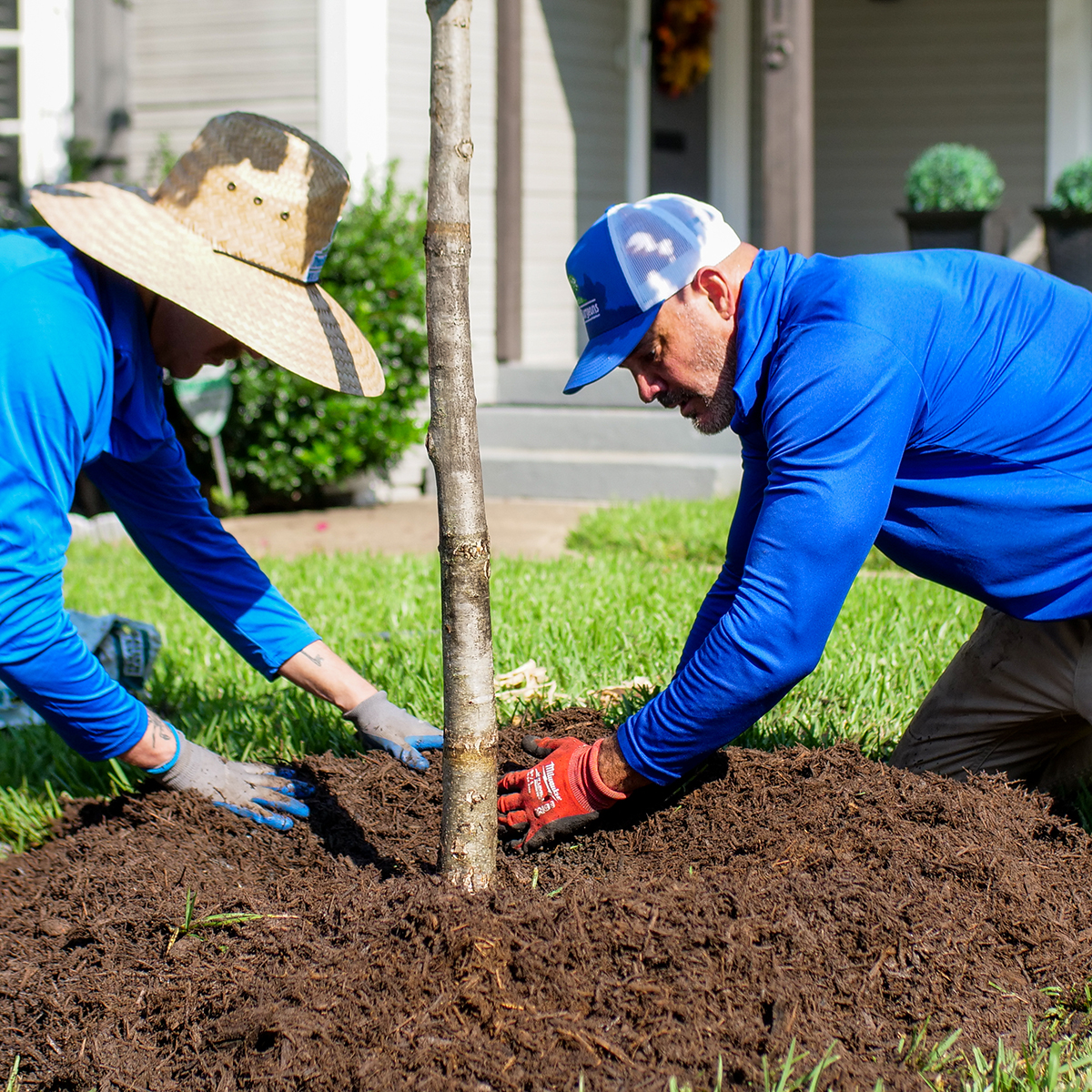
MULCH
Our crew will then mulch the tree, making sure to create a bowl shape to protect the base. Be careful not to let the mulch pile up around the trunk, as it can harm the tree and void the warranty.
PROPER WATERING TECHNIQUE
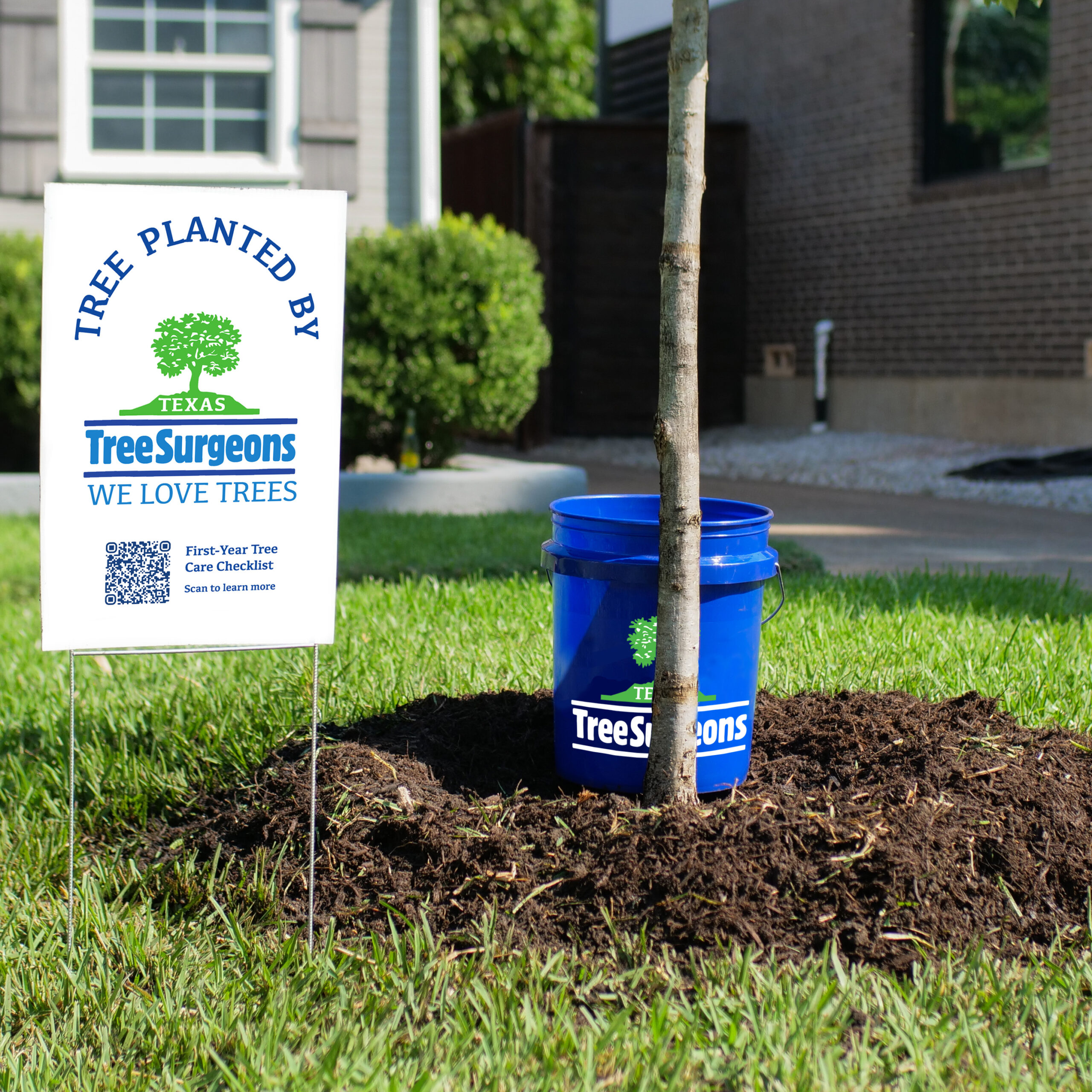
Before leaving we do one more final soaking once the tree has been planted. We will also leave a detailed care guide and a 5 gallon blue bucket with soaker holes to help you water your tree properly. Watering your tree with two buckets full every other day for the first two weeks will set your tree up for long-term growth.
Related Blogs
Similar blogs related to this topic

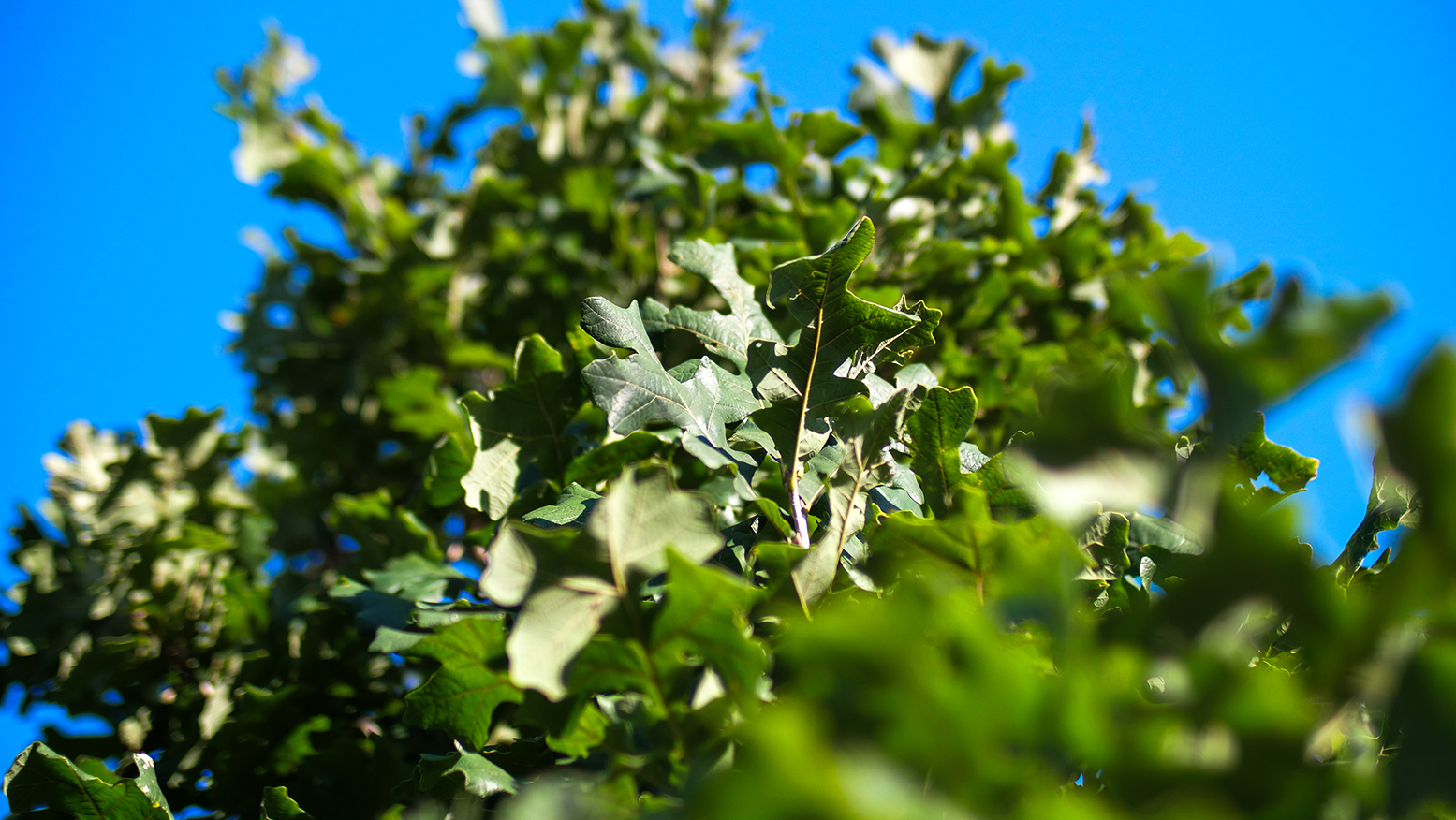
Current Tree Watering Guidelines for North Texas
Tree Watering for Newly Planted Trees Newly planted trees require consistent moisture while their root systems become established. North Texas heat, drought, and heavy clay soils can make this especially challenging. The schedule below is…
Read more
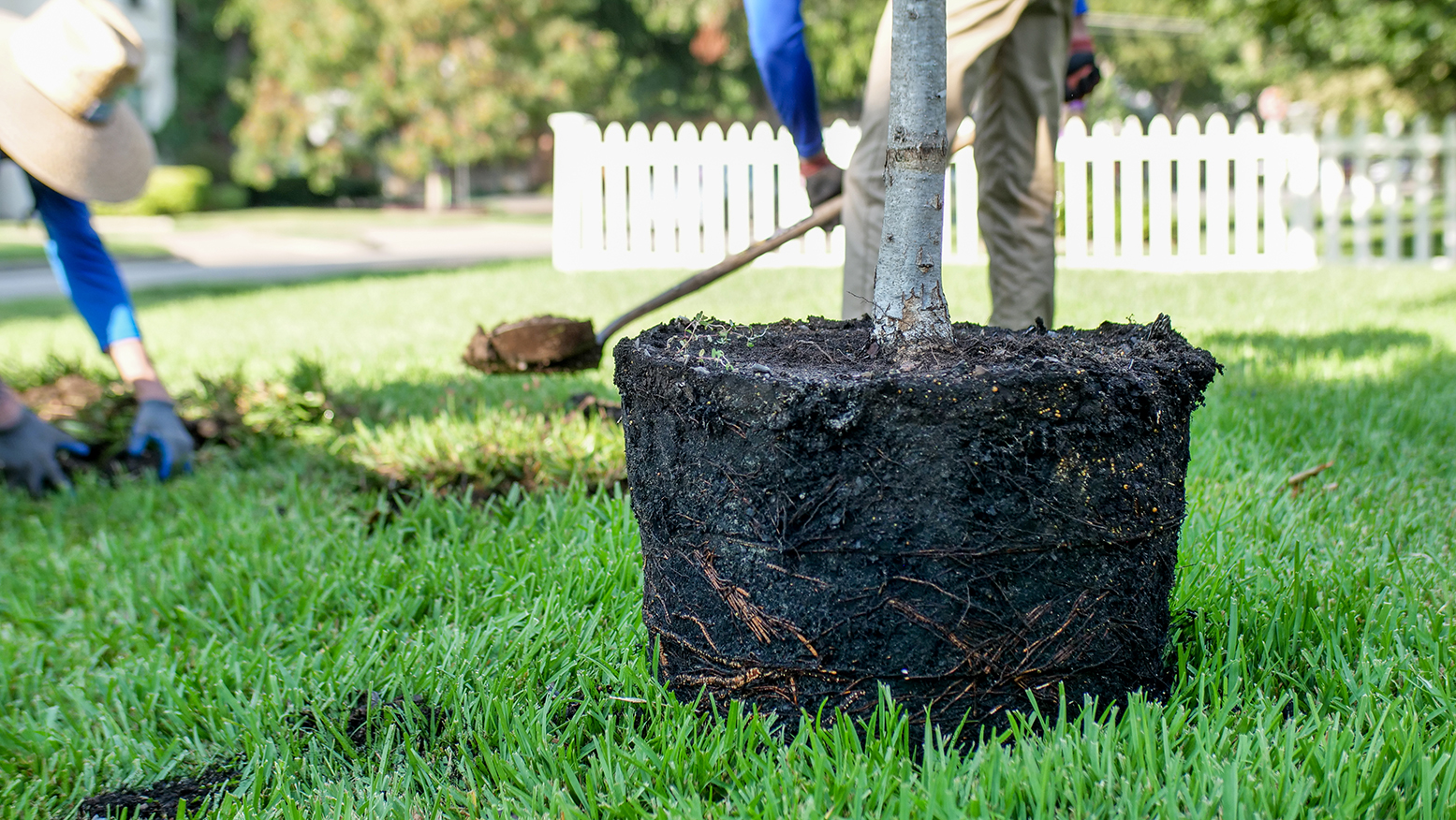
Understanding the Long Term Benefits of Planting Younger / Smaller Caliper Trees
Planting trees requires various considerations, from soil quality to the choice of species. One factor that often goes under the radar is caliper size. There is less likelihood of complications with root health when planting…
Read more
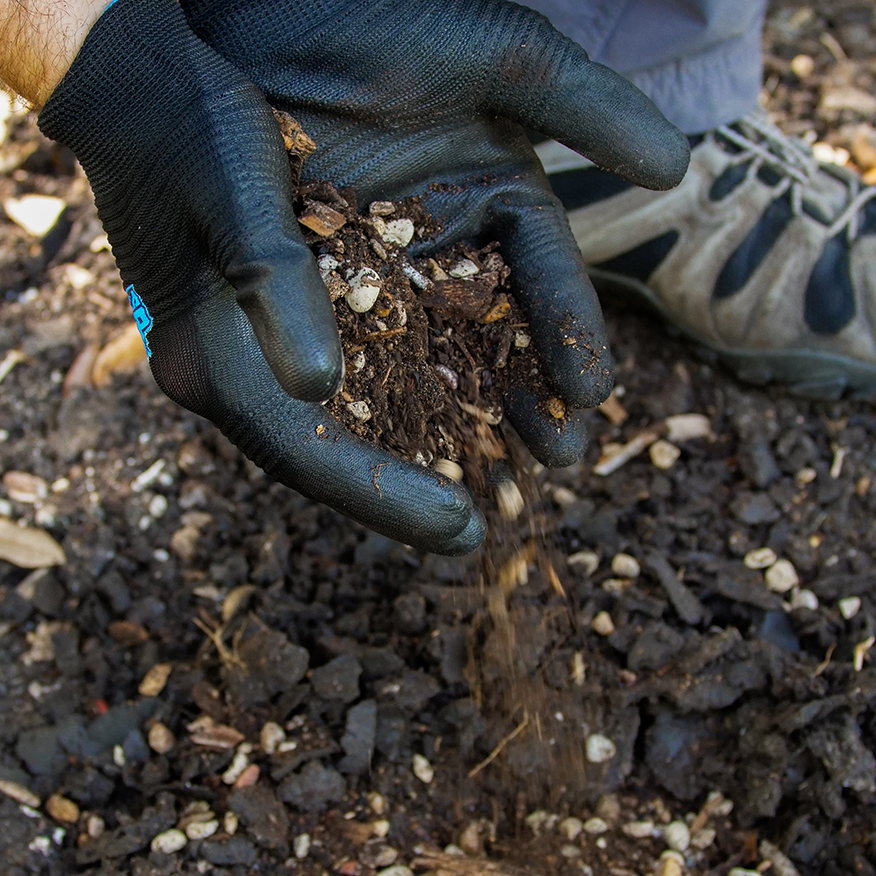
How Does Soil Quality Affect Tree Planting in North Texas
North Texas is home to a variety of soil types, each impacting the growth and health of trees in different ways. Understanding these soil types can help in selecting the right trees for your landscape…
Read more