Vertical Mulching to Improve Root Health and Combat Soil Compaction in Texas
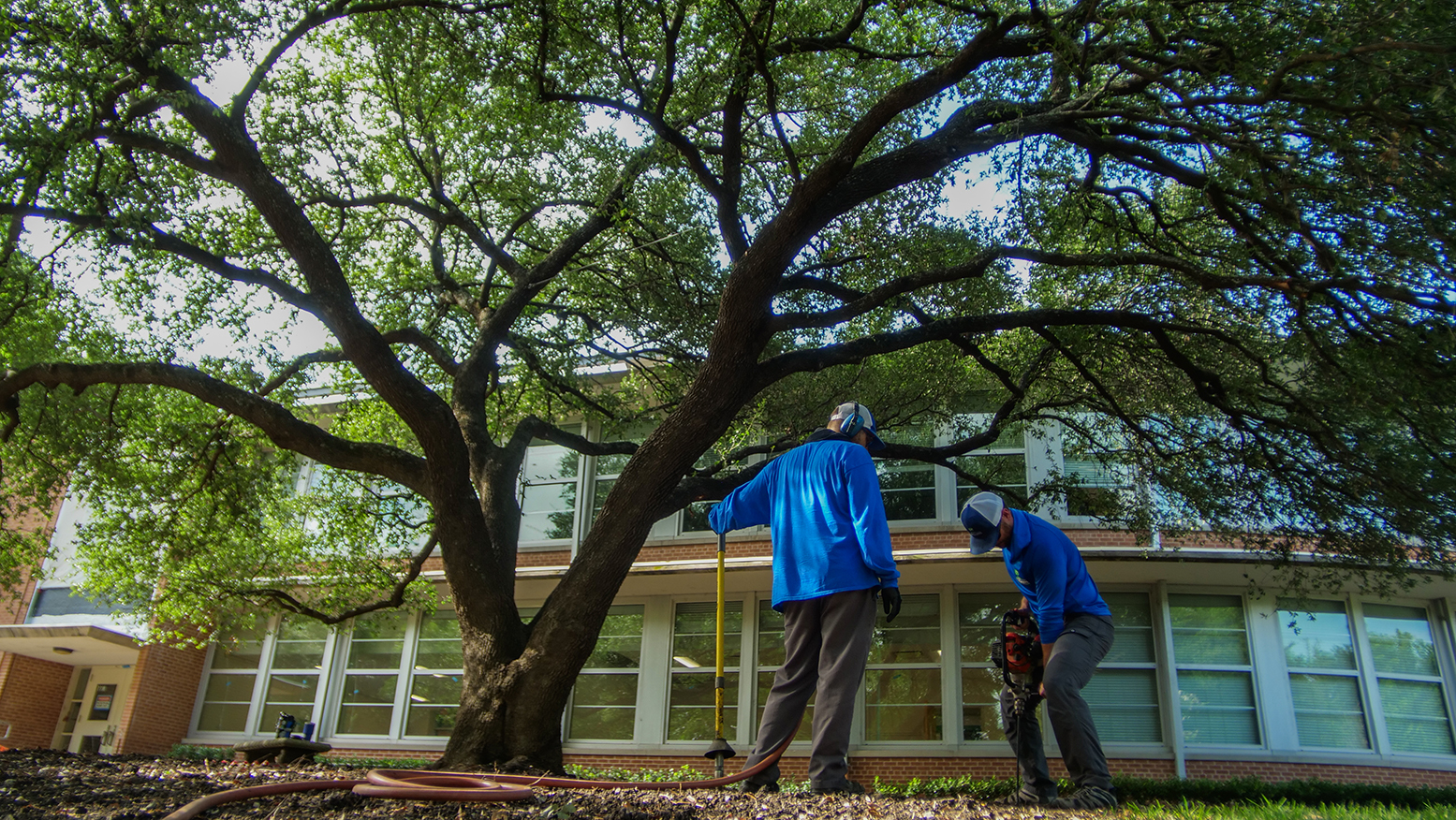
If you’ve ever tried digging a hole in your Dallas yard, you know exactly what our local trees are up against. Between our heavy, stubborn Blackland Prairie clay, heavy spring rains, and the intense Texas heat waves, the ground beneath our feet often feels less like life-giving soil and more like poured concrete. When the soil compacts, your trees literally begin to suffocate. Fortunately, we have an effective, technique we use to fight back: Vertical Mulching.
Here is a look at what this process is, why your North Texas trees desperately need it, and how it works to save your canopy from the bottom up.
The Silent Killer: Soil Compaction
In a natural forest, trees thrive because centuries of fallen leaves, twigs, and organic matter decay into a soft, spongy layer of topsoil. This creates an ideal balance of about 50% solid particles and 50% pore space—the micro-pockets where crucial oxygen and moisture sit.
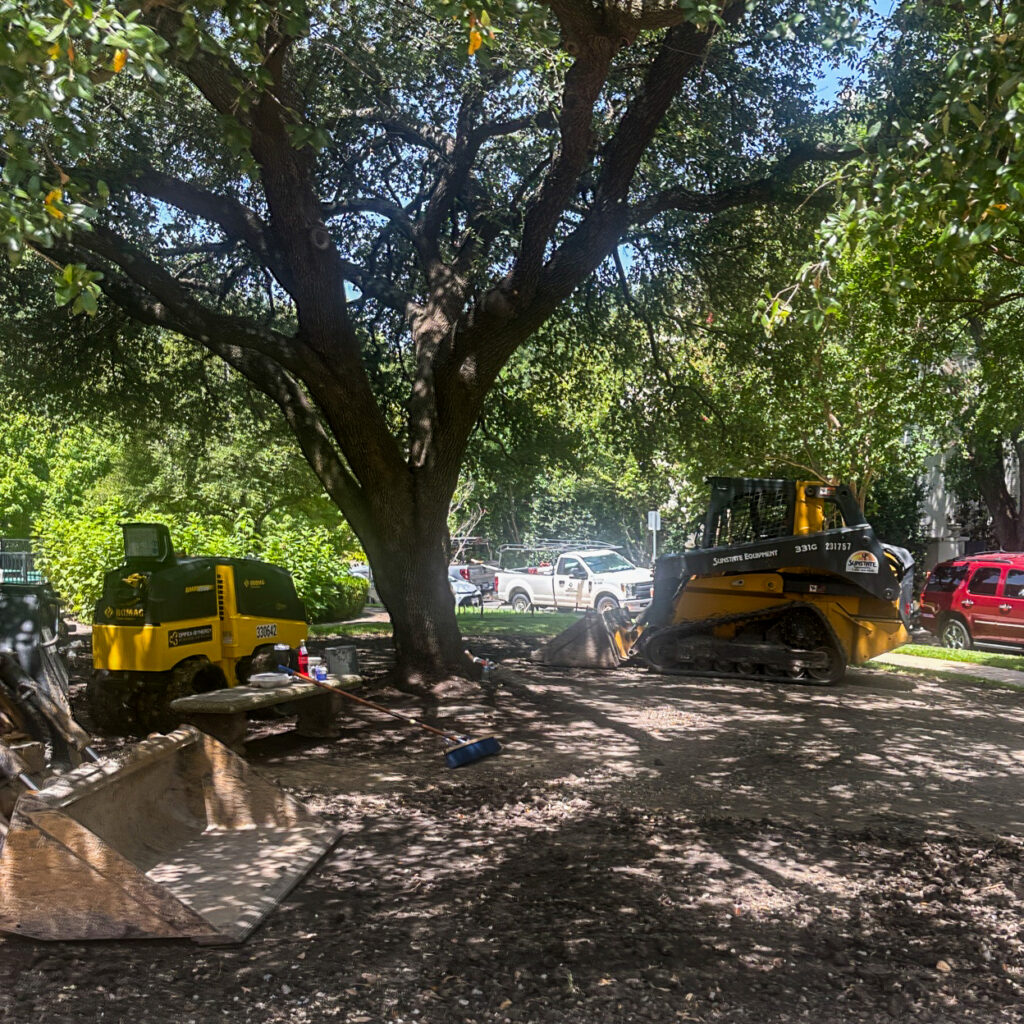
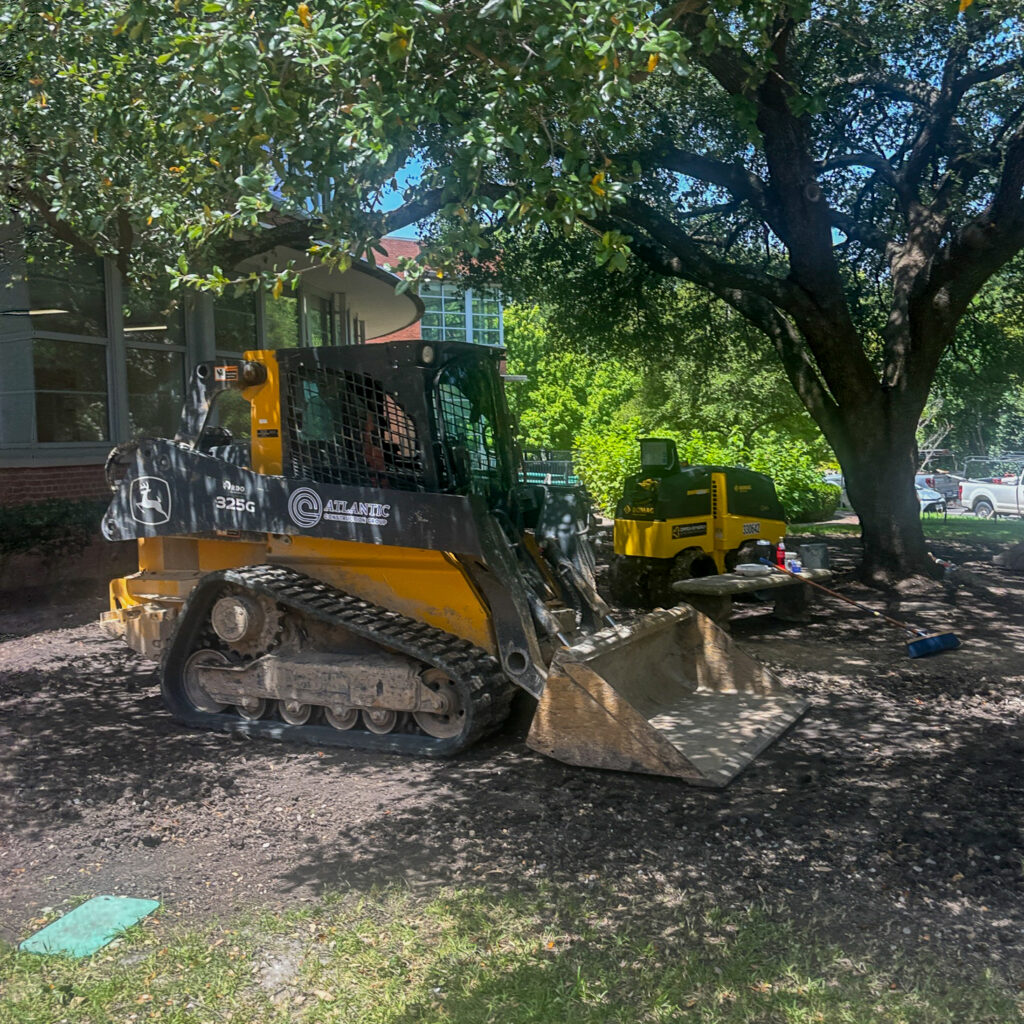
In our urban Dallas neighborhoods, that cycle is broken. Between construction traffic, heavy lawn mowers, foot traffic, and the natural characteristics of clay, those vital pore spaces are greatly reduced.
When soil compacts:
- Roots suffocate: Tree roots are alive and require oxygen to breathe.
- Water runs off: Rainwater from intense Texas storms can’t penetrate the hardpan, running right off into the street instead of sinking down to the root zone.
- Roots can’t expand: The mechanical resistance becomes so intense that delicate, water-absorbing feeder roots physically cannot push through the earth.
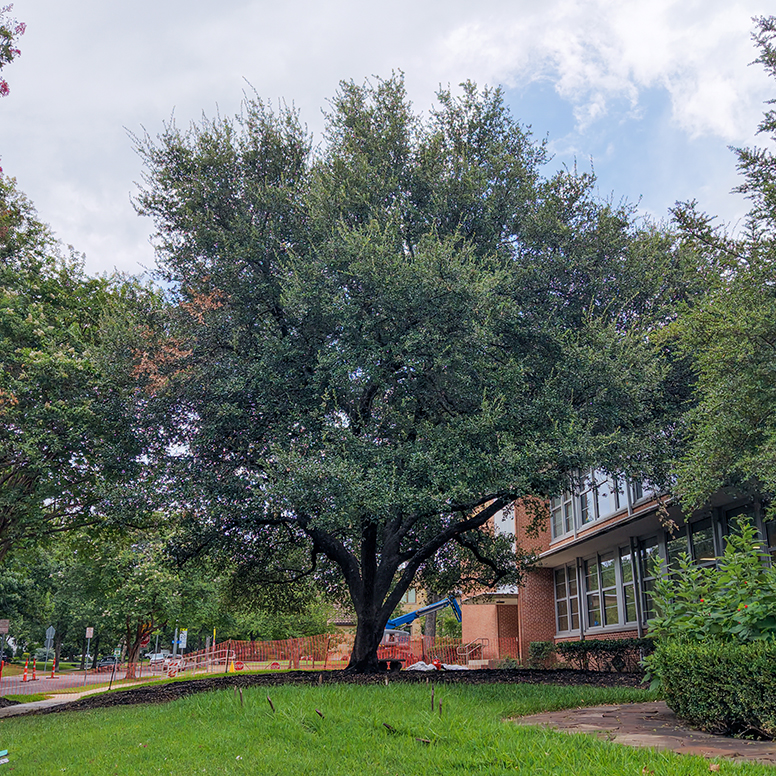
If you notice your mature live oaks, maples, or cedar elms exhibiting sparse canopies, smaller-than-usual leaves, or branch dieback starting at the very tips of the crown, your soil is likely screaming for help.
What is Vertical Mulching?
Think of vertical mulching as a targeted, deep-tier aeration system designed specifically for a tree’s root infrastructure.
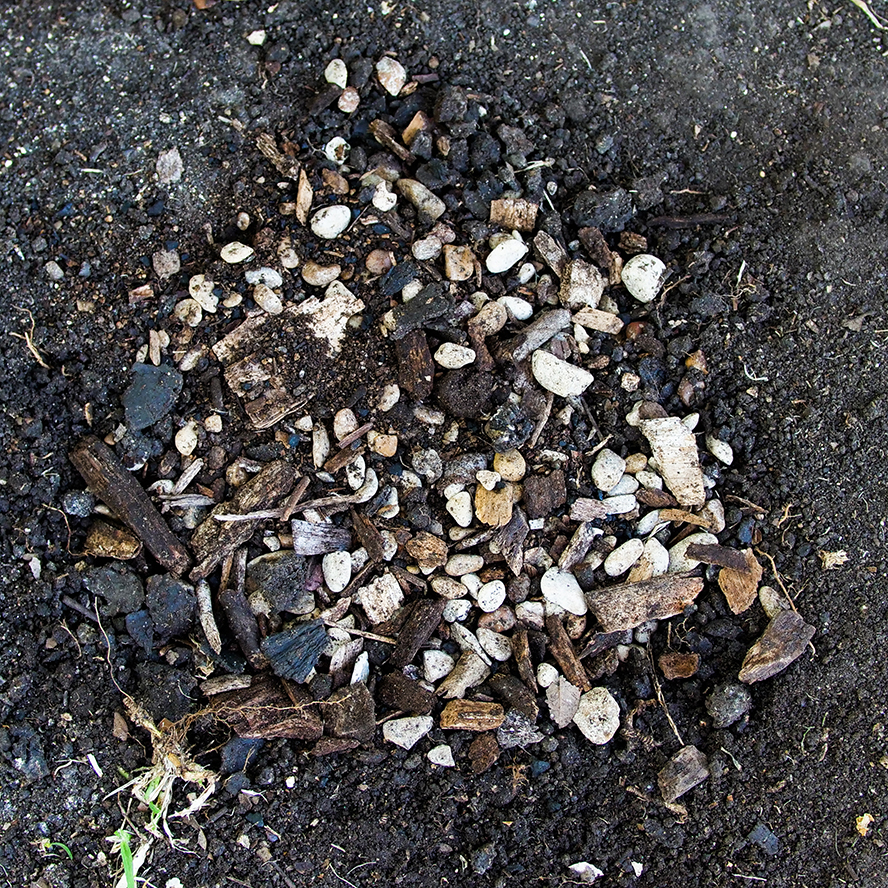
Instead of just laying mulch on top of the grass (which turfgrass often robs of nutrients anyway), vertical mulching creates direct, vertical columns of high-quality organic matter right past the lawn and deep into the root zone.
The Step-by-Step Process:
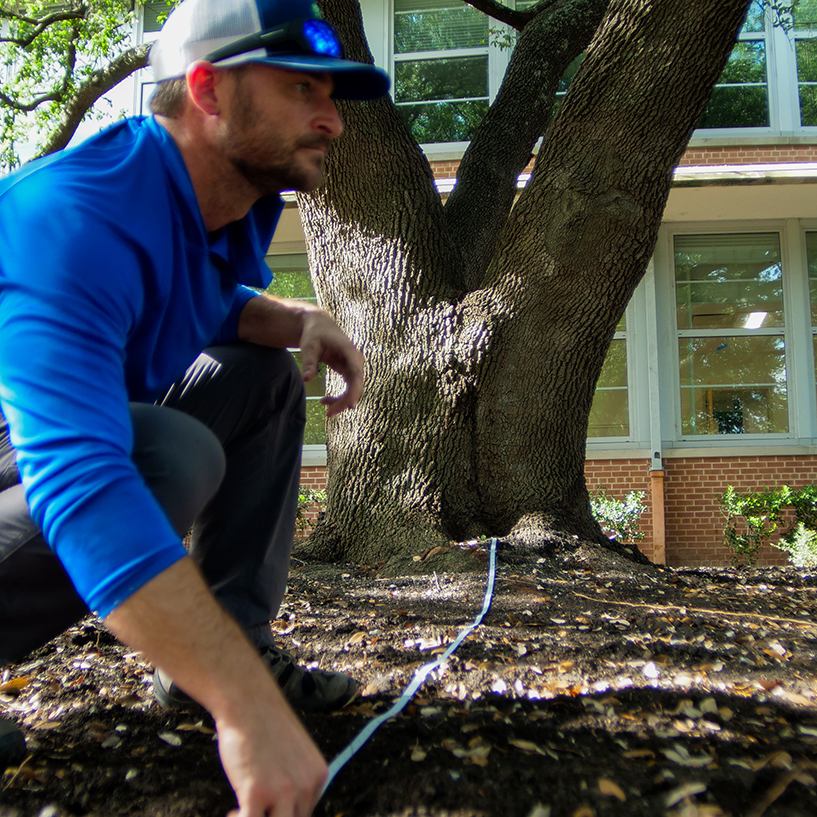
Mapping the Critical Root Zone (CRZ): We map out a radial grid pattern starting roughly 3 to 8 feet away from the trunk (avoiding the large structural anchor roots) and extending out to the tree’s dripline.
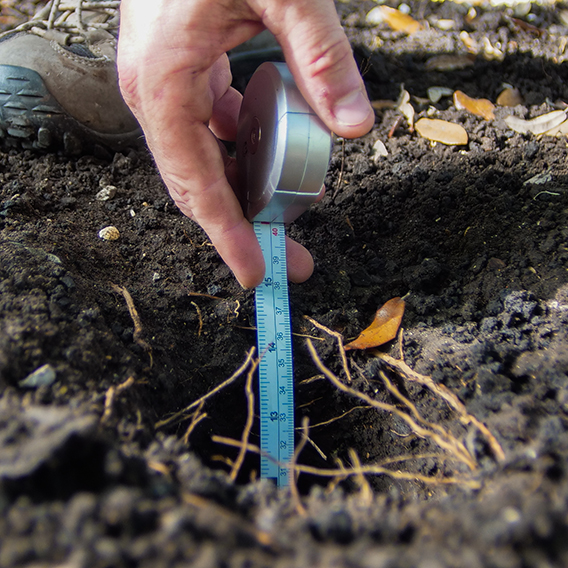
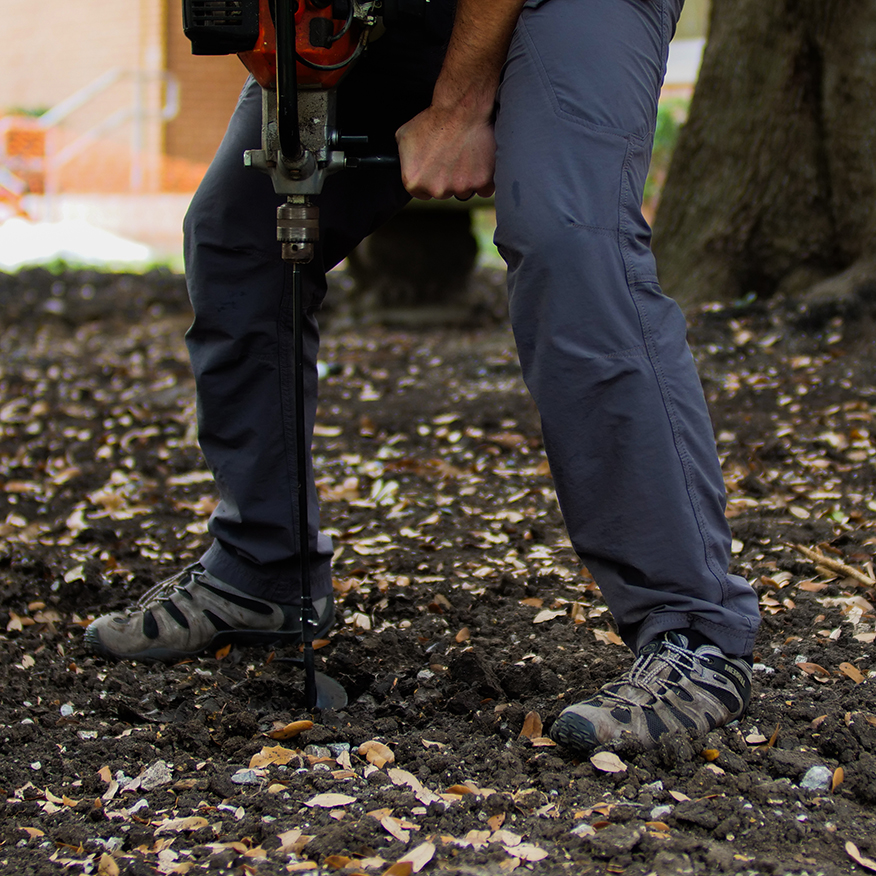
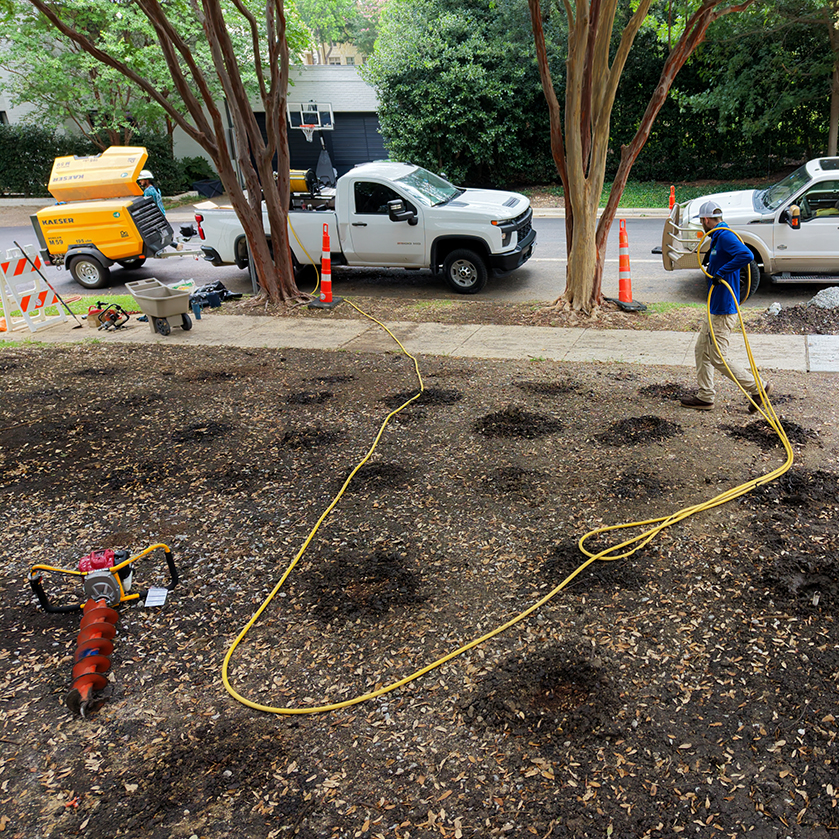
Pneumatic Excavation or Drilling: Using specialized tools—such as a high-velocity AirSpade or an auger drill—we create precise holes roughly 2 to 4 inches wide and 8 to 18 inches deep.
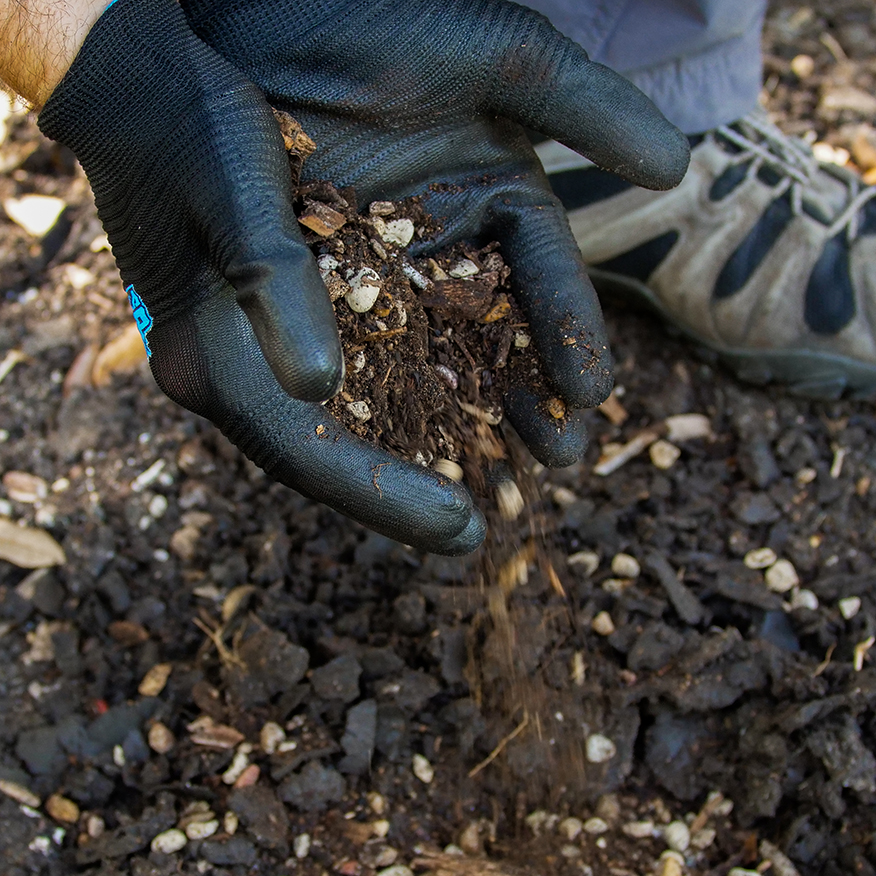
Backfilling with a Power-Blend: We discard the old, compacted clay and fill these brand-new columns with a porous, premium blend of organic compost, aged mulch, and sometimes liquid macro-nutrients.
The Benefits of Vertical Mulching for North Texas Trees
1. Instant Air and Gas Exchange
By swapping out columns of dense clay for highly porous organic material, we instantly reintroduce oxygen straight to the subterranean level. The tree roots can finally “breathe” again, facilitating immediate gas exchange.
2. Upgraded Water Penetration
During dry spells, these vertical mulch columns act like subterranean funnels, drinking up water and directing it deep into the subsoil where it is safe from rapid evaporation. Conversely, during abnormally wet periods, they help prevent waterlogging by improving drainage.
3. Deep-Tier Nutrition
Your lawn is a competitor. When you broadcast standard fertilizer over your yard, the turfgrass absorbs the vast majority of it. Vertical mulching deposits premium nutrients deep below the grass root line, ensuring your tree gets the exclusive buffet it deserves.
4. New Feeder Root Development
Tree roots naturally seek out paths of least resistance and high nutrient density. Within a couple of seasons, thousands of new, microscopic feeder roots will snake directly into these organic columns, rapidly improving the tree’s overall structural vigor and drought tolerance.
When is the Best Time to Vertical Mulch a Tree?
While vertical mulching can technically be performed throughout the year, the optimal window in Dallas is during the late fall and winter months when the tree enters its dormant stage.
Stressing or cutting minor fine roots during the blistering summer heat can exacerbate heat stress. In the winter, however, the tree is resting, and those fine roots will vigorously regrow into their new, nutrient-dense home just in time for the spring flush.
Do not expect overnight miracles. Trees operate on a much slower timeline than smaller landscape plants. It may take one to two growing seasons before you notice a significant thickening of the canopy and a return to that rich, vibrant leaf color.
If your property’s trees are looking a bit tired, or if you’re planning construction near an old favorite canopy, don’t let compacted soil starve them out.

At Texas Tree Surgeons we love trees. Tree protection zones are the best way to protect your trees from compaction during construction. Vertical mulching can help reduce harm to the trees root system if a construction protection plan was not in place. Proactive care is always better than reactive.
 PREV BLOG
Related Blogs
Similar blogs related to this topic

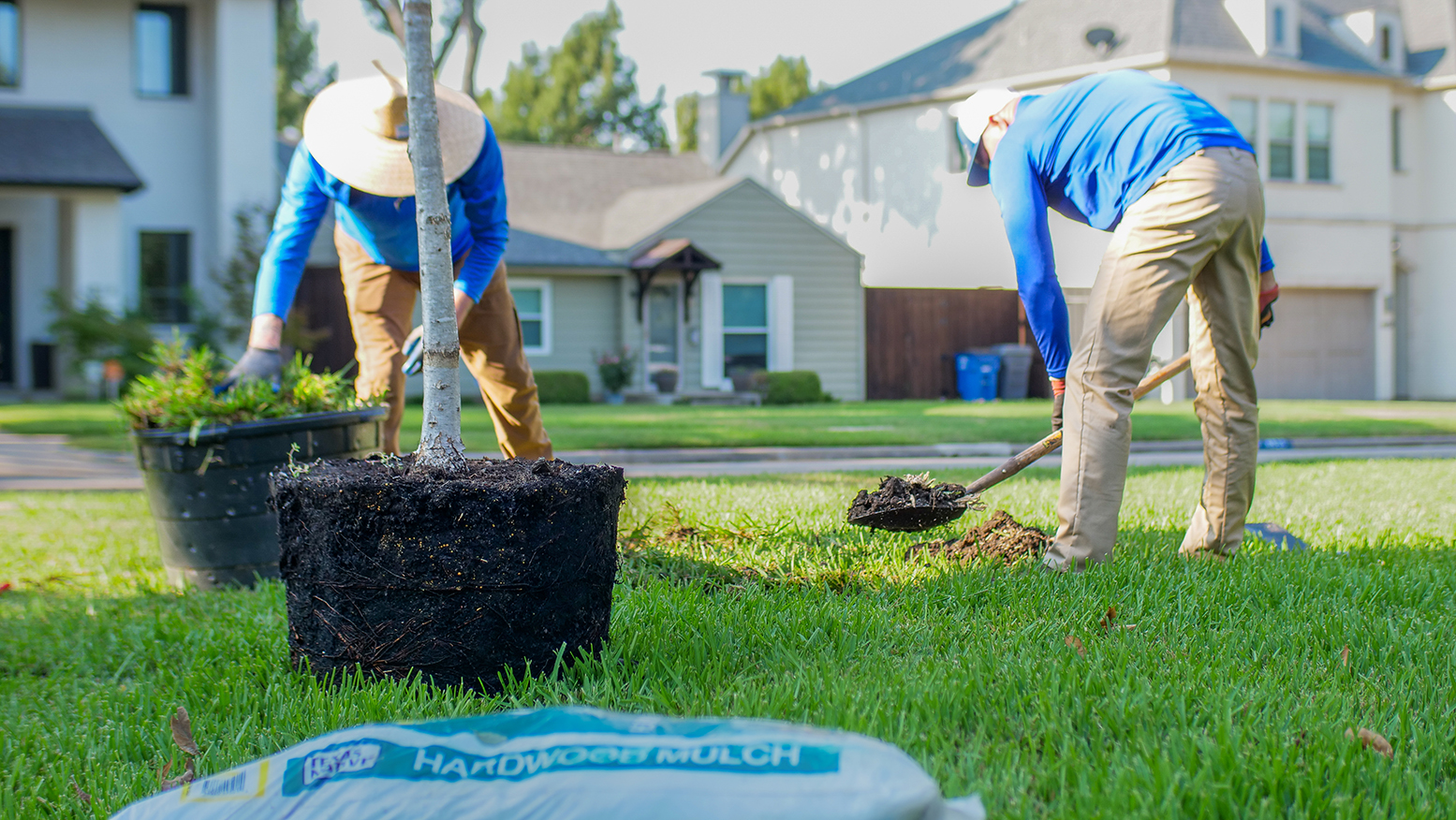
When is the Best Season to Plant Trees in Dallas?
Planting trees when temperature is more mild in Texas will bring about the best outcomes in tree establishment and health. Keep in mind summers have been extremely brutal so planting a tree in spring is…
Read more
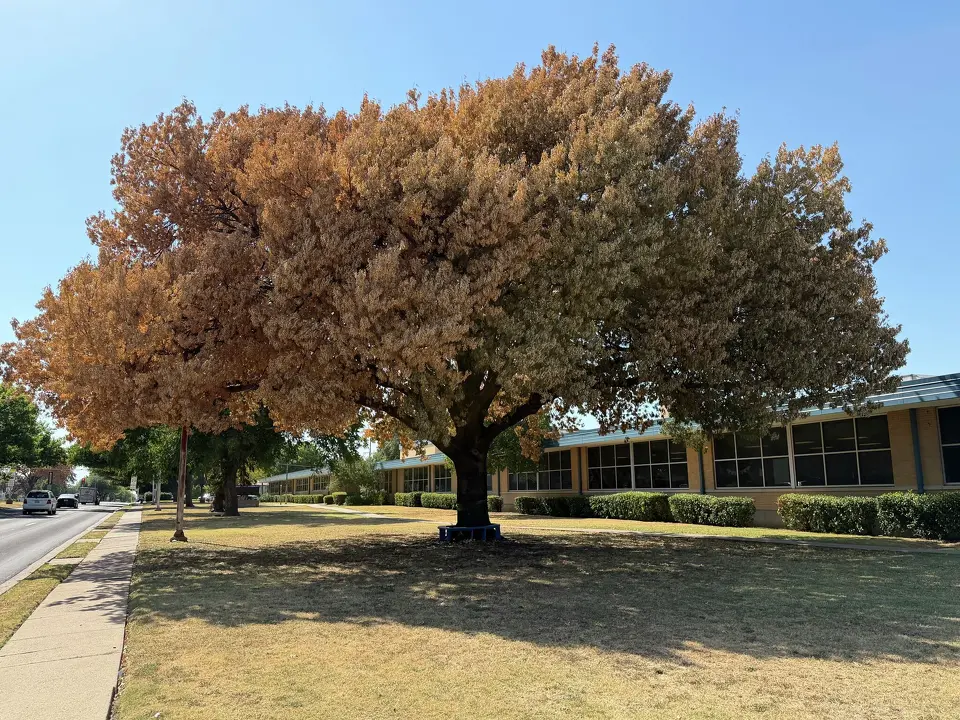
The Dallas Morning News | Constant State of Stress
We spoke with The Dallas Morning News about heat stress and what North Texans can do to help their trees recover. “Here in Texas, we go through these droughts all the time,” King said. “This…
Read more
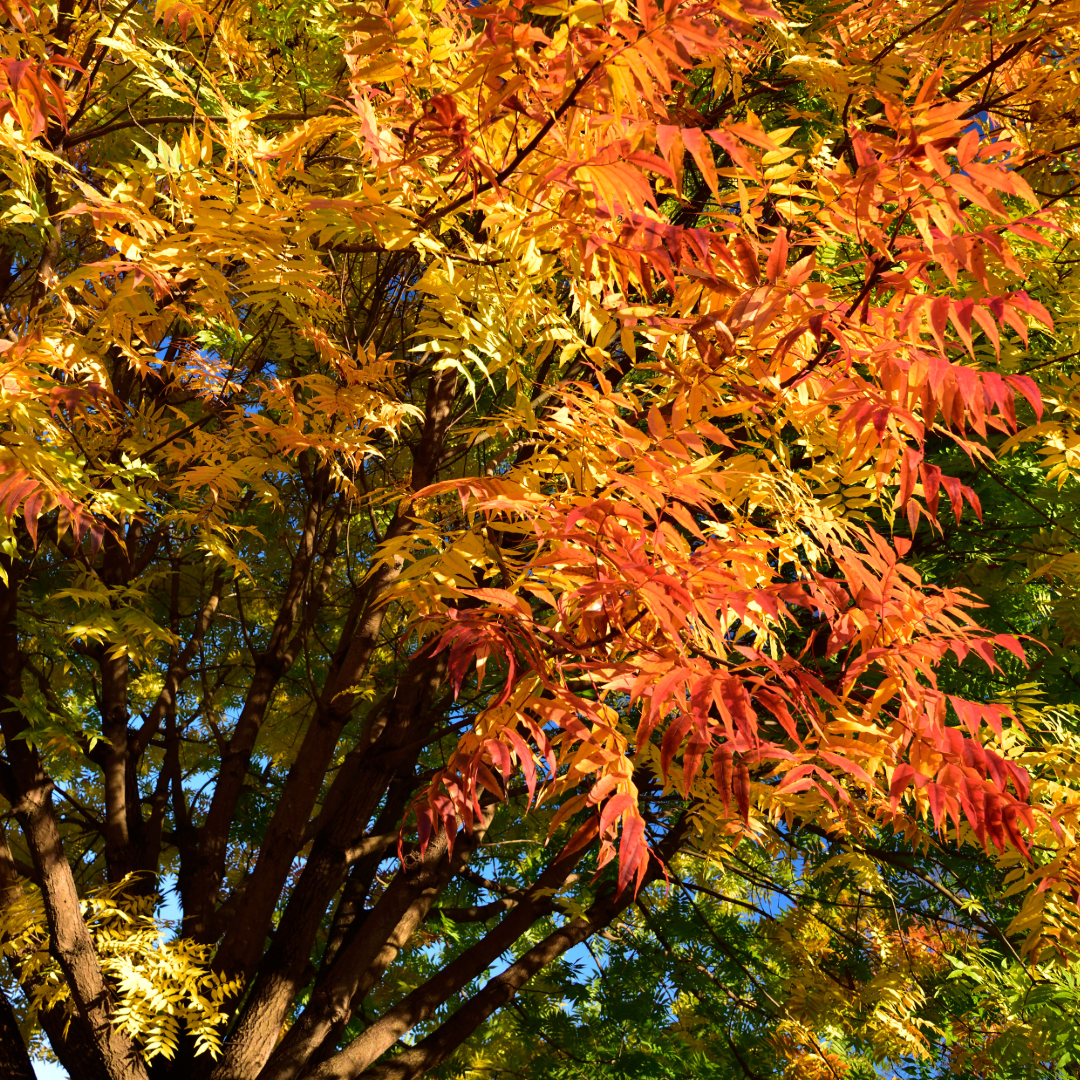
How to Grow and Care for Chinese Pistache Trees in North Texas
The Chinese pistache (Pistacia chinensis) is the kind of tree that earns its place—brilliant fall color, impressive durability, and a knack for thriving where others struggle. It’s no surprise it’s a North Texas favorite. But…
Read more