Why do Some Live Oak Produce Root Sprouts and What to do About it?
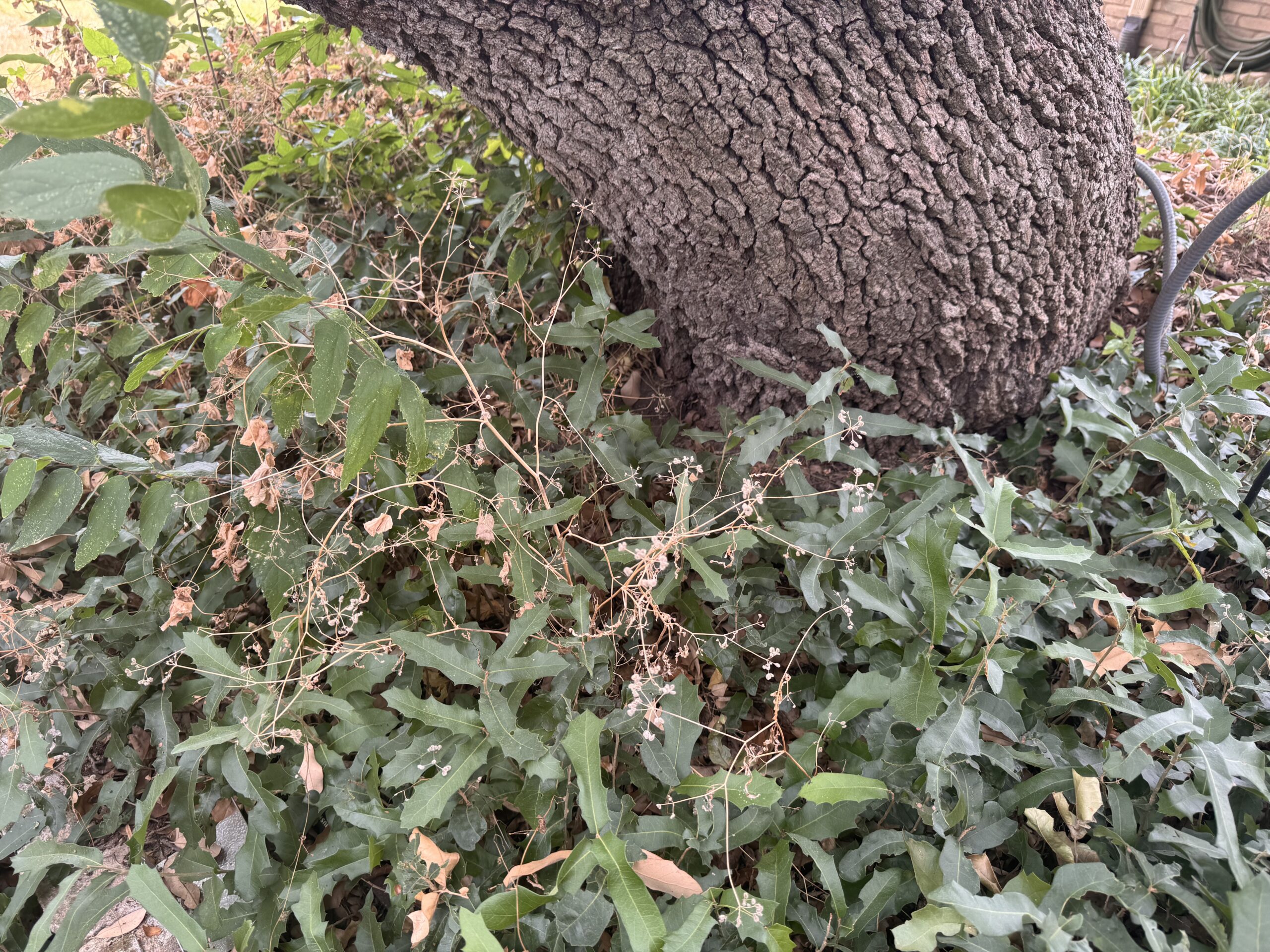
Root sprouts, sometimes referred to as suckers, are new growths that emerge from the roots of Live Oaks. These are typically a response to certain environmental conditions or stress factors that the tree is experiencing.
This phenomenon can be traced back to the tree’s survival instincts. When a Live Oak is stressed or damaged, its root system attempts to survive and propagate by sending up these shoots. This natural mechanism is vital for the tree’s perseverance and growth.
Common Causes of Root Sprouts
- Physical damage to the roots; cuts to the root from construction, augers used to drill holes for planting understory
- Nutrient deficiencies, especially in nitrogen, can prompt the tree to grow sprouts in search of more resources.
- Changes in water availability. Inconsistent watering patterns, prolonged droughts, or sudden flooding can stress the tree, leading to sprouting.
How to Manage Root Sprouts on Live Oaks
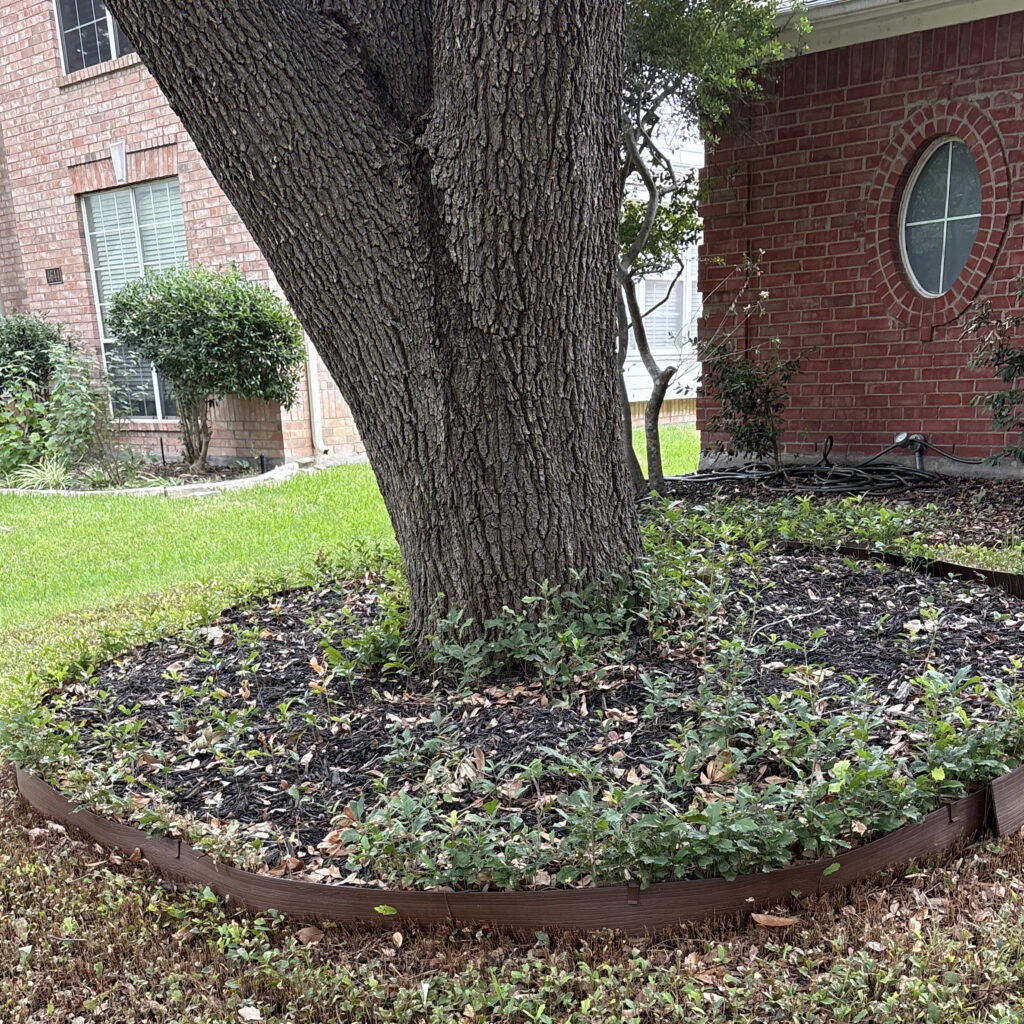
Root sprouts are a stress response from the tree. They will continue to return if the triggers aren’t dealt with. Remove suckers with clean pruning tools, do not yank, or use herbicide, they are attached to the roots. Once removed apply mulch, water properly and add soil amendments to help the health of your live oak. This combined will reduce sprouts returning.
Best Practices for Mulching Trees
- Apply a 2- to 4-inch layer of organic mulch over the root zone of mature trees – more is not better
- Keep mulch away from direct contact with the trunk flare to maintain oxygen exchange and prevent stem girdling roots
- Extend mulch outward toward the dripline (or beyond!) when space allows
- Replenish as it naturally decomposes
How to Water Live Oaks Properly
- Watering deeply but infrequently. Use a soaker hose or drip irrigation system.
- Thorough soaking that reaches about six inches deep is generally sufficient. This method encourages roots to grow deeper, making them more resilient against drought conditions.
- Monitor soil moisture to ensure that you’re not overwatering.
Purpose of Soil Ammendments
- Urban trees need help sourcing the nutrition necessary to thrive, unlike trees in a forest. Trees in residential neighborhoods do not have organic matter decomposing and enriching the soil.
- Improving soil health is the most effective way to support tree health.
- The combination of macro- and micro-nutrients, root growth stimulators, soil conditioners, beneficial biotics (both mycorrhizal fungi and rhizobacteria), and organic materials cultivate the optimum natural growth environment.
Root Sprouts Will Continue to Return if Environmental Triggers Aren’t Resolved
Root sprouts in Live Oaks are a natural response to environmental factors and stress.
Consistent care and preventive measures are key to maintaining the tree’s vigor and aesthetic.
 PREV BLOG
Related Blogs
Similar blogs related to this topic


Leaning Trees Post Heavy Rain
Heavy rain followed by long period of drought can cause significant shifting in our soils. This can be concerning for trees that have shallow roots. Heavy Rain Doesn’t Mean Tree Failure Healthy trees that are structurally…
Read more
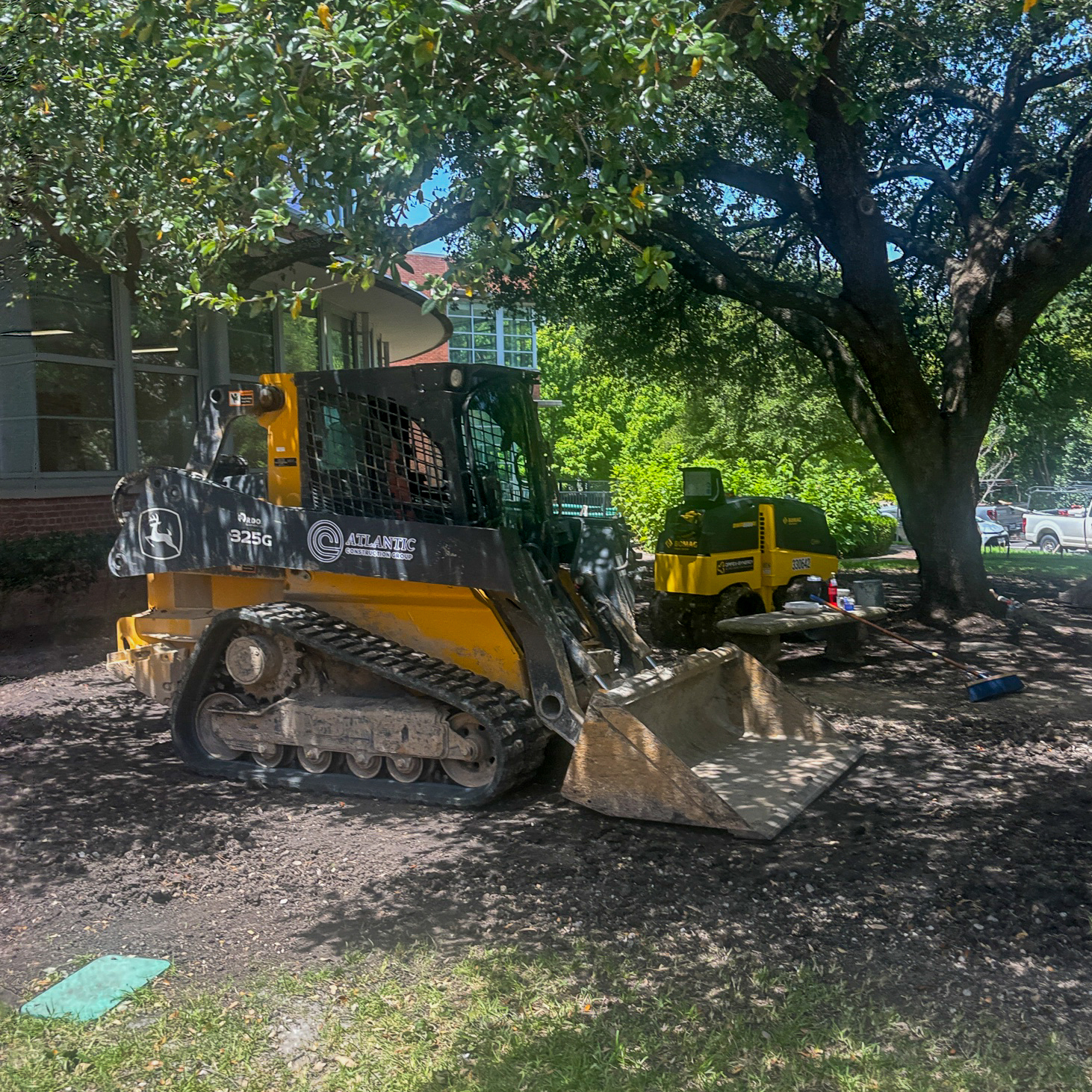
Is There Anything you can do to Correct Compaction Issues Caused by Construction?
Correcting soil compaction requires a combination of physical loosening of the soil (aeration), biological improvement (microorganisms), continued protection. Vertical Mulching Mechanical / Physical Solutions Mechanical/Physical solutions are usually the quickest way to break up severely…
Read more
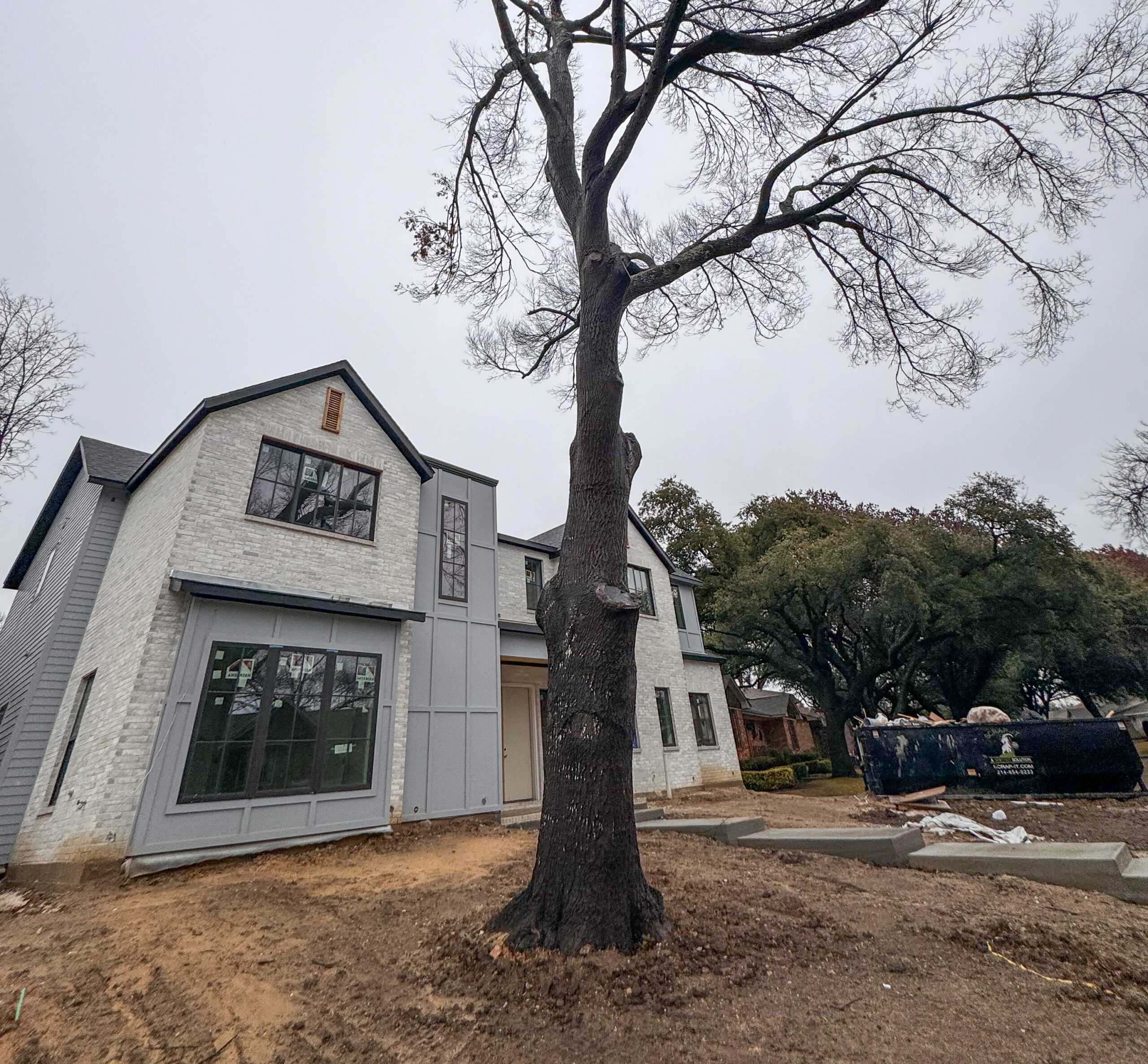
Avoid Costly Mistakes with Your Trees During Construction Projects
When planning for a rebuild or renovation of your home one thing that consistently gets overlooked is proper tree protection. Trees are living organisms that need to be protected and accounted for prior to construction…
Read more