Is it Squirrel Damage Or Limb Dieback on Trees?
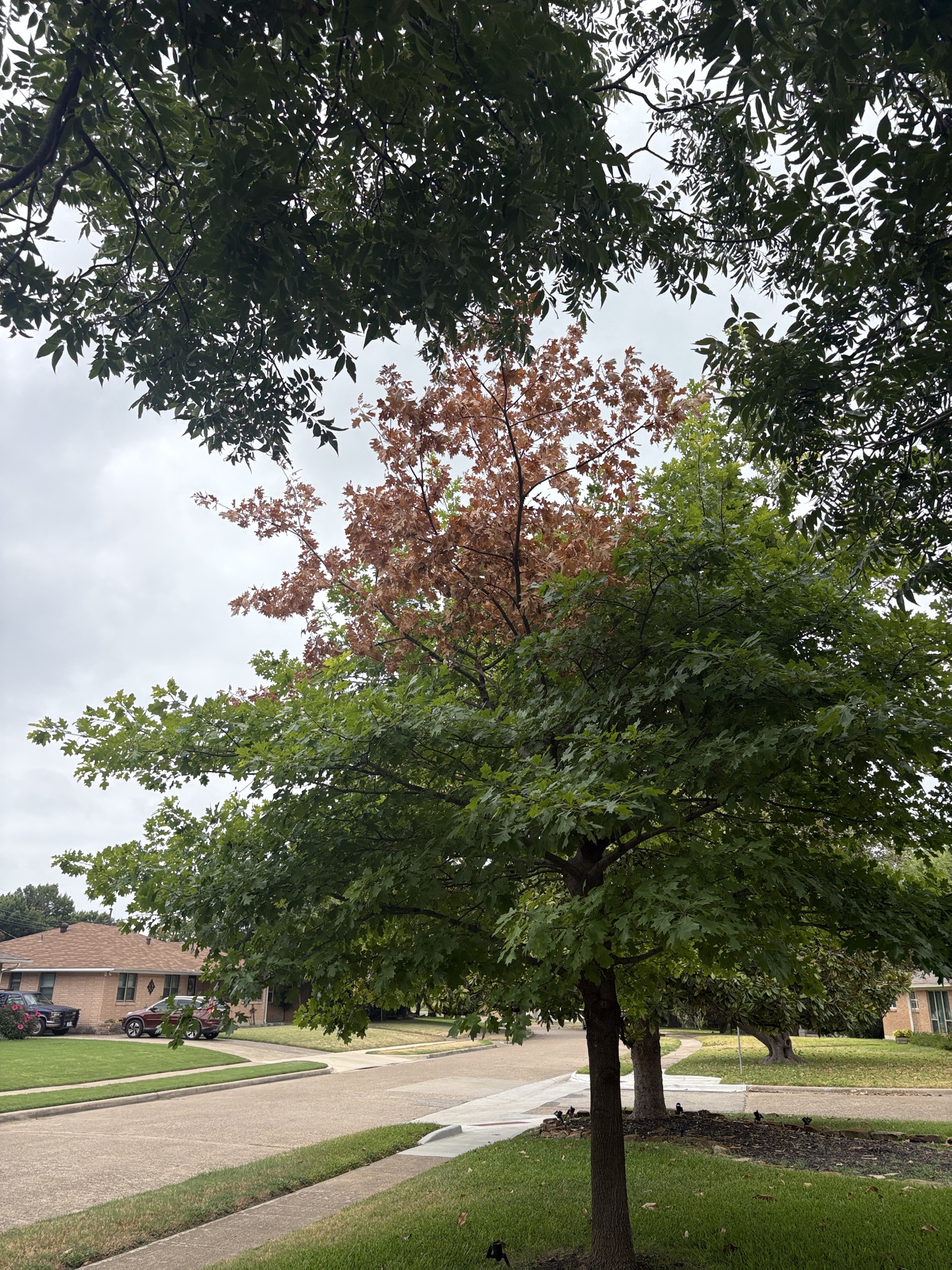
Identifying between limb dieback vs squirrel damage can be difficult, it requires close inspection and taking in several factors to assess the culprit. Squirrel damage is a physical injury caused by chewing bark and twigs, whereas dieback is a gradual symptom of decline originating from disease, stress, or root issues.
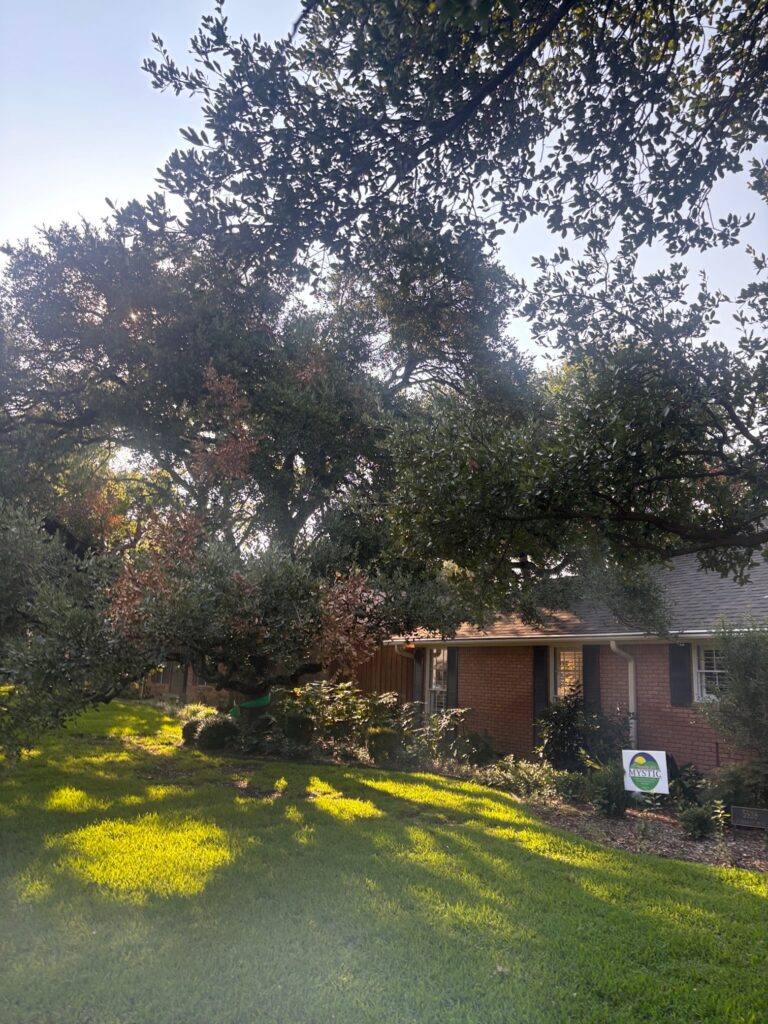
Squirrel Damage
- Chewed Bark and Stripping
Squirrels gnaw through the outer bark to reach the nutritious layer underneath, which can weaken and almost always kill the branch. You’ll often see patches where bark has been physically peeled away leaving the inner layers exposed.
- Dying or Dead Branches
Over time, the cumulative effects of squirrel damage can cause branches to die. We often observe a pattern called ‘flagging,’ where scattered branches in the trees canopy wilt, turn brown, and eventually die while the surrounding foliage remains healthy and green.
- Clipped Twigs on Ground
Another sign of squirrel activity is the scattering of small twigs on the ground beneath the tree. These cuts usually look cleanly clipped or chewed at an angle.
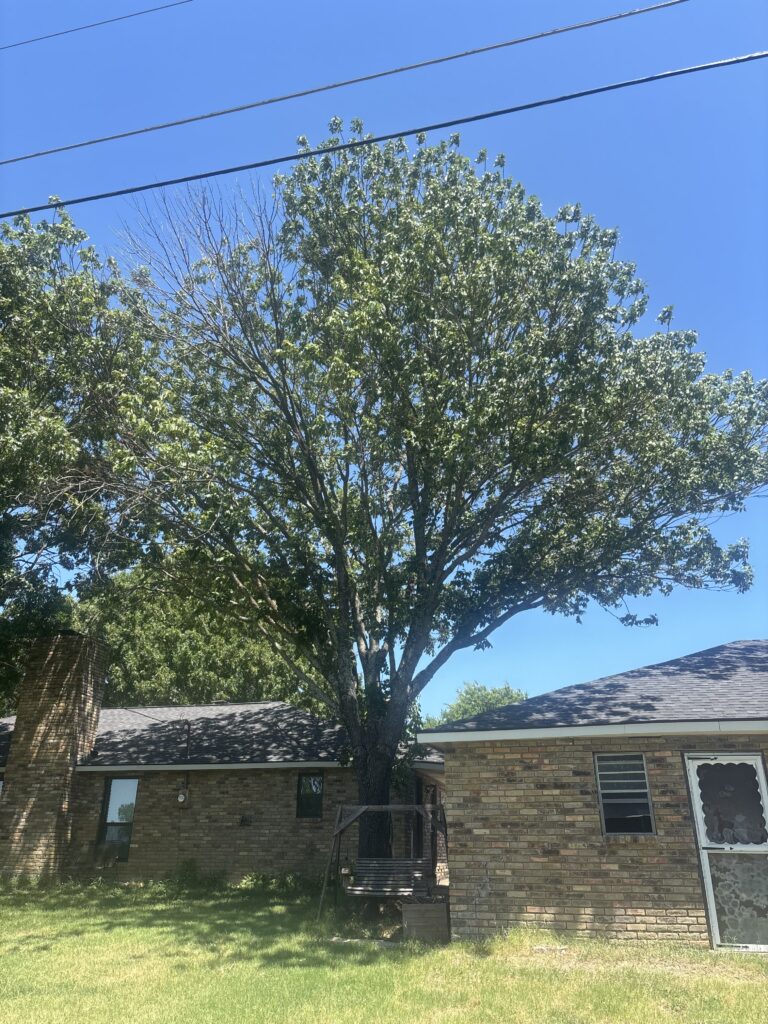
Canopy/Limb Dieback
- Thinning Canopy
As a tree loses vitality due to biotic or abiotic stress, the leaves in the upper canopy towards the ends of branches will become noticeably smaller than lower canopy leaves. The dieback typically starts at the very outer tips of the upper canopy and gradually works its way inward towards the main trunk over time.
- Underlying Root or Health Issues
Commonly triggered by chronic stress conditions, root system issues, over/ under watering, soil compaction, or diseases.
- Broad, Systemic Pattern
Rather than a single broken branch, dieback often affects entire sections of the canopy, one side, or in the top uniformly. The bark on dead branches usually remains intact initially until the branch decays to a point in which the bark may flake off later.
 PREV BLOG
Related Blogs
Similar blogs related to this topic
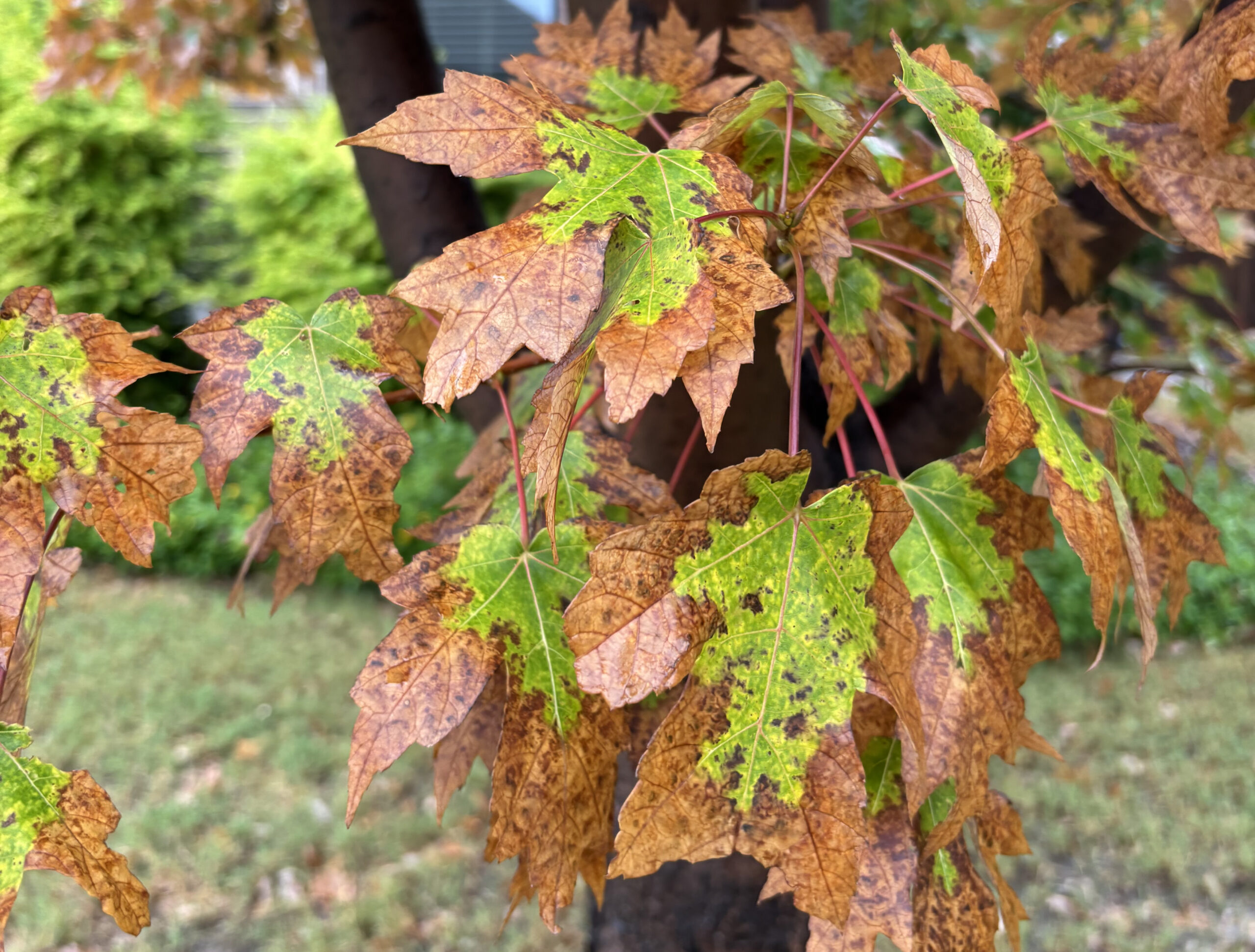
Top 10 Reasons Why Your Tree is Dying
Trees are tougher than they look, but even healthy trees can struggle when stress builds over time. In North Texas, factors such as drought, poor soil conditions, root damage, pests, and improper maintenance can gradually…
Read more
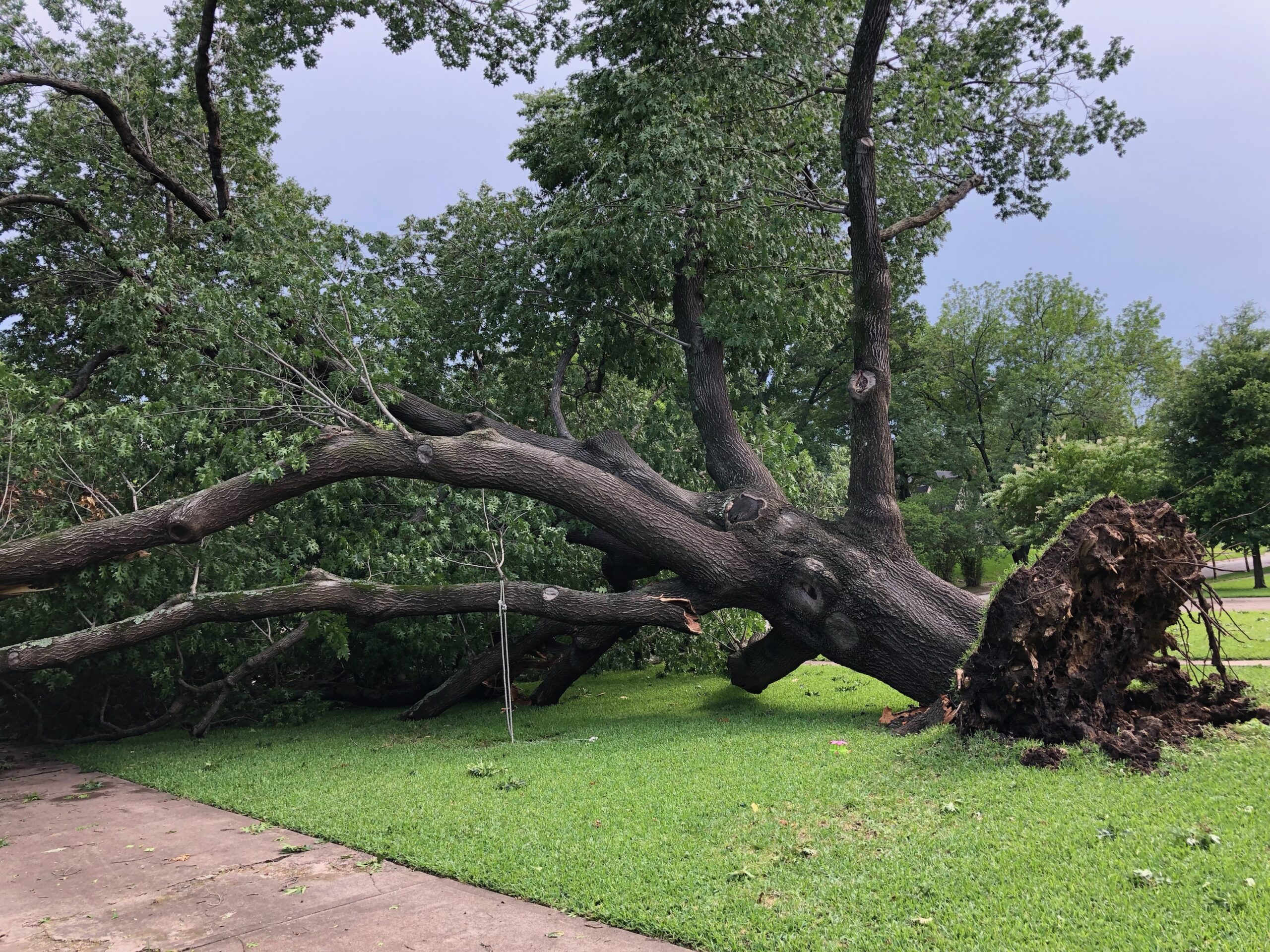
Leaning Trees Post Heavy Rain
Heavy rain followed by long period of drought can cause significant shifting in our soils. This can be concerning for trees that have shallow roots. Heavy Rain Doesn’t Mean Tree Failure Healthy trees that are structurally…
Read more
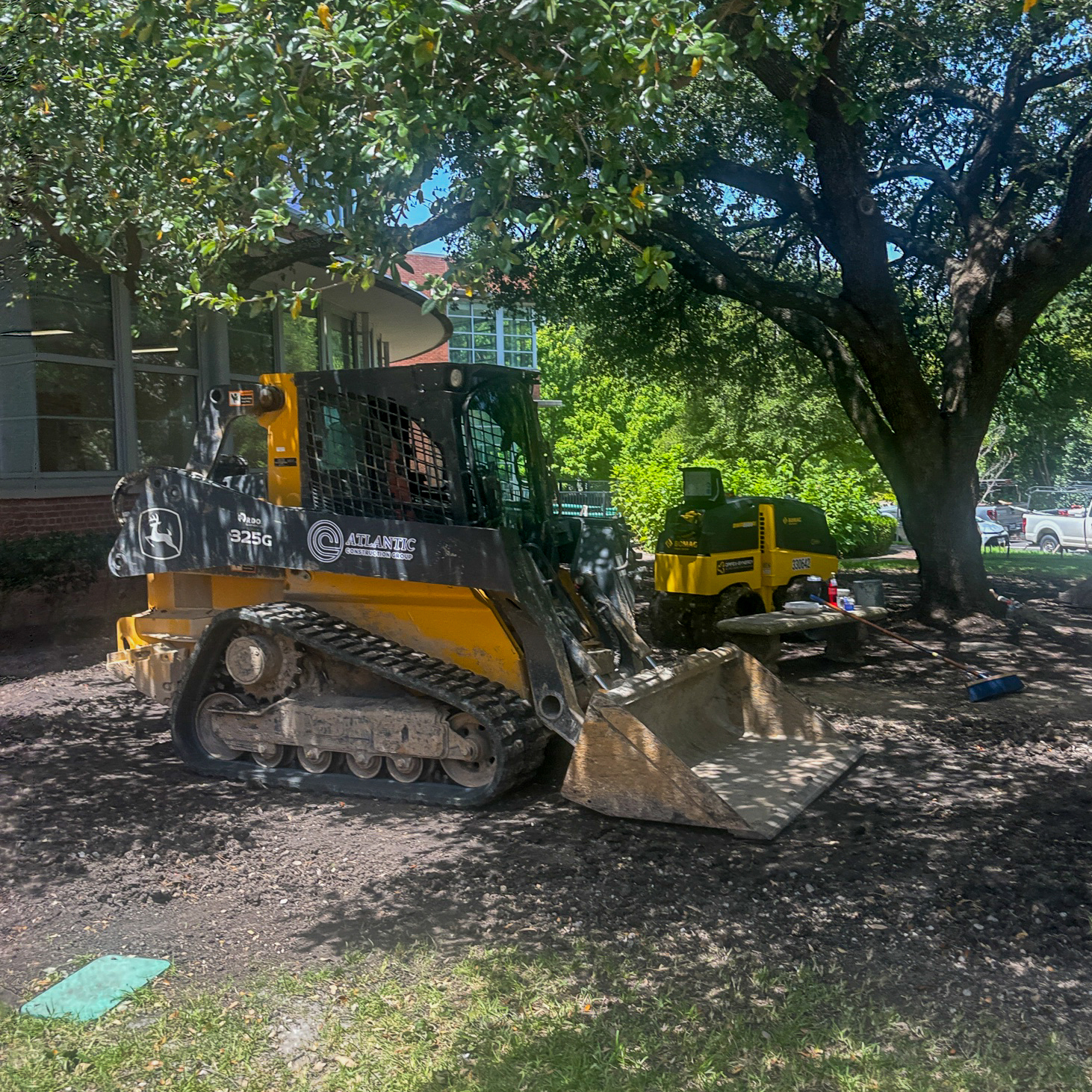
Is There Anything you can do to Correct Compaction Issues Caused by Construction?
Correcting soil compaction requires a combination of physical loosening of the soil (aeration), biological improvement (microorganisms), continued protection. Vertical Mulching Mechanical / Physical Solutions Mechanical/Physical solutions are usually the quickest way to break up severely…
Read more