The Role of Older Trees in Urban Landscapes and Why Their Protection Matters

Trees in urban environments operate under fundamentally different conditions than those in natural forests. Restricted rooting volumes, compacted soils, elevated temperatures, air pollution, and repeated physical disturbance all contribute to reduced vigor and shortened lifespans. Research has shown that urban tree mortality is strongly influenced by site conditions and management practices, with the highest mortality occurring during establishment and in highly constrained environments.
Despite these challenges, mature trees represent some of the most valuable assets within the urban forest. Their size, structural development, and accumulated biomass enable them to deliver ecosystem services that younger trees cannot replicate in the short term. Preserving these trees is not simply an aesthetic consideration, it is fundamental to maintaining functional, resilient urban landscapes.
Ecological Function and Biodiversity Support
Mature trees serve as foundational ecological structures within urban environments. Their large canopies, complex branching architecture, and extensive root systems create layered habitats that support diverse biological communities.
These trees function as self-contained microecosystems, supporting birds, insects, fungi, and soil microorganisms across multiple vertical strata. In cities where habitat fragmentation is common, mature trees provide disproportionately high ecological value by sustaining biodiversity and supporting food webs.
In addition, their root systems improve soil structure, increase water infiltration, and stabilize surrounding soils. These processes contribute to stormwater mitigation and erosion control—critical ecosystem services in landscapes dominated by impervious surfaces.
Carbon Sequestration and Air Quality Benefits
Large, mature trees play a critical role in regulating atmospheric conditions. Their greater leaf area and biomass allow them to sequester and store significantly more carbon than younger trees.
Research demonstrates that large trees continue to accumulate carbon as they age, often at higher absolute rates due to increased photosynthetic capacity. Beyond carbon storage, mature trees improve air quality by filtering particulate matter and absorbing pollutants such as ozone, sulfur dioxide, and nitrogen oxides.
These functions contribute to measurable improvements in environmental quality and are associated with positive public health outcomes. Mature trees also help moderate heat and reduce noise levels, further enhancing livability in densely developed areas.
Cultural and Historical Significance of Mature Trees
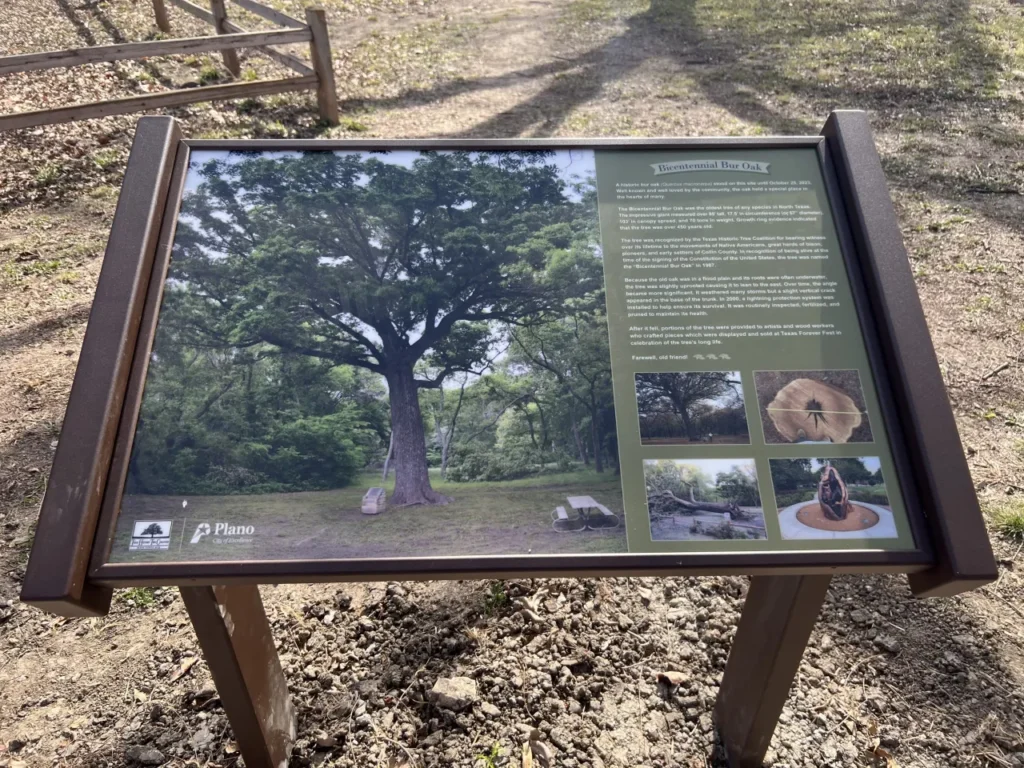
Mature trees often hold substantial cultural and historical value within urban landscapes. They serve as long-standing landmarks and provide a tangible connection to the historical development of a community. Their preservation supports not only environmental function but also the continuity of local identity and sense of place.
These trees act as living records of urban change, persisting through decades – sometimes centuries – of shifting land use, infrastructure expansion, and social evolution. Across cultures, they are associated with resilience, longevity, and continuity, reinforcing their symbolic importance within the built environment.
Beyond symbolism, mature trees contribute to the visual structure and stability of urban spaces. Their scale, form, and permanence provide continuity with rapidly changing environments, anchoring neighborhoods and reinforcing landscape character. As such, they can be understood as living infrastructure that connects past and present while supporting long-term landscape stability.
Urban Tree Stress and Longevity Constraints
The reduced lifespan of urban trees is primarily driven by chronic stress exposure rather than age alone. Soil compaction – one of the most pervasive urban challenges – restricts root growth, limits oxygen availability, and reduces water infiltration, directly impairing tree health.
Urban trees must also contend with limited soil volume, altered hydrology, heat island effects, and mechanical damage from construction and pedestrian activity. These cumulative stressors accelerate decline compared to trees growing in natural settings.
In many cases, trees are also removed preemptively due to perceived risk, development pressures, or maintenance limitations, further reducing the presence of mature canopy within urban environments.
The Importance of Retaining Mature Trees
While planting new trees is essential for sustaining future canopy, it does not replace the immediate value of existing mature trees. Large trees provide significantly greater ecosystem services per individual, particularly in terms of carbon storage, shading, and environmental regulation.
Urban forestry research consistently demonstrates that retaining mature trees is one of the most effective strategies for maintaining canopy cover and maximizing ecosystem service delivery. Newly planted trees require decades to approach the functional capacity of a mature tree.
From a management standpoint, preservation is also more cost-effective than removal and replacement when long-term benefits are considered.
Management Challenges and the Role of Urban Forestry
Urban tree management operates within a complex system shaped by infrastructure, policy, and human behavior. Decisions regarding planting, maintenance, and removal directly influence the performance and longevity of the urban forest.
Effective preservation strategies include protecting root zones during construction, minimizing soil compaction, providing adequate soil volume, implementing proactive pruning and risk management, and integrating tree protection into planning and development frameworks.
Collaboration among arborists, planners, policymakers, and communities is essential to balance development with long-term ecological function.
Planting for Future Canopy
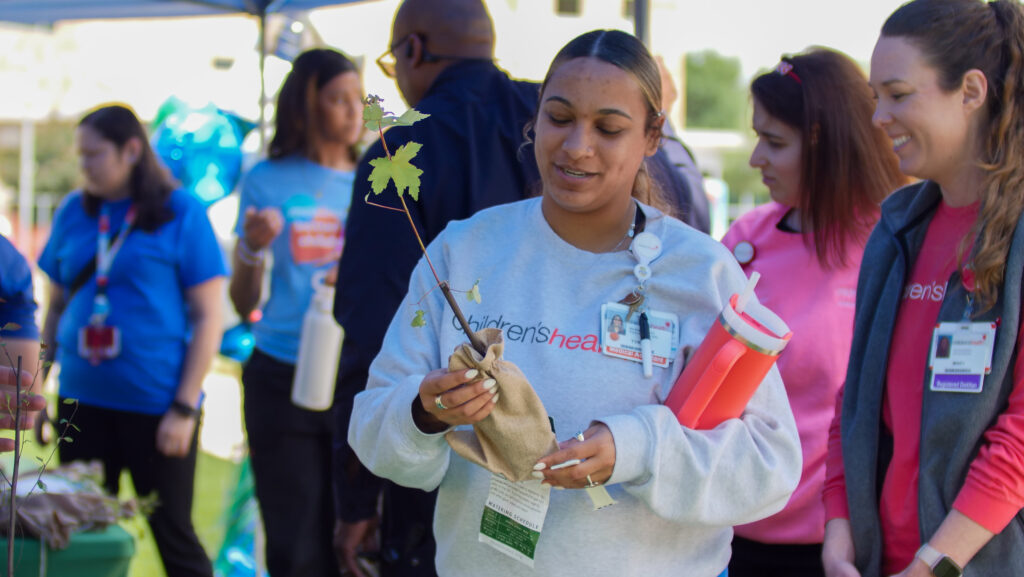
Sustainable urban forestry requires both preservation and succession planning. Establishing new trees ensures future canopy continuity, but long-term success depends on species selection, proper siting, and effective early care.
A balanced age distribution—retaining mature trees while establishing younger cohorts – is critical to maintaining a long-term canopy stability and ecosystem performance.
The Bottom Line
Mature trees are high-value urban infrastructure, providing critical ecological, environmental, and social benefits that cannot be quickly replaced. Their structural capacity, functional performance, and long-term contributions make them essential to urban resilience and environmental quality. Protecting these trees – while strategically investing in future canopy – is one of the most effective approaches to sustaining healthy, high-performing urban forests.

References
Hilbert, D.R., Roman, L.A., Koeser, A.K., Vogt, J., & van Doorn, N.S. (2019). Urban Tree Mortality: A Literature Review. Arboriculture & Urban Forestry (ISA). [auf.isa-arbor.com]
Day, S.D., & Bassuk, N.L. (1994). A Review of the Effects of Soil Compaction on Landscape Trees. Arboriculture & Urban Forestry (ISA). [auf.isa-arbor.com]
Percival, G.C. et al. (ASCA). Urban Soil Compaction and Tree Health. American Society of Consulting Arborists publications. [cdn.ymaws.com]
Czaja, M., Kołton, A., & Muras, P. (2020). Stress Factors and Ecological Services of Urban Trees. Forests Journal. [mdpi.com]
Gray, A.N. (2015). The Role of Large Trees in Carbon Sequestration. USDA Forest Service. [research.fs.usda.gov]
Au, T.F. et al. (2022). The Importance of Old Trees in Climate Systems. Nature Climate Change research summary. [seas.umich.edu]
Forest Research (2019). Urban Tree Management and Ecosystem Services. [forestrese…rch.gov.uk]
USDA Forest Service. Urban Forestry and Ecosystem Services. [research.fs.usda.gov]
PLOS Sustainability (2022). Ecosystem Services Value of Trees in the U.S. [journals.plos.org]
 PREV BLOG
Related Blogs
Similar blogs related to this topic

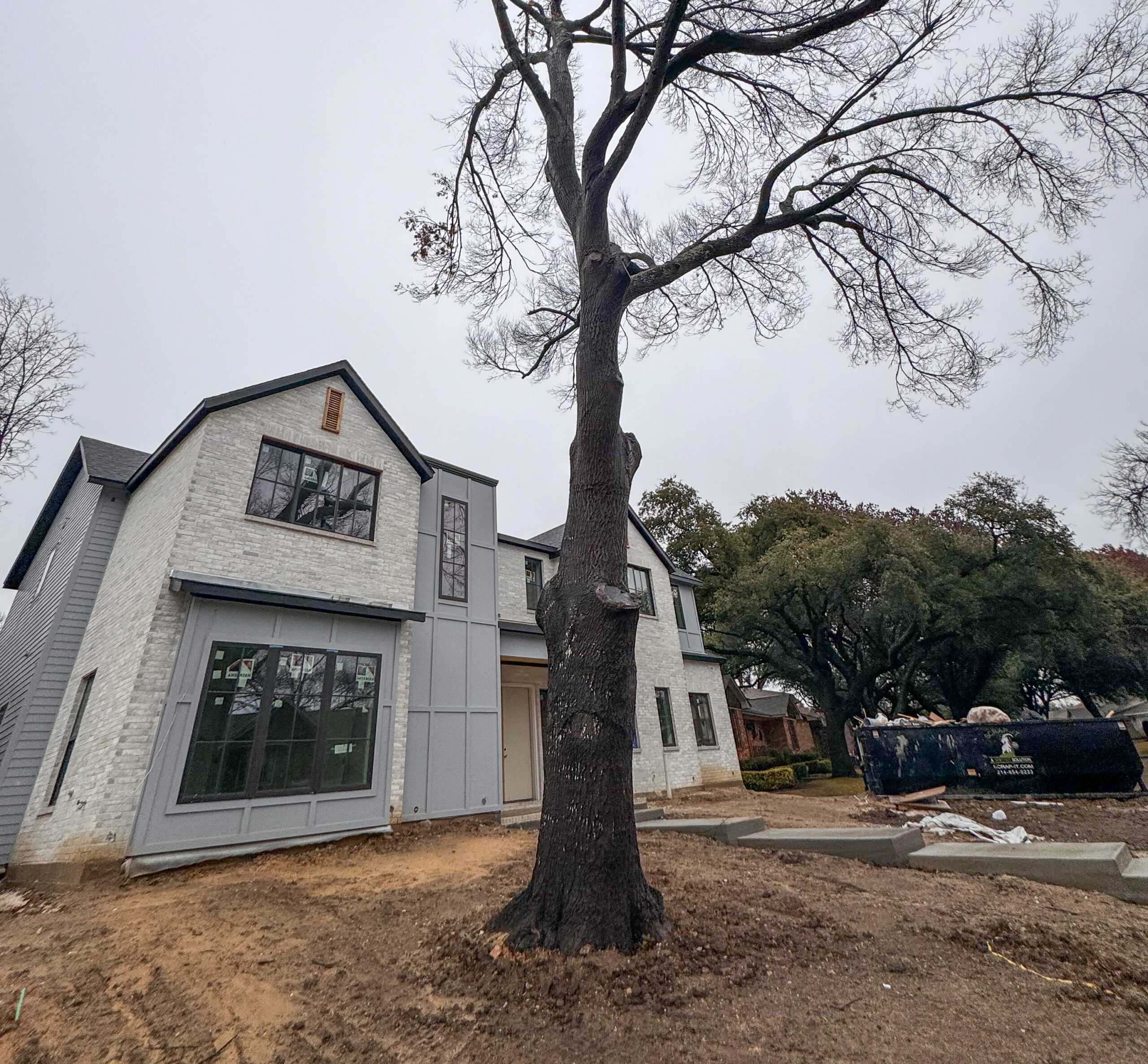
Avoid Costly Mistakes with Your Trees During Construction Projects
When planning for a rebuild or renovation of your home one thing that consistently gets overlooked is proper tree protection. Trees are living organisms that need to be protected and accounted for prior to construction…
Read more
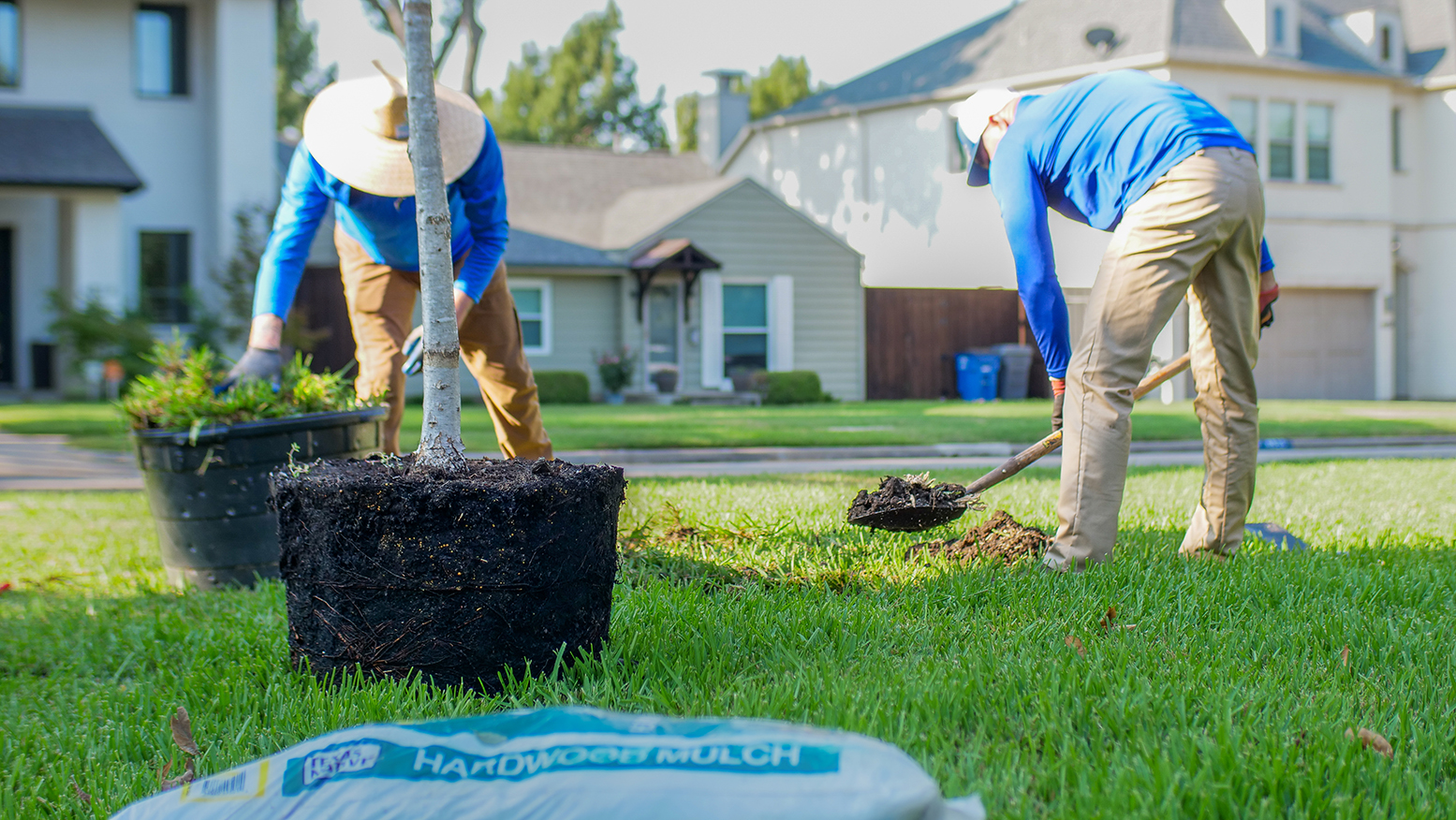
When is the Best Season to Plant Trees in Dallas?
Planting trees when temperature is more mild in Texas will bring about the best outcomes in tree establishment and health. Keep in mind summers have been extremely brutal so planting a tree in spring is…
Read more
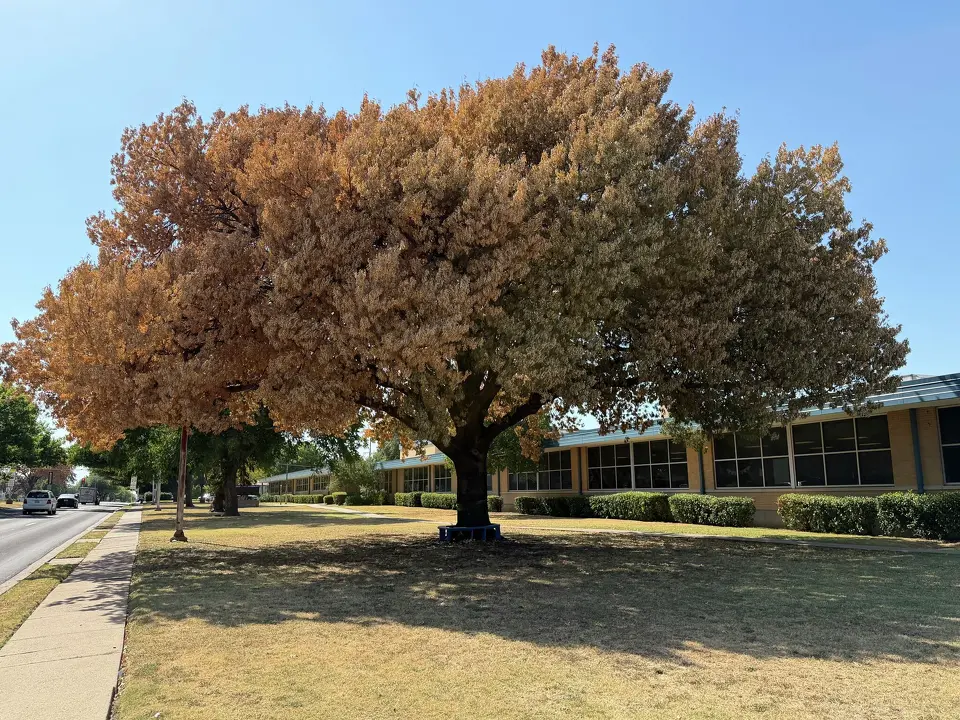
The Dallas Morning News | Constant State of Stress
We spoke with The Dallas Morning News about heat stress and what North Texans can do to help their trees recover. “Here in Texas, we go through these droughts all the time,” King said. “This…
Read more