9 Tree Maintenance Services Every North Texas Resident Should Know
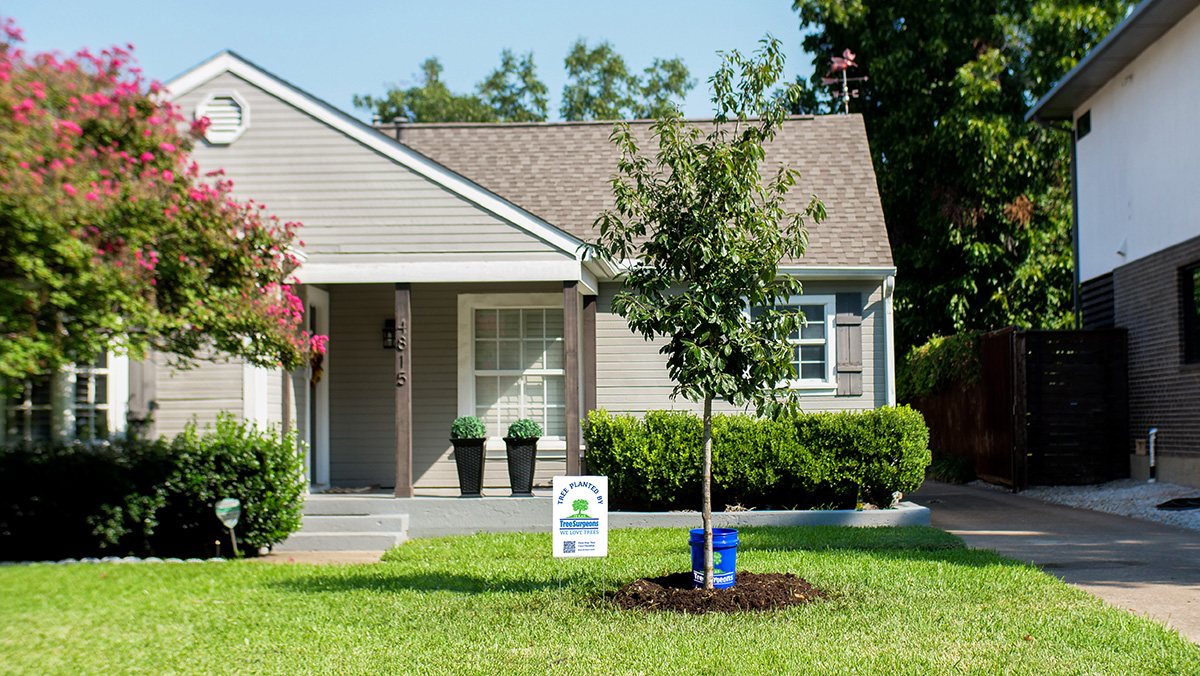
Caring for trees in North Texas requires more than good intentions. Between heat stress, variable soil types, and weather extremes, trees benefit from deliberate, informed care. The right maintenance not only preserves aesthetics – but also reduces risk, extends lifespan, and protects property value.
Below is a concise field guide to the services that matter most.

1. Tree Assessments: A Preventative Approach
Tree inspections are preventative care – plain and simple.
A certified arborist can identify early signs of stress, pest activity, disease, or structural weakness before they escalate. In North Texas, where drought and storms routinely test tree resilience, proactive diagnostics are far more economical than reactive removal.
2. Precision Pruning: Guiding Form and Function
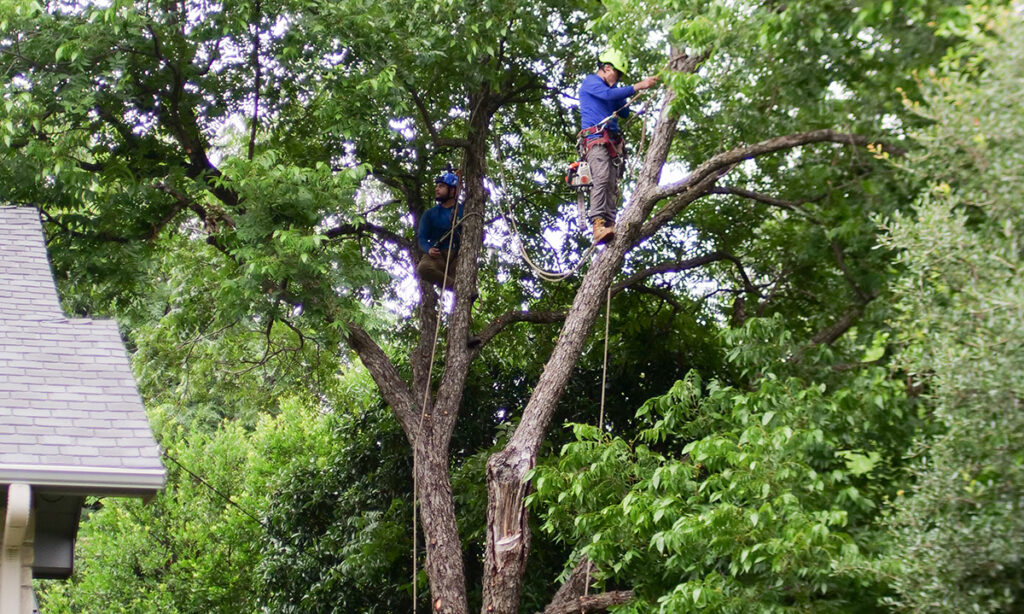
Pruning is equal parts biology and engineering.
Selective cuts improve structure, reduce failure risk, and promote healthy growth cycles. Poor pruning, however, does the opposite. Timing is equally important; while dormant-season pruning is generally preferred, species-specific considerations – especially for oaks – require careful scheduling to limit disease exposure.
3. Irrigation Management: Watering with Purpose
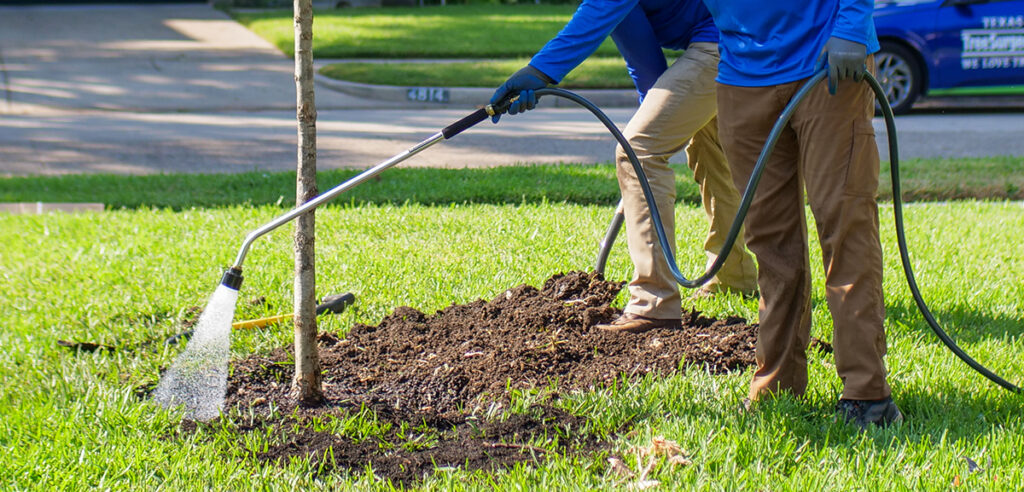
Watering is not about frequency – it’s about depth, timing, and soil response.
North Texas trees often suffer from inconsistent watering practices; too shallow during drought, too excessive afterward. Both create stress. Deep, infrequent irrigation that matches soil conditions encourages stronger root systems and better drought resilience.
4. Soil & Fertility: Feeding the System, Not the Symptom
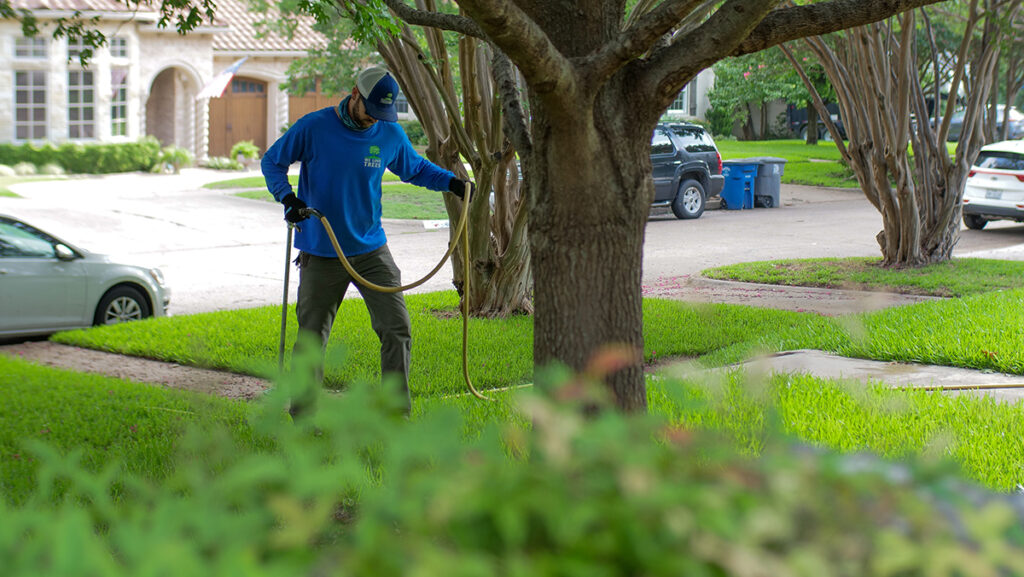
Fertilization should support biology, not override it.
Thoughtful nutrient application helps compensate for regional soil deficiencies while maintaining balanced growth. Overapplication – especially nitrogen – can encourage rapid, weak canopy expansion. When in doubt, let soil testing guide decisions rather than guesswork.
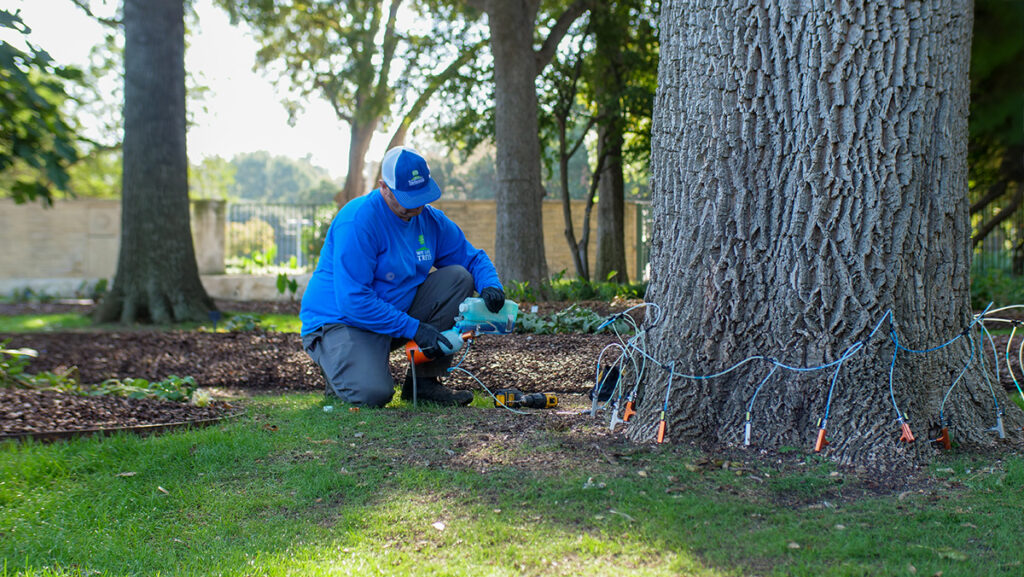
5. Pest and Disease Management: Responding with Precision
Tree health is a moving target in North Texas.
From oak wilt to invasive borers, threats require on-going monitoring and measured response. Integrated pest management emphasizes early detection and targeted treatment – because blanket solutions rarely stay efficient (or economical) for long.
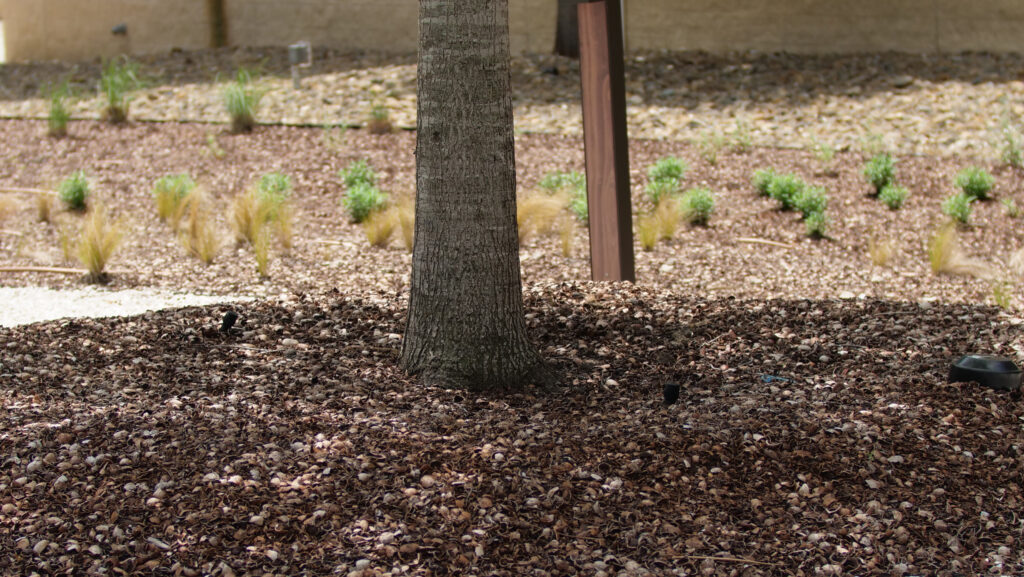
6. Mulching Practices: Protecting from the Ground Up
Mulch does more than improve appearance – it supports function.
It moderates soil temperature, reduces moisture loss, and improves soil structure over time. Just avoid the ‘volcano’ approach; a flat, even layer (approximately 2- to 4-inch in depth) keeps roots protected without creating new problems.
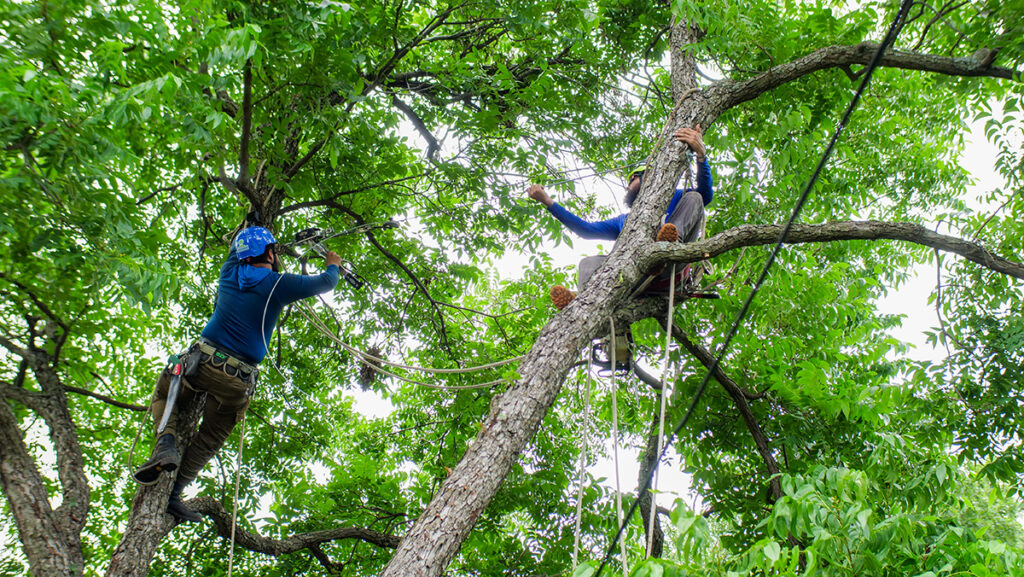
7. Cabling & Bracing: Supporting Where Structure Falls Short
Some trees benefit from reinforcement rather than removal.
Cabling and bracing redistribute load stress and stabilize compromised limbs, reducing likelihood of failure during storms, or at least, reduce target impact potential upon failure. Applied correctly, these systems are designed to extend the functional life of certain trees.
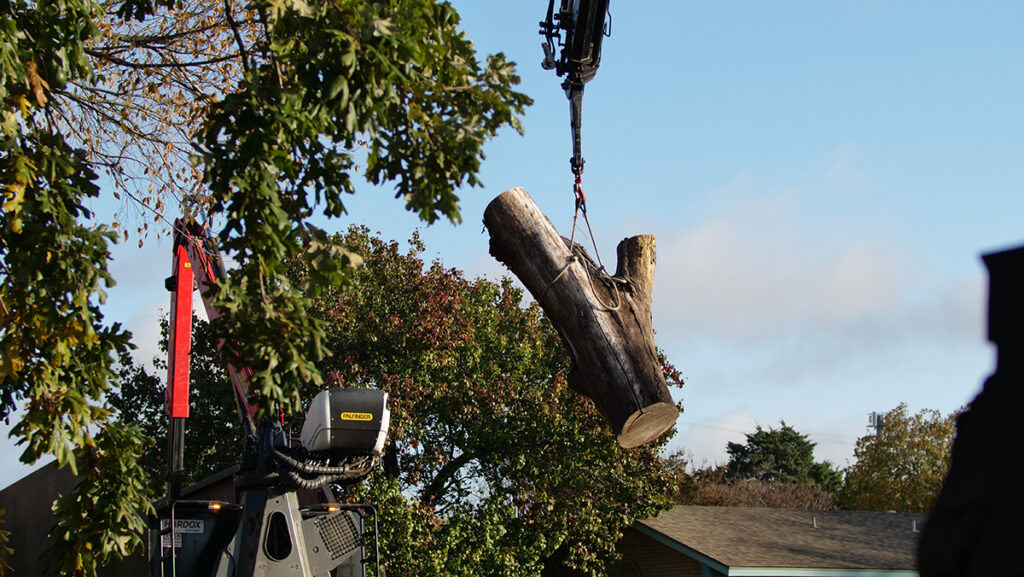
8.Tree Removal: Making Informed Decisions
Even well-maintained trees can reach the point where removal is the responsible choice.
Dead, declining, or poorly positioned trees present safety risks that outweigh their benefits. Professional removal ensures the process is controlled, efficient, and minimally disruptive to surrounding landscape.
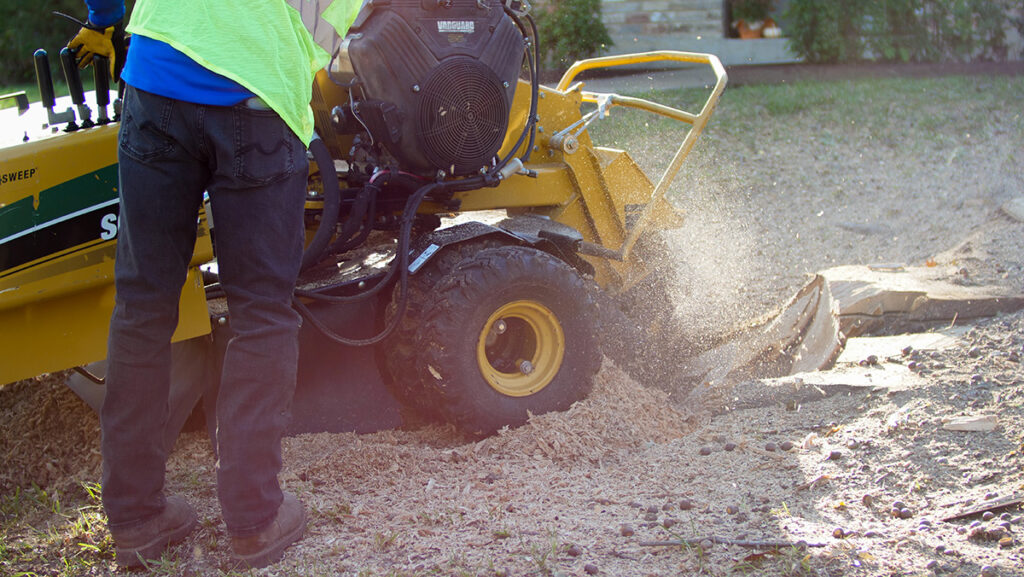
9. Stump Grinding (Optional): Refining the Finish
Stump grinding isn’t always required – but can be worthwhile.
If desired, grinding can remove the remnant efficiently, restoring usable space and leaving the site ready for whatever comes next. Think of it as the finishing touch rather than a mandatory step.

At Texas Tree Surgeons we use scientifically backed strategies to help the health of your tree. Tree health begins at the roots. We recommend yearly tree assessments to establish a baseline and to watch for any possible changes.
 PREV BLOG
Related Blogs
Similar blogs related to this topic


How to Make Sure Your New Tree Establishes and Survives the First 5 Years
Properly planting a tree is just the beginning. The immediate years following planting are often the toughest. Newly planted trees are most susceptible to extreme environmental and physiological stresses. Follow proper watering, mulching, and pruning…
Read more
Current Tree Watering Guidelines for Newly Planted Trees
Tree Watering for Newly Planted Trees Newly planted trees require consistent moisture while their root systems become established. North Texas heat, drought, and heavy clay soils can make this especially challenging. The schedule below is…
Read more
Current Tree Watering Guidelines for North Texas
Tree Watering for Newly Planted Trees Newly planted trees require consistent moisture while their root systems become established. North Texas heat, drought, and heavy clay soils can make this especially challenging. The schedule below is…
Read more