Why is Tree Topping Harmful?

It may seem like a quick fix for an overgrown tree, but topping often creates long-term problems that outweigh any short-term results. Understanding why tree topping is detrimental – and what to do instead – helps protect the health, safety, and longevity of your trees.
What is Tree Topping?
Tree topping involves cutting back the main branches of a tree to reduce its height, often leaving oversized wounds and a severely altered structure.
While intended to control size, topping disregards natural growth patterns and defense systems. In response, trees produce dense clusters of fast-growing shoots to replace lost foliage.
This regrowth may look vigorous, but it is weakly attached and structurally unreliable. The result is an unbalanced canopy, increased breakage risk, and a tree forced to divert valuable energy toward recovery rather than healthy growth.
In short, topping is not proper pruning – it is a setback. Sound arboricultural practices offer far better outcomes.
Why Tree Topping Is Harmful
Tree topping places significant stress on a tree and can lead to decline, decay, and failure.
Removing large portions of foliage reduces the tree’s ability to produce energy through photosynthesis. This depletes stored reserves, weakening natural defenses against drought, pests, and disease.
The large, improper cuts associated with topping do not seal effectively and often become entry points for decay organisms. Over time, this can lead to internal structural deterioration.
Meanwhile, rapid regrowth creates additional risk. These shoots are poorly attached and far more likely to fail – especially during storms – turning a maintenance issue into a potential safety issue.
Put simply: topping trades short term control for long term instability.
Impact on Appearance and Safety
Topped trees rarely regain their natural form. Instead, they develop dense, broom-like clusters of shoots that disrupt the tree’s structure and appearance. What starts as an attempt to ‘clean things up’ often leads to a tree that looks less refined and requires more ongoing maintenance.
Safety concerns also increase. Weakly attached regrowth is prone to sudden failure, particularly in high winds or extreme weather – conditions Texas trees know well.
Better Alternatives to Tree Topping
Effective pruning works with a tree – not against it.
ISA Best Management Practices and ANSI A300 define specific pruning systems designed to meet objectives like risk reduction, clearance, and structural improvement – while preserving tree health.
Instead of topping, arborists rely on methods such as crown reduction to achieve these objectives. These techniques are performed with proper cut placement to support natural wound closure and limit decay.
A qualified arborist, like those at Texas Tree Surgeons, evaluates the tree’s species, condition, and site constraints to determine the appropriate pruning objective – because effective pruning is guided by purpose, not convenience.
Supporting Long-Term Tree Health
Avoiding practices like topping is one of the most important steps in responsible tree care.
Thoughtful pruning helps trees:
- Maintain strong structure
- Resist pests and disease
- Better tolerate heat, drought, and storms
- Preserve their natural form and landscape value
Healthy trees require less correction, less risk mitigation, and fewer surprises over time.

At Texas Tree Surgeons we love trees! We believe good pruning should be intentional, minimally invasive, and guided by how trees grow – not how fast we want them to shrink! While tree topping might seem like a straightforward solution for managing large trees, it poses significant risks to their health and longevity. Opting for professional tree care and proper pruning methods ensures that your trees remain vibrant and safe for years to come.
 PREV BLOG
Related Blogs
Similar blogs related to this topic
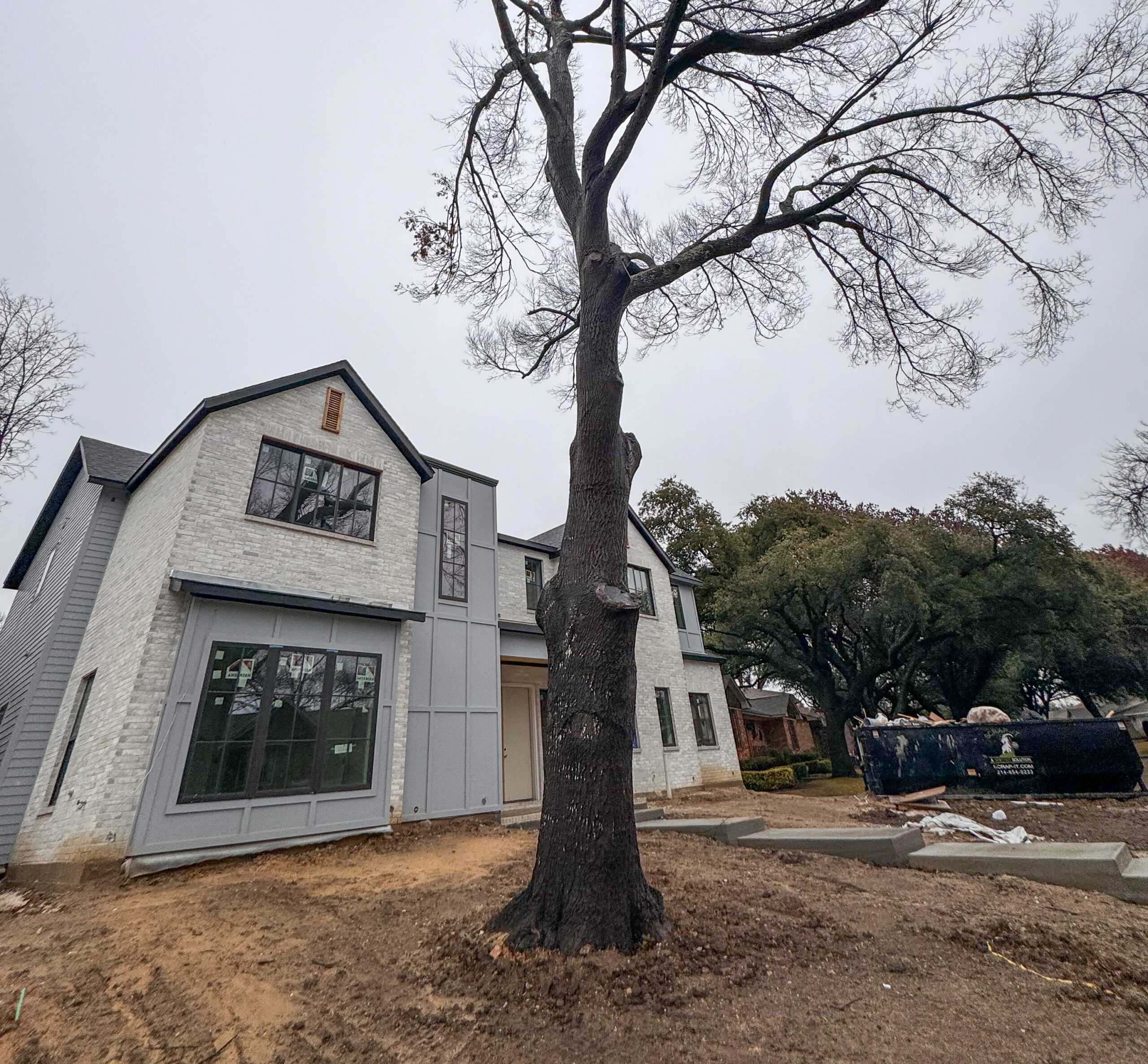
Avoid Costly Mistakes with Your Trees During Construction Projects
When planning for a rebuild or renovation of your home one thing that consistently gets overlooked is proper tree protection. Trees are living organisms that need to be protected and accounted for prior to construction…
Read more
When is the Best Season to Plant Trees in Dallas?
Planting trees when temperature is more mild in Texas will bring about the best outcomes in tree establishment and health. Keep in mind summers have been extremely brutal so planting a tree in spring is…
Read more
The Dallas Morning News | Constant State of Stress
We spoke with The Dallas Morning News about heat stress and what North Texans can do to help their trees recover. “Here in Texas, we go through these droughts all the time,” King said. “This…
Read more