Recognizing Heat Stress in North Texas Trees
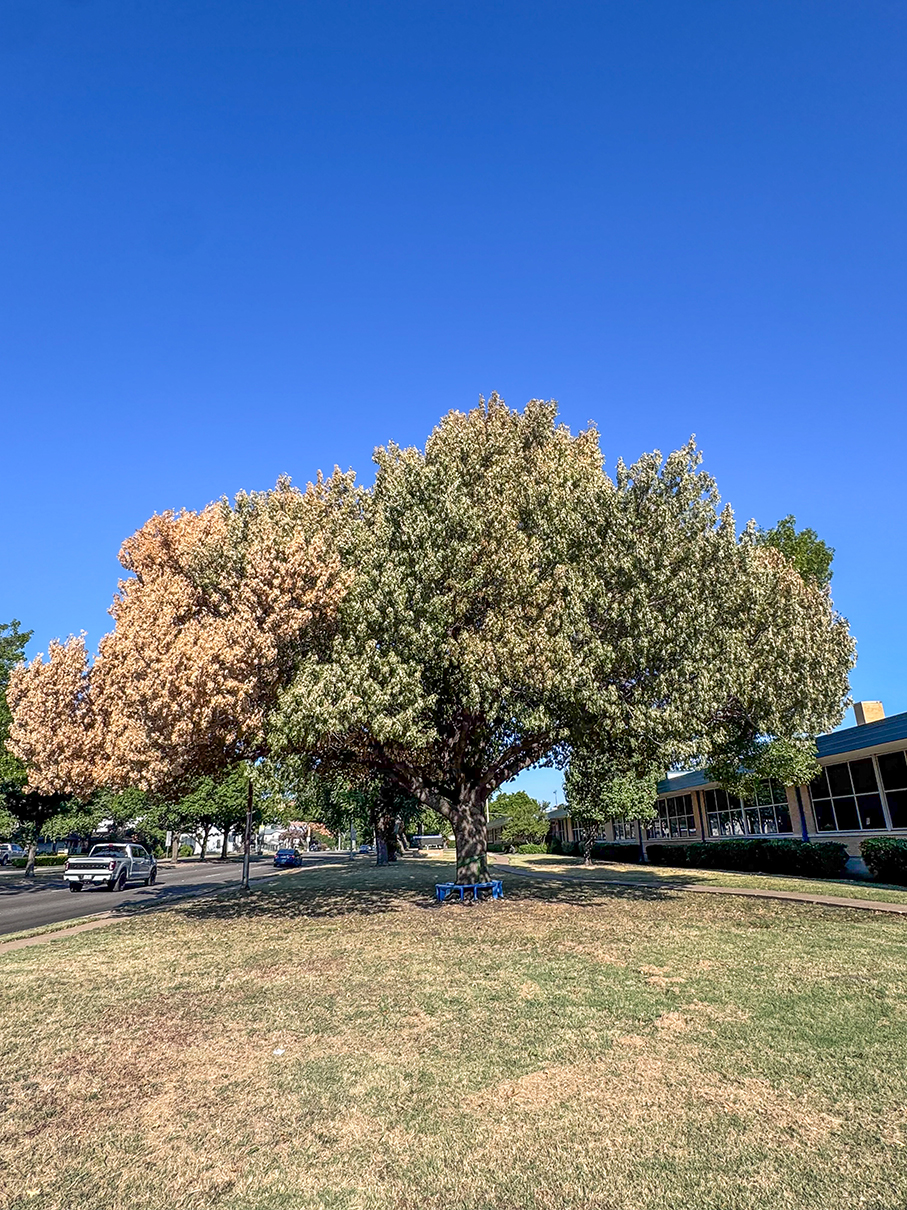
North Texas summers are tough on people, pets, and trees alike. Extended periods of heat and dry weather can put significant strain on even healthy, established trees. Often, the first signs are subtle: leaves begin to wilt, discolor, or drop earlier than expected. Over time, prolonged drought can weaken a tree’s natural defenses and leave it more susceptible to pests and disease. Understanding what to look for can help homeowners identify problems early and support tree health through the hottest months of the year.
Common Signs of Heat Stress
Wilting Leaves
Wilting is often one of the first signs that a tree is struggling to meet its water needs. Leaves may appear limp, curled, or droopy as the tree works to conserve moisture.
Leaf Scorch
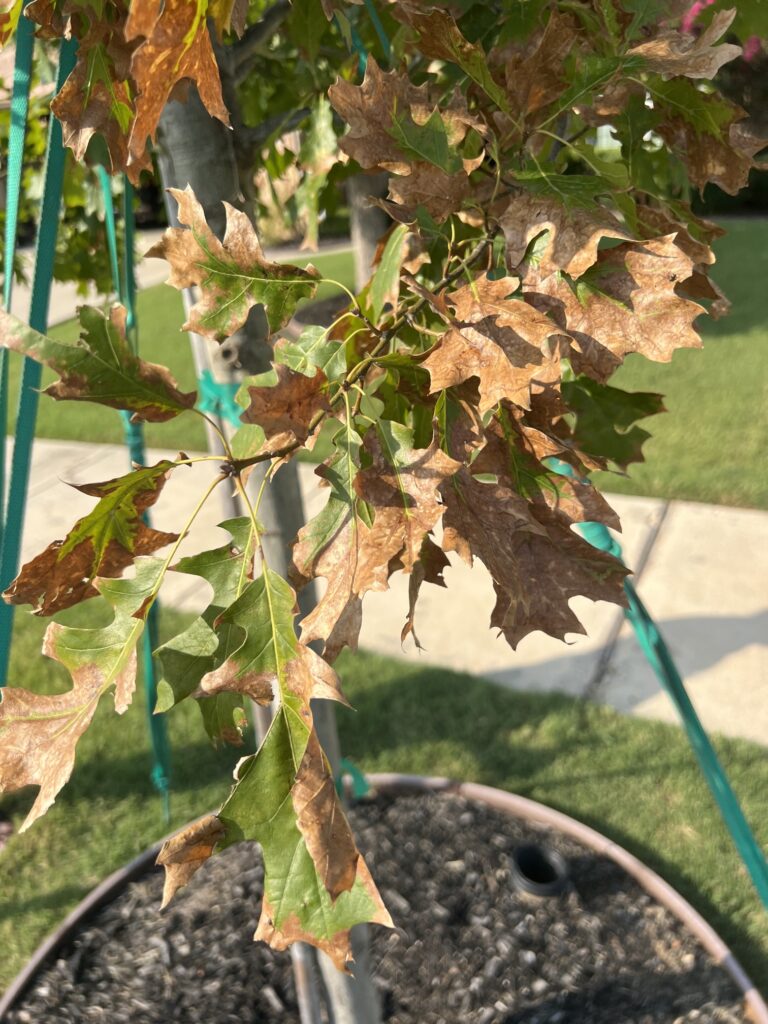
When temperatures remain high and soil moisture becomes limited, leaves can lose water faster than roots can replace it. This often appears as brown, dry edges along the margins and tips of leaves, especially in areas of the canopy exposed to direct sunlight.
Early Leaf Drop
Trees under stress may shed leaves earlier than expected to reduce water loss. While premature leaf drop can be concerning, it is often a natural response to prolonged heat and drought.
Yellowing or Discolored Leaves
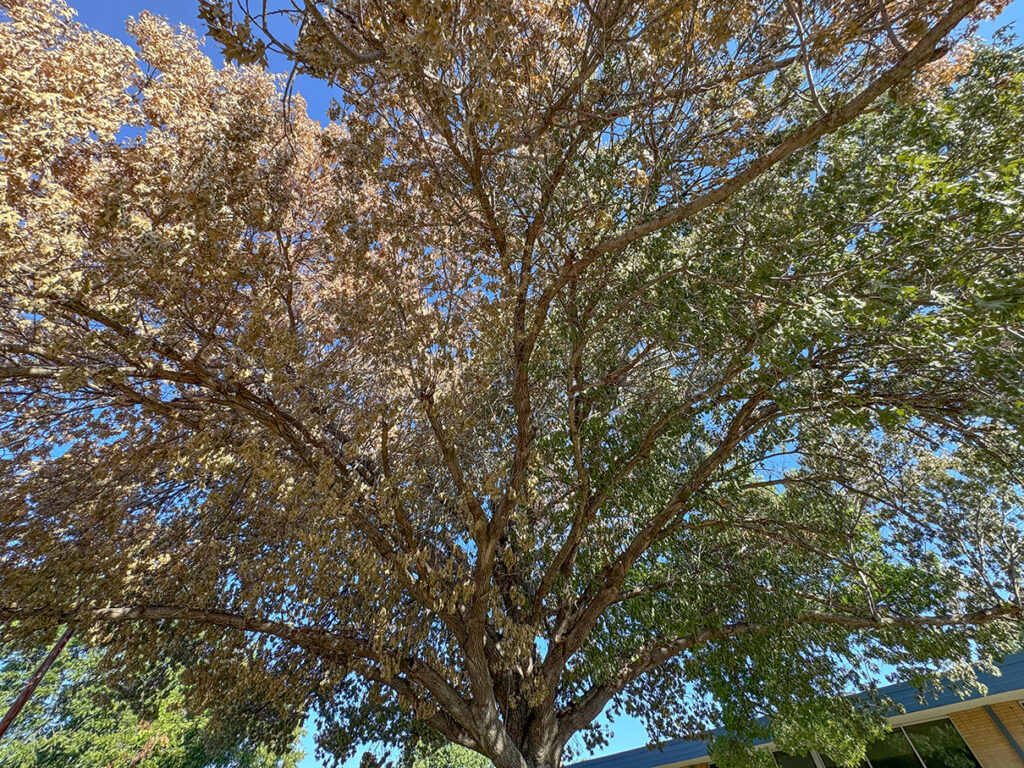
Adequate moisture is essential for moving water and nutrients throughout a tree. During periods of stress, leaves may become pale green, yellow, or unevenly discolored.
Reduced Growth
Heat-stressed trees often slow their growth as they shift energy away from new development and toward basic survival. This may result in smaller leaves, shorter shoots, and less vigorous growth overall.
Branch Dieback
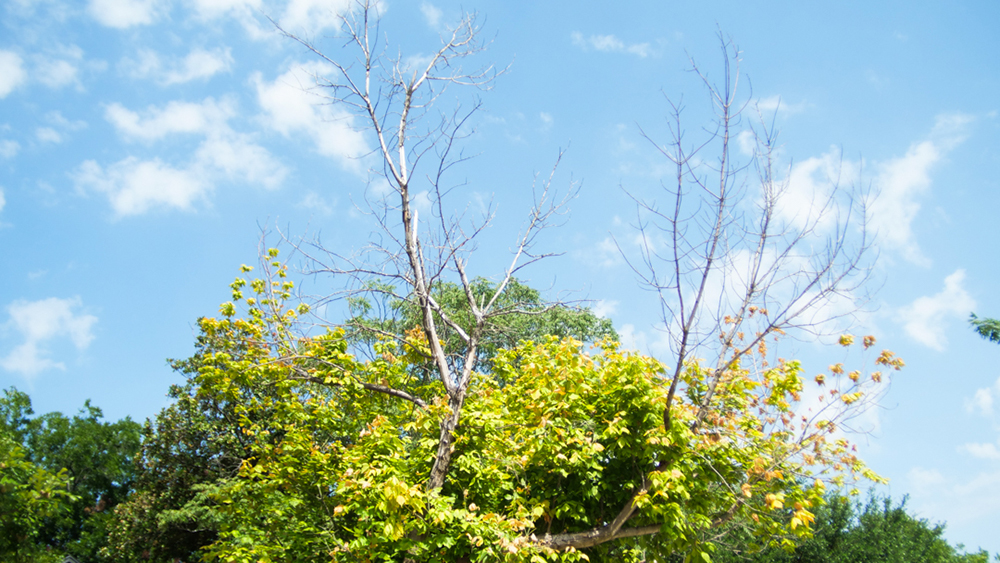
Extended drought can lead to the decline of small twigs and branches. In some cases, trees will sacrifice portions of the canopy to conserve resources and support the healthiest parts of the tree.

Weak Branches
Branch strength fluctuates based on underlying stress conditions; weak branches might reflect the consequences of persistent stress. Heat exposure tends to render branches dry and brittle over time, whereas drought directly dehydrates them, leading to similar effects. Employing proper pruning practices not only removes weakened branches but also alleviates the tree’s energy burden, enhancing its resilience.
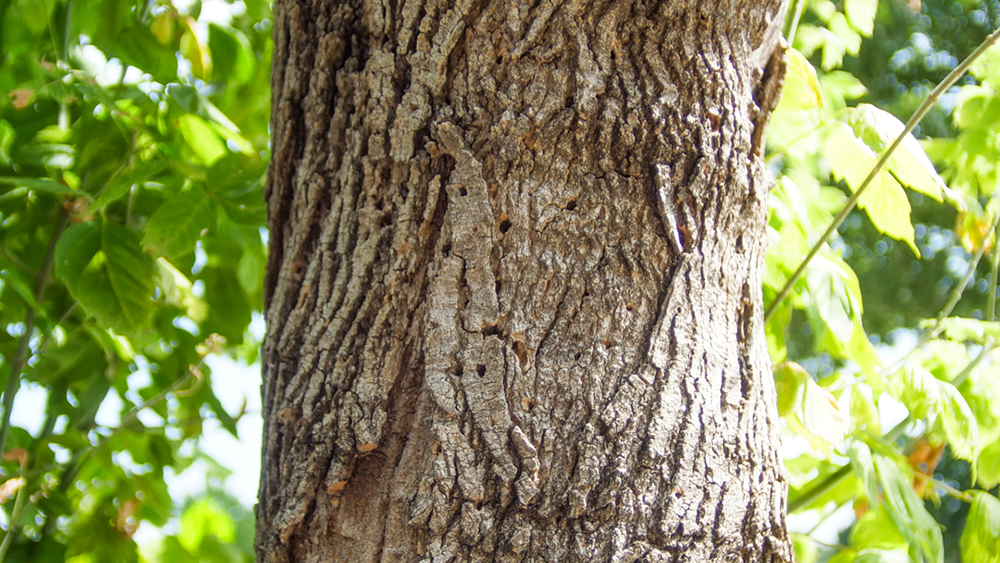
Increased Pest Activity
Trees experiencing drought stress are often more vulnerable to insects and diseases. As natural defenses weaken, opportunistic pests can take advantage of already stressed trees.
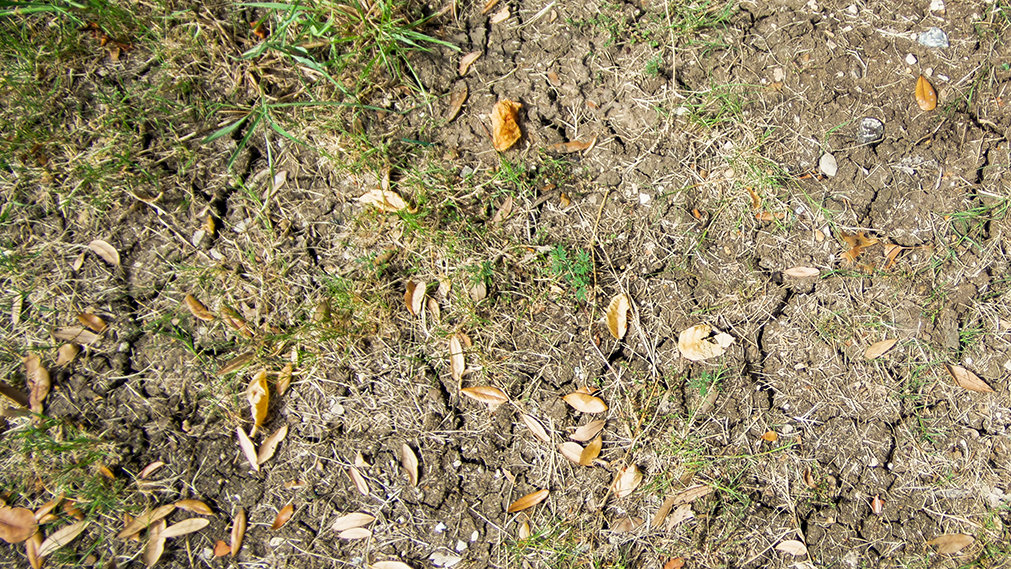
Dry, Cracked Soil
The condition of the soil can offer important clues about tree health. Dry, compacted, or cracked soil may indicate that roots are not receiving adequate moisture, making it more difficult for the tree to cope with extreme heat.
Helping Heat-Stressed Trees Recover
Consistent, deep watering is one of the most effective ways to help trees cope with heat and drought stress. By maintaining adequate soil moisture throughout the root zone and giving extra attention to trees showing visible signs of stress, homeowners can help support tree health during extended periods of hot, dry weather.
To support tree health during hot weather:
- Water deeply and consistently during extended dry periods
- Apply organic mulch to help retain soil moisture and moderate soil temperatures
- Avoid excessive pruning during periods of extreme heat
- Monitor trees for signs of insect activity or disease
- Consult an ISA Certified Arborist® if symptoms worsen or persist
Early recognition and proper care can help North Texas trees navigate the challenges of summer heat and recover more successfully when cooler weather returns. While extreme heat is a familiar part of life in North Texas, healthy trees are better equipped to withstand stress and continue thriving for years to come. A little attention during the hottest months of the year can make a lasting difference.
 PREV BLOG
 Related Blogs
Similar blogs related to this topic
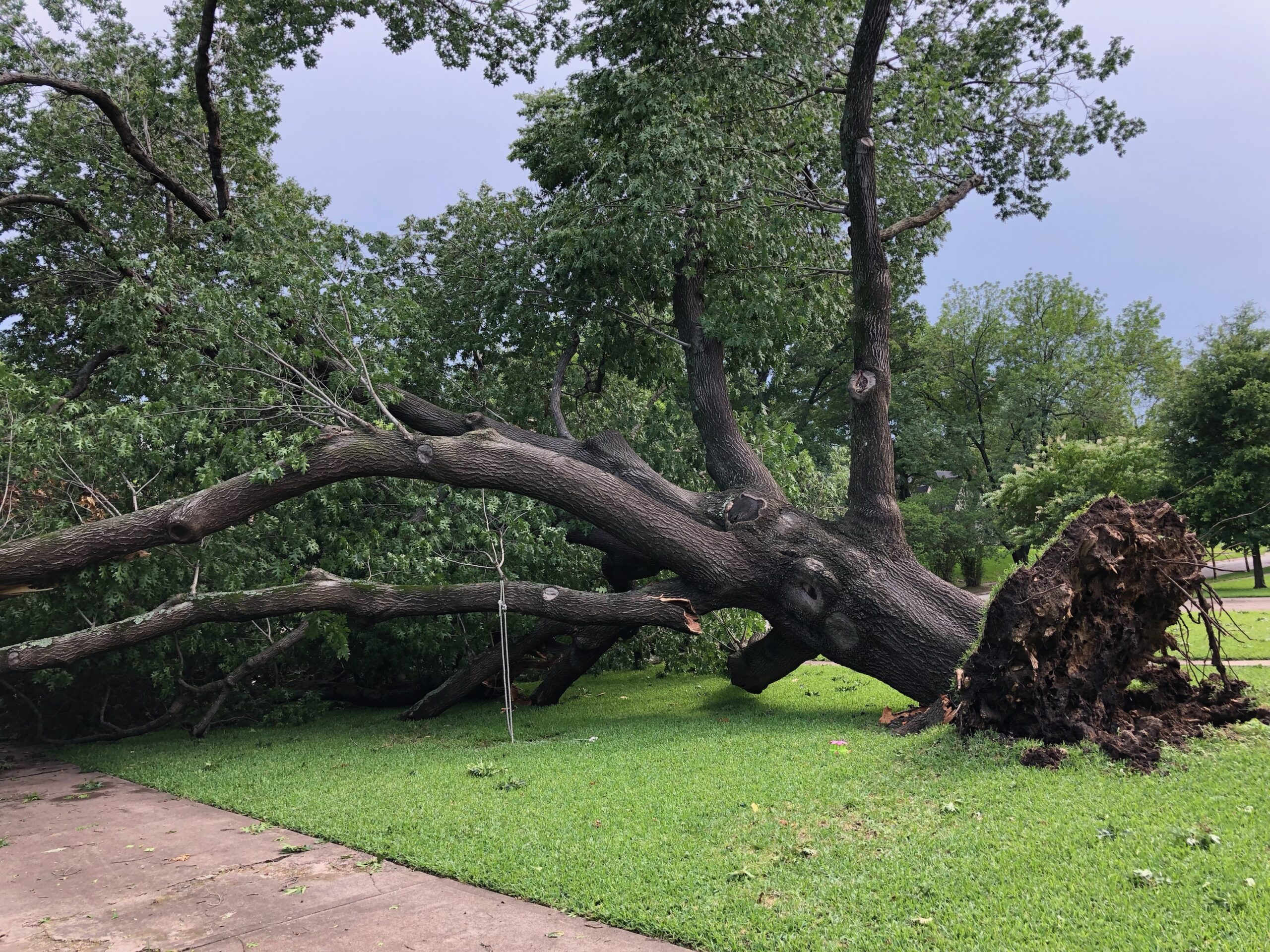
Leaning Trees Post Heavy Rain
Heavy rain followed by long period of drought can cause significant shifting in our soils. This can be concerning for trees that have shallow roots. Heavy Rain Doesn’t Mean Tree Failure Healthy trees that are structurally…
Read more
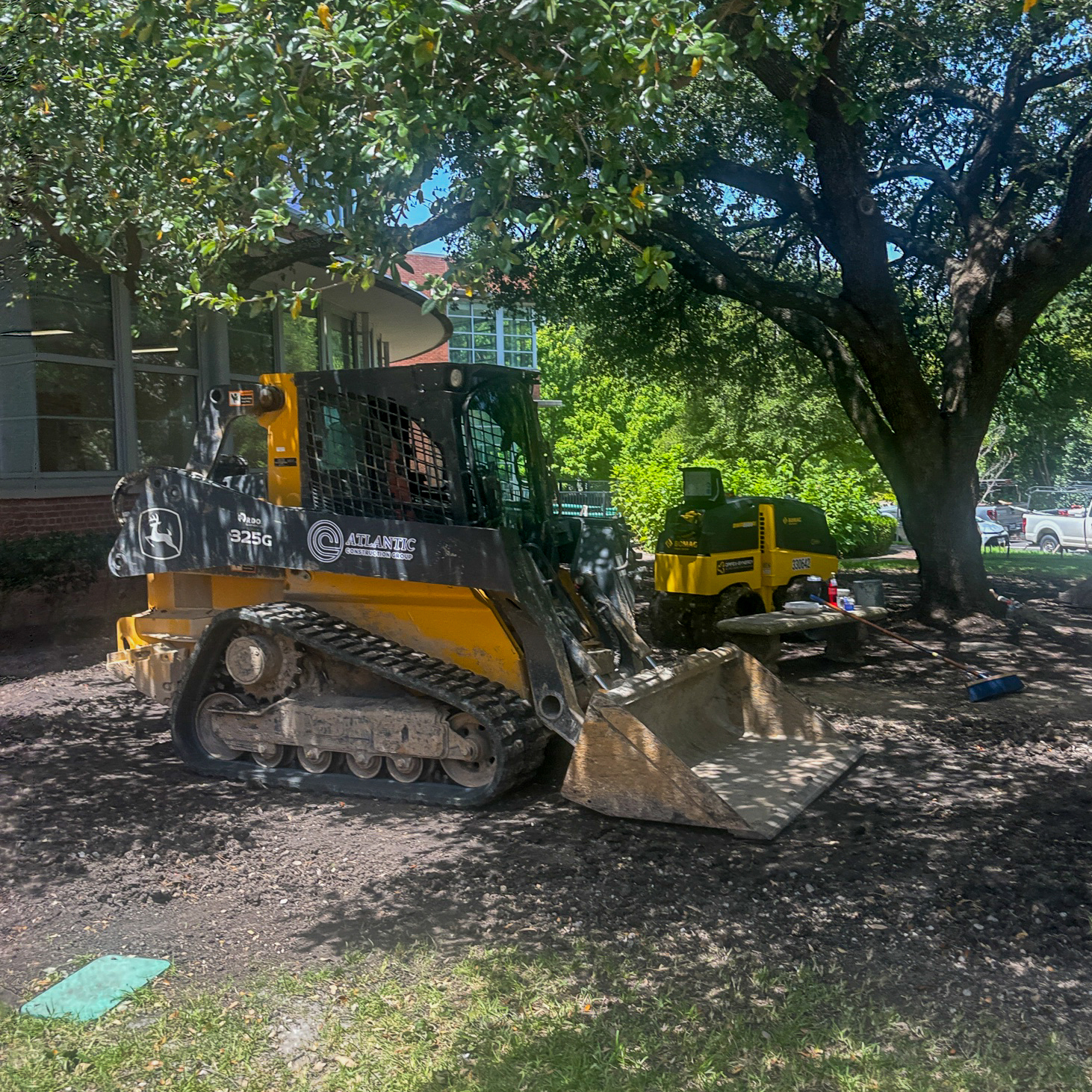
Is There Anything you can do to Correct Compaction Issues Caused by Construction?
Correcting soil compaction requires a combination of physical loosening of the soil (aeration), biological improvement (microorganisms), continued protection. Vertical Mulching Mechanical / Physical Solutions Mechanical/Physical solutions are usually the quickest way to break up severely…
Read more
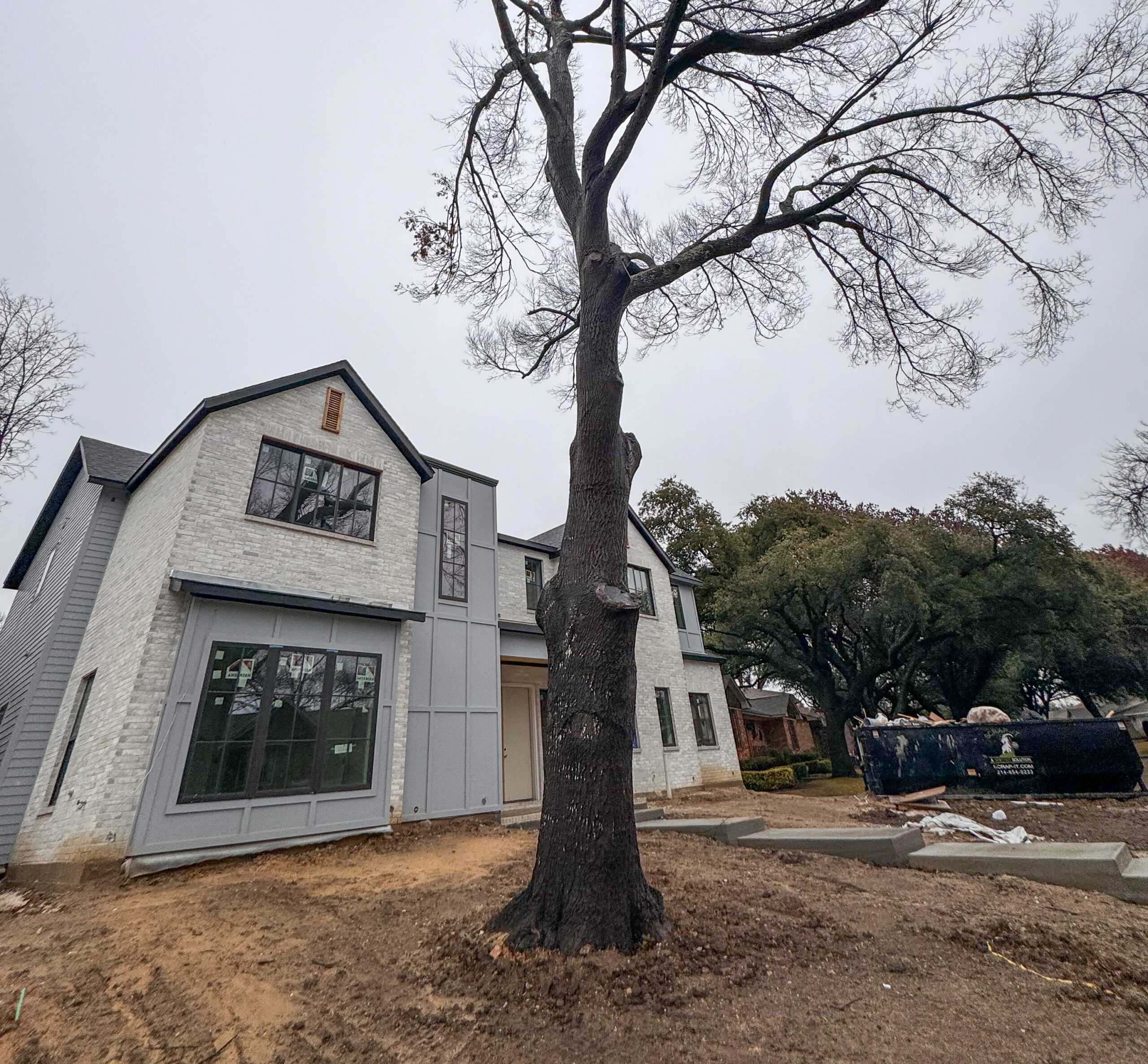
Avoid Costly Mistakes with Your Trees During Construction Projects
When planning for a rebuild or renovation of your home one thing that consistently gets overlooked is proper tree protection. Trees are living organisms that need to be protected and accounted for prior to construction…
Read more