Your Guide for Pecan Trees in North Texas

Pecan trees are about as Texan as it gets—long-lived, generous, and a little particular about how they’re treated. With the right approach, they provide both dependable shade and a seasonal harvest. Not a bad return for a single planting. Here’s how to grow them well in North Texas—without making it harder than it needs to be.
Choosing the Right Variety
Success with pecans starts before you ever pick up a shovel.
In North Texas, a few varieties consistently rise to the top for their reliability and performance. Pawnee, Desirable, and Choctaw are all widely recommended through Texas A&M guidance, each offering distinct strengths. Pawnee stands out for its early ripening, often avoiding late-season disease pressure. Desirable is known for its high-quality nuts and strong productivity, though it benefits from attentive management in wetter years. Choctaw offers notable yield potential and large nut size when grown in favorable conditions.
There’s no one-size-fits-all cultivar but starting with these provides a balanced approach – combining timing, quality, and productivity without overcomplicating the decision. And a practical note: pecans are not small trees. Mature specimens can reach 80–100 feet in height with extensive root systems. Plant accordingly—this is a long-term investment in both space and structure.
Soil, Water, and Site Conditions
Pecans perform best in deep, well-drained, loamy soils with adequate moisture-holding capacity. In much of the DFW area, where clay soils are common, proper site preparation and drainage are especially important.
A soil test is a valuable starting point. Ideally, soil pH should fall between 6.0–6.5, supporting optimal nutrient availability. Pecans will tolerate alkaline conditions, but performance is typically better when soil chemistry is managed proactively.
Watering: Consistency Over Rigidity
Young pecan trees require consistent moisture to establish a strong root system. Rather than adhering to a fixed schedule, irrigation should be guided by site conditions – including soil type, weather, and tree age.
Water deeply when the soil begins to dry below the surface. During hot, dry stretches, this may mean watering more frequently. During cooler or rainy periods, much less.
Established trees are more drought-tolerant, but they are not immune to stress—especially during extended Texas summers or nut development. A layer of mulch helps conserve moisture and regulate soil temperature. Just keep it away from the trunk—pecan trees like airflow at the base as much as anything.
Fertilization: Feed What the Tree Actually Needs
Pecans are productive trees, which means they’re also nutrient-demanding.
Nitrogen is key for growth, and it is common practice to apply fertilizer in late winter to support the upcoming season. But more important than routine fertilizing is responsive fertilizing—paying attention to what the tree is telling you. Leaf color, shoot growth, and overall vigor can guide adjustments throughout the season.
One standout nutrient for pecans is zinc. Deficiency is common in Texas soils and shows up as small, misshapen leaves. Foliar zinc applications are often the most effective correction. Regular leaf sampling for nutrient analysis can also aid in adjusting fertilization plans as needed.
As with most things in tree care: more isn’t better. Over-fertilizing can create fast, weak growth and reduce nut quality—exactly the opposite of what you want.
Pruning: Keep It Strong and Open
Pecans benefit from thoughtful pruning, especially early on.
Focus on maintaining a strong central structure and removing dead, damaged, or crowded branches. A well-spaced canopy allows better sunlight penetration, which supports healthier growth and more consistent nut production.
Plan major pruning in late winter while the tree is dormant. Avoid heavy cuts all at once; a steady approach keeps the tree balanced and reduces stress.
In North Texas, where storms and heavy winds aren’t uncommon, good structure isn’t just aesthetic—it’s practical.
Pests and Disease: Stay Observant, Not Overwhelmed
Pecan trees come with their share of challenges, most notably pecan scab, aphids, and pecan weevils.
The key isn’t perfection—it’s awareness.
Check your trees regularly, especially during the growing season. Early signs—leaf spots, sticky residue, or premature nut drop—are much easier to address than full-blown issues.
Healthy trees are naturally more resistant, which is why proper watering, nutrition, and pruning matter so much. Good airflow and sanitation (removing fallen debris) also go a long way in reducing disease pressure.
Start with simple, targeted solutions when problems arise. In many cases, a small adjustment is enough. When intervention is needed, timing matters—especially for pests like weevils.
Or, to put it simply: stay attentive, not reactive.
Accept that unless you are in the nut production business, pecans make great shade trees and harvesting a crop is a bonus. There will always be a share of that crop given to nature or wildlife. Acceptance will maintain a healthy tree without heavy maintenance for you.
Harvesting and Storing Pecans
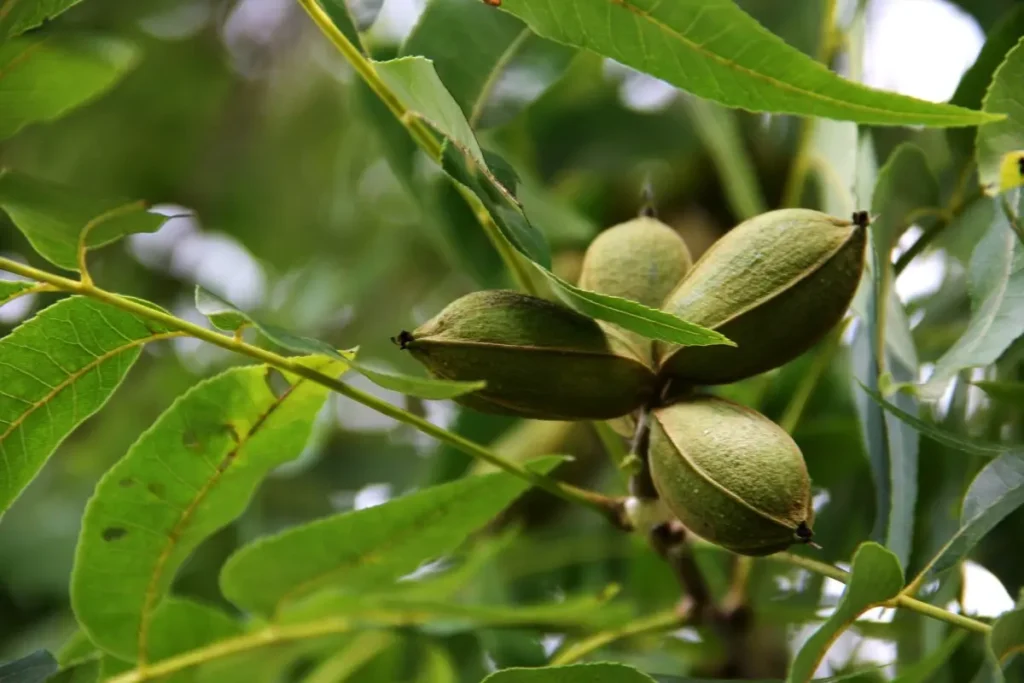
In the Dallas–Fort Worth area, pecans typically ripen from late September through early November. You’ll know they’re ready when they begin to drop naturally from the tree. You can encourage the process with a gentle shake, but patience usually does the job just fine.
Once collected, dry pecans in a single layer in a well-ventilated area. Proper drying prevents mold and preserves quality. For storage, keep them in airtight containers in a cool, dry place—or freeze them for longer shelf life. Done right, pecans can stay fresh for up to a year.
Why It’s Worth the Effort
Pecan trees aren’t fast—but they are worthwhile.
With a bit of patience and good care, they offer shade, structure, seasonal interest, and a harvest that only gets better over time. They’re also one of the few landscape trees that feel equally at home in a backyard or across generations.
Put in the effort early—smart planting, attentive care, and a willingness to adjust—and your tree will do what pecan trees tend to do best: settle in, grow strong, and quietly deliver.

At Texas Tree Surgeons, we love trees and we love our community! Our ISA Certified Arborists and ISA Board Certified Master Arborists are happy to provide consultations to help your pecan trees thrive. Whether that be annual assessments on already established trees, or for tree selection, placement, planting and care. Contact us today to find out more!
 PREV BLOG
Related Blogs
Similar blogs related to this topic

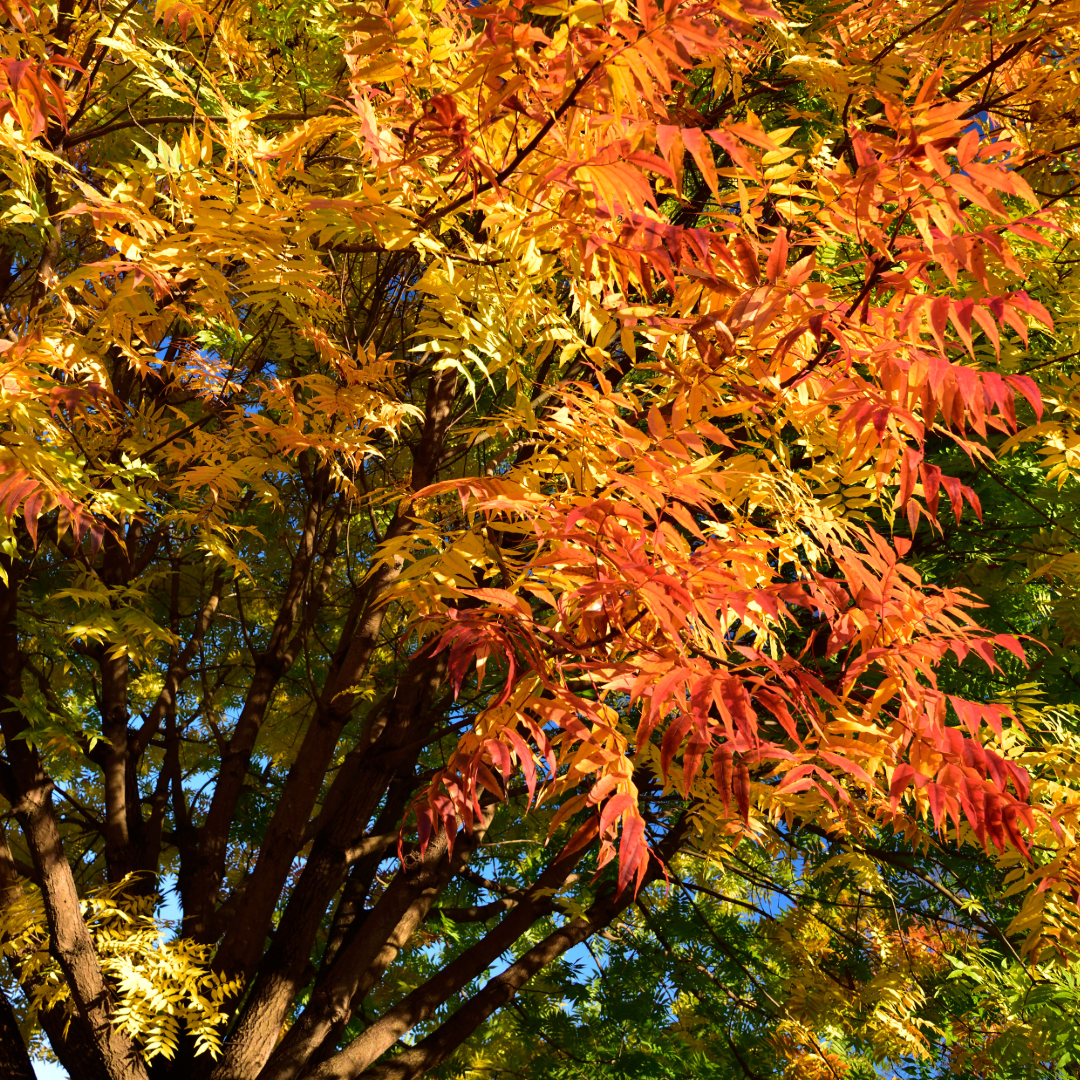
How to Grow and Care for Chinese Pistache Trees in North Texas
The Chinese pistache (Pistacia chinensis) is the kind of tree that earns its place—brilliant fall color, impressive durability, and a knack for thriving where others struggle. It’s no surprise it’s a North Texas favorite. But…
Read more
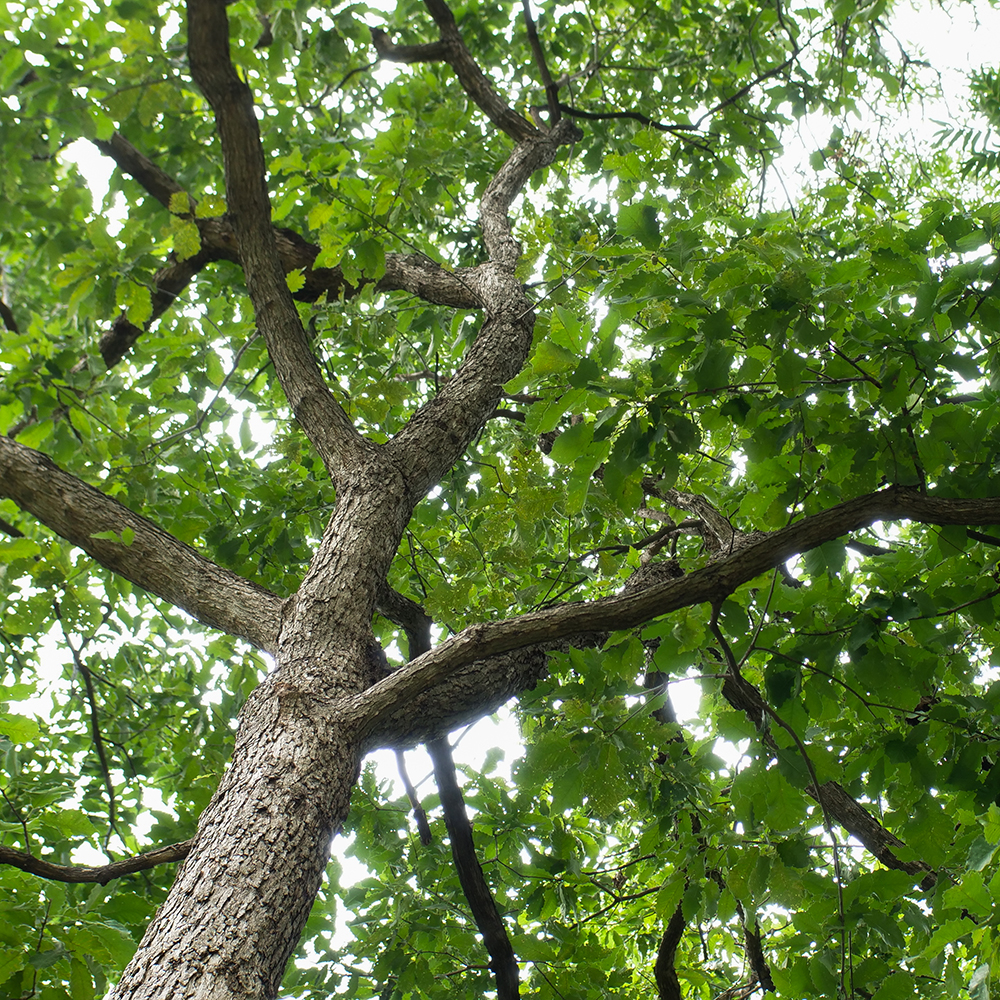
Chinquapin Oaks in DFW: A Sustainable and Reliable Tree Choice
If you’re looking for a shade tree that can handle North Texas conditions while adding long-term value to your landscape, the Chinquapin oak (Quercus muehlenbergii) is worth a closer look. This native Texas tree is…
Read more
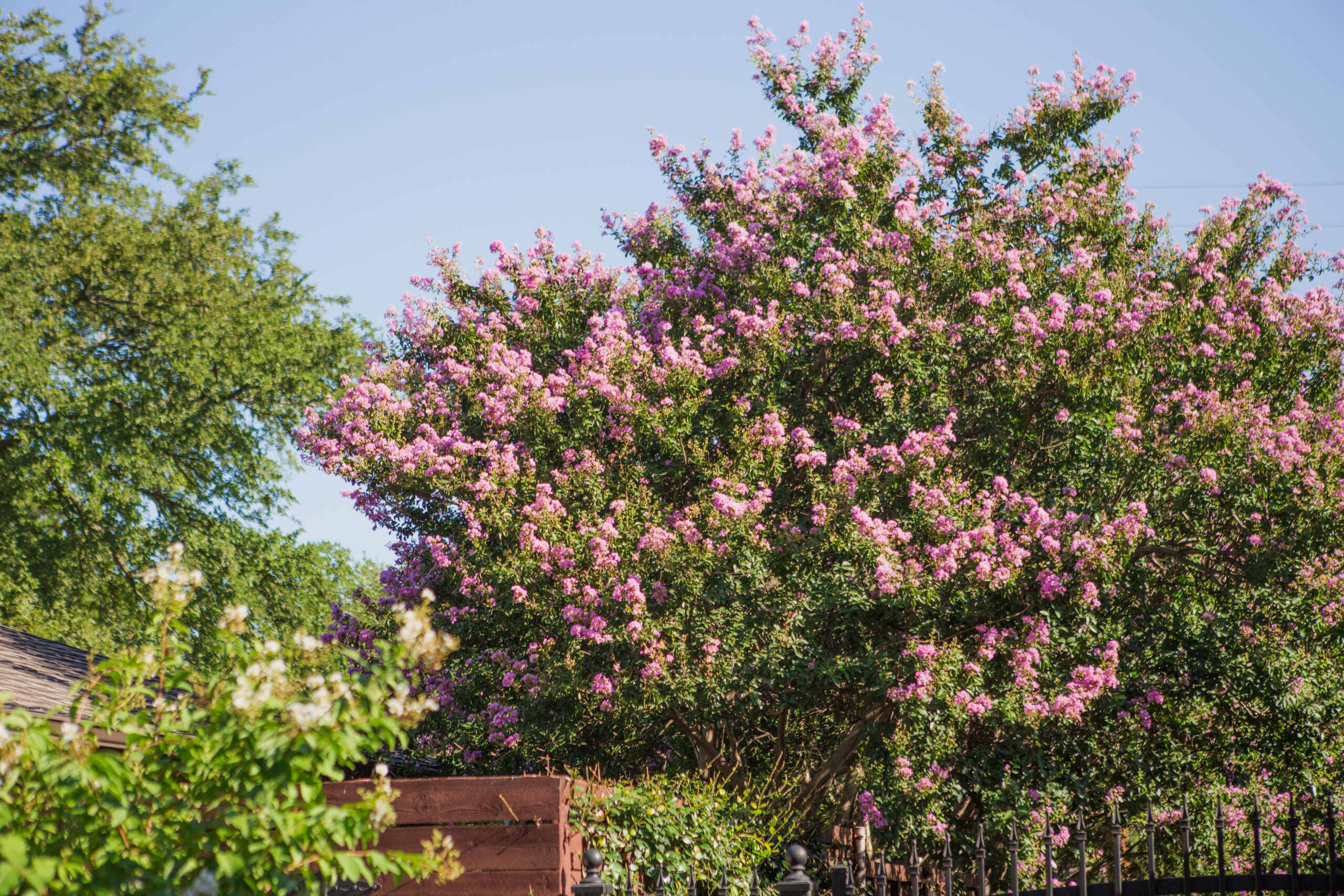
Crape Myrtle Care Made Easy: 9 Tips for North Texas Landscapes
Crape myrtles are a favorite across the Dallas-Fort Worth area thanks to their vibrant summer blooms, adaptability, and long season of interest. While these trees are relatively low maintenance, a few region-specific care practices can…
Read more