Is it a Tree or a Shrub?

An Arborist’s Perspective
From an arborist’s point of view, the difference between a tree and a shrub isn’t just about labels – it’s about how a woody plant grows, functions, and supports the surrounding environment over time. Arborists consider mature size, structure, and long-term management needs, not just how a plant appears when it’s first installed. These characteristics influence everything from shade and stormwater management to habitat value and energy savings. Understanding these differences helps homeowners make better choices, support healthier landscapes, and avoid common issues as plants grow and ecosystems mature.
Size and Growth Potential
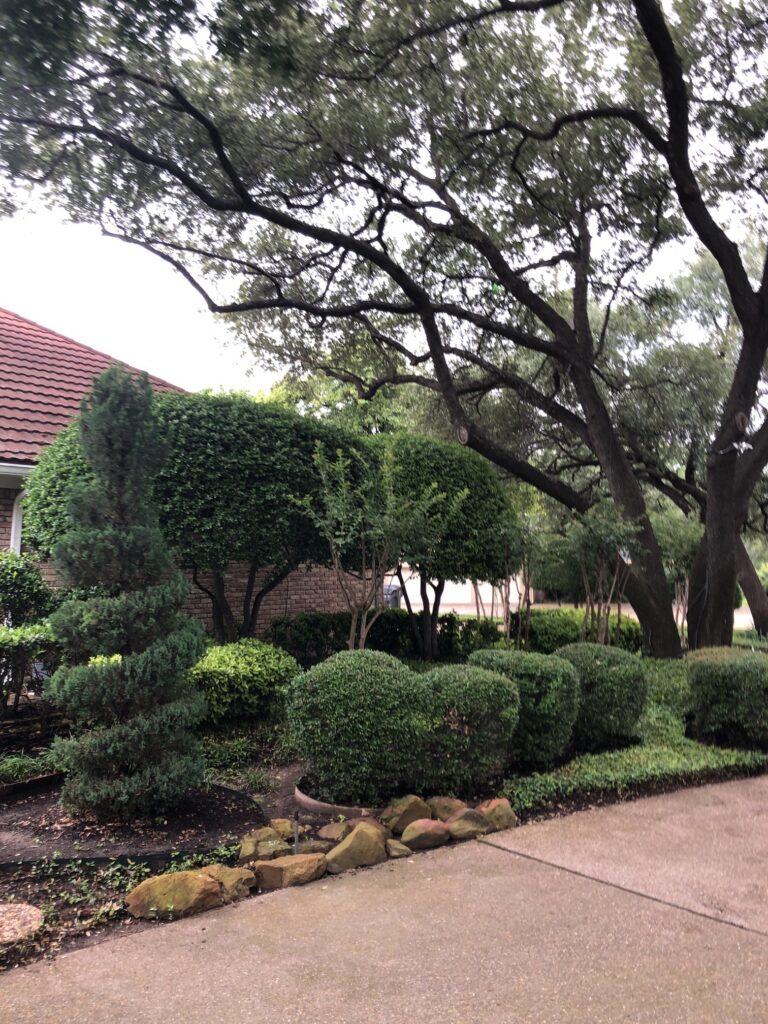
Trees are commonly described as woody plants that grow taller than 15-20 feet and form an elevated canopy, while shrubs tend to stay closer to the ground and fill understory and border roles. There are always exceptions to this general guideline. What matters most is a plant’s growth potential.
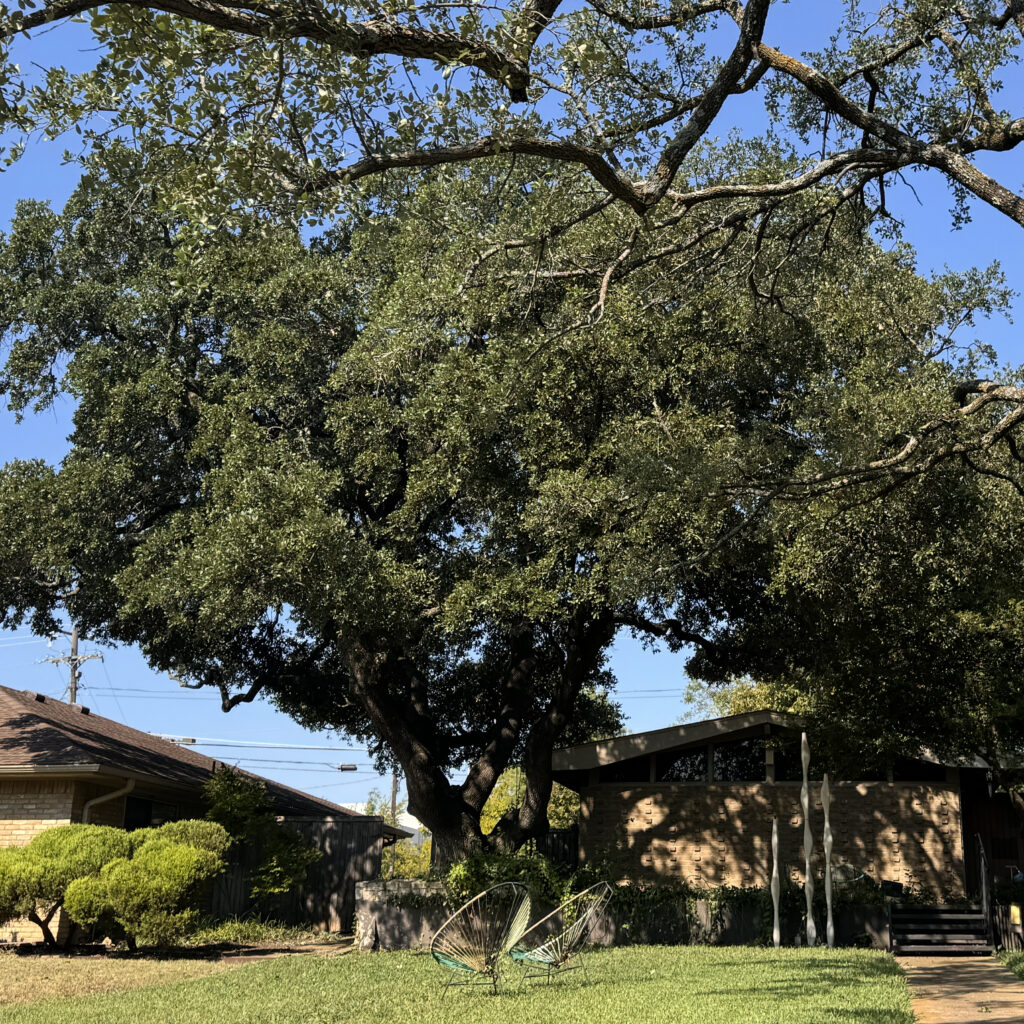
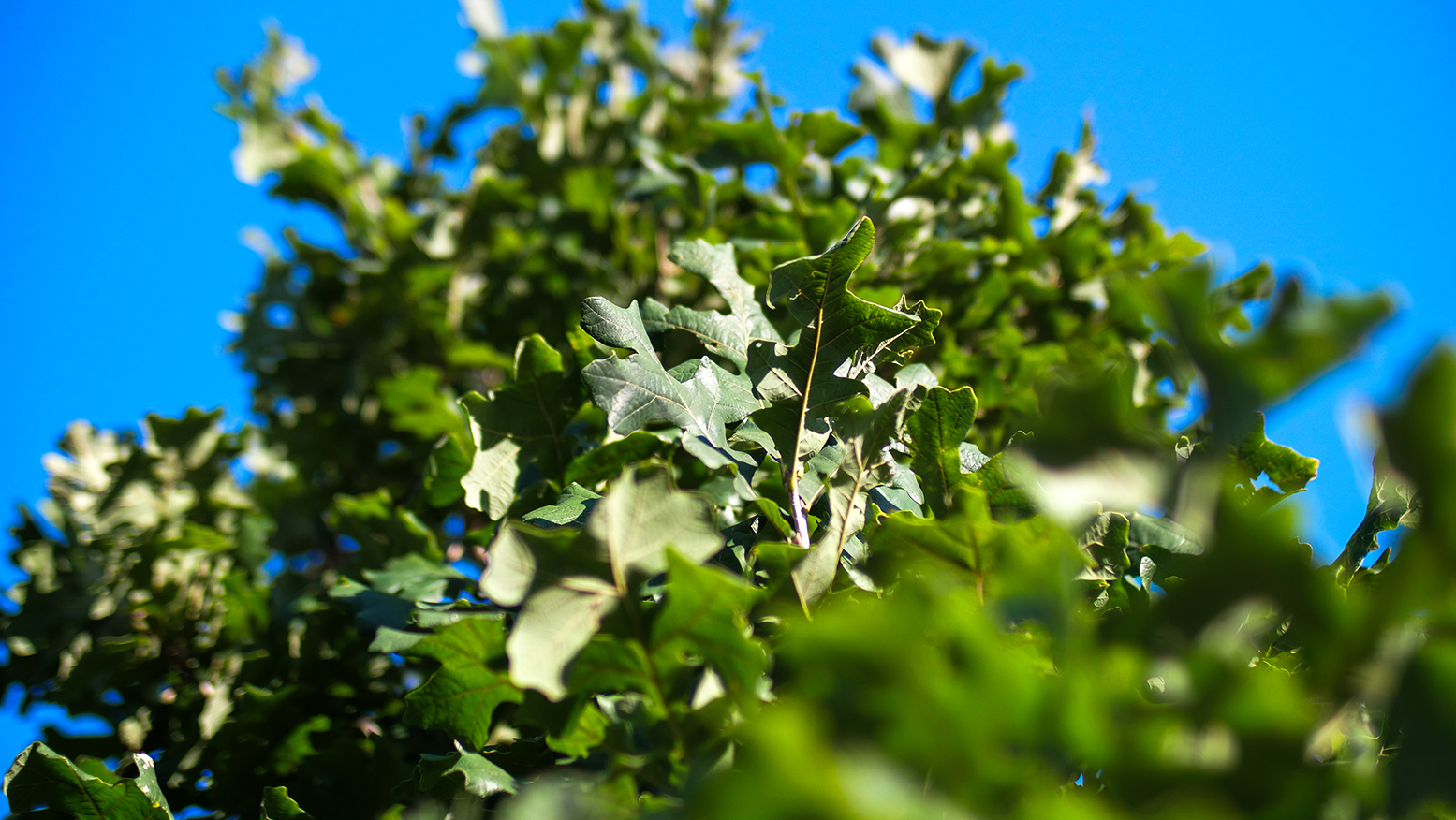
A plant that appears compact today may eventually become large and dominant. Arborists plan for this future size because it influences spacing, pruning needs, safety, and compatibility with nearby structures. Size also influences how plants function in the landscape and contribute environmentally. Large canopy trees, such as oaks, provide extensive shade and create layered habitats, shaping light conditions, moderating temperatures and supporting greater plant diversity below.


Structure and Form
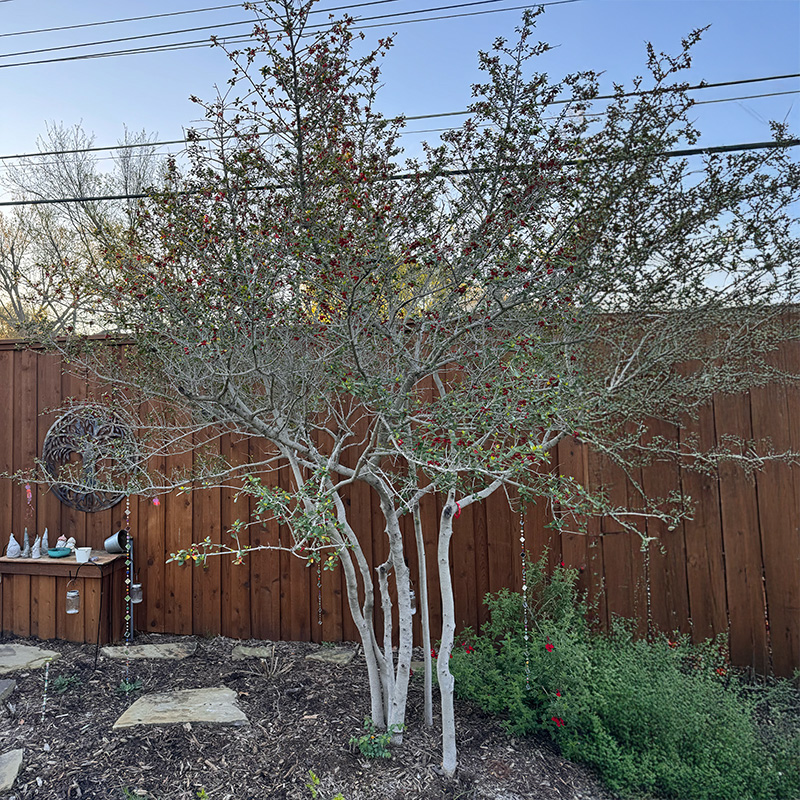
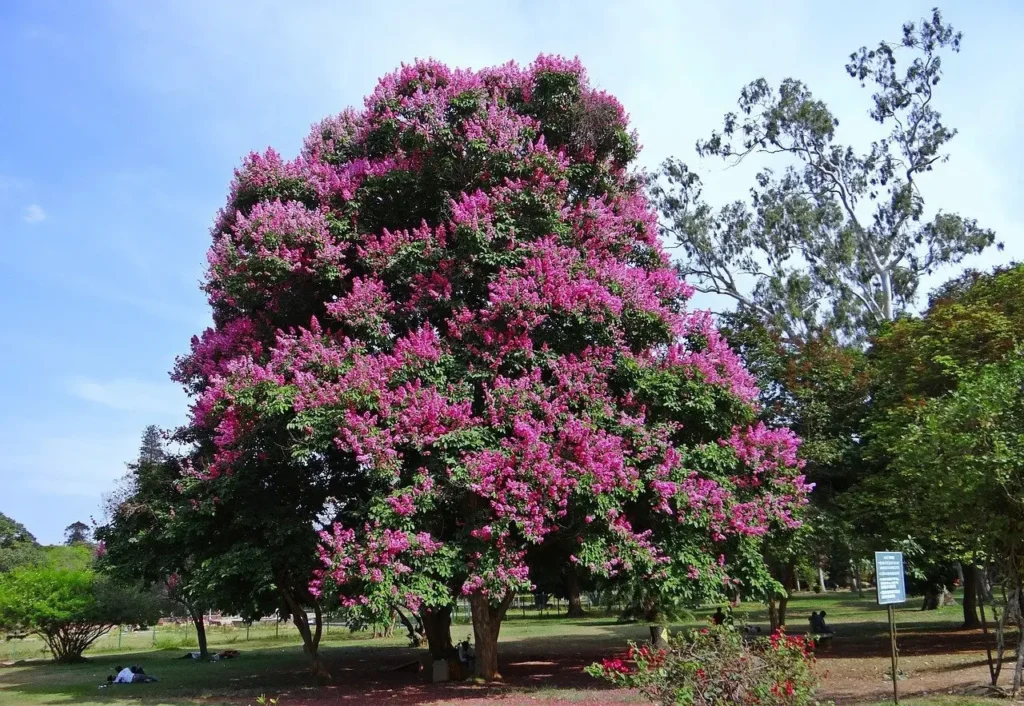
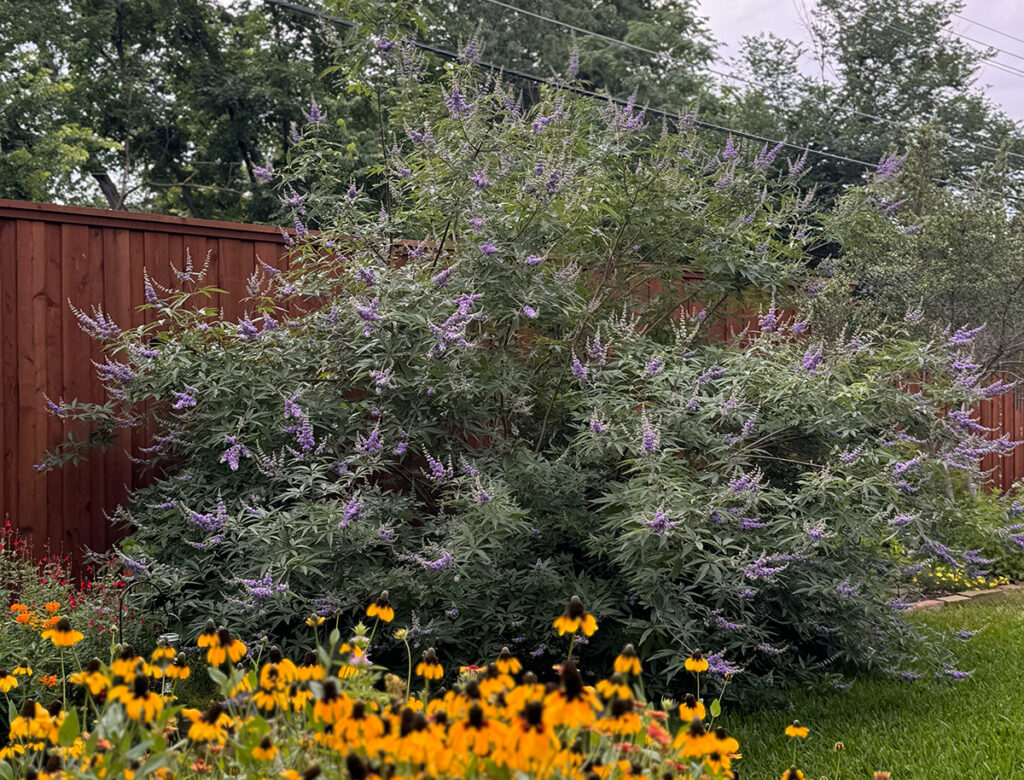
Trees generally develop a single main trunk that supports their overall height and canopy spread, while shrubs tend to grow with multiple stems from the base, creating a fuller or more sprawling form. This structural difference guides how each type of plant is managed.
Trees are cared for with an emphasis on structural integrity and strong branch attachment, while shrubs are maintained to manage density, natural shape, or flowering. Some plants – such as yaupon holly, possumhaw, crape myrtle, vitex, and Texas mountain laurel – can function as either trees or shrubs, although they often perform best when allowed to grow in their natural multi-trunk form.
Longevity and Roots
Trees are long term landscape investments, often lasting decades or more when properly placed and cared for. Shrubs may have shorter lifespans and are generally easier to replace as landscapes evolve.
Below ground, both trees and shrubs have wide spreading roots, but trees rely on larger root systems for support and stability. That’s why proper placement is especially important with trees – good decisions early help prevent conflicts with infrastructure while also protecting long-term health and maximizing the return on your green investment.
Some trees may endure for generations, giving them a lasting presence in landscapes and ecosystems alike. Many shrubs are faster growing and may provide more flexibility and faster growth in urban settings.
Different Roles, Shard Benefits
Trees and shrubs play different but complementary roles. Tree canopies provide shade, cooling, and long-term environmental benefits, while shrubs offer privacy, habitat, and visual structure closer to the ground. When selected and maintained thoughtfully, both contribute to healthier, more resilient landscapes.
An Arborist’s Takeaway
The real question isn’t “tree or shrub?” – it’s what role do you want the plant to play, and how much space do you have for it to grow?
By planning with structure, longevity, and function in mind, homeowners can enjoy landscapes that last longer and require fewer corrections over time. An ISA Certified Arborist can help guide those decisions from the start.

At Texas Tree Surgeons we love trees. This includes all woody plants, including shrubs. As always, let us know if you have any questions or concerns about the health of your trees or shrubs.
 PREV BLOG
Related Blogs
Similar blogs related to this topic

How to Make Sure Your New Tree Establishes and Survives the First 5 Years
Properly planting a tree is just the beginning. The immediate years following planting are often the toughest. Newly planted trees are most susceptible to extreme environmental and physiological stresses. Follow proper watering, mulching, and pruning…
Read more
Current Tree Watering Guidelines for Newly Planted Trees
Tree Watering for Newly Planted Trees Newly planted trees require consistent moisture while their root systems become established. North Texas heat, drought, and heavy clay soils can make this especially challenging. The schedule below is…
Read more
Current Tree Watering Guidelines for North Texas
Tree Watering for Newly Planted Trees Newly planted trees require consistent moisture while their root systems become established. North Texas heat, drought, and heavy clay soils can make this especially challenging. The schedule below is…
Read more