Hail Damage and Trees

Beware of hail damage on your tree. If your tree is severely damaged from hail do not stand under the drip line (canopy) until it has been professionally assessed by a TRAQ certified arborist and all hazards have been removed.
How does hail damage trees?
Hail creates wounds on bark that cause structural weakness by allowing rotting pathogens to enter, as well as disease and insects.
These wounds often go unnoticed because they are on the top portions of branches and cannot be seen from under the tree.
What to look out for with young trees damaged from hail
Younger trees or trees with thinner bark suffer the most amount of damage in a hailstorm. The effects of this damage will be seen much later in the year. Preventative care is the best and often only option.
What to look out for with evergreen trees damaged from hail
This time of year, evergreen trees (like live oaks and magnolias) will experience the most damage. Most of these trees recently expended their energy with a seasonal leaf exchange, so they will have to use reserve energy to grow new leaves. Evergreens will also have physical damage and be more likely exposed to Oak Wilt from these wounds.

How to care for tree damaged from hail?
Having a certified arborist assess your trees and preform structural pruning to reduce the amount of wounded wood is critical.
If your tree is damaged by the hail storm we recommend being regular with watering this summer because any additional environmental stress will compound health issues for the tree. The vascular system of a tree is under the bark layer and when this is damaged, the tree will have a reduced ability to uptake water and preform photosynthesis.
In addition we recommend a soil amendment/ fertilization program for stressed and drought effected trees. When providing a tree with proper nutrients one must use a mild organic based fertilizer with low nitrogen.

How does hail damage trees? Weakened trees are more susceptible to disease, insects, and other pathogens. Each additional stress a tree incurs will diminish its health. Call today to schedule an assessment with one of TRAQ certified arborists.
 PREV BLOG
Related Blogs
Similar blogs related to this topic
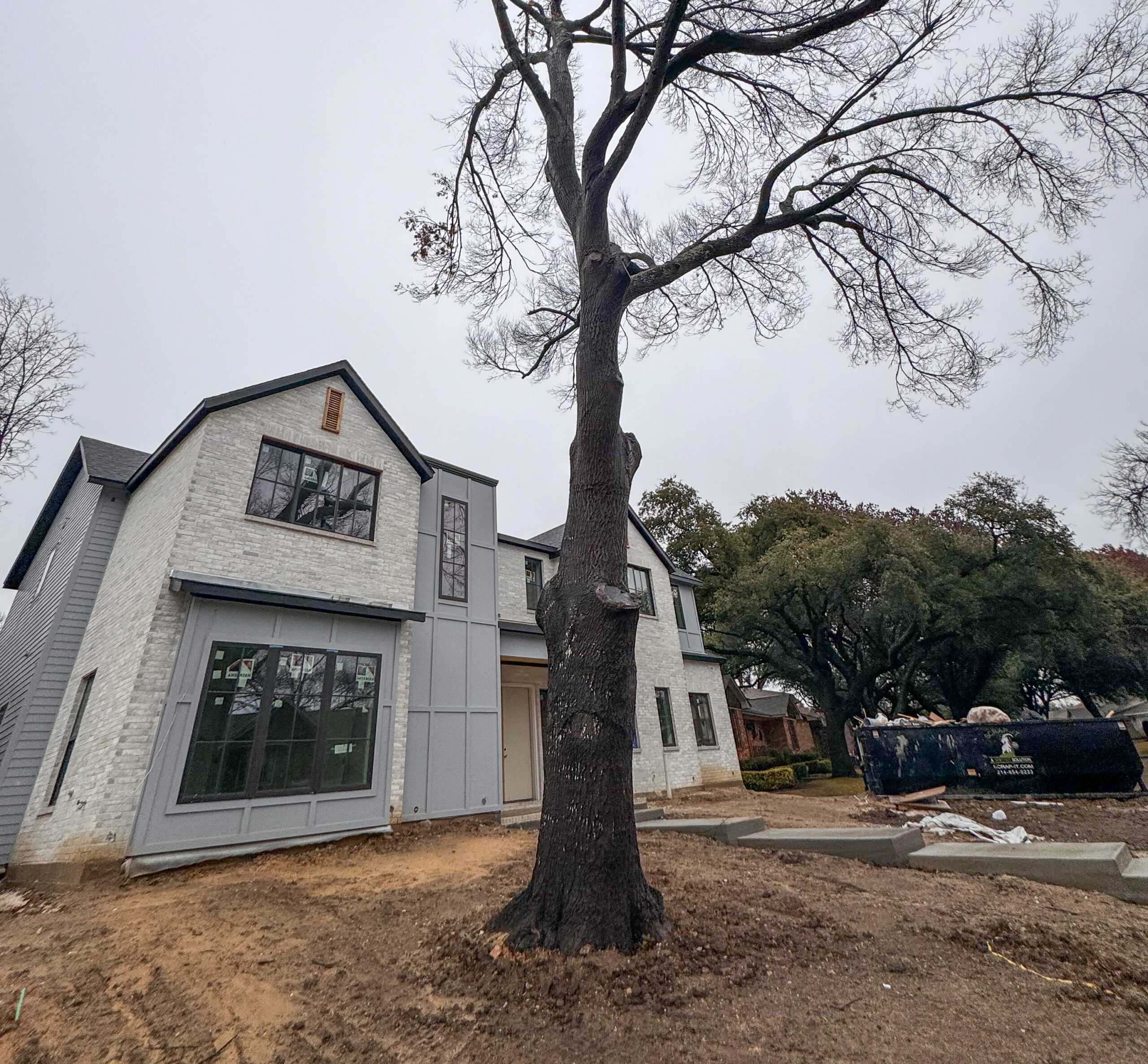
Avoid Costly Mistakes with Your Trees During Construction Projects
When planning for a rebuild or renovation of your home one thing that consistently gets overlooked is proper tree protection. Trees are living organisms that need to be protected and accounted for prior to construction…
Read more
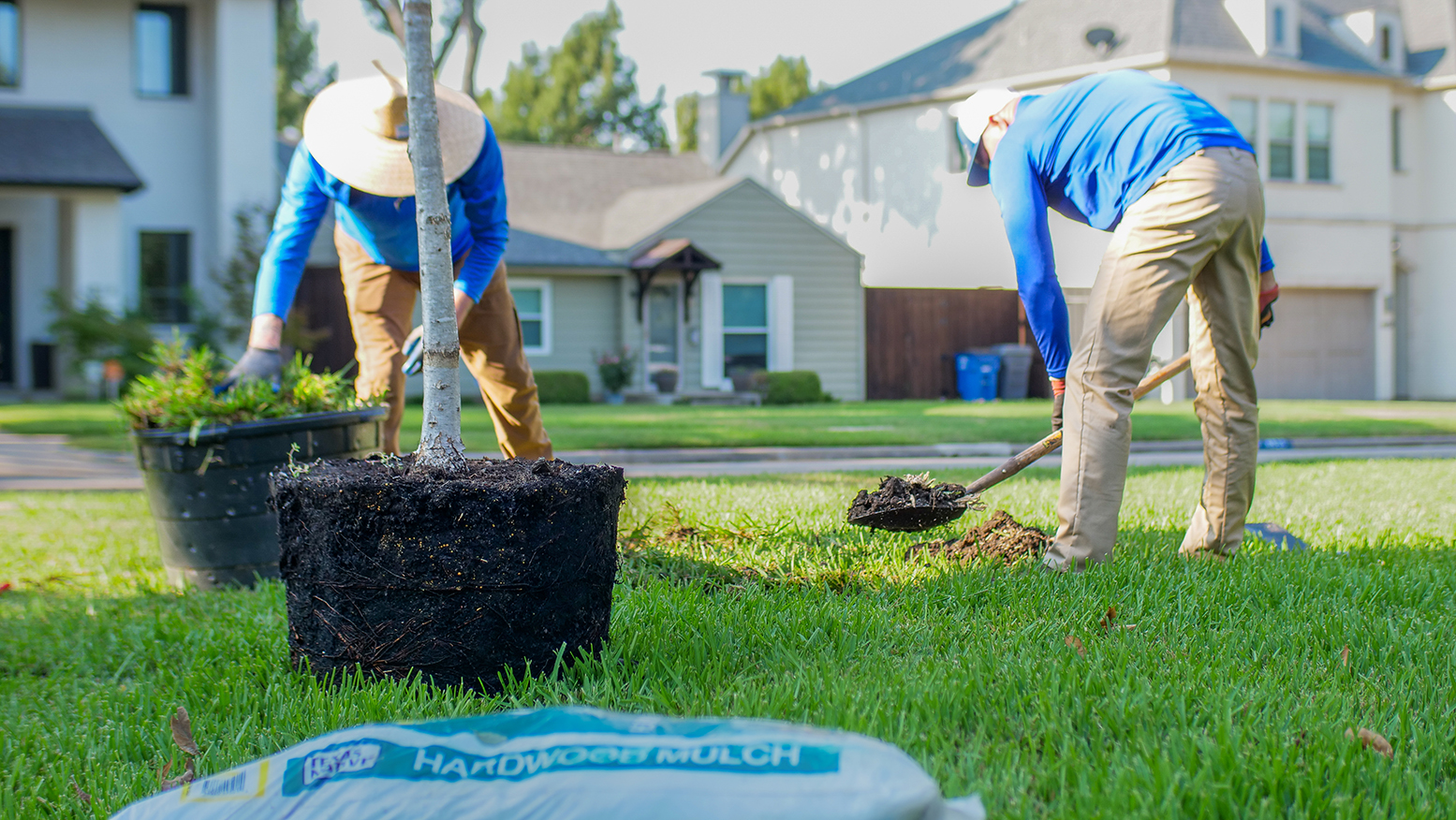
When is the Best Season to Plant Trees in Dallas?
Planting trees when temperature is more mild in Texas will bring about the best outcomes in tree establishment and health. Keep in mind summers have been extremely brutal so planting a tree in spring is…
Read more
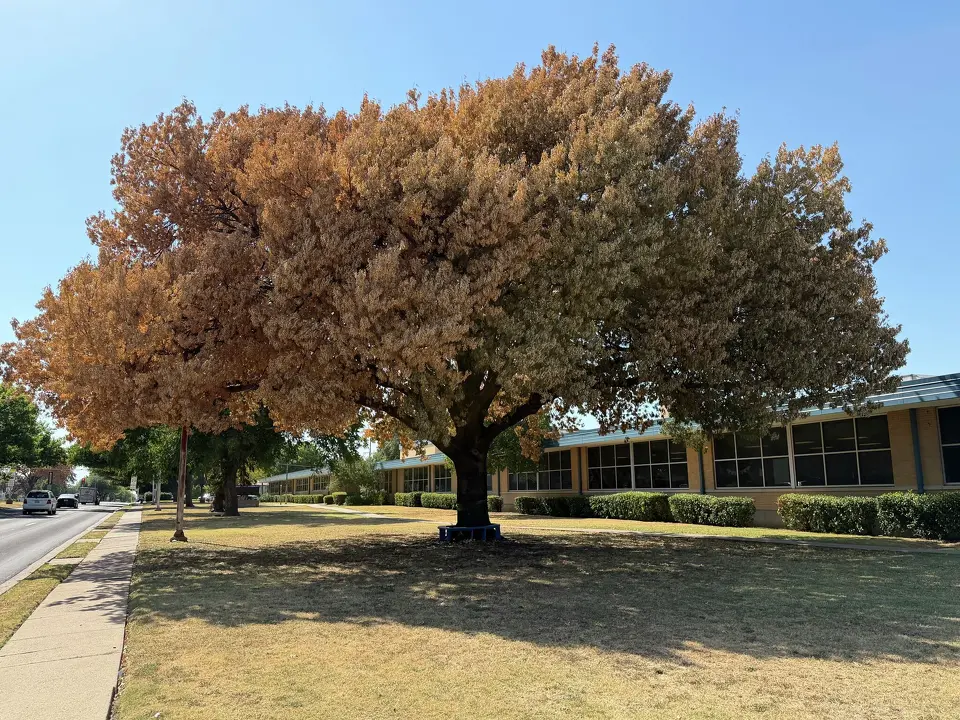
The Dallas Morning News | Constant State of Stress
We spoke with The Dallas Morning News about heat stress and what North Texans can do to help their trees recover. “Here in Texas, we go through these droughts all the time,” King said. “This…
Read more