Post-Drought Tree Care for North Texas
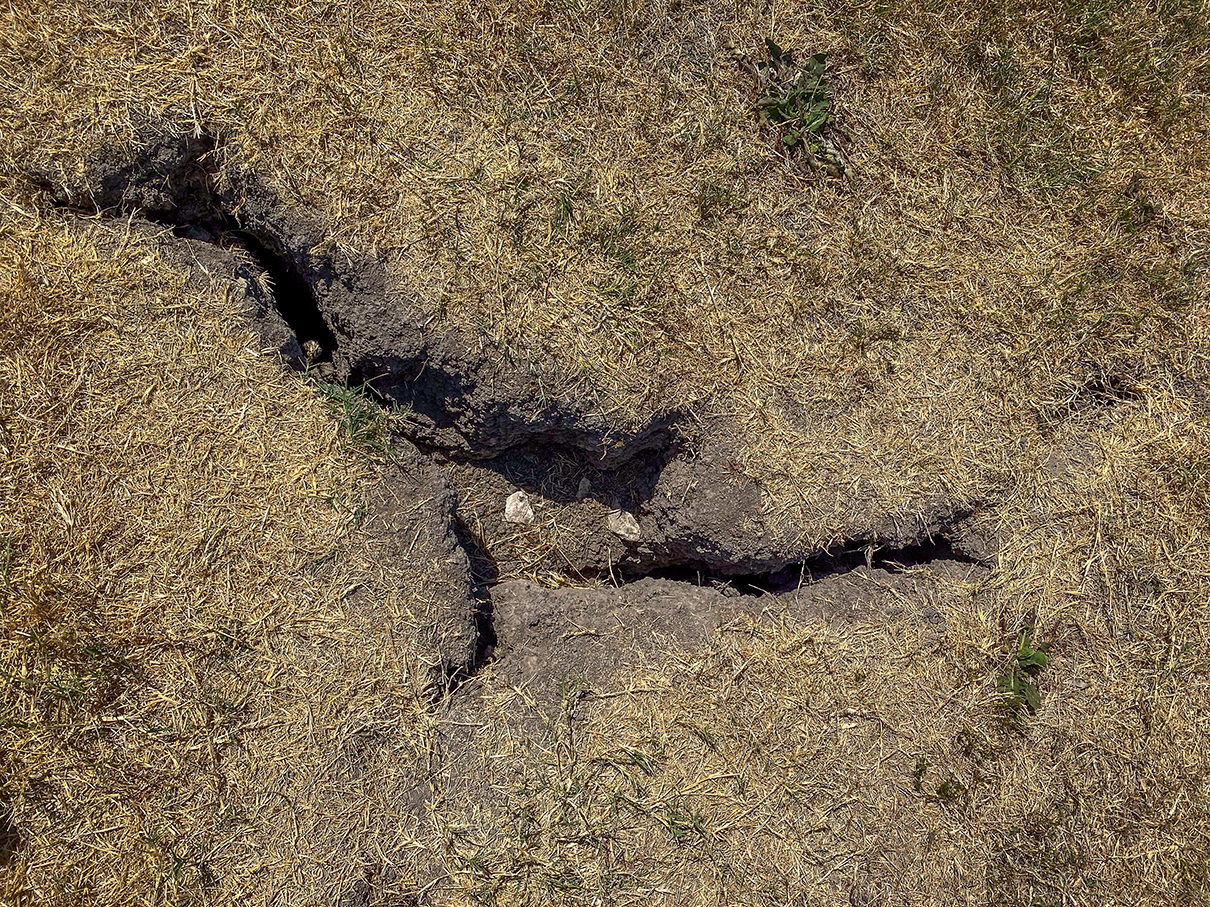
The drought may be over, but the stress on your trees isn’t.
After prolonged heat and drought, trees can continue showing signs of stress well after rainfall returns. Fine-root loss, compacted soil, reduced water absorption, and depleted soil conditions can all slow recovery.
A good post-drought tree care program focuses on rebuilding the soil and root system:

Vertical Mulching
Creating small openings throughout the root zone helps relieve soil compaction and improves the movement of oxygen, water, and nutrients into the soil.
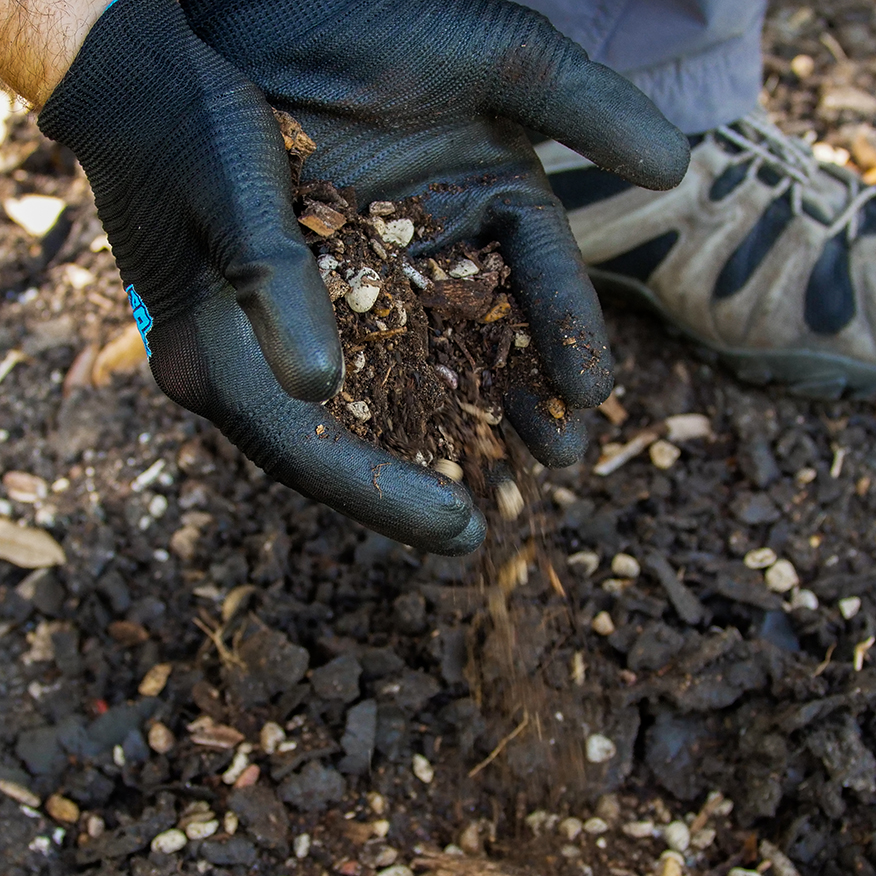
Soil Amendments
Incorporating appropriate organic matter and soil amendments can improve soil structure and create better conditions for new fine-root development. Fertilization should be based on the tree’s needs and site conditions rather than simply pushing new top growth.
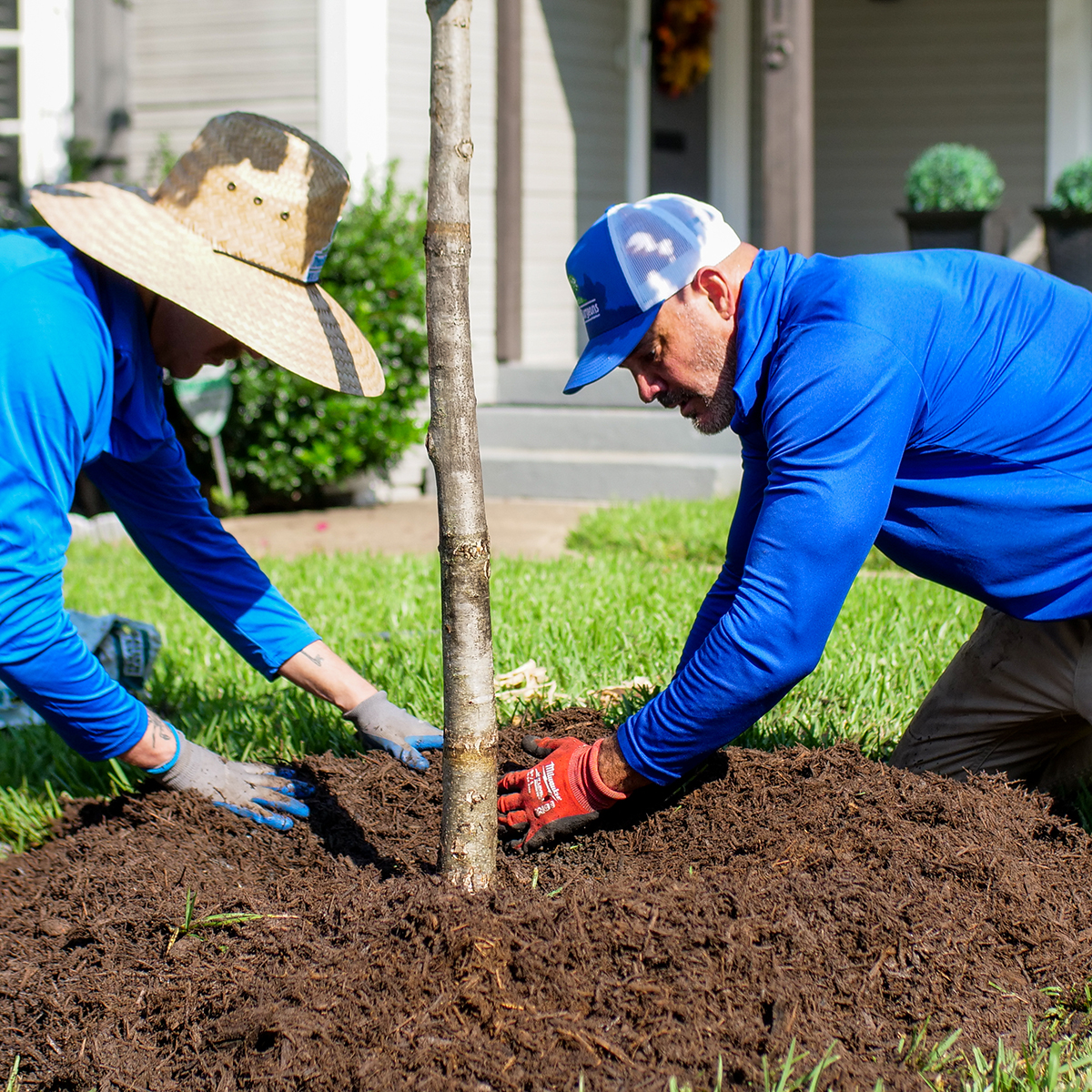
Proper Mulching
Proper Mulching – Applying approximately 2–4 inches of organic mulch over the root zone helps conserve soil moisture, moderate soil temperatures, reduce competition from turf, and gradually add organic matter. Keep mulch several inches away from the trunk and root flare—no mulch volcanoes!
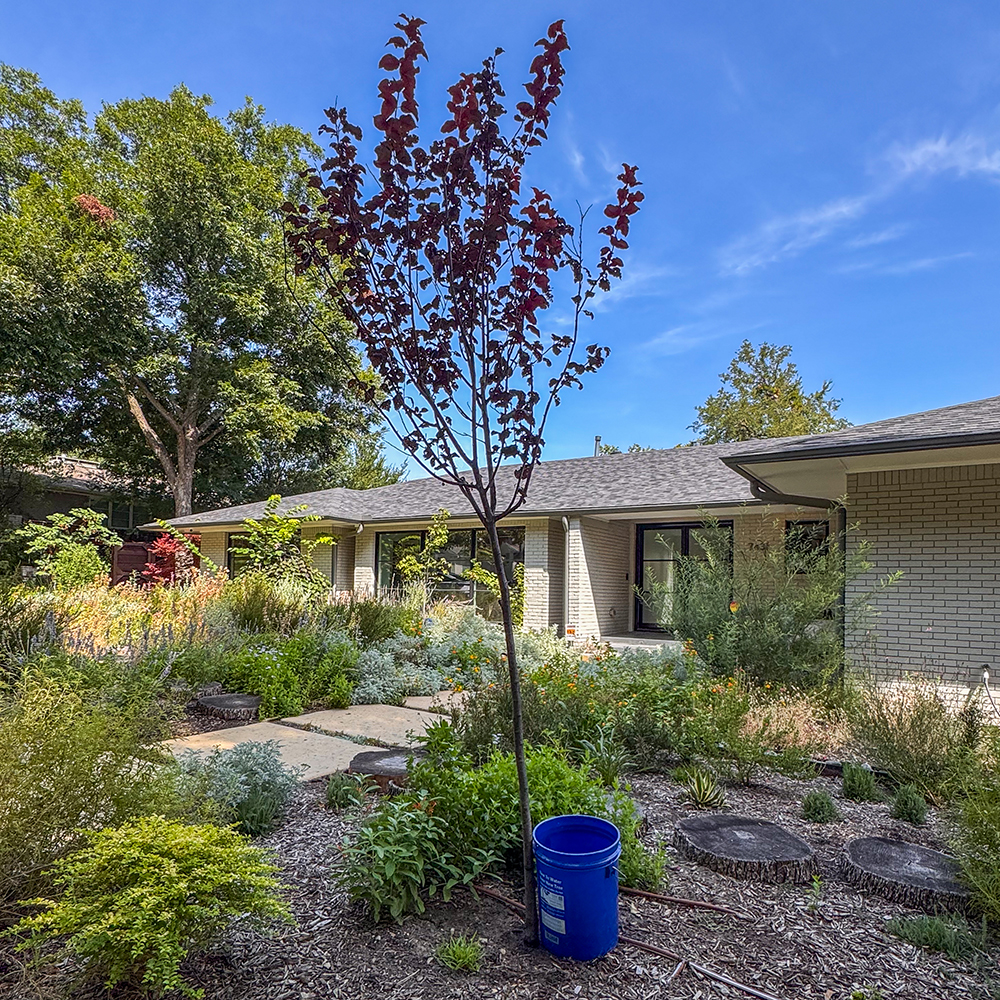
Watering Deeply & Consistent
Don’t forget the water. Trees recovering from drought still need consistent (not frequent), deep watering during extended dry periods. The goal is to maintain adequate soil moisture without keeping the root zone continuously saturated.
Post Drought Recovery Takes Time
Post-drought recovery doesn’t happen overnight. Improving the environment below ground gives stressed trees a better opportunity to rebuild their root systems and regain vigor over time.
Healthy trees start with healthy soil.

At Texas Tree Surgeons we love trees. North Texas soils vary widely from the dense clays of the Blackland Prairie to the sandy loams of the Cross Timbers region—and urban development often disrupts natural soil condition. Soil health is the foundation of tree health. Taking the time to repair the living ecosystem that is dirt is the most effective way to support the health of your trees and the sustainability and resilience of your entire property.
 PREV BLOG
Related Blogs
Similar blogs related to this topic

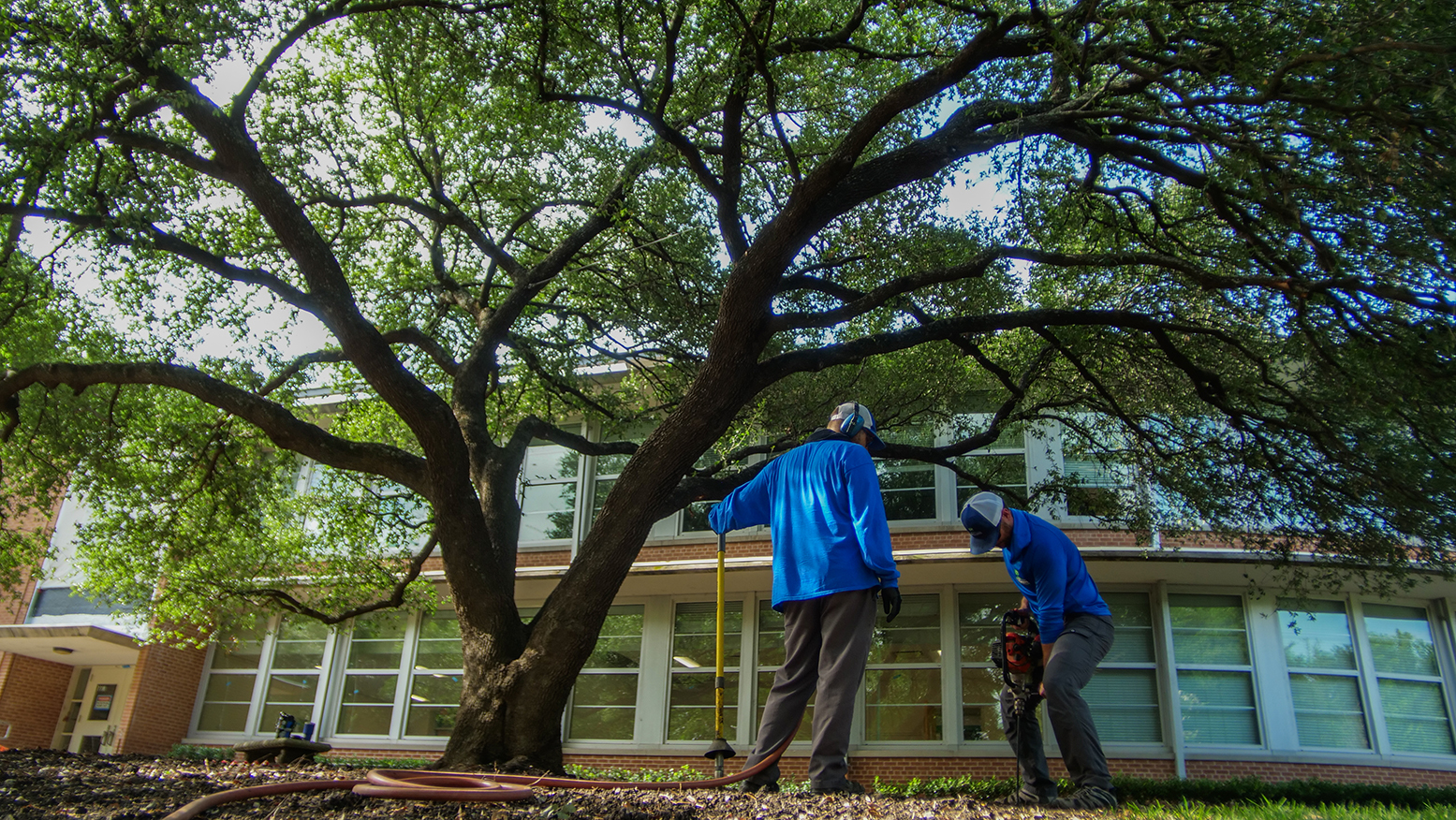
Air Spading and Vertical Mulching: How Arborists Improve Soil Conditions for Trees
When a tree begins to decline, the cause is often hidden underground. In North Texas landscapes, soil compaction is one of the most common sources of tree stress. Construction activity, foot traffic, lawn equipment, and…
Read more

How to Make Sure Your New Tree Establishes and Survives the First 5 Years
Properly planting a tree is just the beginning. The immediate years following planting are often the toughest. Newly planted trees are most susceptible to extreme environmental and physiological stresses. Follow proper watering, mulching, and pruning…
Read more
Current Tree Watering Guidelines for Newly Planted Trees
Tree Watering for Newly Planted Trees Newly planted trees require consistent moisture while their root systems become established. North Texas heat, drought, and heavy clay soils can make this especially challenging. The schedule below is…
Read more