Avoid These Tree Care Mistakes for a Healthy Landscape
Below is a list of overlooked mistakes that could jeopardize the health of your trees. From missteps in pruning to incorrect watering practices, discover how to give your trees the care they deserve.
1. Overwatering or Underwatering Your Trees
Finding the right balance in watering is crucial for tree health. Too much water can suffocate roots, while too little can lead to drought stress. Be aware of local weather and adjust your watering schedule based on your tree’s species, and age.
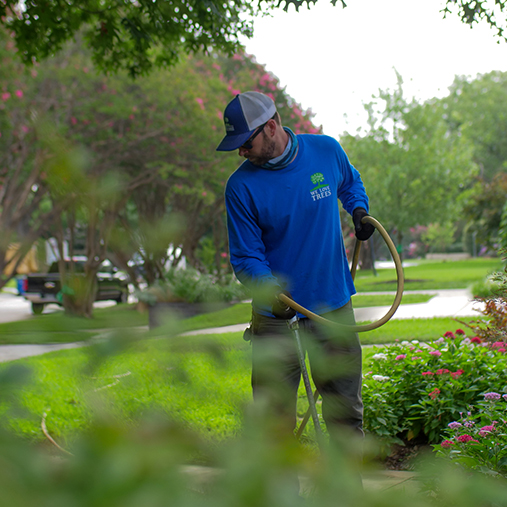
Most yards have sprinklers but these are designed for sod and not for trees. The optimal way to water your trees is to have specific irrigation set up for them that provides a low and slow release of water that expands the canopy of the tree.
2. Ignoring Seasonal Pruning Needs
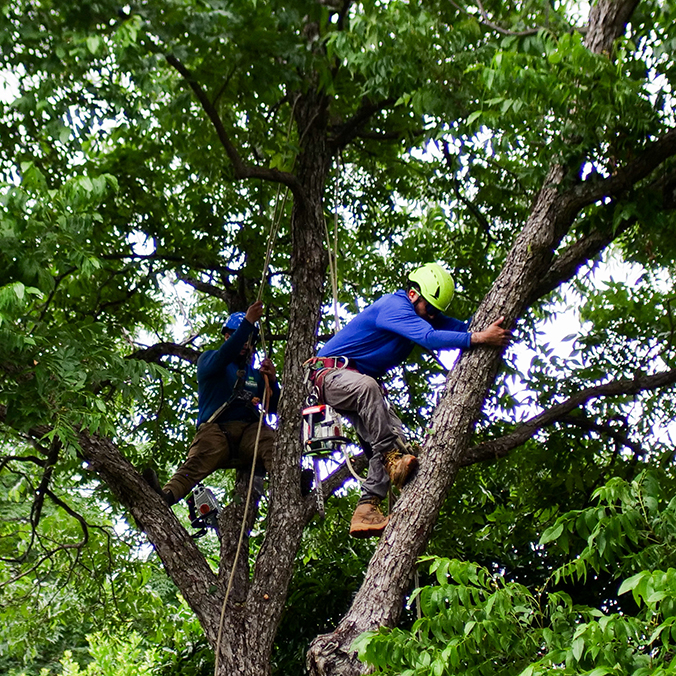
Pruning should be done at the right time of year to promote tree health and growth. In Dallas-Fort Worth, where temperatures and tree health cycles can be unpredictable, knowing when to prune is particularly important. Winter is often the ideal time for pruning, as many trees are dormant and the risk of pest infestations is lower.
Oak trees should not be pruned from February 1 to July 1 to avoid oak wilt transmission.
3. Planting Trees Too Deep or Too Shallow
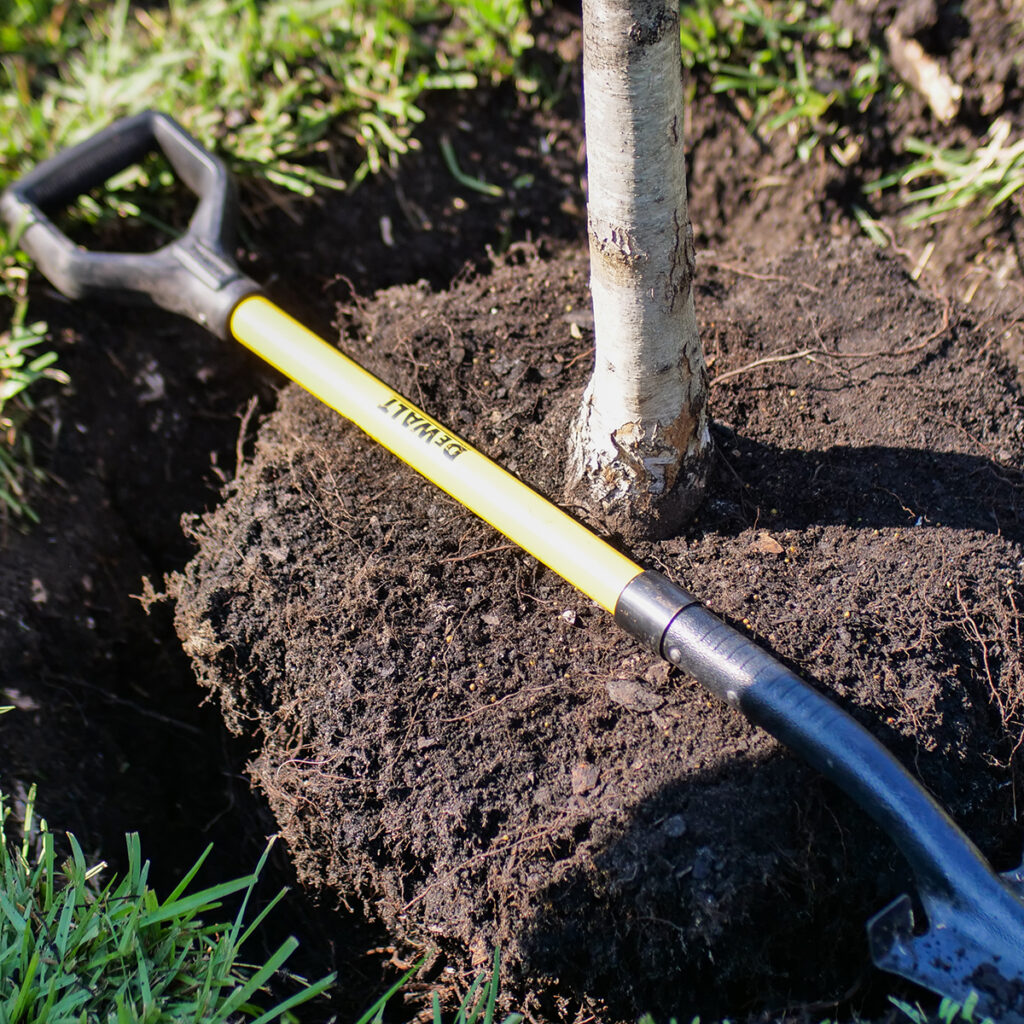
Proper planting depth is essential for a tree’s successful root establishment. When planting, make sure the root flare is visible above the soil level. This promotes proper air exchange and prevents rot. Plant to high and the tree could become unstable. Consider referencing a step-by-step guide to planting or consult with us for professional assistance.
4. Neglecting to Mulch Correctly
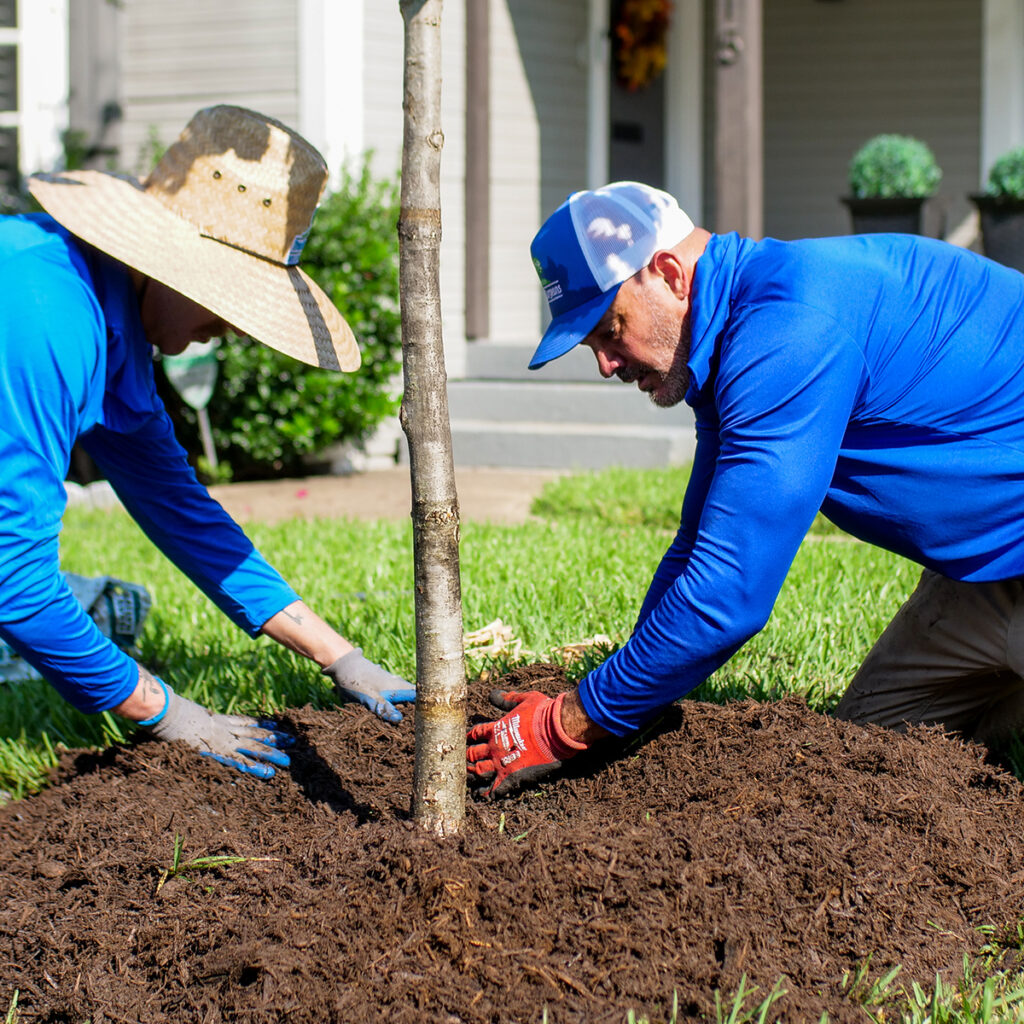
Mulching can protect your trees and retain soil moisture when done correctly. A common mistake is piling mulch too high against the tree trunk. This can lead to moisture build-up and decay. Instead, create a mulch ring around the base of the tree, ensuring a two to three-inch layer to maintain moisture and minimize weed competition.
5. Ignoring Pest and Disease Signs
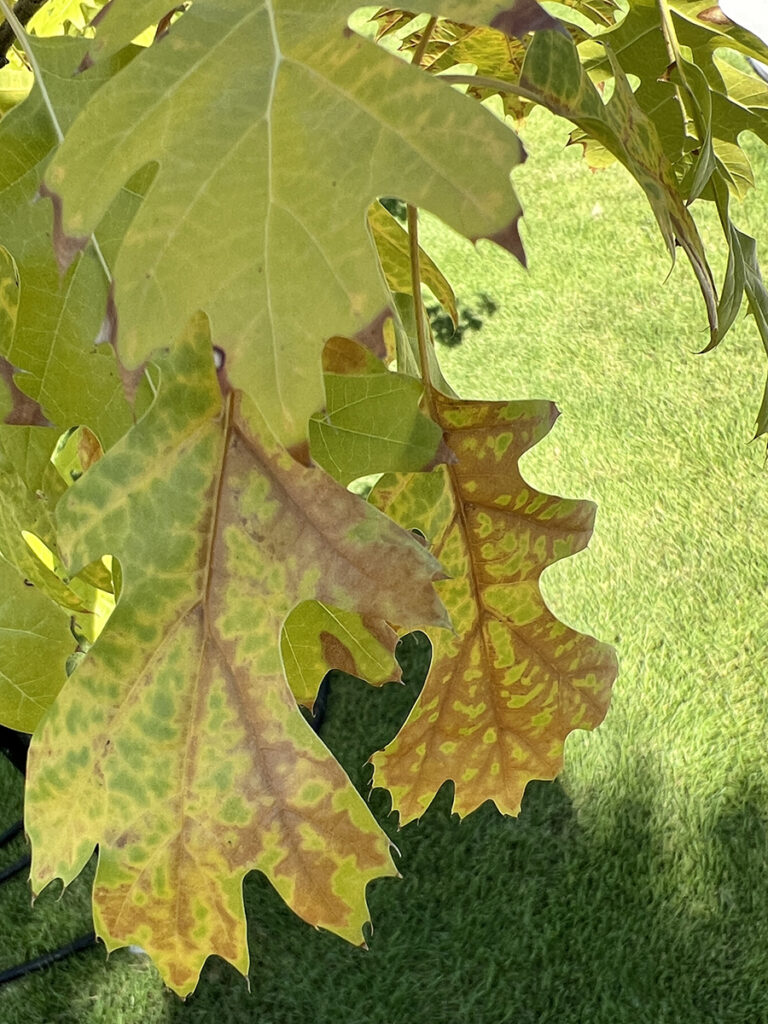
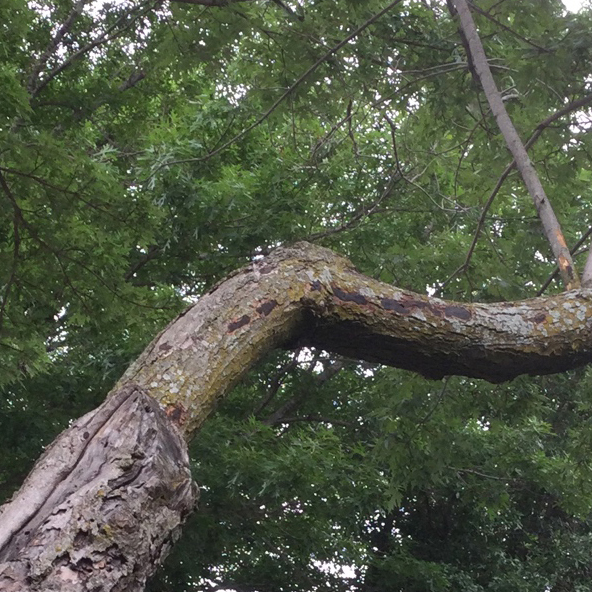
Early detection of pests and diseases can save your trees from irreversible damage. Disease symptoms can vary, with some affecting leaves, bark, or roots. Recognizing signs of tree distress, such as wilting or unusual leaf color, can help implement intervention measures sooner.
6. Relying on Incorrect Fertilization Practices
Understanding your trees’ nutrient requirements is vital for effective fertilization. Not all fertilizers are created equal. Choosing the wrong type or misjudging the application season and amount can spell trouble for tree vitality.

At Texas Tree Surgeons we love trees. Tree health begins at the roots. Ensuring the tree is properly planted and is receiving the right nutrition and watering will impact its health. Regular assessments with a certified arborist assists in catching issues before they become a problem. We recommend yearly tree assessments to establish a baseline and to watch for any possible changes.
 PREV BLOG
Related Blogs
Similar blogs related to this topic
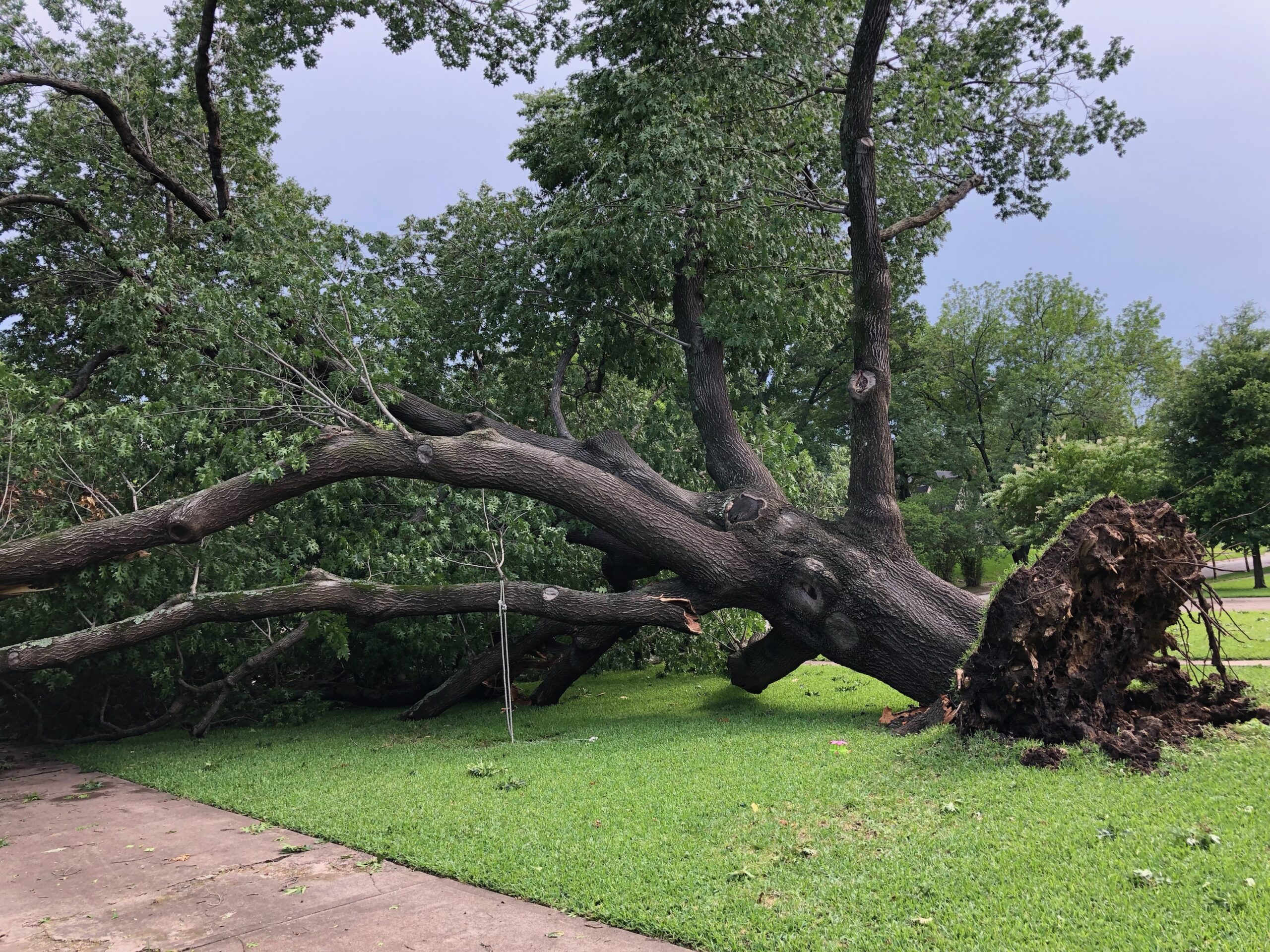
Leaning Trees Post Heavy Rain
Heavy rain followed by long period of drought can cause significant shifting in our soils. This can be concerning for trees that have shallow roots. Heavy Rain Doesn’t Mean Tree Failure Healthy trees that are structurally…
Read more
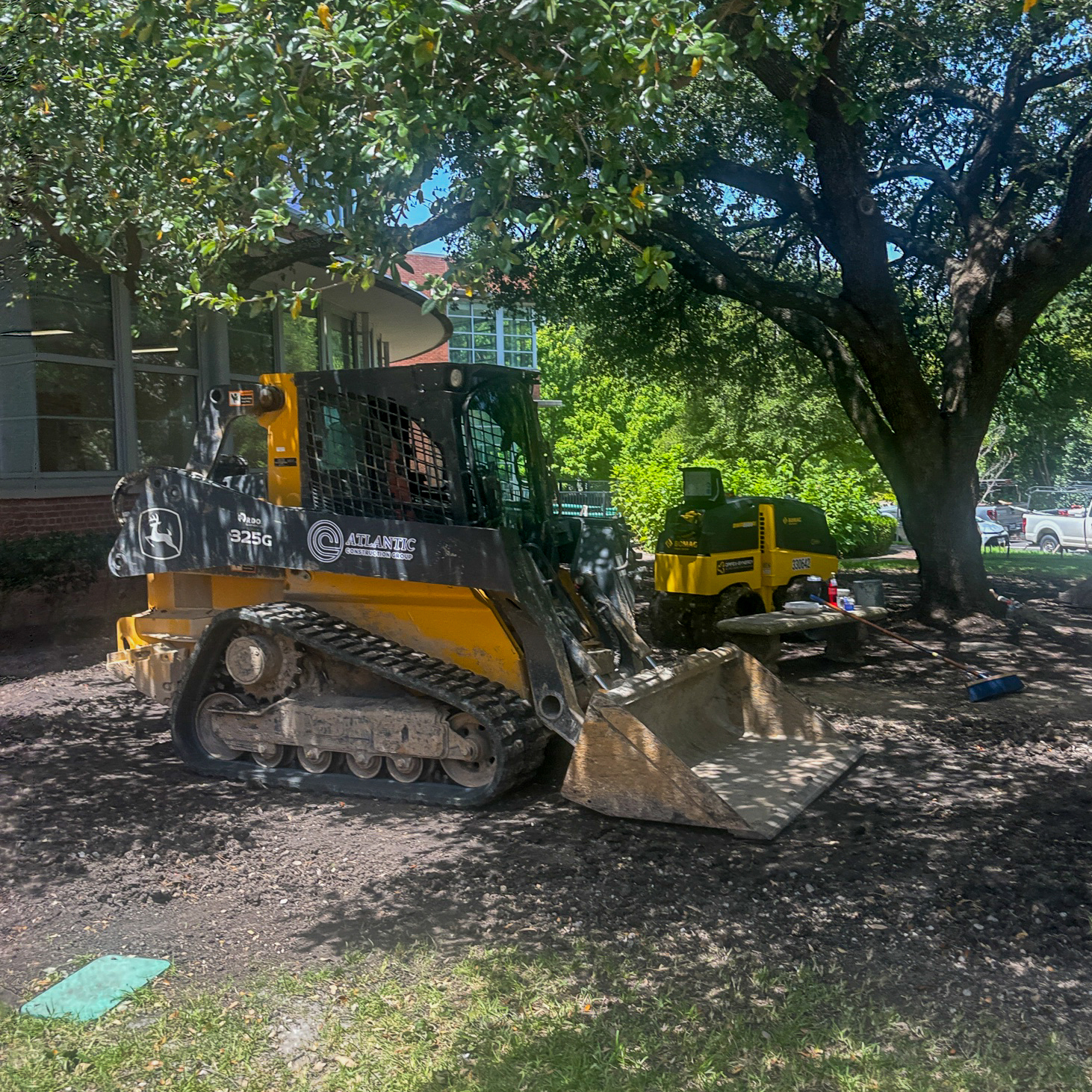
Is There Anything you can do to Correct Compaction Issues Caused by Construction?
Correcting soil compaction requires a combination of physical loosening of the soil (aeration), biological improvement (microorganisms), continued protection. Vertical Mulching Mechanical / Physical Solutions Mechanical/Physical solutions are usually the quickest way to break up severely…
Read more
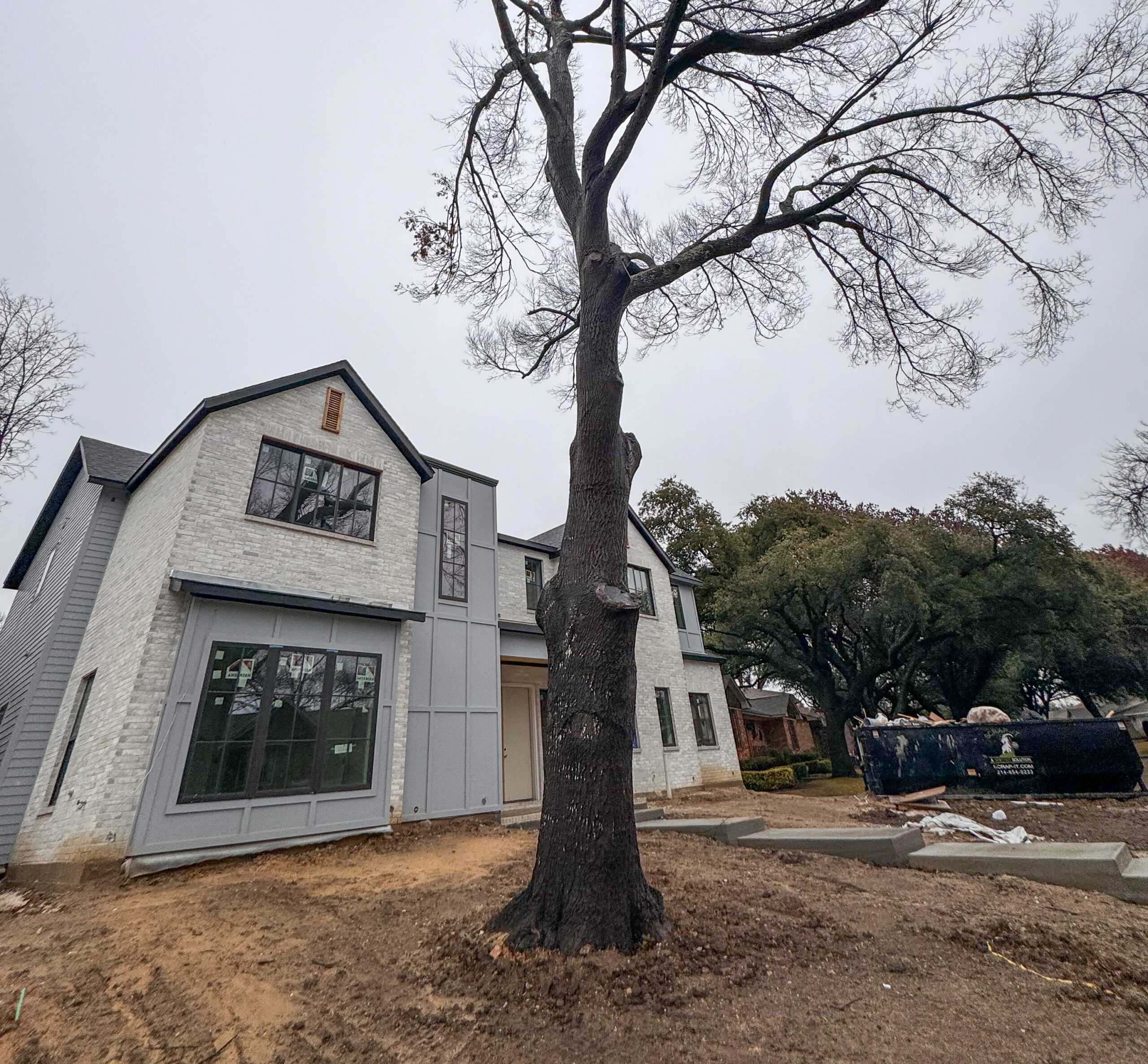
Avoid Costly Mistakes with Your Trees During Construction Projects
When planning for a rebuild or renovation of your home one thing that consistently gets overlooked is proper tree protection. Trees are living organisms that need to be protected and accounted for prior to construction…
Read more