Root Pruning
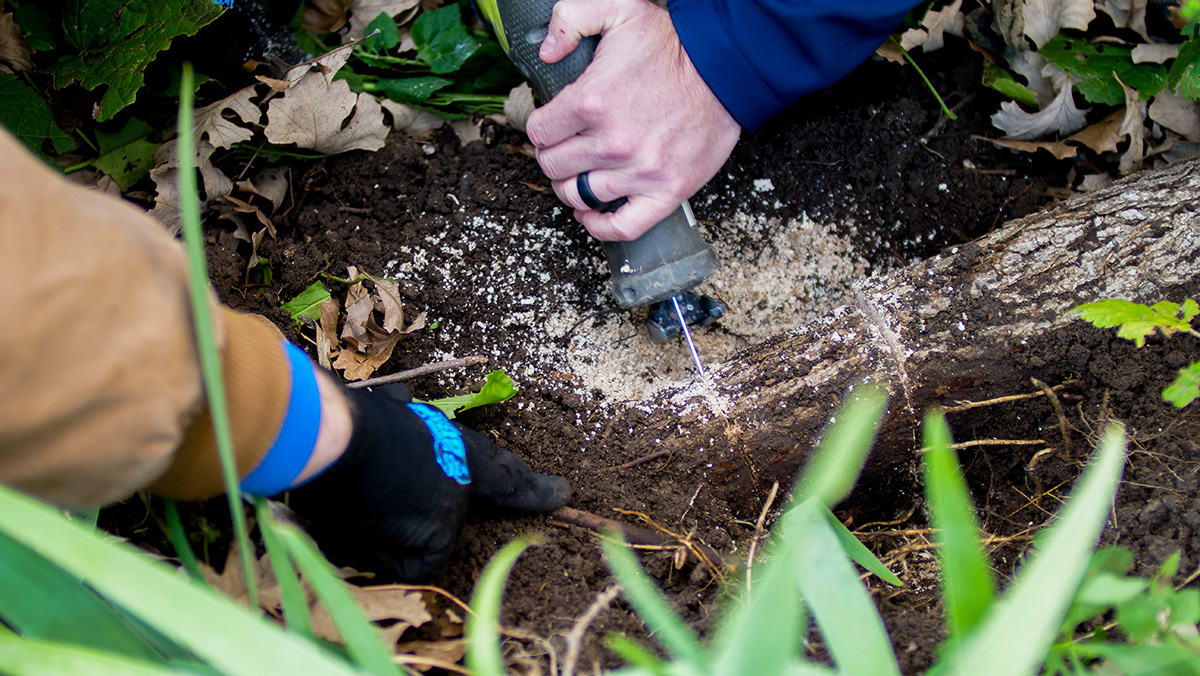
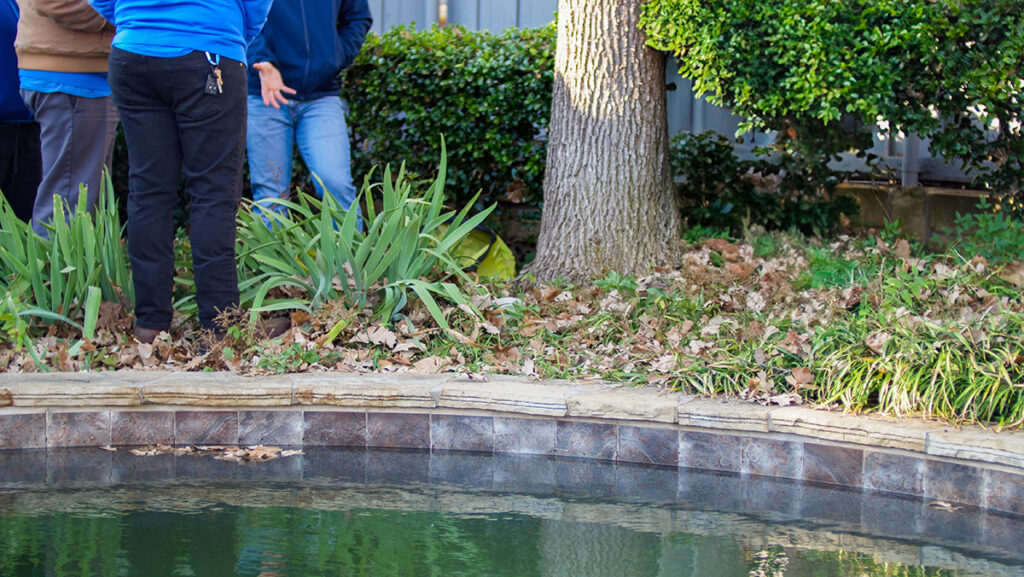
Root pruning is more damaging to mature trees than it is for younger more vigorous trees. With that said, at Texas Tree Surgeons we can prune roots of healthy trees. Using certified arborists will minimize risk associated with root disturbance.
One of the most common mistakes an untrained individual will do is cut too many roots at once or pruning during the wrong season, or cutting roots that are vital for the tree’s stabilization. Misidentifying these can lead to instability and increase the likelihood of the tree toppling during severe weather conditions.
Guidelines for Root Pruning
- Proximity of cuts to the trunk: The closer cuts are to the trunk the bigger the impact
- Species: Some species tolerate root pruning better than others
- Tree age: Old trees are more likely to stress
- Tree condition: Trees in poor health should not be root pruned
- How much root can be removed: As little disruption as possible is best practice
When is Root Pruning Necessary?
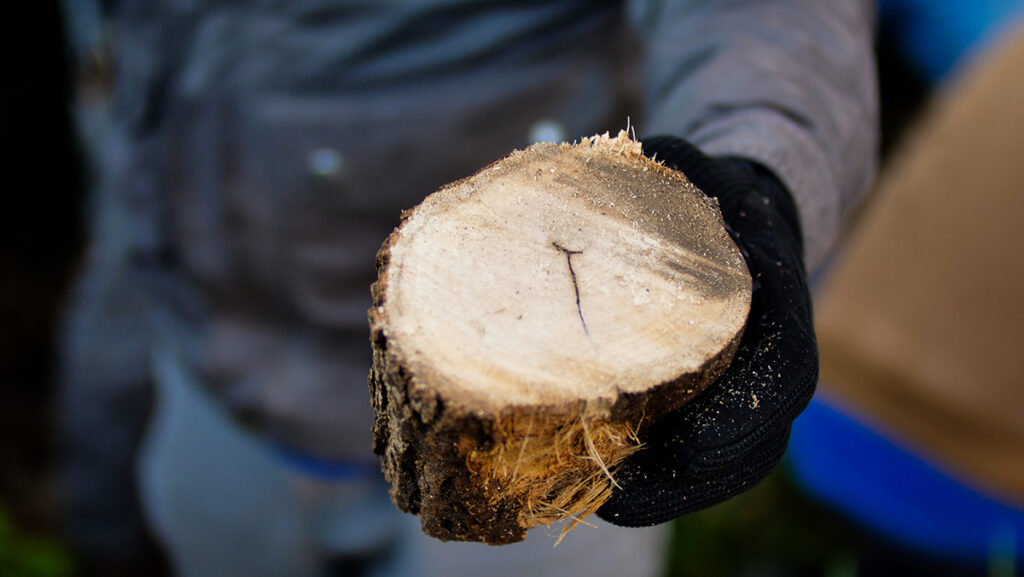
- Remove girdling roots that may strangle the tree and cause structural or nutrient problems.
- Severing roots growing into irrigation or under foundations.
Root Pruning Method
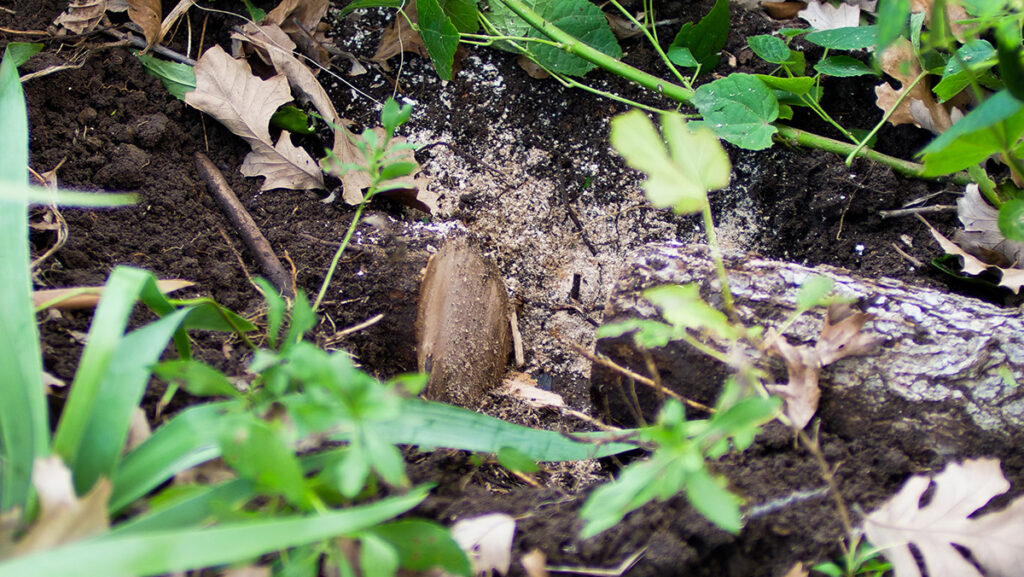
- Remove dirt to expose the root and determine where removal should be done.
- Reciprocating saw is used with a blade that has been cleaned with denatured alcohol.
- Root ends were then santized with proper practices.
Root Pruning Post Care
Ensure the trees receive adequate watering, as stressed roots are less capable of absorbing moisture. Watching out for signs of disease or pest infestations following root pruning is important; these threats can exploit weakened systems. Addressing these promptly with appropriate interventions is crucial for maintaining tree health post root pruning.

At Texas Tree Surgeons we love trees. To keep your property and your tree safe make sure to only use a certified arborist when planning to do root pruning on mature healthy trees. Root pruning on trees can result in trees failing or dying if not done correctly.
 PREV BLOG
Related Blogs
Similar blogs related to this topic
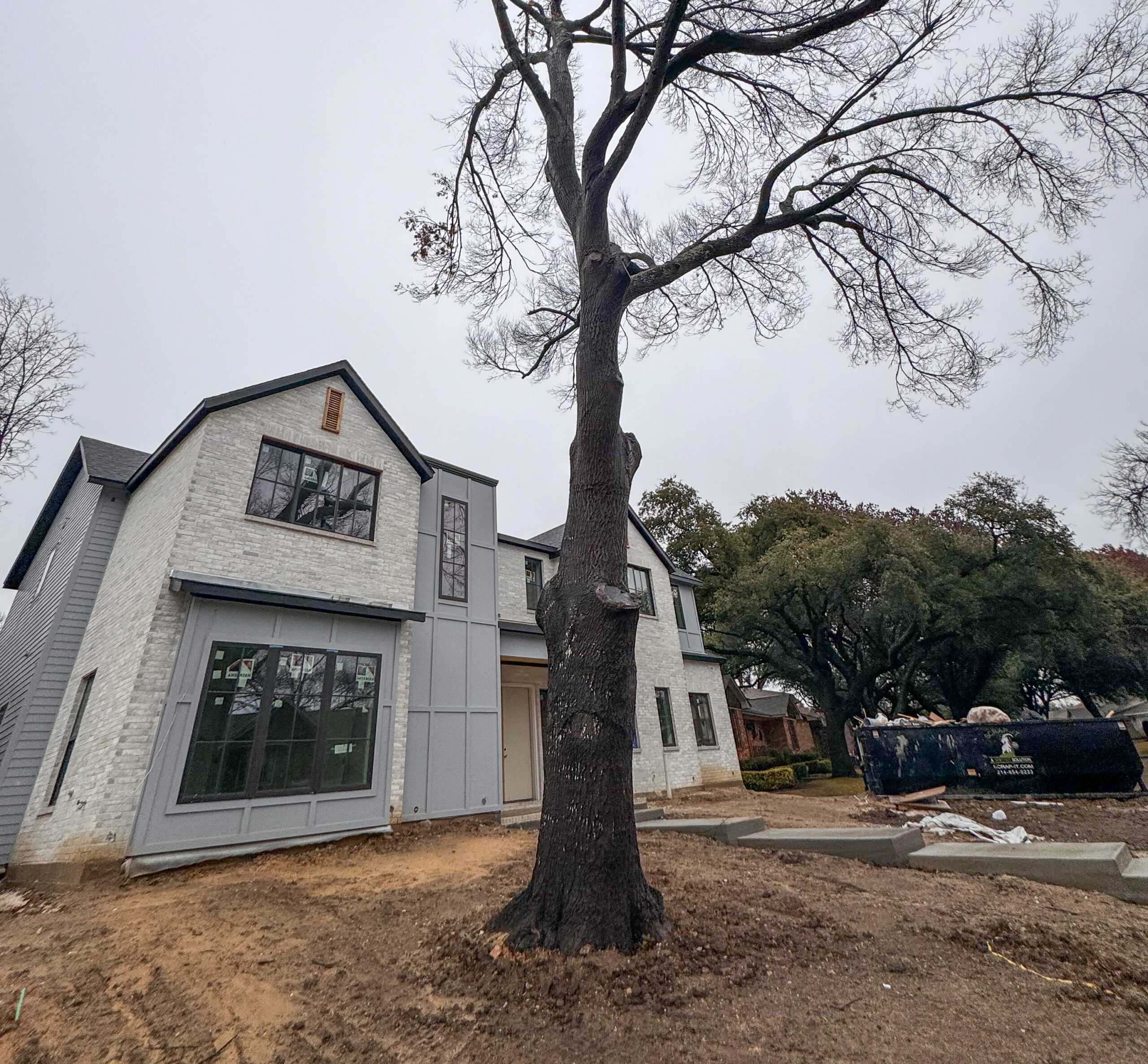
Avoid Costly Mistakes with Your Trees During Construction Projects
When planning for a rebuild or renovation of your home one thing that consistently gets overlooked is proper tree protection. Trees are living organisms that need to be protected and accounted for prior to construction…
Read more
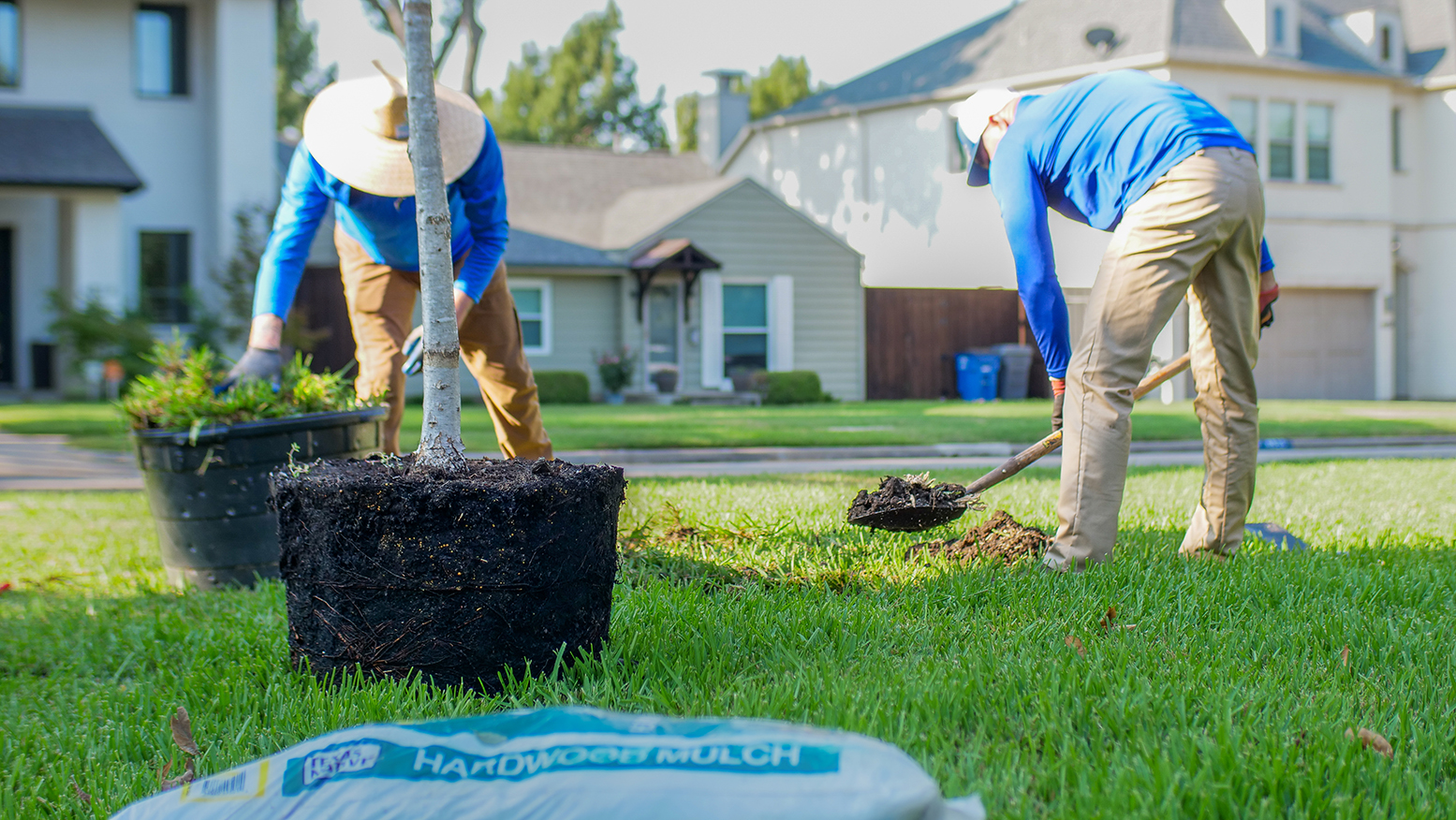
When is the Best Season to Plant Trees in Dallas?
Planting trees when temperature is more mild in Texas will bring about the best outcomes in tree establishment and health. Keep in mind summers have been extremely brutal so planting a tree in spring is…
Read more
The Dallas Morning News | Constant State of Stress
We spoke with The Dallas Morning News about heat stress and what North Texans can do to help their trees recover. “Here in Texas, we go through these droughts all the time,” King said. “This…
Read more