What is Sudden Limb Drop?
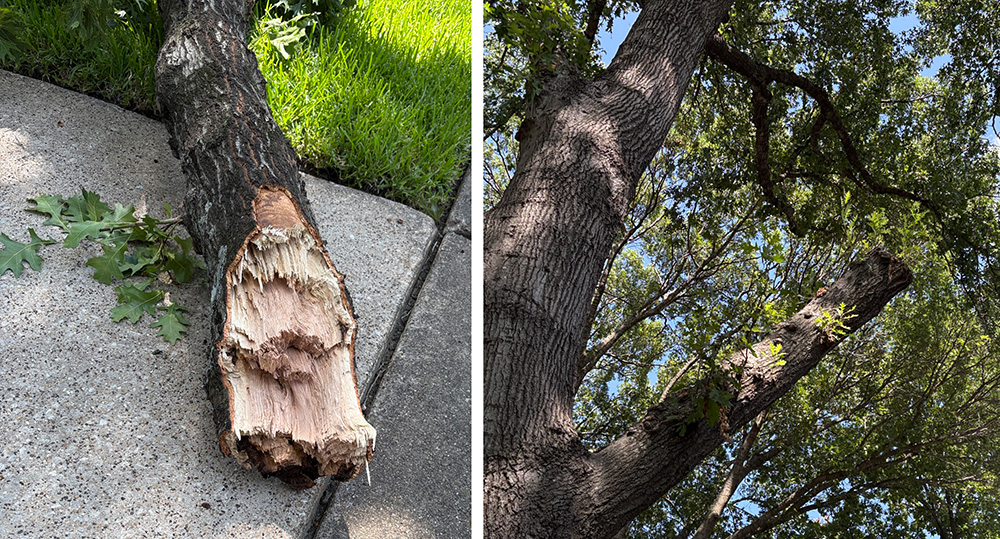
The heat in North Texas has been unrelenting with triple digit numbers for 24 days, as of now. The dry spell in combination with this extreme heat is taking its toll on our urban trees. The last time we saw heat like this was in 2023 when Texas Tree Surgeons first posted the article, “Why are Branches Falling off my Trees?”
It is hotter and drier than last year but at least we haven’t hit record-breaking summer temperatures yet. That doesn’t mean you should wait to implement preventative measures to help reduce chances of sudden limb drop.
With this unrelenting heat and sunshine, sudden limb drop is on the rise. Our arborists are seeing an increased number of clients in our community calling about branches falling off their trees.
Understanding Sudden Limb Drop
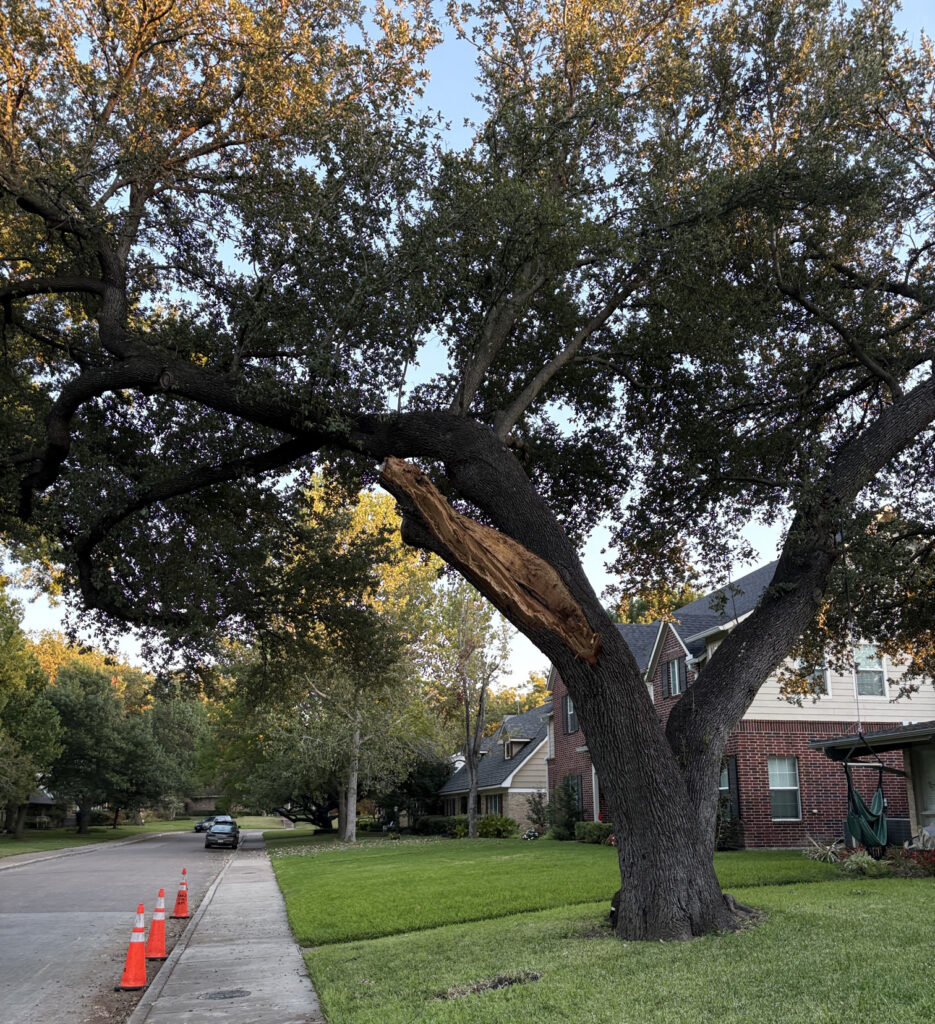
Sudden limb drop is a phenomenon where a tree limb unexpectedly falls without any apparent cause like a storm or wind. This can happen even on calm days and is often unexplained.
Several theories attempt to explain this phenomenon, often referred to as ‘summer branch drop.’ One theory is that trees release branches to conserve water during extreme heat. This can be particularly prevalent during intense summer months, where temperatures soar and precipitation diminishes.
Common Causes of Sudden Limb Drop
While the exact reason for sudden limb drop isn’t always known, it can be related to tree stress, such as heat, drought, or internal decay that weakens the structural integrity of the limb.
Heat stress is one of the primary culprits affecting tree health. When temperatures rise, trees struggle to maintain hydration, which may lead to the sudden breakage of limbs as the wood fibers become brittle and strained.
Moisture levels within the tree play a critical role. Inadequate access to water during dry spells can lead to limb failure. Incorporating consistent watering practices, particularly during dry seasons, can reduce the likelihood of such occurrences.
Signs Your Tree May Be At Risk
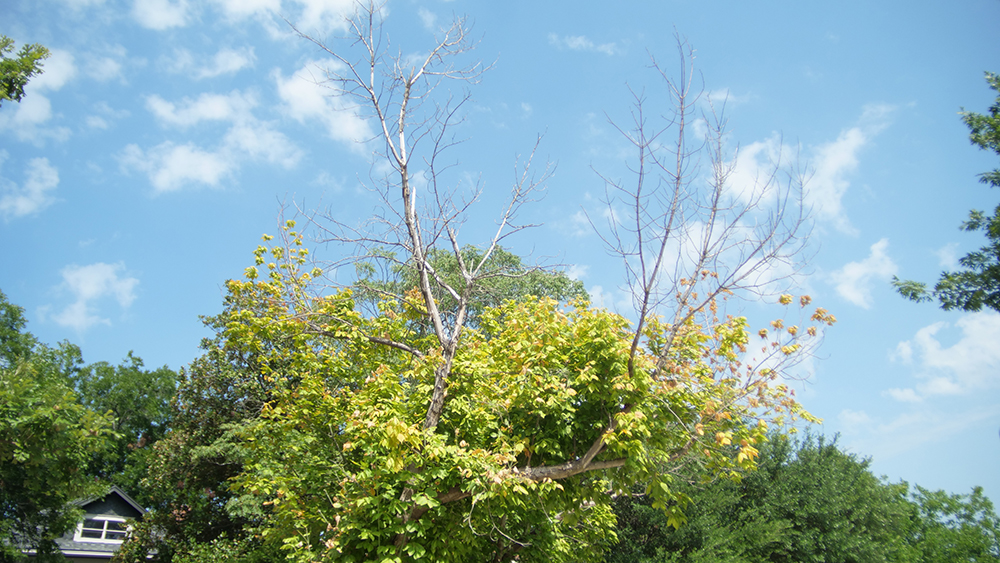
Indicators that a tree might be at risk for sudden limb drop include dead or weak limbs, cracks in the trunk, or an uneven canopy. An assessment from a professional local certified arborist can help identify these signs.
Regularly examining your tree for subtle signs like yellowing leaves, early leaf drop, or fungal growth near the base can alert you to underlying issues. An uneven canopy, often overlooked, may suggest imbalance in nutrients or water intake, posing a risk for potential branch failure.
Preventive Measures for Tree Health
Regular pruning, ensuring adequate watering, and providing nutrients can help maintain tree health and minimize the risk of sudden limb drop. Consistently monitoring trees for signs of distress is also crucial.
Implementing a tree care regime that includes periodic health assessments can keep trees robust. Scheduling routine inspections can preemptively address issues that may result in sudden limb drop, ensuring the longevity and health of your greenery.
Enhancing soil quality and ensuring it is well-drained yet retains enough moisture can aid in tree sustenance. Mulching, when applied correctly, helps maintain soil temperature, moisture levels, and wards off weeds that compete for resources.
When to Consult a Professional Arborist
If you notice signs of potential tree health issues, such as fungi growth, deep cracks, or significant limb drop, consulting with a professional arborist can help you determine the best course of action.
Arborists harness specialized knowledge of tree biology and appropriate pruning techniques to mitigate risks. Early intervention can prevent catastrophic limb failures and preserve the health and beauty of your trees. If you discover unusual signs, it’s wise to reach out to professionals for a comprehensive assessment and action plan.

At Texas Tree Surgeons, we love trees and we love our community! Sudden limb drop can indeed indicate underlying issues, though it’s not always a sign of poor health. Regular maintenance and monitoring can help ensure your trees remain healthy and safe. Our team of certified arborists and experienced tree workers can help keep your trees healthy and looking their best year-round. Contact us today to schedule an assessment!
 PREV BLOG
Tree Health Care
View Photos of our ISA Certified Arborists & Tree Health Care Technicians Providing Consultation and Care
TREE SUPPORT SERVICES
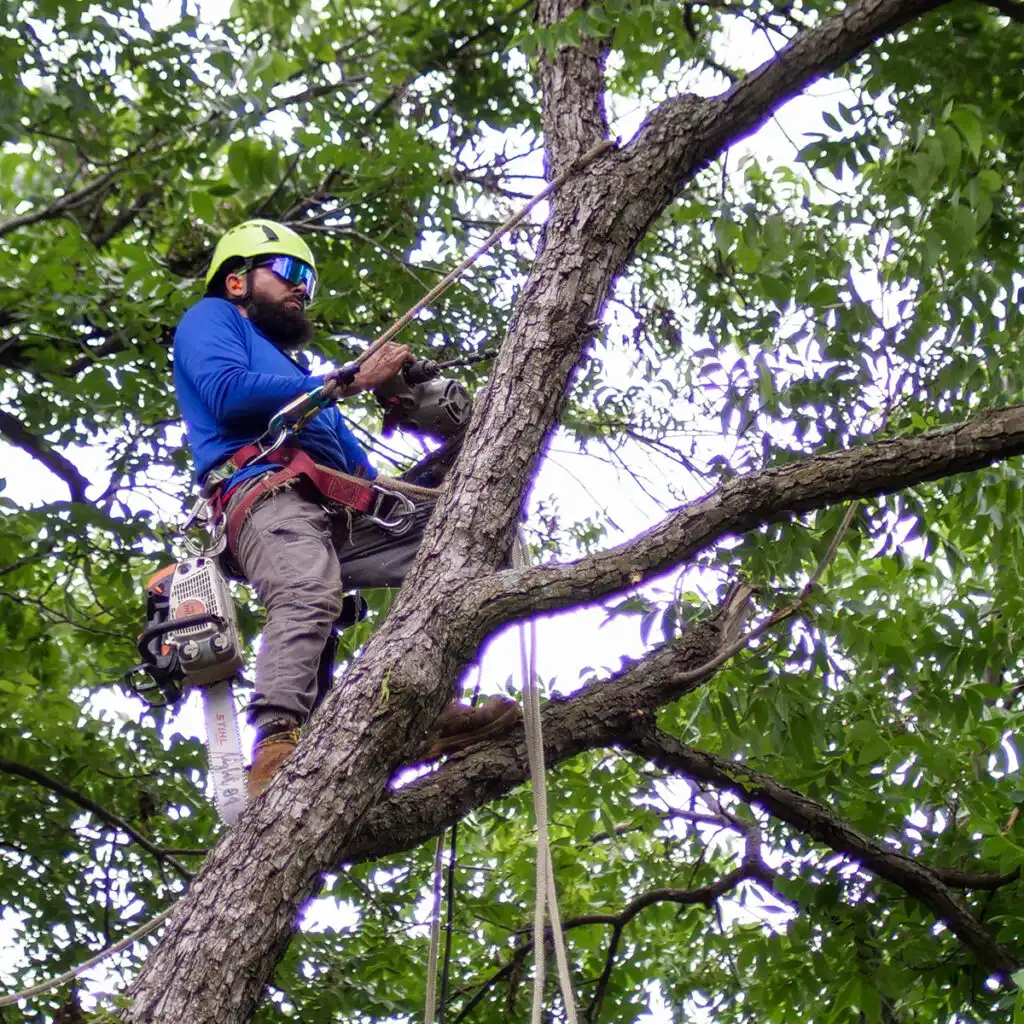
Depending on the size of a tree there can be multiple cables in addition to bracing to support the weight. Each tree is different, and not all trees are candidates for tree support systems due to their structure.

ISA CERTIFIED ARBORIST
Certified Arborist are tree care professionals who have achieved a high level of professional distinction through their knowledge and experience in the field. This knowledge helps them diagnose any issues your trees might be having.

PREVENTATIVE EAB TREATMENT
If there is EAB activity within a few miles of where you live or property you manage we recommend preventative systemic insecticide treatment applied by a licensed TDA tree health care technician. EAB treatment lasts for 2 years and must be applied regularly to protect ash trees from infection.
OAK WILT TREATMENT
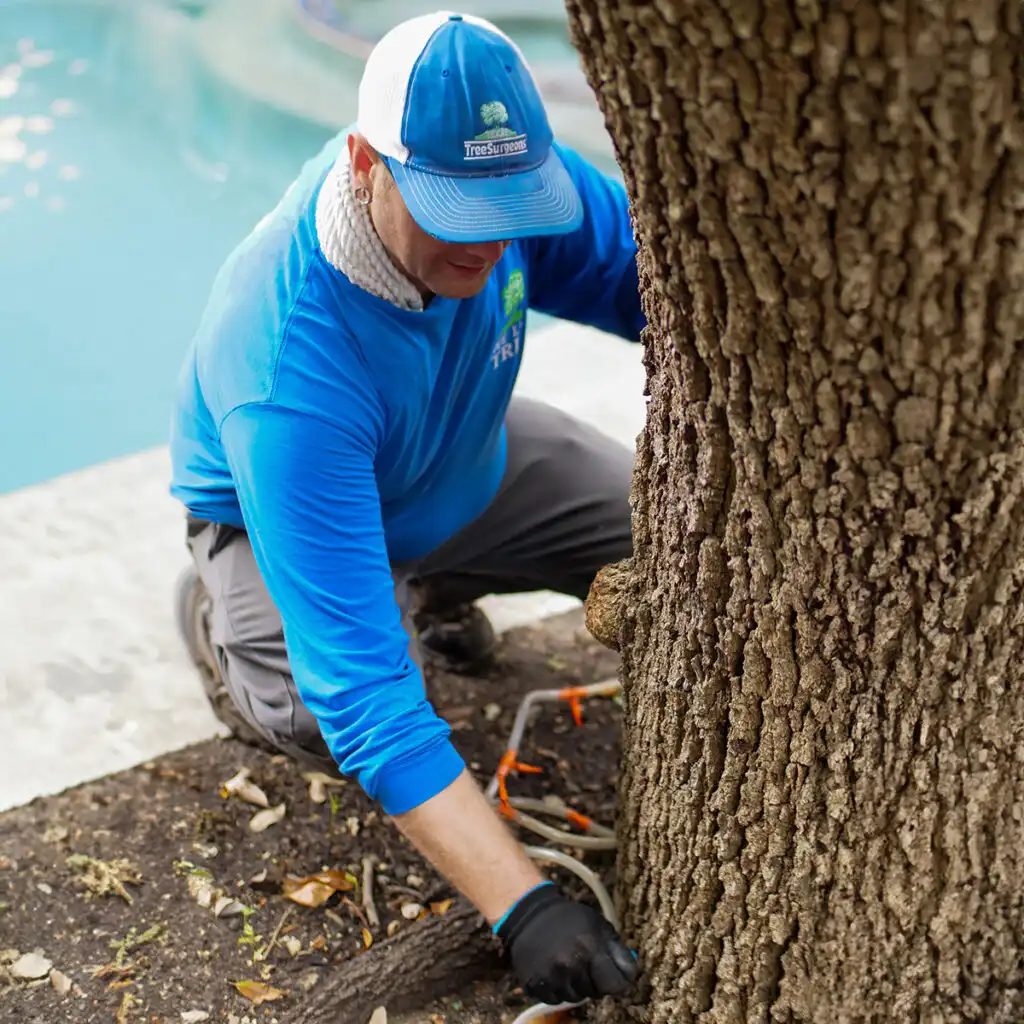
As oak wilt is a systemic, vascular disease, the most effective treatments consist of injecting the infected trees with a fungicidal chemical. The only currently recommended fungicide is Alamo®, a formulation of the fungicide propiconazole. The fungicide is administered through holes drilled in the root flare of the infected tree and should only be applied by Texas Department of Agriculture Licensed Applicators.

SOIL AMENDMENTS
Our uniquely developed mixtures promote stability and growth for trees efficiently and safely, without the worry of harmful chemicals that some companies use that can be damaging to the surrounding environment.

STRESSED MAGNOLIA | BEFORE
This magnolia tree is one of many that were in decline on a single property. This photo is from April 15, 2024 prior to the tree receiving a tree health care plan.

STRESSED MAGNOLIA | AFTER
This after photo was taken June 27, 2024 of a magnolia tree after receiving multiple interventions to improve its health. In addition to a tree health care plan of a deep root fertilization with Biopack plus and Sea3 applied by our TDA licensed technician the owner also fixed the irrigation and cleared the root flare. The difference in health is beautiful.
TDA LICENSED
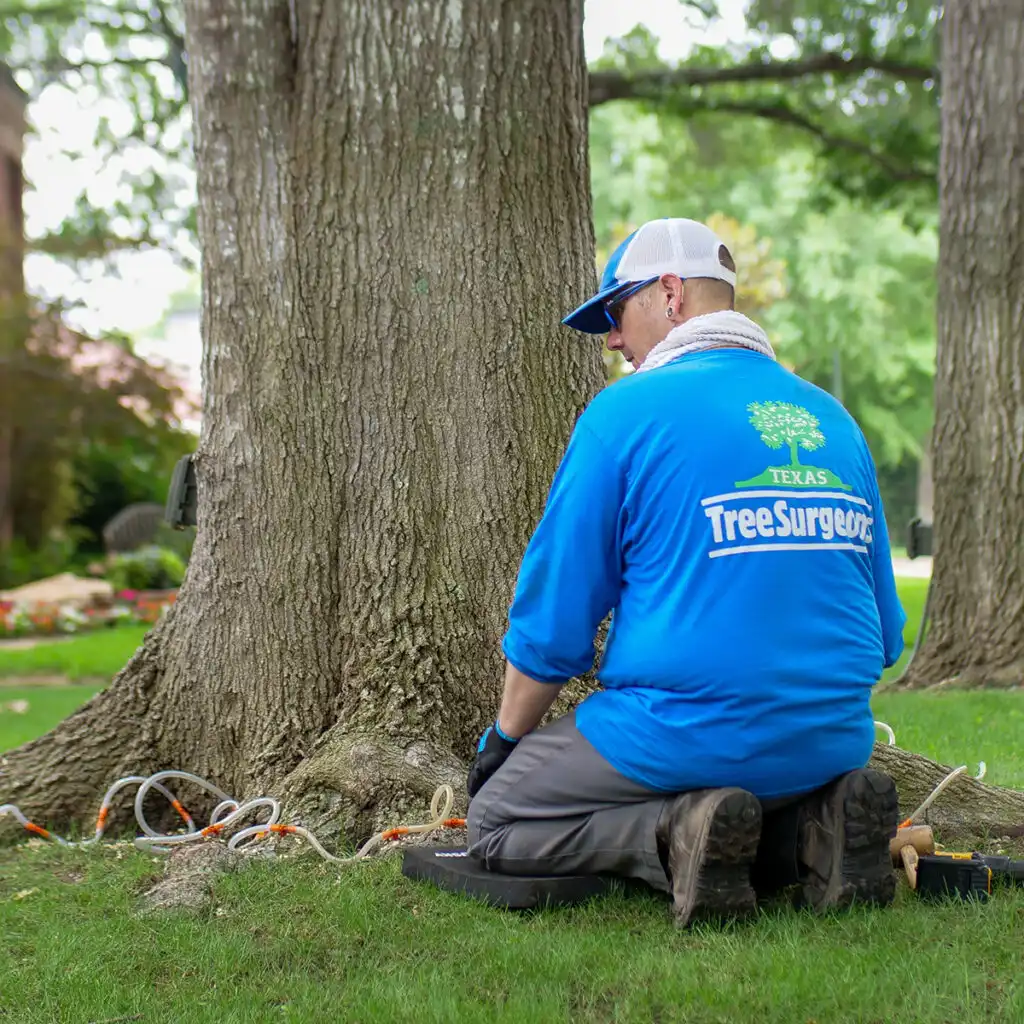
Our technicians are TDA licensed and use science based treatment when implementing a Tree Health Care plan. These plans are put in place under the guidance of an ISA Certified Arborist.

DIAGNOSING TREE
Our ISA Certified Arborists use several different types of tools to help them assess a trees health. The arborist is "sounding" the tree. Different sounds can indicate areas of decay or other defects.
FERTILIZATION
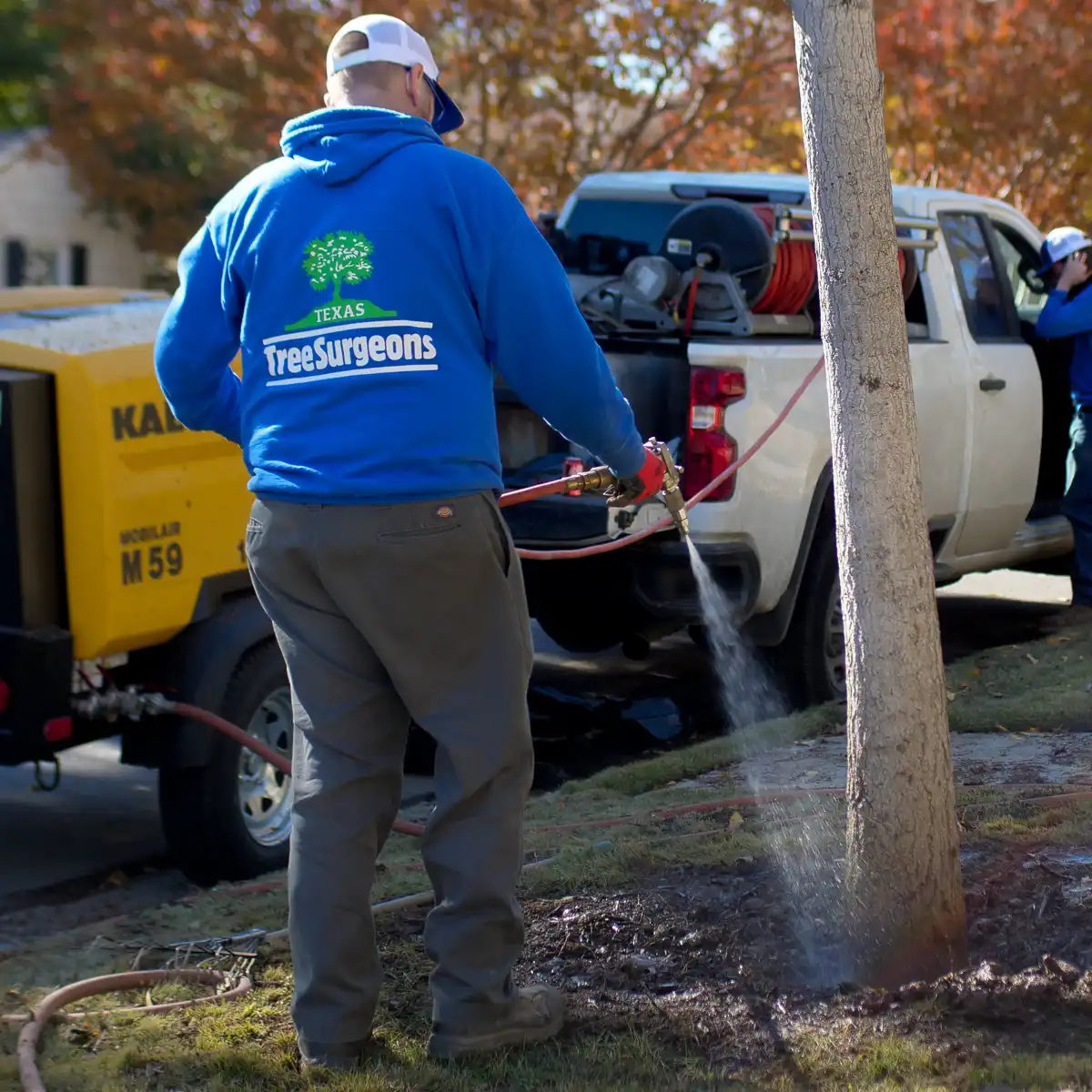
Our Tree Health Care Programs are designed to deliver the right nutrients at the right times throughout the year. We use the highest quality soil conditioners and fertilizers that are delivered at critical points throughout the seasons to optimize the growth and health of trees.

DEEP ROOT INJECTION SERVICES
At Texas Tree Surgeons our deep root injection services provides fertilization deep into the soil. Our unique mixtures combine macro- and micro-nutrients, root growth stimulators, soil conditioners, beneficial biotics (both mycorrhizal fungi and rhizobacteria), and organic materials to cultivate the optimum natural growth environment.

AIR SPADING
Air spading helps improve tree health by increasing the tree root's access to air, water, and nutrients by decompacting the soil. Soil compaction occurs in urban environments during turf installation, construction, improper planting, and mechanical and foot traffic.

ROOT PRUNING POST AIR SPADING
To correct this improperly planted tree our Tree Health Care Technicians air spade to expose the root flare and to prune away girdling roots. You can learn more about how to properly plant a tree here.

GIRDLING ROOTS
This tree was planted too deep and has several girdling roots (roots that circle the tree and do no flare out) that left unmanaged would eventually kill the tree. After air spading our Tree Health Care Technicians are pruning the roots and adjusting the soil around the tree to expose the root flare to improve tree health.

TREE HEALTH CARE
Director of Tree Health Care Development, Steve Barrett pointing out sections in the tree that need to be addressed for improved health.
INSPECTING FOR POSSIBLE DECAY
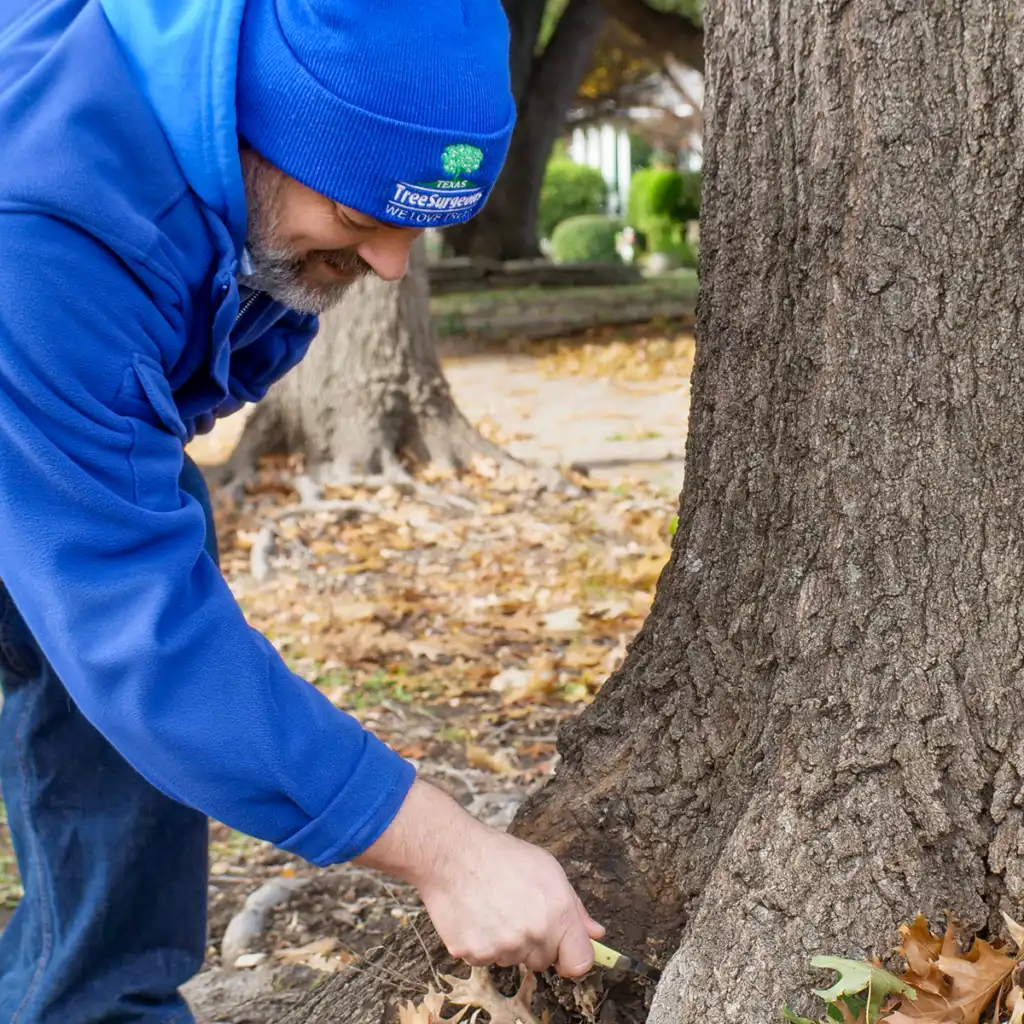
Sometimes issues with a tree aren't clearly visible on the outside so an arborist will need to inspect the interior. An arborist does this by probing with a small knife to see how extensive the decay in a region of a tree is. Arborists are able to use this information along with other signs to determine if there are potential structural issues or possible increased chances for failure.

MEASURING DBH
The best way to approximate the size of a tree is to measure their dbh, (diameter, breast, height). This enables our arborists to estimate the amount needed for Tree Health Care products or pricing for Tree Removal.
Related Blogs
Similar blogs related to this topic
Top 10 Reasons Why Your Tree is Dying
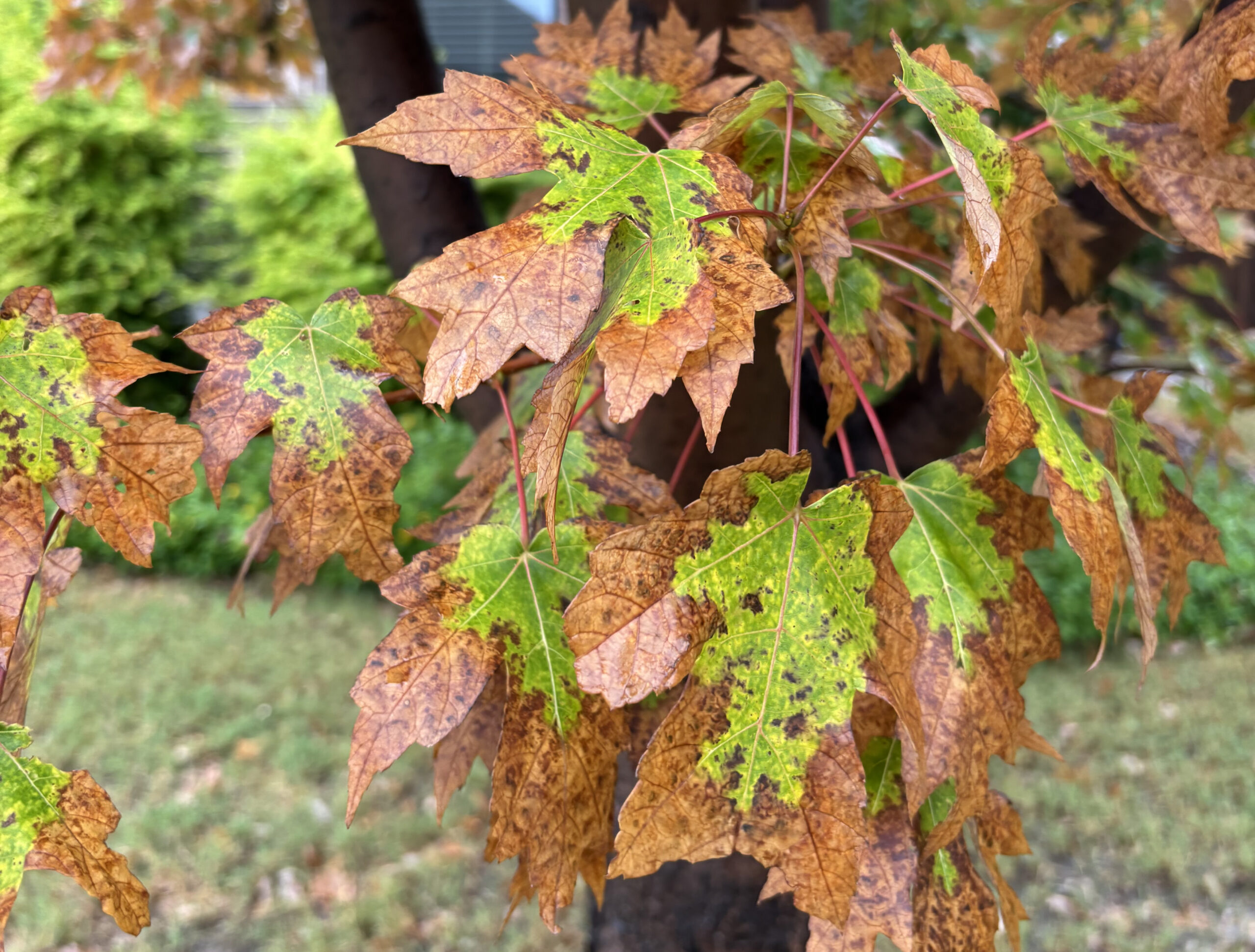
Trees are tougher than they look, but even healthy trees can struggle when stress builds over time. In North Texas, factors such as drought, poor soil conditions, root damage, pests, and improper maintenance can gradually…
Read more
Leaning Trees Post Heavy Rain
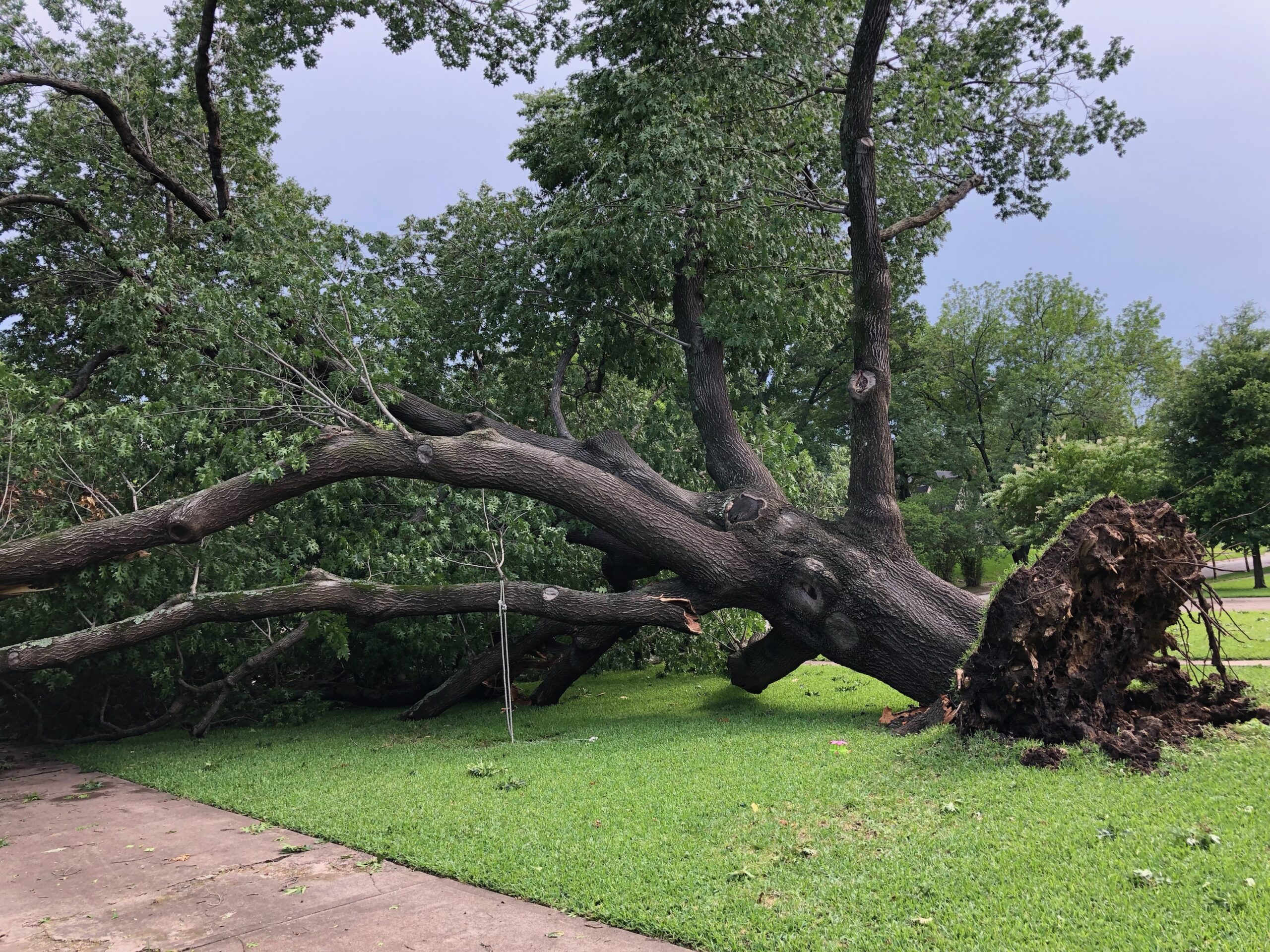
Heavy rain followed by long period of drought can cause significant shifting in our soils. This can be concerning for trees that have shallow roots. Heavy Rain Doesn’t Mean Tree Failure Healthy trees that are structurally…
Read more
Is There Anything you can do to Correct Compaction Issues Caused by Construction?
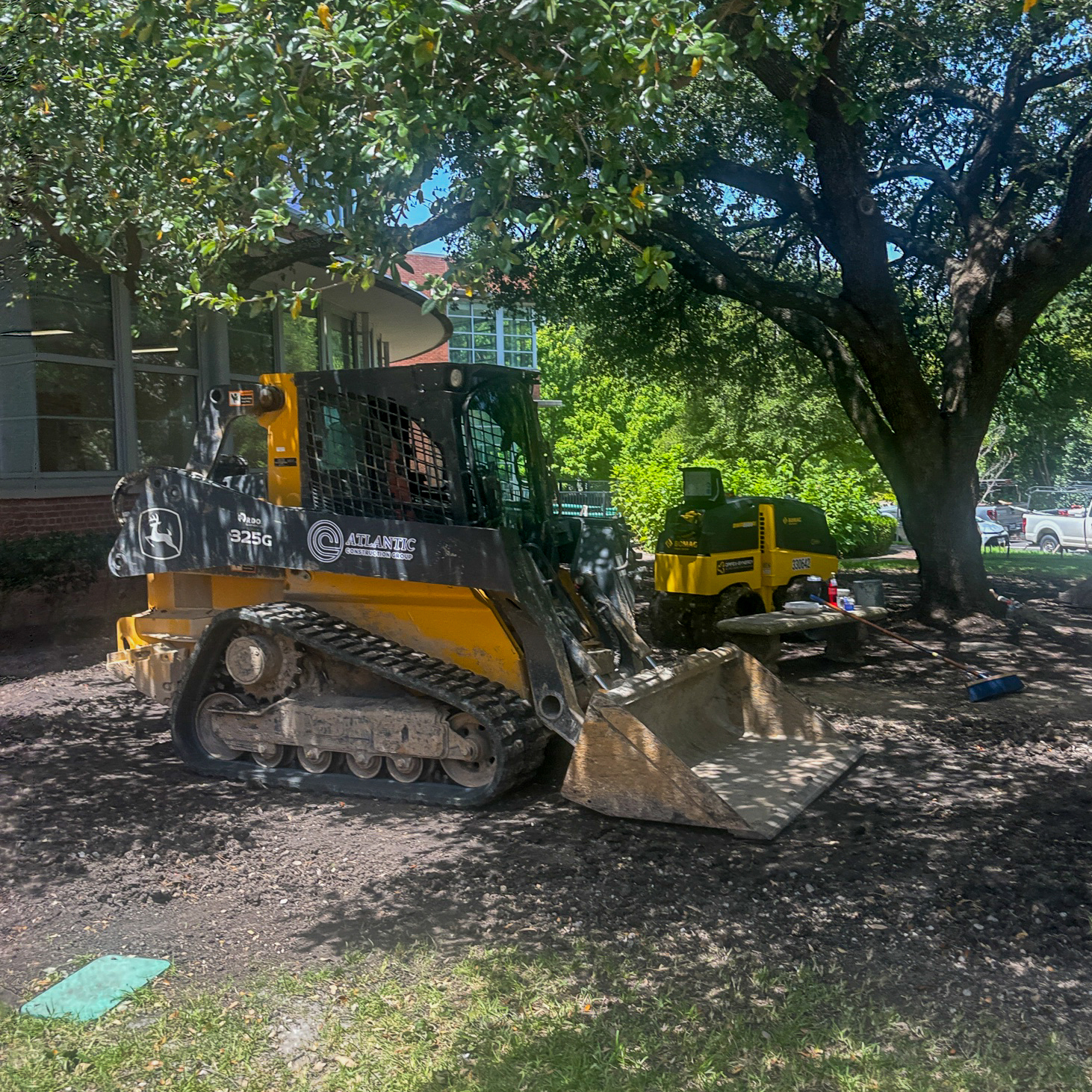
Correcting soil compaction requires a combination of physical loosening of the soil (aeration), biological improvement (microorganisms), continued protection. Vertical Mulching Mechanical / Physical Solutions Mechanical/Physical solutions are usually the quickest way to break up severely…
Read more