How to Identify and Get Rid of Oak Wilt
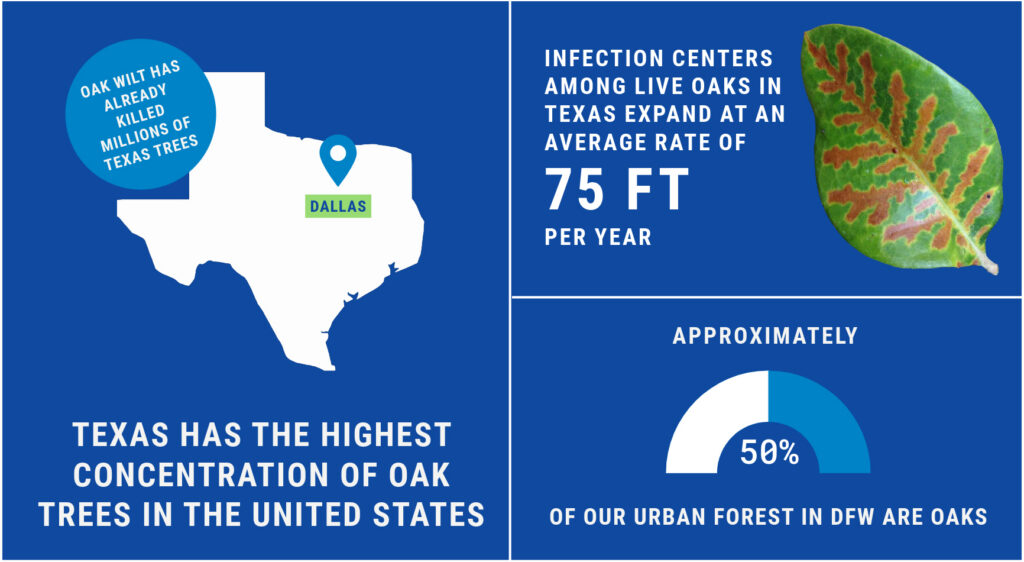
Texas has the highest concentration of oak trees in the United States. Oak wilt is a serious threat to our North Texas urban forest, infection centers among live oaks specifically expand at an average rate of 75 ft per year in Texas. What can Texans do?
How to Identify Oak Wilt
- Dead wood or defoliation in oaks
- Production of small leaves on trunks and large limbs after dieback
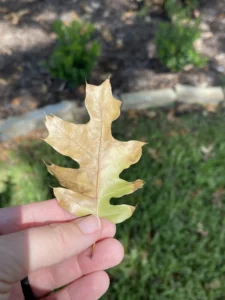
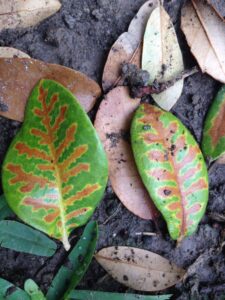
- Leaves with browning at edges (red oaks) or along veins (live oaks)
- Fungal mats forming on surface of wood, starting out gray- or buff-colored and turning black as they age
- Cracking and peeling bark
- Visible insect activity
While these signs do not necessarily indicate Oak Wilt, presence of one or more of them may indicate possible infection. A visit from a Tree Expert or Certified Arborist can help you to understand the health of your trees and plan out your next steps.
What Kind of Disease is Oak Wilt?
Oak wilt is an infectious disease caused by a fungus (Bretziella fagacearum*). All oaks (genus Quercus) are susceptible to oak wilt, but different species may react differently to the fungus. Oak wilt is a vascular disease, and infects the whole tree, even if only one part is symptomatic. As the fungus spread through the tree, it blocks the transmission of nutrients to the canopy, causing the characteristic “wilt,” or dieback.
In live oaks, infected leaves often show yellow-brown veins, even while still on the tree. In red oaks, leaves may simply wilt and brown. This process can lead to an autumn-like coloration during the summer. Additionally, fungal mats may form underneath the bark of red oaks, leading to cracking, peeling bark and a rotting smell.
While visual inspection is a strong indicator of the presence of the oak wilt fungus, laboratory confirmation may be required. The Texas Plant Disease Diagnostic Laboratory offers testing for oak wilt and many other diseases.
How do Trees get Oak Wilt?
The most common ways for the oak wilt fungus to be transmitted are by insect activity and root grafting. Insects can infect a tree through any exposed wood (not covered by bark) or open wound (such as a pruning cut, broken limb, or where branches rub against each other). In situations with oaks planted in close proximity, the fungus can be transmitted from one tree to another via underground root grafting. As roots make contact with other roots, they grow together and share pathogens.
Different species of oak can contract and spread oak wilt by different methods.
Red Oaks
Red oaks (Texas, Shumard, blackjack, water) are extremely susceptible to infection through insect activity. Red oaks are often the primary mode by which oak wilt gains a foothold in a new area. The oak wilt fungus thrives in red oaks and creates visible fungal mats underneath the bark. These spore mats attract insects; sap beetles of the Nitidulidae family are the most common type. Beetles feed in the infected area and become covered with particles from the spore mats. Drawn to exposed wood on healthy trees, the beetles transfer the fungal spores, spreading the infection.
Live Oaks
In contrast to red oaks, live oaks are susceptible to oak wilt primarily through their root systems. In nature, live oaks often grow in groups, sometimes called motts. Underneath the mott, the root systems of the individual trees become interconnected. This grafting allows not only nutrients to be shared, but pathogens as well. Once a member of the mott has contracted the oak wilt fungus, the infection quickly spreads.
White Oaks
White oaks (post, bur, chinkapin) are more resistant to oak wilt than other species, but are still at risk. Transmission generally occurs through spore transfer by insects, or by human activity.
Can you Prevent Oak Wilt?
Oak wilt is an epidemic. Because of the concentration and susceptibility of oaks in Texas, especially red oaks, it can be difficult to isolate centers of infection and prevent further spread. The Texas A&M Forest Service and the Forest Health Protection branch of the U.S. Department of Agriculture have issued some guidelines to help prevent further tree death.
- Remove and properly dispose of diseased red oaks immediately
- Do not transport unseasoned firewood
- Do not store unseasoned oak firewood uncovered
- Late winter or early spring is often deemed the best time for significant pruning work to reduce the risk of infection
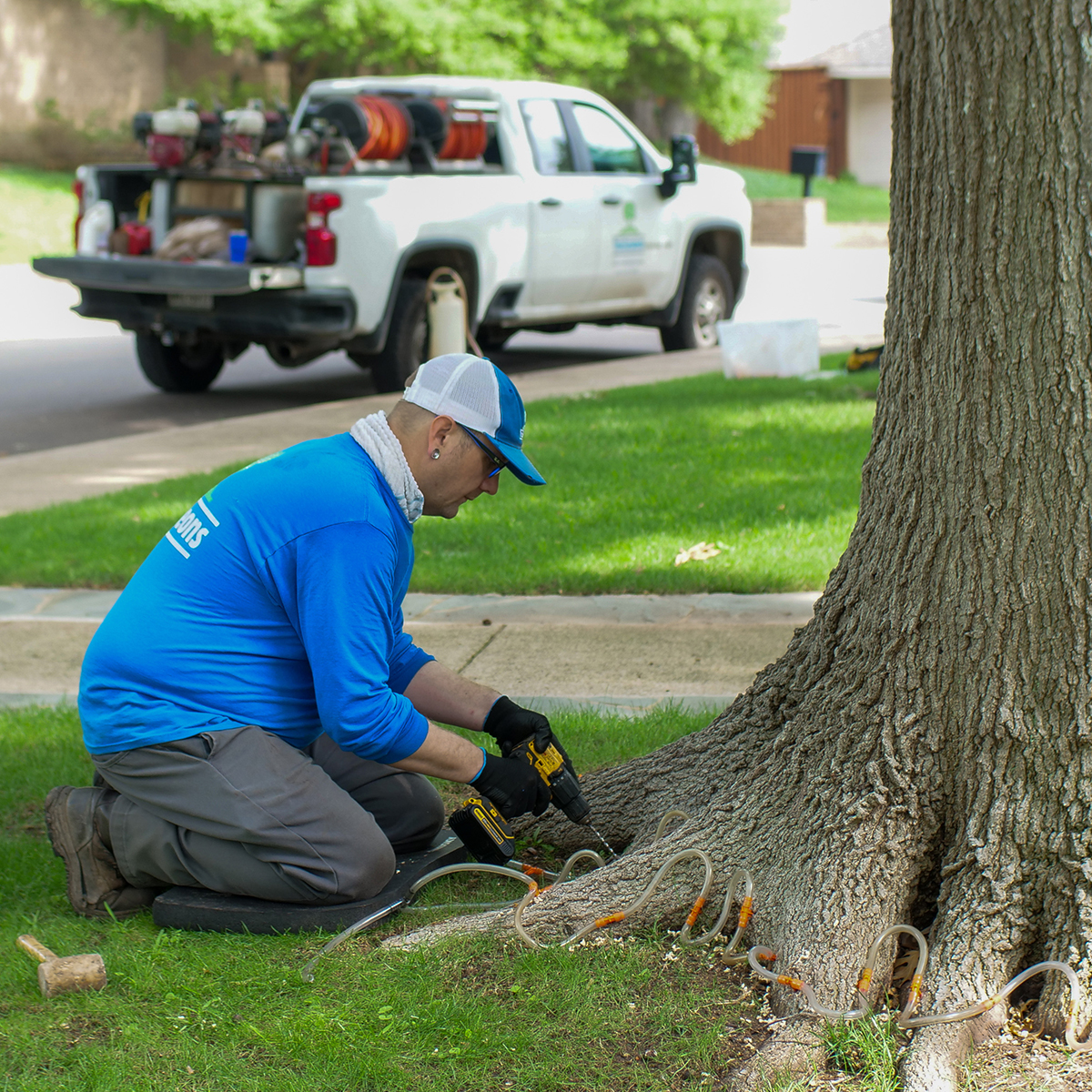
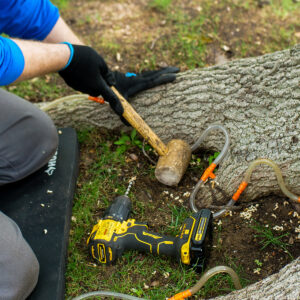
If you have healthy oak trees in an area with infected trees, preventative treatment may be effective in slowing transmission. As oak wilt is a systemic, vascular disease, the most effective treatment and only scientifically backed one consists of injecting the infected trees with a fungicidal chemical. The only currently recommended fungicide is Alamo®, a formulation of the fungicide propiconazole. The fungicide is administered through holes drilled in the root flare of the infected tree and should only be applied by Texas Department of Agriculture Licensed Applicators.
For large stands of oak trees, especially live oaks, trenching around the area and severing root connections can limit disease spread, as well.
Can you Treat Oak Wilt?
There is no known cure for oak wilt. If you have a tree that is infected with oak wilt, be sure to consult a Texas Oak Wilt Qualified arborist or your local Texas A&M Agrilife Extension agent to discuss treatment options.
- Red oaks usually defoliate and die one to six months after becoming symptomatic.
- Live oaks may last up to a few years before total necrosis.
- White oaks show the most resistance to oak wilt and may survive several years after infection.
The only scientifically backed treatment for Oak Wilt is a fungicidal treatment that may prolong the life of infected trees, but cannot eradicate the disease.
However, systemic fungicides are most effective if a tree has not lost more than 30% of the crown. Contact a certified arborist to see if your tree may be a good candidate for treatment.
What Areas Have Oak Wilt?
In North Texas, there are many centers of infection. At Texas Tree Surgeons, we take oak wilt precautions throughout our service area. Still, there are a few neighborhoods in which we have seen particularly bad oak wilt activity:
- Preston Hollow, Dallas
- Lakewood, Dallas
- Walnut Hill and Abrams, Dallas
- Coit and Campbell, Richardson
- President George Bush Turnpike and the Tollway, North Dallas
- Park and US 75 in Plano
- Highland Park
- University Park
If you live in one of these areas, or suspect oak wilt activity in your neighborhood, contact your arborist to see what specific preventative steps are recommended for your trees.
What to Do if There is Oak Wilt Activity in Your Area
- Protect all trees, and especially oaks, against insects
- Be aware of dead and dying trees and advise neighbors to remove dead wood from their property
- Connect with neighbors to help improve awareness
- If Oak Wilt is within 100 feet of your trees, consider preventative treatments
Oak wilt is one of the greatest threats to trees in Texas, approximately 50% of our urban forest are oaks.
Education, awareness, and prevention are the best tools we have to protect our urban forest from devastation. If you want to learn more about oak wilt, visit TexasOakWilt.org.

At Texas Tree Surgeons, we love trees and we love our customers. We have several Oak Wilt Qualified arborists on staff; please let us know if you have any questions about oak wilt or any other tree question. Tree educations leads to tree preservation and is key to keeping our urban forest healthy.
 PREV BLOG
Tree Health Care
View Photos of our ISA Certified Arborists & Tree Health Care Technicians Providing Consultation and Care
TREE SUPPORT SERVICES
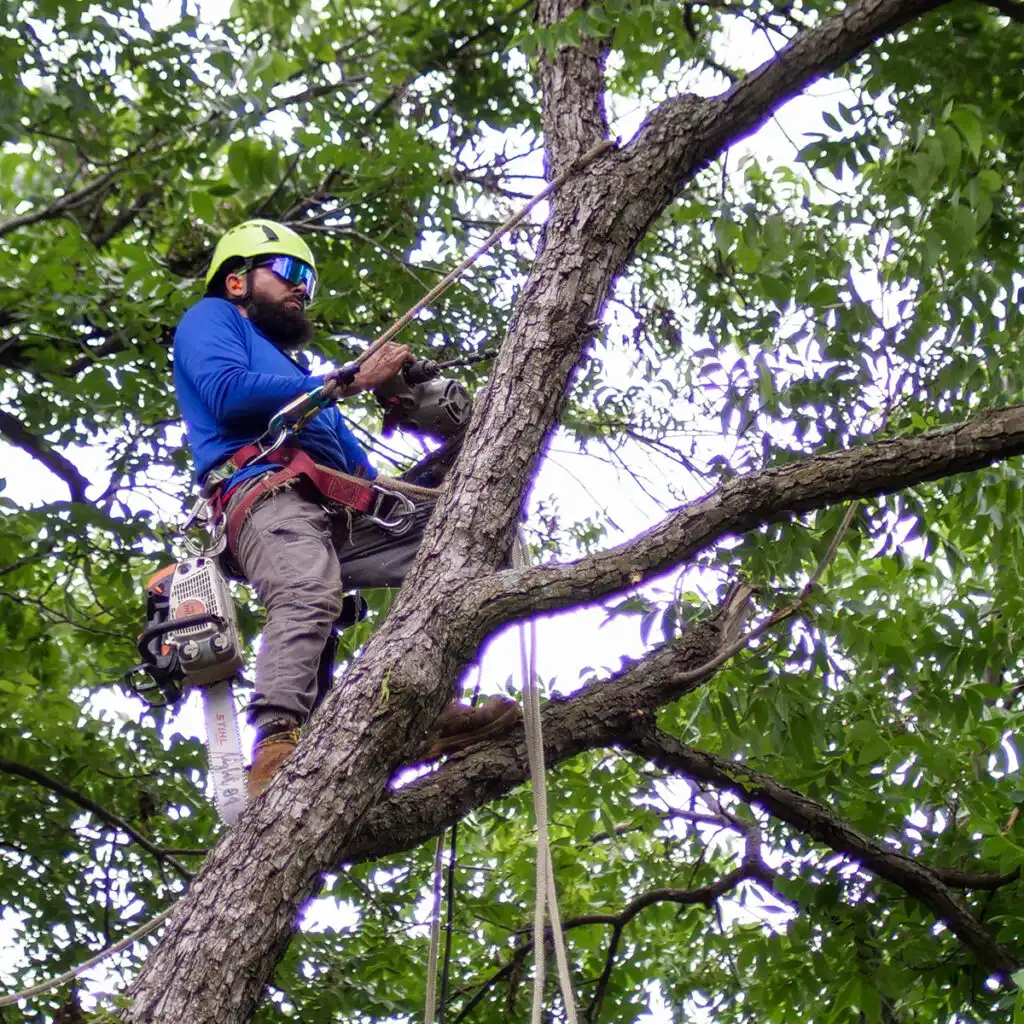
Depending on the size of a tree there can be multiple cables in addition to bracing to support the weight. Each tree is different, and not all trees are candidates for tree support systems due to their structure.

ISA CERTIFIED ARBORIST
Certified Arborist are tree care professionals who have achieved a high level of professional distinction through their knowledge and experience in the field. This knowledge helps them diagnose any issues your trees might be having.

PREVENTATIVE EAB TREATMENT
If there is EAB activity within a few miles of where you live or property you manage we recommend preventative systemic insecticide treatment applied by a licensed TDA tree health care technician. EAB treatment lasts for 2 years and must be applied regularly to protect ash trees from infection.
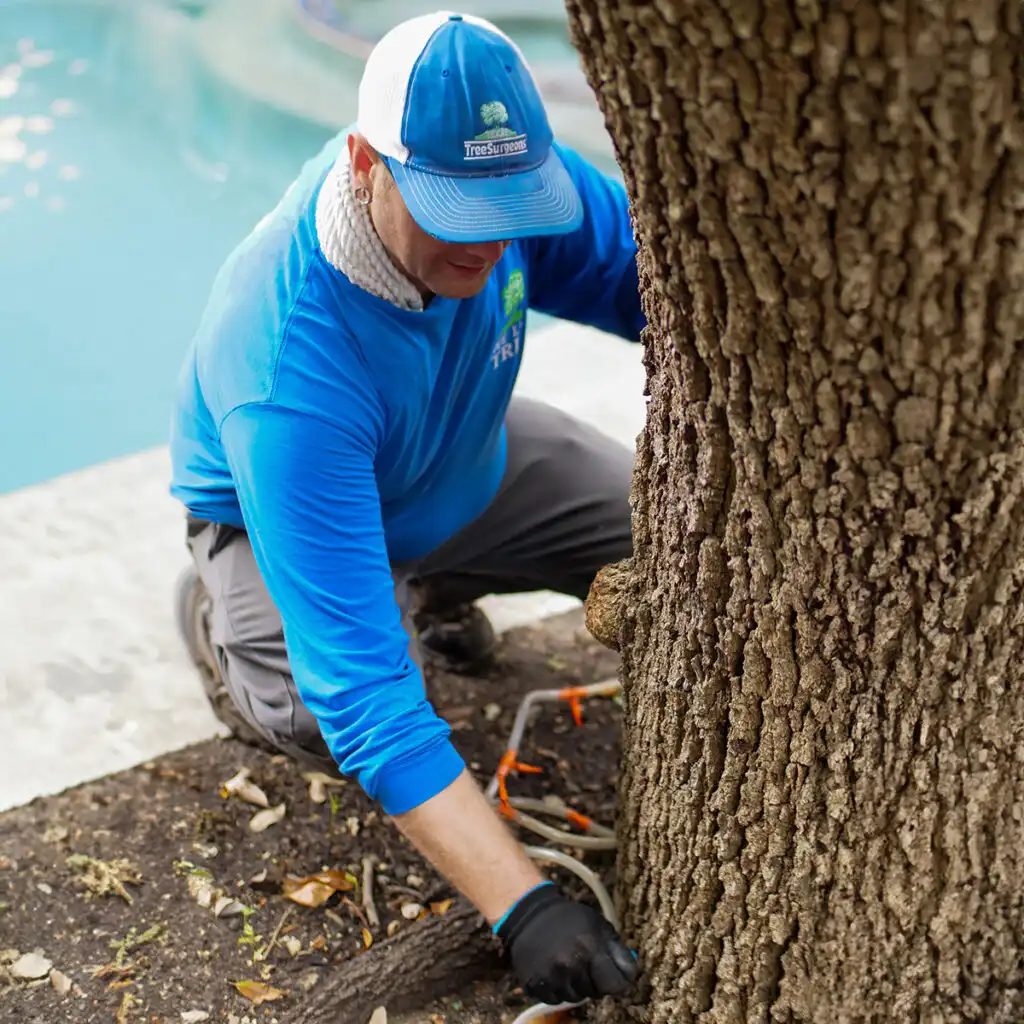
OAK WILT TREATMENT
As oak wilt is a systemic, vascular disease, the most effective treatments consist of injecting the infected trees with a fungicidal chemical. The only currently recommended fungicide is Alamo®, a formulation of the fungicide propiconazole. The fungicide is administered through holes drilled in the root flare of the infected tree and should only be applied by Texas Department of Agriculture Licensed Applicators.

SOIL AMENDMENTS
Our uniquely developed mixtures promote stability and growth for trees efficiently and safely, without the worry of harmful chemicals that some companies use that can be damaging to the surrounding environment.

STRESSED MAGNOLIA | BEFORE
This magnolia tree is one of many that were in decline on a single property. This photo is from April 15, 2024 prior to the tree receiving a tree health care plan.

STRESSED MAGNOLIA | AFTER
This after photo was taken June 27, 2024 of a magnolia tree after receiving multiple interventions to improve its health. In addition to a tree health care plan of a deep root fertilization with Biopack plus and Sea3 applied by our TDA licensed technician the owner also fixed the irrigation and cleared the root flare. The difference in health is beautiful.
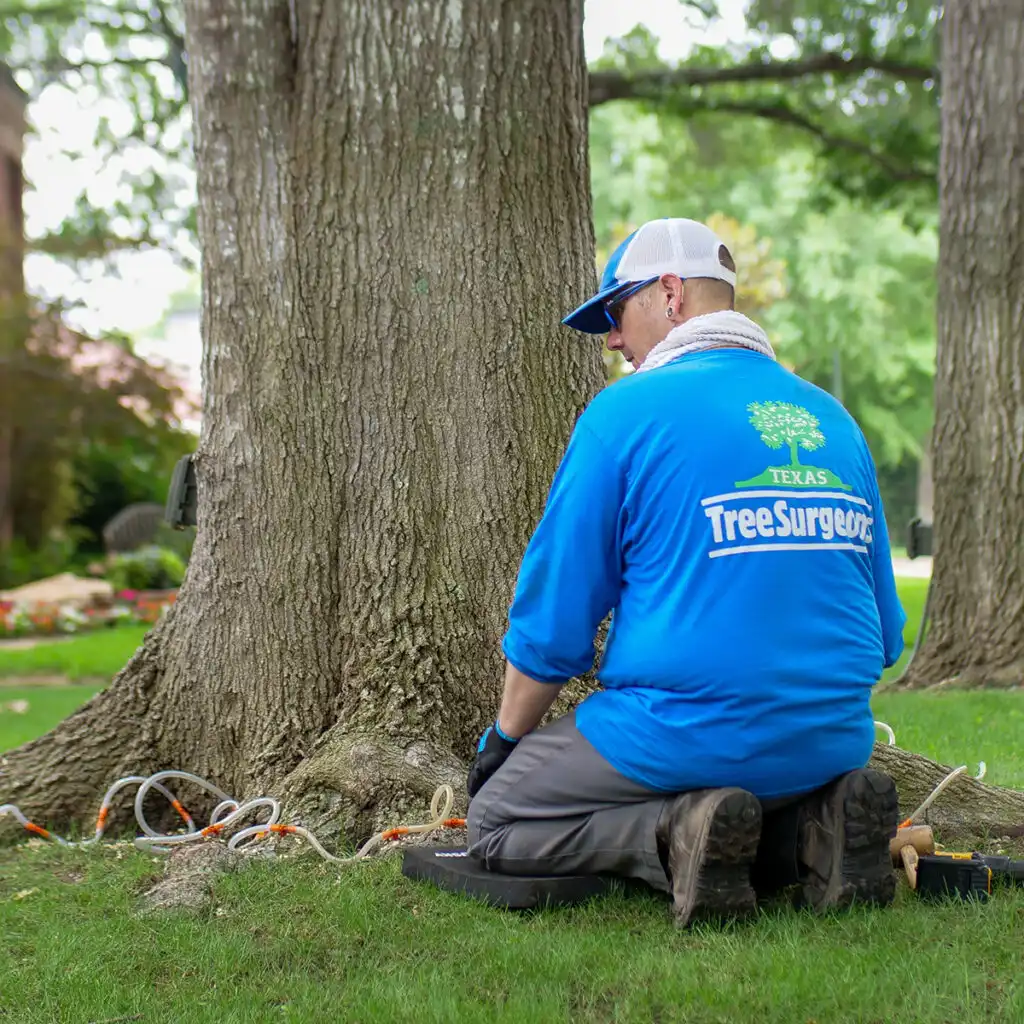
TDA LICENSED
Our technicians are TDA licensed and use science based treatment when implementing a Tree Health Care plan. These plans are put in place under the guidance of an ISA Certified Arborist.

DIAGNOSING TREE
Our ISA Certified Arborists use several different types of tools to help them assess a trees health. The arborist is "sounding" the tree. Different sounds can indicate areas of decay or other defects.
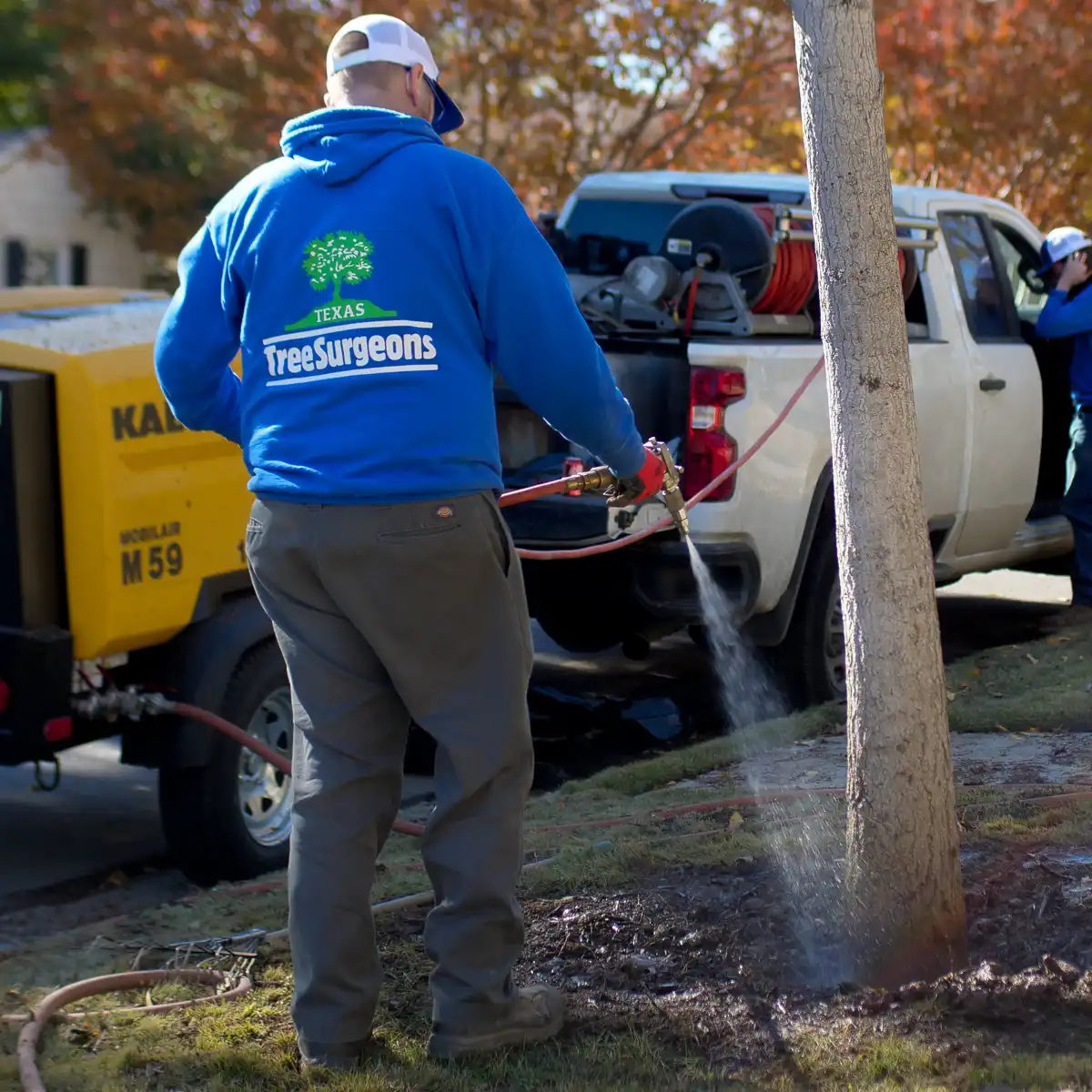
FERTILIZATION
Our Tree Health Care Programs are designed to deliver the right nutrients at the right times throughout the year. We use the highest quality soil conditioners and fertilizers that are delivered at critical points throughout the seasons to optimize the growth and health of trees.

DEEP ROOT INJECTION SERVICES
At Texas Tree Surgeons our deep root injection services provides fertilization deep into the soil. Our unique mixtures combine macro- and micro-nutrients, root growth stimulators, soil conditioners, beneficial biotics (both mycorrhizal fungi and rhizobacteria), and organic materials to cultivate the optimum natural growth environment.

AIR SPADING
Air spading helps improve tree health by increasing the tree root's access to air, water, and nutrients by decompacting the soil. Soil compaction occurs in urban environments during turf installation, construction, improper planting, and mechanical and foot traffic.

ROOT PRUNING POST AIR SPADING
To correct this improperly planted tree our Tree Health Care Technicians air spade to expose the root flare and to prune away girdling roots. You can learn more about how to properly plant a tree here.

GIRDLING ROOTS
This tree was planted too deep and has several girdling roots (roots that circle the tree and do no flare out) that left unmanaged would eventually kill the tree. After air spading our Tree Health Care Technicians are pruning the roots and adjusting the soil around the tree to expose the root flare to improve tree health.

TREE HEALTH CARE
Director of Tree Health Care Development, Steve Barrett pointing out sections in the tree that need to be addressed for improved health.
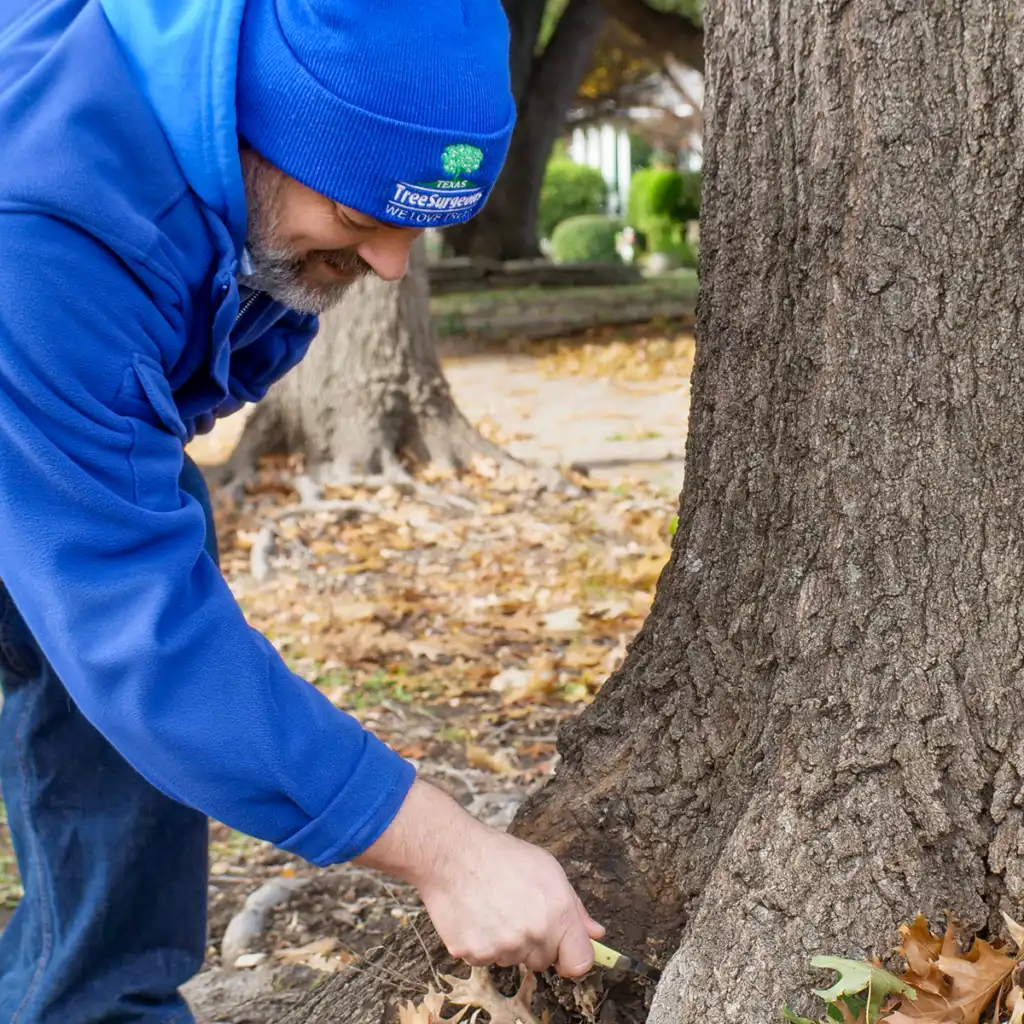
INSPECTING FOR POSSIBLE DECAY
Sometimes issues with a tree aren't clearly visible on the outside so an arborist will need to inspect the interior. An arborist does this by probing with a small knife to see how extensive the decay in a region of a tree is. Arborists are able to use this information along with other signs to determine if there are potential structural issues or possible increased chances for failure.

MEASURING DBH
The best way to approximate the size of a tree is to measure their dbh, (diameter, breast, height). This enables our arborists to estimate the amount needed for Tree Health Care products or pricing for Tree Removal.
Related Blogs
Similar blogs related to this topic
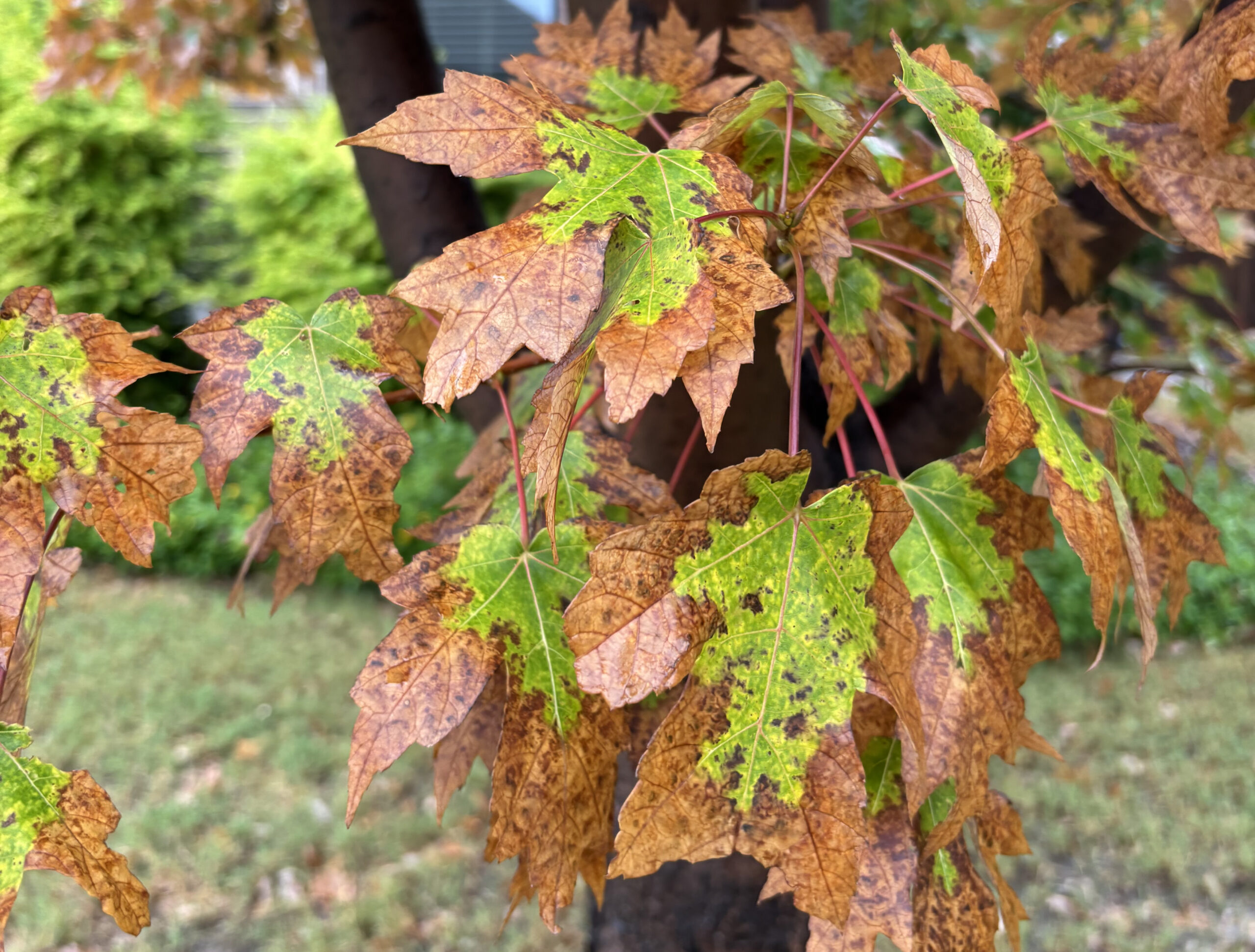
Top 10 Reasons Why Your Tree is Dying
Trees are tougher than they look, but even healthy trees can struggle when stress builds over time. In North Texas, factors such as drought, poor soil conditions, root damage, pests, and improper maintenance can gradually…
Read more
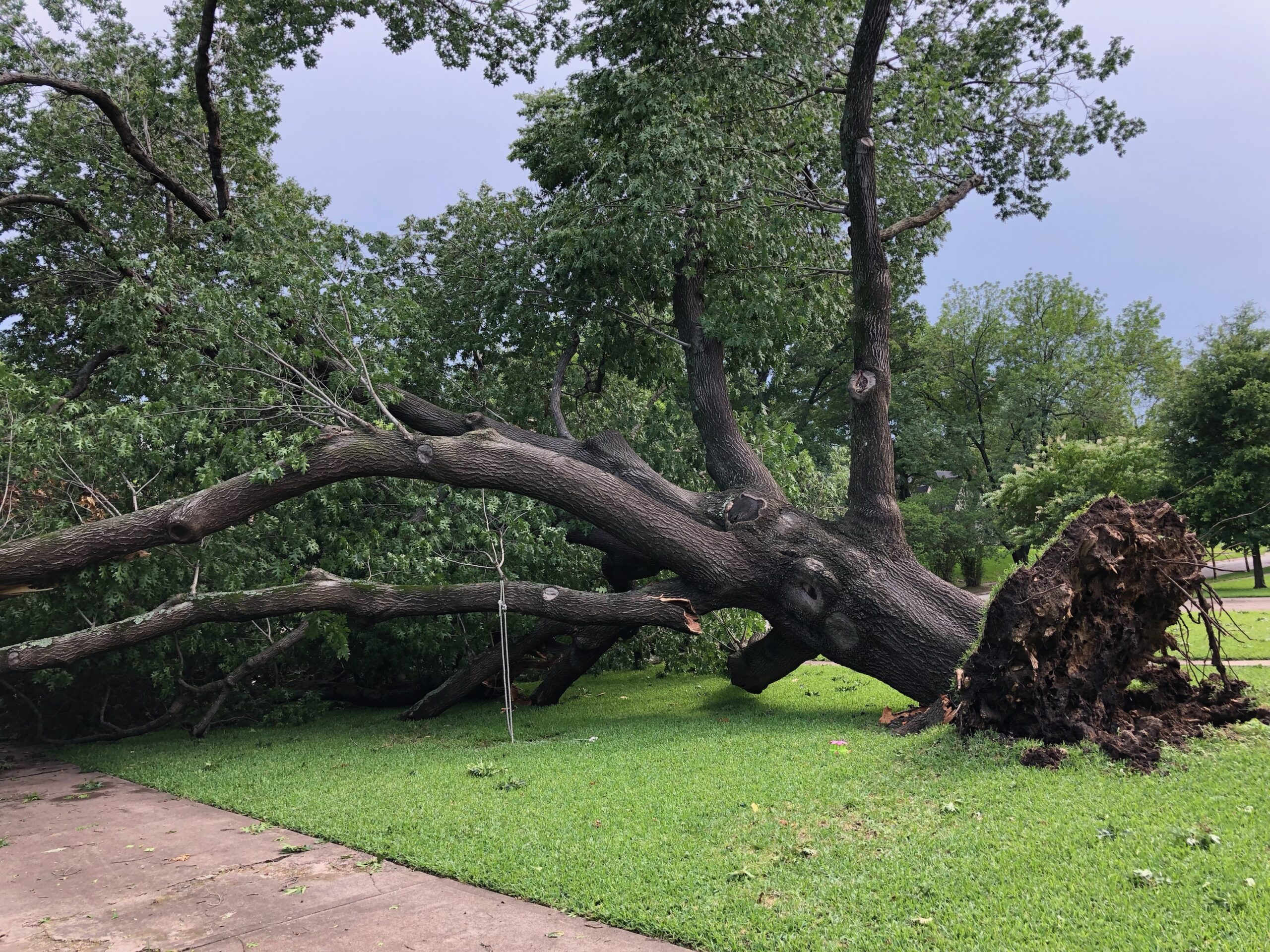
Leaning Trees Post Heavy Rain
Heavy rain followed by long period of drought can cause significant shifting in our soils. This can be concerning for trees that have shallow roots. Heavy Rain Doesn’t Mean Tree Failure Healthy trees that are structurally…
Read more
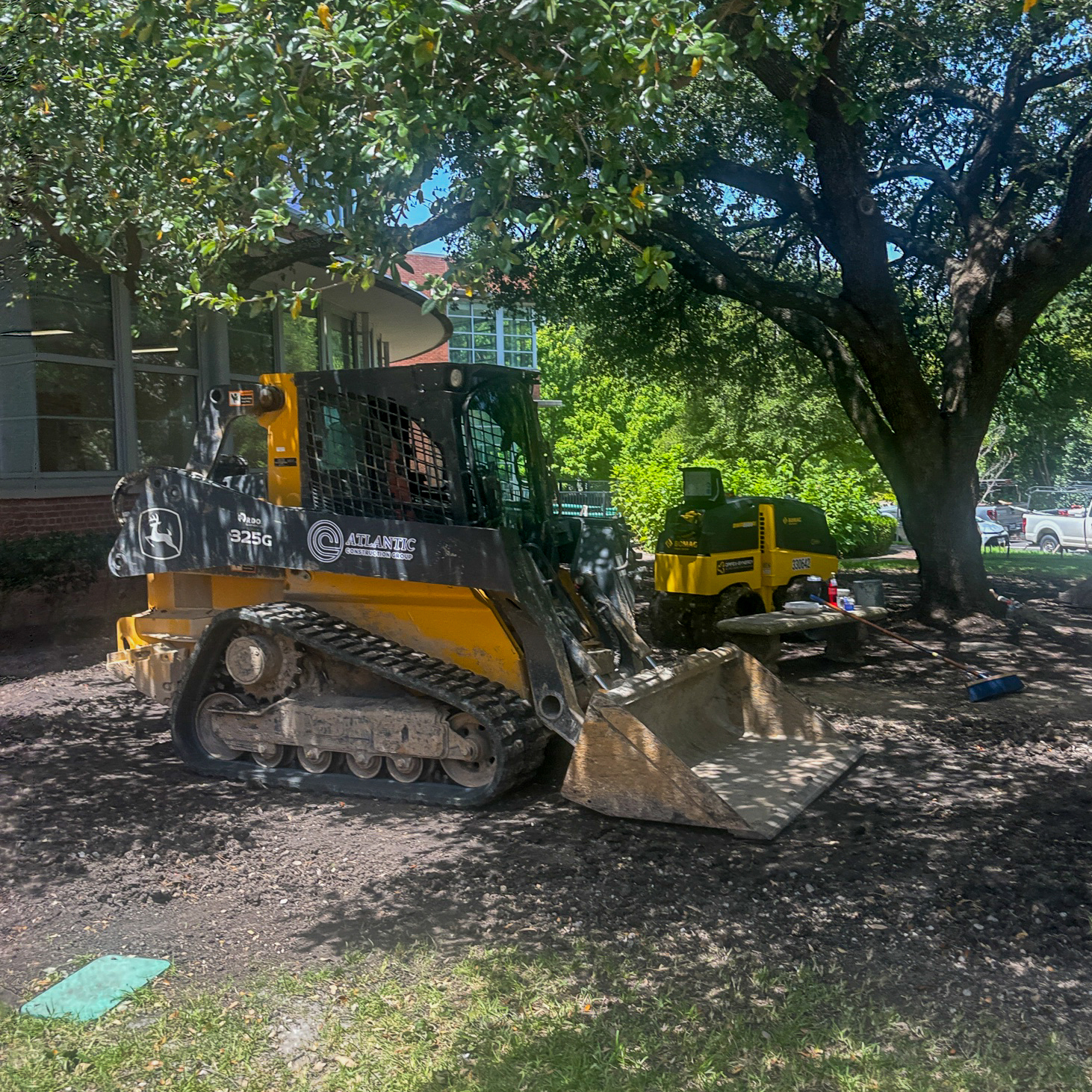
Is There Anything you can do to Correct Compaction Issues Caused by Construction?
Correcting soil compaction requires a combination of physical loosening of the soil (aeration), biological improvement (microorganisms), continued protection. Vertical Mulching Mechanical / Physical Solutions Mechanical/Physical solutions are usually the quickest way to break up severely…
Read more