How Do I Identify and get Rid of Crape Myrtle Bark Scale in Dallas

Crape Myrtles are a popular and beautiful addition to many Dallas gardens, but they can sometimes fall victim to pests like Crape Myrtle Bark Scale (CMBS). This pesky problem can affect the health and appearance of the tree.

Recognizing the Signs of Bark Scale
- Bark scale often appears as white or gray waxy clusters on the bark and branches. These pests can cause the bark to appear sooty as they produce a black, mold-like substance.
- One notable sign is the presence of a black, sooty mold. This mold results from the honeydew secreted by bark scale insects, which encourages mold growth. If you notice blackened bark or branches, it’s an indicator that bark scale might be at work.
- Another indication of an infestation is a gradual loss of plant vigor. As the scales feed on the sap, the crape myrtle may appear less vibrant, with leaves showing signs of discoloration or wilting.

Inspecting Your Crape Myrtle Closely
Carefully examine the trunks and branches. Look for tiny insects hiding in the crevices of the bark and check for any leaf discoloration or wilting.
It’s important to conduct these inspections regularly, especially during warm months when scale activity increases. A thorough inspection will often reveal the presence of juvenile scales, which can be challenging to spot due to their small size.
During your inspection, shake the branches gently. If a fine white powder falls, it could indicate the presence of young scales that are not yet producing honeydew.
Implementing DIY Treatment Solutions
Begin by washing off the scale with a strong spray of water. You can also gently scrub the affected areas with mild soap and water to remove the scale insects.
Using a soft brush, scrub areas of thick infestation. This mechanical removal can be particularly effective at disrupting the scales’ protective barriers, making subsequent treatments more efficient.
Create a solution using one tablespoon of dish soap in a gallon of water. Apply this mixture on the scales, allowing it to sit briefly before rinsing. This can help reduce the population significantly.
Tree Health Care Plans
Systemic insecticides (neonictinoids) are currently the most effective control for crape myrtle bark scale. Having a Tree Health Care technician annually provide treatment like soil amendments in addition to managing disease and insects on sick trees will help keep your trees healthy.
Monitoring and Prevention
Regularly inspect your crape myrtles for early signs of infestation. Maintain the health of your trees with proper pruning and fertilization to prevent future issues.
Schedule annual assessments with a local Dallas certified arborist to help monitor and manage the health of your trees.
At Texas Tree Surgeons we love trees. We have several blogs on crape myrtles / crepe myrtles to help homeowners with multiple questions surrounding care for them. By learning to identify the pest and apply the appropriate treatments, you can protect your crape myrtles and enjoy their stunning blooms year after year.
 PREV BLOG
Related Blogs
Similar blogs related to this topic

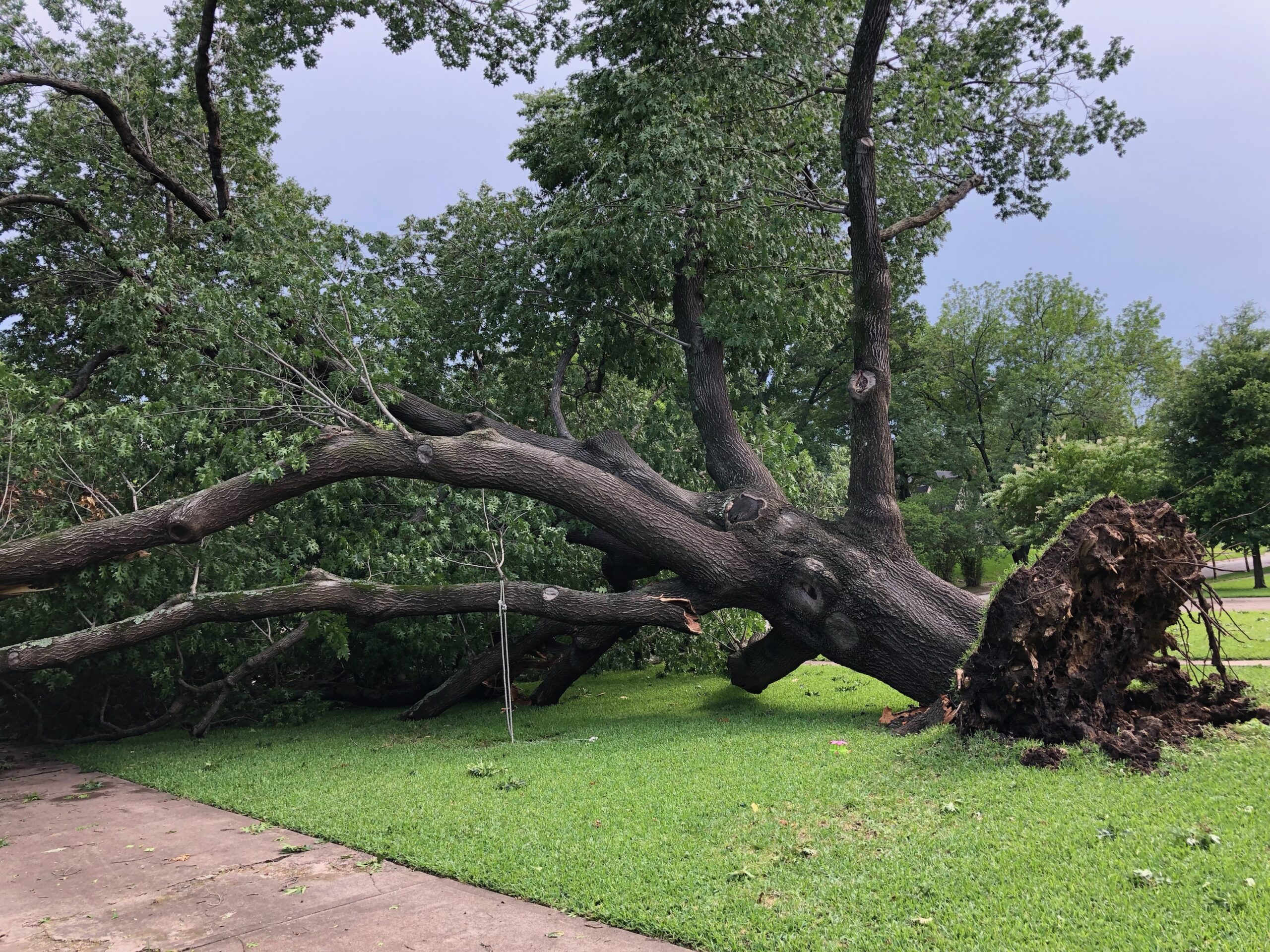
Leaning Trees Post Heavy Rain
Heavy rain followed by long period of drought can cause significant shifting in our soils. This can be concerning for trees that have shallow roots. Heavy Rain Doesn’t Mean Tree Failure Healthy trees that are structurally…
Read more
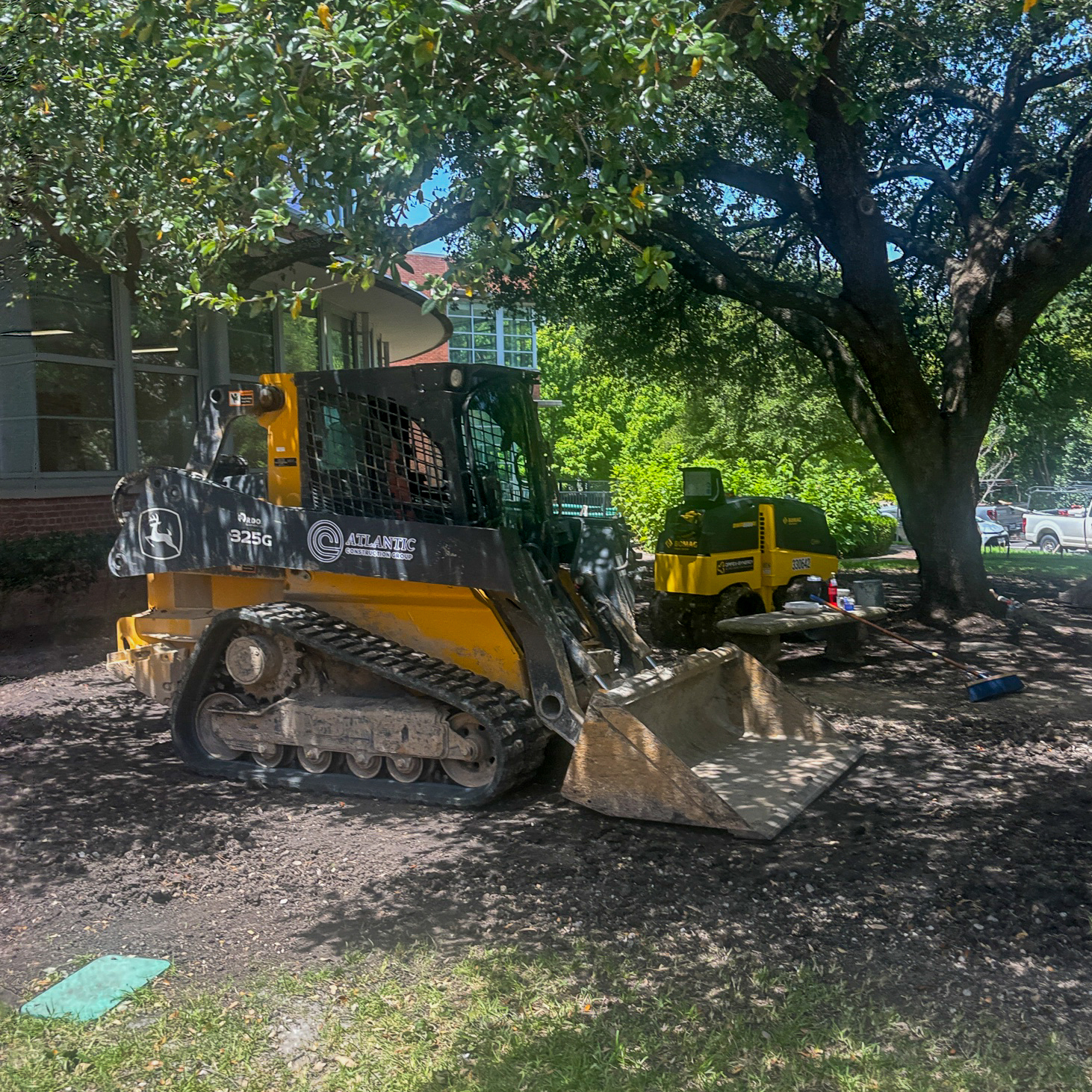
Is There Anything you can do to Correct Compaction Issues Caused by Construction?
Correcting soil compaction requires a combination of physical loosening of the soil (aeration), biological improvement (microorganisms), continued protection. Vertical Mulching Mechanical / Physical Solutions Mechanical/Physical solutions are usually the quickest way to break up severely…
Read more
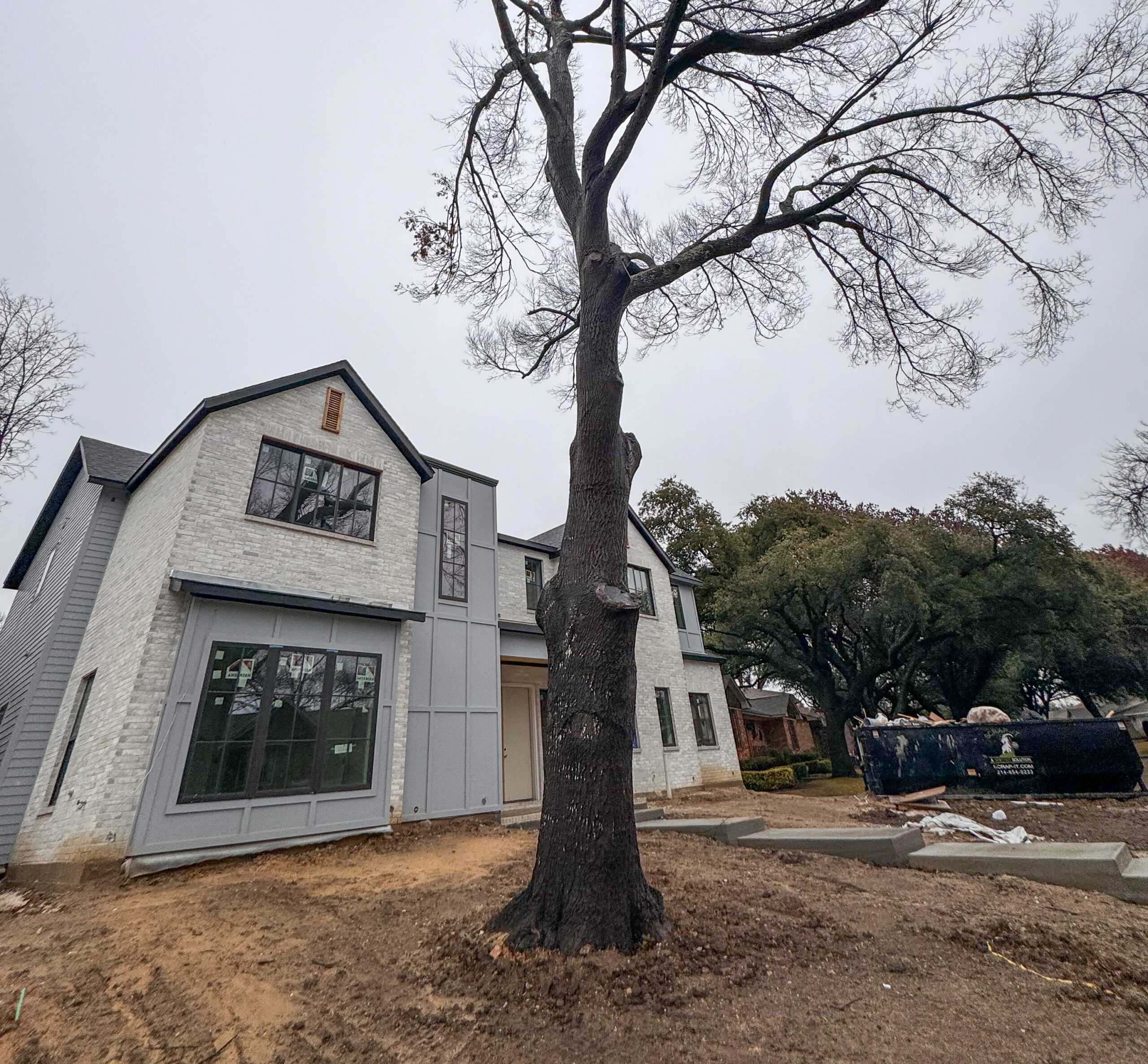
Avoid Costly Mistakes with Your Trees During Construction Projects
When planning for a rebuild or renovation of your home one thing that consistently gets overlooked is proper tree protection. Trees are living organisms that need to be protected and accounted for prior to construction…
Read more