Chinquapin Oaks in DFW: A Sustainable and Reliable Tree Choice
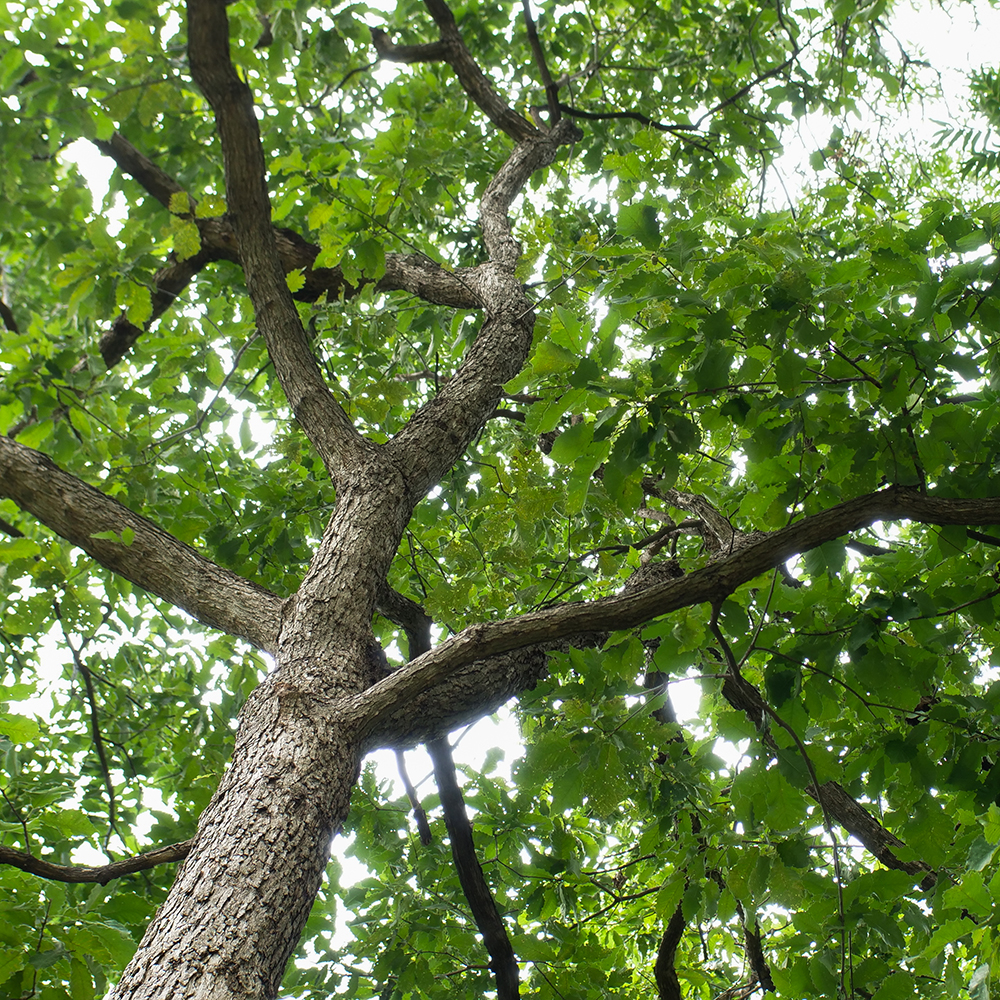
If you’re looking for a shade tree that can handle North Texas conditions while adding long-term value to your landscape, the Chinquapin oak (Quercus muehlenbergii) is worth a closer look.
This native Texas tree is known for its durability, adaptability, and longevity – making it a practical investment for homeowners who want more than just quick curb appeal. It’s not the fastest growing tree, but with the right care, it becomes one of the most reliable choices for the region.
Why Chinquapin Oak Works in North Texas
North Texas is tough on trees, with heat, drought, clay soils, and limestone all part of the equation. Chinquapin oak stands out because it is naturally adapted to these conditions.
It thrives in alkaline and limestone soils, tolerates drought once established, and performs consistently across a wide range of environments. Because of this reliability, it has earned recognition as a Texas ‘Superstar’ plant – meaning it performs well in landscapes across the state.
What a Chinquapin Oak Looks Like (and Why People Choose It)
Chinquapin oak develops into a medium-to-large shade tree with a broad, rounded canopy and attractive, chestnut-like leaves.
It typically reaches 40 to 70+ feet tall and provides dense, cooling shade during summer months. In fall, the foliage turns soft yellow to golden tones, adding seasonal interest. Beyond appearance, its canopy can help reduce heat around homes, making it both visually appealing and functional.
A Native Tree That Supports Wildlife
As a native species, Chinquapin oak plays an important ecological role. Its acorns provide food for birds, deer, and small mammals, while its branches offer habitat and shelter.
Native oaks also support beneficial insects and pollinators, helping strengthen local ecosystems. Planting native trees like Chinquapin oak contributes to a healthier, more balanced landscape.
What to Know Before You Plant a Chinquapin oak
It’s Slow at First – but Worth the Wait
Chinquapin oak prioritized root development in its early years, which can make above-ground growth seem slow. Over time, that established root system provides the strength and drought tolerance the tree is known for.
It Needs Space
This is not a small tree. Plan for at least 40 to 60 feet of canopy spread to avoid future conflicts with structures such as foundations, driveways, or power lines.
Soil and Water Matter – Especially Early
Chinquapin oak performs best in well-drained soils with neutral to alkaline pH. During the first few years after planting, water deeply and consistently to support root establishment. Once established, supplemental watering is typically only needed during periods of drought.
Low Maintenance Once Established
This species is valued for its long-term ease of care. Once established, healthy trees require minimal intervention, with moderate water needs, good resistance to pests and diseases, and only basic structural pruning.
Chinquapin Oaks are Great for Sustainable Landscapes
Chinquapin oak is a resilient, long-term landscape tree valued for its structural strength, adaptability, and low maintenance. When properly sited and established, it delivers consistent shade, supports urban ecosystems, and performs reliably under North Texas conditions – making it not just a good choice, but a foundational one for sustainable landscapes.
 PREV BLOG
Related Blogs
Similar blogs related to this topic
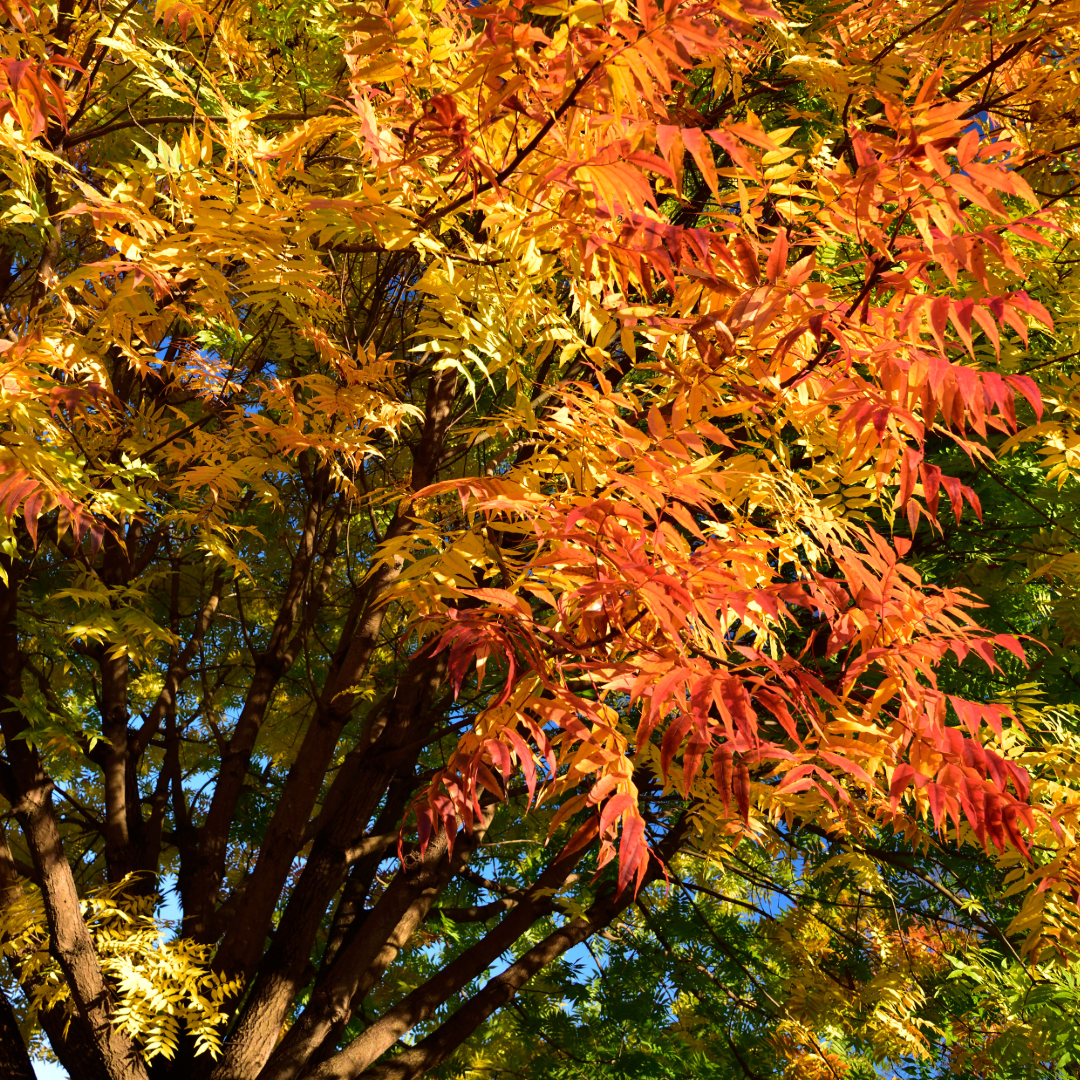
How to Grow and Care for Chinese Pistache Trees in North Texas
The Chinese pistache (Pistacia chinensis) is the kind of tree that earns its place—brilliant fall color, impressive durability, and a knack for thriving where others struggle. It’s no surprise it’s a North Texas favorite. But…
Read more

Your Guide for Pecan Trees in North Texas
Pecan trees are about as Texan as it gets—long-lived, generous, and a little particular about how they’re treated. With the right approach, they provide both dependable shade and a seasonal harvest. Not a bad return…
Read more
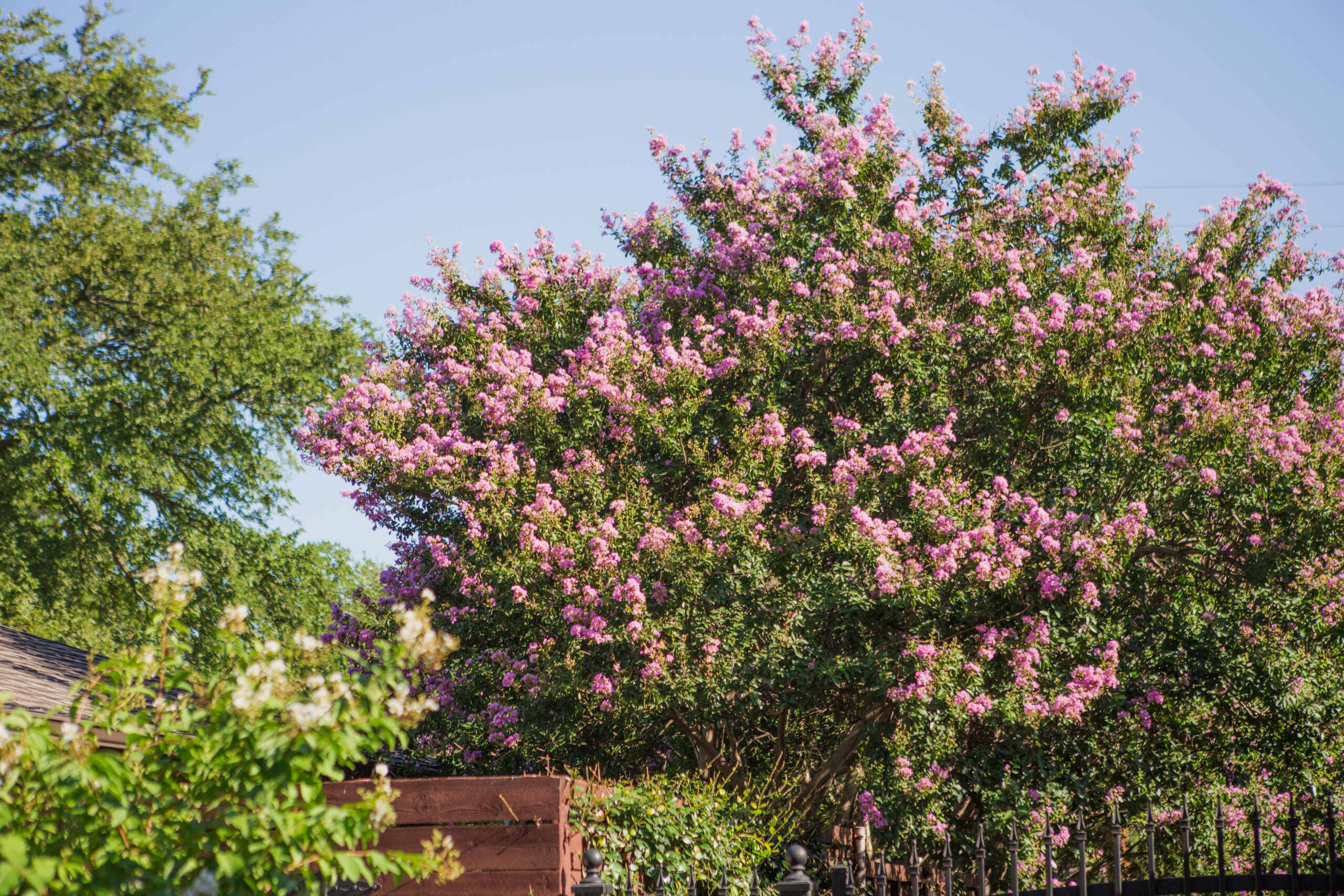
Crape Myrtle Care Made Easy: 9 Tips for North Texas Landscapes
Crape myrtles are a favorite across the Dallas-Fort Worth area thanks to their vibrant summer blooms, adaptability, and long season of interest. While these trees are relatively low maintenance, a few region-specific care practices can…
Read more