How to Grow and Care for Chinese Pistache Trees in North Texas
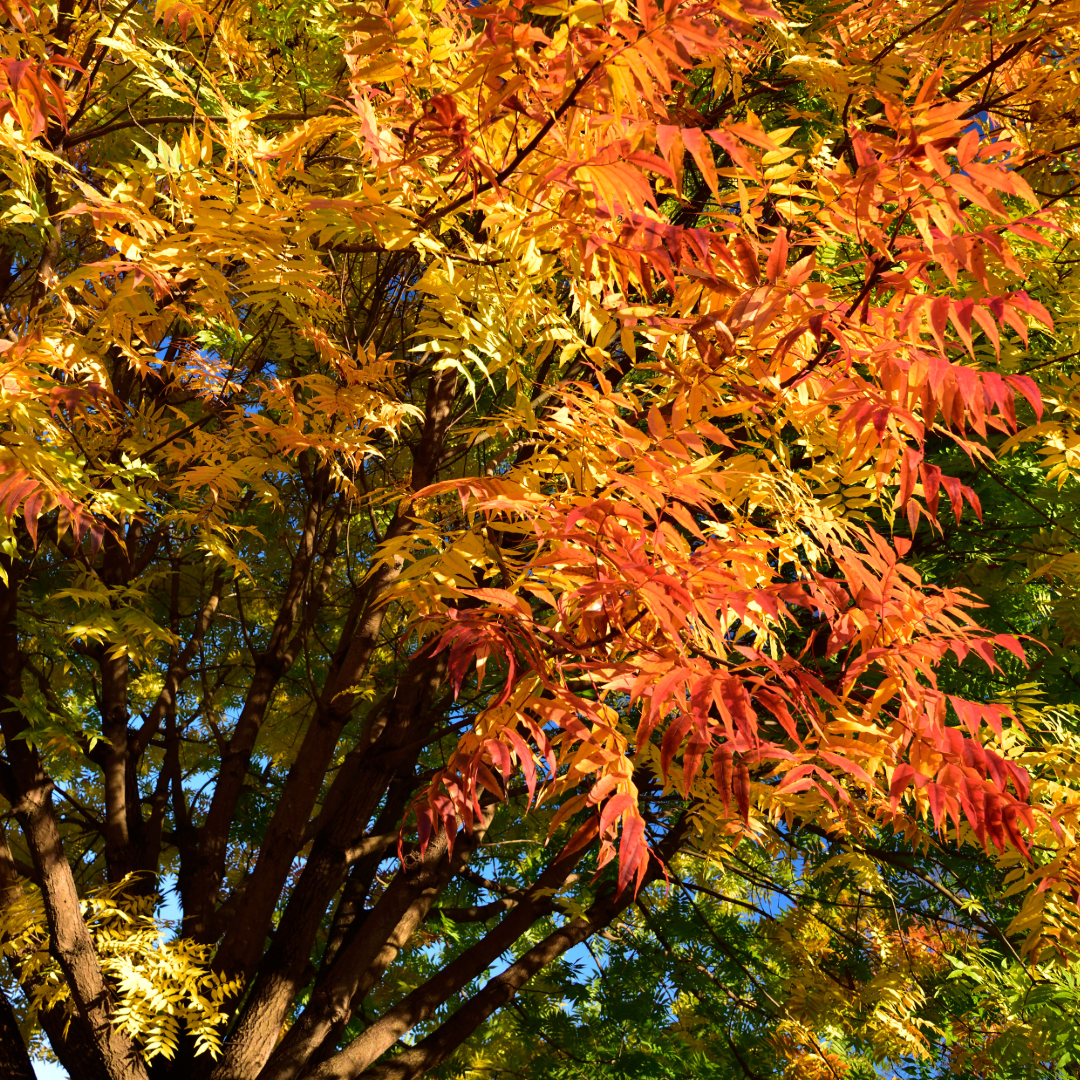
The Chinese pistache (Pistacia chinensis) is the kind of tree that earns its place—brilliant fall color, impressive durability, and a knack for thriving where others struggle. It’s no surprise it’s a North Texas favorite. But even tough trees appreciate thoughtful care. Here’s how to help yours not just survive, but flourish.
Know Your Tree’s Climate Preferences
Chinese pistache trees are well adapted to North Texas’ hot summers and mild winters. They prefer full sun, ideally eight or more hours a day.
They tolerate heat, drought, and urban conditions well, but like most trees, they perform best when you get the basics right: sunlight, drainage, and space. Established trees can handle brief cold snaps, though younger trees may need a little protection during their first few winters.
Pro tip: Avoid shaded pockets or areas with trapped heat from pavement. Your tree prefers sunshine—not a sauna.
Planting: Set the Stage Early
A healthy tree starts with proper planting—no shortcuts here.
Choose a location with well-draining soil and enough space for mature growth. Set the flare slightly above ground level to prevent water from collecting around the trunk.
Dig a hole at least twice as wide as the root ball, but no deeper. This encourages roots to grow outward for better stability. Use native soil for backfill, adding compost only if needed – strong roots adapt best to the soil they’ll live in.
Finish with a 2- to 3-inch layer of mulch, keeping it a few inches away from the trunk. (Mulch is helpful. Mulch volcanoes are not.)
Watering: Read the Tree, Not the Calendar
Chinese pistache trees are drought-tolerant once established, but young trees need attentive watering as they develop their root systems.
Rather than following a set schedule, water based on conditions – soil, weather, and tree age all play a role. Aim to keep the soil evenly moist (not soggy) while encouraging root growth.
Water when the top few inches of soil feels dry. During hot, dry periods, this may mean watering more often; in cooler or rainy conditions, much less. Deep, occasional watering is far more beneficial than frequent, shallow applications.
A quick check: dig down a few inches near the root zone. If it’s dry, water. If it’s still moist, wait. As the tree matures, it will need far less supplemental water. When in doubt, water less often, but more deeply – your tree will be stronger for it.
Soil and Fertilizer: Keep It Balanced
Chinese pistache trees aren’t particularly fussy, but they do prefer slightly acidic to neutral soil (pH 6–7).
Apply a balanced, slow-release fertilizer once per year, if needed. More isn’t better – over-fertilizing can lead to fast, weak growth.
In many cases, a healthy tree in decent soil needs very little added input. A periodic soil test can help you stay on track without overcorrecting.
Pruning: Structure First
Good pruning early makes everything easier later.
Focus on building strong structure while the tree is young—one central leader and well-spaced branches. It’s a simple step that pays off with better form and fewer problems over time.
Remove dead, damaged, or crossing branches, along with any competing leaders. Make clean cuts just outside the branch collar (no flush cuts or stubs) so the tree can seal wounds naturally.
Plan major pruning for late winter while the tree is dormant and avoid removing too much at once. A light, consistent approach keeps the tree healthy and balanced. A well-pruned pistache isn’t just better looking, it’s stronger, safer, and built to last.
Pests and Disease: Low Drama, Not No Drama
Chinese pistache trees are generally low maintenance, but they’re not entirely carefree. Occasional pests like aphids or minor issues such as leaf spot can show up, especially during periods of stress.
The best approach is simple: check your tree regularly. Catching issues early prevents bigger concerns later. Healthy trees are naturally more resilient, so good care goes a long way. Proper watering, thoughtful pruning, and adequate spacing all help reduce stress and limit pest or disease pressure. Encouraging beneficial insects can also keep pest populations in check without heavy intervention.
Why It’s Worth the Effort
With the right care, a Chinese pistache becomes more than a tree—it becomes a long-term landscape asset. It delivers reliable shade, durability, and a little seasonal drama (the good kind).
Put in the work early, and your tree will return the favor for decades—with minimal fuss and lasting impact. Visit our homepage for more expert advice and assistance in keeping your landscapes lush and healthy.

At Texas Tree Surgeons we love trees. Our goal is to make sure your trees maintain long term health. Our certified arborists are here to renew your landscape and are experts in tree preservation. Our tree experts use scientifically backed methods to improve the health of your landscape.
 PREV BLOG
Related Blogs
Similar blogs related to this topic

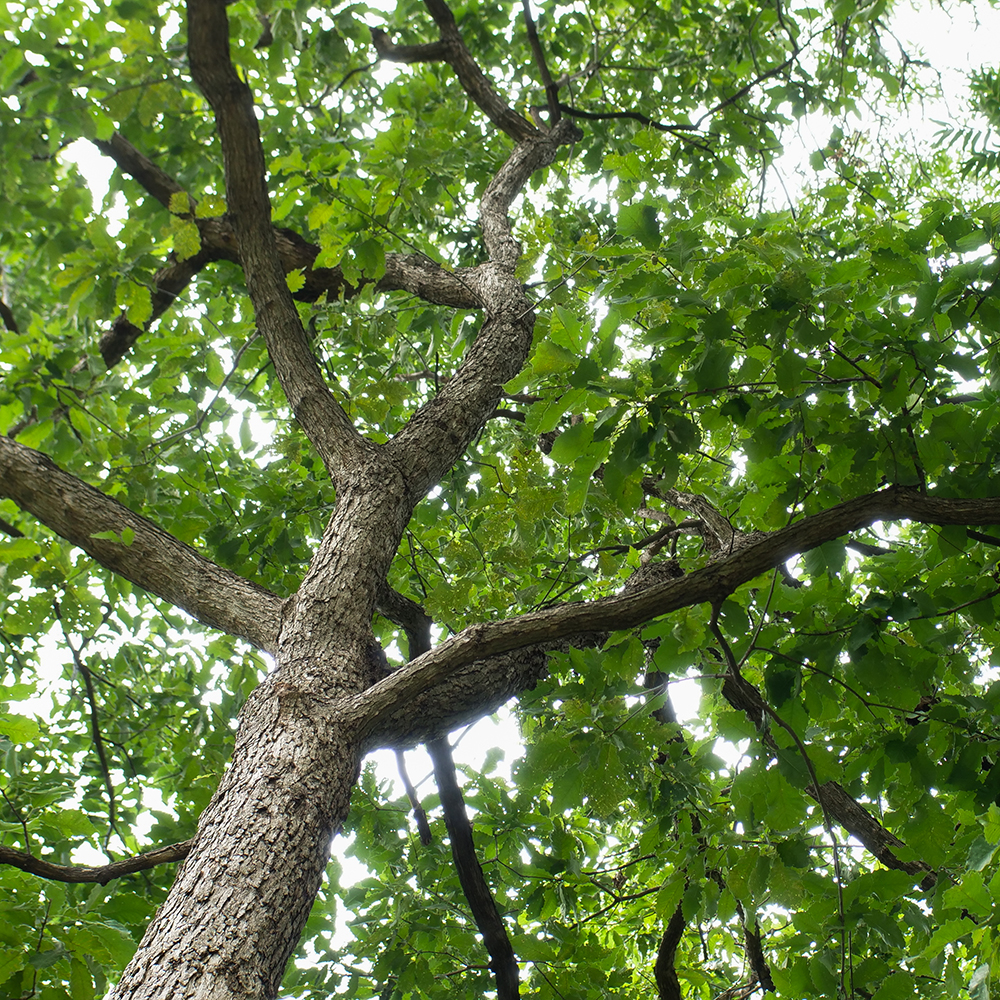
Chinquapin Oaks in DFW: A Sustainable and Reliable Tree Choice
If you’re looking for a shade tree that can handle North Texas conditions while adding long-term value to your landscape, the Chinquapin oak (Quercus muehlenbergii) is worth a closer look. This native Texas tree is…
Read more

Your Guide for Pecan Trees in North Texas
Pecan trees are about as Texan as it gets—long-lived, generous, and a little particular about how they’re treated. With the right approach, they provide both dependable shade and a seasonal harvest. Not a bad return…
Read more
Crape Myrtle Care Made Easy: 9 Tips for North Texas Landscapes
Crape myrtles are a favorite across the Dallas-Fort Worth area thanks to their vibrant summer blooms, adaptability, and long season of interest. While these trees are relatively low maintenance, a few region-specific care practices can…
Read more