• Skip to main content
  • 469-387-6000
  • [email protected]
  • Local Arborist
  • Services

    All Services

    Local Arborist

    Consulting

    Tree Trimming

    Tree Removal

    Tree Health Care

    Tree Planting

    Stump Grinding

  • Service Area
    Addison Allen Arlington Carrollton Colleyville Coppell Dallas Denton Euless Farmers Branch Flower Mound Fort Worth Frisco Garland Grand Prairie Grapevine Highland Park Irving Keller Lewisville McKinney Mesquite Murphy North Richland Hills Plano Prosper Richardson Rockwall Southlake Trophy Club University Park Wylie
  • Information
    About How We Work Faqs “Arborist” vs. “Certified Arborist” Emergency Tree Work Gallery Insurance and W9 Information
  • Testimonials
  • Blog
    All Blog North Texas Tree Owner’s Guide Tree Recommendations Insects & Diseases Whats Wrong with My Tree Fall Tree Care Winter Tree Care Spring Tree Care Summer Tree Care
  • Pay Invoice
  • Contact Us
  • What's Wrong with My Tree
  • Tree Health Care
  • Insects & Diseases
  • Resources
  • Ask Texas Tree Surgeons

Tubakia Leaf Spot

Aug 09, 2025

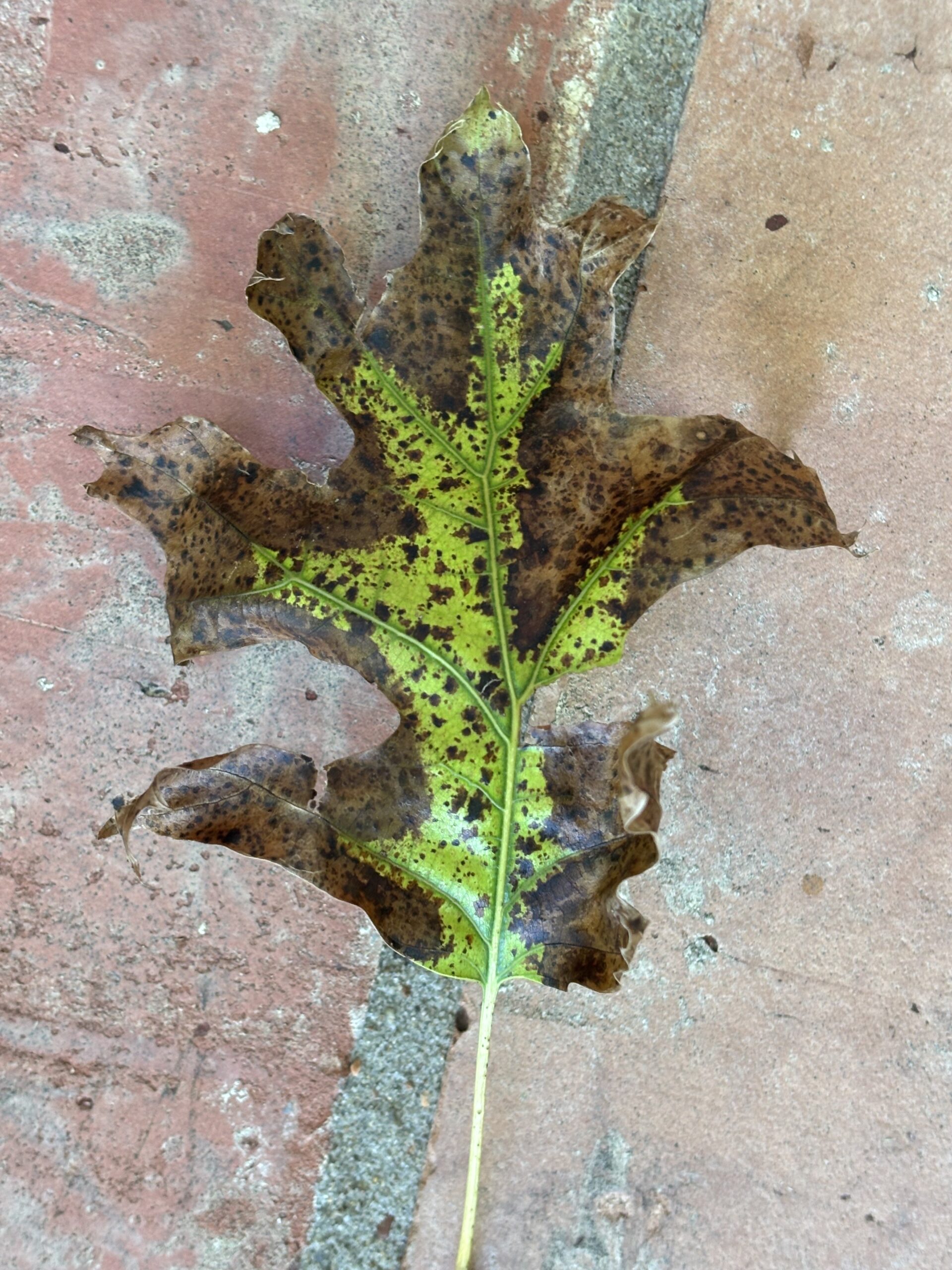
If your tree is dropping leaves early or you’re seeing large brown splotches or odd spots on the foliage, you’re not alone. Here in North Texas, one of the most common causes of these symptoms is Tubakia leaf spot, a fungal disease that tends to show up just as the growing season starts winding down.

The hot, humid summers and frequent rainstorms in our region create the perfect conditions for fungal pathogens like Tubakia to thrive. Fortunately, while this disease may look alarming, it’s rarely fatal and can be managed effectively with proper care.

Tubakia Red Flags

Watch for these common symptoms of Tubakia:

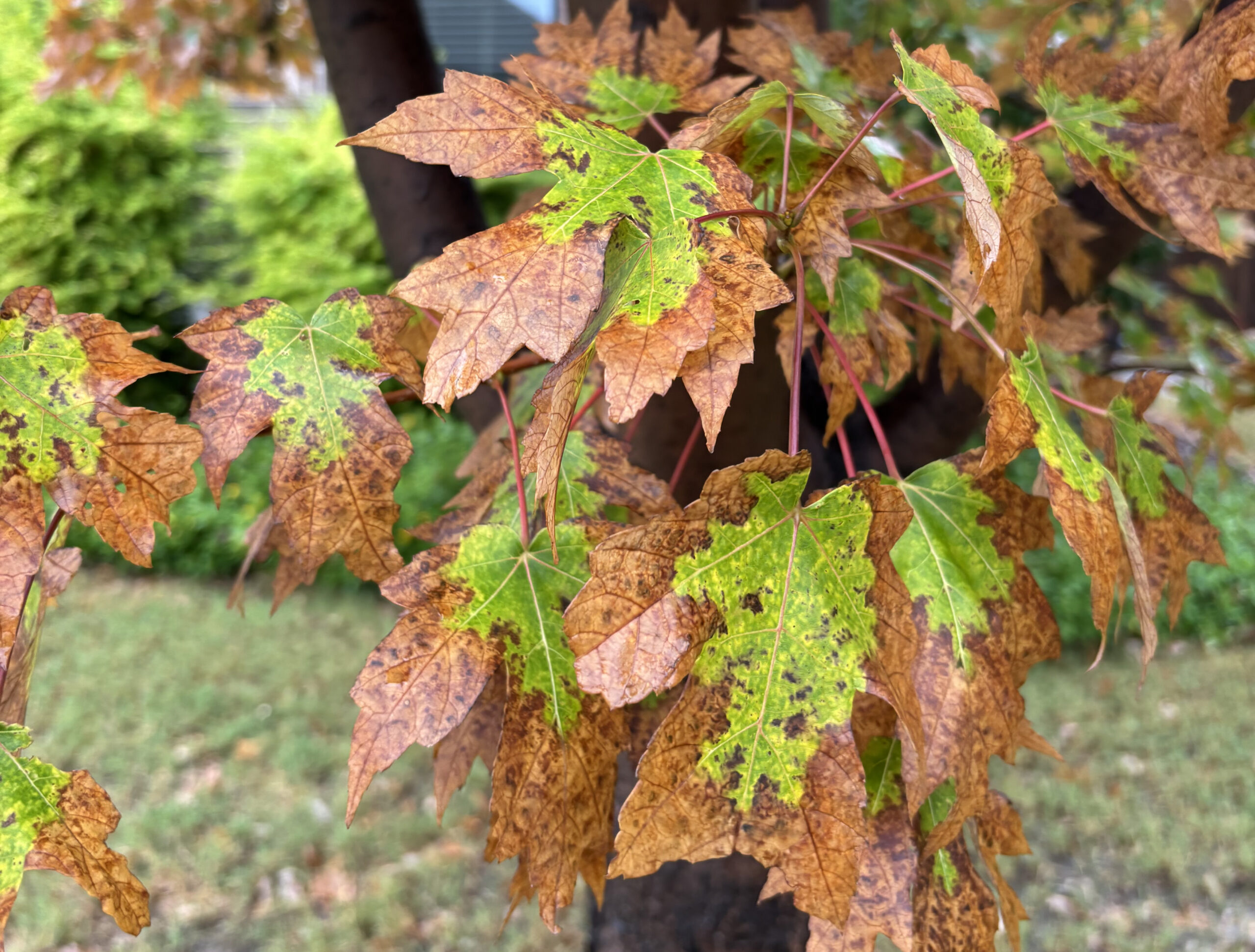
  • Reddish-brown spots on leaves
  • Yellow halos around the spots
  • Irregular blotches or splotches
  • Browning and curling leaves
  • Premature leaf drop, often in late summer or early fall
  • Most damage appears in the lower canopy, where moisture lingers

What Is Tubakia?

Tubakia (formerly known as Actinopelte dryina) is a fungal pathogen that overwinters in fallen leaves and twigs. When the warm, wet conditions of late summer return, spores are spread through wind and rain, infecting trees that are already under stress.

While Tubakia is most commonly associated with red oaks, it can affect a variety of tree species, including maples and other broadleaf trees.

Why Is My Tree Getting Tubakia?

Tubakia tends to infect trees that are already under stress. Common stress factors include:

  • Nutrient deficiencies (especially iron)
  • Improper mulching
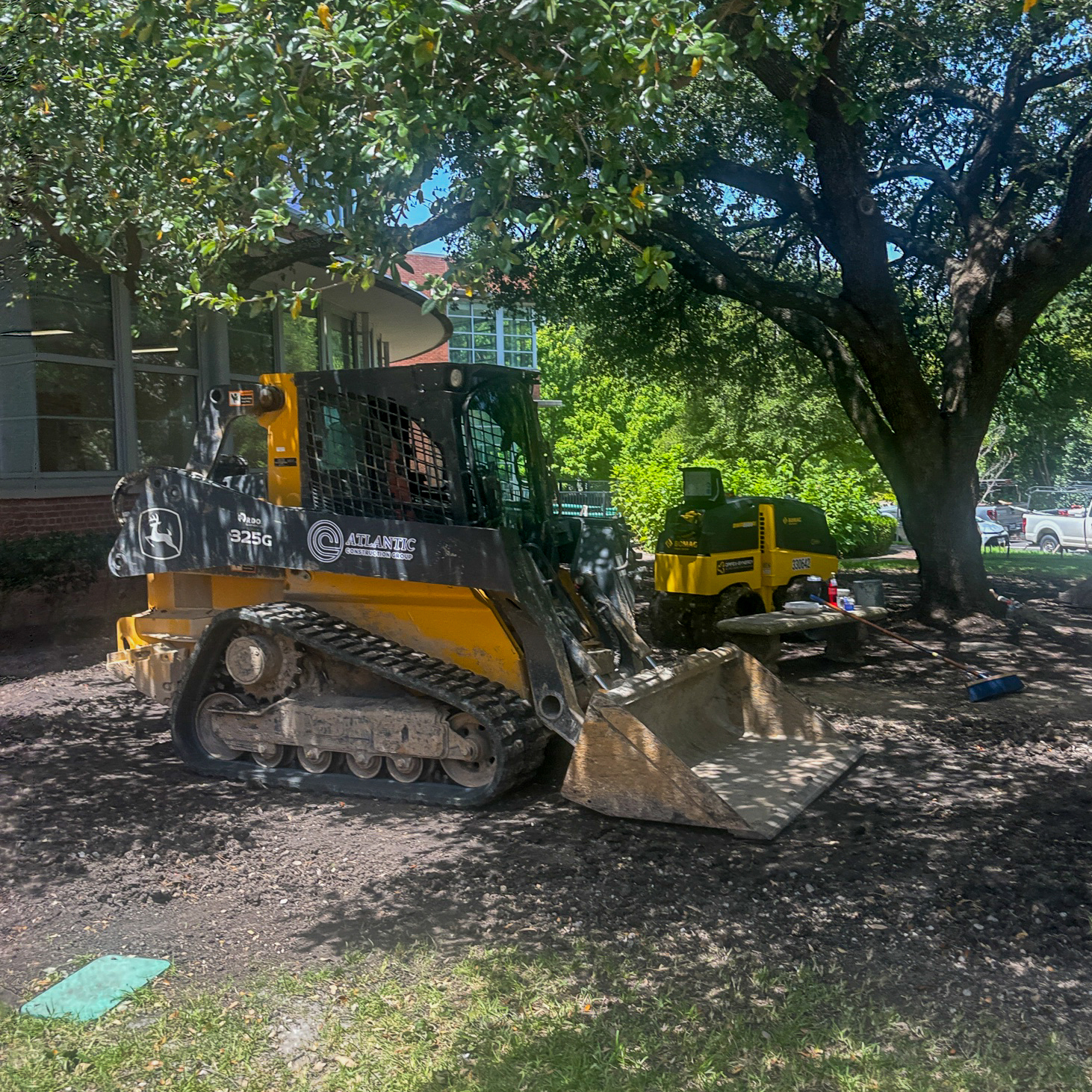
  • Construction or root damage
  • Poor soil structure or compaction
  • Drought or overwatering
  • Recent transplanting

How Texas Tree Surgeons Diagnoses Tubakia

Tubakia can often be identified by its signature reddish-brown leaf spots and yellow halos, but a key diagnostic clue is where the symptoms appear. Tubakia typically affects the lower part of the canopy, where humidity is highest—unlike other diseases, which may start at the top or tips of branches.

Our ISA Certified Arborists are trained to accurately diagnose Tubakia and distinguish it from other common leaf diseases. Once confirmed, we can create a treatment and recovery plan tailored to your landscape.

How We Treat Tubakia

There is no instant cure for Tubakia, but with the right approach, we can help your tree recover and thrive. At Texas Tree Surgeons, we focus on reducing stress and improving overall tree health:

  • Identify and correct stressors (nutrient deficiencies, compacted soil, improper mulching)
  • Selective pruning to increase airflow and reduce humidity in the canopy
  • Remove and dispose of fallen leaves to limit fungal spores
  • Fertilize—especially after significant defoliation—to support regrowth
  • Use fungicides only in severe, recurring cases as a preventive measure

What Can You Do as a Homeowner?

You play a big role in helping your trees recover from Tubakia:

  • Mulch correctly – Keep mulch 2–4 inches deep and at least a few inches away from the trunk
  • Water properly – Deep, infrequent watering encourages strong root systems
  • Pick up fallen leaves – This reduces the number of fungal spores around your tree
  • Test your soil – A soil test can uncover hidden nutrient issues
  • Schedule regular tree checkups – Especially for newly planted or recently stressed trees

What Will Happen to My Tree?

The good news: Tubakia is rarely fatal. Most trees will recover on their own with the right support and care. However, repeated infections can weaken a tree over time, so early diagnosis and proper management are essential to long-term health.
Share This Blog
PREV BLOG
NEXT BLOG

Search Within Blogs

Recent Posts

  • Common Tree Pests and How to Manage Them
    Pest and disease problems can escalate quickly. At Texas Tree Surgeons, we combine experience, scientific knowledge, and diagnostic technology to create custom solutions that protect your trees and enhance your landscape. […]
  • Signs of Over Watering Newly Planted Tree
    If your soil is soggy not moist then you are over watering. […]
  • Why Oak Wilt is Especially Devastating on Red Oaks 
    Did you know oak wilt effects red oaks more severally than live oaks. In addition Red oaks can start new oak wilt outbreaks. Red oaks produce fungal mats under the bark that attract specific sap-feeding beetles that can carry spores to fresh wounds on other oak trees. […]
  • How Tree Choices Shape Allergy Season in North Texas
    Beyond allergies, planting decisions affect urban ecosystems, influencing water usage, soil health, and biodiversity. Diverse tree planting supports a healthier urban ecology.   […]
  • Phomopsis
    Phomopsis Red Flags  Browning of leaves and new growth […]

Ask Texas tree Surgouns

  • News Coverage
  • What's Wrong with My Tree
  • Local Arborist Services
  • Consulting
  • Tree Planting
  • Tree Removal
  • Tree Trimming
  • Tree Health Care
  • Roots
  • Insects & Diseases
  • Tree Recommendations
  • Turf & Trees
  • Extreme Weather
  • Fall Tree Care
  • Spring Tree Care
  • Summer Tree Care
  • Winter Tree Care
  • Top 10
  • Resources
  • Tree Owner's Guide
  • Ask Texas Tree Surgeons
  • Events
  • Video

Follow

Recent Comments

    Archives

    • April 2026
    • March 2026
    • February 2026
    • January 2026
    • December 2025
    • November 2025
    • October 2025
    • September 2025
    • August 2025
    • July 2025
    • June 2025
    • May 2025
    • April 2025
    • March 2025
    • February 2025
    • January 2025
    • December 2024
    • November 2024
    • October 2024
    • September 2024
    • August 2024
    • July 2024
    • June 2024
    • May 2024
    • April 2024
    • March 2024
    • February 2024
    • January 2024
    • December 2023
    • November 2023
    • October 2023
    • September 2023
    • August 2023
    • July 2023
    • May 2023
    • February 2023
    • October 2022
    • September 2022
    • August 2022
    • May 2022
    • April 2022
    • March 2022
    • February 2022
    • January 2022
    • October 2021
    • September 2021
    • July 2021
    • June 2021
    • May 2021
    • March 2021
    • February 2021
    • January 2021
    • December 2020
    • November 2020
    • October 2020
    • August 2020
    • June 2020
    • April 2020
    • March 2020
    • February 2020
    • January 2020
    • December 2019
    • November 2019
    • October 2019
    • September 2019
    • August 2019
    • July 2019
    • June 2019
    • May 2019
    • April 2019
    • March 2019
    • February 2019
    • December 2018
    • November 2018
    • October 2018
    • September 2018
    • August 2018
    Related

    Related Blogs

    Similar blogs related to this topic
    All Blogs
    What's Wrong with My Tree

    Common Tree Pests and How to Manage Them

    Trees naturally interact with insects throughout the year, and in many cases, these pests cause little lasting harm. Effective tree care focuses on Integrated Pest Management (IPM) – an approach supported by the International Society…

    Read more Apr 14, 2026
    What's Wrong with My Tree

    Signs of Over Watering Newly Planted Tree

    Over watering damages tree just like under watering. This is especially true for newly planted trees. Unfortunately watering new trees is not a set it and forget it type of care. Depending on rainfall, temperature,…

    Read more Apr 09, 2026
    What's Wrong with My Tree

    Why Oak Wilt is Especially Devastating on Red Oaks 

    Oak wilt is one of the most serious tree diseases we see in North Texas. While all oak trees are susceptible, red oaks are especially vulnerable and often decline much faster than other oak species.…

    Read more Apr 06, 2026
    Contact Us

    Get Your Estimate Today!

    Ready to get started? Have a question? We’d love to hear from you. Request an estimate and get started today.

    Contact Us
    Locations

    Areas Served

    Tree Services in and around the Dallas-Fort Worth Metroplex.

    • Dallas
    • Grand Prairie
    • Plano
    • Denton
    • North Richland Hills
    • Southlake
    • Fort Worth
    • Lewisville
    • Carrollton
    • Highland Park
    • Euless
    • Colleyville
    • Arlington
    • Frisco
    • McKinney
    • Grapevine
    • Garland
    • Wylie
    • Irving
    • Richardson
    • Coppell
    • Mesquite
    • Farmers Branch
    • Flower Mound
    • Keller
    • Addison
    • Rockwall
    • Prosper
    • Allen
    • Murphy
    • University Park
    • Trophy Club
    view more
    footer logo

    Dallas Tree Surgeons or Texas Tree Surgeons? Both! Same great people. Different name.

    • 469-387-6000
    • [email protected]
    Services
    • All Services
    • Local Arborist
    • Tree Health Care
    • Tree Removal
    • Tree Trimming
    • Tree Planting
    • Stump Grinding
    Quick Links
    • About
    • Contact Us
    • Faqs
    • Privacy Policy
    • Terms and Conditions
    Follow us on

    "Dallas Tree Surgeons" and "Texas Tree Surgeons" are registered marks of Tree Surgeons LLC.

    Copyright ©2018-2024 Tree Surgeons LLC

    Stay Connected With Texas Tree Surgeons

    * indicates required
    🇺🇸
    Texas Tree Surgeons - By providing your phone number and checking the box, you agree to receive promotional and marketing messages, notifications, and customer service communications from Texas Tree Surgeons. Message and data rates may apply. Consent is not a condition of purchase. Message frequency varies. Text HELP for help. Text STOP to cancel. See Terms and Privacy Policy
    Submitting...