What’s Wrong with My Red Oak?
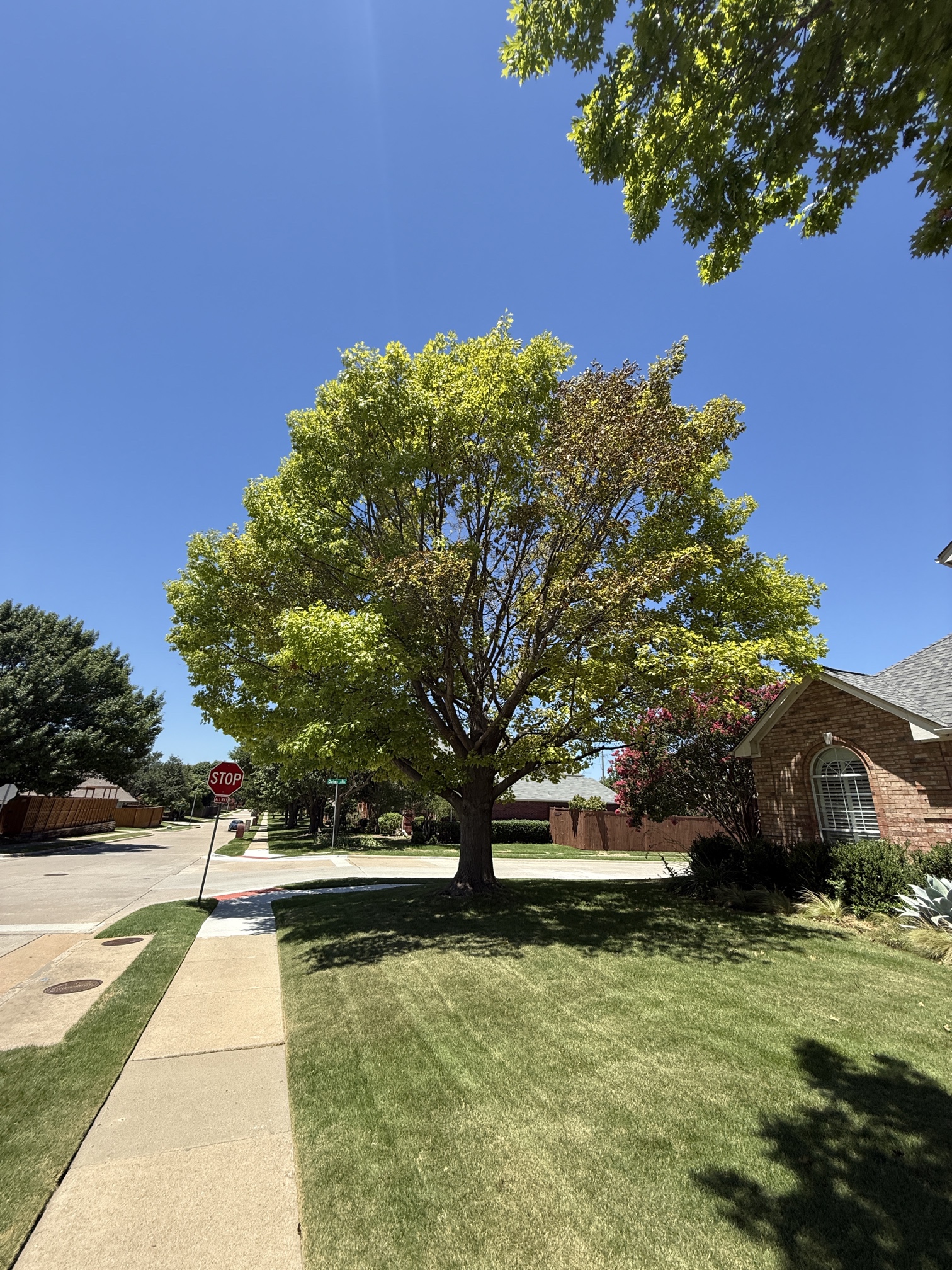
If your red oak is dropping leaves early or developing strange brown spots with yellow halos, you’re not alone—and your tree may be dealing with Tubakia leaf spot. Common in North Texas, this fungal disease often affects red oaks and tends to show up just when you think the growing season is winding down.
What Is Tubakia Leaf Spot?
Tubakia dryina (formerly known as Actinopelte) is a fungus that survives in infected leaves and twigs over the winter. When the warm, wet months of late summer and early fall return, spores spread through wind and rain, targeting already stressed trees.
What Are the Symptoms?
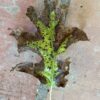
- Circular reddish-brown spots, about ¼–½ inch wide
- Yellow (chlorotic) halos around the spots
- Spots merging to form large blotches
- Early leaf drop
- Most severe in late summer or early fall
These symptoms are especially pronounced on red oaks, though other oak species can also be affected.
Why Is My Tree Getting This?
Like many fungal diseases, Tubakia tends to attack trees that are already under stress. That stress could come from:
- Poor soil nutrition (especially iron deficiency)
- Recent transplanting
- Improper watering
- Construction damage
- Compacted soil
How Do We Treat Tubakia?
There’s no quick spray fix here—but don’t worry. Tubakia is rarely fatal and is best managed by reducing tree stress and supporting natural recovery. Here’s how we at Texas Tree Surgeons help:
- Assess and correct stress factors (nutrient deficiencies, poor soil structure, improper mulching)
- Remove and destroy fallen leaves to reduce fungal spores
- Selective pruning to improve airflow through the canopy
- Fertilize especially after heavy defoliation
- Apply fungicides only as a preventative in recurring, severe cases
What Can You Do?
If you’ve just planted a red oak, make sure it’s properly mulched and watered. Avoid letting the mulch touch the trunk, and water deeply but infrequently to encourage strong root growth. Pick up fallen leaves and consider a soil test to check for nutrient deficiencies.
Need Help with Your Red Oak Tree?
If you’re noticing Tubakia symptoms or suspect your tree is under stress, don’t wait until it gets worse. Our ISA Certified Arborists at Texas Tree Surgeons can inspect your tree, identify any underlying problems, and create a health plan tailored for your landscape.Contact us today to schedule a visit and keep your red oak looking its best year-round.
 PREV BLOG
Related Blogs
Similar blogs related to this topic
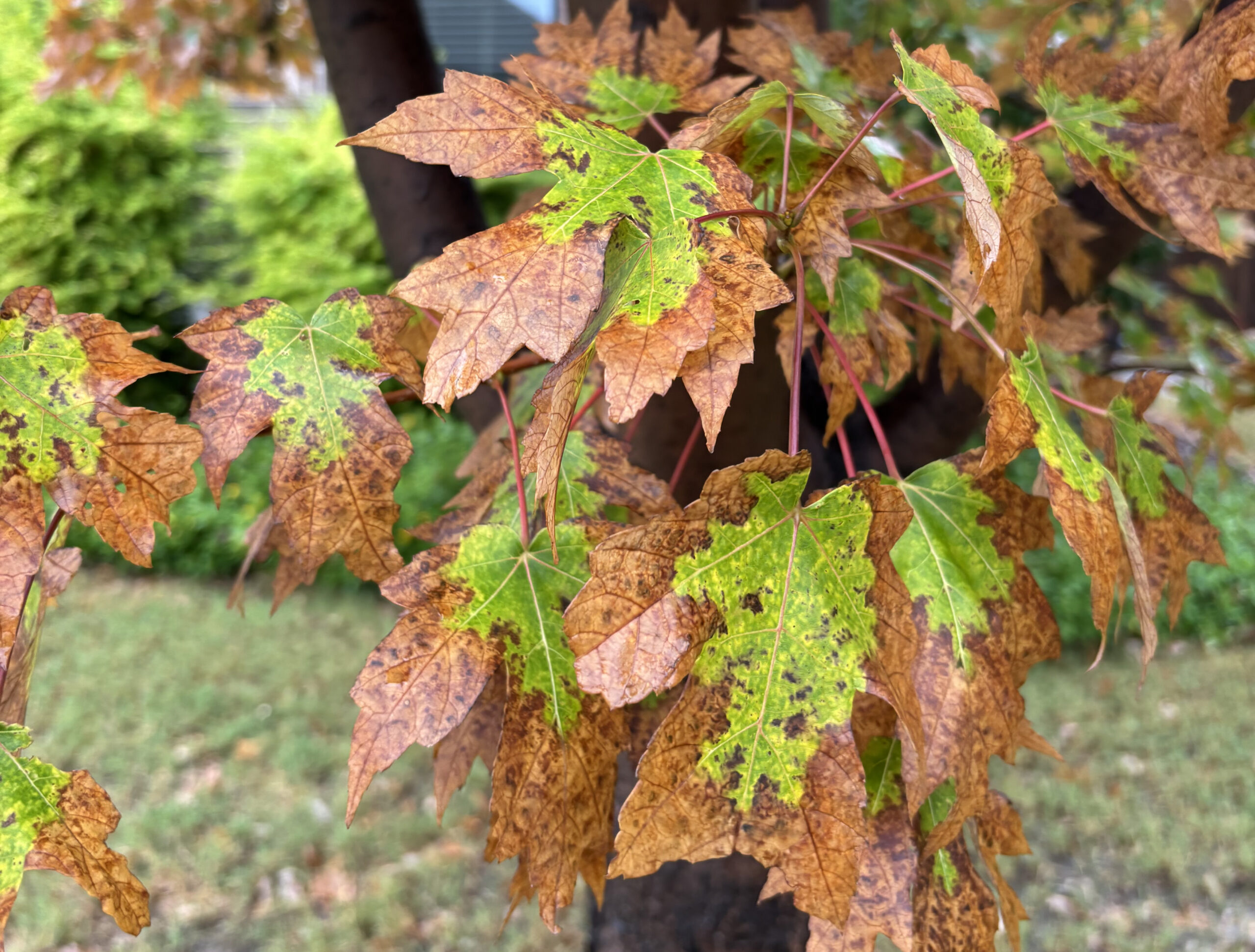
Top 10 Reasons Why Your Tree is Dying
Trees are tougher than they look, but even healthy trees can struggle when stress builds over time. In North Texas, factors such as drought, poor soil conditions, root damage, pests, and improper maintenance can gradually…
Read more
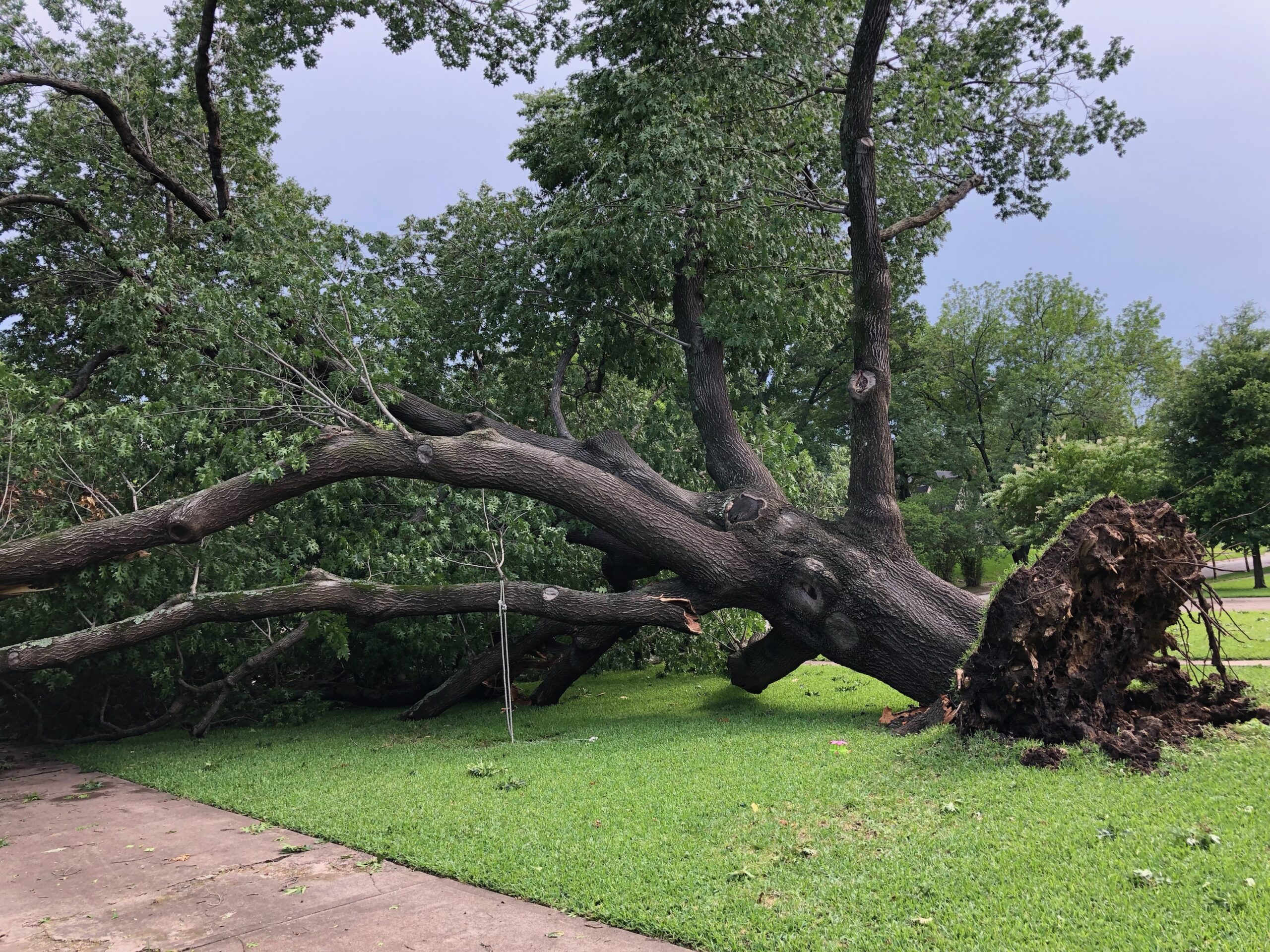
Leaning Trees Post Heavy Rain
Heavy rain followed by long period of drought can cause significant shifting in our soils. This can be concerning for trees that have shallow roots. Heavy Rain Doesn’t Mean Tree Failure Healthy trees that are structurally…
Read more
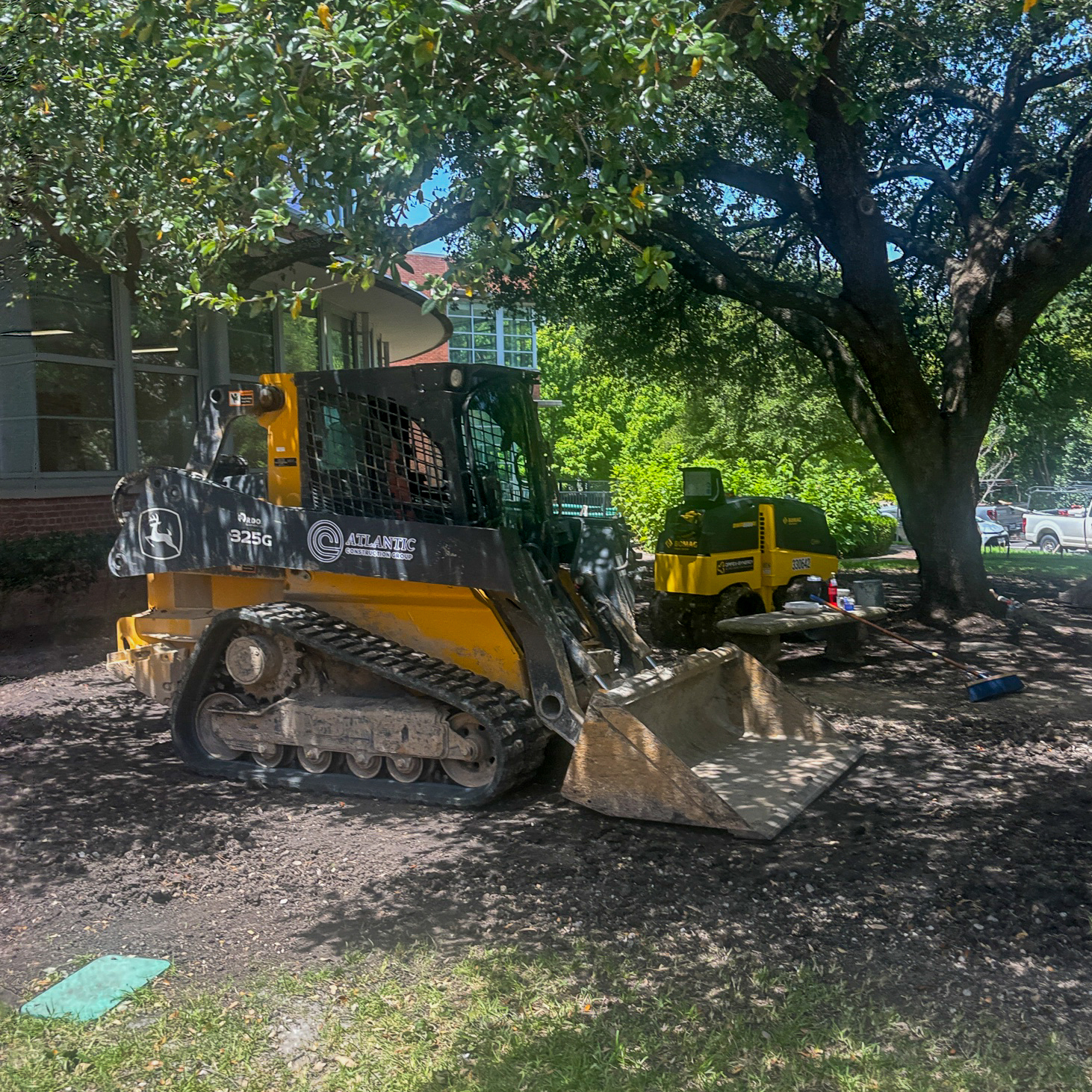
Is There Anything you can do to Correct Compaction Issues Caused by Construction?
Correcting soil compaction requires a combination of physical loosening of the soil (aeration), biological improvement (microorganisms), continued protection. Vertical Mulching Mechanical / Physical Solutions Mechanical/Physical solutions are usually the quickest way to break up severely…
Read more